
Reviewed · TREME TOURS
New Orleans: Tremé African American & Creole History Tour
Tremé is where New Orleans music and Black cultural history meet face to face. This 105-minute walk moves beyond French Quarter folklore to explain how free people of color, enslaved Africans, Creole families, musicians, and civil rights leaders shaped the city. Guides such as Erin, Nika, Kweku, Angela, and Eva bring different voices and stories to the route.
I especially like the music-led storytelling, with guides using a portable speaker to connect songs to places and people. I also like the attention given to history the city has often softened or left out, including slavery, segregation, Plessy v. Ferguson, Congo Square, and the destruction of parts of the old neighborhood.
The main consideration is weather. Tours operate rain or shine, and New Orleans heat can be serious. Wear good walking shoes, bring sun protection, and leave room in your schedule because some tours run beyond the advertised 105 minutes when questions and conversation get going.
In This Review
- Key points to know before you book
- Why Tremé deserves more than a quick look
- Starting at 718 N. Rampart Street
- Armstrong Park, Congo Square, and a neighborhood erased
- St. Augustine Church and the Tomb of the Unknown Slave
- From Jelly Roll Morton to Trombone Shorty
- Civil rights, Plessy v. Ferguson, and the history left out
- Seeing the Tremé seen on television
- The laundromat with a place in rock history
- What the guides add to the experience
- Walking conditions, weather, and timing
- Is $22 a fair price?
- Who should take this Tremé walk?
- My booking advice
- FAQ
- How long does the Tremé tour last?
- What language is the tour conducted in?
- Where does the tour meet?
- What landmarks are included?
- Is the tour wheelchair accessible?
- What should I bring?
- Are food and drinks included?
- Can I bring luggage or a large bag?
- Can I cancel the booking?
Key points to know before you book
- Congo Square and Armstrong Park: Learn how public gathering, ceremony, and music in this area helped shape later New Orleans musical traditions.
- Jazz has local addresses: The tour connects Tremé to figures including Jelly Roll Morton, Alphonse Picou, and Trombone Shorty.
- History is not polished for comfort: Expect direct discussion of slavery, free people of color, segregation, civil rights, and the neighborhood’s losses.
- Music comes along: Several guides use carefully chosen recordings to set up the next story.
- A good value at $22: The price covers a 105-minute guided walk with a licensed local historian, but food and drinks are extra.
- Start inside the Voodoo Lounge: Check in at the box office at 718 N. Rampart Street and collect your wristband before walking out.
Why Tremé deserves more than a quick look
Many first visits to New Orleans stay inside the French Quarter. That is easy to understand: the Quarter is compact, photogenic, and full of music. But it cannot explain the city on its own. Tremé adds the missing voices.
This neighborhood is presented as the center of New Orleans Creole culture and the birthplace of jazz and the modern brass band tradition. Those claims are not treated as simple slogans. The guide explains the people, gathering places, social pressures, and musical habits that helped make them possible.
You will hear about African and African American life in New Orleans from the 18th and 19th centuries onward. The walk also reaches into the civil rights era and the ongoing story of Tremé today, where musicians, artists, and craftspeople continue to shape the neighborhood.
That mix gives the tour more weight than a walk focused only on famous musicians. You are not just collecting names. You are learning why music developed here and how culture survived despite slavery, racism, displacement, and attempts to erase parts of the community.
More Treme and Congo Square walks:
- New Orleans Treme’ Walking Tour
★ 5.0 · 240 reviews - True Voodoo History of NOLA’s Congo Square with Local Guide
★ 5.0 · 133 reviews - 60-minute Tremé Walking Tour & Photo Experience
★ 5.0 · 72 reviews
Starting at 718 N. Rampart Street
The meeting point is The Voodoo Lounge, at 718 N. Rampart Street on the corner of North Rampart and Orleans streets. This is at the top of the French Quarter, making it a practical place to begin if you are already exploring the Quarter.
Check in inside the lounge at the box office. You will receive a wristband before the group heads out. That indoor check-in matters on a hot or wet day, but do not treat the lounge as the main attraction. The real experience begins once the guide starts placing Tremé next to the French Quarter on the map.
The tour is conducted in English. It is wheelchair accessible, and the route is a walking tour rather than a ride or a museum visit. You should still plan for outdoor conditions, uneven urban walking, and periods spent standing while the guide talks.
Large bags and luggage are not allowed. That is useful to know if you are heading straight from a hotel or airport. Bring only what you need for the walk.
Armstrong Park, Congo Square, and a neighborhood erased
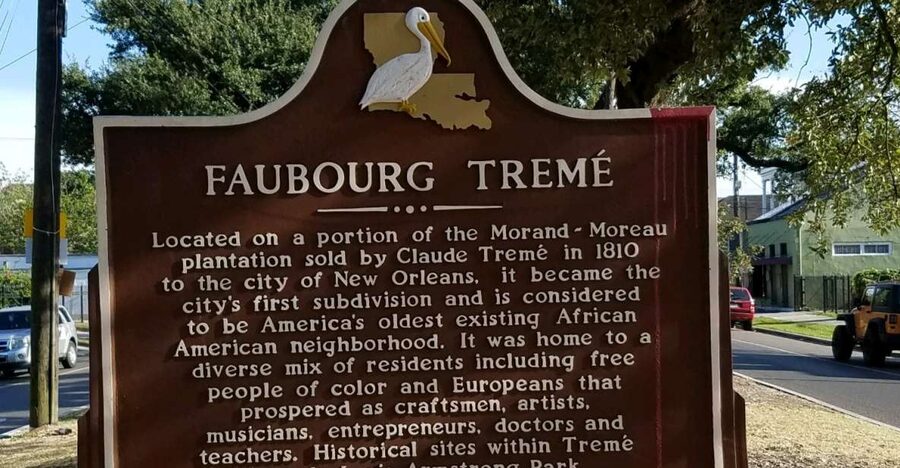
One of the most important parts of the walk centers on the area now associated with Louis Armstrong Park. The park is not simply a pleasant green space on the edge of the French Quarter. It sits over places tied to the story of Tremé and Congo Square.
The tour uses the setting to explain how Africans and African Americans gathered, kept traditions alive, and made music under conditions designed to limit their freedom. One guide has used a special prayer ritual at the prayer tree in Congo Square, while other tours have focused on the square’s role in the development of New Orleans music.
You may also hear about streets and intersections that no longer look the way they once did. A particularly striking part of the route can come when the guide shows historical images near the former intersection of St. Claude and Dumaine. The contrast between the old neighborhood and the present park makes the cost of redevelopment easier to grasp.
This is where the tour asks you to look past attractive scenery. The park can feel open and restful today, but the guide uses it to discuss a neighborhood that was damaged and partly destroyed. For me, that visual link between a present-day public space and the community that was removed is one of the tour’s most useful lessons.
St. Augustine Church and the Tomb of the Unknown Slave
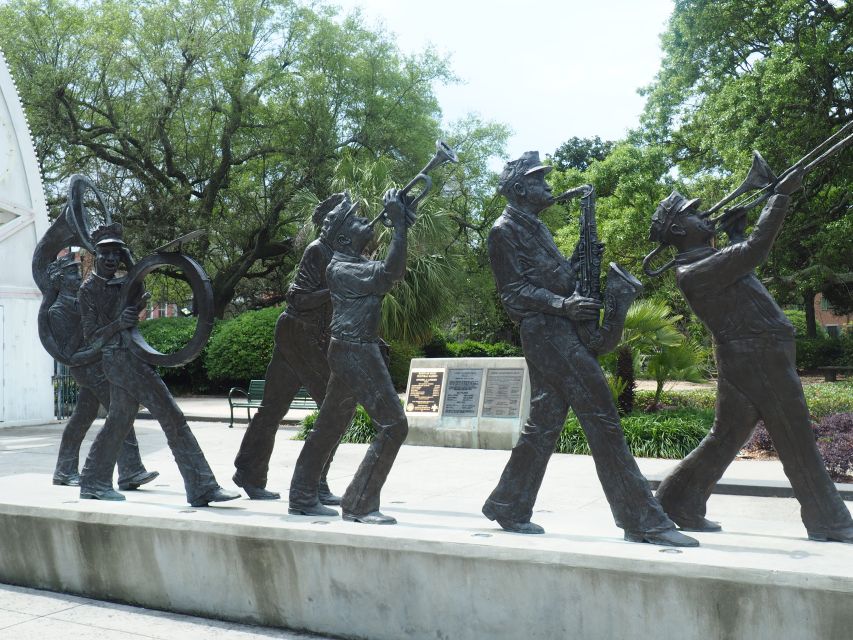
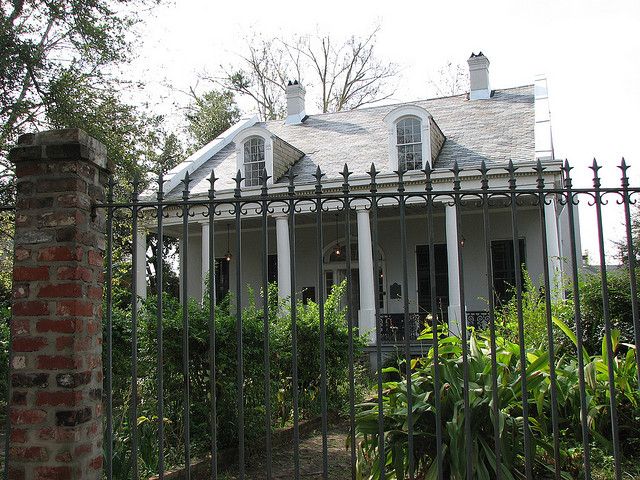
St. Augustine Church is another key stop. It gives the tour a place to discuss Black Catholic life and the role of free people of color in New Orleans. The church is not presented as an isolated landmark. It helps show how faith, community, and social status worked together in a city with complicated racial categories.
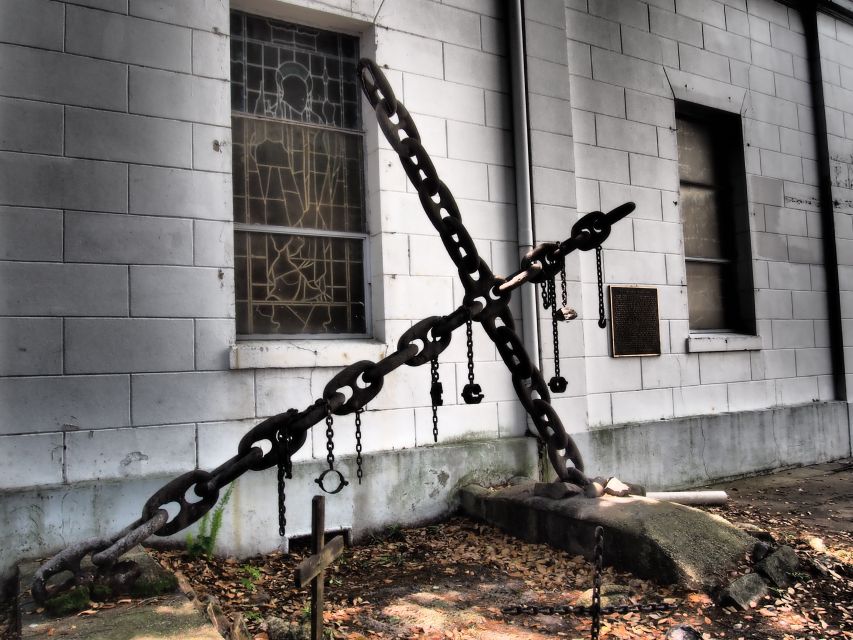
The Tomb of the Unknown Slave adds a more direct and solemn reminder of the people whose names and personal stories were lost. It is a short stop in physical terms, but it changes the tone of the walk. The tour asks you to think about the lives behind the broad labels of enslaved Africans and African Americans.
Expect the guide to make links between known facts and the gaps in the record. That approach is valuable because New Orleans history can be sold as colorful entertainment while the violence behind it gets pushed aside. Here, the difficult parts are part of the main story.
The stop may be especially meaningful if you want to understand Black New Orleans through community institutions rather than only through music. You will still hear plenty about jazz, but the tour does not use music to avoid the harder history.
More Cajun and Creole food tours:
- Paddlewheeler Creole Queen Historic Mississippi River Cruise
★ 4.5 · 1,948 reviews - Paddlewheeler Creole Queen Jazz Dinner Cruise in New Orleans
★ 4.0 · 1,469 reviews - Laura Creole Plantation Guided Tour
★ 5.0 · 1,279 reviews - New Orleans French Quarter Food Tour: Cajun, Creole and Culture
★ 5.0 · 1,246 reviews
From Jelly Roll Morton to Trombone Shorty
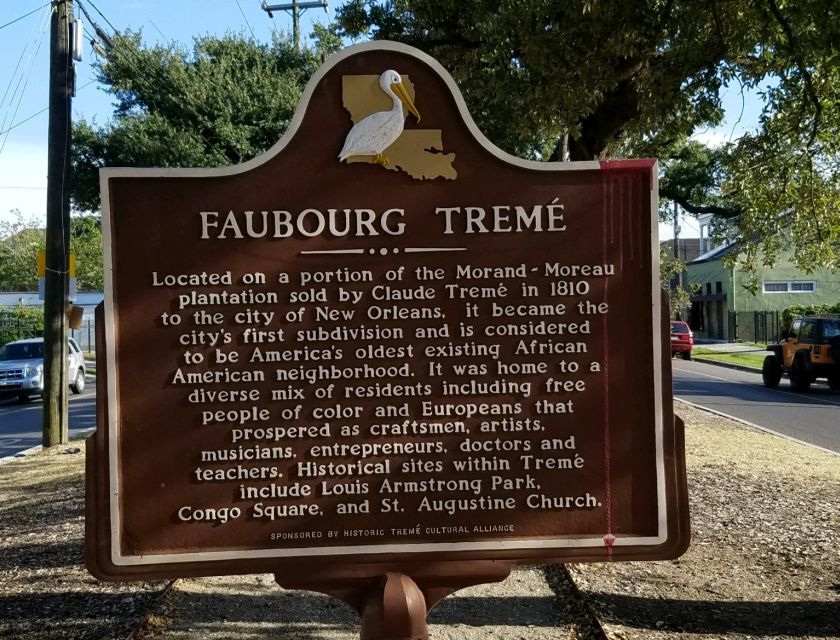
Music is the thread that keeps the walking route moving. Tremé is linked with jazz figures such as Jelly Roll Morton and Alphonse Picou, along with modern musicians including Trombone Shorty. The guide uses these names to show that the neighborhood’s musical life did not end with the first generation of jazz.
The best part is the connection between sound and place. Guides including Kweku, Nika, and Eva have used a Bluetooth speaker or boom box to play selected music while walking between stops. A song may introduce the next explanation, making the history easier to remember than a list of dates.
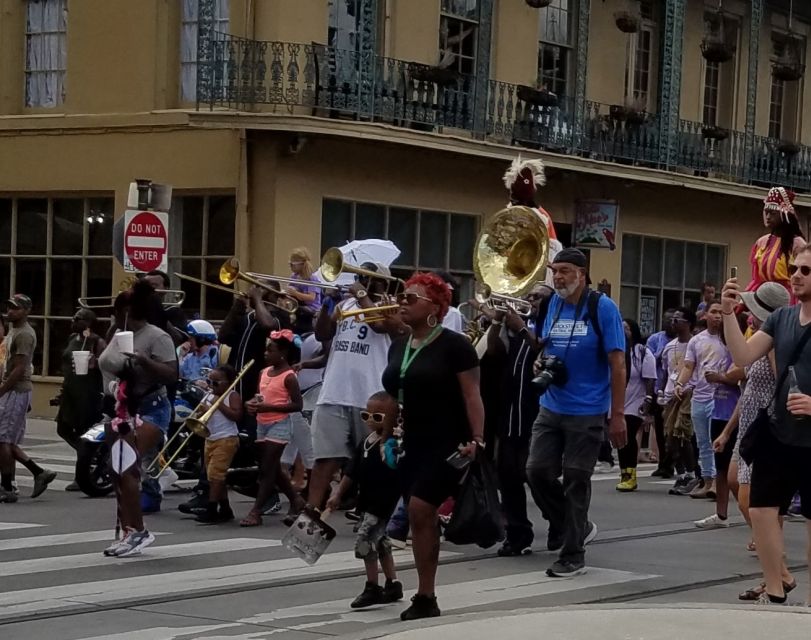
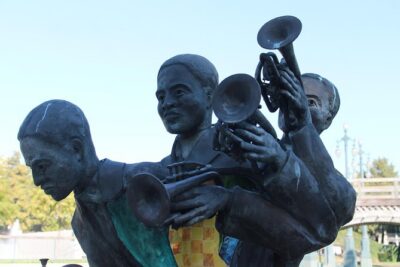
You will learn about the modern brass band tradition as well. That matters because New Orleans music is not only something heard in clubs. It can accompany parades, funerals, celebrations, marches, and neighborhood gatherings. The walking format helps you see music as part of public life.
The musical selections vary by guide. That is both a strength and a small uncertainty. Erin may tell the story in a careful, wide-ranging way, while Nika has been praised for energetic delivery and music woven through the route. Kweku has drawn attention for linking several music styles across the centuries. You cannot select a particular guide with certainty, but the range of guides gives the tour a personal quality rather than a single fixed script.
Civil rights, Plessy v. Ferguson, and the history left out
The tour also reaches beyond jazz into American civil rights history. You may hear about Plessy v. Ferguson, the Supreme Court case that helped establish the doctrine of racial segregation, and how New Orleans connects to that national story.
This section is important because it places Tremé within a larger fight over citizenship, public life, and equal treatment. The neighborhood is not treated as a museum of old music. It becomes a place where legal decisions, family experiences, and local activism intersect.
Guides have been praised for explaining uncomfortable subjects in clear language without turning the walk into a lecture. That balance matters. You should expect serious material, but the tour still leaves room for questions, humor, and conversation.
If you prefer tours that avoid politics or painful history, this may feel heavy at times. If you want a fuller account of how New Orleans became New Orleans, the direct approach is a major reason to go.
Seeing the Tremé seen on television
The route includes locations connected with the HBO series Tremé. That will appeal to fans of the show, but you do not need to have watched it. The filming sites work best as an extra layer, not as the main purpose of the walk.
The guide can explain how the series used real neighborhood settings and musical culture. You get a clearer sense of why the show needed Tremé itself rather than a generic studio version of New Orleans.
Still, keep your expectations sensible. This is not a dedicated television-location tour. The show is one thread in a larger walk about Black history, Creole culture, music, and neighborhood change. If you are booking only for filming locations, you may find the history takes up more time than the screen references.
The laundromat with a place in rock history
One of the tour’s more unexpected details is a laundromat that made its way into the Rock and Roll Hall of Fame. It is a good example of the way this walk treats ordinary places as part of New Orleans culture.
You may pass many buildings that look practical rather than grand. The guide’s job is to explain why one of them matters. That is often more revealing than another stop at a famous facade. Tremé’s story is carried by shops, churches, streets, gathering places, and working residents, not only by monuments.
This kind of detail also keeps the tour from feeling too solemn. After discussions of slavery, segregation, and displacement, a surprising local music connection gives the route some lift without making light of the past.
What the guides add to the experience
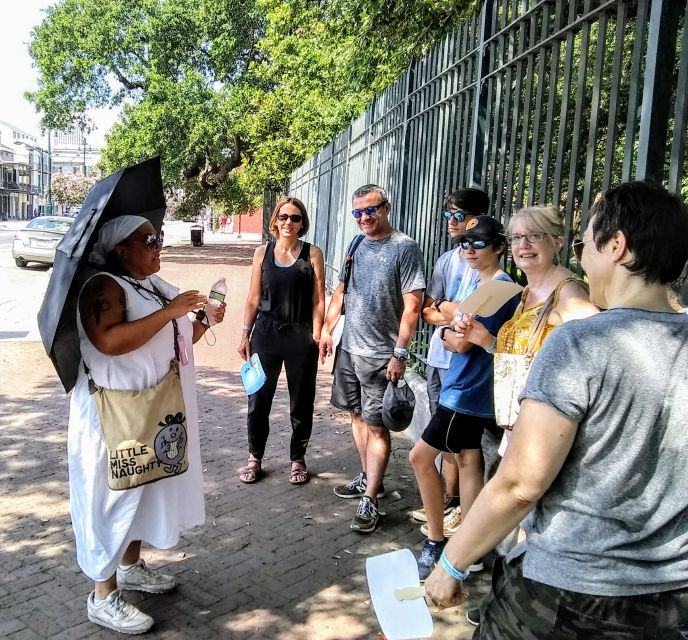
The strongest part of this activity is the person leading it. Past tours have been led by Erin or Erinn, Nika, Kweku, Angela, Eva, Claire, Bobbie, Malika, Jeremiah, and others. Names and availability can change, so booking does not guarantee a particular guide.
Erin has been praised for careful explanations of slavery, free people of color, jazz, and the parts of local history that are often buried. Nika is known for warmth, humor, strong energy, and thoughtful handling of questions. Kweku has been singled out for music choices and broad cultural context.
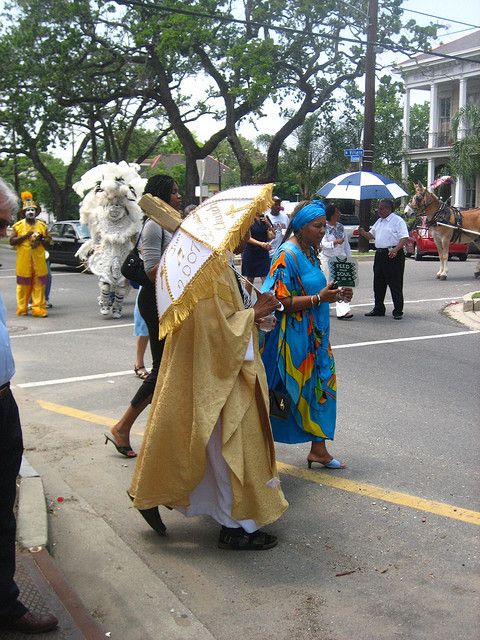
The guide may show photographs, use music, point out architectural details, or adjust the pace for the group. One tour included a look inside Perseverance Hall or Lodge, while another encountered a Martin Luther King Jr. Day parade and march. These moments may depend on timing and access, so treat them as possible bonuses rather than guaranteed stops.
I like that the guides invite questions. Several accounts describe open discussion as part of the walk, and one guide was especially good at correcting common misconceptions without making the conversation feel like a scolding. Bring questions if you have them. The tour becomes more useful when you connect its stories to something you have already studied or seen.
Walking conditions, weather, and timing
The advertised duration is 105 minutes. That is long enough for real context but short enough to fit into a busy New Orleans day. Still, do not schedule a restaurant reservation or another timed activity immediately afterward. Some guides let questions and conversations run past the stated finish.
The walk operates rain or shine. New Orleans weather can shift quickly, and the route offers limited relief from heat depending on the day. Wear comfortable walking shoes and bring sun protection. In hot weather, guides have taken care to find shade when stopping, but you should still prepare for outdoor exposure.
Winter can be surprisingly cold. A January tour was considered worth doing even in very cold conditions, so pack for the forecast rather than assuming New Orleans always means heat.
Food and beverages are not included. One past tour stopped at Tremé Coffeehouse, and that can be a pleasant addition if the route and guide include it, but you should not book this as a food tour. Plan your own water and meal arrangements.
Is $22 a fair price?
At $22 per person, this is a strong value for a 105-minute guided walk. You are paying for a licensed guide who works as a local historian, not just a basic orientation stroll. The route covers music, religion, slavery, civil rights, architecture, television, and neighborhood change in one compact outing.
The price looks even better if you use the walk to plan the rest of your visit. You may leave with places to revisit, including museums or landmarks seen along the route. One participant returned to two museums afterward, which is a smart way to turn the tour into a starting point rather than a standalone activity.
The main limit is that $22 does not include food, drinks, museum admission, or transportation. The value depends on your interest in history. If you want only photographs and quick facts, a shorter sightseeing walk may suit you better. If you want context and a human guide who can answer questions, the cost is modest.
Free cancellation is available up to 24 hours before the start time, and you can reserve now and pay later. Those terms make it easier to place the tour early in your itinerary without locking yourself into a rigid plan.
Who should take this Tremé walk?
I would recommend it to first-time visitors who want to understand New Orleans beyond Bourbon Street. It also suits returning visitors who have heard the music but want to know where its stories began.
The tour is a good fit for:
- People interested in Black American history and civil rights
- Jazz, brass band, and New Orleans music fans
- HBO Tremé viewers who want local context
- Visitors who prefer walking and conversation to a bus tour
- Families and adults comfortable discussing difficult history
- Anyone who wants to visit Tremé with a guide rather than wander without context
It may be less suitable if you dislike outdoor walking, need a tightly timed itinerary, or want a tour focused mainly on food, nightlife, or architecture. The subject matter includes slavery, racism, displacement, and segregation, so this is not a light sightseeing loop.
My booking advice
Book this tour if you want the history behind New Orleans music, not just a playlist and a photo stop. The mix of Congo Square, Armstrong Park, St. Augustine Church, the Tomb of the Unknown Slave, jazz landmarks, civil rights history, and Tremé filming locations gives you a serious look at the neighborhood in a manageable amount of time.
I would schedule it near the beginning of your New Orleans visit. The music and local references will make later walks, concerts, museums, and meals easier to understand. Choose a cooler part of the day if possible, wear shoes made for walking, and keep your afternoon flexible.
At $22, this is an easy recommendation for curious visitors. Go for the stories, the music, and the chance to see Tremé as a living community rather than a backdrop. Skip it only if heat, rain, or difficult history would make a 105-minute walk unpleasant for you.
FAQ
How long does the Tremé tour last?
The tour lasts 105 minutes. Allow extra time afterward because guides may continue when the group has questions or discussion runs long.
What language is the tour conducted in?
The tour is conducted in English with a live guide.
Where does the tour meet?
Check in inside The Voodoo Lounge at 718 N. Rampart Street, on the corner of North Rampart Street and Orleans Street. The location is at the top of the French Quarter.
What landmarks are included?
The tour includes St. Augustine Church, the Tomb of the Unknown Slave, Congo Square, locations connected with Armstrong Park, music-related sites, and filming locations from the HBO series Tremé.
Is the tour wheelchair accessible?
Yes, the activity is listed as wheelchair accessible.
What should I bring?
Bring comfortable walking shoes and sun protection. You should also prepare for the weather because the tour operates rain or shine.
Are food and drinks included?
No. Food and beverages are not included in the tour price.
Can I bring luggage or a large bag?
No. Luggage and large bags are not allowed.
Can I cancel the booking?
Yes. You can cancel up to 24 hours in advance for a full refund. You can also reserve now and pay later to keep your plans flexible.
More History Tours in New Orleans
- New Orleans Garden District History Walking Tour
★ 5.0 · 2,879 reviews - French Quarter Historical Sights and Stories Walking Tour
★ 5.0 · 2,724 reviews - New Orleans Small-Group Haunted History Carriage Tour
★ 4.5 · 2,289 reviews - New Orleans Haunted History Ghost Tour
★ 4.5 · 2,084 reviews
Just added around New Orleans
- New Orleans Garden District Tour★ 5.0 · 8 reviews
- New Orleans Seance Experience★ 4.0 · 8 reviews
- Airport and City Transfers in New Orleans★ 5.0 · 8 reviews
- Sin and Tonic Pub Crawl in New Orleans★ 4.5 · 8 reviews
- The New Orleans Darkness Tour★ 4.4 · 9 reviews
- New Orleans Plantation Tour with Transportation★ 5.0 · 9 reviews
- New Orleans Self-Guided Kayak Bayou Swamp Tour★ 5.0 · 9 reviews
- Historic Carrollton Neighborhood Walking Tour★ 5.0 · 9 reviews
Treme Tours, compared.
True Voodoo History of NOLA’s Congo Square with Local Guide
Read our review →
New Orleans Voodoo, Storyville, Treme, Walking Tour
Read our review →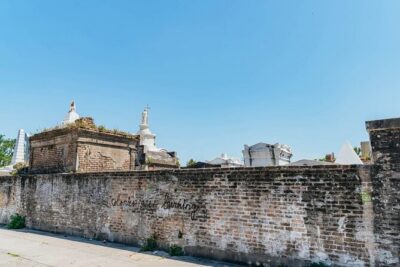
Private French Quarter, Voodoo, and Congo Square Walking Tour
Read our review →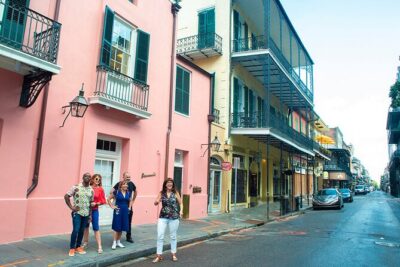
Walking the Tremé: A Self-guided Audio Tour of New Orleans
Read our review →
New Orleans Driving Tour with Bayou St. John, City Park, Treme
Read our review →Browse the lists this tour appears in