
Reviewed · PLANTATION TOURS
Laura Creole Plantation Guided Tour
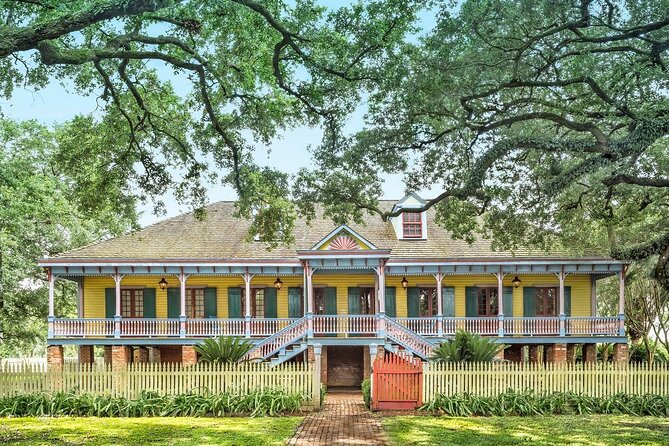
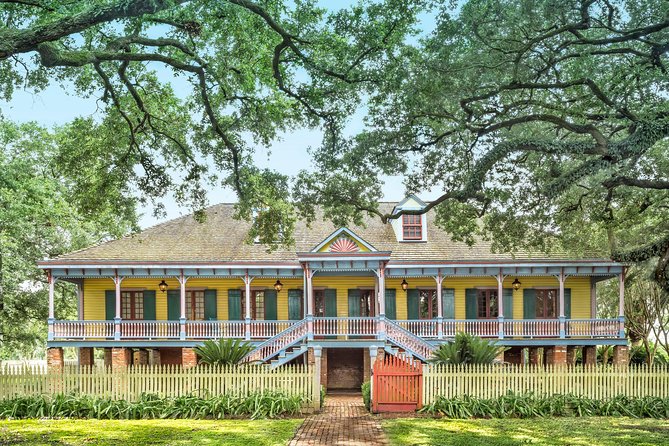
Laura Plantation tells an unusually personal story of Louisiana’s past. You move from the furnished 24,000-square-foot main house to the original 1840s slave cabins, hearing about four generations of the Duparc family and the free and enslaved people who lived and worked here. The family records and Laura Locoul’s memoir give the tour a human scale that a bare architectural visit cannot match.
I like the way the tour connects Creole culture to everyday plantation life, rather than treating the word as a simple label. I also like the direct discussion of slavery, including the sharp contrast between the family’s business and domestic life and the forced labor that supported it. The main drawback is the distance from New Orleans, especially if you need to pay for a separate ride.
In This Review
- Key points to know before you go
- Why Laura Plantation feels different from a standard plantation visit
- Walking through the 24,000-square-foot main house
- The slave cabins and the history the tour must confront
- Gardens, sugar fields, and the outdoor portion
- Getting there from New Orleans
- Price, group size, and the value of the visit
- How to get the most from your guide
- Who should book Laura Plantation
- Cancellation and booking advice
- FAQ
- How long does the Laura Plantation tour last?
- How much does the tour cost?
- Where does the tour begin?
- Is transportation from New Orleans included?
- What parts of Laura Plantation are included?
- Is the tour offered in languages other than English?
- Can I cancel for a full refund?
- Should you book Laura Plantation?
Key points to know before you go
- Four generations shape the story: The tour follows the French-descended Duparc family from the plantation’s founding in 1804 through later generations.
- The 1840s slave cabins are original: They help shift the visit beyond the manor house and toward the lives of enslaved people.
- The tour lasts about 70 minutes: It covers the main house, gardens, and cabins, with some walking outdoors.
- The price is $32.06 per person: That is a fair admission price for a fully guided historic site, but transportation from New Orleans costs extra.
- Guide quality matters: Amelia, Lee, Pam, Cameron, Joseph, Caroline, Lindie, and Laura have all been praised for clear storytelling, though one account described a rushed and difficult-to-follow tour.
- Book ahead: The tour often fills well before the visit date, with reservations commonly made about 25 days in advance.
Why Laura Plantation feels different from a standard plantation visit
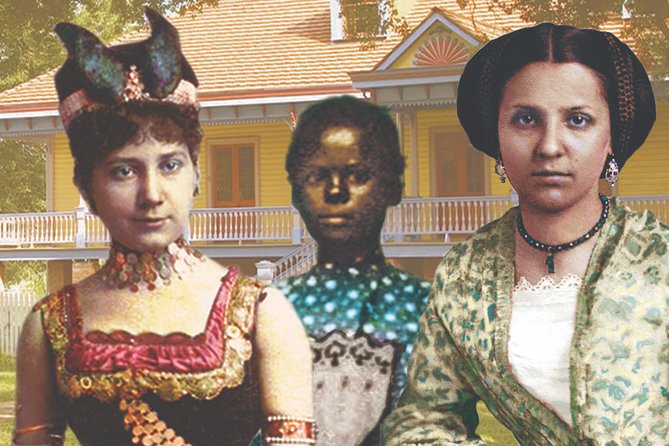
Many plantation tours can become a parade of architecture, antiques, and grand family names. Laura Plantation takes a different route. Its story comes from surviving family records, French National Archives material, and the memoir of fourth-generation family member Laura Locoul.
That source material lets the guide introduce people, not just buildings. You learn about the Duparc family, the plantation’s sugar business, and the enslaved workers whose labor kept the property running. The result is less a tour of an old house and more a guided look at how a Creole household functioned across changing political and social eras.
The plantation was founded in 1804 by the French-descended Duparc family. That date matters because Louisiana was moving through French, Spanish, and American influences, and Creole identity developed within that complicated setting. The tour explains the cultural mix that lasted in Louisiana for more than 200 years.
I find this context useful because Creole can mean different things in different places and periods. At Laura, the term is tied to the family’s French background, local customs, language, and life in colonial and American Louisiana. Your guide helps place the family inside that setting instead of presenting Creole culture as a decorative extra.
More River Road plantation days:
- Swamp Boat Ride and Oak Alley Plantation Tour from New Orleans
★ 5.0 · 3,303 reviews - Oak Alley Plantation Tour with Transportation from New Orleans
★ 4.5 · 1,747 reviews - Whitney Plantation Tour with Transportation from New Orleans
★ 4.5 · 1,351 reviews
Walking through the 24,000-square-foot main house
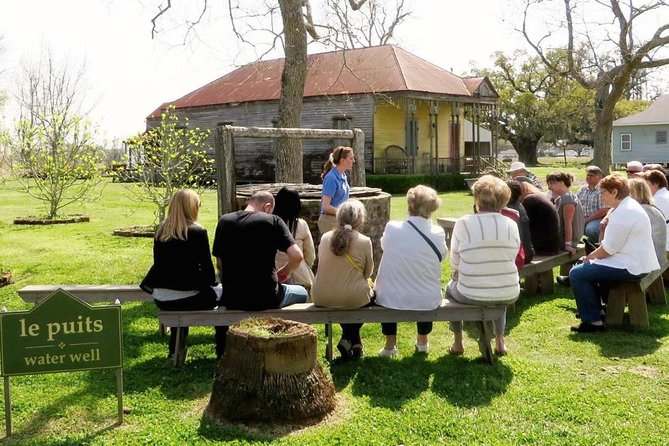
The tour begins with the Maison Principale, the plantation’s furnished main house. You see the ground floor as part of a guided group of no more than 28 people, a size that should allow questions without turning the visit into a private tour.
The house is valuable for what it reveals about daily systems. Rooms, furnishings, and architectural details help explain how the owners organized domestic life and plantation business. Guides also discuss the people who built and maintained the property, so the elegant rooms do not become a polished picture with the labor removed.
Pay attention as you move through the rooms. One useful practical tip is to look closely while you are there, since the tour may not give you a chance to return for a second pass. One account specifically noted that the house was viewed only once during the guided route, so take in photographs and details when the group reaches each area.
The pace can vary by guide. Many guides have been praised for making the family and period easy to understand. Amelia was described as particularly well prepared, while Cameron was praised for explaining both Creole culture and the lives of owners and enslaved people. Joseph was remembered as both informed and entertaining.
There is a less positive possibility to keep in mind. One small group found a guide rushed, hard to understand, and too strict about the timing of photographs. That experience also included difficulty hearing in the cellar because of a loud fan. It appears to be an exception among the many strong guide reports, but it is a useful reminder that this is a structured tour, not a slow, independent house visit.
The slave cabins and the history the tour must confront
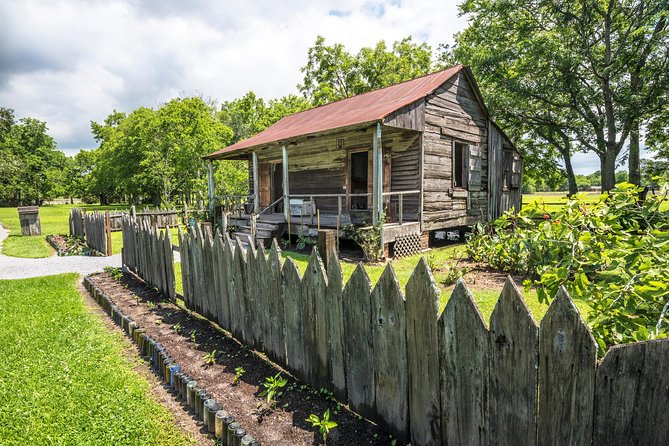
The original 1840s slave cabins are among the most important parts of the visit. They make the forced labor system physically present and keep the tour from focusing only on the owners’ rooms and family tree.
The tour addresses slavery as it existed in French colonial and American Louisiana through the end of the 19th century. You hear about free and enslaved people connected to Laura, and you get a clearer sense of the contrast between the family’s position and the lives of the people they controlled.
The treatment of this subject is one of Laura Plantation’s main strengths. The information provided for the tour makes clear that slavery is not brushed aside, and several guide accounts praised the balance between the plantation business, the owners, and enslaved workers. A visit here should leave you thinking about how the house, fields, and family fortunes were connected to coerced labor.
At the same time, you should not expect every minute detail of the enslaved community’s daily life. One account found the tour informative but wanted more specific information about day-to-day conditions for enslaved people. The plantation has said it is revising the tour to add more stories and experiences of the enslaved, including the realities of life at Laura.
That distinction is important. The tour gives slavery a serious place in the story, but the amount of detail can depend on the guide and the current tour presentation. If this is your main reason for visiting, listen carefully, ask questions, and allow time for the small museum after the tour.
Gardens, sugar fields, and the outdoor portion
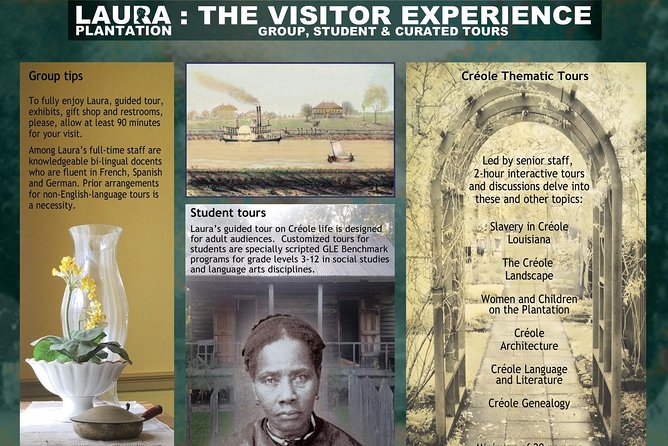
Laura Plantation is not limited to the house and cabins. The route includes intricate gardens and sugar fields, giving you a look at the setting that supported the plantation’s work and identity.
The grounds are repeatedly praised for their beauty and good condition, but the outdoor portion also affects comfort. New Orleans area weather can be hot, wet, or unpredictable, and this experience operates in all weather conditions. Wear good walking shoes and dress for the forecast rather than for the air-conditioned interior you may be imagining.
The gardens also help explain the practical side of plantation life. They are not simply a pretty backdrop for photographs. Along with the fields and outbuildings, they show that Laura was a working agricultural property, not just a family residence.
You may also find a gift shop and a small museum on site. The museum is separate from the guided route, so do not assume that the standard 70-minute tour includes every display. If you want more information about descendants, enslaved people, or the wider plantation system, set aside extra time to look around before leaving.
More Cajun and Creole food tours:
- Paddlewheeler Creole Queen Historic Mississippi River Cruise
★ 4.5 · 1,948 reviews - Paddlewheeler Creole Queen Jazz Dinner Cruise in New Orleans
★ 4.0 · 1,469 reviews - New Orleans French Quarter Food Tour: Cajun, Creole and Culture
★ 5.0 · 1,246 reviews - New Orleans: Creole Queen History Cruise with Optional Lunch
★ 4.3 · 1,112 reviews
Getting there from New Orleans
Laura Plantation is at 2247 LA-18 in Vacherie, about an hour’s drive from New Orleans along the Great River Road beside the Mississippi. You make your own way to the plantation, and the tour ends back at the same meeting point.
That drive is the main practical hurdle. The admission price is modest, but hotel pickup and drop-off are not included. If you do not have a car, you will need to arrange a separate transportation service. The cost of that ride can exceed the tour price, so check the full transportation total before committing.
If you are driving, Laura works well as part of a day along the Great River Road. You can continue to other plantations after the tour, though you should plan your timing around the fixed start of your Laura visit. The site has parking for cars and buses, according to on-site experience, which makes it workable for both independent visits and organized transportation.
I would not choose this experience for a quick New Orleans morning. The one-hour drive each way, the 70-minute tour, and time for the grounds make it a substantial outing. I would choose it when you want to give Louisiana history a full half-day or more.
Price, group size, and the value of the visit
At $32.06 per person, Laura Plantation is reasonably priced for a fully guided historic property. You are paying for access to the house, gardens, original cabins, and a guide who connects the site to family records and wider Louisiana history.
The value is strongest if you want interpretation. A self-guided walk through attractive buildings would not provide the same explanation of four generations, Creole identity, sugar production, or the relationship between owners and enslaved workers.
The group limit of 28 is worth noting. It is not a private or guaranteed small-group tour, but it is more manageable than a very large crowd. Some visits have been intimate, including one private tour for a group of six when no other people were booked. Do not count on that, but the maximum keeps the experience from becoming completely unwieldy.
Drinks and snacks are available for purchase, but they are not included. There is no hotel transfer, and the site has outdoor sections. Those small costs and comfort issues do not change the admission value, but they matter when you build the full day’s budget.
How to get the most from your guide
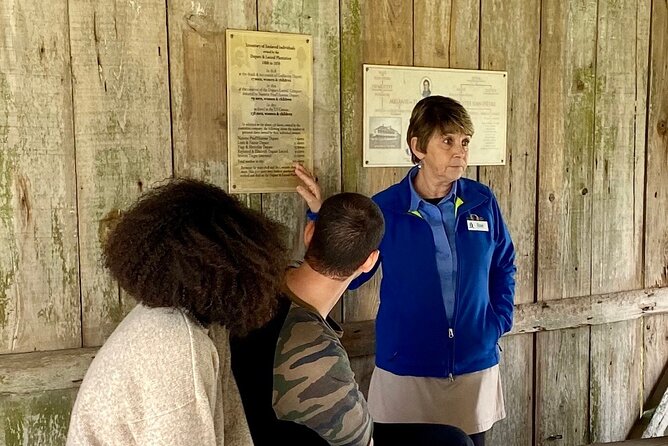
Come with a few questions ready. The tour is designed for questions about life in Louisiana during the period, and asking about the family, plantation work, Creole customs, and the enslaved community can help you get beyond the basic route.
Guide style is part of the experience. Amelia, Lee, Cameron, Joseph, Caroline, Lindie, Pam, and Laura have each been singled out for strong history knowledge, clear explanations, warmth, humor, or the ability to make the people feel real. The praise is especially strong for guides who explain both the owners’ lives and the workers’ forced labor.
Do not hesitate to ask for clarification if the group is moving quickly or the room is hard to hear. The tour has a set schedule, but a direct question can help you catch an important point before the group moves on.
The property is also on the National Register of Historic Places and the Louisiana African American Heritage Trail. Those designations do not replace the tour, but they signal why the site matters beyond its appearance. Laura is a place where architecture, family memory, Black history, Creole culture, and agricultural economics meet.
Who should book Laura Plantation
I recommend Laura Plantation most strongly to anyone who wants a serious, guided look at Louisiana’s plantation past without pretending the story is only about gracious houses and gardens. The tour suits history-minded visitors, families with older children, and anyone curious about how Creole culture developed in Louisiana.
It is also a good choice if you have already seen plantation architecture elsewhere and want a more personal family narrative. The memoir and archival records give the guide material that feels specific to Laura rather than copied from a general account of the antebellum South.
You may want to choose another plan if you have limited time in New Orleans, cannot arrange reasonably priced transportation, or prefer a completely independent visit. You also need to be comfortable walking outdoors and hearing difficult material about slavery.
The experience is accessible to most people, but only the ground floor of the main house is ADA accessible. Service animals are allowed. Because the tour runs in all weather, check conditions and dress appropriately before setting out.
Cancellation and booking advice
You receive confirmation when you book, and free cancellation is available up to 24 hours before the start time. Cancel at least 24 hours ahead for a full refund. Changes or cancellations inside that window are not accepted and are not refunded.
Poor weather can also affect the schedule. If the plantation cancels because of weather, you are offered another date or a full refund.
I would reserve ahead rather than gamble on an open spot. The tour is often booked about 25 days in advance, and booking early gives you a better chance of getting the day that fits your New Orleans plans.
FAQ
How long does the Laura Plantation tour last?
The guided experience lasts approximately 1 hour and 10 minutes.
How much does the tour cost?
The listed price is $32.06 per person.
Where does the tour begin?
The tour begins at Laura Plantation, 2247 LA-18, Vacherie, Louisiana 70090. It ends back at the same meeting point.
Is transportation from New Orleans included?
No. Hotel pickup and drop-off are not included, and you must make your own way to the plantation. The site is about an hour from New Orleans by car.
What parts of Laura Plantation are included?
The guided route includes the Maison Principale, the gardens, and original 1840s slave cabins. Sugar fields are also part of the plantation setting.
Is the tour offered in languages other than English?
Daily guided tours are offered in English and French. The listed experience is offered in English.
Can I cancel for a full refund?
Yes, if you cancel at least 24 hours before the experience start time. Cancellations or changes made less than 24 hours ahead are not refunded. If poor weather causes the plantation to cancel, you are offered a different date or a full refund.
Should you book Laura Plantation?
Book it if you want a focused, fact-based plantation visit that gives equal attention to the family story, Creole culture, plantation business, and slavery. The furnished house is attractive, but the original cabins and the guided explanation of free and enslaved lives are what give the visit its weight.
Skip it if the hour-long drive and separate transportation cost do not fit your plans. For everyone else, $32.06 is a sensible price for a 70-minute guided visit, especially when you allow extra time for the gardens, museum, and gift shop. Reserve ahead, wear sturdy shoes, and pay close attention as you move through the rooms.
Just added around New Orleans
- New Orleans Garden District Tour★ 5.0 · 8 reviews
- New Orleans Seance Experience★ 4.0 · 8 reviews
- Sin and Tonic Pub Crawl in New Orleans★ 4.5 · 8 reviews
- Airport and City Transfers in New Orleans★ 5.0 · 8 reviews
- The New Orleans Darkness Tour★ 4.4 · 9 reviews
- New Orleans Plantation Tour with Transportation★ 5.0 · 9 reviews
- New Orleans Self-Guided Kayak Bayou Swamp Tour★ 5.0 · 9 reviews
- Historic Carrollton Neighborhood Walking Tour★ 5.0 · 9 reviews
Plantation Tours, compared.
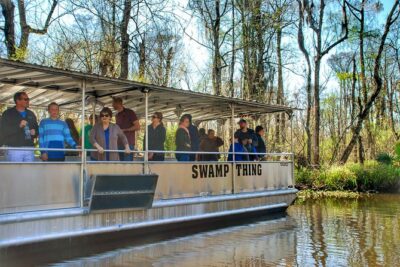
Swamp Boat Ride and Oak Alley Plantation Tour from New Orleans
Read our review →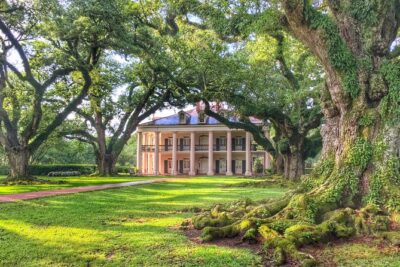
Oak Alley Plantation Tour with Transportation from New Orleans
Read our review →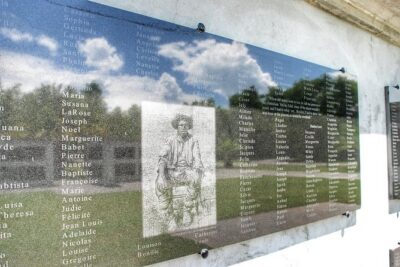
Whitney Plantation Tour with Transportation from New Orleans
Read our review →
Airboat and Plantations Tour with Gourmet Lunch from New Orleans
Read our review →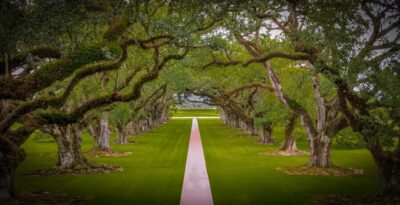
Bayou Swamp Tour and Oak Alley Plantation Tour
Read our review →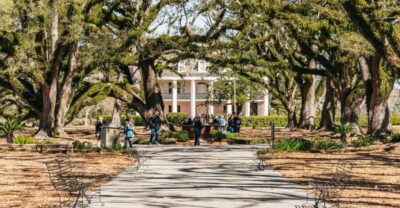
Oak Alley Plantation & Airboat Swamp Combo Tour
Read our review →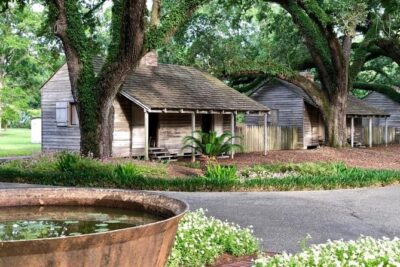
Oak Alley Plantation and Large Airboat Swamp Tour from New Orleans
Read our review →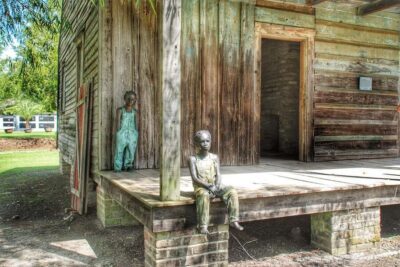
Browse the lists this tour appears in