
Reviewed · WHITNEY PLANTATION TOURS
New Orleans: Whitney Plantation Tour with Transportation
Whitney Plantation is not a pretty-house tour with slavery pushed into a footnote. It is a place of memory built around the lives of enslaved people, using first-person narratives, memorial artwork, museum displays, and restored buildings. I like the clear focus on slavery and the freedom to move at your own pace with an audio guide. I also like hearing local stories from drivers such as Alton, Stacey, Bryan, and Melinda on the ride out.
The main drawback is time. The plantation visit generally gives you about two hours, which is enough for the main route but can feel tight if you read every display, pause at each memorial, and browse the gift shop. At $89, this is a fair choice if you value easy transport and historical context, but you are paying for the coach ride as well as admission.
In This Review
- Key points to know before you book
- Why Whitney Plantation feels different
- Meeting in the French Quarter area
- The ride along the Mississippi River plantations
- Following the 14-stop audio tour
- Memorials, first-person accounts, and restored buildings
- The Big House and the plantation setting
- Adding the Manchac Swamp boat ride
- How the $89 price works out
- Who will get the most from this visit
- Should you book the Whitney Plantation tour?
- FAQ
- Where does the Whitney Plantation tour depart from?
- How early should I arrive?
- Is the Whitney Plantation tour guided?
- How do I listen to the Whitney audio tour?
- How much time do I get at Whitney Plantation?
- Is the swamp tour included?
- Is Whitney Plantation wheelchair accessible?
- Can I cancel the tour?
Key points to know before you book

- Whitney centers enslaved people, not plantation grandeur: Expect a direct account of forced labor, family separation, punishment, and daily life.
- The 14-stop audio route is self-paced: Download the Whitney Plantation app before leaving, or ask about an audio device on arrival.
- The coach ride adds useful Louisiana context: Drivers may discuss New Orleans, Hurricane Katrina, geography, wildlife, culture, and nearby plantations.
- The Big House is architecturally important: It is an early raised Louisiana Creole cottage and one of the oldest surviving examples of its type.
- The swamp upgrade changes the shape of the day: Add a 90-minute covered pontoon trip through privately owned Manchac Swamp, with possible alligator sightings.
- Plan for heat, gravel, and emotional weight: Outdoor paths are uneven, and the subject matter can be sobering.
Why Whitney Plantation feels different
Louisiana plantation tours often spend much of their time on architecture, gardens, furniture, and the families who owned the land. Whitney includes those subjects, but they are not the center of the visit. Here, the central question is what plantation life meant for the people who were forced to work there.
That choice gives the site a different tone from the first stop. The grounds can look calm and beautiful, with old buildings and open fields, but the audio narrative keeps bringing you back to the human cost behind the crops and architecture. I find that contrast useful. It prevents the place from becoming a picturesque stop detached from the violence that made the plantation economy work.
Whitney opened to the public in 2014, after 262 years as a private plantation site. It is described as the only plantation museum in Louisiana devoted entirely to the history of slavery. The property is also listed on the National Register of Historic Places.
The plantation began with indigo production. In the early 1800s, it shifted to sugar, part of the larger change in Louisiana agriculture. That change matters because sugar production demanded brutal labor and helped make plantations along the Mississippi River wealthy. Whitney lets you consider that economic story through the people who paid the real price for it.
More Whitney Plantation visits:
- Whitney Plantation Tour with Transportation from New Orleans
★ 4.5 · 1,351 reviews - Small-Group Laura and Whitney Plantation Tour from New Orleans
★ 4.5 · 446 reviews - Whitney Plantation Tour from New Orleans with Pickup
★ 5.0 · 285 reviews
Meeting in the French Quarter area
The tour begins at the Lighthouse Ticket Office at Toulouse Street and the Mississippi River, at the Steamboat Natchez dock behind the JAX Brewery. The listed departure address is 400 Toulouse Street, New Orleans, Louisiana 70130.
You should arrive with your barcoded voucher at least 15 minutes before departure. This is not the moment to cut things close. The meeting point is near busy tourist areas, and a little extra time helps you find the ticket office without starting the morning in a sprint.
Round-trip transportation is the practical backbone of the experience. Whitney is well outside central New Orleans, so a coach tour removes the need to rent a car, navigate unfamiliar roads, or arrange a separate return ride. That convenience is a large part of what the $89 price buys.
The exact coach can vary. Many people describe a clean, comfortable bus with air conditioning, while one report noted a rougher ride, shaking windows, and weaker cooling. I would treat the vehicle as generally comfortable but not guaranteed to be new. Bring water, especially in warm weather, since food and drinks are not included.
The ride along the Mississippi River plantations
The drive to Whitney is more than a transfer if your driver takes the guiding role seriously. Alton, Stacey, Bryan, Robert, Melinda, Dwayne, and others have been singled out for making the road time useful with local facts, stories, and tourist advice.
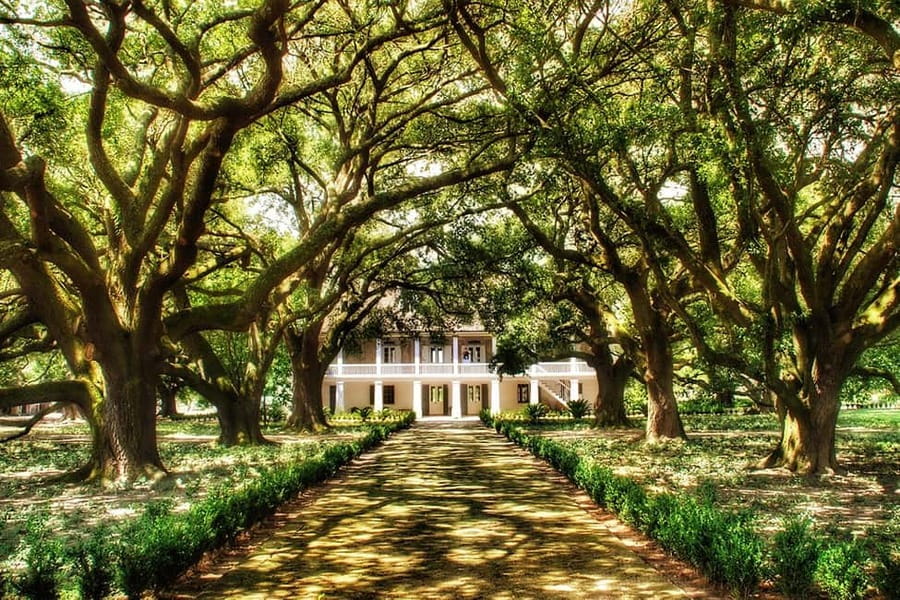
You pass the sites of Laura, Oak Alley, Evergreen, Felicity, and St. Joseph plantations. The coach may stop near the road for photographs, and the route gives you a sense of how closely these properties sit along the Mississippi River corridor. Sugar cane, cotton, and indigo once moved from this fertile region toward ports of trade.
The ride may also cover New Orleans geography, wildlife, Cajun culture, and Hurricane Katrina. That context helps you understand that plantation history is not isolated from the modern city. It connects to the river, the wetlands, the economy, and the communities that still live in southern Louisiana.
The driver is not your guide inside Whitney. That distinction is important. The plantation visit is self-guided, while the person on the bus may provide the broader Louisiana story. I like this arrangement because it leaves the site quiet and personal, though some visitors may prefer one guide leading the entire experience.
Following the 14-stop audio tour
At Whitney, you receive instructions for the audio experience. The property asks you to download the Whitney Plantation app on a phone, tablet, or iPad. Some visitors have instead been given a handheld recording device, so the exact setup may vary.
Download the app before departure if possible. A charged phone and headphones will make the route easier. The audio tour is organized around 14 stops, with places to sit at several points. That seating is helpful because you will want time to listen rather than walk while trying to catch every word.
The self-paced design is one of the strongest parts of the visit. You can pause, replay a section, spend longer at a memorial, or move ahead if a particular display is not for you. The tradeoff is that you must manage your own time. If the bus leaves after roughly two hours, you cannot assume you will have time to return to every stop.
I recommend starting outdoors, especially on a hot day. You can follow the route through the grounds and historic outbuildings while you are still fresh, then spend time inside the museum to read, cool down, and think through what you have heard. That order also helps you connect the physical spaces with the personal accounts in the audio.
More River Road plantation days:
- Swamp Boat Ride and Oak Alley Plantation Tour from New Orleans
★ 5.0 · 3,303 reviews - Oak Alley Plantation Tour with Transportation from New Orleans
★ 4.5 · 1,747 reviews - Laura Creole Plantation Guided Tour
★ 5.0 · 1,279 reviews - Airboat and Plantations Tour with Gourmet Lunch from New Orleans
★ 4.5 · 1,246 reviews
Memorials, first-person accounts, and restored buildings
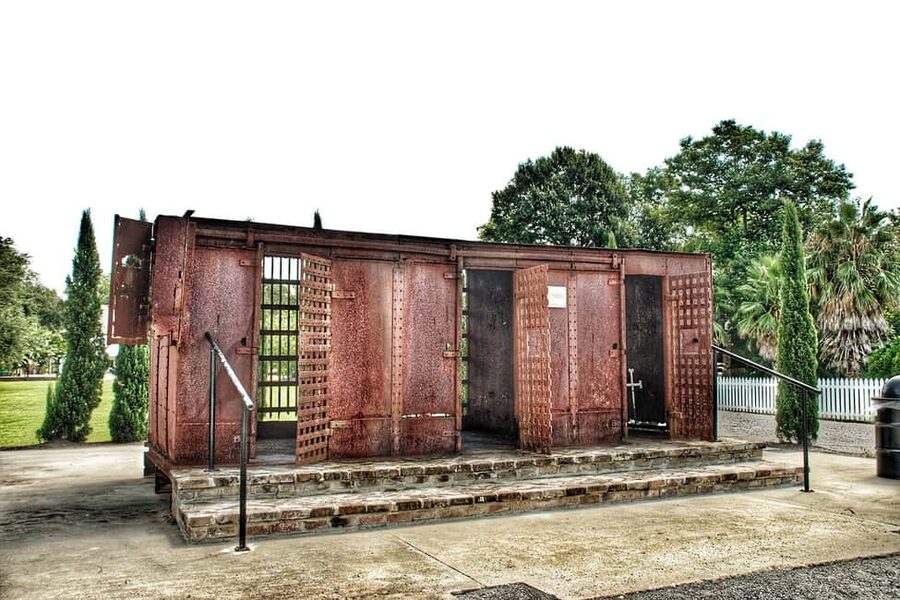
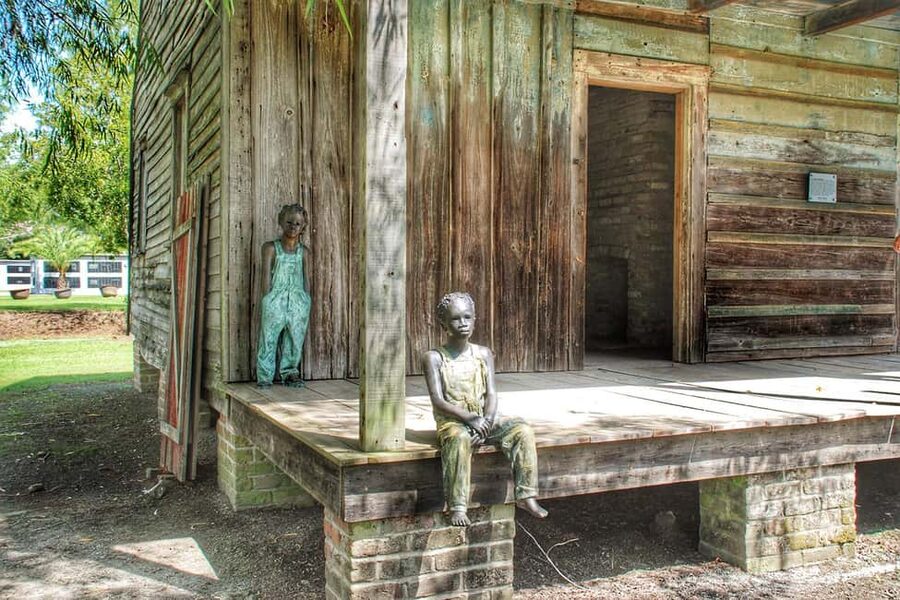
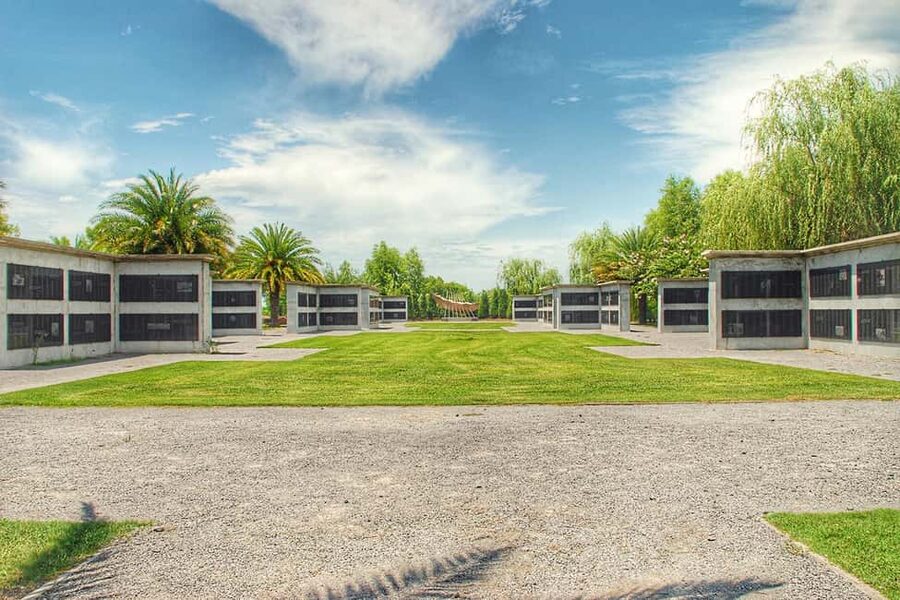
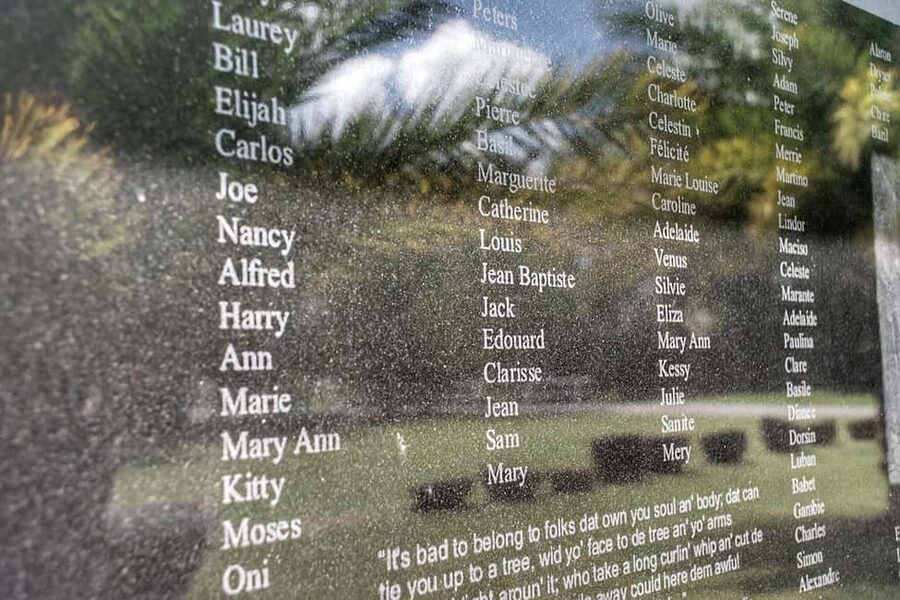
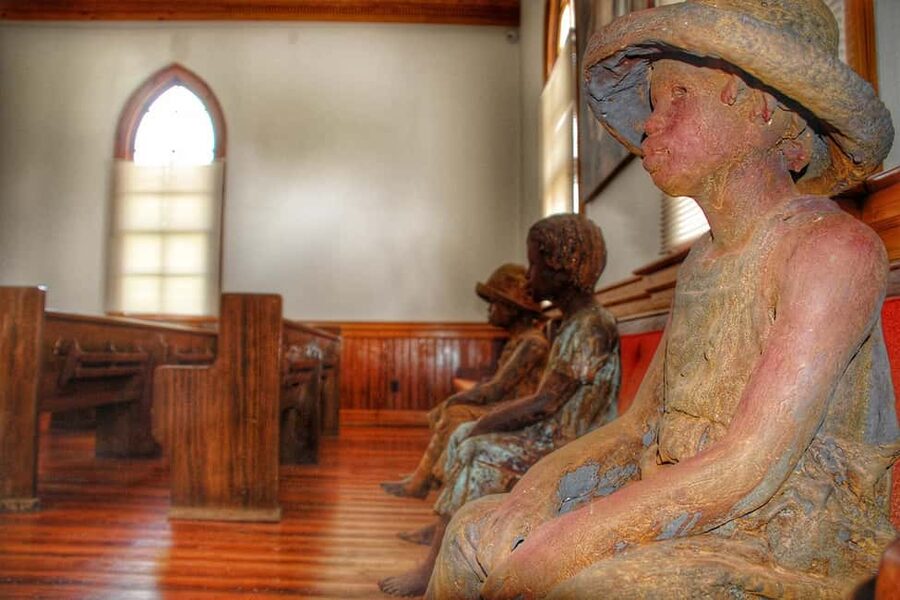
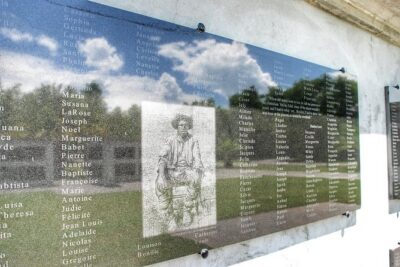
Whitney’s memorial artwork gives the tour much of its emotional force. The site pays homage to enslaved people who lived and worked at Whitney and to enslaved people across the United States. The memorials ask you to think about individuals rather than treating slavery as a distant statistic.
The audio material includes hundreds of first-person narratives. These accounts give the visit its strongest educational value. You are not simply told that people were forced to labor in fields or buildings. You are directed toward individual lives, experiences, and words.
The tone is direct and often painful. You may leave angry, sad, or quiet. That is not a flaw in the experience. Whitney does not soften the subject to make the grounds more comfortable for sightseeing, and I consider that honesty one of the reasons to choose it.
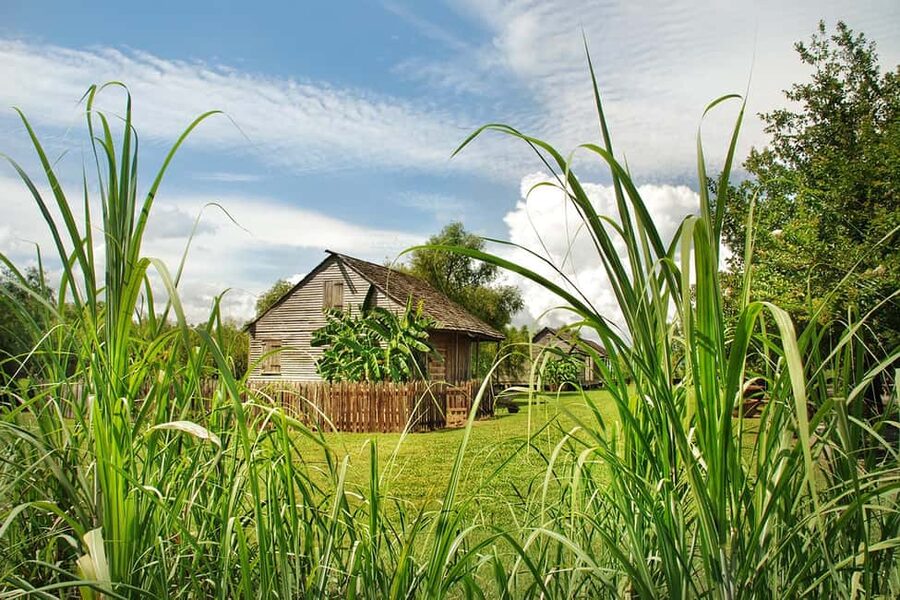
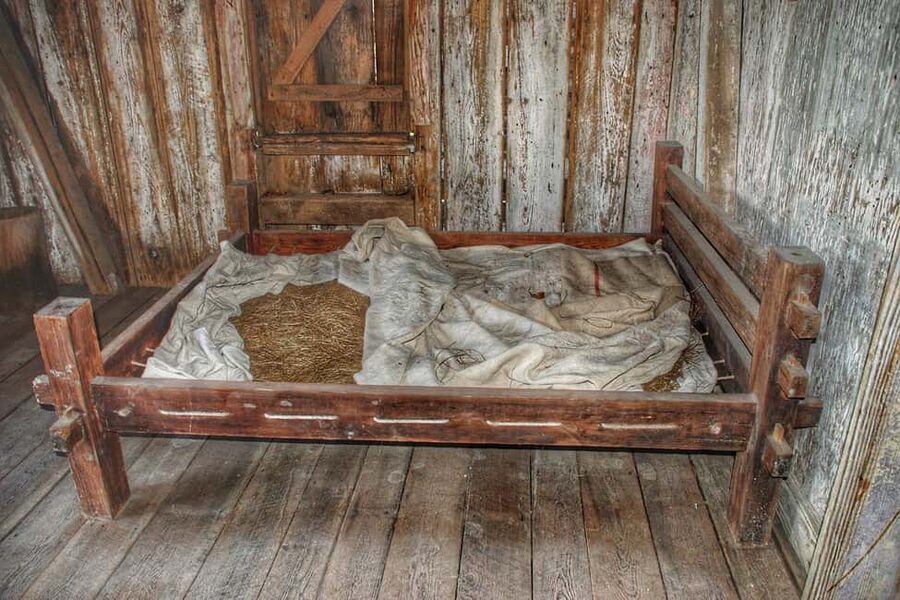
The restored buildings help explain how a working plantation operated. You see more than the main residence. Historic outbuildings show the changing organization of labor and domestic life over time. The property provides a physical setting for the audio stories, making the history easier to grasp than a museum display alone.
The Big House and the plantation setting
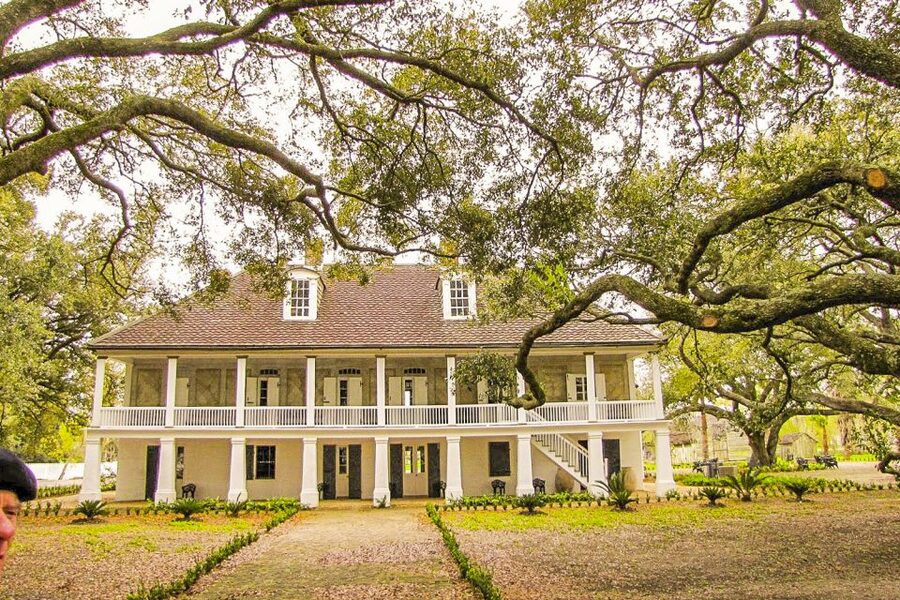
The Big House is one of the earliest raised Creole cottages in Louisiana and one of the finest surviving examples of Spanish Creole architecture. Its raised form reflects the building traditions of the region and gives the site architectural importance beyond its slavery exhibits.
Still, I would not book Whitney mainly to admire the Big House. The building is part of the story, not the point of the story. Its value comes from seeing how a place of wealth and authority existed alongside the quarters, work areas, and systems that controlled enslaved lives.
You can view the slave quarters and understand their place within the plantation grounds, but wheelchair users cannot enter them. The grounds are accessible overall, though some paths are uneven gravel. The museum, restrooms, and gift shop are accessible.
Two hours can work well if you follow the route steadily. It becomes less comfortable if you stop for long periods at every display. One useful approach is to listen to each audio stop fully, read the most important panels, and leave a few minutes for the museum and restrooms before returning to the coach.
Adding the Manchac Swamp boat ride
The optional swamp upgrade adds a 90-minute pontoon boat trip at Manchac Swamp. After Whitney, you travel to a privately owned wildlife refuge and board a comfortable covered boat with a local captain.
This pairing works because the two parts of the day feel very different. Whitney is quiet, heavy, and focused on memory. The swamp ride gives you time to process what you have seen while shifting your attention to wetlands, wildlife, and Cajun life.
The captain discusses Frenier and the local traditions of fishing, hunting, and trapping. Alligators may appear as they come toward snacks, though wildlife sightings can never be promised. The covered boat offers shade, which is welcome after time outdoors at Whitney.
Choose the upgrade if you want a fuller Louisiana day rather than a plantation visit alone. Skip it if your main goal is to spend every possible minute with Whitney’s exhibits and memorials, or if you prefer a shorter, more focused historical outing. The supplied information confirms the 90-minute boat ride, but not a separate total duration for the combined option, so check the departure schedule before booking.
How the $89 price works out
At $89 per person, the base tour is not the cheapest way to see a plantation. But the price includes round-trip transportation from central New Orleans, plantation admission, and the audio tour. You also get the road commentary and the chance to see several plantation properties from the coach.
That makes the value strongest for anyone without a car. A rental car would add its own cost, driving responsibilities, fuel, and parking questions. You would also need to arrange the route and return trip yourself. With this tour, the main practical problem is handled for you.
The value is weaker if you already have a car and want a long, unhurried visit. The scheduled departure means you work within the group’s timetable. You are also not buying a private guide at Whitney, since the plantation route is self-guided.
Food and drinks are not included. Eat before departure or carry what is allowed for the ride, and do not count on a meal at the plantation. The trip can fill most of a day once transport and the site visit are included, so avoid placing another fixed appointment too close to the return.
The cancellation policy is friendly: you can cancel up to 24 hours in advance for a full refund. You can also reserve now and pay later, useful when your New Orleans plans are still shifting.
Who will get the most from this visit
I would choose Whitney for anyone who wants slavery placed at the center of a plantation visit rather than treated as a brief historical aside. It suits adults, students, families with older children, and anyone willing to give the subject serious attention.
It is also a good fit if you want a driver who can explain the wider region. The strongest road guides add practical New Orleans advice and stories about Louisiana, making the transport feel like part of the day instead of dead time.
You may prefer another arrangement if you need a fully guided walking tour, extra time for photography, or a relaxed visit with no fixed return. The self-guided format gives you control, but it also means you must read, listen, and keep an eye on the clock.
Prepare for sun, heat, and gravel. Wear shoes you can walk in, charge your device, and bring headphones if you have them. Most of all, give yourself room to be quiet. This is not a light sightseeing stop, and rushing from one memorial to the next can make the experience feel thinner than it should.
Should you book the Whitney Plantation tour?
Book it if you want a serious, slavery-focused account of plantation life and need transport from New Orleans. The audio route, memorial artwork, first-person narratives, and historic outbuildings create a fuller picture than a tour focused mainly on grand rooms and plantation owners.
The best plan is to arrive early at the Toulouse Street meeting point, prepare the Whitney app in advance, start with the outdoor route, and reserve time for the museum. Add the Manchac Swamp trip if you want wildlife and Cajun culture after the plantation visit.
I would not choose this tour for a leisurely architectural tour or an open-ended day at one historic property. For an accessible way to reach Whitney, with a useful Louisiana briefing on the road and a powerful self-paced visit, the $89 base price is reasonable.
FAQ
Where does the Whitney Plantation tour depart from?
It departs from the Lighthouse Ticket Office at Toulouse Street and the Mississippi River, at the Steamboat Natchez dock behind the JAX Brewery. The listed address is 400 Toulouse Street, New Orleans, Louisiana 70130.
How early should I arrive?
Display your barcoded voucher as your ticket 15 minutes before the scheduled tour time.
Is the Whitney Plantation tour guided?
The plantation visit is self-guided. You follow an audio tour focused on first-person narratives, while the English-speaking driver may provide information during the coach ride.
How do I listen to the Whitney audio tour?
You should download the Whitney Plantation app on your phone, tablet, or iPad. Some visitors have received a handheld audio device at the plantation.
How much time do I get at Whitney Plantation?
The supplied tour information lists a five-hour duration, though the duration is also displayed as 465 minutes in the booking details. The plantation visit itself is generally about two hours, so confirm the exact schedule when you check availability.
Is the swamp tour included?
The 90-minute pontoon swamp tour is included only when you choose the Whitney and Swamp Combo upgrade. It takes place in Manchac Swamp on a privately owned wildlife refuge.
Is Whitney Plantation wheelchair accessible?
The museum, gift shop, restrooms, and plantation grounds are accessible, but the grounds include uneven gravel paths. Visitors using wheelchairs can view the slave quarters but cannot enter them.
Can I cancel the tour?
Yes. You can cancel up to 24 hours before the tour for a full refund. Reserve now and pay later is also available.
Just added around New Orleans
- New Orleans Garden District Tour★ 5.0 · 8 reviews
- New Orleans Seance Experience★ 4.0 · 8 reviews
- Sin and Tonic Pub Crawl in New Orleans★ 4.5 · 8 reviews
- Airport and City Transfers in New Orleans★ 5.0 · 8 reviews
- The New Orleans Darkness Tour★ 4.4 · 9 reviews
- New Orleans Plantation Tour with Transportation★ 5.0 · 9 reviews
- New Orleans Self-Guided Kayak Bayou Swamp Tour★ 5.0 · 9 reviews
- Historic Carrollton Neighborhood Walking Tour★ 5.0 · 9 reviews
Whitney Plantation Tours, compared.
Whitney Plantation Tour with Transportation from New Orleans
Read our review →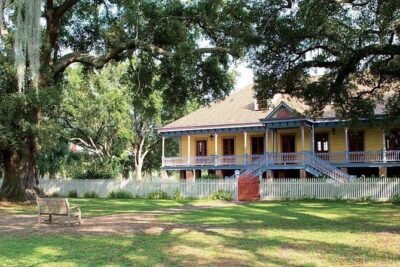
Small-Group Laura and Whitney Plantation Tour from New Orleans
Read our review →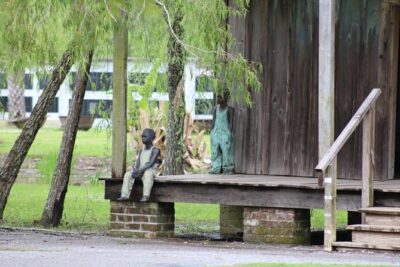
Whitney Plantation Tour from New Orleans with Pickup
Read our review →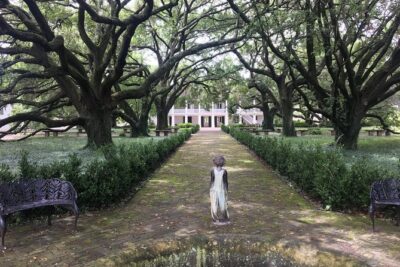
Whitney Plantation Tour with New Orleans Hotel Pickup
Read our review →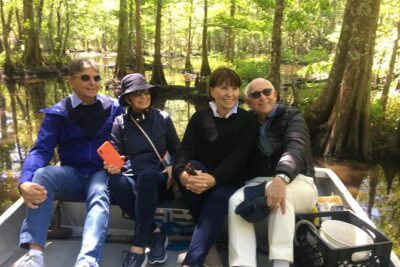
Whitney Plantation and Airboat Tour from New Orleans
Read our review →
Whitney Plantation Tour with Narrated Bus Ride from New Orleans
Read our review →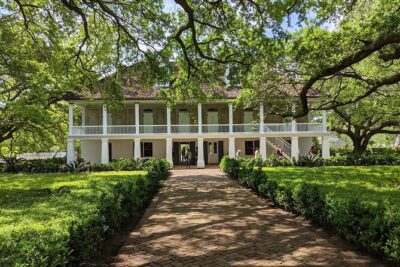
Whitney Plantation and Museum Tour from New Orleans
Read our review →
Browse the lists this tour appears in