
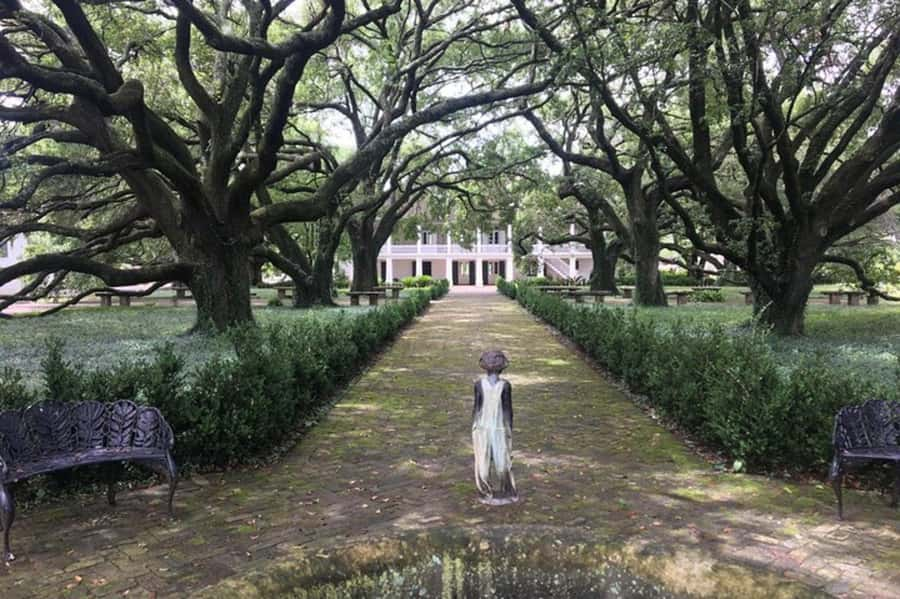
Reviewed · WHITNEY PLANTATION TOURS
New Orleans: Whitney Plantation Audio Tour with Transfers
The most important thing about this visit is its focus. Whitney Plantation is devoted to the lives of enslaved people, not to romantic stories about plantation owners. You’ll walk through slave cabins, a church, work buildings, and a memorial that asks you to face the human cost of slavery. I like the clear moral purpose of the site and the freedom to move at your own pace with an audio headset.
I also like the hotel pickup and drop-off, since Whitney Plantation sits about 70 miles from the French Quarter. The main drawback is the long 390-minute outing, which includes the drive, and the experience is not suitable for wheelchair users. You should also plan to buy or bring your own food and drinks, as they are not included.
In This Review
- Key points
- Why Whitney Plantation feels different
- The drive from New Orleans takes real time
- Starting with the slave cabins
- Freedmen’s Church and the search for freedom
- The kitchen and plantation outbuildings
- The 1790 owner’s house reveals the divide
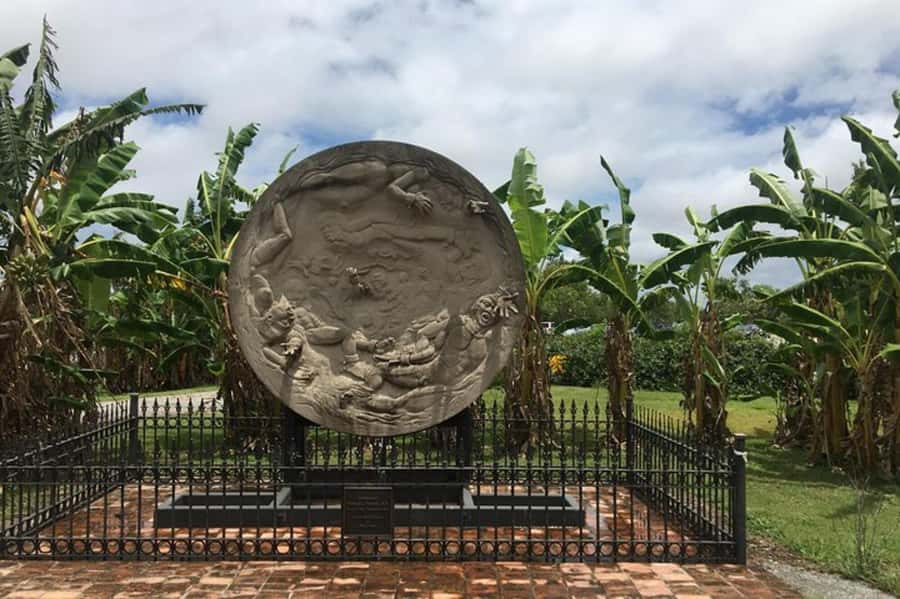
- The memorial gives the tour its quiet ending
- A self-guided format gives you control
- What $81 includes, and what it does not
- Who should book this plantation visit
- Practical ways to prepare for the day
- Should you book the Whitney Plantation audio tour?
- FAQ
- How long does the Whitney Plantation tour from New Orleans last?
- How far is Whitney Plantation from the French Quarter?
- Is transportation included?
- Is the tour guided by a person?
- Are food and drinks included?
- Is the experience accessible for wheelchair users?
Key points
- Focus on enslaved people: Whitney Plantation is Louisiana’s only museum dedicated to their lives and experiences.
- Self-paced audio tour: You receive a headset and move through the grounds at your own speed.
- Freedmen’s Church: This stop connects the plantation’s past with the hope and resilience of people seeking freedom.
- Sharp contrast in living conditions: Slave cabins and work buildings are followed by the 1790 owner’s house.
- Memorial visit: The tour ends with a place for quiet reflection and respect.
- Simple transport plan: Hotel pickup, admission, audio guide, and return transportation are included for $81.
Why Whitney Plantation feels different
Many plantation visits in Louisiana give the owner’s house the starring role. Whitney Plantation takes another path. The central question is not how wealthy the plantation family became, but what that wealth required from the people forced to produce it.
That choice shapes the whole visit. You are not simply admiring old architecture or hearing about sugar production. You are asked to consider the daily work, family life, suffering, faith, and endurance of enslaved people.
I find that focus useful because plantation history can easily become too polished. A grand house, shaded grounds, and antique furniture can soften the reality of slavery. Whitney’s layout keeps bringing you back to the people who lived under that system.
The visit is especially valuable if you want a serious historical experience during your New Orleans stay. It is not designed as light sightseeing, and you should not expect a cheerful outing. Give yourself room to think. The subject calls for attention and respect.
More Whitney Plantation visits:
- Whitney Plantation Tour with Transportation from New Orleans
★ 4.5 · 1,351 reviews - New Orleans: Whitney Plantation Tour with Transportation
★ 4.7 · 619 reviews - Small-Group Laura and Whitney Plantation Tour from New Orleans
★ 4.5 · 446 reviews
The drive from New Orleans takes real time
The trip begins with pickup from your New Orleans hotel. Pickup is available from most hotels. If your exact hotel is not listed, you select the nearest option, and the pickup points are within three to four blocks of one another.
That sounds minor, but it matters. Check the pickup point carefully and allow enough time to walk there. The operator, Crescent City Tours & Transportation, handles the transfer to and from the plantation, so you do not need to arrange a rental car or figure out the route yourself.
Whitney Plantation is about 70 miles from the French Quarter. The full experience lasts 390 minutes, or six and a half hours. That includes transportation, time on site, and a short period after the tour for the gift shop, restrooms, or a quick snack.
I see the long outing as both a strength and a limitation. The transfer makes the plantation easy to visit from New Orleans, but this is not a quick side trip. Set aside most of a day. If you have only a short stay in the city, compare this with your other plans before booking.
The drive also gives you time to shift gears. New Orleans is loud, social, and full of music. Whitney Plantation asks for a quieter kind of attention. The ride creates a useful pause before you begin.
Starting with the slave cabins
The slave cabins are one of the first major stops. Here, the tour turns from broad plantation economics to the places where enslaved people lived.
You’ll learn about daily routines, living conditions, and the hardships faced by the people who worked on the plantation. The cabins help make the subject physical. Instead of hearing only about labor in general terms, you can consider the small spaces and basic conditions tied to everyday life.
This is where the audio guide matters. A self-guided tour can feel less personal than a live guide, but it also lets you stop, listen again, or spend extra time at a location that holds your attention. You are not forced to keep pace with a group.
I recommend treating the cabins as a slow stop. Do not rush through them because the next building is nearby. The tour’s value comes from allowing these places to challenge the pleasant visual setting of a historic plantation.
You may find that the contrast is uncomfortable. That is part of the point. The buildings are not simply preserved objects. They help show the unequal system behind the plantation economy.
Freedmen’s Church and the search for freedom

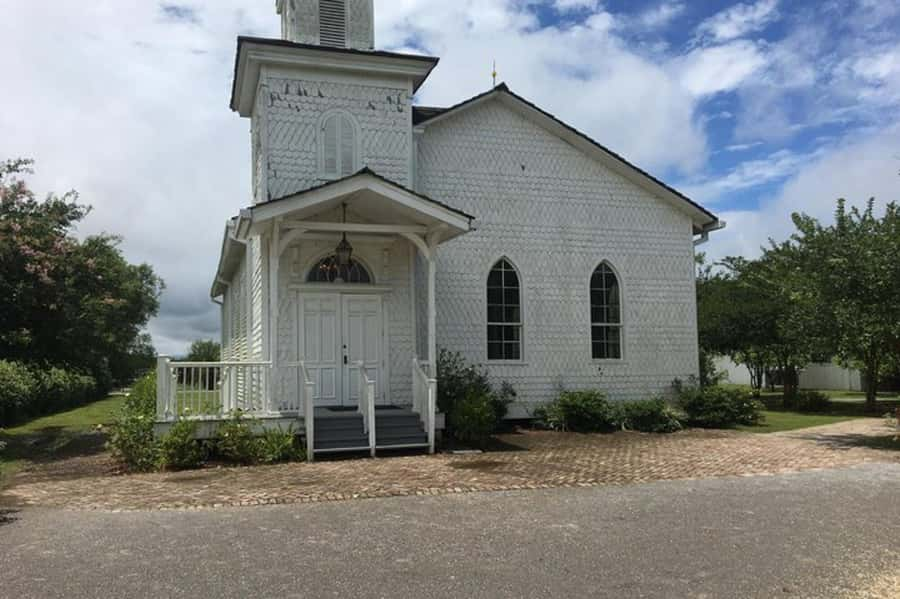
The Freedmen’s Church offers a different mood. It is presented as a symbol of hope and resilience for people who sought freedom.
After learning about forced labor and harsh living conditions, this stop brings attention to faith, community, and the difficult work of rebuilding life after slavery. The church gives the tour an important emotional shift. It does not erase the suffering described elsewhere, but it shows that enslaved people were not defined only by what was done to them.
I like this part of the route because it broadens the story. A visit focused on slavery should include pain and loss, but it should also recognize belief, courage, and the effort to claim a future.
The church is likely to mean different things to different people. Some visitors may spend only a short time here, while others may want to pause and think about the lives connected to it. Since the tour is self-paced, you have room to make that choice for yourself.
More River Road plantation days:
- Swamp Boat Ride and Oak Alley Plantation Tour from New Orleans
★ 5.0 · 3,303 reviews - Oak Alley Plantation Tour with Transportation from New Orleans
★ 4.5 · 1,747 reviews - Laura Creole Plantation Guided Tour
★ 5.0 · 1,279 reviews - Airboat and Plantations Tour with Gourmet Lunch from New Orleans
★ 4.5 · 1,246 reviews
The kitchen and plantation outbuildings
The detached kitchen and other outbuildings explain how the plantation operated. These structures connect the domestic side of plantation life with the labor system that supported it.
You’ll learn more about the work performed by enslaved people and the severe conditions they faced. The buildings help you see that slavery was not limited to fields. Food preparation, household tasks, maintenance, and other work all formed part of a system built on coercion.
This section is useful because it adds practical detail. It shows how the plantation functioned from day to day, while keeping the people who carried out that work at the center.
I would pay close attention to the relationship between these buildings and the owner’s house. The physical arrangement makes the unequal division of comfort and labor easier to understand. You move through spaces tied to exhausting work, then encounter the home associated with plantation ownership.
The stop may be less visually dramatic than the main house, but it is one of the most important. Buildings connected to labor can explain more about plantation life than decorative rooms ever could.
The 1790 owner’s house reveals the divide
The 1790 owner’s house provides a sharp contrast with the cabins and work areas. Here, you see the side of plantation life connected to ownership, wealth, and comfort.
The house is worth visiting, but the tour does not let it take over the story. That balance is central to the experience. You can study the architecture and furnishings while remembering that the household’s comfort depended on enslaved labor.
This is also where the human inequality becomes especially clear. The owner’s house and the enslaved people’s quarters were part of the same plantation, yet they represented entirely different worlds.
I appreciate that the main house is used as context rather than as a celebration. You are given a chance to see what the owner possessed, but the tour keeps returning to the people who made that lifestyle possible.
If your main interest is grand architecture or decorative interiors, you may find the house less satisfying than a traditional plantation tour. That is not a flaw so much as a sign that Whitney has a different purpose. Come here to understand the system, not to admire luxury on its own.
The memorial gives the tour its quiet ending
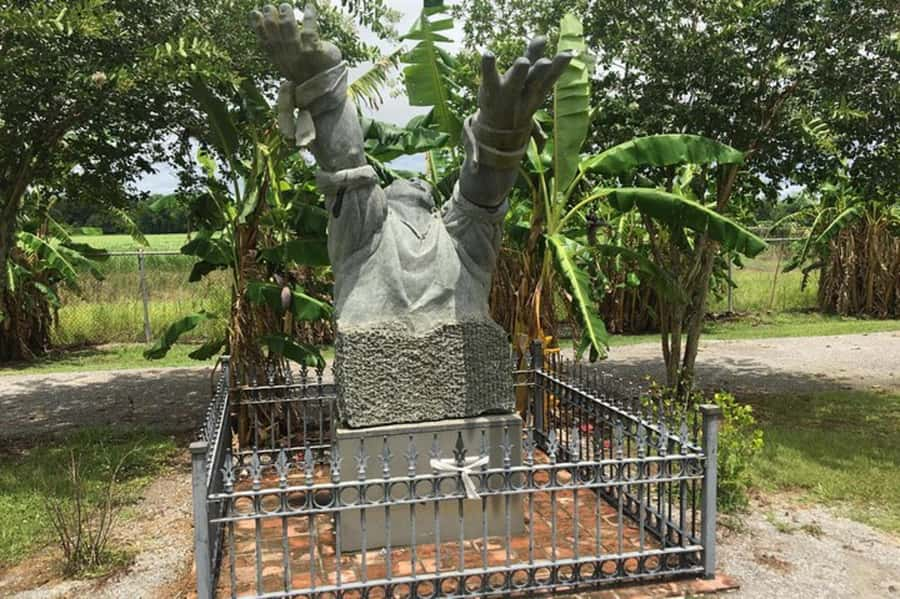
The final major stop is the memorial honoring people who suffered under slavery. This is the place to slow down.
A memorial can do something that a building cannot. Cabins and work areas show physical conditions. An inscription or dedicated space can ask you to remember individual lives and the scale of loss.
The tour’s final emphasis on remembrance is one of its strongest features. It prevents the visit from ending with architecture or plantation operations. You finish by considering the people themselves.
I suggest keeping the last part of the visit unhurried. You may want to stand quietly, read the memorial material, and let the audio guide’s final points settle before moving on. This is not a stop to rush through for a photograph.
The focus on loss and resilience is also why this outing can stay with you after you return to New Orleans. It connects the plantation’s past with the continuing legacy of slavery, rather than treating the subject as something safely sealed in the past.
A self-guided format gives you control

You receive an audio headset at the plantation and follow the tour on your own. The format is self-paced, so you control how long you spend at each stop.
That works well for a serious site. Some people need time between difficult sections. Others prefer to keep moving. A live group tour can make it harder to pause, but an audio tour gives you more control over the rhythm.
There is a tradeoff. You will not have a named guide leading the group or answering questions as you walk. The available information does not identify a specific guide, so you should choose this experience for its structured audio content and transport rather than for a personal guide relationship.
I recommend bringing patience and attention. Listen closely rather than treating the headset as background sound. The tour’s strength depends on the explanations connecting each location to the lives of enslaved people.
Because the grounds and stops are within the plantation visit itself, you do not need to manage complicated transfers between separate attractions. That makes the route easier to follow, even though the subject matter remains demanding.
What $81 includes, and what it does not
The price is $81 per person. That covers hotel pickup and drop-off, admission to Whitney Plantation, and the audio guide.
For many people, that is a fair price for a six-and-a-half-hour outing from New Orleans. You are paying not only for entry, but also for transportation to a site roughly 70 miles away. A rental car, fuel, parking, and navigation would add costs and effort if you drove independently.
The value depends on your priorities. If you already have a car and plan to visit several attractions in the area, you may prefer to arrange your own route. If you want a straightforward trip from your New Orleans hotel, the included transfer is useful.
Meals and beverages are not included. After the tour, you get about 30 minutes to visit the gift shop, use the restrooms, or have a quick snack. Do not count on that period as a full meal break. Bring something with you or plan to buy a small snack if available.
The flexible booking terms also reduce some financial risk. You can cancel up to 24 hours before the experience for a full refund, and you can reserve now while paying later. Availability and starting times vary, so check the schedule before building the rest of your day around it.
Who should book this plantation visit
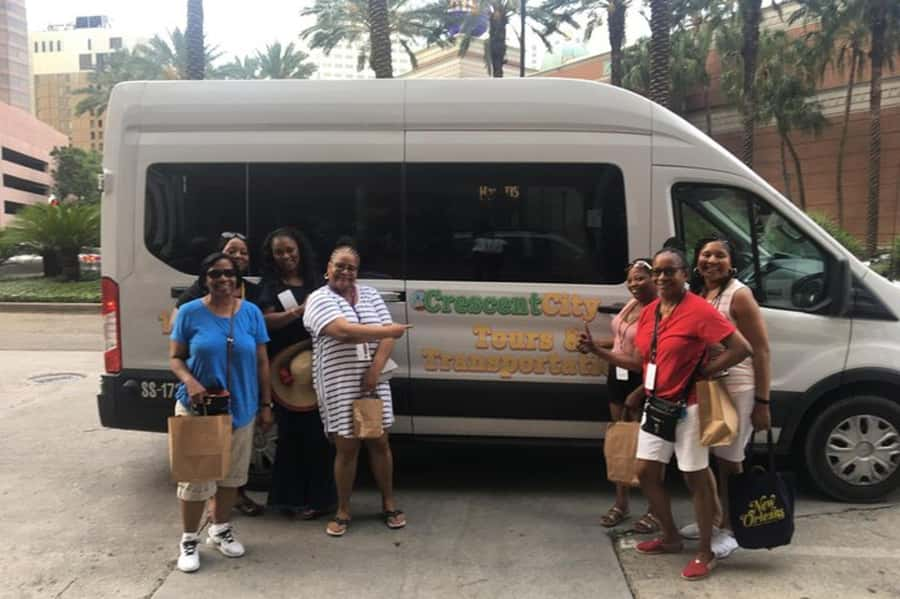
I would recommend Whitney Plantation to you if you want a clear focus on slavery and the lives of enslaved people. The visit suits people who prefer historical context and reflection over a polished plantation-house tour.
It is also a good choice if you are staying in New Orleans without a car. Hotel transportation removes the most awkward part of reaching a plantation outside the city.
The experience may suit families with older children and teenagers, but the serious subject matter deserves preparation. Explain that the tour deals with forced labor, suffering, loss, and the long effects of slavery. The tone is not designed for very young children seeking entertainment.
You should think twice if you dislike audio tours, need frequent access to a personal guide, or want a short outing. The 390-minute duration is substantial, and the self-guided format requires you to manage your own attention.
Accessibility is another clear consideration. This experience is not suitable for wheelchair users. If mobility access is important for you, contact the operator before booking rather than assuming the plantation grounds will meet your needs.
Practical ways to prepare for the day
Start by checking your pickup location. If your hotel is not listed, choose the nearest pickup point and remember that the listed stops are within three to four blocks of one another.
Wear something suitable for spending time outside, though the supplied information does not specify exact site conditions or weather arrangements. Bring water and a snack because food and drinks are not included.
Plan your emotional energy as well as your clock. This is a serious visit. You may not want to schedule another demanding activity immediately afterward.
Use the 30 minutes after the tour with purpose. The gift shop may help you continue learning, while the restroom break gives you a chance to reset before the ride back. If you need food, be ready to keep it quick.
Finally, do not judge the visit by how many buildings you see. The power of the tour comes from the connections among those buildings: cabins show living conditions, outbuildings show labor, the church shows hope, the owner’s house shows inequality, and the memorial asks you to remember.
Should you book the Whitney Plantation audio tour?
Book it if you want the New Orleans area’s plantation history presented primarily through the experiences of enslaved people. The focus is direct, the memorial is meaningful, and the included transport makes a distant site manageable.
At $81, the tour offers solid value for a full half-day outing, especially if you do not have a car. The main costs are your time and attention. You will spend about six and a half hours away from New Orleans, and the subject is heavy.
Skip it if you want a brief excursion, a live guide, or a tour centered on the owner’s house. Choose it if you want to confront the human story behind plantation wealth, move at your own pace, and leave with more than photographs of old buildings.
FAQ
How long does the Whitney Plantation tour from New Orleans last?
The complete activity lasts 390 minutes, or six and a half hours. This includes hotel transportation, the plantation visit, and time afterward for the gift shop, restrooms, or a quick snack.
How far is Whitney Plantation from the French Quarter?
Whitney Plantation is located about 70 miles from the French Quarter in New Orleans.
Is transportation included?
Yes. Hotel pickup and drop-off are included. Pickup is available from most New Orleans hotels. If your hotel is not listed, choose the nearest pickup location, with listed stops within three to four blocks of one another.
Is the tour guided by a person?
The plantation visit uses an audio headset for a self-guided, self-paced tour. No individual guide name is provided for this activity.
Are food and drinks included?
No. Meals and beverages are not included. You have about 30 minutes after the tour to use the restrooms, visit the gift shop, or enjoy a quick snack.
Is the experience accessible for wheelchair users?
No. The activity is not suitable for wheelchair users.
More Audio Tours in New Orleans
- Metairie Cemetery Stories: A Self-Guided Audio Tour
★ 4.0 · 12 reviews - A Walk in the Park: City Park New Orleans Audio Tour
★ 4.5 · 12 reviews - Self Guided Audio Ghost Tour in New Orleans in 6 Languages
★ 4.1 · 12 reviews - New Orleans Esplanade Ridge: A Self-Guided Audio Tour
★ 4.0 · 5 reviews
More Self-Guided Walks in New Orleans
- Avery Island Experience- Tabasco & Jungle Gardens Self-guided tour
★ 4.5 · 297 reviews - Ghosts of New Orleans: Self-Guided Haunted Audio Walking Tour
★ 4.0 · 32 reviews - Walking the Tremé: A Self-guided Audio Tour of New Orleans
★ 4.5 · 24 reviews - Baton Rouge Historic Downtown Self-Guided Audio Walking Tour
★ 4.0 · 19 reviews
Just added around New Orleans
- New Orleans Instagram Photo Tour★ 4.5 · 3 reviews
- New Orleans: Voodoo, Storyville, and Treme Walking Tour★ 3.3 · 3 reviews
- Outdoor Escape Room in New Orleans – The French Quarter★ 5.0 · 3 reviews
- New Orleans: Private Custom Guided Walking Tour★ 4.0 · 3 reviews
- New Orleans: Voodoo History Guided Walking Tour★ 4.8 · 3 reviews
- Private New Orleans City and Cemetery Bus Tour Up to 24 People★ 5.0 · 3 reviews
- New Orleans: French Quarter Cocktail and Foodie Crawl Tour★ 5.0 · 3 reviews
- Ghost Hunt in New Orleans: Quest Experience★ 3.5 · 3 reviews
Whitney Plantation Tours, compared.
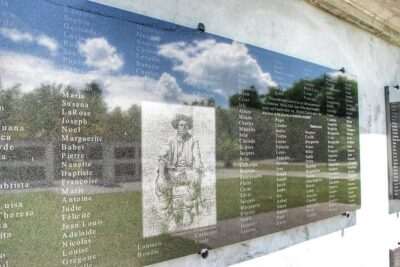
Whitney Plantation Tour with Transportation from New Orleans
Read our review →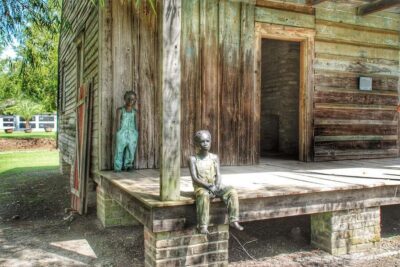
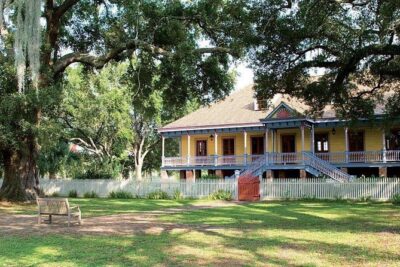
Small-Group Laura and Whitney Plantation Tour from New Orleans
Read our review →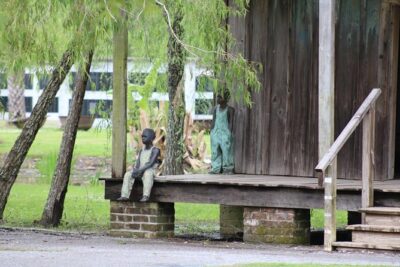
Whitney Plantation Tour from New Orleans with Pickup
Read our review →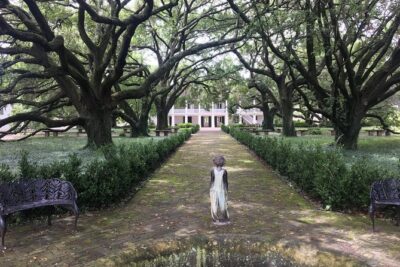
Whitney Plantation Tour with New Orleans Hotel Pickup
Read our review →
Whitney Plantation and Airboat Tour from New Orleans
Read our review →
Whitney Plantation Tour with Narrated Bus Ride from New Orleans
Read our review →
Whitney Plantation and Museum Tour from New Orleans
Read our review →Browse the lists this tour appears in