
Reviewed · VOODOO TOURS
New Orleans: Voodoo History Guided Walking Tour
New Orleans Voodoo is not the spooky sideshow many visitors expect. This two-hour walk puts Marie Laveau and Congo Square at the center of a complicated story about faith, slavery, healing, race, and cultural survival. I like that the tour tackles the myths directly, especially the false idea that Voodoo is simply evil or occult.
I also like the route’s two strong anchors: Congo Square, where Black religious and musical traditions took shape, and Laveau’s former home, where her public reputation and private spiritual life meet. At $37, the price is fair for a live, history-focused walk, though the experience depends heavily on your guide and on your comfort with difficult subjects.
In This Review
- Key points to know before you book
- Why this New Orleans Voodoo tour is different
- Beginning at Basin Street and Marie Laveau’s tomb
- Congo Square and the roots of a local faith
- Marie Laveau’s former home
- Dauphine Street, zombies, dolls, and medicine
- Sanite Dede and the story before Laveau
- What the guide and tone mean for your experience
- Is $37 a fair price for two hours?
- Who should book this walk?
- Final verdict: book it for history, not horror
- FAQ
- Where does the New Orleans Voodoo walking tour meet?
- How long does the tour last?
- How much does the tour cost?
- What language is the tour offered in?
- Is the tour wheelchair accessible?
- Does the tour visit Marie Laveau’s former home?
- What subjects are covered during the walk?
- What should I bring?
Key points to know before you book
- Marie Laveau’s former home: See the place where New Orleans’ most famous Voodoo Queen raised her children and practiced spiritual work.
- Congo Square: Visit sacred ground connected with ceremonies, music, ancestor worship, and the early formation of New Orleans Voodoo.
- Myths corrected: Learn what Voodoo dolls, zombies, and so-called demonic practices really mean in their historical setting.
- Several traditions compared: The guide explains the differences between New Orleans Voodoo, Haitian Voodoo, Santeria, and Hoodoo.
- History beyond folklore: The walk links spiritual practice with racial crimes, medicine, abolition, and the lives of women such as Sanite Dede.
- Two-hour city walk: Wear comfortable shoes, dress for the weather, and bring cash and a camera.
Why this New Orleans Voodoo tour is different
Many New Orleans tours treat Voodoo as a spooky prop. This one takes a more serious route. It presents Voodoo as a religion shaped by African traditions, Catholic influence, Caribbean connections, forced migration, and local New Orleans culture.
That distinction matters. The word Voodoo has been used for generations as an insult or a warning. Christian leaders and colonial authorities often described African and Afro-Caribbean religious practices as demonic. Popular books and entertainment repeated those claims until the stereotype became more familiar than the real history.
You will hear a corrective story here. The guide discusses ancestor worship, spirit summoning, healing, ritual, and religious blending without reducing them to haunted-house entertainment. The tone can still be colorful and dramatic, but the purpose is historical rather than simply spooky.
That makes this a good choice if you want context before visiting a Voodoo shop, cemetery, or folklore attraction. It also means the tour may not satisfy you if you want a parade of ghost stories and theatrical scares.
More voodoo history tours in New Orleans:
- New Orleans Premier Ghost, Voodoo and Vampire Walking Tour
★ 4.5 · 12,856 reviews - Adults-Only New Orleans Ghost, Crime, Voodoo, and Vampire Tour
★ 5.0 · 6,545 reviews - New Orleans Adults-Only Ghost, Voodoo and Vampire Tour
★ 5.0 · 3,291 reviews
Beginning at Basin Street and Marie Laveau’s tomb
The meeting point is on the St. Louis side of the Basin Street Station Visitors’ Center. You do not meet inside the building, so look for the guide outside on the correct side of the station.
The opening section sets up the basic vocabulary. New Orleans Voodoo is not identical to Haitian Voodoo, Santeria, or Hoodoo, and confusing these traditions creates a muddled picture. The guide explains how they developed, where their practices overlap, and where they differ.
This introduction is useful because New Orleans has collected religious labels from many places. Haitian Voodoo, for example, belongs to a different historical and cultural setting. Santeria developed through another blend of African and Catholic traditions. Hoodoo is generally understood as a system of folk practices and remedies rather than a formal religion in the same sense.
You also begin close to the famous tomb said to hold Marie Laveau’s remains. The wording matters because the location is tied to strong local belief and long-running claims, not a simple, fully settled fact presented without question. That small bit of caution is part of the tour’s larger method: separate documented history, religious tradition, rumor, and later storytelling.
Congo Square and the roots of a local faith
Congo Square is the emotional center of the walk. Here, the guide explains the importance of a place where enslaved and free Black people gathered, maintained cultural practices, made music, and held ceremonies.
The value of this stop goes beyond one famous location. Congo Square helps you see how people preserved identity under brutal conditions. Drumming, dance, gathering, and spiritual practice became ways to keep older traditions alive while adapting to life in Louisiana.
The tour connects this ground with Marie Laveau’s ceremonies and rituals. You are not simply hearing that a famous woman once visited. You are looking at the setting that helped make New Orleans Voodoo distinct from related traditions elsewhere.
I would pay close attention here if you are interested in music, religion, or the history of slavery. The story shows that cultural survival did not happen only in books or formal institutions. It happened through repeated acts of worship, community, memory, and performance.
Congo Square can also challenge the way you think about the word sacred. A sacred place does not need a grand temple or a marked shrine. Its meaning may come from generations of gathering and ritual. The guide’s job is to make that connection clear without pretending every detail of the past can be proven.
Marie Laveau’s former home
From Congo Square, the walk continues to Marie Laveau’s old home. This is where the famous name becomes a more human story.
Laveau was not only a legend associated with ceremonies and spiritual power. She was also a mother who raised children and lived in the city. The tour places her daily life beside her public role, which makes the story more grounded than the usual image of a mysterious woman appearing only at midnight.
The presentation also includes the memorable tradition of Laveau working with a large snake around her neck. That detail is part of the powerful image built around her, but the guide places it within the larger story of ritual, reputation, and public fear.
You will learn why Laveau became so influential and why her name still carries such force in New Orleans. The tour also introduces secret love affairs, reported miracles, radical healings, and spirit summoning. These subjects are presented through the lens of the era, when people sought help from religious figures, herbal practitioners, midwives, and healers because formal medical care was often limited or inaccessible.
The stop is especially useful for anyone who wants more than a celebrity biography. Laveau’s story opens questions about gender, race, class, religion, and power. A Black woman with spiritual influence could be feared, respected, condemned, and sought out at the same time.
More history tours in New Orleans:
- New Orleans Garden District History Walking Tour
★ 5.0 · 2,879 reviews - French Quarter Historical Sights and Stories Walking Tour
★ 5.0 · 2,724 reviews - New Orleans Small-Group Haunted History Carriage Tour
★ 4.5 · 2,289 reviews - New Orleans Haunted History Ghost Tour
★ 4.5 · 2,084 reviews
Dauphine Street, zombies, dolls, and medicine
On Dauphine Street, the guide takes on some of the most familiar Voodoo myths.
Voodoo dolls are a good example of how popular culture flattens a complex subject. Many people picture a doll used to harm an enemy, but that image does not explain the wider role of symbolic objects, prayer, healing, or personal ritual in Afro-Caribbean traditions. The tour separates the sensational version from the historical record.
Zombie lore receives similar treatment. Instead of treating zombies as movie monsters, the guide connects the subject with older beliefs, social fears, and the way outsiders turned unfamiliar religious practices into horror stories.
The discussion of traditional Afro-Caribbean medicine is another useful part of the walk. The point is not that every traditional remedy worked or that modern medicine should be dismissed. It is that Western medicine was not always available, trusted, or effective for everyone. In many situations, local healers had practical knowledge that mattered greatly to the people who relied on them.
That context keeps the conversation honest. You can respect traditional healing without accepting every claim attached to it. You can also recognize that medical history includes mistakes, racial inequality, and treatments that were far from safe.
If you prefer light entertainment, this section may feel heavier than expected. If you want to understand why Voodoo became so feared and fetishized, it is one of the most important parts of the route.
Sanite Dede and the story before Laveau
The walk also introduces Sanite Dede, a woman who helped make Voodoo prominent in New Orleans before Marie Laveau became the city’s best-known figure.
This is a welcome choice. Stories about New Orleans Voodoo often begin and end with Laveau, even though the tradition did not start with her. By learning about Dede, you get a longer timeline and a better sense of how women shaped spiritual life in the city.
The guide explains that Voodoo became so visible that it was banned from the French Quarter. That fact reveals the political side of religious history. Authorities were not only reacting to strange stories. They were trying to control gatherings, beliefs, and communities that challenged the power structure.
This stop also links spiritual history to the early abolition movement. That connection gives the tour more range than a standard folklore walk. It shows how religious gatherings and ideas about human dignity could overlap with resistance to slavery and racial oppression.
The story includes shocking racial crimes as well. You should expect frank discussion of injustice rather than a polished version of New Orleans past. The walk does not treat Voodoo as a separate curiosity. It places spiritual practice inside the city’s larger struggle over race, freedom, authority, and survival.
What the guide and tone mean for your experience
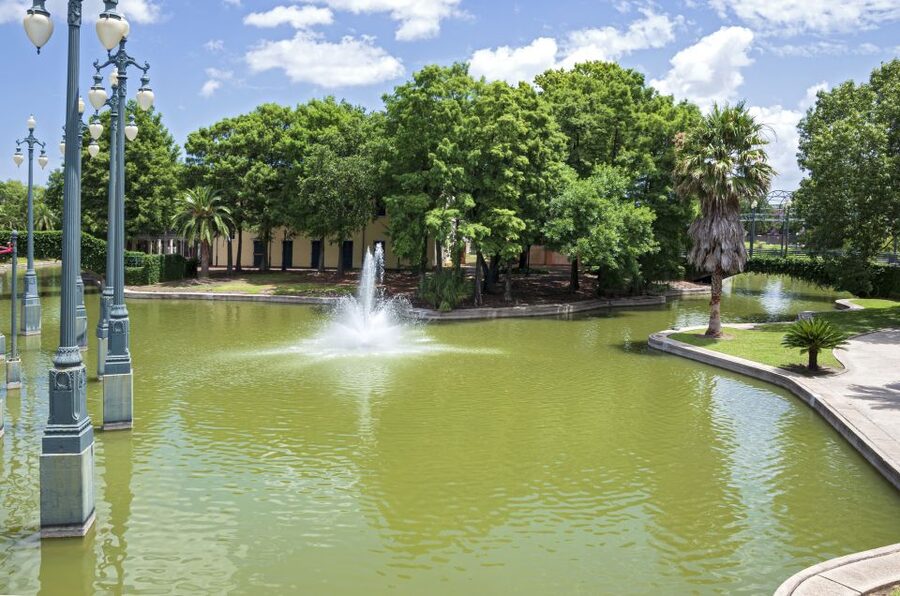
This is a live English-language walking tour, so the guide controls the pace and much of the mood. Previous feedback gives the tour a 4.8 rating from three reviews, with Doug named as a particularly entertaining and informative guide. One comment specifically describes the experience as historical rather than a spooky ghost tour.
That distinction is useful. The guide may tell dramatic stories, but the central aim is research-based history and myth correction. You should expect storytelling, questions, and discussion of uncomfortable subjects, not actors, jump scares, or a theatrical haunted attraction.
The quality of any walking tour depends partly on how well the guide handles transitions between fact, belief, oral tradition, and legend. Doug’s reported style suggests a strong storyteller, but no tour can guarantee the same guide for every departure. Listen for those distinctions, especially when the guide discusses alleged miracles, spiritual workings, or disputed details about Marie Laveau.
The route is wheelchair accessible, which makes it available to more people than many old-city walking tours. Still, you should wear comfortable shoes and dress for the weather. New Orleans heat, humidity, rain, or cold can affect a two-hour walk, and the supplied information does not specify how much seating or shelter is available along the route.
Is $37 a fair price for two hours?
At $37 per person, this tour sits in a reasonable range for a guided New Orleans history walk. You are paying for a live guide, a planned route, local historical framing, and a subject that is difficult to understand from a quick internet search.
The value is strongest if you want a thoughtful introduction to Voodoo before exploring the French Quarter on your own. The guide gives you a framework for recognizing the difference between religion, folk practice, commercial myth, and horror fiction.
The price may feel less worthwhile if you only want to see a famous address or take a few photographs. The route is built around explanation, not a long list of major attractions. Much of what you gain is the story connecting the places.
The tour operator is licensed, insured, and bonded. You can also reserve now and pay later, and cancellation is free up to 24 hours before the start time. Those terms are helpful if your New Orleans plans may change, though you should still check the available starting times before making a tight schedule.
Who should book this walk?
I would recommend it to first-time visitors who want a more honest introduction to New Orleans religious history. It suits people interested in slavery, African and Caribbean culture, women’s history, folk medicine, race, and the way cities turn real people into legends.
It is also a good fit for visitors who have already heard the usual Marie Laveau stories and want to know what lies behind them. The comparisons among New Orleans Voodoo, Haitian Voodoo, Santeria, and Hoodoo give you useful context for the rest of your visit.
Families with older children may find the subject educational, but the material includes racial violence, slavery, religious persecution, and sexual or romantic scandal. Parents should decide if that tone fits their group.
I would skip it if your main goal is a classic ghost tour. This walk may contain eerie material, but it is not built around haunted-house suspense. Its best moments come from history, belief, and the people who were pushed to the edge of the official record.
Final verdict: book it for history, not horror
Book this tour if you want to understand why New Orleans Voodoo cannot be reduced to dolls, curses, and zombies. The route brings together Congo Square, Marie Laveau, Sanite Dede, traditional medicine, ancestor worship, racial injustice, and abolition in a compact two-hour walk.
The main caution is simple: go ready to listen. This is a serious subject presented with lively storytelling, not a costume show. At $37, it is a sensible choice for an English-speaking visitor who wants a more respectful and historically grounded view of one of New Orleans’ most misunderstood traditions.
FAQ
Where does the New Orleans Voodoo walking tour meet?
The meeting point is on the St. Louis side of the Basin Street Station Visitors’ Center. The group does not meet inside the building.
How long does the tour last?
The walking tour lasts two hours.
How much does the tour cost?
The listed price is $37 per person.
What language is the tour offered in?
The tour is conducted in English with a live, in-person guide.
Is the tour wheelchair accessible?
Yes, the activity is listed as wheelchair accessible.
Does the tour visit Marie Laveau’s former home?
Yes. The route includes Marie Laveau’s former home, along with the nearby tomb said to hold her remains at the start of the experience.
What subjects are covered during the walk?
The guide discusses New Orleans Voodoo, Haitian Voodoo, Santeria, Hoodoo, Congo Square, Marie Laveau, Sanite Dede, Voodoo dolls, zombies, traditional Afro-Caribbean medicine, ancestor worship, spirit summoning, racial crimes, and the early abolition movement.
What should I bring?
Bring comfortable shoes, a camera, cash, and clothing suited to the weather.
More Walking Tours in New Orleans
- New Orleans Food Walking Tour of the French Quarter with Small-Group Option
★ 5.0 · 6,118 reviews - St. Louis Cemetery No. 1 Official Walking Tour
★ 4.5 · 3,941 reviews - New Orleans French Quarter, Voodoo and Culture Walking Tour
★ 4.5 · 2,961 reviews - Ghost and Vampire Walking Tour Of The French Quarter
★ 4.5 · 2,406 reviews
Just added around New Orleans
- New Orleans: Whitney Plantation Audio Tour with Transfers★ 4.7 · 3 reviews
- New Orleans Instagram Photo Tour★ 4.5 · 3 reviews
- New Orleans: Voodoo, Storyville, and Treme Walking Tour★ 3.3 · 3 reviews
- Outdoor Escape Room in New Orleans – The French Quarter★ 5.0 · 3 reviews
- New Orleans: Private Custom Guided Walking Tour★ 4.0 · 3 reviews
- Private New Orleans City and Cemetery Bus Tour Up to 24 People★ 5.0 · 3 reviews
- New Orleans: French Quarter Cocktail and Foodie Crawl Tour★ 5.0 · 3 reviews
- Ghost Hunt in New Orleans: Quest Experience★ 3.5 · 3 reviews
Voodoo Tours, compared.
New Orleans Premier Ghost, Voodoo and Vampire Walking Tour
Read our review →
Adults-Only New Orleans Ghost, Crime, Voodoo, and Vampire Tour
Read our review →
New Orleans Adults-Only Ghost, Voodoo and Vampire Tour
Read our review →
New Orleans French Quarter, Voodoo and Culture Walking Tour
Read our review →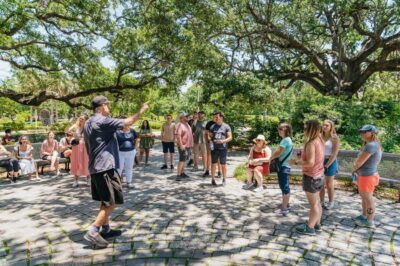
New Orleans Ghost, Vampire, Witch, Voodoo, and Mystery Tour
Read our review →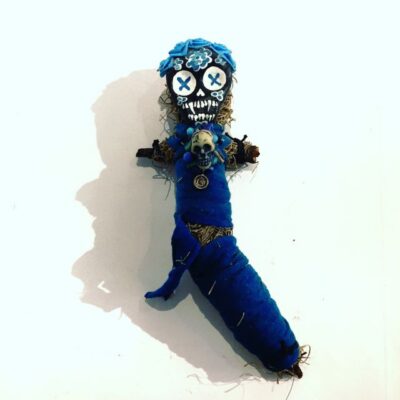
New Orleans Spirits & Spells: Witchcraft, Voodoo, and Ghost Tour
Read our review →Browse the lists this tour appears in