
Reviewed · VOODOO TOURS
New Orleans: Voodoo, Storyville, and Treme Walking Tour
New Orleans history gets complicated fast, and this walk goes straight into the complicated parts: prostitution, jazz, slavery, Catholicism, Voodoo, racial conflict, and the survival of African-American traditions. You begin near the old Storyville district, then follow the city’s cultural threads into Treme and Congo Square.
I like the focus on Storyville’s link to early jazz, with names such as Jelly Roll Morton, King Oliver, and Sidney Bechet entering the story. I also like the effort to separate fact from folklore around Marie Laveau, rather than treating every Voodoo tale as proven history.
The main drawback is the amount of walking packed into two hours. The tour also has a poor recent reliability signal: one verified booking in January 2026 reported that the guide failed to appear, while another December 2025 review called the tour very informative. Keep that risk in mind before building your whole day around it.
In This Review
- Key points at a glance
- Why Storyville is the right place to begin
- Voodoo beyond the movie version
- Marie Laveau’s home, fact, and legend
- Basin Street Station and the changing city
- Congo Square and Louis Armstrong Park
- St. Augustine’s Church and the War of the Pews
- The 1891 parish prison vendetta
- Optional Backstreet Cultural Museum visit
- What $30 buys you
- Who will get the most from this walk
- Should you book the Voodoo, Storyville, and Treme walk?
- FAQ
- How long is the Voodoo, Storyville, and Treme Walking Tour?
- How much does the tour cost?
- What language is the tour offered in?
- Where does the tour begin?
- What neighborhoods does the tour cover?
- Is the former Iberville Housing Project part of the tour?
- Does the tour visit Marie Laveau’s home?
- Is the Backstreet Cultural Museum included?
- Is St. Louis Cemetery included?
- What should I wear?
- Can I cancel the booking?
Key points at a glance
- Storyville’s surviving buildings: Start near Backatown Coffee and see what remains of New Orleans’ former decriminalized prostitution district.
- Voodoo and Catholicism: Learn how West African religious traditions crossed with Roman Catholic practices in slave-holding colonies.
- Marie Laveau’s former home: Hear the documented story and the myths surrounding New Orleans’ best-known Voodoo practitioner.
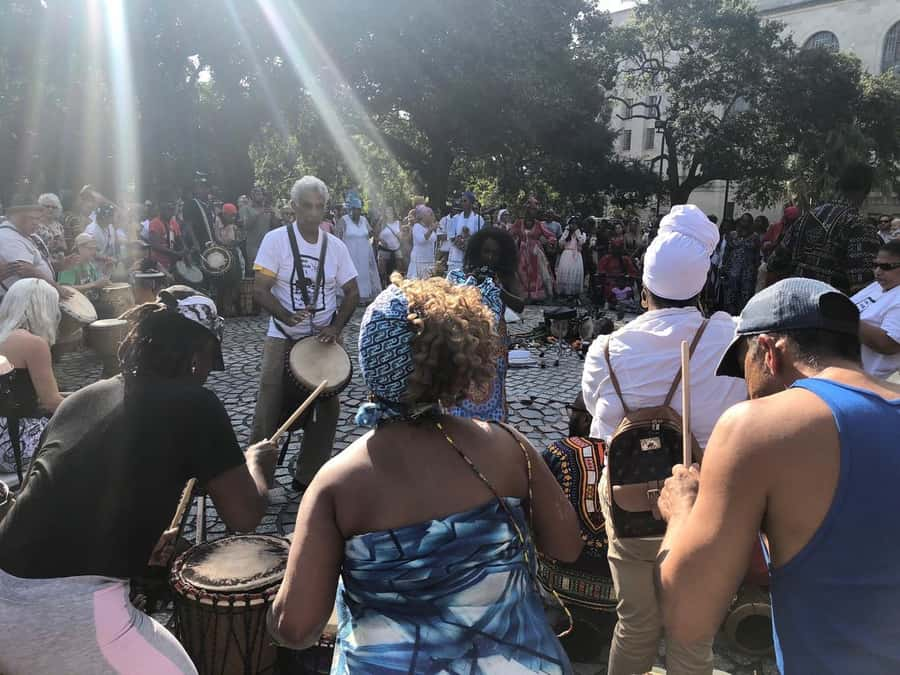
- Congo Square and Louis Armstrong Park: Visit a place tied to African cultural expression, music, and the city’s public memory.
- Treme’s church history: Explore St. Augustine’s Catholic Church, the Tomb of the Unknown Slave, and the old War of the Pews.
- Optional Mardi Gras Indian culture: Add the Backstreet Cultural Museum if it is open and you want more context on Second Lines and Mardi Gras Indians.
Why Storyville is the right place to begin
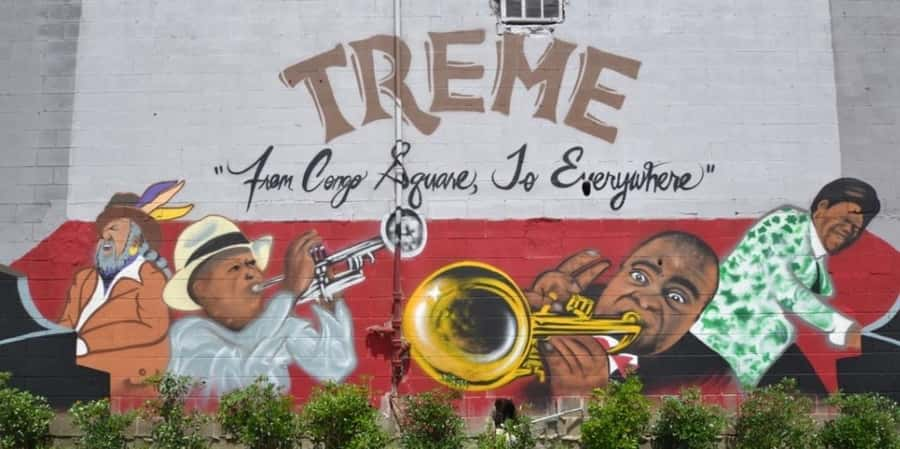
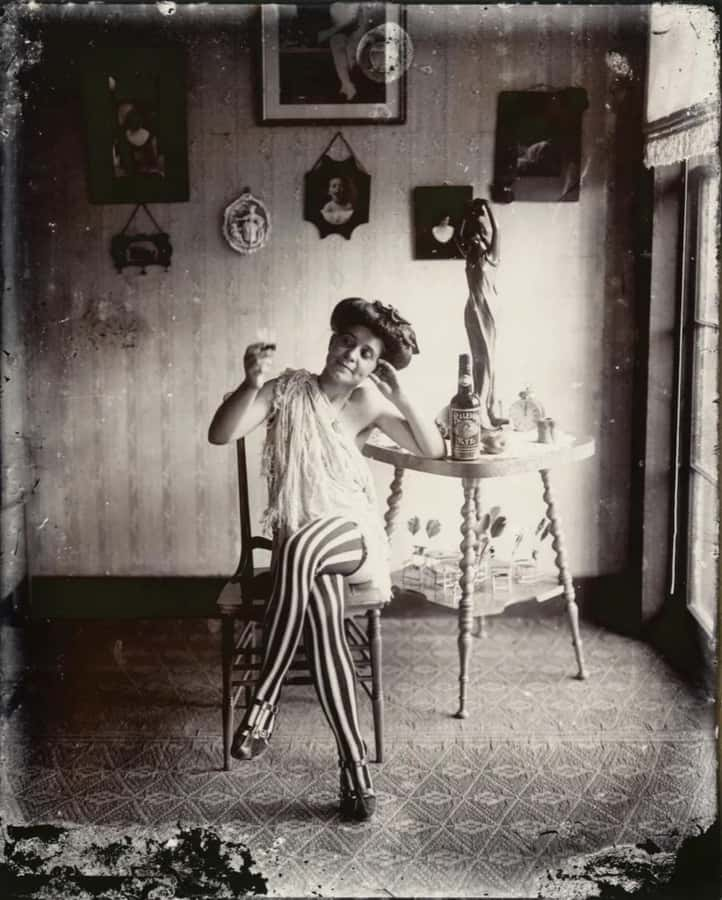
The walk starts at Backatown Coffee, close to the former Storyville district. This is a smart starting point because Storyville is not just a tale of brothels. During its roughly 20-year life as a decriminalized prostitution district, it became part of the setting in which early New Orleans jazz developed.
Your guide connects Storyville with musicians including Jelly Roll Morton, King Oliver, and Sidney Bechet. That connection matters because jazz did not appear in a vacuum. It grew from overlapping worlds of African-American music, Creole culture, nightlife, migration, and working-class entertainment.
You will also enter the former Iberville Housing Project, now called the Bienville Basin Apartments. This gives the tour a useful present-day angle. You are not looking only at old façades and vanished vice districts. You are also seeing how New Orleans has replaced, renamed, and rebuilt parts of its urban fabric.
The surviving Storyville buildings are a key part of this section. Do not expect a preserved historic district with every block intact. The point is to recognize fragments and understand what was lost. The guide also discusses New Urbanism, a modern approach to architecture and city planning that favors walkable neighborhoods and mixed-use development.
That topic may sound dry, but here it helps you read the modern buildings around you. You can compare the old district, the housing project era, and newer plans for the area. In two hours, that is useful context that a simple ghost or nightlife walk would likely skip.
More Treme and Congo Square walks:
- New Orleans Treme’ Walking Tour
★ 5.0 · 240 reviews - New Orleans: Tremé African American & Creole History Tour
★ 4.9 · 208 reviews - True Voodoo History of NOLA’s Congo Square with Local Guide
★ 5.0 · 133 reviews
Voodoo beyond the movie version
The Voodoo portion works best if you arrive ready to question familiar images. The tour presents Voodoo as a religious tradition with ancient West African roots, not as a collection of horror props and spooky rumors.
You will learn about the ways West African beliefs crossed with Roman Catholicism in slave-holding colonies. That history is important because enslaved people often had to practice or express their religious lives under outside control. Catholic saints, rituals, and symbols could become part of a broader religious world rather than replacing African beliefs outright.
This is also where the tour can help you understand why New Orleans Voodoo is often difficult to explain in a neat paragraph. It developed through cultural contact, forced migration, local practice, and later storytelling. Some accounts are documented. Others have grown through newspapers, tourism, family tradition, and popular entertainment.
The guide’s job is to sort those layers. The supplied experience information does not name the individual guide, so you cannot choose a particular historian by name. You can expect an English-speaking live guide, but the exact depth and style will depend on who leads your departure.
A practical note: discussions of Voodoo, slavery, prostitution, and racial violence are not light sightseeing topics. I would choose this walk if you want history with difficult edges. If you want a purely playful New Orleans folklore outing, this may feel heavier than expected.
Marie Laveau’s home, fact, and legend
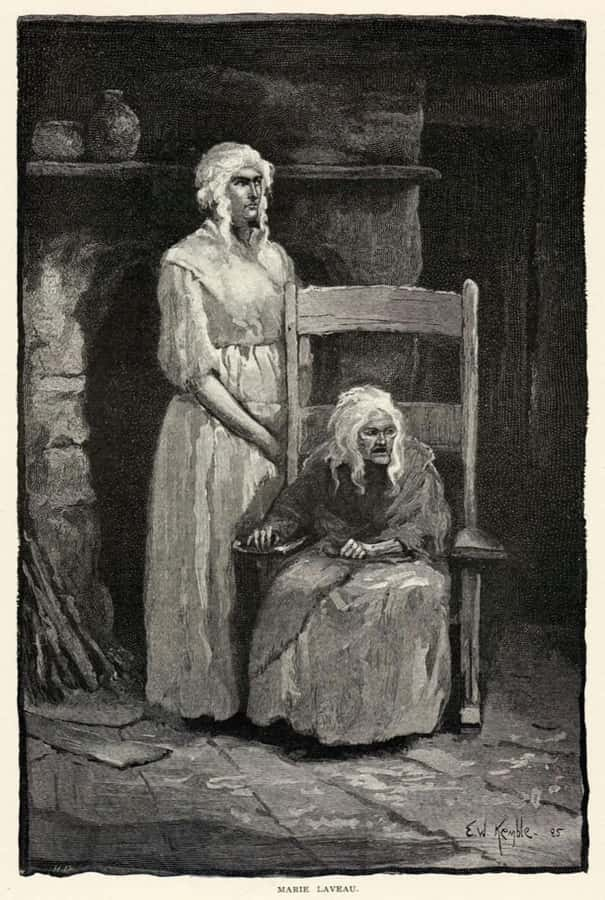
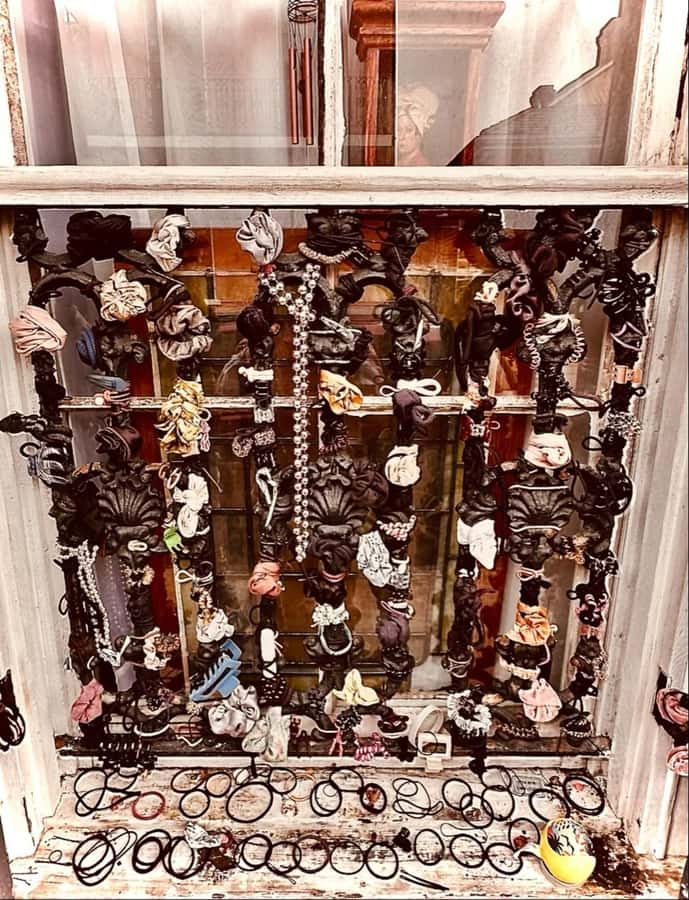
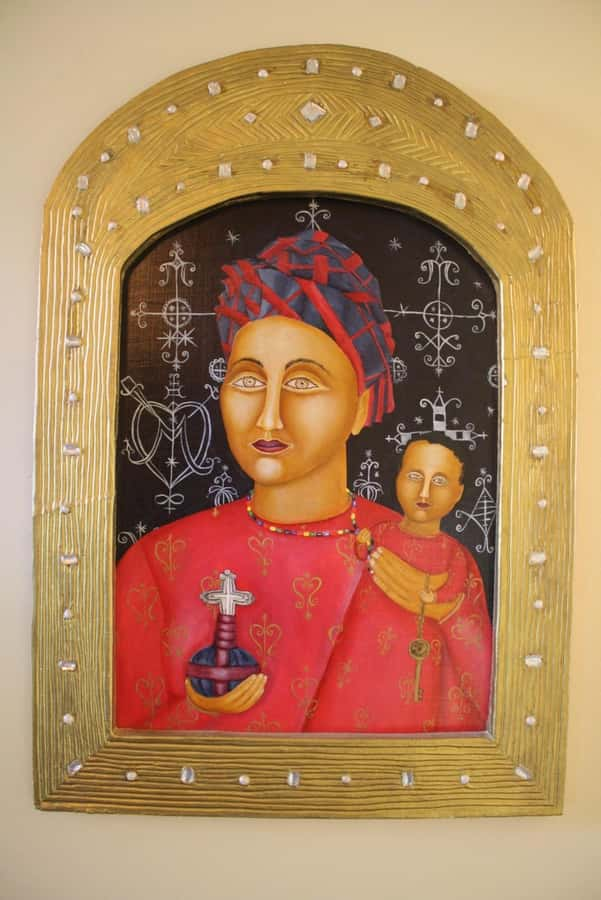
A stop at the site of Marie Laveau’s home gives the Voodoo section a human focus. Laveau is remembered as the Voodoo Queen, and her name is woven into New Orleans folklore more tightly than almost any other figure connected with the city’s spiritual past.
The useful part of this stop is the attempt to separate the known from the legendary. You will hear about Laveau’s biography and then consider how her public image changed over time. That distinction matters. Marie Laveau was a real person, but many stories attached to her have been repeated so often that they can sound equally certain.
The tour does not include entry to a shrine or a private home. It takes you to the site associated with her former residence. That makes the guide’s explanation especially important. You are visiting a place of historical association, not a staged attraction built around a guaranteed supernatural experience.
I like this approach because it leaves room for mystery without presenting rumor as fact. New Orleans has plenty of dramatic stories already. You do not need invented details to make Marie Laveau fascinating.
Basin Street Station and the changing city
The route continues to Basin Street Station, a useful link between transportation, music, and the older neighborhoods around it. The stop helps place Storyville and Treme within the wider city rather than treating them as isolated pockets.
The walk moves through areas that have changed dramatically. The former Iberville Housing Project is now the Bienville Basin Apartments, and the tour uses that shift to discuss redevelopment and New Urbanism. You will get more from this section if you pay attention to the contrast between historic memory and current construction.
There is a tradeoff. Urban history is often less visually tidy than a row of preserved buildings. Some stops may feel like ordinary city streets until the guide explains what stood there before. I see that as part of the value, but it means the experience depends heavily on listening.
The two-hour format keeps the tour moving. It also means the guide cannot spend a long time at every site. If a particular subject catches your attention, make a note and research it later rather than expecting a full seminar on each stop.
More voodoo history tours in New Orleans:
- New Orleans Premier Ghost, Voodoo and Vampire Walking Tour
★ 4.5 · 12,856 reviews - Adults-Only New Orleans Ghost, Crime, Voodoo, and Vampire Tour
★ 5.0 · 6,545 reviews - New Orleans Adults-Only Ghost, Voodoo and Vampire Tour
★ 5.0 · 3,291 reviews - New Orleans French Quarter, Voodoo and Culture Walking Tour
★ 4.5 · 2,961 reviews
Congo Square and Louis Armstrong Park
Louis Armstrong Park and Congo Square are the emotional center of the walk. Congo Square is tied to the preservation and expression of African cultural traditions in New Orleans. Its importance reaches beyond music, though music is one of the clearest ways to understand its influence on the city.
The park also connects the past with modern New Orleans. You may hear about African-American cultural life, jazz, public gatherings, and the way the city has remembered these traditions. The experience includes Congo Square and Louis Armstrong Park, so you should expect this to be a major part of the route rather than a quick mention.
The nearby Perseverance Hall and the Rabassa-de Pouilly House add architectural and social context. These stops help show the mix of cultures and building styles that shaped the neighborhood. Again, the guide’s explanation matters more than any single façade.
Wear shoes you can walk in for two hours. The tour specifically warns that it involves significant walking, and the route includes several neighborhoods and outdoor stops. Check the weather before you go and dress for the conditions. New Orleans heat, rain, or humidity can change how enjoyable a city walk feels.
St. Augustine’s Church and the War of the Pews
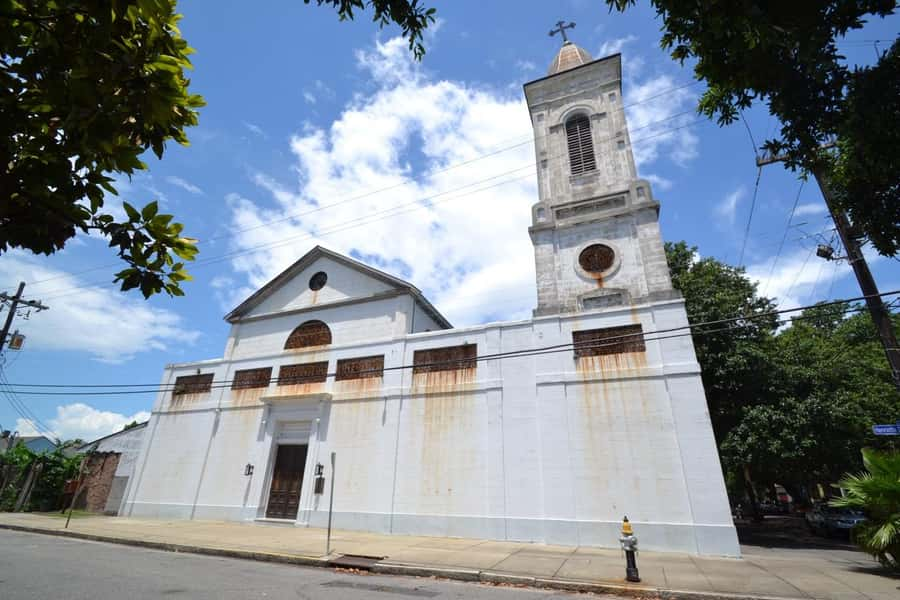
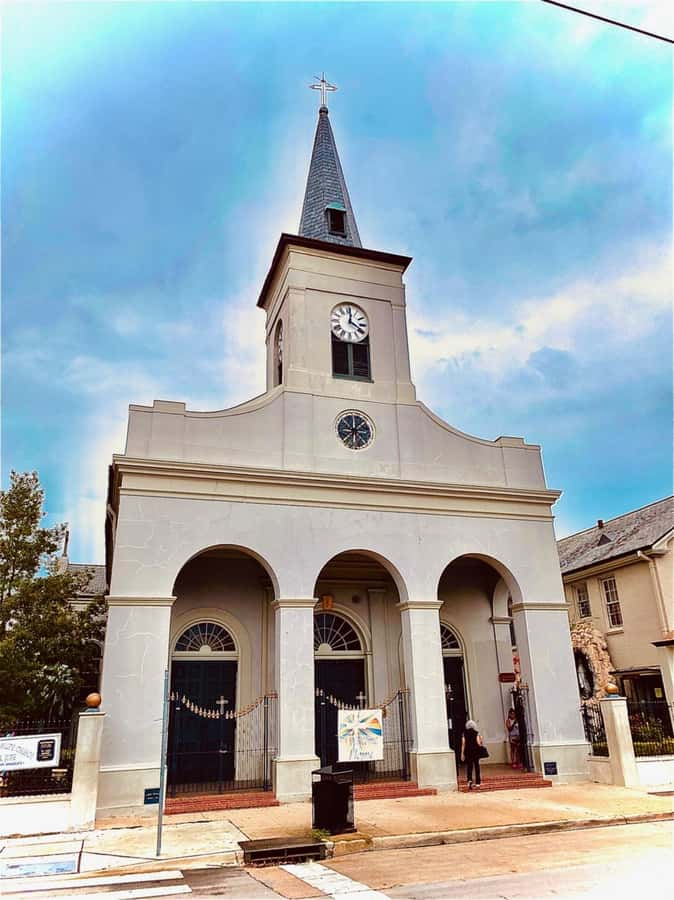
St. Augustine’s Catholic Church brings the discussion of race, religion, and public space into sharper focus. The tour explains the War of the Pews, a conflict connected with seating and racial divisions within the church.
This is the sort of detail that makes the walk worthwhile. A church pew may seem like a small object, but access to it could express who belonged, who had power, and who was expected to remain apart. The story gives you a concrete way to understand wider tensions in New Orleans society.
The Tomb of the Unknown Slave is also included in this section. It adds a solemn reminder of the people whose names and individual stories were lost to slavery. Respectful behavior and attire may be expected at some sites, so treat this part as a historical and religious visit, not a photo stop alone.
The experience also includes Our Lady of Guadalupe Church among its featured places. Together, the churches show that religion in New Orleans is tied to community identity, memory, and conflict. That is a more useful lesson than simply collecting pretty church photographs.
The 1891 parish prison vendetta
The tour also addresses the 1891 Parish Prison vendetta, when Sicilian convicts accused of murdering Police Chief Hennessy were assassinated. This episode opens a window onto anti-Italian prejudice, public anger, and the dangers of mob justice.
It is a grim story, but it belongs in a walk that is trying to explain how New Orleans communities formed and fought over power. The event also reminds you that the city’s cultural history is not only African-American, Creole, or French and Spanish. Sicilian immigrants and their treatment by the wider public are part of the city’s past too.
Because the tour covers so many subjects, this episode is presented as one portion of a larger route. If you want a detailed account of the prison killings, you may need a separate book or museum visit. Here, the value is in seeing how the incident fits into the broader story of the neighborhood.
Optional Backstreet Cultural Museum visit
The Backstreet Cultural Museum is an optional addition, and admission is not included in the $30 tour price. The museum is dedicated to Mardi Gras Indian and Second Line culture, two traditions that are central to New Orleans’ African-American cultural life.
If the museum is open and you have the time, this is the extra I would consider most seriously. The walking tour gives you historical and geographic context. The museum can add visual material and a closer look at costumes, procession, and community traditions.
You should budget separately for admission because it is not part of the tour fee. The supplied details do not give the admission price or confirm opening conditions, so check before relying on it as part of your plan.
Do not confuse the optional museum stop with the included itinerary. The tour itself includes the streets, parks, churches, and historical sites listed above. The museum is an add-on.
What $30 buys you
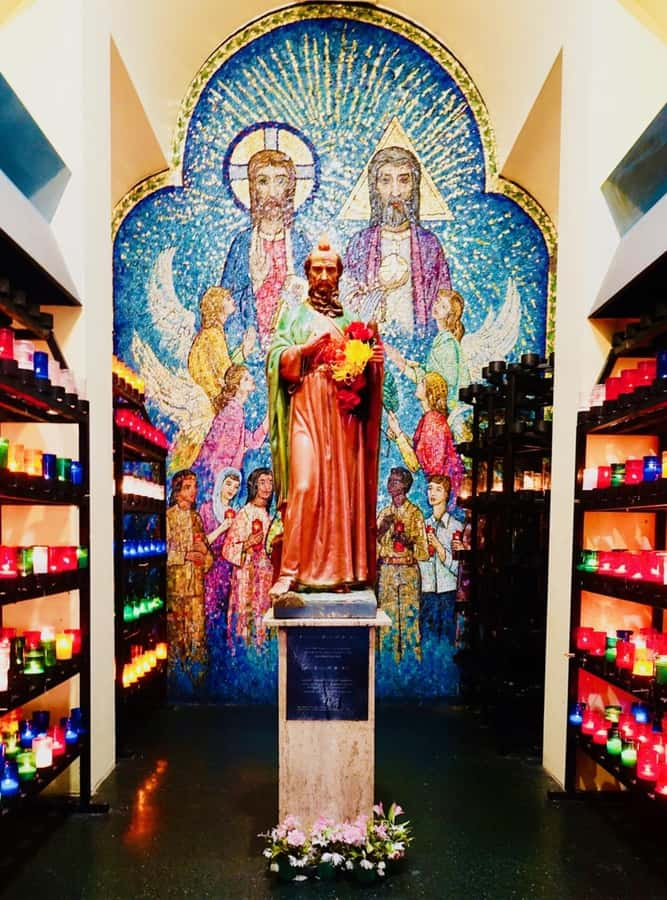
At $30 per person, this is a reasonable price if you want a focused introduction to several New Orleans subjects in one outing. You receive a two-hour walking tour, a live English-speaking guide, and access to historical interpretation that would be difficult to assemble on your own in a single morning.
The value is strongest for first-time visitors who want to connect places with stories. You will cover Storyville, Basin Street Station, Louis Armstrong Park, Congo Square, Treme, churches, Marie Laveau’s former home site, and the Parish Prison episode. That is a lot of ground for the price.
The value is weaker if you dislike walking or prefer one topic at a time. A dedicated Voodoo tour might spend longer on religious practice and Marie Laveau. A jazz tour might offer more music history. This experience spreads its attention across several subjects.
Food, drinks, and transportation to and from the activity are not included. Plan your route to Backatown Coffee yourself, and leave enough time to arrive before the walk begins. The tour starts from there, not from your hotel.
You can cancel up to 24 hours in advance for a full refund, and the reserve-now, pay-later option lets you hold a place without paying immediately. Those terms add flexibility, but they do not remove the need to confirm that the operator is running the tour as planned.
Who will get the most from this walk
I would recommend this tour to you if you want:
- A broad introduction to Voodoo, Storyville, jazz, and Treme
- A walking route that includes both famous sites and less polished urban history
- Context for Congo Square and African-American cultural traditions
- A guide-led explanation of Marie Laveau rather than a supernatural show
- A two-hour activity that fits into a larger New Orleans day
You may want another option if you need an accessible, low-walking outing, since the tour involves significant walking and no accessibility details are provided. It may also disappoint you if you expect extensive time inside museums or historic buildings. Much of the experience takes place outdoors and depends on the guide’s narration.
The most important caution is reliability. One verified booking dated January 4, 2026 reported that the guide did not appear and did not cancel in advance. Another verified booking from December 22, 2025 rated the tour four out of five and described it as very informative. That is a wide gap. I would avoid scheduling an airport transfer, major reservation, or once-in-a-lifetime event immediately after this tour.
Should you book the Voodoo, Storyville, and Treme walk?
Book it if you want a compact, serious introduction to the city’s cultural fault lines. The best parts are the Storyville and jazz connection, the fact-based treatment of Marie Laveau, Congo Square, and the church history surrounding the War of the Pews.
At $30, the walk offers good subject coverage for the money. Just keep your expectations practical: it is a fast-moving outdoor tour, not a full museum program, and the quality will depend on the guide leading the group.
I would book with a little schedule cushion and verify the departure details close to the date. If you are comfortable with that caution, this tour can help you see New Orleans as a city shaped by music, faith, migration, injustice, and cultural survival, not just cocktails and wrought-iron balconies.
FAQ
How long is the Voodoo, Storyville, and Treme Walking Tour?
The tour lasts two hours.
How much does the tour cost?
The listed price is $30 per person.
What language is the tour offered in?
The tour is conducted in English with a live guide.
Where does the tour begin?
The walk begins at Backatown Coffee near the former Storyville district.
What neighborhoods does the tour cover?
The route covers the former Storyville area and Treme, with stops around Basin Street Station, Louis Armstrong Park, and Congo Square.
Is the former Iberville Housing Project part of the tour?
Yes. You visit the former Iberville Housing Project, now called the Bienville Basin Apartments, and learn about its history and redevelopment.
Does the tour visit Marie Laveau’s home?
The tour visits the site of Marie Laveau’s former home and discusses her life, reputation, and the difference between documented facts and myths.
Is the Backstreet Cultural Museum included?
No. Admission to the Backstreet Cultural Museum is optional and costs extra. The listed information does not give the admission price.
Is St. Louis Cemetery included?
The tour includes a brief description of the historic aboveground St. Louis Cemetery when you ask the guide for it. A cemetery admission is not listed as part of the included visit.
What should I wear?
Wear comfortable walking shoes, check the weather, and dress appropriately. Some locations may call for respectful behavior and attire.
Can I cancel the booking?
Yes. You can cancel up to 24 hours in advance for a full refund. You can also reserve now and pay later.
More Walking Tours in New Orleans
- New Orleans Food Walking Tour of the French Quarter with Small-Group Option
★ 5.0 · 6,118 reviews - St. Louis Cemetery No. 1 Official Walking Tour
★ 4.5 · 3,941 reviews - New Orleans Garden District History Walking Tour
★ 5.0 · 2,879 reviews - French Quarter Historical Sights and Stories Walking Tour
★ 5.0 · 2,724 reviews
Just added around New Orleans
- New Orleans: Whitney Plantation Audio Tour with Transfers★ 4.7 · 3 reviews
- New Orleans Instagram Photo Tour★ 4.5 · 3 reviews
- Outdoor Escape Room in New Orleans – The French Quarter★ 5.0 · 3 reviews
- New Orleans: Private Custom Guided Walking Tour★ 4.0 · 3 reviews
- New Orleans: Voodoo History Guided Walking Tour★ 4.8 · 3 reviews
- Private New Orleans City and Cemetery Bus Tour Up to 24 People★ 5.0 · 3 reviews
- New Orleans: French Quarter Cocktail and Foodie Crawl Tour★ 5.0 · 3 reviews
- Ghost Hunt in New Orleans: Quest Experience★ 3.5 · 3 reviews
Voodoo Tours, compared.
New Orleans Premier Ghost, Voodoo and Vampire Walking Tour
Read our review →
Adults-Only New Orleans Ghost, Crime, Voodoo, and Vampire Tour
Read our review →
New Orleans Adults-Only Ghost, Voodoo and Vampire Tour
Read our review →
New Orleans French Quarter, Voodoo and Culture Walking Tour
Read our review →
New Orleans Ghost, Vampire, Witch, Voodoo, and Mystery Tour
Read our review →
New Orleans Spirits & Spells: Witchcraft, Voodoo, and Ghost Tour
Read our review →Browse the lists this tour appears in