
Reviewed · VOODOO TOURS
True Voodoo History of NOLA’s Congo Square with Local Guide
New Orleans Voodoo is best understood as a living religious and cultural tradition, not a costume or a spooky stage act. This 90-minute walking tour connects Congo Square, Marie Laveau’s story, the French Quarter, and Voodoo Authentica in a way that puts history before theatrics.
I like the strong sense of place, especially the visit to Congo Square in Armstrong Park, and I like that guides leave room for questions instead of rushing through a script. The main drawback is that you will not visit St. Louis Cemetery No. 1, and the walk takes place outdoors in the afternoon, so weather and heat matter.
In This Review
- Key Points to Know Before You Book
- Why Congo Square Matters More Than a Haunted Story
- Learning the Origins of New Orleans Voodoo
- Marie Laveau Without the Cemetery Visit
- Walking Through the French Quarter
- Ending at Voodoo Authentica
- What the $39 Price Buys You
- Who Will Enjoy This Walk Most
- Practical Details for a Smoother Afternoon
- Should You Book the Congo Square Voodoo Tour?
- FAQ
- How long is the Voodoo history tour?
- What time does the tour begin?
- Where does the tour meet?
- Where does the tour end?
- Does the tour visit Marie Laveau’s tomb?
- Is admission to Voodoo Authentica included?
- What is Voodoo Authentica?
- How many people can join the tour?
- What is the cancellation policy?
Key Points to Know Before You Book
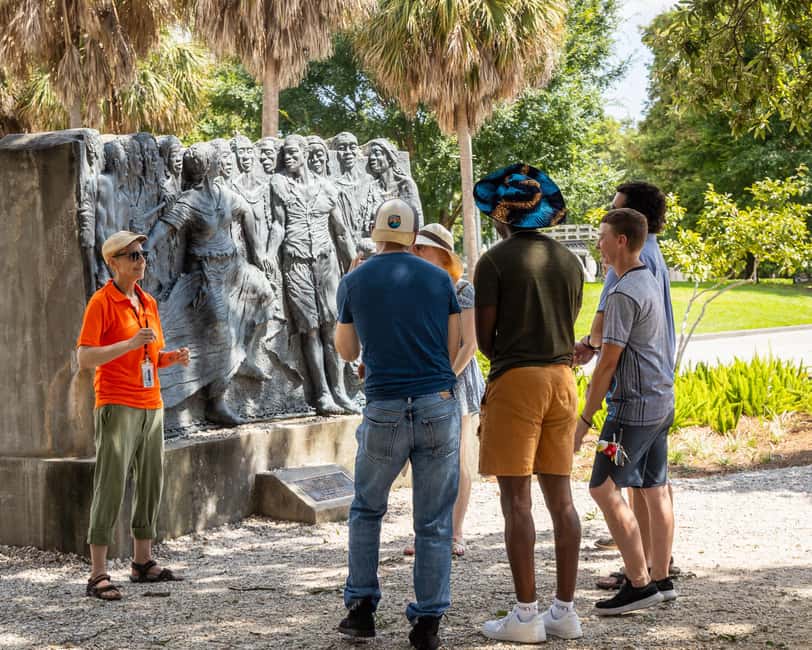
- Congo Square gives the tour its historical anchor: Learn about the gatherings, music, and cultural practices of enslaved Africans in New Orleans.
- The focus is factual and respectful: Guides explain Voodoo as a religious and cultural practice while sorting history from popular myths.
- Marie Laveau is discussed, but her tomb is not visited: New security rules prevent access to St. Louis Cemetery No. 1 for this tour.
- The French Quarter adds useful context: You see how the district’s streets, commerce, and long connection to outsiders shaped its stories.
- The finish at Voodoo Authentica is more than shopping: The space functions as a store, temple, and educational center.
- Music and a small gift are included: These details give the tour a celebratory finish rather than ending with a simple lecture.
Why Congo Square Matters More Than a Haunted Story
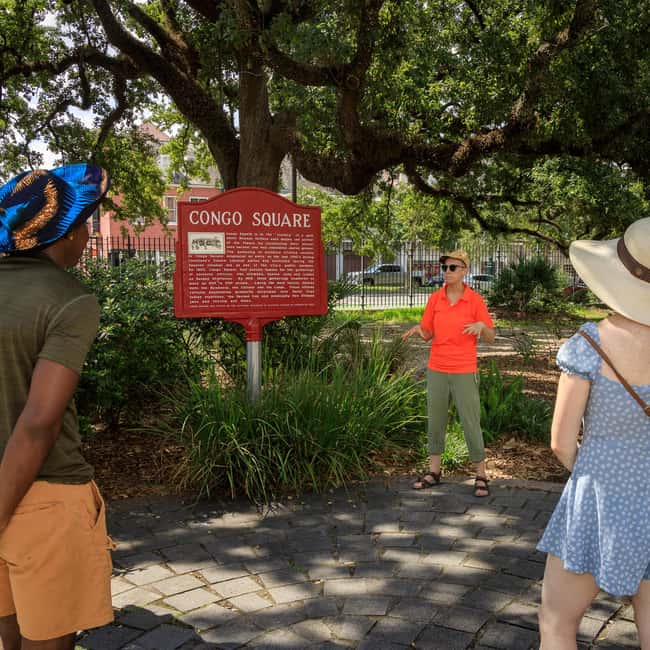
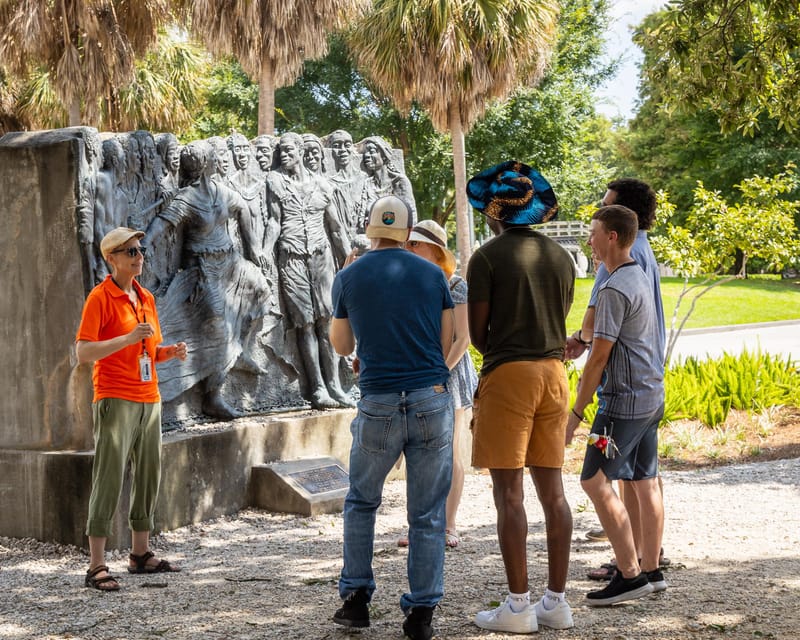
The tour begins at 1298 St. Ann Street at 3:00 p.m. From there, you walk toward Armstrong Park and Congo Square, the most important stop for understanding the subject.
Congo Square was a traditional gathering place where enslaved Africans met, maintained cultural practices, and played music. Those gatherings helped preserve customs under brutal conditions, and they shaped the sound and spiritual life of New Orleans.
I appreciate starting here because it shifts the subject away from cheap mystery. Instead of treating Voodoo as a collection of curses and ghost stories, the tour places it within the history of African cultures, forced migration, religion, music, and community.
Your guide explains how Congo Square became connected to the city’s Voodoo traditions. The supplied details do not promise a specific performance or historical reenactment, but traditional music and celebration are included, so you should expect sound and ceremony to play a role.
This is also the point where the tour asks you to reconsider familiar images. Popular culture often reduces Voodoo to dolls, spells, and horror. The walking tour presents a broader view, showing how spiritual practice and cultural survival are tied to the city itself.
More Treme and Congo Square walks:
- New Orleans Treme’ Walking Tour
★ 5.0 · 240 reviews - New Orleans: Tremé African American & Creole History Tour
★ 4.9 · 208 reviews - 60-minute Tremé Walking Tour & Photo Experience
★ 5.0 · 72 reviews
Learning the Origins of New Orleans Voodoo
The tour’s strongest feature is its attention to origins. You hear about the African roots of Voodoo and its development in New Orleans and southeast Louisiana.
That subject can become confusing quickly. People often use the word Voodoo to describe several different ideas, from religious practice to folklore to modern tourist merchandise. A good guide needs to separate those strands, and the guide feedback points to that being a central part of the experience.
Guides named in the tour feedback include Matthew, Sandy, Anna, Evian, and Robbie. Their styles may differ, but the repeated pattern is clear: expect a guide who can answer follow-up questions and connect Voodoo to the wider story of New Orleans.
Anna is praised for careful research and pride in the subject. Evian is noted for blending city history with Voodoo traditions. Matthew is described as especially strong at creating a nonjudgmental space for questions. Sandy is singled out for making people want to continue talking long after the tour. Robbie is described as outgoing and engaging.
Those details matter because this is not a tour where you simply collect a few spooky anecdotes. You will get more from it if you ask questions about religious practice, cultural identity, misconceptions, and the way New Orleans has presented Voodoo to outsiders.
The tone includes some folklore and humor, but it is not built around theatrical acting. If you prefer historical explanation to costumes, dramatic voices, or staged scares, this should be a good match.
Marie Laveau Without the Cemetery Visit
Marie Laveau is the best-known name in New Orleans Voodoo, so her story forms an important part of the walk.
The tour explores her life and legends, along with the way her reputation has grown over time. Laveau is not just a spooky character from New Orleans folklore. Her name opens the door to larger questions about race, religion, gender, public reputation, and the city’s fascination with mystery.
You should know in advance that this experience does not enter St. Louis Cemetery No. 1. New security regulations from the Archdiocese of New Orleans prevent the pilgrimage visit, and offerings at Marie Laveau’s tomb are discouraged.
That limitation may disappoint you if the cemetery is the main reason you are interested in the tour. Still, the change keeps the focus on explanation rather than on a crowded shrine visit. You can learn about Laveau without treating her burial place as a prop.
I also see value in the guidance about offerings. It reminds you that these places and traditions deserve respect. The tour’s approach is strongest when it treats Voodoo as something practiced and meaningful, not as a set piece for a photograph.
Walking Through the French Quarter
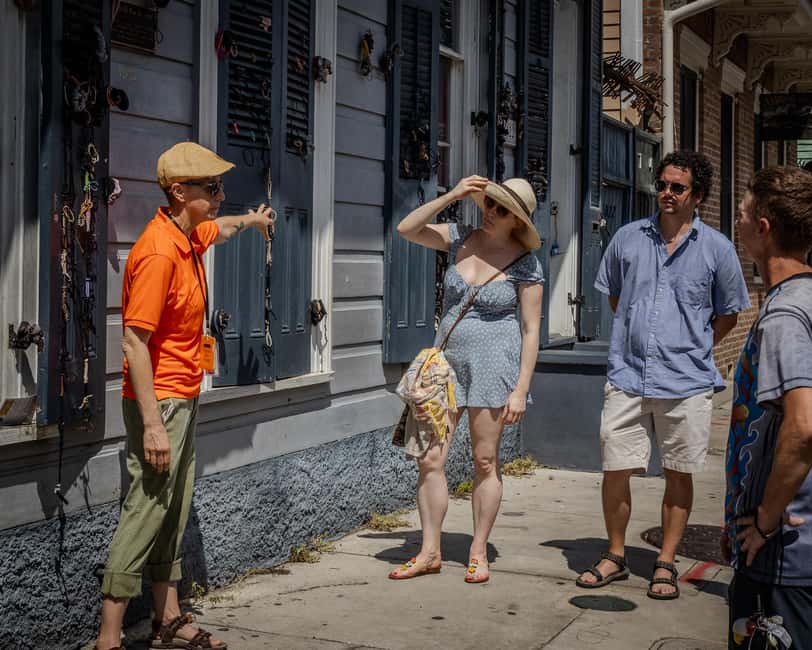
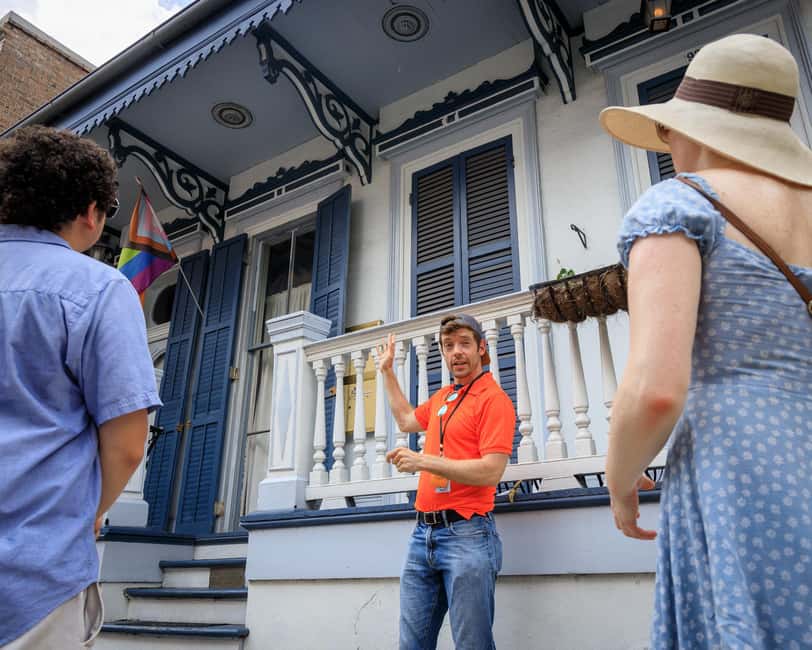
The French Quarter section gives the subject a wider setting. The route moves through one of New Orleans’ best-known districts, an area shaped by the river, commerce, visitors, nightlife, and constant cultural exchange.
The supplied route description points to the French Quarter’s long role as a port of call for people looking for entertainment and stories. That atmosphere helps explain why Voodoo became both part of local life and part of the city’s public image.
This is still a focused Voodoo tour, not a general French Quarter walk. Yet the guide also discusses New Orleans more broadly, which makes the experience useful on a first visit. You gain a better sense of how religion, folklore, music, and tourism overlap in the city.
The walking is described as easy, but you should still plan for about an hour and a half on foot. The tour starts at 3:00 p.m., when New Orleans weather can be a serious factor. Wear comfortable shoes, bring water, and dress for outdoor conditions. The information confirms that the activity requires good weather, and a bad-weather cancellation may lead to another date or a full refund.
The group can reach up to 27 people. That is not an intimate private walk, but it is still small enough for a guide to manage questions if the group stays engaged. If you want a one-on-one conversation, your experience will depend on the day’s group size and the guide’s ability to pause.
More voodoo history tours in New Orleans:
- New Orleans Premier Ghost, Voodoo and Vampire Walking Tour
★ 4.5 · 12,856 reviews - Adults-Only New Orleans Ghost, Crime, Voodoo, and Vampire Tour
★ 5.0 · 6,545 reviews - New Orleans Adults-Only Ghost, Voodoo and Vampire Tour
★ 5.0 · 3,291 reviews - New Orleans French Quarter, Voodoo and Culture Walking Tour
★ 4.5 · 2,961 reviews
Ending at Voodoo Authentica
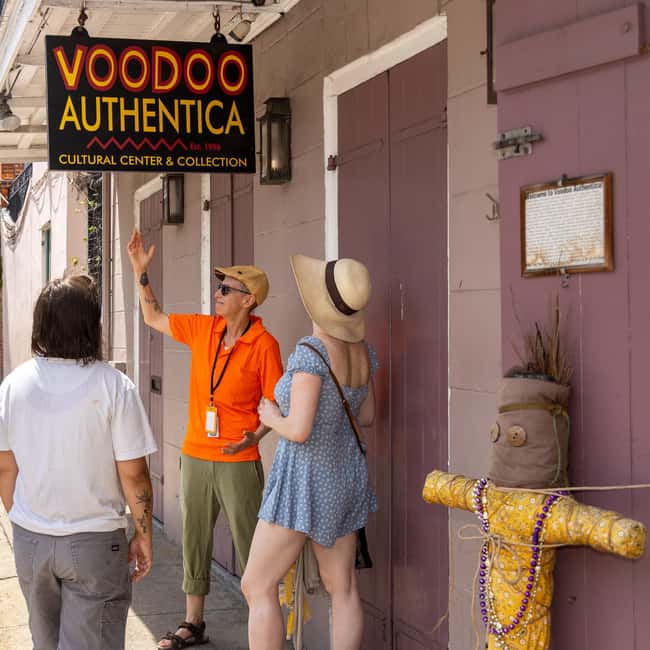
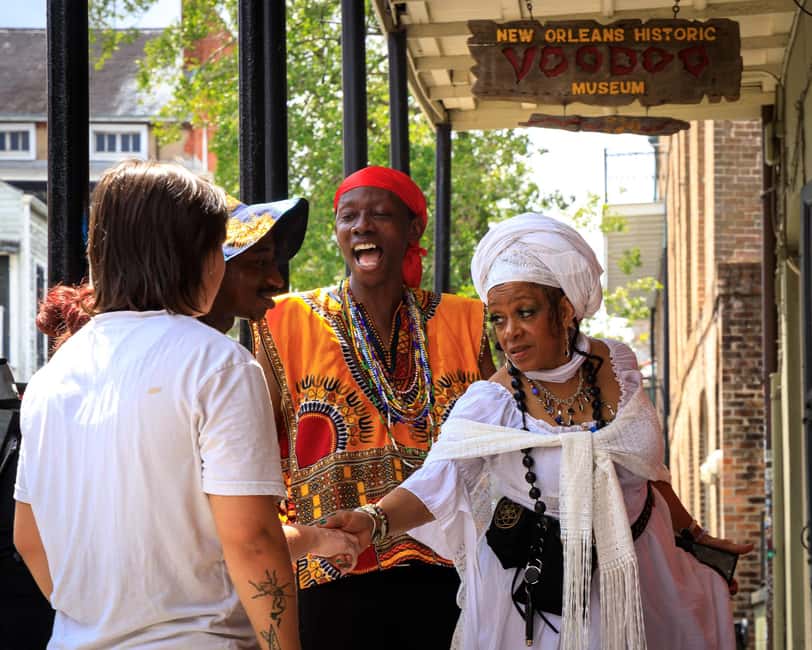
The tour ends outside Voodoo Authentica of New Orleans Cultural Center and Collections at 612 Dumaine Street.
This stop is useful because it gives you somewhere to continue learning after the walk. Voodoo Authentica is not only a shop. It is also a temple and educational space, and the staff are practitioners of Voodoo.
Most items sold there are made by local practitioners, with African and Haitian art pieces as the exception. That detail gives the visit more context than a standard souvenir stop. You can look at objects connected to the tradition, ask questions, and decide for yourself how much time you want to spend inside.
The scheduled stop is about 20 minutes, and admission is free. You are allowed to explore after the tour for as long as you like, so the official 90-minute duration does not necessarily mark the end of your visit to the subject.
The tour also includes traditional music and a special gift at the end. The gift is not described in detail, so do not book this expecting a particular item. Think of it as a small closing gesture that adds warmth to the final stop.
What the $39 Price Buys You
At $39 per person, this tour sits in a reasonable range for a guided New Orleans walking experience. You are paying for a professional guide, a focused route, local cultural context, traditional music, and a small gift.
The value depends on your interest. If you only want a quick glimpse of the French Quarter, you can walk those streets for free. If you want clear explanations of Voodoo origins, Congo Square, Marie Laveau, and local legends, the guide is the main reason to pay.
I think the price works best for first-time visitors who want a cultural subject explained with care. It also suits repeat visitors who have already seen the main architecture and want a more specific theme.
The experience does not include a cemetery entry, a long museum visit, or transportation. That keeps the price moderate, but it also means you should not expect a full-day cultural program. The tour offers a concentrated introduction, then points you toward a place where you can continue on your own.
Because the tour is booked about 27 days ahead on average, I would reserve early if your New Orleans dates are fixed. Mobile tickets make the booking simple, and confirmation is provided at booking.
Who Will Enjoy This Walk Most
This tour is a strong choice for you if:
- You want history and cultural explanation rather than actors or staged scares.
- You are curious about the origins of Voodoo in Africa, New Orleans, and southeast Louisiana.
- You enjoy asking questions during a guided walk.
- You want to connect Congo Square and the French Quarter in one short outing.
- You are visiting New Orleans for the first time and want a subject beyond food, music, and architecture.
- You are comfortable walking outdoors for around 90 minutes.
Families can take part, and most people can participate. Service animals are allowed, and the meeting point is near public transportation.
You may want to skip it if you mainly want cemetery access, dramatic ghost stories, or a theatrical show. The tour’s appeal comes from research, discussion, place, and cultural context. It is not designed as a horror attraction.
Practical Details for a Smoother Afternoon
Meet at 1298 St. Ann Street in New Orleans. The start time is 3:00 p.m., and the tour ends at Voodoo Authentica, 612 Dumaine Street.
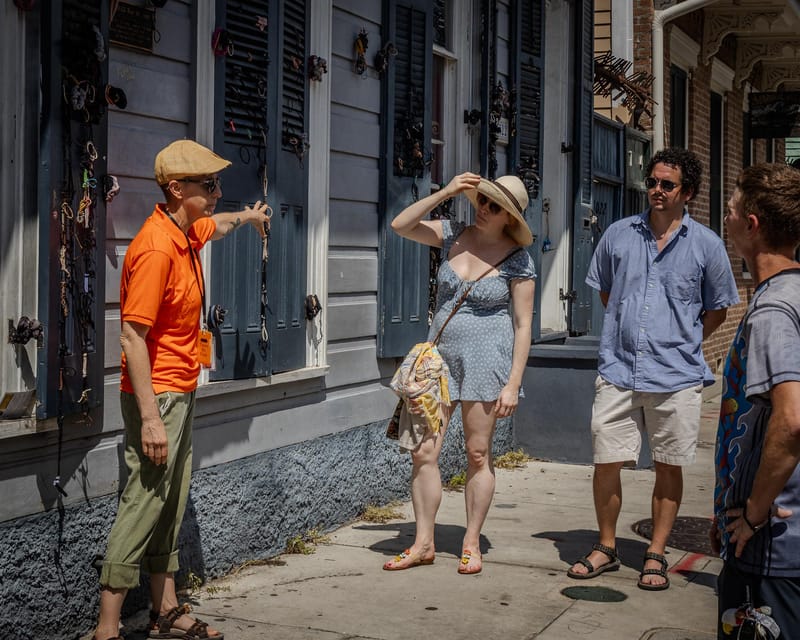
The route is a walking tour of Congo Square and the French Quarter. The walk is described as easy, but comfortable shoes are still a smart choice. Since the tour is outdoors and weather-dependent, check the forecast before leaving and bring water for warm conditions.
The maximum group size is 27 people. That gives the guide a manageable group, though the experience may feel more personal on a quieter day than on a full departure.
Free cancellation is available if you cancel at least 24 hours before the start time. Cancellation within 24 hours is not refundable, and changes within that period are not accepted. If poor weather cancels the tour, you can receive a different date or a full refund.
Should You Book the Congo Square Voodoo Tour?
Book it if you want a respectful, fact-based introduction to one of New Orleans’ most misunderstood traditions. The visit to Congo Square gives the tour a serious foundation, while the French Quarter and Voodoo Authentica add local color and a practical place to continue your learning.
I would especially recommend it to anyone who dislikes theatrical tours. Guides such as Matthew, Sandy, Anna, Evian, and Robbie have been praised for clear explanations, careful research, humor, and open discussion. Just remember that guide assignments can vary.
The one major trade-off is the missing cemetery stop. If you need to see Marie Laveau’s tomb, this is not the right tour. If you want to understand why Congo Square, African cultural traditions, Marie Laveau, and New Orleans folklore belong in the same conversation, $39 is a fair price for a compact and useful afternoon walk.
FAQ
How long is the Voodoo history tour?
The tour lasts approximately 1 hour and 30 minutes.
What time does the tour begin?
The tour starts at 3:00 p.m.
Where does the tour meet?
The meeting point is 1298 St. Ann Street, New Orleans, Louisiana 70116.
Where does the tour end?
The tour ends at Voodoo Authentica at 612 Dumaine Street in the French Quarter.
Does the tour visit Marie Laveau’s tomb?
No. The tour does not visit St. Louis Cemetery No. 1 because of new security regulations from the Archdiocese of New Orleans. Offerings at Marie Laveau’s tomb are discouraged.
Is admission to Voodoo Authentica included?
Yes. The tour ends outside Voodoo Authentica, and the listed admission for the stop is free.
What is Voodoo Authentica?
Voodoo Authentica is a shop, temple, and educational space. The staff are practitioners, and most items in the shop are made by local practitioners, apart from African and Haitian art pieces.
How many people can join the tour?
The activity has a maximum group size of 27 people.
What is the cancellation policy?
You can cancel for a full refund up to 24 hours before the tour’s start time. Cancellations or changes made within 24 hours are not accepted for a refund. If poor weather cancels the experience, you will be offered another date or a full refund.
More History Tours in New Orleans
- New Orleans Garden District History Walking Tour
★ 5.0 · 2,879 reviews - French Quarter Historical Sights and Stories Walking Tour
★ 5.0 · 2,724 reviews - New Orleans Small-Group Haunted History Carriage Tour
★ 4.5 · 2,289 reviews - New Orleans Haunted History Ghost Tour
★ 4.5 · 2,084 reviews
Just added around New Orleans
- New Orleans Garden District Tour★ 5.0 · 8 reviews
- New Orleans Seance Experience★ 4.0 · 8 reviews
- Airport and City Transfers in New Orleans★ 5.0 · 8 reviews
- Sin and Tonic Pub Crawl in New Orleans★ 4.5 · 8 reviews
- The New Orleans Darkness Tour★ 4.4 · 9 reviews
- New Orleans Plantation Tour with Transportation★ 5.0 · 9 reviews
- New Orleans Self-Guided Kayak Bayou Swamp Tour★ 5.0 · 9 reviews
- New Orleans Premium Six-Passenger Airboat Adventure★ 5.0 · 9 reviews
Voodoo Tours, compared.
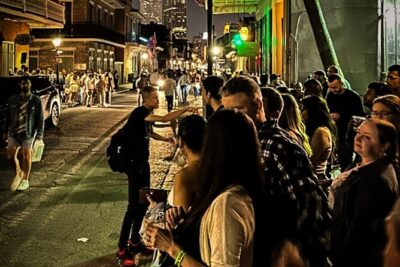
New Orleans Premier Ghost, Voodoo and Vampire Walking Tour
Read our review →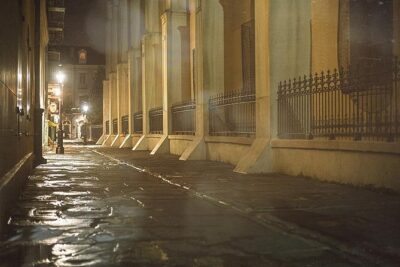
Adults-Only New Orleans Ghost, Crime, Voodoo, and Vampire Tour
Read our review →
New Orleans Adults-Only Ghost, Voodoo and Vampire Tour
Read our review →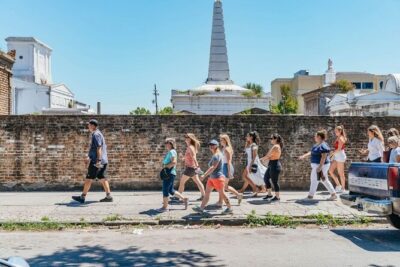
New Orleans French Quarter, Voodoo and Culture Walking Tour
Read our review →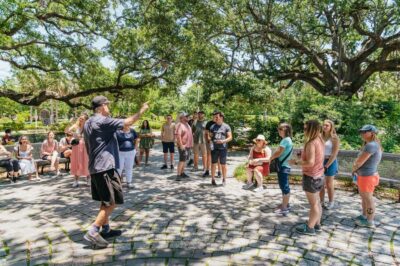
New Orleans Ghost, Vampire, Witch, Voodoo, and Mystery Tour
Read our review →
New Orleans Spirits & Spells: Witchcraft, Voodoo, and Ghost Tour
Read our review →Browse the lists this tour appears in