
Reviewed · WHITNEY PLANTATION TOURS
Whitney Plantation Tour from New Orleans with Pickup
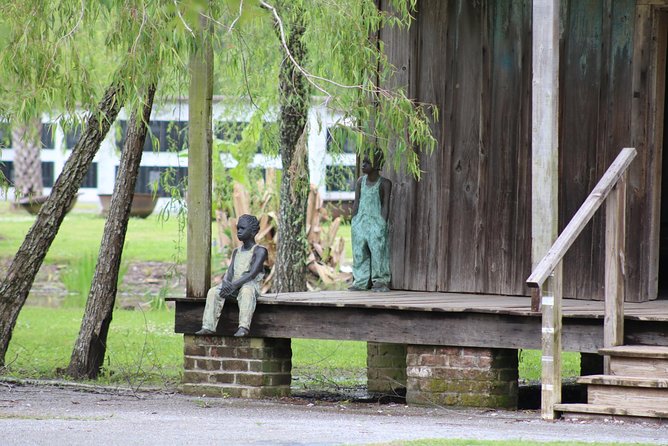
Whitney Plantation does something important and unusual: it tells Louisiana plantation history through the lives of enslaved people. You walk among slave cabins, memorials, sculptures, and restored buildings while listening to first-person accounts that make this painful past personal.
I like the clear focus on slavery and the fact that you can move at your own pace with an audio device. I also like the included ride from New Orleans, especially when a driver such as Edward explains sugar farming, levees, Hurricane Katrina, and the German Coast along the way.
The main drawback is that this is not a traditional guided plantation tour. The Whitney visit is largely self-guided, and two hours can feel short for the amount of material. Much of the main house is not restored, so you should come for the history of enslaved people, not grand interiors.
In This Review
- Key points to know before you book
- Why Whitney Plantation feels different
- The 8:00 am pickup from New Orleans
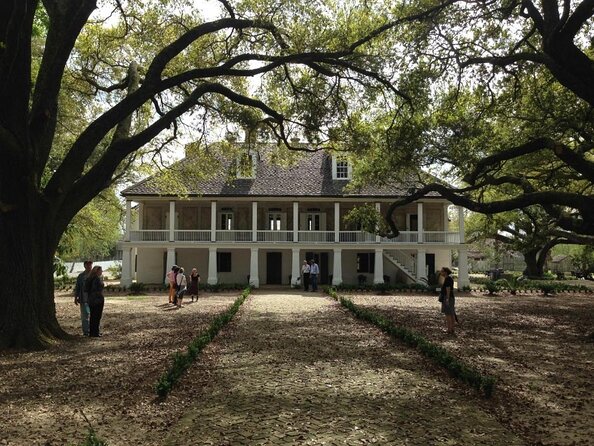
- Arriving at the Haydel plantation
- Memorials, cabins, and the human cost of slavery
- The main house is not the main attraction
- The two-hour walking visit
- The bookstore and shop
- What the $79 price includes
- Who should book this experience
- Should you book the Whitney Plantation tour?
- FAQ
- What time does the Whitney Plantation tour begin?
- How long does the complete experience last?
- Is the Whitney Plantation visit guided?
- Is transportation from New Orleans included?
- What does Whitney Plantation focus on?
- Can I cancel for a full refund?
Key points to know before you book
- Whitney focuses on enslaved lives: This is not a tour built around plantation owners, architecture, or romantic old South stories.
- The visit is self-guided: A handheld audio device leads you through numbered places at your own pace.
- Hotel pickup saves time and money: Transport from New Orleans is included, so you do not need to rent a car.
- The ride adds useful Louisiana context: Drivers including Edward, Brian, and Ernest have explained sugar cane, swamps, levees, industry, and local history.
- Plan for outdoor walking: Bring weather-appropriate clothing, since much of the two-hour visit takes place outside.
- The $79 price is reasonable for a half-day outing: It combines round-trip transport and plantation admission, but it is less suitable if you want a live guide at every stop.
Why Whitney Plantation feels different
Many plantation visits place the grand house at the center. Whitney reverses that order. The important people here are the men, women, and children who were forced to work on the plantation and whose lives were controlled by the Haydel family.
The site was originally known as Habitation Haydel, named for a family of German immigrants. Their story is tied directly to the enslaved people they held. Whitney opened to the public in 2014 after 262 years as a private plantation site, and it is the only Louisiana plantation museum described as focusing on slavery.
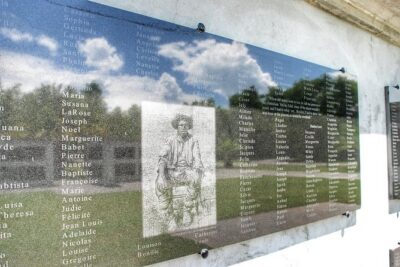
That focus shapes the entire visit. You will see memorial artwork, restored buildings, exhibits, and hundreds of first-person narratives from formerly enslaved people. The experience does not soften the subject or turn plantation life into a pretty backdrop for a house tour.
I think that makes Whitney a better choice for anyone who wants an honest account of slavery in Louisiana. It is also a serious visit. You may leave with more questions than answers, which is appropriate for a place dealing with forced labor, family separation, punishment, resistance, and survival.
More Whitney Plantation visits:
- Whitney Plantation Tour with Transportation from New Orleans
★ 4.5 · 1,351 reviews - New Orleans: Whitney Plantation Tour with Transportation
★ 4.7 · 619 reviews - Small-Group Laura and Whitney Plantation Tour from New Orleans
★ 4.5 · 446 reviews
The 8:00 am pickup from New Orleans
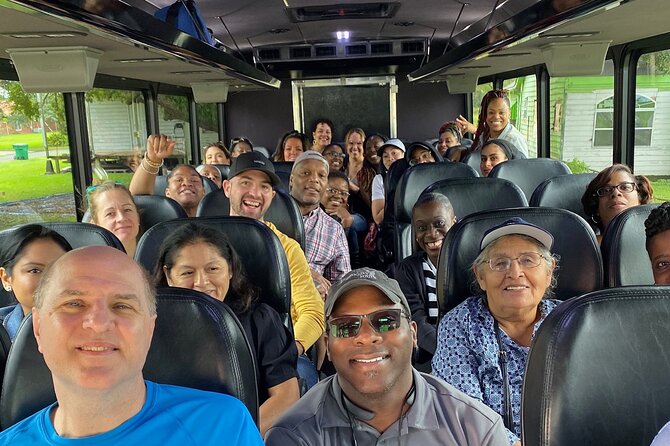
The day begins early, with pickup at about 8:00 am. Your exact meeting place depends on the booking, so pay close attention to the confirmation details. The operator has also been known to call ahead with the pickup location, driver name, and bus description, a useful touch when several vehicles are serving New Orleans at the same time.
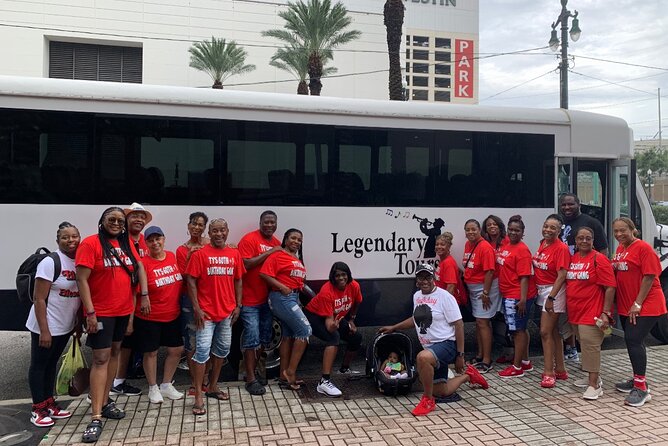
The ride is part of the experience, not just a way to get from one attraction to another. Some drivers provide a running account of Louisiana history as the vehicle heads toward Whitney. Edward has been praised for explaining sugar cane harvesting, levees, Hurricane Katrina damage, industrial areas near Cancer Alley, and the communities along the route.
The route can include scenic views of swamps and Lake Pontchartrain. On the way back, the drive may use the highway, making the return faster and less scenic. You might also hear about present-day sugar cane machinery, historic plantation labor, bridges, trees, sports teams, or film locations such as those connected with Django Unchained.
Driver quality can shape the day. Edward, Brian, and Ernest have all been mentioned as engaging drivers, but your assigned driver will vary. One practical point: the bus may not have USB charging ports, so charge your phone before pickup.
The vehicle capacity is listed at a maximum of 41 people. That is a medium-sized group, not a private tour. Pickup has generally been timely, but one booking problem resulted in a missed pickup, so if the vehicle is late, contact the operator promptly rather than waiting without an update.
Arriving at the Haydel plantation
Whitney Plantation covers the former Habitation Haydel grounds. Once you arrive, the experience changes from a narrated bus ride to a self-guided walk around the property.
You receive a handheld audio device, and the site uses numbered attractions to guide you from one point to the next. The audio is clear and detailed, with explanations of the buildings, exhibits, and people connected to the plantation. You can pause, listen again, and spend longer at a memorial that affects you.
This format works well for families and small groups with different interests. A teenager who feels unsure at first can take in the information without having to keep up with a live guide. You can also move quietly through the grounds instead of listening to a group gather around one speaker.
The tradeoff is a lack of personal interaction. If you prefer to ask questions as you go, a handheld device can feel impersonal. Signage helps you find your way, but there is not always a live guide explaining each stop. One visitor wished for a printed map, so keep your bearings by following the numbered sequence and the audio instructions.
Memorials, cabins, and the human cost of slavery
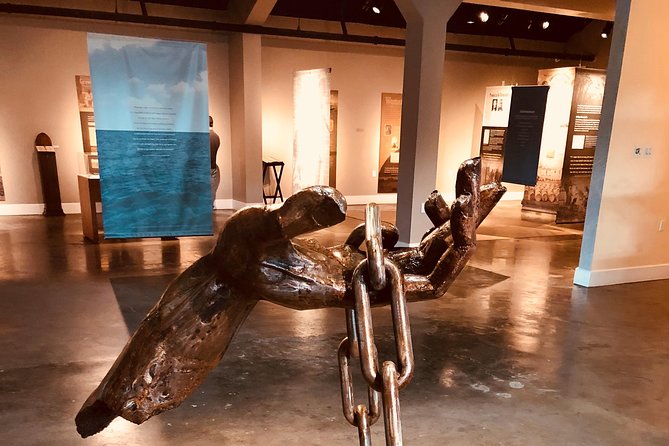
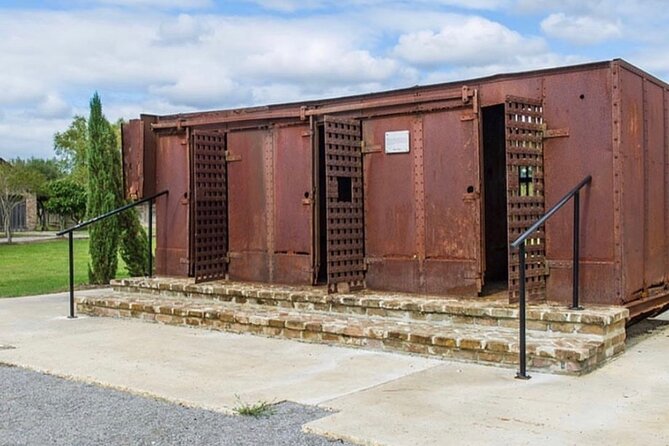
Whitney’s strongest material is its memorial work. You may encounter sculptures of enslaved children, exhibits on punishment, and displays that show the violence used to control people. Reproductions of iron collars, cages, and other objects make the cruelty hard to ignore.
The memorials to children are especially difficult. They shift slavery away from distant dates and statistics and toward individual lives. At the beginning of the visit, you may receive a lanyard with the name and story of a person enslaved at the plantation. Carrying that name as you walk gives the visit a personal center.
The site also addresses resistance. Information about the 1811 German Coast uprising and other revolts shows that enslaved people were not passive figures in plantation history. They resisted in open and quiet ways, even under extreme danger.
Displays about the transatlantic slave trade provide wider context. They help you understand that the plantation was part of a much larger system of forced migration, buying, selling, and labor. The first-person narratives are particularly valuable because they preserve details that a plantation owner’s records would not.
Some exhibits are graphic or emotionally heavy. That is not a flaw, but you should prepare children and younger teenagers in advance. The tour is educational, yet it is not light entertainment. Give yourself room to stop and think instead of treating each numbered point as something to rush through.
More River Road plantation days:
- Swamp Boat Ride and Oak Alley Plantation Tour from New Orleans
★ 5.0 · 3,303 reviews - Oak Alley Plantation Tour with Transportation from New Orleans
★ 4.5 · 1,747 reviews - Laura Creole Plantation Guided Tour
★ 5.0 · 1,279 reviews - Airboat and Plantations Tour with Gourmet Lunch from New Orleans
★ 4.5 · 1,246 reviews
The main house is not the main attraction
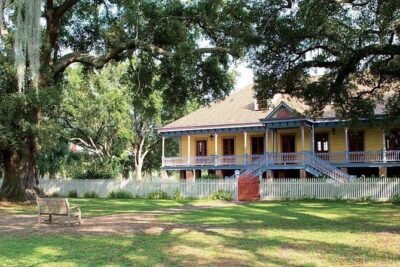
If you have visited grand plantation homes with polished rooms and elaborate furnishings, Whitney may surprise you. The main house is not renovated in the same way as some other plantation properties, and the visit gives it far less attention.
That can disappoint anyone expecting architecture, antiques, and formal rooms. It is also part of the point. Whitney does not ask you to admire plantation wealth while leaving the labor system in the background.
I would book a different plantation visit if your main interest is restored interiors or the daily life of the owners. I would choose Whitney if you want the history of enslaved workers, the structures connected with their lives, and memorials that address slavery directly.
The buildings that do matter here include slave cabins and other working structures. They are not simply scenic old buildings. They help you picture the cramped and controlled conditions in which people lived and worked.
The two-hour walking visit

The plantation portion lasts about two hours, though your total outing is roughly five hours including transport. The property is mainly outdoors, with some benches available. In hot, wet, or very sunny weather, the walking can become tiring.
Wear comfortable shoes and check the forecast before leaving New Orleans. Bring water and sun protection if needed. The weather policy matters because the experience can be canceled in poor conditions, with a different date or full refund offered.
Two hours gives you time to hear the main audio stops and see the key memorials. It may not give you enough time to linger at every exhibit, read every panel, and visit the shop without feeling pressed. If you like to study historical displays closely, you may want to move efficiently at the start and save extra time for the exhibits that matter most to you.
The audio format lets you control the pace, but the overall schedule is still fixed by the return ride. Ask the driver or staff about the departure time when you arrive so you do not lose time or cut the final section short.
The bookstore and shop

The bookstore and gift shop are worthwhile stops rather than quick souvenir counters. You can find books, art, and educational material about slavery and African American history.
I like this feature because Whitney deals with a subject that deserves more than a single afternoon. A book can help you continue learning about Louisiana plantations, the transatlantic slave trade, resistance, and the people whose stories are preserved at the site.
If your two hours are tight, visit the memorials and audio stops first. Save the shop for the end. The store is useful, but it should not replace time at the exhibits.
What the $79 price includes
At $79 per person, this is not the cheapest way to spend a morning in New Orleans. The value becomes clearer when you count what is included: pickup, transport to and from Whitney Plantation, and admission to the site.
A rental car would add its own costs and complications. You would need to navigate outside New Orleans, arrange parking, and manage the timing yourself. This tour removes those tasks and gives you a driver who may add a running lesson about the region.
The price is strongest for solo visitors, couples, and families who do not want to drive. It is also useful if your New Orleans schedule is full, since the outing takes about five hours and begins early.
The value is weaker for anyone who wants a private guide or a slow, customized visit. The plantation portion is self-guided, the group can reach 41 people, and the return schedule limits how long you can stay at any one exhibit.
The tour is recommended by 97 percent of bookers and has a 4.8 rating from 285 reviews, a strong record for an activity that covers difficult material. Still, those numbers should not hide the central choice: you are paying for transport and access to a serious self-guided museum visit, not a theatrical live tour.
Who should book this experience
I would recommend Whitney to adults and families who want to understand slavery as a central part of Louisiana history. It suits visitors who value memorials, oral history, restored work buildings, and careful interpretation more than decorative plantation rooms.
It can work well for teenagers, especially because the audio tour lets them listen and walk at their own pace. One family traveled with a 16-year-old who became more engaged as the visit continued. Younger children may need preparation, since some displays show the violence and suffering of slavery in direct terms.
Solo visitors can manage the property easily. The self-guided format does not require you to join a small walking group, and you can pause when you need to. People with hearing difficulties should request accommodations in advance. Reserved seating has been provided for hearing-impaired family members, but you should make that request when booking.
Service animals are allowed, and most people can take part. Keep in mind that this is an outdoor walking visit, and the available seating is limited.
Should you book the Whitney Plantation tour?
Book this tour if you want the most direct plantation account available in the New Orleans area, with the story centered on enslaved people rather than the owners. The memorials, first-person narratives, cabins, and audio explanations make the visit thoughtful and unsettling in the right way.
Skip it if your main goal is a grand house with restored rooms, antiques, and a live guide leading every step. Also think twice if you dislike outdoor walking or prefer to set your own return time.
For most visitors who want context beyond New Orleans’ French Quarter, I think the $79 cost is fair. The included transport is practical, the drivers can add valuable local detail, and Whitney offers a clear reminder that plantation history cannot be separated from the people forced to build its wealth.
FAQ
What time does the Whitney Plantation tour begin?
Pickup begins at approximately 8:00 am. Your confirmation provides the specific meeting details.
How long does the complete experience last?
The full outing lasts about five hours, including transportation from New Orleans. The visit at Whitney Plantation itself takes about two hours.
Is the Whitney Plantation visit guided?
The plantation portion is mainly self-guided. You use a handheld audio device to follow numbered exhibits and attractions at your own pace. The driver may provide history and commentary during the bus ride.
Is transportation from New Orleans included?
Yes. Pickup and transportation from New Orleans are included, so you do not need to rent a car for this experience.
What does Whitney Plantation focus on?
Whitney focuses on the lives of enslaved people through exhibits, memorial artwork, restored buildings, and first-person slave narratives. It does not mainly focus on the plantation owners or restored mansion interiors.
Can I cancel for a full refund?
You can cancel at least 24 hours before the experience start time for a full refund. Cancellations or changes made less than 24 hours in advance are not refunded or accepted. If poor weather or an insufficient number of bookings cancels the tour, you will be offered another date or a full refund.
Just added around New Orleans
- New Orleans Garden District Tour★ 5.0 · 8 reviews
- New Orleans Seance Experience★ 4.0 · 8 reviews
- Airport and City Transfers in New Orleans★ 5.0 · 8 reviews
- Sin and Tonic Pub Crawl in New Orleans★ 4.5 · 8 reviews
- New Orleans Self-Guided Kayak Bayou Swamp Tour★ 5.0 · 9 reviews
- The New Orleans Darkness Tour★ 4.4 · 9 reviews
- New Orleans Plantation Tour with Transportation★ 5.0 · 9 reviews
- Historic Carrollton Neighborhood Walking Tour★ 5.0 · 9 reviews
Whitney Plantation Tours, compared.
Whitney Plantation Tour with Transportation from New Orleans
Read our review →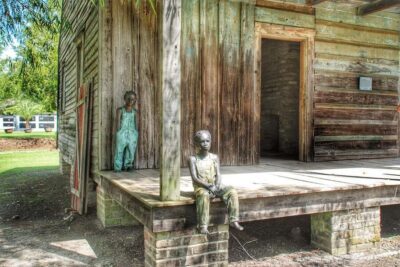
Small-Group Laura and Whitney Plantation Tour from New Orleans
Read our review →
Whitney Plantation Tour with New Orleans Hotel Pickup
Read our review →
Whitney Plantation and Airboat Tour from New Orleans
Read our review →
Whitney Plantation Tour with Narrated Bus Ride from New Orleans
Read our review →
Whitney Plantation and Museum Tour from New Orleans
Read our review →
Browse the lists this tour appears in