
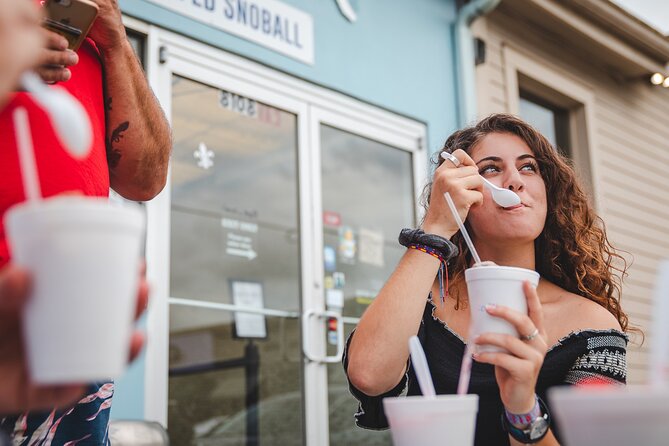
Reviewed · FRENCH QUARTER TOURS
New Orleans French Quarter Food Tour: Cajun, Creole and Culture
New Orleans puts its story on a plate, and this French Quarter food tour uses gumbo, jambalaya, po’boys, beignets, and pralines to explain how French, Spanish, African, Caribbean, Italian, and Southern traditions shaped the city. You walk about 1.5 miles over two and a half hours, with a local guide filling in the history between bites.
I like two things here. First, the group is capped at 12 people, so a guide such as Andre, Neil, Chip, or Kaffey can answer questions and adjust the conversation. Second, the food is meant to add up to a full meal, not just a few polite nibbles. The main catch is that this leans as much toward culture and city orientation as it does toward serious food sampling. One person found the tastings came too late and wanted more culinary detail.
In This Review
- Key points to know before booking
- What the $81.10 price buys you
- Meeting at the French Quarter’s center
- Jackson Square: a useful opening lesson
- The French Market: old stalls and changing bites
- Walking the French Quarter, one dish at a time
- The food: what you may actually taste
- Gumbo
- Po’boy or muffuletta
- Jambalaya or red beans and rice
- Hot sauce
- Beignet and praline
- Food tour or history walk with tastings?
- Group size, pace, and practical comfort
- Who will enjoy this New Orleans food walk?
- Should you book the French Quarter food tour?
- FAQ
- How long does the New Orleans French Quarter food tour last?
- How far do you walk during the tour?
- What food is included?
- Is the sample menu guaranteed?
- Can vegetarian or special dietary requirements be accommodated?
- Is the tour suitable for children?
- What happens if bad weather cancels the tour?
Key points to know before booking
- Five substantial samples: Expect food such as gumbo, a po’boy or muffuletta, jambalaya or red beans and rice, a beignet, and a praline.
- A small walking group: No more than 12 people makes it easier to hear your guide and ask about food, music, architecture, or local life.
- A strong first-day activity: The route gives you an introduction to Jackson Square, the French Market, and the French Quarter in one outing.
- Food choices can change: Vendors, seasons, and availability affect the exact dishes and portion sizes on the day.
- About 14 blocks on foot: The pace is relaxed, with regular stops, but comfortable shoes still matter.
- Dietary limits need planning: Some food stops cannot offer substitutions, though your guide can suggest alternatives to buy during the tour.
What the $81.10 price buys you
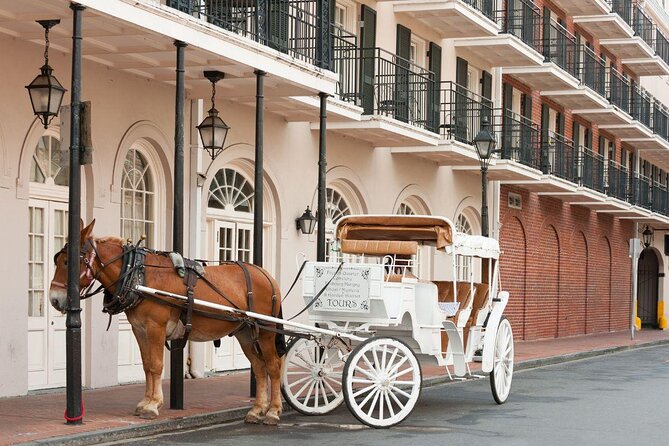
At $81.10 per person, this is not a cheap way to grab lunch. You are paying for a guided walk, five food samples, local interpretation, and the ease of having someone choose the stops for you. The price makes more sense if you want a city introduction, not simply a plate of New Orleans food.
The included portions are designed to equal a full meal. That may mean a cup of gumbo, a sandwich sample, a rice dish, a hot beignet, and sweets rather than five full restaurant servings. Exact portions and dishes can change, but you should finish satisfied rather than hungry.
I see the best value on your first day in New Orleans. A good guide can point out places you might otherwise pass, explain the food behind the names, and give you ideas for later meals. Several guides also offer restaurant suggestions during the tour, which helps you plan the rest of your stay.
Tips for the guide are not included. Free cancellation is available up to 24 hours before the start time, and poor weather can lead to a new date or a full refund. Those terms are useful, but remember that changes made inside the 24-hour window are not accepted.
More ways to walk the French Quarter:
- New Orleans Food Walking Tour of the French Quarter with Small-Group Option
★ 5.0 · 6,118 reviews - New Orleans French Quarter, Voodoo and Culture Walking Tour
★ 4.5 · 2,961 reviews - French Quarter Historical Sights and Stories Walking Tour
★ 5.0 · 2,724 reviews
Meeting at the French Quarter’s center
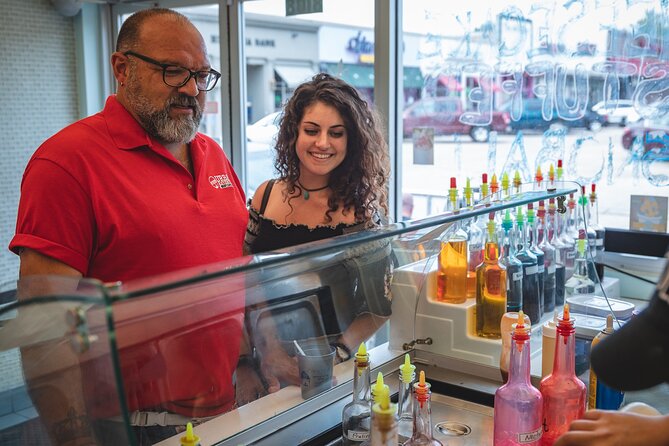
The published meeting point is 701 Decatur Street, a central spot near Jackson Square. The end point is listed as Jackson Square, while the route also gives Jackson Square as its opening stop. Because those details do not line up perfectly, check the final meeting instructions before you leave your hotel.
Once you find your guide, look for the equestrian statue of Andrew Jackson in the middle of Jackson Square. The meeting directions say the guide waits beside the statue, facing St. Louis Cathedral. This is a clear landmark, but Jackson Square can be busy, so arrive with enough time to locate the statue and your group.
The tour operates in English and is near public transportation. Most people can take part, and children are welcome. Children under four join free, while children ages four through eleven receive a reduced price.
Jackson Square: a useful opening lesson
Jackson Square gets about 30 minutes. This is a smart place to begin because the square gives your guide room to connect the city’s landmarks with its food and people.
Look toward St. Louis Cathedral and the surrounding buildings as your guide sets the scene for the French Quarter. The emphasis is not only on famous sights. You also hear about the groups that shaped New Orleans and how their customs influenced local cooking.
That background matters once the food arrives. Gumbo is easier to understand when you know it reflects several cooking traditions. Red beans and rice, jambalaya, pralines, and po’boys each tell a different part of the city’s story. The tour’s strength is showing you those links instead of treating each dish as an isolated local specialty.
The square itself is also a practical orientation point. If this is your first visit, you begin learning how the French Quarter fits together before spending more time on its streets. Your guide may also discuss architecture and local geography, subjects that have added value for people who want more than a restaurant crawl.
Do not expect the first half hour to be a long food stop. Jackson Square is mainly the setting for the introduction, stories, and route briefing. If you want tastings at very short intervals, this opening may feel slow.
The French Market: old stalls and changing bites
The French Market receives about 30 minutes. It is described as America’s oldest public market, and the stop gives you a chance to see a long-running gathering place rather than only sit inside restaurants.
This is where the tour’s food-and-place idea works well. You can sample local bites, see vendors, and take in the market’s character while your guide explains how food moves through New Orleans culture. The exact sample depends on what is available that day.
The market is also a good reminder that New Orleans food is not a single style. Cajun and Creole cooking overlap, but they are not identical. Southern staples, seafood, sausage, rice dishes, Italian ingredients, hot sauce, and sweet pastries all appear in the city’s food identity. Your guide’s job is to connect those threads without turning the walk into a dry lecture.
Thirty minutes is enough for a short look and a taste, but not a leisurely market visit. You may want to return later if you like browsing. During the tour, stay close to the group and save serious shopping for another time.
More Cajun and Creole food tours:
- Paddlewheeler Creole Queen Historic Mississippi River Cruise
★ 4.5 · 1,948 reviews - Paddlewheeler Creole Queen Jazz Dinner Cruise in New Orleans
★ 4.0 · 1,469 reviews - Laura Creole Plantation Guided Tour
★ 5.0 · 1,279 reviews - New Orleans: Creole Queen History Cruise with Optional Lunch
★ 4.3 · 1,112 reviews
Walking the French Quarter, one dish at a time
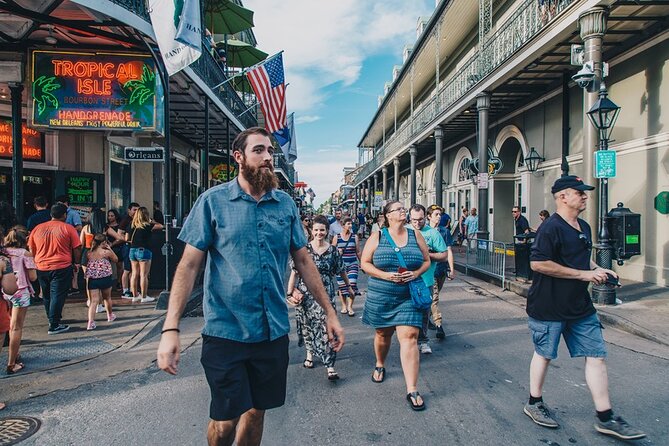
The longest part of the tour lasts about 90 minutes and takes you through French Quarter streets. The pace is relaxed, with regular stops, and the total walking distance is about 14 blocks, or 1.5 miles.
You might stop at places that are not obvious choices on your own. The exact restaurants and vendors can change, but the goal is to taste food tied to New Orleans rather than chase a fixed list of famous addresses. Some guides have taken groups to older restaurants, while others have used less prominent local spots.
This is also when the guide’s personality matters most. Andre is described as a chef as well as a local food and culture guide. Neil has been praised for explaining each dish alongside the history of the place serving it. Chip has combined food with architecture and cultural background, while Kaffey has been noted for energy, humor, and personal attention.
Those names are examples, not a promise of who will lead your departure. The quality of the outing depends partly on the guide you get. The common thread is an English-speaking local who is expected to handle the route, explain the dishes, and answer questions.
The walk may include food stops close together, or you may spend a longer stretch hearing about the city before eating again. One guest felt the food came mostly near the end, while another felt the tour moved too quickly between stops. That makes this a better choice for someone who likes stories between tastings than for someone seeking a nonstop eating session.
The food: what you may actually taste
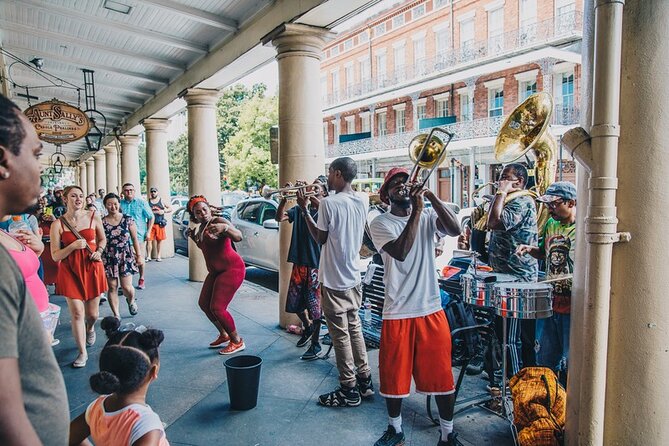
The sample menu gives you a useful idea of the meal, but it is not fixed. Vendor availability, season, and the day’s stops can change the lineup.
Gumbo
You may receive a cup of chicken and andouille gumbo or seafood gumbo. This is one of the best dishes for showing how New Orleans cooking brings several influences together. The portion is small, but it is a proper taste of one of the city’s signature dishes.
Po’boy or muffuletta
The sandwich sample may be a po’boy or a muffuletta. A po’boy gives you a classic New Orleans sandwich format, while a muffuletta brings olive salad and Italian meats into the picture. If you have your heart set on one of these, ask your guide what is available rather than assuming both will appear.
Jambalaya or red beans and rice
Jambalaya is a Creole rice dish with sausage. Red beans and rice offer another familiar Louisiana combination. Either gives you something more filling than a quick snack, and both help explain why rice, beans, sausage, and seasoning are so central to local cooking.
Some tastings have included alligator sausage. It is not guaranteed, but it shows how the food portion can go beyond the most familiar tourist staples.
Hot sauce
The hot sauce tasting is a small but useful detail. You get more than heat for its own sake. Your guide discusses Louisiana’s spice traditions and gives context for how sauces are used with local dishes.
Go slowly here. A tasting is a chance to compare flavors, not a contest. If you avoid spicy food, tell your guide before sampling.
Beignet and praline
The beignet should be fresh and hot when available, with the familiar powdered sugar finish. It is the most immediately recognizable sweet on the route, and eating one during a walk through the Quarter feels more connected to the city than buying a packaged pastry later.
A praline adds a different texture and flavor, built around candied pecans. Together, the two desserts give you a simple ending to a meal that has moved from savory dishes to local sweets.
Food tour or history walk with tastings?
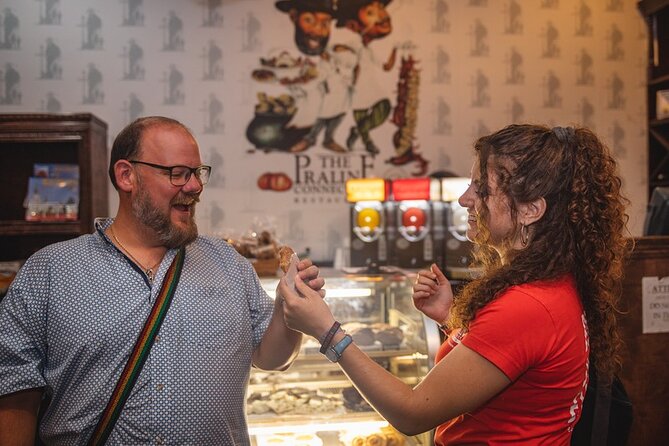
The honest answer is both, but the balance can shift. The title promises Cajun, Creole, and culture, and the experience delivers cultural explanation along with food. It is not designed as a technical cooking class or a restaurant-by-restaurant tasting marathon.
You will hear about New Orleans history, geography, architecture, music, and the people who shaped the city. The strongest guides make those subjects useful by tying them to what you are eating. One guide even offered recipes for the dishes at the end, though that may depend on the individual guide.
I would book this if you like asking why a dish exists, where its ingredients came from, and how food fits into local life. I would think twice if you want a new sample every few minutes or a tour built mainly around large restaurant portions.
The amount of food should still be enough for a full meal. The concern is timing and emphasis, not an empty stomach. If you are especially food focused, ask at the start when the main tastings will happen so you can set your expectations.
Group size, pace, and practical comfort
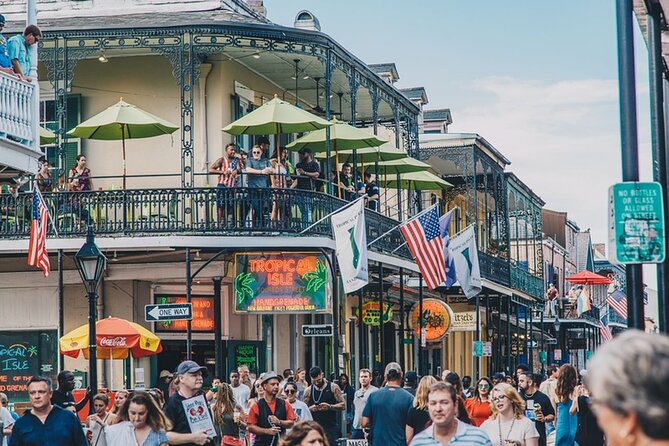
The maximum group size is 12. That is small enough for a guide to hear your questions and manage food preferences without the crowd feeling anonymous. It also helps when standing near market stalls or listening on a busy street.
You cover about 1.5 miles over two and a half hours. The pace is described as relaxed, with regular stops, but this remains a walking activity. Wear shoes you can use on city streets, and plan for time spent standing while food is served or stories are told.
The tour requires good weather. New Orleans heat, rain, or storms can affect your comfort, even when the walk itself is not strenuous. If the operator cancels for poor weather, you can choose another date or receive a full refund.
Vegetarian and other dietary needs require caution. Some stops cannot provide substitutions, and alternatives may not be available at every location. Tell your guide about restrictions, but be prepared to buy a suitable option during the route if needed.
Who will enjoy this New Orleans food walk?
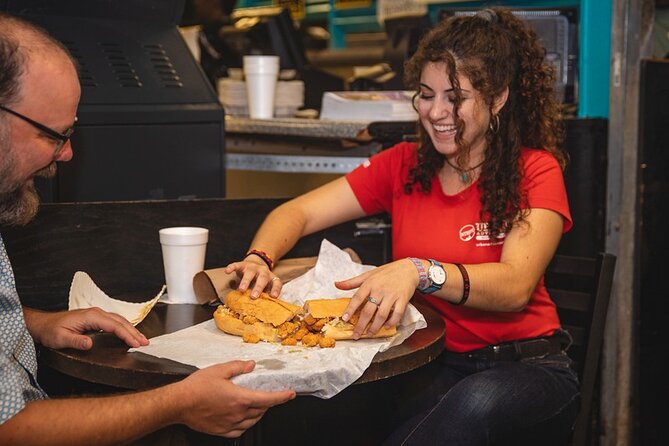
This is a strong fit for first-time visitors who want to get their bearings in the French Quarter while tasting the city’s best-known dishes. It also suits solo visitors because the small group gives you company without the formality of a large bus tour.
Families can join, and the relaxed pace helps with children who can manage a 1.5-mile walk. The food variety may appeal to older children, though you should consider allergies, spice tolerance, and the fact that substitutions are not guaranteed.
Couples and friends will like having a guide point out places to return to later. The tour can also work for repeat visitors who want a food-and-culture refresher, especially if a guide introduces less obvious stops.
It is less suited to people with strict dietary needs, those who dislike walking, or anyone expecting a tightly controlled menu. It is also not the best match for a traveler who wants only culinary technique and restaurant detail.
Should you book the French Quarter food tour?
Book it if you want a full meal plus a city lesson in one compact outing. The small group, flexible food stops, and guides such as Andre, Neil, Chip, and Kaffey give the tour a personal feel. The best use is early in your stay, when recommendations and orientation can shape the rest of your New Orleans visit.
Skip it if your top goal is a pure foodie experience with many tastings served at exact intervals. The menu can change, and the history portion may take more time than you expect.
For most first-time visitors, the mix is worthwhile. You get gumbo, sandwiches, rice dishes, sweets, hot sauce, Jackson Square, the French Market, and a better sense of how New Orleans food came to be. Just arrive ready for a walking tour with generous tastings, not a seated feast.
FAQ
How long does the New Orleans French Quarter food tour last?
The tour lasts about 2 hours and 30 minutes.
How far do you walk during the tour?
You walk approximately 14 blocks, or 1.5 miles, at a relaxed pace with regular stops.
What food is included?
Five samples are included. They may include gumbo, a po’boy or muffuletta, jambalaya or red beans and rice, a beignet, a praline, and a hot sauce tasting.
Is the sample menu guaranteed?
No. Food choices, portions, and stops can change based on the season and vendor availability. The total food is intended to equal a full meal.
Can vegetarian or special dietary requirements be accommodated?
Some stops cannot accommodate vegetarian or other dietary requirements, and substitutions are not guaranteed. Your guide can suggest where to buy a suitable alternative during the tour.
Is the tour suitable for children?
Yes. Children under four can join free, and a reduced price applies to children ages four through eleven.
What happens if bad weather cancels the tour?
You will be offered a different date or a full refund if poor weather causes the experience to be canceled. You can also cancel for a full refund if you cancel at least 24 hours before the start time.
More Food Tours in New Orleans
- New Orleans Food and History Walking Tour
★ 5.0 · 1,544 reviews - French Quarter walking Food Tour Famous Flavors of New Orleans
★ 5.0 · 1,115 reviews - New Orleans Cocktail and Food History Tour
★ 5.0 · 819 reviews - New Orleans: French Quarter Food History Walking Tour
★ 4.9 · 713 reviews
Just added around New Orleans
- New Orleans Garden District Tour★ 5.0 · 8 reviews
- New Orleans Seance Experience★ 4.0 · 8 reviews
- Airport and City Transfers in New Orleans★ 5.0 · 8 reviews
- Sin and Tonic Pub Crawl in New Orleans★ 4.5 · 8 reviews
- The New Orleans Darkness Tour★ 4.4 · 9 reviews
- New Orleans Plantation Tour with Transportation★ 5.0 · 9 reviews
- New Orleans Self-Guided Kayak Bayou Swamp Tour★ 5.0 · 9 reviews
- Historic Carrollton Neighborhood Walking Tour★ 5.0 · 9 reviews
French Quarter Tours, compared.
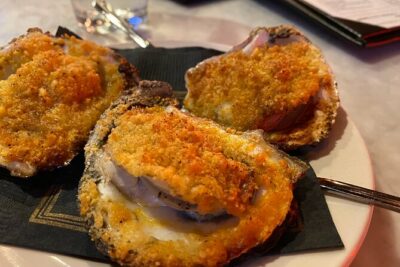
New Orleans Food Walking Tour of the French Quarter with Small-Group Option
Read our review →
New Orleans French Quarter, Voodoo and Culture Walking Tour
Read our review →
French Quarter Historical Sights and Stories Walking Tour
Read our review →
Ghost and Vampire Walking Tour Of The French Quarter
Read our review →
New Orleans City Tour: French Quarter, Garden District & Cemetery
Read our review →
New Orleans French Quarter and More Carriage Ride
Read our review →
French Quarter walking Food Tour Famous Flavors of New Orleans
Read our review →
French Quarter Ghost Tour with Interior Visit
Read our review →Browse the lists this tour appears in