
Reviewed · FOOD & DRINK
New Orleans Food and History Walking Tour
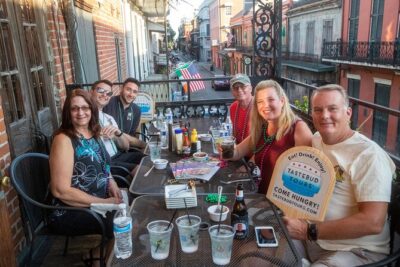
New Orleans tells its story through a bowl of gumbo, a messy catfish po’boy, and a sweet pecan praline. This three-hour walk through the French Quarter turns lunch into a moving lesson about Cajun, Creole, Italian, African, and other influences on the city’s cooking. Five eateries provide a generous spread, and guides such as Beth, Meg, John, and Dylan, known as Dr. Gumbo, add plenty of local context.
I like the way the tour connects each bite to New Orleans geography and culture, instead of treating the food as a simple checklist. I also like the choice of morning or afternoon departures, plus the small maximum group of 16, which makes it easier to ask questions. The main drawback is the food policy: vegetarian meals can be arranged, but gluten-free, dairy-free, and vegan diets cannot be accommodated.
In This Review
- Key points to know before you book
- Why this food walk works as a first taste of New Orleans
- Meeting the group at 3rd Block Depot
- Hot sauce, seasonings, and the value of a non-food stop
- Pralines at Leah’s and the sweet side of Creole cooking
- NOLA Poboys and the fried catfish test
- Muffuletta, boudin, and the cultures behind the plate
- Red beans and rice, then a final sweet bite
- What the walking is really like
- Dietary limits and who should skip it
- Is $85 a fair price?
- Who should book this French Quarter lunch
- Should you book the New Orleans Food and History Walking Tour?
- FAQ
- How long does the New Orleans Food and History Walking Tour last?
- Where does the tour begin?
- Where does the tour end?
- What food is included?
- Is a vegetarian option available?
- Does the tour offer vegan, gluten-free, or dairy-free meals?
- Are drinks included in the price?
- How large is the group?
- Can I cancel for a full refund?
Key points to know before you book
- Five food stops make this a full lunch: Expect gumbo, hot sauce samples, pralines, a fried catfish po’boy, and several substantial Cajun and Creole dishes.
- The French Quarter provides the setting: You start at 3rd Block Depot on Chartres Street and finish at New Orleans Creole Cookery on Toulouse Street.
- The guide is part teacher, part food host: Beth, Meg, John, Sarah, Ben, and Dylan have all led tours, with Dylan often called Dr. Gumbo.
- Portions are larger than simple tastes: Several portions together can replace lunch, so arrive hungry and avoid a large breakfast.
- Walking is manageable but continuous: The distances are generally easy, yet the tour is not recommended if walking is difficult.
- The menu can change: Restaurants and dishes depend on availability, so the listed stops are a guide rather than a firm promise.
Why this food walk works as a first taste of New Orleans
This is best viewed as a progressive lunch with a history lesson attached. You move from one French Quarter stop to another, eating as you go rather than sitting down for one long meal. That format gives you a broad introduction to local flavors in a short time.
At $85 per person, the price is not cheap for lunch. Still, it includes the food, a set menu, and gratuities for servers at the restaurants. Water is included, while other drinks cost extra. Since the portions can be generous, the real value comes from combining several meals, a walking route, and an informed guide in one booking.
I would place it near the start of a New Orleans visit. You get names of dishes, ideas for places to revisit, and enough background to order with more confidence later. One person used the tour as a guide to return to several stops afterward for cocktails and additional food, which is a good way to get more value from the experience.
The tour is offered in English, with morning and afternoon options. It is commonly booked well ahead, around 26 days in advance on average, so I would not leave it until the last day of a busy visit.
More history tours in New Orleans:
- New Orleans Garden District History Walking Tour
★ 5.0 · 2,879 reviews - French Quarter Historical Sights and Stories Walking Tour
★ 5.0 · 2,724 reviews - New Orleans Small-Group Haunted History Carriage Tour
★ 4.5 · 2,289 reviews
Meeting the group at 3rd Block Depot
The tour begins at 3rd Block Depot, 310 Chartres Street, in the French Quarter. The location is near public transportation, and you receive confirmation when you book. Bring a mobile ticket, comfortable walking shoes, and enough time to find the meeting point without rushing.
The first stop is also a substantial one: chicken and andouille sausage gumbo made with dark roux, chicken stock, and a spoonful of warm potato salad. This is not a token sample. It gives you an early sense of the smoky, savory style that defines much of the meal.
The guide uses the gumbo to explain more than ingredients. You learn about the role of roux, the use of andouille, and the ways local cooking reflects the people who settled in the region. The discussion can also touch on recipes and cooking methods, so this stop feels like the beginning of the class.
You may buy a drink at the bar here, but beverages besides water are not part of the tour price. One useful point from the detailed feedback is that the first stop can take a little longer than the others. That is fine if you enjoy sitting with gumbo and conversation, but it may feel slow if you are eager to see several more places.
Hot sauce, seasonings, and the value of a non-food stop
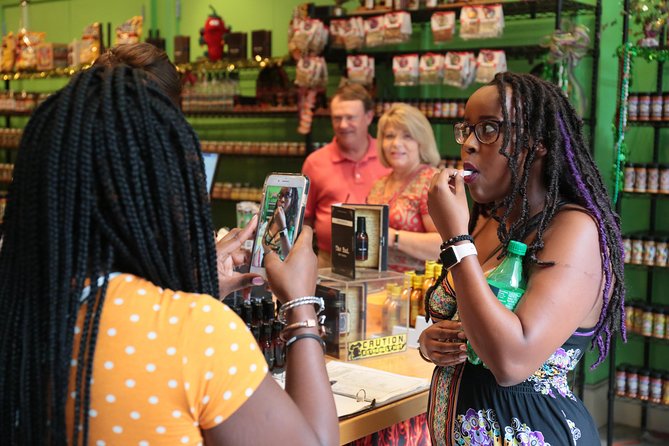
Next comes a hot sauce shop with dozens of samples. You can try hot sauces, dry rubs, barbecue sauces, marinades, wing sauces, and other seasonings. This is an unusual part of a food tour because you are not simply served a finished dish. You get to compare ingredients directly and see how heat is used in Southern cooking.
Some people will enjoy this stop more than others. It is useful if you like spicy food or want to buy edible gifts, but it takes time away from another restaurant. One fair criticism of the tour is that a visitor hoping for smaller portions of many more classic dishes might prefer an additional eatery instead of the spice shop.
I see the tradeoff this way: the hot sauce stop adds variety and interaction, while another restaurant would add another plate. If your priority is tasting as many New Orleans dishes as possible, keep this limitation in mind.
Pralines at Leah’s and the sweet side of Creole cooking
At Leah’s Pralines, you sample a traditional praline or a newer variation such as bacon pecan brittle. The classic version combines local brown sugar, dairy, and Louisiana pecans. It is a small but useful reminder that New Orleans food is not only about stews, sausages, and seafood.
This stop also works well for anyone looking for edible souvenirs. You can sample before deciding what to buy, and the shop gives the walk a pause between savory dishes. The sweet course later in the tour means you should not assume this is the only dessert.
The guide may explain how French culinary terms and local ingredients became part of everyday New Orleans food. This is one of the tour’s strengths: you are not only told what a praline contains, but given a sense of why the dish belongs to this place.
More walking tours in New Orleans:
- New Orleans Premier Ghost, Voodoo and Vampire Walking Tour
★ 4.5 · 12,856 reviews - New Orleans Food Walking Tour of the French Quarter with Small-Group Option
★ 5.0 · 6,118 reviews - St. Louis Cemetery No. 1 Official Walking Tour
★ 4.5 · 3,941 reviews - New Orleans French Quarter, Voodoo and Culture Walking Tour
★ 4.5 · 2,961 reviews
NOLA Poboys and the fried catfish test
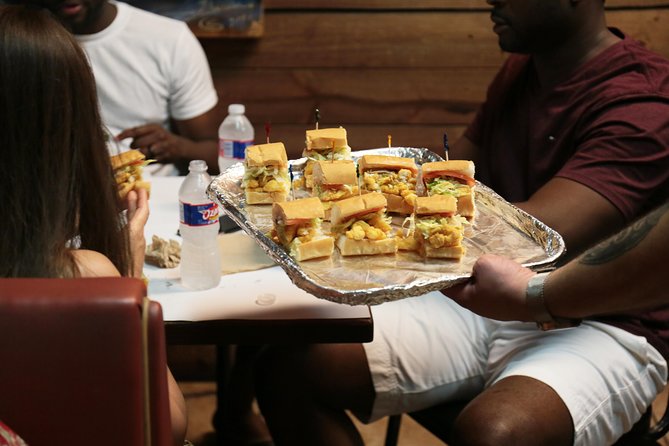
At NOLA Poboys, the featured dish is a fried catfish po’boy on local French bread. It arrives dressed with lettuce, tomato, mayonnaise, and pickles, with hot sauce available if you want more heat.
The guide discusses Louisiana’s seafood harvesting and the role of the surrounding waterways in the city’s cooking. That context matters. A po’boy is easy to treat as just a sandwich, but the bread, seafood, toppings, and local setting all help explain its place in New Orleans food culture.
This is one of the more filling courses. The bread and fried catfish add real weight to the meal, so pace yourself early. If you are not used to rich food, small bites at each stop are sensible, even if the portions are set for the group.
The menu description also names a muffuletta, a boudin ball, red beans and rice, and bread pudding. Exact stops and dishes can shift with availability, so do not book this expecting every item to appear in precisely the same order. The food program is broad, but it is not meant to cover every classic dish in one afternoon.
Muffuletta, boudin, and the cultures behind the plate
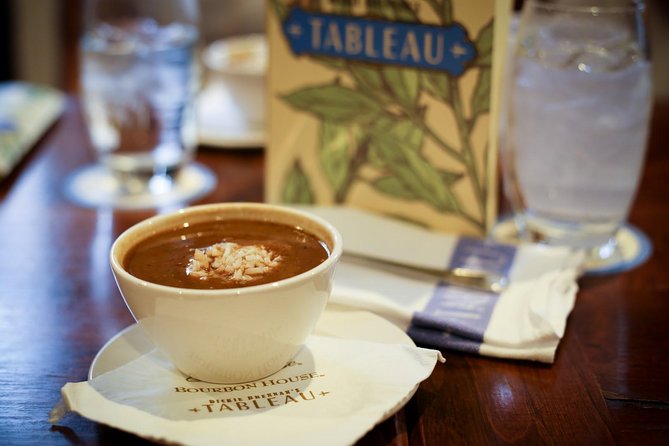
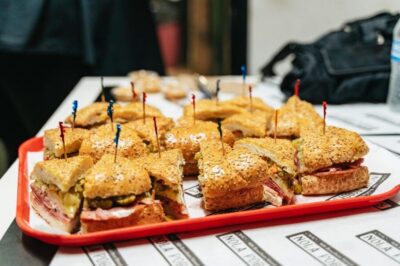
The muffuletta brings an Italian influence to the table. It is served on Sicilian bread with smoked ham, mortadella, Genoa salami, provolone, mozzarella, and olive salad. Compared with the po’boy, it is denser, saltier, and more substantial.
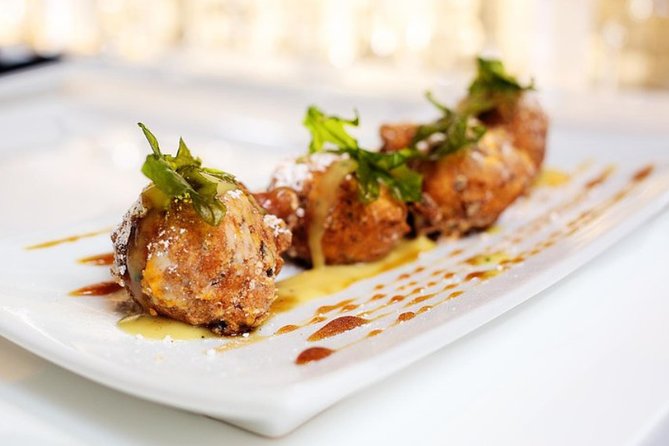
The boudin ball moves the meal back toward Cajun cooking. This fried sausage ball combines smoked pork, rice, and spices, with Creole remoulade for dipping. It is a compact example of how practical ingredients can become a strongly flavored local dish.
These courses are valuable because they prevent a narrow view of New Orleans cooking. The city’s food is not one fixed style. French, Italian, Cajun, Creole, African, and other traditions all contributed names, ingredients, and techniques. The guide explains those connections while you eat, rather than saving the facts for a long talk at the start.
Dylan, often introduced as Dr. Gumbo, is especially associated with linking food to city history while keeping the group entertained. Beth is also praised for answering questions, sharing recipes, and using humor to keep the group involved. Guides change, but the tour clearly depends on a lively, well-prepared host.
Red beans and rice, then a final sweet bite
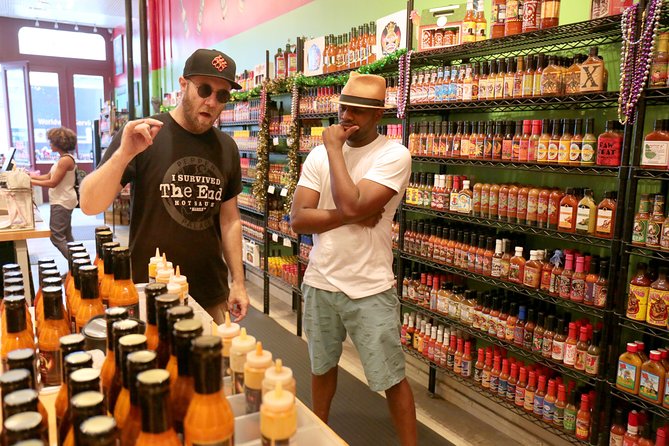
Red beans and rice with andouille sausage may appear as another savory course. The beans are slow cooked with smoked ham and sausage, then served over rice with green onions. It is filling, comforting food, and a good contrast to the fried catfish and muffuletta.
Bread pudding closes the meal, sometimes baked and sometimes fried, with a seasonal style such as bananas Foster bread pudding. This has been a favorite for some people on the tour, especially the fried version. It gives the final stop a distinctly New Orleans finish without relying only on the praline.
The listed menu includes enough food to replace lunch, and several detailed accounts describe generous serving sizes. You should not plan a full dinner immediately afterward. A cocktail or light evening meal will make more sense unless you have an unusually large appetite.
What the walking is really like
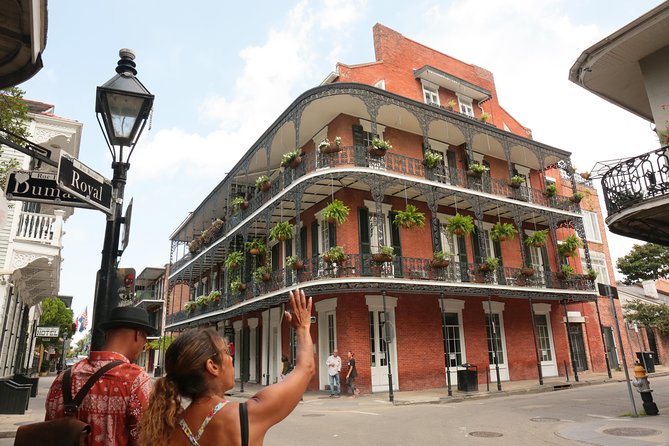
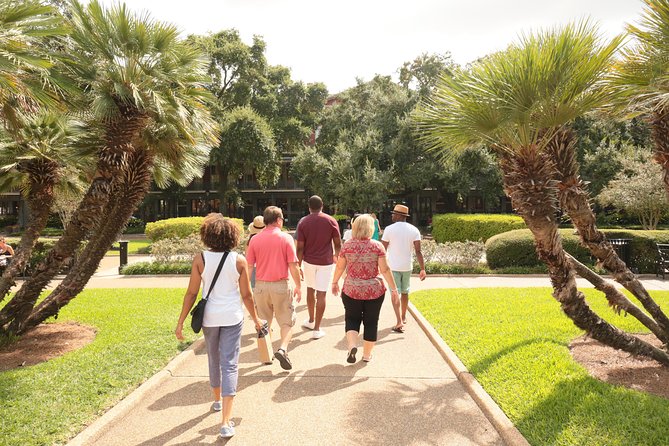
The route stays in the French Quarter, and the walking distances between stops are generally short. That does not mean the tour is effortless. You are on your feet for about three hours, moving between restaurants, shops, and street corners, often at a steady pace.
Some people found the pace easy and well timed. Another useful warning is to wear walking shoes and be ready to move quickly at times. The tour is not recommended for anyone with mobility or walking issues.
You will also be outdoors in changing weather. The experience is described as operating in all weather, so dress for the forecast and bring an umbrella or rain jacket when needed. The provider may cancel in poor weather, in which case you are offered another date or a full refund. That policy is helpful, but you should still assume that a scheduled tour could involve rain.
The group can include up to 16 people. That is small enough for questions and conversation, though it is not a private tour. Guides such as Meg, Beth, John, Sarah, and Ben have been praised for keeping the group engaged and responding to questions, which matters more than a tiny group when the subject is food and local culture.
Dietary limits and who should skip it
Vegetarians can request the vegetarian option at checkout. You should also report food allergies during checkout, but do not rely on the tour for dietary flexibility.
There is no gluten-free, dairy-free, or vegan option. The menu includes bread, dairy, meat, sausage, and fried foods, so this is a poor fit for strict dietary needs. The provider asks you to report allergies, not simple dislikes, which suggests that the kitchen cannot rebuild the menu around individual preferences.
The tour suits adventurous eaters who want to try familiar local dishes in their traditional forms. It is also useful for first-time visitors who want an introduction to New Orleans food without planning several restaurant reservations.
It may not suit you if you want a formal architectural tour with food on the side. The focus is clearly cuisine, recipes, cultural background, and moving between food stops. You see the French Quarter along the way, but the tour is not built around major buildings or a long architectural talk.
Is $85 a fair price?
The value depends on how you normally eat. If you count only the food, $85 is a high lunch price. If you count the gumbo, po’boy, muffuletta, boudin, red beans and rice, desserts, tastings, restaurant gratuities, and three hours with a guide, the figure becomes easier to defend.
The portions are important. This is not a tour where you receive one bite at each location and then need to buy lunch elsewhere. The combined servings can leave you full, and the set menu removes the guesswork from ordering several local specialties.
The guide also saves planning time. You do not need to research which dishes to try, compare restaurants, or work out a route through the French Quarter. The tradeoff is less control. Stops may change, drinks cost extra, and you cannot tailor the food to avoid ingredients you dislike.
Free cancellation is available if you cancel at least 24 hours before the start time. Last-minute changes are not accepted, and a cancellation for poor weather or too few bookings leads to another date or a full refund.
Who should book this French Quarter lunch
I would choose this tour for a first New Orleans visit, especially if you have only a few days and want a fast introduction to local food. It also works well for solo visitors. The small group format and guide-led conversation make it easy to ask questions and feel part of the activity.
Food-focused couples and families with adventurous eaters are also a good match. The tour provides a shared meal without requiring everyone to agree on one restaurant. Morning and afternoon departures make it easier to fit around other plans.
I would skip it if you need vegan or gluten-free food, dislike walking in uncertain weather, or want a highly controlled menu. I would also avoid scheduling a heavy dinner soon afterward.
Should you book the New Orleans Food and History Walking Tour?
Book it if you want a filling introduction to New Orleans cooking, with a guide who can explain where the dishes came from and how they fit the city’s culture. The strongest part is the combination of substantial food and useful stories, not simply the number of stops.
Go in hungry, wear good shoes, and keep your schedule flexible because venues can change. Request the vegetarian option when booking, budget extra for drinks and the optional guide tip, and treat the hot sauce stop as part of the experience rather than expecting a tasting at a second full restaurant.
FAQ
How long does the New Orleans Food and History Walking Tour last?
The tour lasts about three hours.
Where does the tour begin?
It begins at 3rd Block Depot, 310 Chartres Street, New Orleans, Louisiana 70130.
Where does the tour end?
It ends at New Orleans Creole Cookery, 508 Toulouse Street, New Orleans, Louisiana 70130.
What food is included?
The set menu can include gumbo, hot sauce and seasoning samples, pralines, a fried catfish po’boy, a muffuletta, a boudin ball, red beans and rice with andouille sausage, and bread pudding. Stops and dishes may change based on availability.
Is a vegetarian option available?
Yes. You must request the vegetarian option at checkout.
Does the tour offer vegan, gluten-free, or dairy-free meals?
No. The tour does not offer vegan, gluten-free, or dairy-free options.
Are drinks included in the price?
Water is included. Other beverages are not included and must be purchased separately.
How large is the group?
The tour has a maximum of 16 participants.
Can I cancel for a full refund?
Yes, if you cancel at least 24 hours before the experience start time. Cancellations or changes made less than 24 hours before the start are not refunded.
More Food Tours in New Orleans
- New Orleans French Quarter Food Tour: Cajun, Creole and Culture
★ 5.0 · 1,246 reviews - French Quarter walking Food Tour Famous Flavors of New Orleans
★ 5.0 · 1,115 reviews - New Orleans Cocktail and Food History Tour
★ 5.0 · 819 reviews - New Orleans: French Quarter Food History Walking Tour
★ 4.9 · 713 reviews
Just added around New Orleans
- New Orleans Garden District Tour★ 5.0 · 8 reviews
- New Orleans Seance Experience★ 4.0 · 8 reviews
- Airport and City Transfers in New Orleans★ 5.0 · 8 reviews
- Sin and Tonic Pub Crawl in New Orleans★ 4.5 · 8 reviews
- The New Orleans Darkness Tour★ 4.4 · 9 reviews
- New Orleans Plantation Tour with Transportation★ 5.0 · 9 reviews
- New Orleans Self-Guided Kayak Bayou Swamp Tour★ 5.0 · 9 reviews
- Historic Carrollton Neighborhood Walking Tour★ 5.0 · 9 reviews
Food & Drink, compared.
New Orleans Food Walking Tour of the French Quarter with Small-Group Option
Read our review →
New Orleans French Quarter Food Tour: Cajun, Creole and Culture
Read our review →
French Quarter walking Food Tour Famous Flavors of New Orleans
Read our review →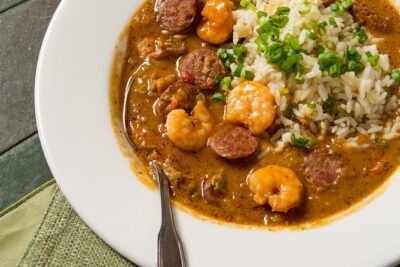
French Quarter walking Food Tour: Signature Tastes of New Orleans
Read our review →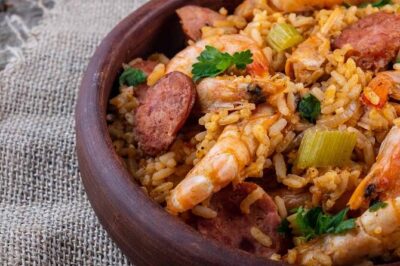
Browse the lists this tour appears in