
Reviewed · CAJUN & CREOLE FOOD TOURS
New Orleans: Cajun and Creole Cooking Class
New Orleans cooking is best understood with a spoon in hand and a story in your ear. At the New Orleans School of Cooking, a chef prepares gumbo, jambalaya, pralines, and other local dishes while explaining how Cajun and Creole food grew from the city’s mixed cultures. I like the historic French Quarter setting and the way the lesson connects food to New Orleans life. I also like that you eat the finished dishes, rather than watching a demo and leaving hungry.
One point needs clear attention: this is a cooking demonstration, not a hands-on class. You will watch the chef cook, ask questions, taste the results, and take home recipes, but you will not chop, stir, or cook your own pot. For $40, the meal and stories make it a good value, but hands-on cooks should choose a different format.
In This Review
- Key things to know before booking
- Inside the old molasses warehouse
- What happens during the 10:00 AM and 2:00 PM classes
- The menu changes with the day
- Gumbo, jambalaya, pralines, and the rest
- Food stories that explain New Orleans
- Eating the finished dishes
- The $40 price and what you take home
- Who will enjoy this New Orleans cooking class
- Should you book it?
- FAQ
- Is this a hands-on cooking class?
- How long does the experience last?
- Where do I check in?
- What food might be served?
- What drinks are included?
- Are recipes included?
- Is the activity wheelchair accessible?
- Can I cancel or pay later?
Key things to know before booking
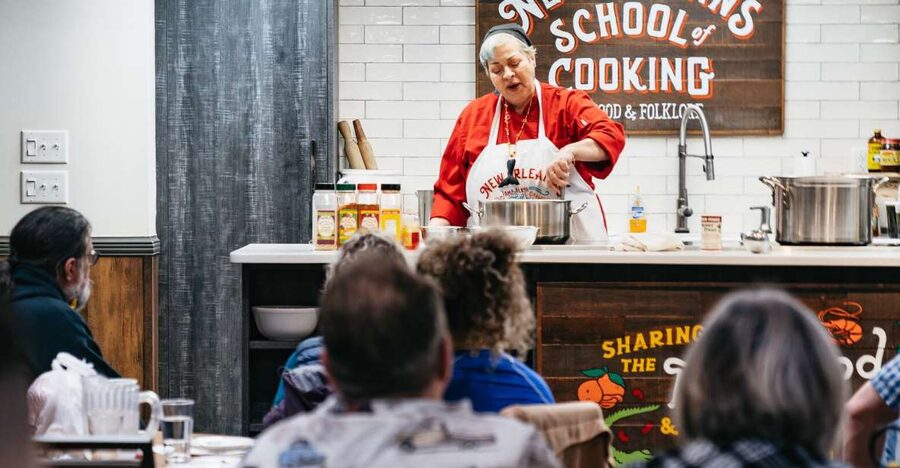
- The chef does the cooking: You learn by watching, listening, and asking questions rather than preparing the dishes yourself.
- The menu changes by day: Your dishes may include gumbo, jambalaya, etouffee, shrimp Creole, red beans and rice, bisque, or dessert specialties.
- You get a full meal: The class includes three or four courses, Dixie beer, iced tea, lemonade, and hot coffee in the 10:00 AM session.
- The setting has character: The class takes place inside a renovated molasses warehouse built in the early 1800s, in the French Quarter.
- The history is part of the meal: Chefs explain Cajun and Creole traditions, New Orleans folklore, and the story behind the recipes.
- You can keep cooking at home: Recipe copies and a coupon for the general store are included.
Inside the old molasses warehouse
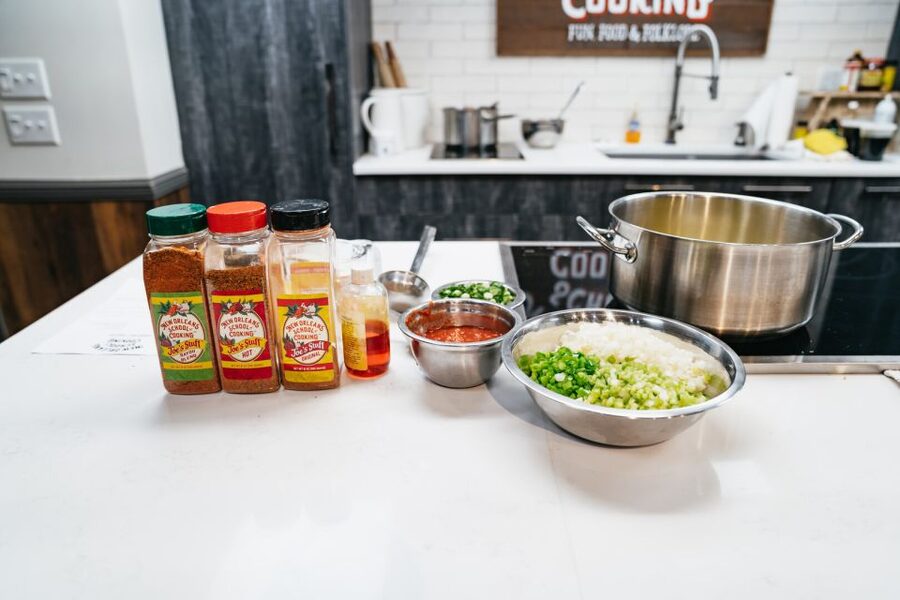
The New Orleans School of Cooking begins in its general store, where you check in at the register. The store sells local products and is home to Joe’s Stuff Creole Seasoning, a popular house blend used by local chefs and visitors.
That retail stop is not just a place to wait around. It gives you a quick look at the ingredients and seasonings that shape Louisiana cooking. You can browse before or after class, and the included coupon makes a small purchase more tempting. Several people have used the visit to buy seasoning and other cooking goods as gifts or as a way to repeat the recipes at home.
The class itself takes place in a renovated molasses warehouse dating from the early 1800s. This matters because the building gives the lesson a direct connection to New Orleans commerce. You are not sitting in a generic modern classroom. You are learning about food in a structure tied to the city’s old working life, right in the French Quarter.
The location also makes this easy to fit into a day of sightseeing. There is no hotel pickup or drop-off, so you need to make your own way there. Plan to enter the general store and check in at the register, rather than waiting outside for a guide.
More Cajun and Creole food tours:
- Paddlewheeler Creole Queen Historic Mississippi River Cruise
★ 4.5 · 1,948 reviews - Paddlewheeler Creole Queen Jazz Dinner Cruise in New Orleans
★ 4.0 · 1,469 reviews - Laura Creole Plantation Guided Tour
★ 5.0 · 1,279 reviews
What happens during the 10:00 AM and 2:00 PM classes
The experience lasts about two to two and a half hours. Morning sessions begin at 10:00 AM, while afternoon sessions begin at 2:00 PM. The exact start time should be confirmed when you check availability.
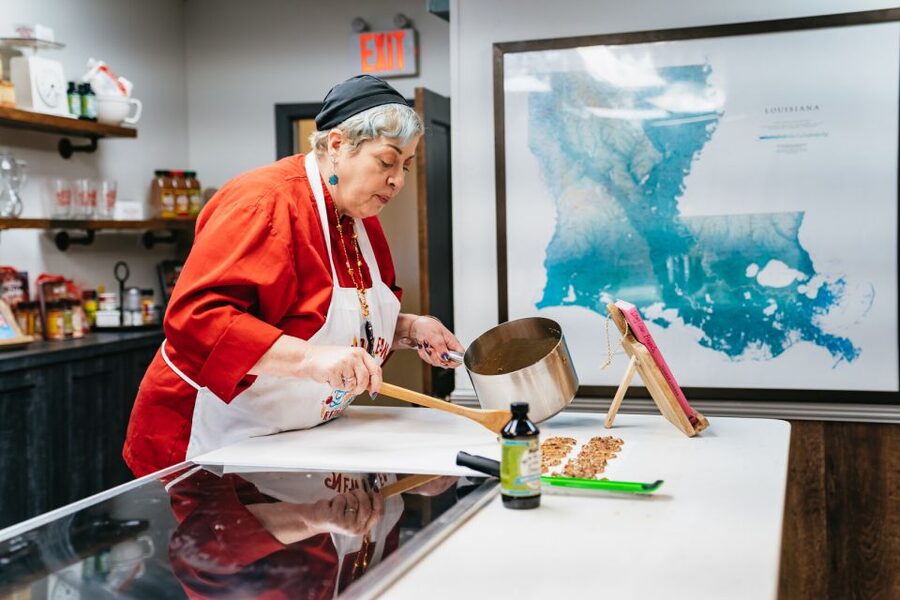
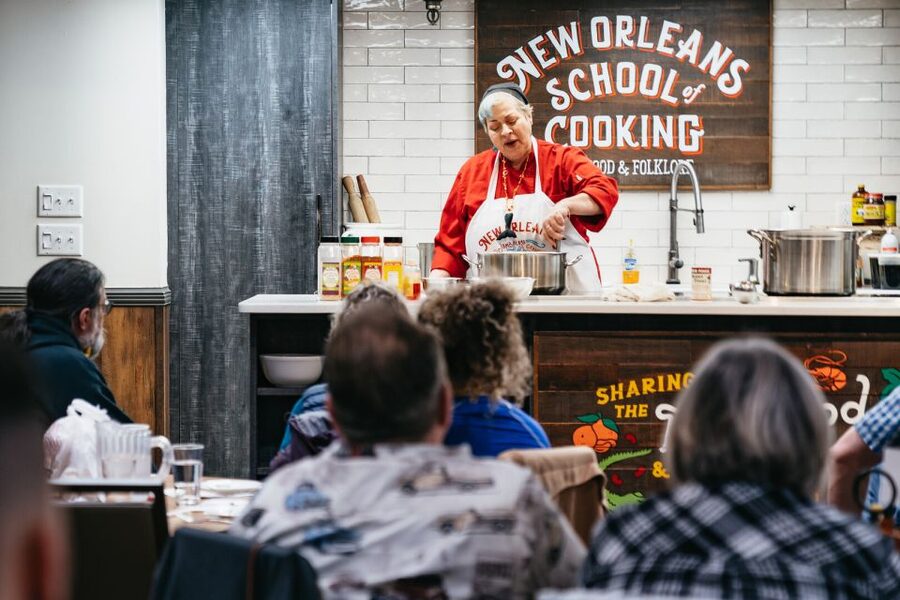
After check-in, you take a seat for a chef-led demonstration. The chef prepares the day’s dishes in front of the class and explains each stage. You can ask questions as the food comes together, and the tone tends to be relaxed and social rather than formal.
The chefs are a major part of the experience. Dianne Honoré, also known as Gumbo Marie, has been praised for mixing food, jokes, and local stories. Austin is described as high-energy and funny, while Lynn has been singled out for being warm, engaging, and clear. Eric, Harriet, Chef T, Rene, and Chef Michael are among the other instructors whose teaching styles have added personality to the class.
The instructor changes, so you should not book expecting one particular chef unless the schedule specifically confirms that person. That variety is part of the fun, but it also means the balance between cooking detail, humor, and history may shift from one session to another.
During the demonstration, you learn how ingredients work together and why certain steps matter. The lesson is useful even if you have little cooking experience because the chef explains the process in plain terms. If you already cook, you can ask more focused questions about seasoning, texture, or technique.
The class is conducted in English. One practical issue is sound. At least one participant had trouble hearing every word and suggested a microphone. If you have hearing concerns, sit as close to the chef as possible.
The menu changes with the day
The strongest planning tip is to check the menu before choosing your date. This is not one fixed recipe lesson. The food changes according to the day and the class time.
At 10:00 AM, the weekly menu is:
- Saturday, Sunday, and Wednesday: Gumbo, jambalaya, bread pudding, and pralines
- Monday: Gumbo, red beans and rice, pecan pie, and pralines
- Tuesday: Gumbo, jambalaya, bananas Foster, and pralines
- Thursday: Corn and crab bisque, shrimp Creole, bananas Foster, and pralines
- Friday: Crawfish etouffee, shrimp and artichoke soup, bread pudding, and pralines
At 2:00 PM, the menu is:
- Saturday: Crawfish etouffee, shrimp and artichoke soup, and pralines
- Sunday and Tuesday: Corn and crab bisque, chicken etouffee, and pralines
- Monday, Thursday, and Friday: Gumbo, jambalaya, and pralines
- Wednesday: Gumbo, chicken Creole, and pralines
This schedule lets you match the class to your appetite. If gumbo is your priority, several morning and afternoon options include it. If you want seafood, Thursday morning offers corn and crab bisque with shrimp Creole, while Friday brings crawfish etouffee and shrimp and artichoke soup.
The menu also affects how substantial the class feels. Some sessions offer three or four courses, while the 2:00 PM menus are generally shorter. Do not eat a large meal right before class. Portions are generous, and the finished food is served as part of the experience.
Gumbo, jambalaya, pralines, and the rest
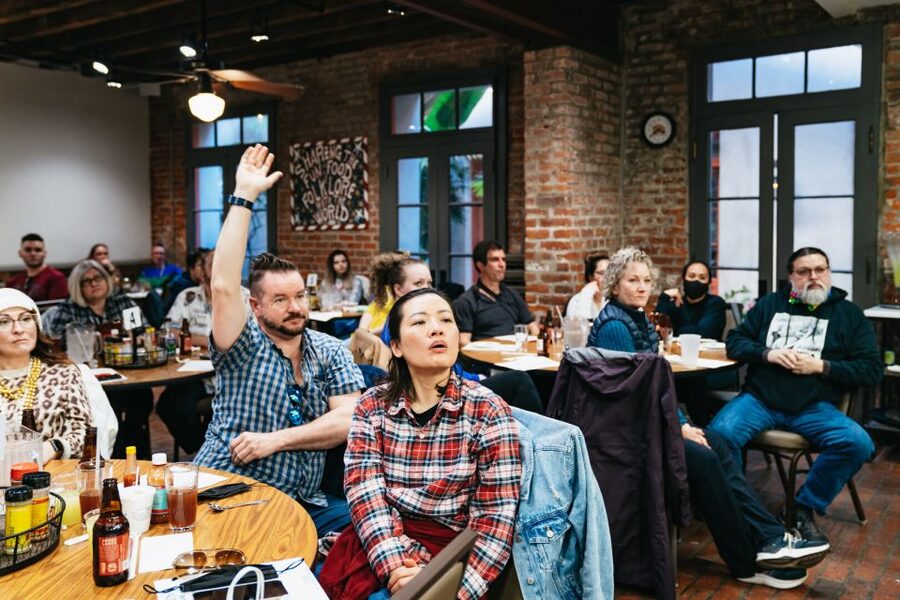
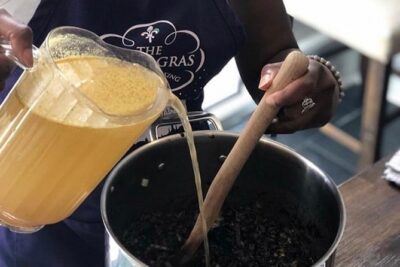
Gumbo is the common thread on many schedules, and it is a sensible introduction to Louisiana cooking. You get to see how a dark base, seasoning, and other ingredients build a dish with depth. Several people have singled out the gumbo as a highlight, including one who considered it the best gumbo they had eaten in New Orleans.
Jambalaya gives the lesson a different feel. It is hearty and practical, the kind of dish that makes sense for feeding a group. Red beans and rice offers another side of local home cooking, while chicken Creole shows how a similar pantry can lead to a different flavor and texture.
The seafood menus are appealing, but you should pay attention if anyone in your group has allergies or dietary restrictions. One session provided alternatives for a shellfish allergy, and another participant enjoyed a very good vegetarian substitute. Still, these accommodations should not be assumed for every class. Contact the provider ahead of time if your meal needs are important.
Dessert is not an afterthought. Pralines appear on nearly every menu, and bread pudding, pecan pie, or bananas Foster may round out the morning sessions. The sweets also make the recipes practical for home cooks. You are not only learning restaurant-style dishes, but also familiar Southern desserts that can work for a family meal.
More cooking classes in New Orleans:
- New Orleans Demonstration Cooking Class with Meal
★ 5.0 · 3,000 reviews - New Orleans Hands-On Cooking Class with Meal
★ 5.0 · 1,183 reviews - Hands-on Cajun Roux Cooking Class in New Orleans
★ 5.0 · 356 reviews - Hands-on Cajun Traditions Cooking Class
★ 5.0 · 132 reviews
Food stories that explain New Orleans
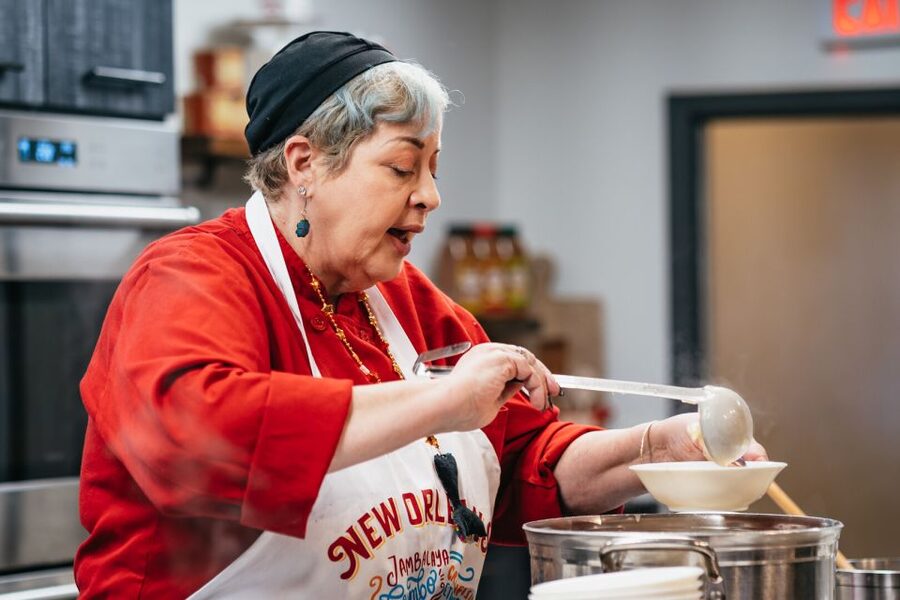
The cooking matters, but the history and folklore are what make this more than a meal. The chef explains how Cajun and Creole traditions differ, how communities shaped local recipes, and how food reflects the many cultures that met in New Orleans.
You will hear stories while the dishes are prepared, so the lesson does not feel like a separate lecture. A chef might explain a cooking technique, then connect it to a local custom or a piece of New Orleans folklore. This approach helps you remember why the dish tastes the way it does.
I find this especially useful early in a New Orleans visit. The class gives you a framework for understanding menus you will see elsewhere in the city. After hearing the differences between gumbo, etouffee, jambalaya, and Creole preparations, you can order with more confidence at local restaurants.
The tone depends on the chef, but the most praised instructors combine teaching with humor. Austin has been described as charismatic and entertaining, while Dianne has been praised for her passion and her ability to mix social history with cooking. Harriet has also been praised as an energetic teacher who pauses to make sure the class follows along.
You should expect stories and conversation, not a rigid technical school. If you want precise professional training, the demonstration may feel light. If you want a friendly introduction to local food and culture, the format works well.
Eating the finished dishes
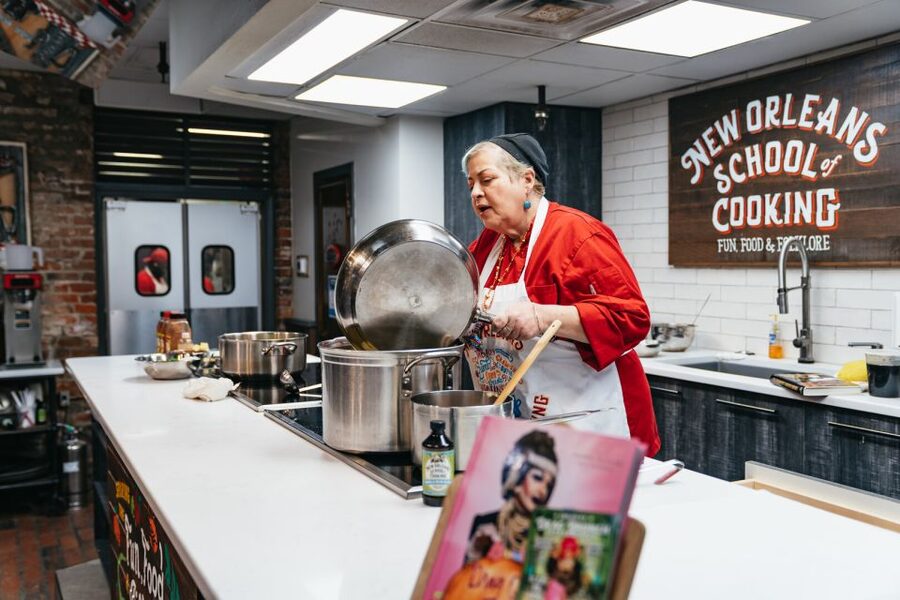
As each course is completed, you get to taste it. Included drinks are Dixie beer, iced tea, and lemonade. The 10:00 AM class also includes hot coffee.
This turns the demonstration into a proper lunch for many people. Portions are large enough that you may not want a full meal afterward, especially after a four-course morning menu. I would schedule the class as the main food event of that part of the day rather than treating it as a small tasting.
The meal also gives you a chance to compare the chef’s explanation with the actual dish. You see the method, hear why certain ingredients matter, and then taste the result. That is more useful than simply receiving a printed recipe.
Outside drinks are not allowed, while the included beverages are provided during the class. Since the food can be filling, wear comfortable clothes and avoid arriving overly full.
The $40 price and what you take home
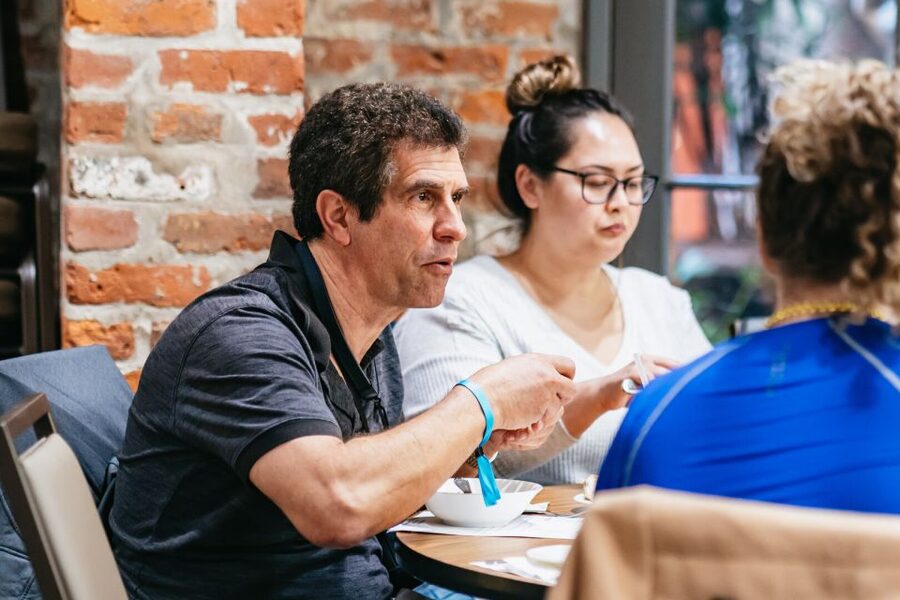
At $40 per person, this is a strong value if you count it as both a meal and a cultural activity. You receive a chef-led demonstration, a three or four-course Cajun and Creole meal, beer and nonalcoholic drinks, recipes, and a general-store coupon.
The recipe copies are especially useful. They turn the class into something you can repeat, rather than a meal that ends when you leave the building. You can use Joe’s Stuff Creole Seasoning or similar products from the store, though purchases are not included in the price.
The value is less clear for someone seeking hands-on instruction. You do not prepare your own food, and the name cooking class can create the wrong expectation. For a family, a couple, or a group that wants an easy shared activity, the price is reasonable. For a serious home cook who wants knife practice and direct instruction, look for a class that clearly says hands-on.
You can cancel up to 24 hours in advance for a full refund, and the reserve-now, pay-later option lets you hold a place without paying at once. The activity is wheelchair accessible, which makes it easier to include in a mixed group.
Who will enjoy this New Orleans cooking class
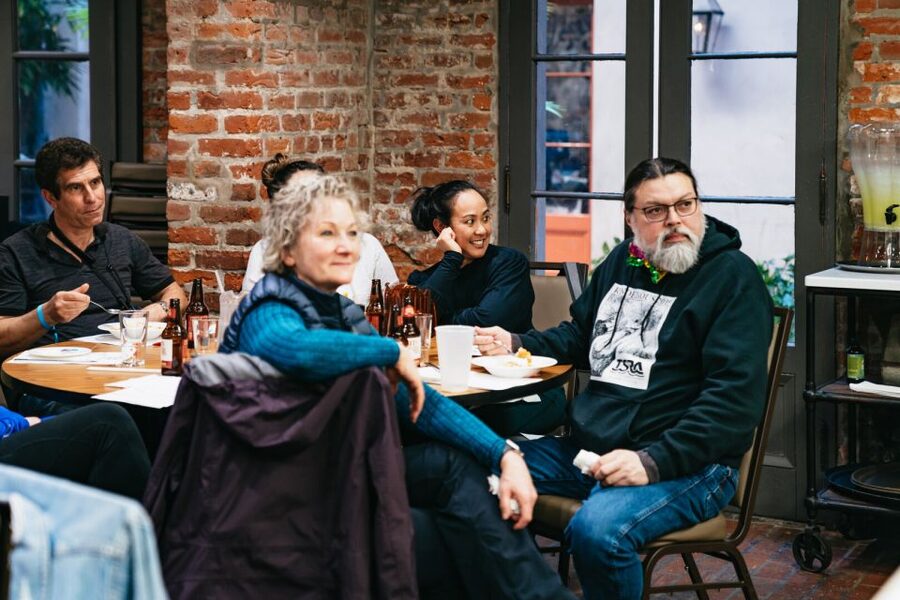
This experience suits you if you want to combine food, local culture, and a relaxed indoor activity. It works well for first-time visitors, families with older children, couples, groups of friends, and anyone who wants a substantial midday meal.
It is also a good choice for people who are curious about New Orleans but do not want a long walking tour. You sit, listen, eat, and ask questions. The French Quarter setting puts you close to other sights before or after the class.
Teenagers can enjoy it too. The food is familiar enough to be approachable, but the humor and stories keep it from feeling like a school lecture. Several instructors have a lively style that helps hold attention.
I would be more cautious if you need a fully hands-on class, have strict dietary restrictions, or dislike seafood and Creole seasoning. Check the daily menu before booking, and ask about alternatives rather than relying on them being available.
Should you book it?
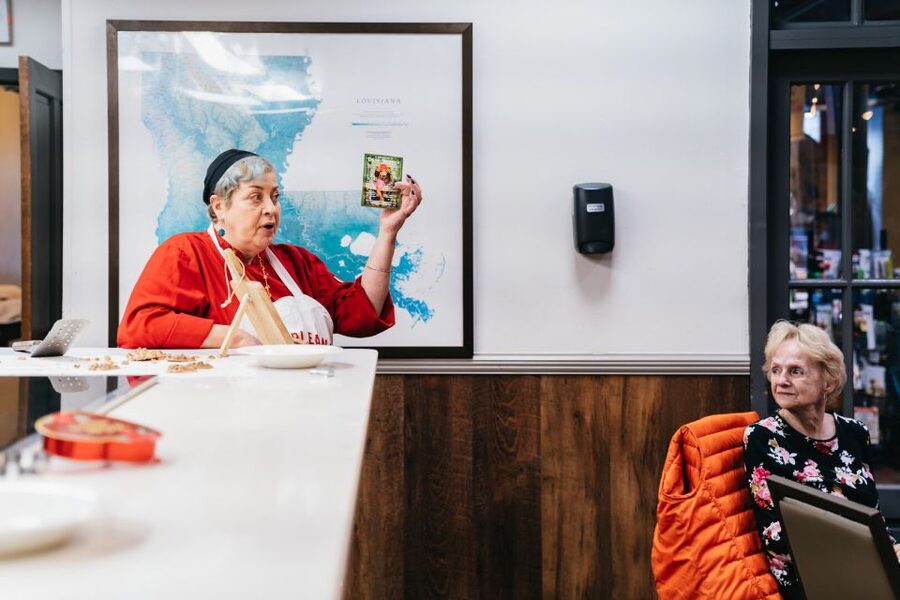
Book this if you want a tasty introduction to New Orleans cooking and culture, especially if gumbo, jambalaya, pralines, or etouffee are on your must-eat list. The historic setting, generous meal, rotating chefs, and take-home recipes give the $40 price real value.
Do not book it expecting to cook. Think of it as a lively demonstration followed by lunch, with a chef such as Lynn, Austin, Eric, Harriet, or Dianne guiding the room. Pick the day by menu, arrive hungry, sit where you can hear, and leave room in your suitcase for a jar of seasoning.
FAQ
Is this a hands-on cooking class?
No. The chef prepares the dishes while you watch, listen, and ask questions. It is a cooking demonstration rather than a class where you prepare the food yourself.
How long does the experience last?
The activity lasts about two to two and a half hours, or 120 to 150 minutes.
Where do I check in?
Enter the New Orleans School of Cooking General Store and check in at the register.
What food might be served?
The menu changes by day and class time. Dishes may include gumbo, jambalaya, red beans and rice, crawfish etouffee, chicken etouffee, shrimp Creole, soups, bisque, bread pudding, pecan pie, bananas Foster, and pralines.
What drinks are included?
The class includes Dixie beer, iced tea, and lemonade. Hot coffee is included with the 10:00 AM class.
Are recipes included?
Yes. You receive copies of the recipes so you can prepare the dishes at home.
Is the activity wheelchair accessible?
Yes, the activity is listed as wheelchair accessible.
Can I cancel or pay later?
You can cancel up to 24 hours in advance for a full refund. A reserve-now, pay-later option is also available.
More Workshops in New Orleans
- New Orleans Cooking Class and Cocktail Walking Tour
★ 4.5 · 109 reviews - New Orleans Small-Group Food Walking Tour and Cooking Class
★ 5.0 · 47 reviews - Voodoo Doll Class in New Orleans
★ 5.0 · 40 reviews - Sip History in the Crescent City Cocktail Making Class
★ 4.5 · 32 reviews
Just added around New Orleans
- New Orleans Garden District Tour★ 5.0 · 8 reviews
- New Orleans Seance Experience★ 4.0 · 8 reviews
- Airport and City Transfers in New Orleans★ 5.0 · 8 reviews
- Sin and Tonic Pub Crawl in New Orleans★ 4.5 · 8 reviews
- The New Orleans Darkness Tour★ 4.4 · 9 reviews
- New Orleans Plantation Tour with Transportation★ 5.0 · 9 reviews
- New Orleans Self-Guided Kayak Bayou Swamp Tour★ 5.0 · 9 reviews
- Historic Carrollton Neighborhood Walking Tour★ 5.0 · 9 reviews
Cajun & Creole Food Tours, compared.

Paddlewheeler Creole Queen Historic Mississippi River Cruise
Read our review →
Paddlewheeler Creole Queen Jazz Dinner Cruise in New Orleans
Read our review →

New Orleans French Quarter Food Tour: Cajun, Creole and Culture
Read our review →
Creole Queen History Cruise with Optional Lunch
Read our review →
New Orleans Delicious Donuts & Beignets: A Sweet Walking Tour
Read our review →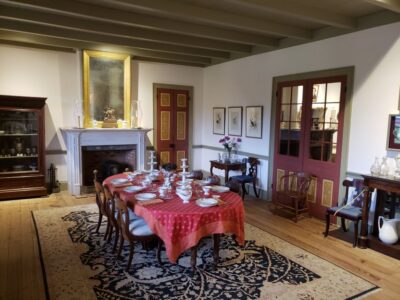
Hands-on Cajun Roux Cooking Class in New Orleans
Read our review →Browse the lists this tour appears in