
Reviewed · PLANTATION TOURS
New Orleans: Laura Creole Plantation Guided Tour
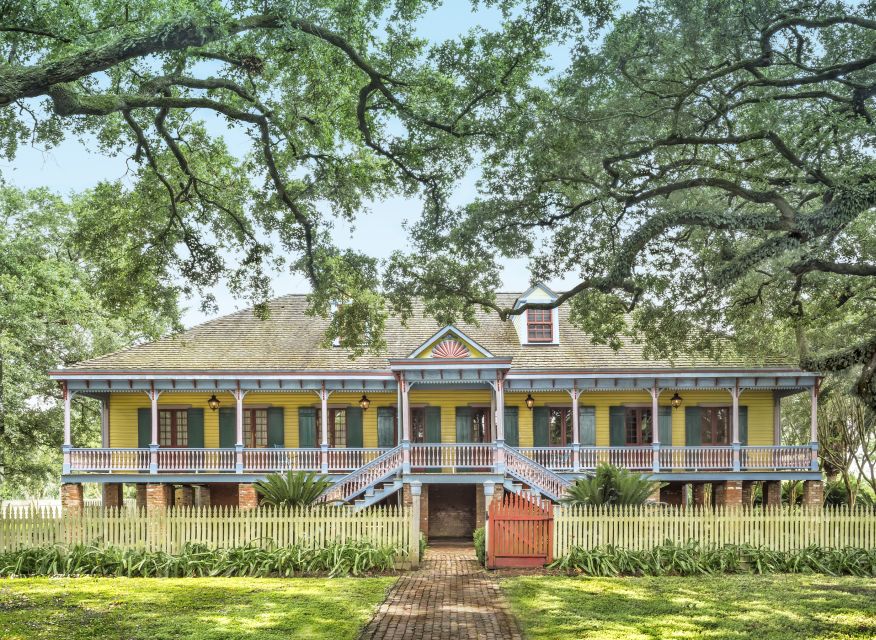
Laura Plantation is not just a tour of an elegant old house. Its focus is the personal story of four generations of Louisiana Creole families, including the people who owned the sugar farm and the people who were enslaved there. You move from the 1805 Maison Principale to original 1840s cabins, where the past feels less polished and much more direct.
I like two things here. First, the stories come from handwritten memoirs and records held in the United States and France, so the tour gives names and lives to people who are often reduced to dates and labels. Second, the property still has its raised Creole house, gardens, and plantation outbuildings, giving you a fuller picture than a house tour alone.
The main drawback is the setting. Laura Plantation is far from central New Orleans, and traffic can make the drive longer than expected. The tour also includes outdoor walking, 15 steps into the main house, and no elevator, so comfortable shoes and a little planning matter.
In This Review
- Key points to know before you go
- Why Laura Plantation feels different from a standard plantation tour
- Starting at the 2247 LA-18 meeting point
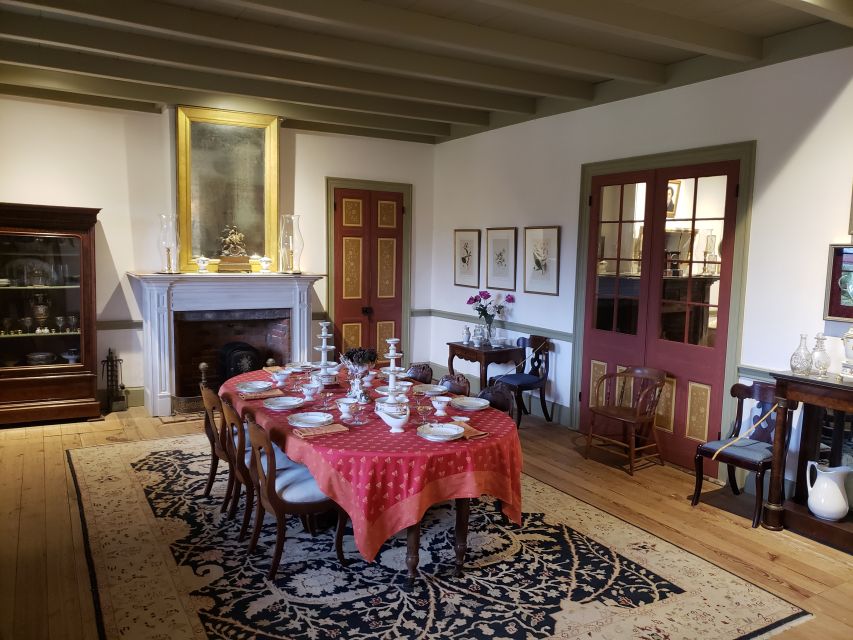
- The 1805 Maison Principale and its working rooms
- Three gardens with three different purposes
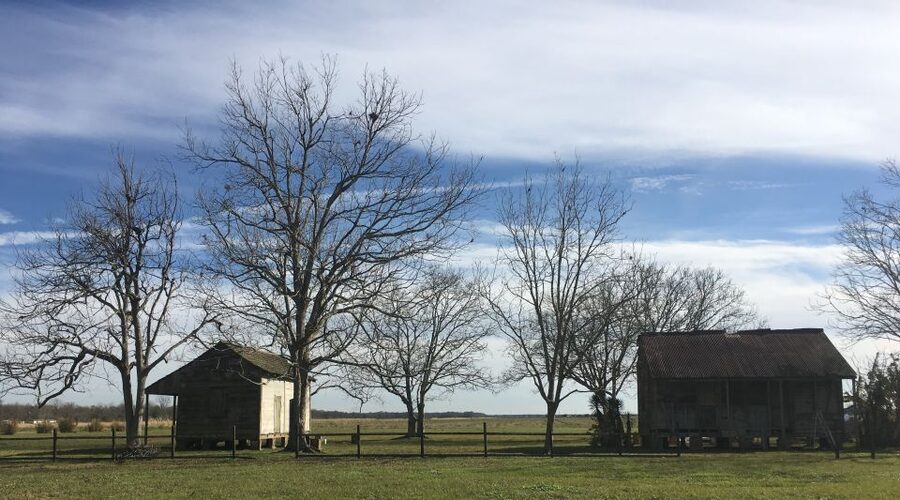
- The original 1840s cabins and the enslaved community
- Twelve historic buildings beyond the main house
- What the $32 price buys you
- Timing, walking, and who should book
- How to get the most from the visit
- Should you book Laura Plantation?
- FAQ
- How long does the Laura Plantation tour last?
- How much does the tour cost?
- Where do I check in?
- Is transportation from New Orleans included?
- Are tours offered in French?
- What does the tour include?
- Can I take photographs?
- Is the tour accessible by elevator?
- What should I bring?
- Are children allowed on the tour?
Key points to know before you go
- Personal Creole family stories: Follow four generations through accounts drawn from memoirs and archival documents.
- Original 1840s enslaved quarters: See the cabins connected with the recording of Louisiana Compair Lapin stories.
- The 1805 Maison Principale: Walk through the raised basement, galleries, parlors, service rooms, and common rooms.
- Three distinct gardens: Visit the Jardin Français, kitchen potager, and BananaLand grove.
- A serious account of slavery: The permanent exhibit, From the Big House to the Quarters, focuses on the enslaved community.
- English and French tours: Written translations are also available in French, Spanish, Italian, and German.
Why Laura Plantation feels different from a standard plantation tour
Many plantation visits place the big house at the center and treat slavery as a short final chapter. Laura Plantation takes a broader route. The family home matters, but so do the quarters, work buildings, gardens, and personal accounts of the people who lived on the property.
That balance is the main reason I would choose this experience over a quick stop for photographs. You learn how the plantation functioned as a sugar farm, but you also hear about women, children, and men whose lives were shaped by the system. The tone is educational and direct rather than decorative.
Laura opened to the public in 1994 as the first historic attraction in Louisiana to include the stories of enslaved Africans as part of its tour. Its permanent exhibit continues that work. You should come prepared for difficult material. This is not a light sightseeing stop, and that is part of its value.
The tour uses true personal accounts, not just general descriptions of plantation life. That helps you follow individual lives across generations. It also makes the history easier to understand, since you are not asked to picture an abstract community with no faces or names.
More River Road plantation days:
- Swamp Boat Ride and Oak Alley Plantation Tour from New Orleans
★ 5.0 · 3,303 reviews - Oak Alley Plantation Tour with Transportation from New Orleans
★ 4.5 · 1,747 reviews - Whitney Plantation Tour with Transportation from New Orleans
★ 4.5 · 1,351 reviews
Starting at the 2247 LA-18 meeting point
You check in at the admissions window inside the Laura Plantation Gift Store. Free parking is included, and the property is located on the West Bank of the Mississippi in Louisiana’s Plantation Country.
The drive is the main practical issue. From New Orleans, you need your own transportation, since hotel pickup, drop-off, and transportation are not included. One useful warning: do not take a taxi unless the driver agrees to wait in the parking lot. Otherwise, you may have trouble arranging a ride back.
Build in extra time for traffic. One booking had to be rescheduled after a late arrival, but you should not count on that flexibility. Arrive ready to check in rather than treating the meeting point as a casual roadside photo stop.
The property operates rain or shine. Bring an umbrella and wear shoes suitable for indoor floors, garden paths, and outdoor walking. Backpacks, food, tripods, selfie sticks, smoking, and video recording are not allowed. Personal photography is allowed, which is a welcome policy at a site with this much visual detail.
The 1805 Maison Principale and its working rooms
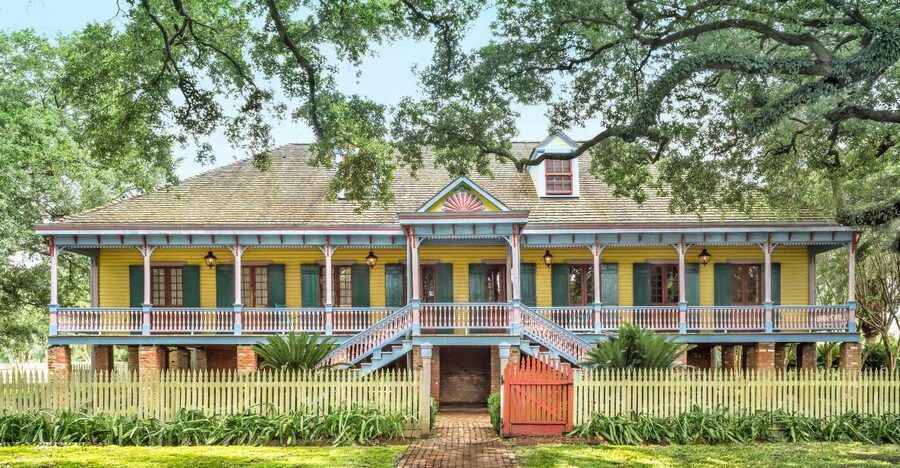
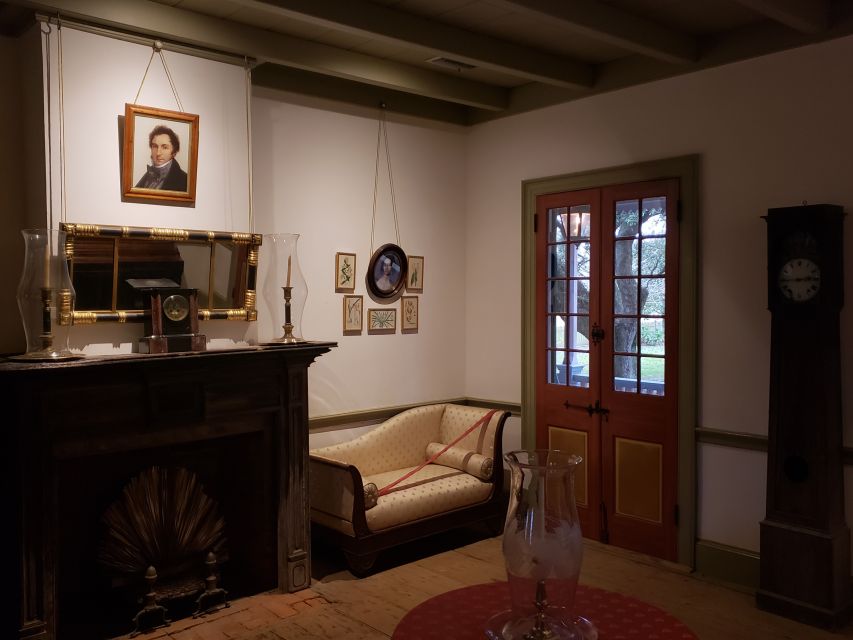
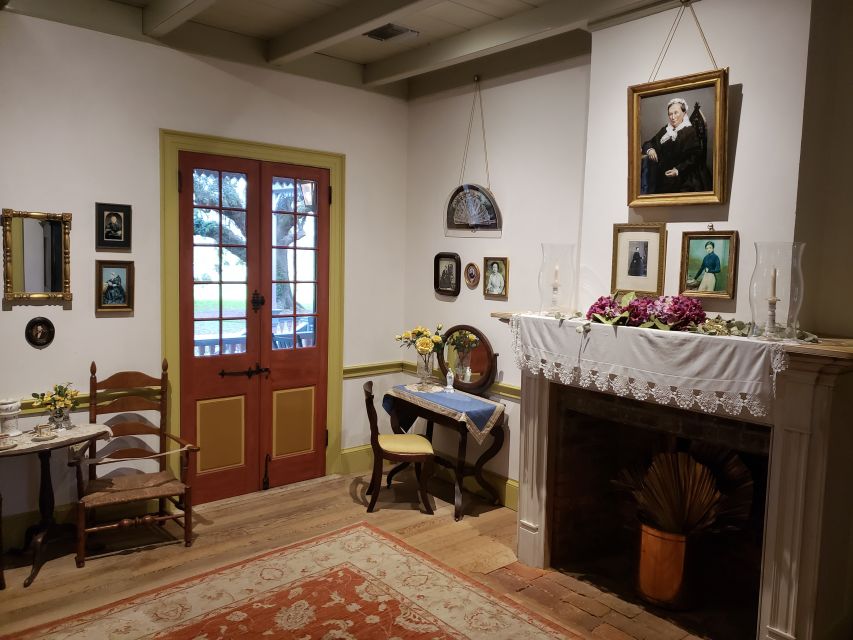
The main house is the architectural heart of Laura Plantation. Built in 1805, it is a traditional raised Louisiana Creole house that served as both a family home and the office for the sugar plantation.
The raised design is important in this part of Louisiana. You enter through the lower level and climb 15 steps to reach the main house. During the visit, you see the raised basement and galleries, then move through the men’s and women’s parlors, service rooms, and common rooms.
The house is not presented as a frozen collection of pretty rooms. Its spaces help explain how domestic life and plantation business operated side by side. The family lived here, but the house also connected to the management of sugar production.
You will hear about the Creole family members who lived in the house and about the enslaved workers whose labor supported the property. That contrast is essential. The polished rooms make more sense when you understand the work and unequal power behind them.
The guides are a major part of the experience. Renee has been praised for answering questions carefully and giving people time for photographs. Lindie has led an entertaining, serious tour and can speak French to a French-speaking member of the group. Pam and James have also guided visitors through the family and property stories in detail, while Kristen has been singled out for her strong command of the subject.
Guide quality can vary on any historic tour, but Laura’s format gives a good guide room to explain rather than rush. You may hear the same overall story with different emphasis, yet the tour is built around documented people and events, not a loose collection of legends.
Three gardens with three different purposes
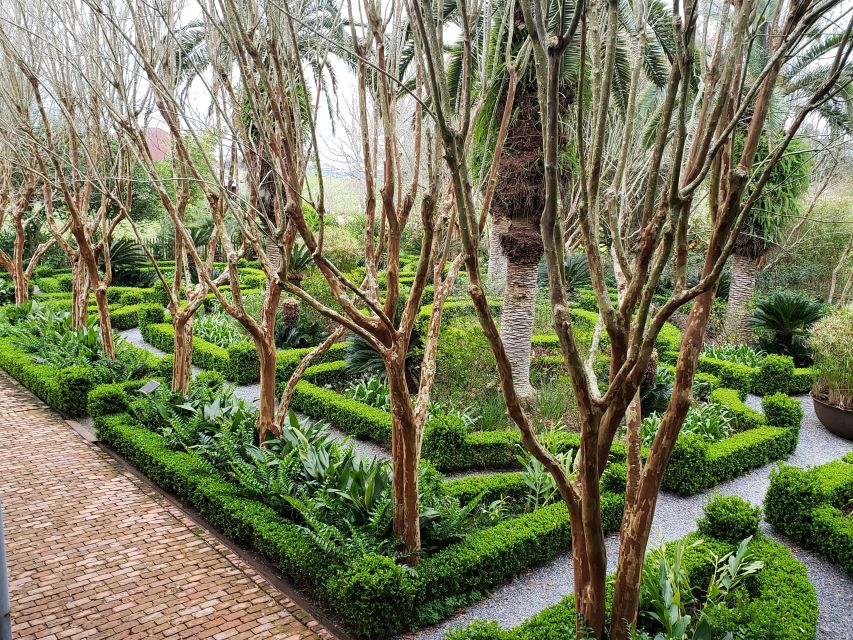
Laura’s grounds include three named gardens: the Jardin Français, the kitchen potager, and the BananaLand grove. Together, they show that the property was more than a house surrounded by lawn.
The Jardin Français offers the formal side of the plantation grounds. Its design helps you picture the cultivated setting associated with the main house, though the tour does not treat the gardens as a substitute for the harder parts of the site’s story.
The kitchen potager points toward daily work and food production. It gives context to the service rooms and the practical side of plantation life. You can think of it as a small clue to the labor needed to keep the household running.
BananaLand grove adds another layer to the grounds. Moving between these garden areas breaks up the indoor portion and lets you see how the property uses plants, paths, and open space to tell its story.
Because the tour takes place outdoors as well as indoors, weather matters. Heat, rain, or wet paths may affect your comfort. An umbrella is specifically recommended, and the rain-or-shine policy means you should check the forecast before choosing clothing.
More Cajun and Creole food tours:
- Paddlewheeler Creole Queen Historic Mississippi River Cruise
★ 4.5 · 1,948 reviews - Paddlewheeler Creole Queen Jazz Dinner Cruise in New Orleans
★ 4.0 · 1,469 reviews - Laura Creole Plantation Guided Tour
★ 5.0 · 1,279 reviews - New Orleans French Quarter Food Tour: Cajun, Creole and Culture
★ 5.0 · 1,246 reviews
The original 1840s cabins and the enslaved community
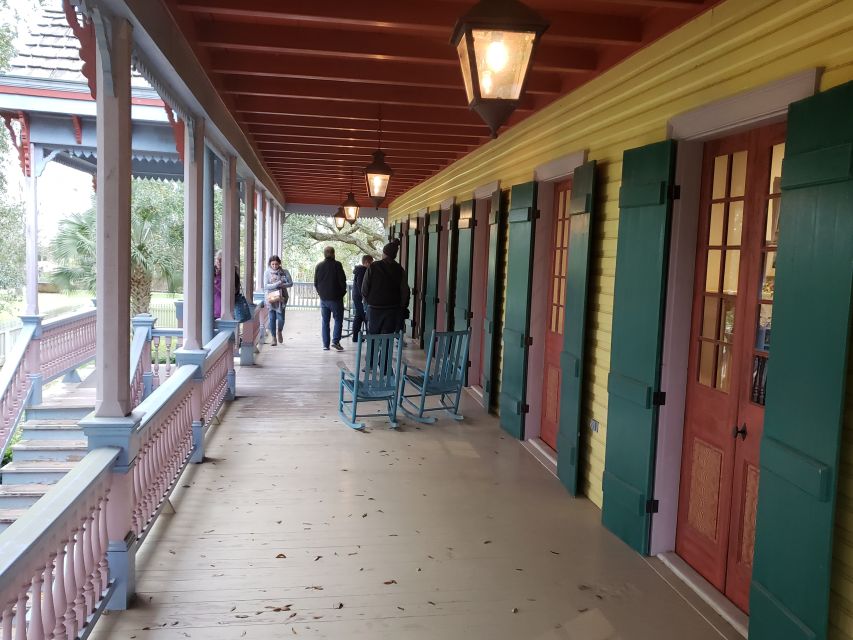
The most important part of the tour for many people is the move from the main house to the original 1840s slave cabins. These buildings connect the grand house to the people who lived and worked under slavery.
The cabins are also associated with Louisiana Compair Lapin stories, a collection of folk tales recorded in this setting. That detail gives the cabins cultural importance beyond their age. They are tied to spoken storytelling and the preservation of Louisiana Creole traditions.
The tour presents the enslaved community as part of the plantation’s central story, not as an afterthought. You hear about the women, children, and men who spent their lives on the sugar farm. The subject is painful, but the personal approach helps you understand that slavery affected households, family ties, work, and identity across generations.
The permanent exhibit, From the Big House to the Quarters: Slavery on Laura Plantation, adds more context after the guided portion ends. You explore it on your own, so plan a little extra time if you want to read carefully. The guided tour is short enough that this self-guided exhibit matters. It lets you pause over the material instead of trying to absorb every detail while walking with a group.
This is also where the tour may feel most emotionally demanding. You are not simply looking at old buildings. You are confronting the unequal conditions that made the plantation economy possible. I value that honesty, but it may not suit someone looking only for architecture and gardens.
Twelve historic buildings beyond the main house
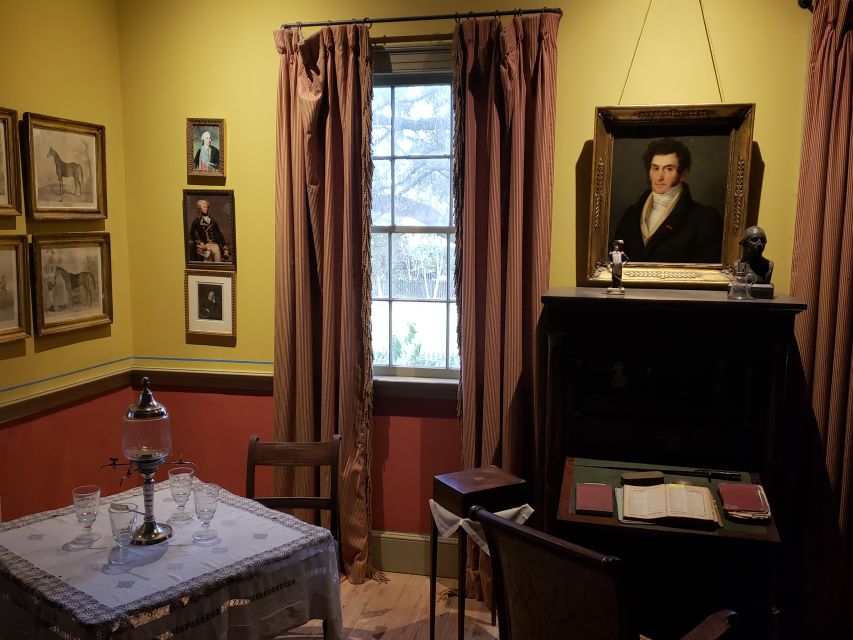
The grounds include 12 buildings on the National Register. Along with the main house and cabins, you see animal barns, overseers’ cottages, and the 1829 Maison de Reprise.
These smaller structures help fill in the property’s working layout. A house tour alone can leave you with a narrow view of plantation life. The barns point toward animals and farm work. The overseers’ cottages suggest the layers of authority used to control the estate. The Maison de Reprise adds another piece to the family and domestic story.
You should not expect to enter every building or spend equal time at each one. The guided walk has only about 70 to 75 minutes, so the guide has to keep the group moving. Still, seeing the grounds gives you a better sense of how the plantation operated as a place of work, residence, control, and community.
The outdoor portion also helps you connect the written records to real spaces. A name in a memoir carries more weight when you stand near the building or garden linked to that person’s daily life.
What the $32 price buys you
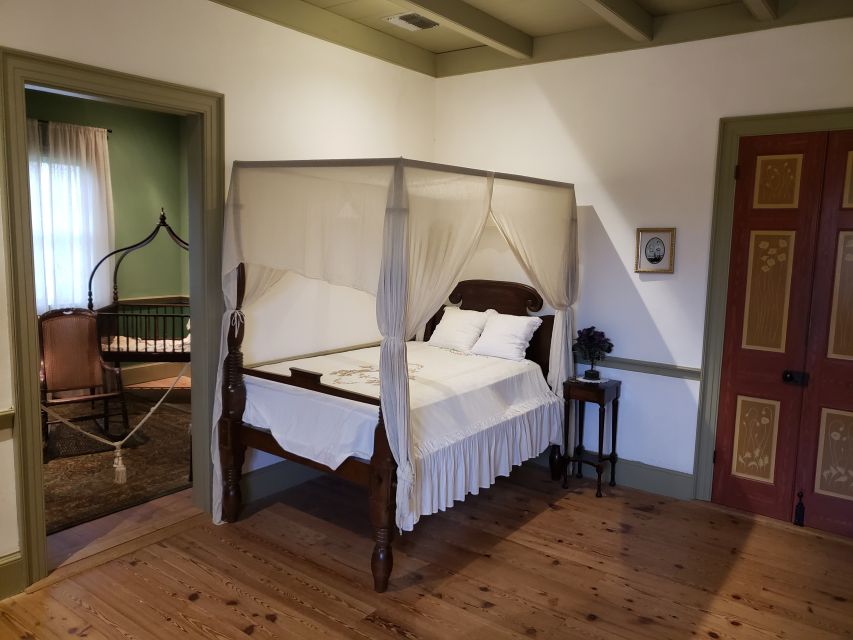
At $32 per person, this is a solid-value historic site visit if you want more than a quick look at an old plantation house. The price covers a guided tour of the buildings and gardens, plus access to the permanent slavery exhibit and free parking.
The strongest value comes from the amount of ground covered in a short time. You see the main house, gardens, original cabins, work buildings, and additional historic structures. You also get a guide who can connect them through family stories and archival material.
The visit is less valuable if you are counting on a long, slow museum experience. The guided portion is compact, and the property is spread across indoor and outdoor spaces. You need to listen closely and keep pace with the group. The exhibit afterward gives you more control, but it is self-guided.
Compared with a simple admission ticket, the guide adds real value. Details about the four generations of Creole family members and the enslaved community would be difficult to assemble on your own. The French option is another useful benefit, and written translations in four additional languages help if you do not follow spoken English easily.
Timing, walking, and who should book
Set aside at least 75 minutes for the scheduled experience, plus extra time for the permanent exhibit. The itinerary includes a photo stop, a guided visit of about 70 minutes, and a return to the starting point, though you remain responsible for your own transportation.
You will walk indoors and outdoors, climb and descend 15 steps, and manage the property without an elevator. The site is not suitable for children under 12 according to the stated restrictions. Some families have still found the history engaging for younger children, but you should follow the official age guidance when planning.
This tour suits you if you like history presented through individual lives, want to see original buildings, and are willing to spend time with the subject of slavery in a serious way. It is also a good fit if you want a plantation visit that includes both Creole culture and the enslaved community.
It is less suitable if you have limited mobility, dislike outdoor walking in uncertain weather, or have only a short window from New Orleans. The distance and traffic can turn a 75-minute visit into a much longer outing.
How to get the most from the visit
Read the basic family names and dates before you arrive if you have time. The tour covers many people, and a little preparation can help you keep track of the four generations.
Stay close to your guide. James, for example, has been praised for slowing down to explain each story and making sure the group did not lose track of the people involved. A patient guide can make a major difference when the subject includes several families and buildings.
Take photographs when permitted, but do not let the camera replace the tour. The value here is in the links between the house, cabins, gardens, and written records. Personal photography is allowed, but video recording is not.
Finally, leave time for the museum exhibit. The guided walk gives you the framework. The exhibit lets you look again at slavery on Laura Plantation without a group waiting for you to move along.
Should you book Laura Plantation?
Book it if you want an honest, well-organized look at Louisiana Creole plantation life, with the stories of enslaved people placed at the center of the visit. The $32 fee is fair for the guided access, gardens, historic buildings, and permanent exhibit.
I would especially recommend it to adults and older children interested in history, architecture, family records, and Louisiana culture. Plan carefully for the drive from New Orleans, arrive in comfortable shoes, and expect rain or shine conditions.
Skip it if you want only a quick house photograph, cannot manage steps and outdoor walking, or have no extra time for the trip from the city. For the right visitor, Laura Plantation offers something more lasting than a pretty old home: a clear look at the people and power behind the plantation story.
FAQ
How long does the Laura Plantation tour last?
The experience lasts 75 minutes. The guided portion is listed as about 70 minutes, followed by time to visit the permanent exhibit on your own.
How much does the tour cost?
The price is $32 per person.
Where do I check in?
Check in at the admissions window inside the Laura Plantation Gift Store at 2247 LA-18.
Is transportation from New Orleans included?
No. Hotel pickup, drop-off, and transportation are not included. Free parking is available at the plantation.
Are tours offered in French?
Yes. Live tours are offered in English and French. Written translations are available in French, Spanish, Italian, and German.
What does the tour include?
It includes a guided 75-minute tour of the buildings and gardens, plus a self-guided visit to the permanent exhibit From the Big House to the Quarters: Slavery on Laura Plantation.
Can I take photographs?
Yes. Personal photography is allowed. Video recording, tripods, and selfie sticks are not allowed.
Is the tour accessible by elevator?
No. There is no elevator, and you must climb and descend 15 steps to access the Maison Principale.
What should I bring?
Bring comfortable shoes and an umbrella. The tour includes indoor and outdoor walking and runs rain or shine.
Are children allowed on the tour?
The experience is not suitable for children under 12 years.
Just added around New Orleans
- New Orleans Seance Experience★ 4.0 · 8 reviews
- New Orleans Garden District Tour★ 5.0 · 8 reviews
- Airport and City Transfers in New Orleans★ 5.0 · 8 reviews
- Sin and Tonic Pub Crawl in New Orleans★ 4.5 · 8 reviews
- The New Orleans Darkness Tour★ 4.4 · 9 reviews
- New Orleans Plantation Tour with Transportation★ 5.0 · 9 reviews
- New Orleans Self-Guided Kayak Bayou Swamp Tour★ 5.0 · 9 reviews
- Historic Carrollton Neighborhood Walking Tour★ 5.0 · 9 reviews
Plantation Tours, compared.
Swamp Boat Ride and Oak Alley Plantation Tour from New Orleans
Read our review →
Oak Alley Plantation Tour with Transportation from New Orleans
Read our review →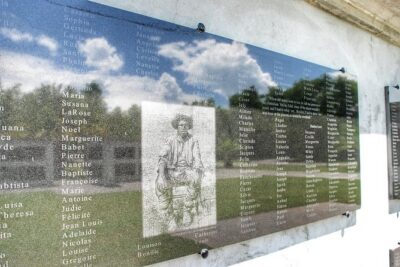
Whitney Plantation Tour with Transportation from New Orleans
Read our review →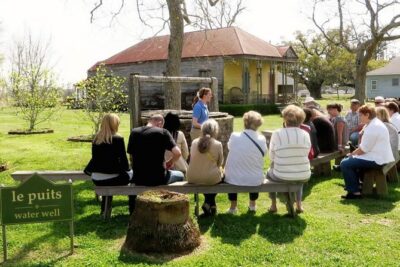

Airboat and Plantations Tour with Gourmet Lunch from New Orleans
Read our review →
Bayou Swamp Tour and Oak Alley Plantation Tour
Read our review →
Oak Alley Plantation & Airboat Swamp Combo Tour
Read our review →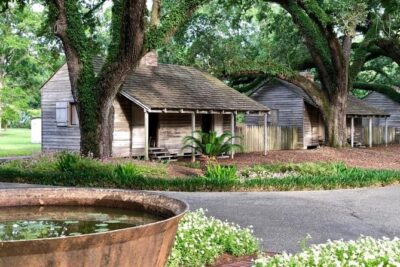
Oak Alley Plantation and Large Airboat Swamp Tour from New Orleans
Read our review →Browse the lists this tour appears in