
Reviewed · CAJUN & CREOLE FOOD TOURS
Hands-on Cajun Traditions Cooking Class
New Orleans cooking makes the best classroom material because it is practical, generous, and full of stories. In this three-hour class, you cook three courses from start to finish, then sit down to eat what you made. The menu covers barbecue shrimp, chicken and andouille jambalaya, and chocolate bread pudding with brandy mocha sauce.
I like the small maximum of 10 people, which gives the chef room to demonstrate techniques and answer questions. I also like that the class teaches more than recipes, including seasoning, knife work, timing, and the story behind Cajun, Creole, and New Orleans cooking.
The main consideration is the price, $163.85 per person. That is a serious meal budget, even in New Orleans, so this works best if you want an activity, a lesson, and dinner in one sitting. Some participants also wished they had taken home leftovers or received recipes more quickly.
In This Review
- Key points at a glance
- Three New Orleans classics in one working kitchen
- Starting with New Orleans-style barbecue shrimp
- Building chicken and andouille jambalaya
- Saving room for chocolate bread pudding
- Cajun food, Creole food, and New Orleans stories
- How hands-on is the class?
- The value of $163.85 for three hours
- Meeting at 519 Wilkinson Street
- Who should book this cooking class?
- Should you book the Mardi Gras School of Cooking?
- FAQ
- Where does the Cajun cooking class meet?
- Where does the experience end?
- How long does the cooking class last?
- What dishes will I prepare?
- Is the cooking class conducted in English?
- How many people can join the class?
- Is the class suitable for beginners?
- Is public transportation available near the meeting point?
- Can I use a mobile ticket?
- Can I cancel for a full refund?
Key points at a glance
- Three-course Cajun menu: Make New Orleans-style barbecue shrimp, chicken and andouille sausage jambalaya, and chocolate bread pudding with brandy mocha sauce.
- Small class size: The experience accepts no more than 10 people, making hands-on instruction more practical.
- Chef-led cooking: Chefs including Mark, Raymond, Jason, Erika, David, and Preston have led classes, with instruction shaped by the group.
- Food with context: You learn about Louisiana cooking, Cajun and Creole traditions, seasoning, preparation, and the stories behind the dishes.
- Useful home-cooking lessons: Past classes have covered knife skills, timing, seasoning, and methods that are easy to repeat in your own kitchen.
- Convenient French Quarter setting: Meet at 519 Wilkinson Street, near public transportation, and finish back at the same location.
Three New Orleans classics in one working kitchen
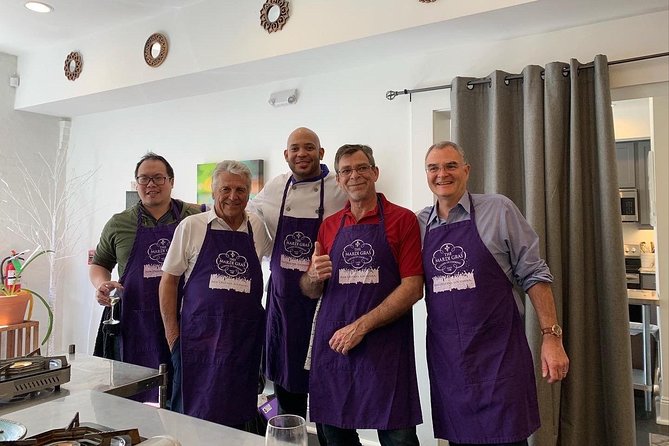
The class begins at The Mardi Gras School of Cooking, where you meet your classmates, settle in, and put on an apron. This opening matters more than it may sound. A cooking class can feel awkward if everyone is crowded around a counter with no time to talk. Here, the format is designed to let you get acquainted before the cooking starts.
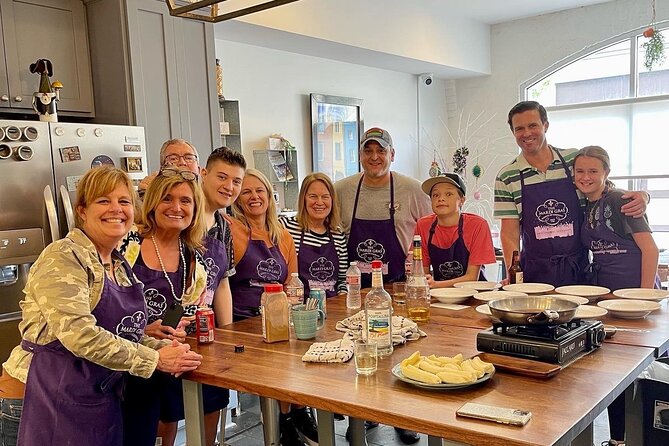
The group limit of 10 is one of the strongest features. You are not simply watching a chef perform. You take part in preparing the dishes, receive step-by-step guidance, and have a better chance to ask about a technique before the class moves on.
The instructors vary, but the teaching style is consistent in the best way. Mark has been praised for sharing family stories and useful tricks. Raymond has led relaxed, funny classes with clear pacing. Preston has focused on cooking tips and the background of traditional dishes. Erika has combined food history with practical instruction, while Jason and David have also received strong praise for friendly, engaging teaching.
That variety can be a plus. You may get a slightly different personality and emphasis depending on the chef, but the experience is built around participation rather than a rigid demonstration.
More Cajun and Creole food tours:
- Paddlewheeler Creole Queen Historic Mississippi River Cruise
★ 4.5 · 1,948 reviews - Paddlewheeler Creole Queen Jazz Dinner Cruise in New Orleans
★ 4.0 · 1,469 reviews - Laura Creole Plantation Guided Tour
★ 5.0 · 1,279 reviews
Starting with New Orleans-style barbecue shrimp
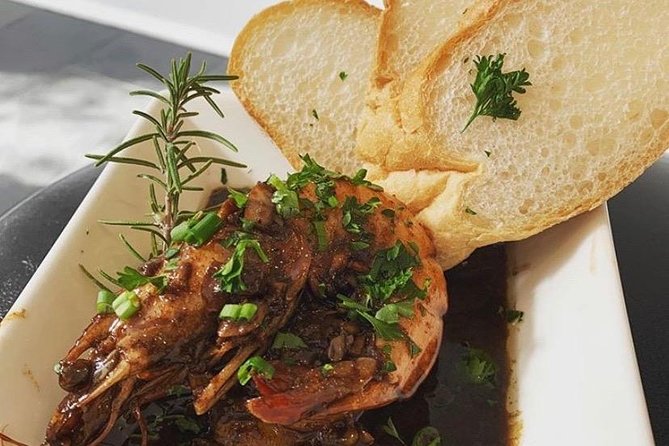
The first course is barbecue shrimp, prepared in the New Orleans style. This is a smart choice for the opening dish because it introduces the class to the importance of sauce, seasoning, and timing without requiring a long cooking project.
You learn how the ingredients come together and how a sauce can carry much of a dish’s character. One especially useful detail from the cooking instruction is the attention to small choices that affect the final result. The class is not only about following a list of steps. It is about learning when a dish needs more time, how seasoning develops, and how preparation affects texture.
The shrimp course also gives you an early taste of the class’s social side. Everyone is working toward the same meal, so conversation tends to come easily. You might be cooking with a couple, a family, or a group of friends, and the small setting makes it easier to compare techniques and trade stories.
The practical drawback is that you should not expect an advanced culinary-school session. The recipes are approachable, which is part of their appeal, but experienced home cooks may find the basic steps familiar. The value comes from the setting, the chef’s explanations, the local food context, and the chance to cook a complete New Orleans meal.
Building chicken and andouille jambalaya
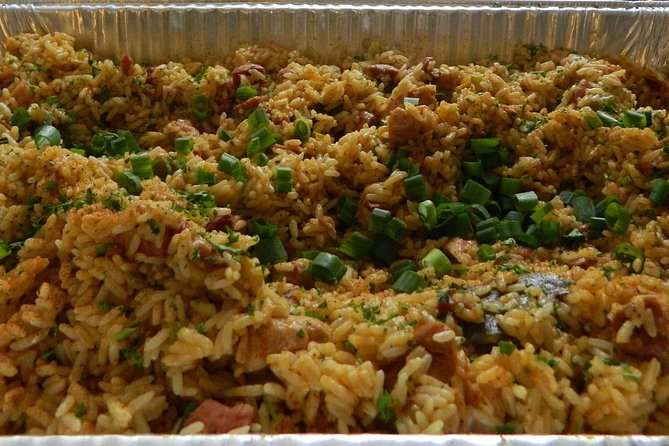
The main course is chicken and andouille sausage jambalaya, one of the class’s most useful recipes for home cooks. It is substantial, familiar, and suited to feeding a group. You work through the preparation with the chef, learning how the ingredients and seasonings are brought together.
The class puts real attention on timing. Jambalaya is not just a matter of placing everything in one pot and hoping for the best. The order of preparation and the balance of seasonings influence the finished dish. An instructor can show you what to watch for in a way that a printed recipe cannot.
This is where the teaching style becomes important. Raymond has been praised for keeping the pace neither too fast nor too slow. That is a key advantage in a shared class. You need enough time to handle the food yourself, but you also want the meal to keep moving toward the table.
Several participants have taken away techniques they later used in ordinary home cooking. Those skills include knife work, timing, seasoning, and making adjustments as you cook. If you are looking for a recipe souvenir, jambalaya may be the most practical course because it can be prepared for family or friends without requiring a long list of unusual techniques.
You should also expect plenty of food. The class is built around cooking and eating all three courses, not sampling a few bites while the chef does the work. That makes the experience feel more like a meal with instruction than a short demonstration.
Saving room for chocolate bread pudding
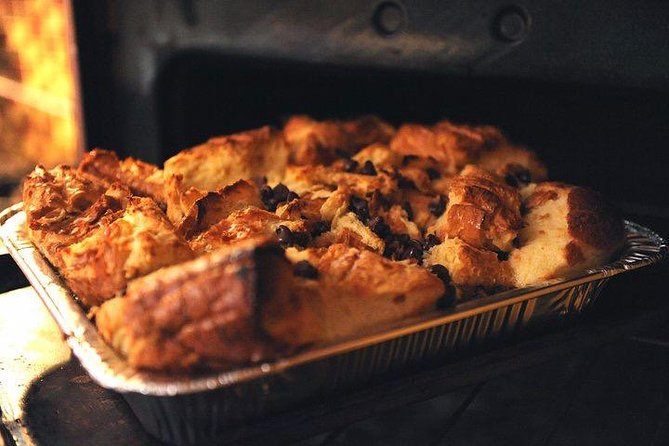
Dessert is chocolate bread pudding with brandy mocha sauce. This may be the most memorable part of the menu for anyone with a sweet tooth, and it is also a good example of how a simple dish can reward careful preparation.
One memorable class detail involved adding the remaining chocolate chips on top of the bread pudding before baking. The instructor had not tried that particular approach before and planned to use it again. That small moment says something useful about the class: it is structured, but it is not so stiff that every suggestion gets ignored.
The dessert also gives the cooking schedule a natural pause. By the time it is ready, you have finished the savory courses and can enjoy the result as part of a full meal. The brandy mocha sauce adds a more grown-up finish, though the menu does not specify whether substitutions are available, so ask about any dietary or ingredient concerns before the cooking begins.
A few participants have wanted take-home containers for leftovers. Others have taken leftovers home, so this may depend on the day and what remains. If you are hoping to recreate the meal, confirm how recipes will be provided. Recipes are expected through the booking company, but at least one participant reported a delay receiving them.
More cooking classes in New Orleans:
- New Orleans Demonstration Cooking Class with Meal
★ 5.0 · 3,000 reviews - New Orleans Hands-On Cooking Class with Meal
★ 5.0 · 1,183 reviews - New Orleans: Cajun and Creole Cooking Class
★ 4.9 · 730 reviews - Hands-on Cajun Roux Cooking Class in New Orleans
★ 5.0 · 356 reviews
Cajun food, Creole food, and New Orleans stories
The class gives you a useful introduction to Louisiana food traditions rather than treating the dishes as isolated recipes. The chef explains the history of the cuisine and the ways local ingredients, family cooking, and regional traditions shaped what you are preparing.
This is especially valuable if you are new to Cajun food. The terms Cajun and Creole are often used loosely, and a cooking lesson gives you a chance to hear how the chef explains those traditions in relation to the dishes. Erika, Raymond, and Preston have been praised for adding background about New Orleans, Cajun cooking, Creole cooking, and the origins of traditional dishes.
The stories are part of the experience, not filler between instructions. Mark has shared stories about his family and his love of cooking. Other chefs have talked about their own backgrounds and cooking experience. That personal element helps connect the food to the city without turning the class into a formal lecture.
You should still keep your expectations realistic. Three hours is enough for a helpful introduction, not a complete course in Louisiana culinary history. The strongest learning comes from the combination of short explanations and immediate practice.
How hands-on is the class?
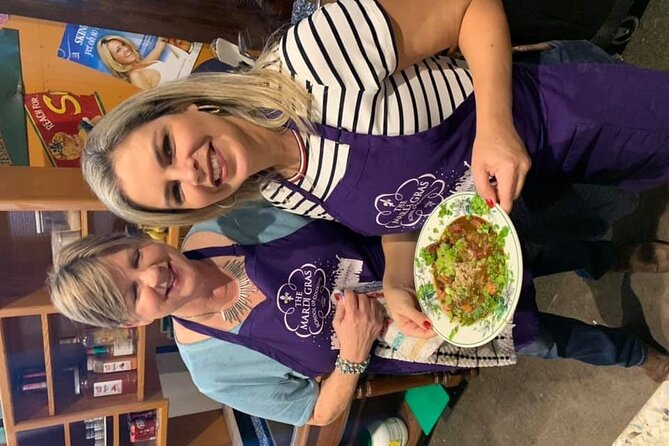
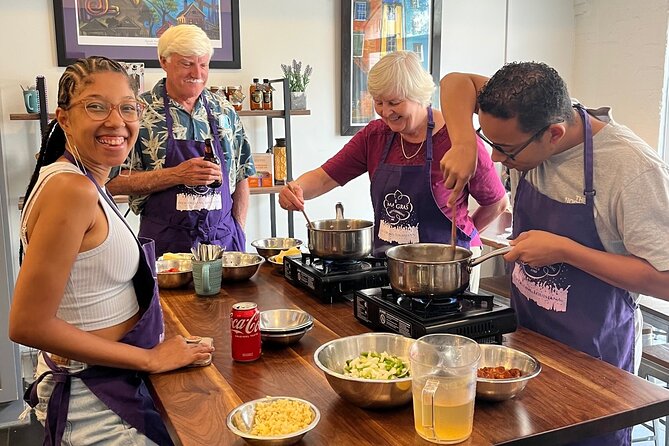
The word hands-on is important here. You do not simply watch a chef cook the menu while eating afterward. You put on an apron, help prepare the recipes, learn professional methods, and take part in the cooking process.
The exact amount of individual work can vary with the group and the chef. In a class of six, you may have plenty of room to work and ask questions. With 10 people, you will still be in a small group, but some preparation may be shared. If you want constant one-on-one instruction, a private lesson would offer more control, though that is not what this experience promises.
The chefs focus on clear steps and a comfortable pace. That makes the class suitable for beginners, including families with older children. An 11-year-old has taken part with a parent, and the format has also worked well for couples, friends, and family groups.
You do not need to arrive as a confident cook. In fact, beginners may get the most from the class because the chef explains basic methods in a setting where you can practice immediately. Experienced cooks may enjoy the regional recipes, the stories, and the chance to compare their own methods with those used in a New Orleans kitchen.
The value of $163.85 for three hours
At $163.85 per person, this is not a cheap meal. You can find less expensive ways to eat jambalaya or bread pudding in New Orleans. The price makes more sense when you count the cooking instruction, the chef’s time, the three-course meal, and the social experience.
I would compare it with the cost of a good dinner plus a separate paid activity. You are getting both in one three-hour block, and the recipes may continue to pay off if you use them at home. That value is strongest for people who enjoy cooking or want a more active alternative to restaurant dining.
The price is harder to justify if you only want to taste Cajun food. In that case, a restaurant meal will usually be a simpler choice. This class is for you if the process matters as much as the plate.
Group discounts are available, which may help families or larger parties. The class is capped at 10 people, so it retains a more personal feel even when a discount makes it suitable for a group outing.
Meeting at 519 Wilkinson Street
The meeting point is 519 Wilkinson Street in New Orleans, and the activity ends back there. The location is near public transportation, which is useful if you are staying elsewhere in the city and do not want to arrange a car.
Plan around the full three-hour duration rather than treating it as a quick stop between sightseeing plans. Cooking has its own rhythm, and arriving late could mean missing early instructions or being out of step with the group.
The experience is offered in English, and confirmation is sent at booking. A mobile ticket is available, so you can keep the reservation on your phone rather than carrying printed paperwork.
Cancellation is flexible up to 24 hours before the start time for a full refund. Since the class is often booked about 29 days in advance, reserving early is sensible if your schedule is fixed, particularly for a specific date.
Who should book this cooking class?
I would recommend it most strongly to:
- Couples who want an activity with conversation and a full meal
- Families with children who enjoy cooking
- Friends looking for something more active than another restaurant
- Home cooks who want repeatable Cajun recipes
- Returning New Orleans visitors who have already covered the usual sights
- Solo visitors who like meeting people in a small group
It is also a good fit for locals. You do not need to be visiting New Orleans to appreciate a class that turns familiar regional food into a practical lesson.
The experience may be less suitable if you dislike group activities, want a highly advanced cooking course, or have strict dietary needs that require guaranteed substitutions. The class has accommodated minor food restrictions, but the available information does not promise every substitution, so ask ahead.
Should you book the Mardi Gras School of Cooking?
Yes, if you want to cook rather than simply eat. The strongest reasons are the small group, the three-course menu, the chef-led instruction, and the useful skills you can take home. The food history and personal stories add a genuine New Orleans flavor to the lesson.
At $163.85, you are paying for more than dinner, so book it only if the activity itself appeals to you. If you want a relaxed, social class with a generous meal and recipes you can try later, this is a strong choice. If you are only looking for the lowest-cost introduction to Cajun food, spend the money on a restaurant instead.
FAQ
Where does the Cajun cooking class meet?
The class meets at The Mardi Gras School of Cooking, located at 519 Wilkinson Street, New Orleans, Louisiana 70130.
Where does the experience end?
The activity ends back at the meeting point on Wilkinson Street.
How long does the cooking class last?
The experience lasts approximately three hours.
What dishes will I prepare?
You will prepare New Orleans-style barbecue shrimp, chicken and andouille sausage jambalaya, and chocolate bread pudding with brandy mocha sauce.
Is the cooking class conducted in English?
Yes. The experience is offered in English.
How many people can join the class?
The class has a maximum of 10 participants.
Is the class suitable for beginners?
The chef provides step-by-step instruction and teaches techniques, seasoning, and recipe preparation. The experience is designed for locals and visitors alike, so you do not need to be an advanced cook.
Is public transportation available near the meeting point?
Yes. The meeting point is near public transportation.
Can I use a mobile ticket?
Yes. A mobile ticket is available, and confirmation is provided at the time of booking.
Can I cancel for a full refund?
Yes. You can cancel up to 24 hours before the experience for a full refund.
More Workshops in New Orleans
- New Orleans Cooking Class and Cocktail Walking Tour
★ 4.5 · 109 reviews - New Orleans Small-Group Food Walking Tour and Cooking Class
★ 5.0 · 47 reviews - Voodoo Doll Class in New Orleans
★ 5.0 · 40 reviews - Sip History in the Crescent City Cocktail Making Class
★ 4.5 · 32 reviews
Just added around New Orleans
- New Orleans Garden District Tour★ 5.0 · 8 reviews
- New Orleans Seance Experience★ 4.0 · 8 reviews
- Airport and City Transfers in New Orleans★ 5.0 · 8 reviews
- Sin and Tonic Pub Crawl in New Orleans★ 4.5 · 8 reviews
- The New Orleans Darkness Tour★ 4.4 · 9 reviews
- New Orleans Plantation Tour with Transportation★ 5.0 · 9 reviews
- New Orleans Self-Guided Kayak Bayou Swamp Tour★ 5.0 · 9 reviews
- Historic Carrollton Neighborhood Walking Tour★ 5.0 · 9 reviews
Cajun & Creole Food Tours, compared.

Paddlewheeler Creole Queen Historic Mississippi River Cruise
Read our review →
Paddlewheeler Creole Queen Jazz Dinner Cruise in New Orleans
Read our review →
New Orleans French Quarter Food Tour: Cajun, Creole and Culture
Read our review →
Creole Queen History Cruise with Optional Lunch
Read our review →
New Orleans Delicious Donuts & Beignets: A Sweet Walking Tour
Read our review →
Browse the lists this tour appears in