
Reviewed · COOKING CLASSES
New Orleans Demonstration Cooking Class with Meal
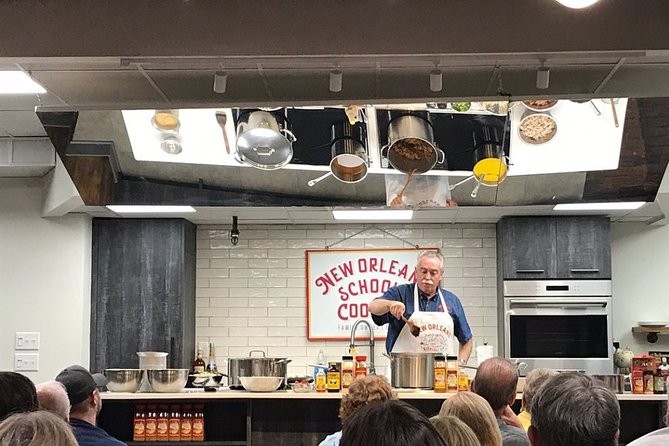
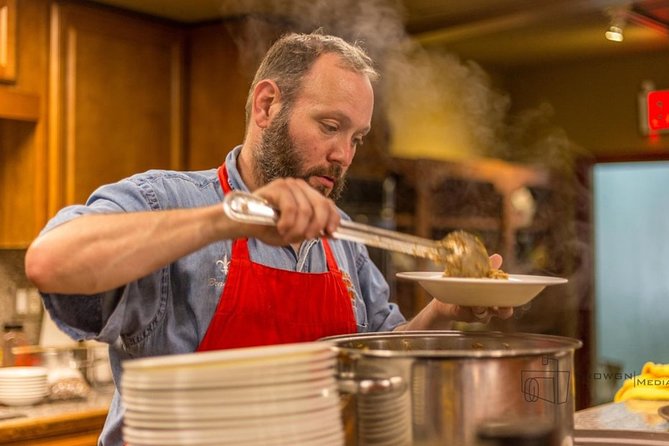
A good New Orleans meal should tell you something about the city. This two-hour class does exactly that while a local chef prepares gumbo, jambalaya, crawfish etouffée, and other Creole favorites in a former 19th-century molasses warehouse. You watch each step, hear the stories behind the food, then eat generous portions of what was made.
I especially like the mix of food and Louisiana culture. The lesson covers the melting pot behind Cajun and Creole cooking, the role of the roux, and the spice blends that shape the food. I also like the value: for $43, you receive a substantial meal, coffee, iced tea, water, one local beer, and recipes to take home.
The main thing to consider is the group size. This is a demonstration class, not a small cooking workshop, and the room can hold as many as 68 people. A large class can make it harder to hear if people nearby are talking, so choose a seat carefully and keep your expectations clear: you cook with your eyes, not your hands.
In This Review
- Key Points Before You Book
- Entering the French Quarter Cooking School
- A Lesson Built Around the Roux
- What You Actually Eat During the Two Hours
- Why the Storytelling Adds Value
- A Demonstration, Not a Hands-On Workshop
- Is $43 a Good Deal?
- Dietary Needs and Menu Limits
- Who Will Enjoy This Class Most?
- Should You Book the New Orleans Cooking Class?
- FAQ
- Where does the cooking class take place?
- How long does the experience last?
- Is this a hands-on cooking class?
- What food might be served?
- Are drinks included?
- Do I receive the recipes?
- Can dietary restrictions be accommodated?
- Are the dietary substitutions demonstrated?
- How large can the class be?
- What is the cancellation policy?
Key Points Before You Book
- The class takes place in a former 19th-century molasses warehouse at the New Orleans School of Cooking, in the French Quarter.
- You may watch several Louisiana dishes prepared live, including gumbo, jambalaya, shrimp or chicken Creole, crawfish etouffée, and desserts.
- The meal is made of generous samples, not tiny tastes, with coffee, iced tea, water, and one local beer included.
- The chef is part teacher, part storyteller, with instructors such as Lynn, Eric, Austin, Vivian, Dianne, René, and Terri appearing in the class rotation.
- There is no hands-on cooking, so this suits people who want food, culture, and practical tips without spending the afternoon at a stove.
- Dietary substitutions are limited but possible for a $5 charge, with vegan, gluten-free, and nut-free gumbo z’herbes and Creole z’herbes available by arrangement.
Entering the French Quarter Cooking School
The class begins at 524 St. Louis Street, home of the New Orleans School of Cooking. The address puts you in the French Quarter, so it is easy to pair this activity with time among the neighborhood’s old streets, restaurants, and shops.
The setting matters. You are not sitting in a generic hotel meeting room. The school occupies a converted molasses warehouse, a fitting place for a lesson about ingredients, trade, migration, and the foodways that shaped Louisiana. The class itself ends back at the school, so do not expect a guided walk through the French Quarter. The neighborhood is your setting, not a separate sightseeing stop.
The activity is offered in English and lasts about two hours. Confirmation arrives when you book, and the mobile ticket makes it simple to show up without printing anything. The school is near public transportation, which helps if you are staying outside the Quarter.
Arrive ready to eat. The samples add up to a full meal, and the class is designed around watching several dishes come together rather than eating one plated entrée.
More cooking classes in New Orleans:
- New Orleans Hands-On Cooking Class with Meal
★ 5.0 · 1,183 reviews - New Orleans: Cajun and Creole Cooking Class
★ 4.9 · 730 reviews - Hands-on Cajun Roux Cooking Class in New Orleans
★ 5.0 · 356 reviews
A Lesson Built Around the Roux
The chef begins by placing Louisiana cooking in context. You hear about the cultural influences behind Cajun and Creole food and learn the small distinctions between the two styles. If you have always treated those words as interchangeable, this is a useful place to sort them out.
The central lesson is often the roux. This blend of fat and flour is the base for many Louisiana dishes, and its color, timing, and handling affect the final flavor. You will see why patience matters and how a simple base can give gumbo its body and depth.
The spice discussion is practical, too. Louisiana food is not simply about making everything hot. The class explains how seasoning blends work and how you can adjust the finished food at the table. If you prefer more heat, seasoning is available so you can add it to your liking.
The chef also keeps the lesson moving with local anecdotes, jokes, and personal stories. Instructors vary, but the class has featured engaging cooks including Chef Eric, Chef Austin, Chef Terri, Lynn, Vivian, Dianne, and René. The strongest part of the format is the chance to ask questions while the food is being prepared.
That said, the room can be large. A class with dozens of people has a different feel from a private kitchen lesson. A lively instructor can hold the room, but side conversations may make some instructions harder to catch. Sit where you have a clear view and do not expect individual coaching.
What You Actually Eat During the Two Hours
The menu can change, but the sample spread may include corn and crab bisque, gumbo, jambalaya, shrimp or chicken Creole, shrimp and artichoke soup, and crawfish etouffée. These are not merely recipes discussed on a board. They are prepared in front of you, then served for sampling.
Gumbo gives you a lesson in the roux and the layered seasoning that makes the dish more than a simple stew. Jambalaya shows how rice carries the flavor of the meat, seafood, vegetables, and spices around it. Crawfish etouffée offers another classic preparation, with a sauce that lets you compare its character with the darker, heartier gumbo.
The class may also include corn and crab bisque or shrimp and artichoke soup. These lighter dishes help break up the meal and show that Louisiana cooking is not limited to one style of spice or one kind of seafood.
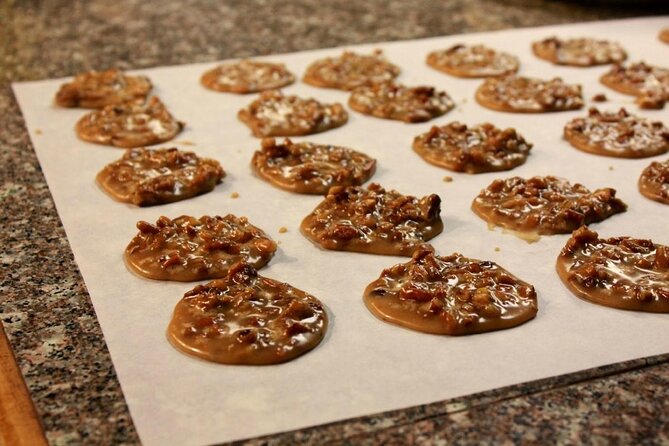
Dessert is part of the fun. Depending on the menu, you might receive bread pudding, bananas Foster, pralines, or pecan pie. Bananas Foster is especially entertaining when prepared as a flaming dessert, but the bigger benefit is variety. You finish with a selection of Louisiana sweets rather than a single afterthought.
The portions are generous enough that you should not plan a heavy lunch or dinner immediately afterward. The menu is a sampling format, but it functions as a meal. Coffee, iced tea, water, and one local beer are included.
The food is not prepared with maximum heat. That makes sense for a large class with mixed tastes, but it can leave some diners wanting more spice. Seasonings are available at the table, so you can adjust your portion. This is a better approach than making every plate too hot for half the room.
Why the Storytelling Adds Value

The class works because New Orleans food is tied closely to place. You are not just learning that gumbo contains certain ingredients. You are learning why Louisiana cooking draws from several cultures and how Cajun and Creole traditions differ.
That context gives you more confidence when you order food elsewhere in the city. After the class, terms such as roux, etouffée, jambalaya, and pralines have meaning. You can recognize what you are eating and ask better questions at a restaurant or market.
The chef’s personality is a major part of the experience. Chef Eric has been praised for combining cooking instruction with Louisiana stories. Chef Austin has been noted for answering questions while keeping the room entertained. Vivian, Lynn, Dianne, Terri, and René have also led classes with their own styles.
Because the instructors rotate, your exact experience depends partly on who is at the stove. That is not a flaw, but it is worth knowing. You are booking the school’s demonstration format, not a guaranteed appearance by one named chef.
A few more New Orleans tours worth a look
- Hands-on Cajun Traditions Cooking Class
★ 5.0 · 132 reviews - New Orleans Cooking Class and Cocktail Walking Tour
★ 4.5 · 109 reviews - New Orleans Small-Group Food Walking Tour and Cooking Class
★ 5.0 · 47 reviews - Voodoo Doll Class in New Orleans
★ 5.0 · 40 reviews
A Demonstration, Not a Hands-On Workshop
The most important practical detail is also the easiest to miss: you do not prepare the food yourself. The chef handles the cooking while you watch, listen, ask questions, and eat.
I see this as a strength for many people. You can enjoy the technical parts without worrying about chopping, cleanup, or keeping pace with a group. It also suits couples, families, solo visitors, and companions who are interested in food but do not cook much.
It is less suitable if you want to knead dough, stir a pot, or practice knife skills under supervision. For hands-on training, you need a different type of class. Here, the value comes from seeing the full process and learning what to repeat at home.
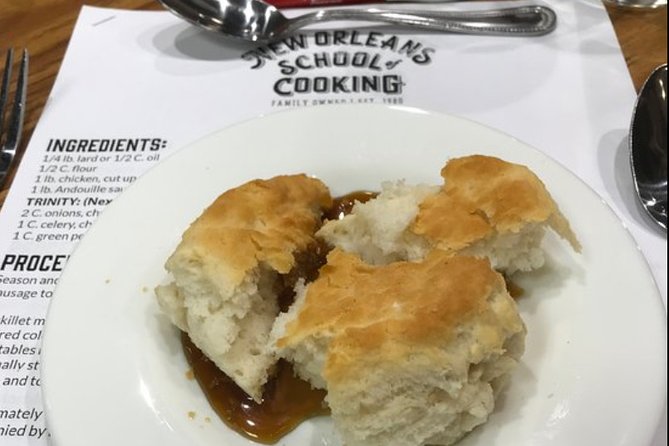
The school gives you copies of the recipes. That turns the class into something more useful than a meal with a short talk. You can try the dishes later, and the provider even offers a diploma if you submit photos of recipes you prepare at home.
Is $43 a Good Deal?
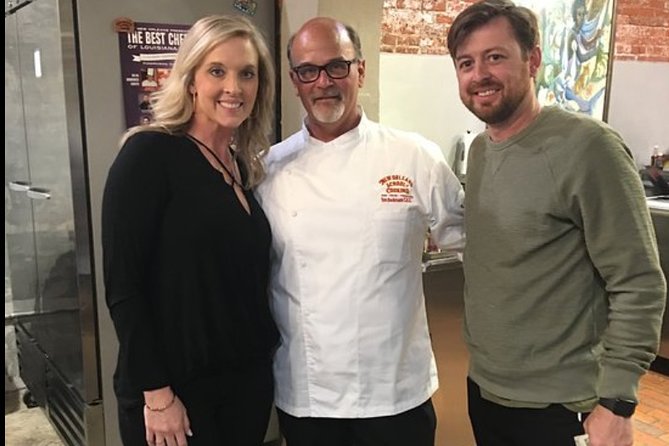
At $43 per person, the price is reasonable for New Orleans. You are getting roughly two hours of instruction and entertainment, a meal made up of several dishes, dessert samples, one local beer, nonalcoholic drinks, and recipes.
A restaurant meal at this level could easily cost as much, especially once you add drinks and dessert. The class also gives you a cultural lesson and a look at how the food is made. If you value both eating and learning, the price is strong.
The comparison changes if you want a quiet, intimate setting. A class that can reach 68 people will not feel like a private chef experience. You are paying for a polished public demonstration and a full spread of food, not personal attention at every table.
Gratuity is not included. A tip of 15 to 20 percent is recommended, so budget for that in addition to the ticket price. Bring cash if you prefer to tip directly.
Dietary Needs and Menu Limits
The school can accommodate some dietary restrictions, but the options require advance planning. After booking, call the reservations line and tell them about your needs. At check-in, a $5 upcharge provides gumbo z’herbes and Creole z’herbes as substitutions.
Those substitutions are vegan, gluten-free, and nut-free. They are discussed during the class but are not the dishes demonstrated, and you receive copies of the recipes. Depending on your restrictions, you may be able to eat the soup but not the entrée.
The school cannot alter the recipes being prepared for the full class. If you have a serious allergy or strict dietary requirement, contact the provider before arriving and explain exactly what you need. Do not assume every item on the sample menu will be suitable.
Who Will Enjoy This Class Most?
I would choose this for a first visit to New Orleans, especially if you want one activity that combines food with local culture. It gives you vocabulary, context, recipes, and a filling meal in one stop.
It is also a good choice for people in a mixed group. The cook in your party can pick up technique, while the less enthusiastic companion can enjoy the storytelling, drinks, and food without having to participate at the stove. The format has worked well for couples, families, friends, and solo participants.
You may want something else if you dislike group activities or need a quiet room. The school can host a large audience, and occasional talking nearby can interfere with the presentation. You should also skip it if your main goal is hands-on instruction.
Book ahead if you can. The experience is booked, on average, 24 days before the date, which suggests that popular times can fill well before your trip. Free cancellation is available up to 24 hours before the start time. Within 24 hours, you receive no refund, and poor weather or failure to reach the minimum number of participants may lead to a new date or a full refund.
Should You Book the New Orleans Cooking Class?
Book it if you want an easy, affordable introduction to Louisiana food and do not mind sharing the room with a crowd. The combination of live cooking, local stories, generous samples, drinks, and take-home recipes gives you more than a standard meal.
I would be especially likely to recommend it early in your New Orleans visit. The class can help you understand the dishes you will see across the city, from gumbo to pralines, and it may inspire what you order later.
Skip it only if you want hands-on cooking, a small private group, or complete control over every ingredient. For everyone else, this is a practical way to feed both your appetite and your curiosity in the French Quarter.
FAQ
Where does the cooking class take place?
The class takes place at the New Orleans School of Cooking, 524 St. Louis Street, New Orleans, Louisiana 70130.
How long does the experience last?
The demonstration lasts approximately two hours.
Is this a hands-on cooking class?
No. This is a demonstration class. The chef prepares the dishes while you watch, ask questions, and eat the samples.
What food might be served?
The menu may include corn and crab bisque, gumbo, jambalaya, shrimp or chicken Creole, shrimp and artichoke soup, crawfish etouffée, bread pudding, bananas Foster, pralines, and pecan pie.
Are drinks included?
Yes. Coffee, iced tea, and water are included, along with one local beer.
Do I receive the recipes?
Yes. You receive copies of the recipes used in the class. You can also receive a diploma by submitting photos of recipes you prepare at home.
Can dietary restrictions be accommodated?
Some restrictions can be accommodated. For a $5 charge payable at check-in, gumbo z’herbes and Creole z’herbes are available as vegan, gluten-free, and nut-free substitutions.
Are the dietary substitutions demonstrated?
No. The substitutions are discussed, but they are not prepared during the demonstration. Copies of those recipes are provided.
How large can the class be?
The maximum group size is 68 people. The class may therefore feel like a large public demonstration rather than a small workshop.
What is the cancellation policy?
You can cancel at least 24 hours before the start time for a full refund. Cancellations or changes made within 24 hours are not refunded or accepted. If poor weather or an insufficient number of participants cancels the class, you are offered another date or a full refund.
Just added around New Orleans
- New Orleans Garden District Tour★ 5.0 · 8 reviews
- New Orleans Seance Experience★ 4.0 · 8 reviews
- Airport and City Transfers in New Orleans★ 5.0 · 8 reviews
- Sin and Tonic Pub Crawl in New Orleans★ 4.5 · 8 reviews
- The New Orleans Darkness Tour★ 4.4 · 9 reviews
- New Orleans Plantation Tour with Transportation★ 5.0 · 9 reviews
- New Orleans Self-Guided Kayak Bayou Swamp Tour★ 5.0 · 9 reviews
- Historic Carrollton Neighborhood Walking Tour★ 5.0 · 9 reviews
Cooking Classes, compared.
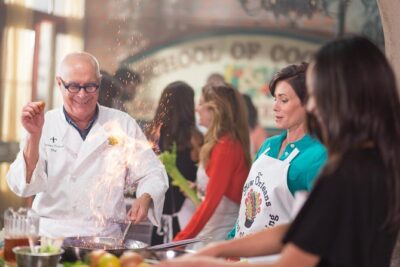
New Orleans Hands-On Cooking Class with Meal
Read our review →
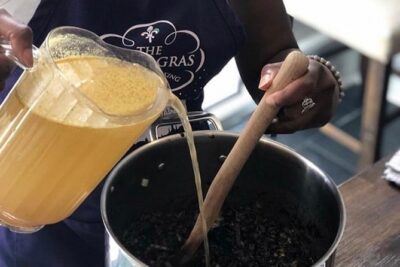
Hands-on Cajun Roux Cooking Class in New Orleans
Read our review →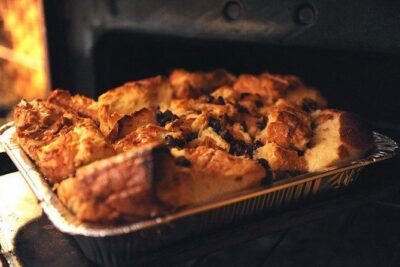
New Orleans Cooking Class and Cocktail Walking Tour
Read our review →
New Orleans Small-Group Food Walking Tour and Cooking Class
Read our review →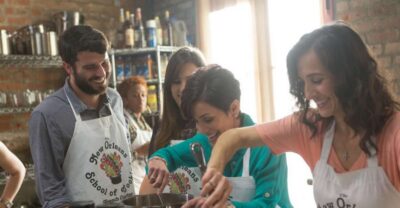
Private New Orleans Cajun Cooking Class with a Local Courtland
Read our review →Browse the lists this tour appears in