
Reviewed · COOKING CLASSES
New Orleans: Traditions Cooking Class
New Orleans barbecue shrimp, chicken and andouille jambalaya, and chocolate bread pudding make this more than a cooking demonstration. You work through three classic dishes, learn why the seasonings matter, and then sit down to eat what you made. I especially like the small group of no more than 10, which gives you a better chance to ask questions and keep up with each step.
I also like the friendly teaching style, with chefs such as Raymond and Erika explaining cooking methods, common mistakes, and the background of Cajun and Creole food. The main consideration is the price: at $157 per person, this is a premium three-hour activity, though the class, full meal, and alcoholic drinks are included.
In This Review
- Key points to know before booking
- Three Louisiana classics in one three-hour class
- Starting with the kitchen basics and local flavor
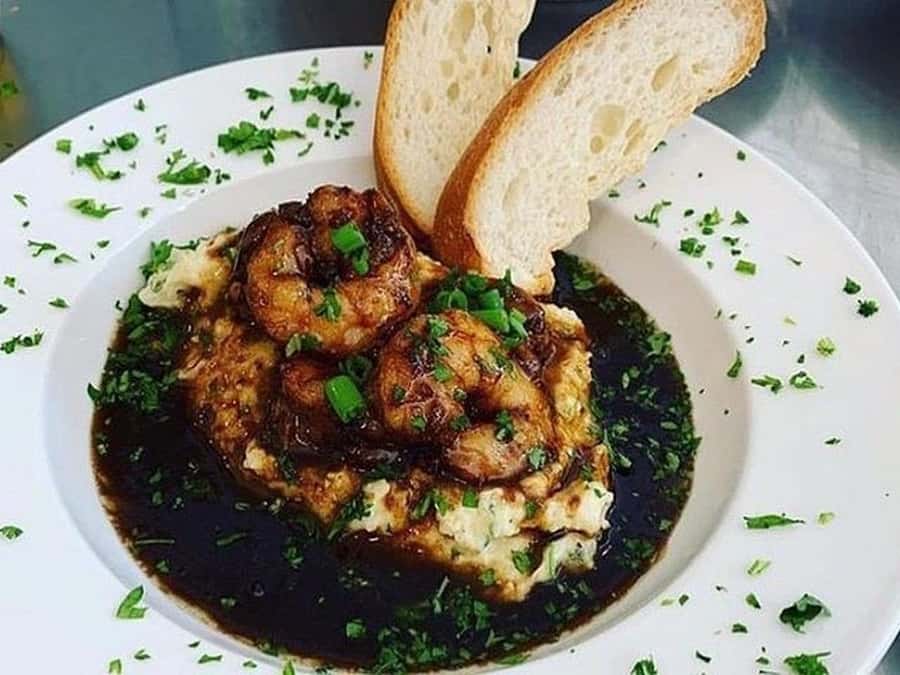
- New Orleans barbecue shrimp is not ordinary barbecue
- Jambalaya brings the Cajun and Creole lesson together
- Chocolate bread pudding finishes with a local touch
- Why the small group matters
- The teaching style: useful, warm, and easy to follow
- What $157 includes, and what it does not
- Who will enjoy this class most
- Timing, meeting point, and cancellation flexibility
- Should you book the Traditions Class?
- FAQ
- How long does the Traditions Cooking Class last?
- What dishes do you prepare?
- Are drinks included?
- Is a meal included?
- How many people can join the class?
- What language is the class taught in?
- Is the experience wheelchair accessible?
- Are children under 10 allowed?
Key points to know before booking
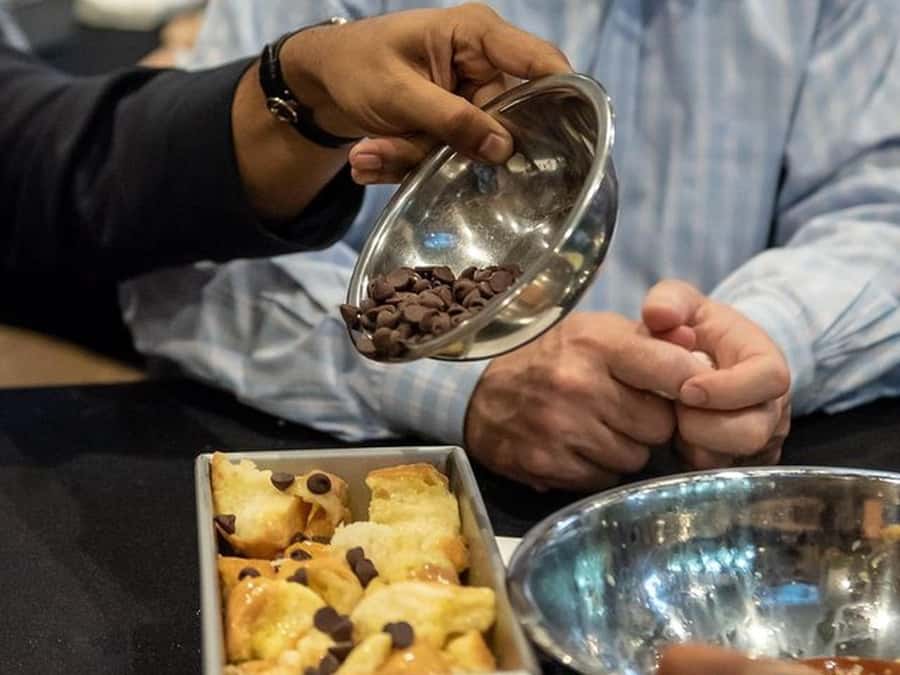
- Three-course Louisiana menu: Prepare New Orleans-style barbecue shrimp, chicken and andouille sausage jambalaya, and chocolate bread pudding with brandy mocha sauce.
- Hands-on instruction: You receive step-by-step guidance rather than simply watching a chef cook.
- Small class size: The group is limited to 10 participants, making it easier to follow techniques and ask questions.
- Local food traditions: The chefs explain the history, seasonings, and cooking styles behind Cajun and Creole dishes.
- Drinks are included: Wine, beer, sodas, and water accompany the meal you prepare.
- Practical planning: The class lasts three hours, meets at Suite 101 on the ground level, and is wheelchair accessible.
Three Louisiana classics in one three-hour class
The Traditions Class focuses on food that feels at home in New Orleans kitchens: seafood with a strong local identity, a filling rice dish, and a sweet finish. You are not choosing one recipe and spending the whole session on it. Instead, the class gives you a broad taste of Louisiana cooking in a single sitting.
The menu is:
- New Orleans-style barbecue shrimp
- Chicken and andouille sausage jambalaya
- Chocolate bread pudding with brandy mocha sauce
That combination works well for a visitor. You get seafood, smoked meat, rice, spice, and dessert, with each dish showing a different side of the region’s cooking. It is also a useful menu to take home. Jambalaya is practical for a family meal, barbecue shrimp can become a special-occasion dish, and bread pudding is a smart way to use leftover bread.
The class is designed as a complete meal, not just a sample platter. Wine, beer, sodas, and water are included, so you do not need to arrange a separate lunch or dinner afterward. Since the meal is prepared during the class, the pace should feel active rather than like a long lecture.
More cooking classes in New Orleans:
- New Orleans Demonstration Cooking Class with Meal
★ 5.0 · 3,000 reviews - New Orleans Hands-On Cooking Class with Meal
★ 5.0 · 1,183 reviews - New Orleans: Cajun and Creole Cooking Class
★ 4.9 · 730 reviews
Starting with the kitchen basics and local flavor
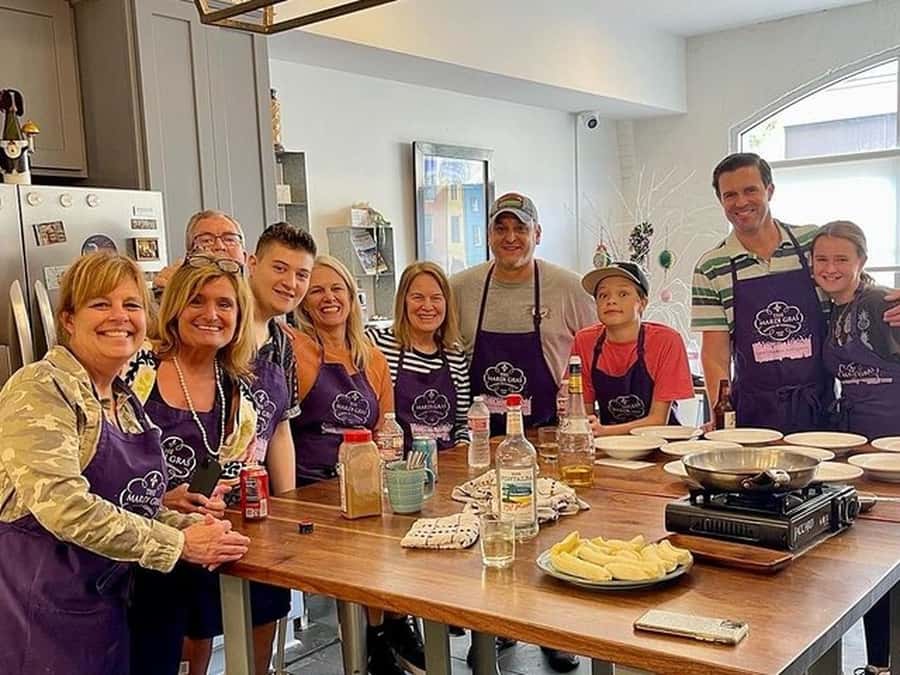
You begin by meeting the other participants in a relaxed setting before putting on an apron. That opening matters in a cooking class. A little time to get comfortable makes it easier to ask a question, admit you missed a step, or work alongside someone you have just met.
The chefs explain the selected recipes and the seasonings that give Cajun and Creole food its character. You also get background on how these dishes fit into Louisiana food traditions. The goal is not just to hand you a recipe card. It is to show you how the ingredients and methods work together.
Expect the teaching to be direct and practical. Chef Raymond is noted for making the class fun while sharing years of experience, and Chef Erika is described as especially good at explaining the history of Cajun and Creole cooking, along with different cooking styles. The instructor can vary, but these names give you a sense of the warm, personable approach used at the school.
One useful feature is the attention to mistakes. The class includes tips for fixing common problems, which can be more helpful than watching everything go perfectly. If a sauce goes too far, rice needs attention, or seasoning is out of balance, learning how to correct it is the kind of lesson you can use at home.
New Orleans barbecue shrimp is not ordinary barbecue
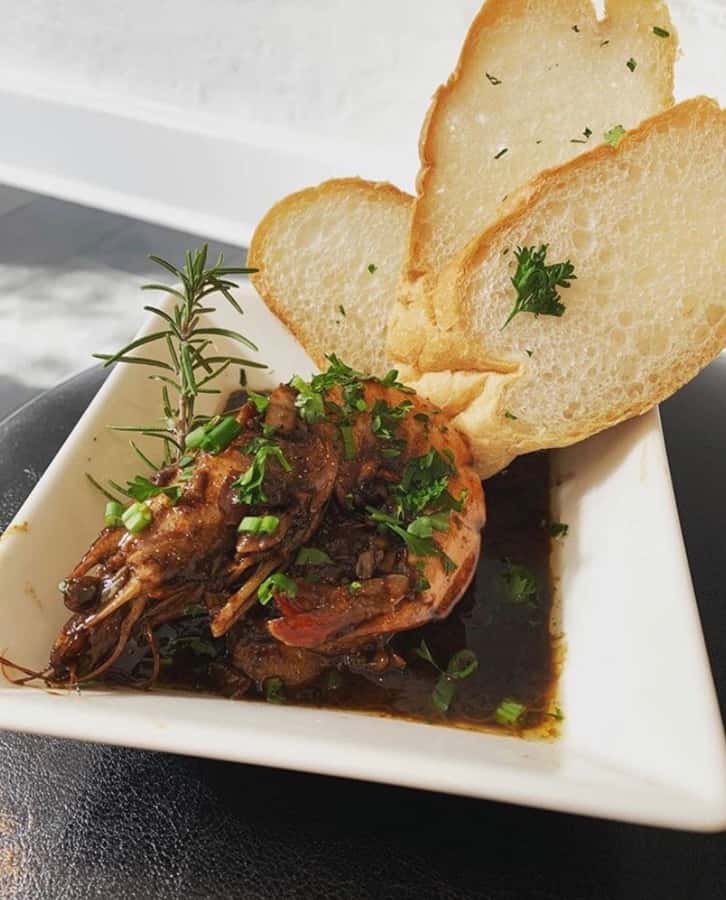
The barbecue shrimp is likely to be the most surprising dish for anyone who associates barbecue with a grill or smoke. The New Orleans version is a saucy shrimp preparation with a distinctive local style, and the class presents it as one of the signature recipes.
I like that this dish gives you a clear sense of how regional names can mislead. You are learning a New Orleans interpretation, not simply applying a standard barbecue method to seafood. The chef explains the seasoning and preparation, helping you understand what makes the dish belong to this city.
Pay close attention here if you enjoy recreating restaurant food at home. Sauces can look simple but depend on timing, seasoning, and technique. The step-by-step format gives you a chance to see how the shrimp and sauce come together rather than trying to guess from a finished plate.
The recipe also adds variety to the menu. Jambalaya is hearty and rice-based, while the shrimp offers a different texture and a more focused seafood flavor. Served as part of the meal, it helps keep the three-hour class from feeling like one long version of the same dish.
Jambalaya brings the Cajun and Creole lesson together
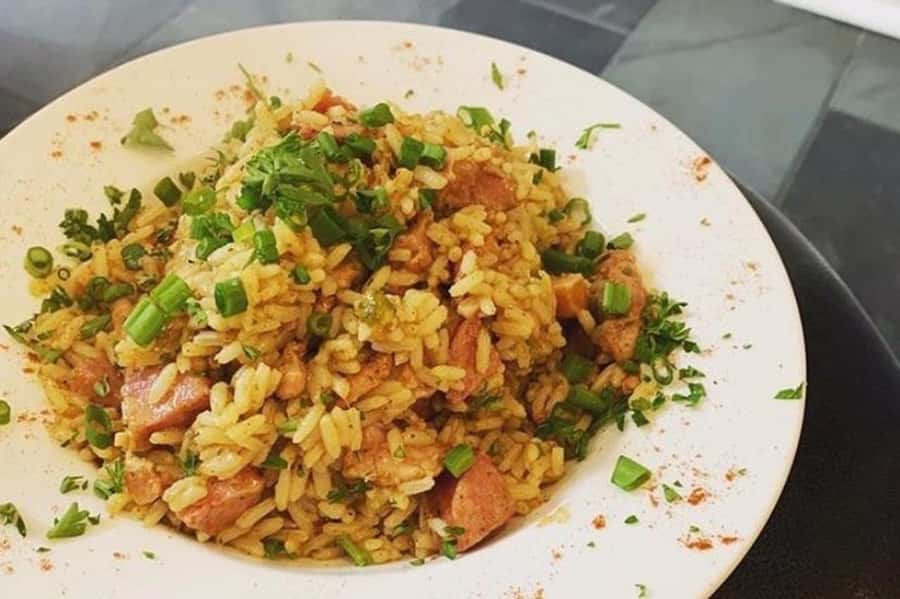
Chicken and andouille sausage jambalaya is the most substantial part of the menu. Andouille brings smoky flavor, while chicken makes the dish filling enough to serve as a main course. Rice ties everything together, but getting the texture right takes more care than simply combining ingredients in a pot.
This is where the professional cooking instruction has real value. The chef can show you how to build flavor, manage the cooking process, and avoid the common errors that leave rice too wet, too dry, or unevenly cooked. You also learn how seasonings affect the finished dish instead of treating them as an afterthought.
The class connects jambalaya to Louisiana’s food traditions without turning the history lesson into a separate presentation. That balance suits me. You learn enough cultural context to understand the dish, then put the information to use at the stove.
Jambalaya is also the recipe most likely to earn its place in your regular kitchen. It can feed a group, adapts well to different ingredients, and feels tied to New Orleans without requiring an elaborate dessert-style presentation. If you want a class with a takeaway beyond a vacation memory, this is probably the strongest part.
A few more New Orleans tours worth a look
- Hands-on Cajun Roux Cooking Class in New Orleans
★ 5.0 · 356 reviews - Hands-on Cajun Traditions Cooking Class
★ 5.0 · 132 reviews - New Orleans Cooking Class and Cocktail Walking Tour
★ 4.5 · 109 reviews - New Orleans Small-Group Food Walking Tour and Cooking Class
★ 5.0 · 47 reviews
Chocolate bread pudding finishes with a local touch
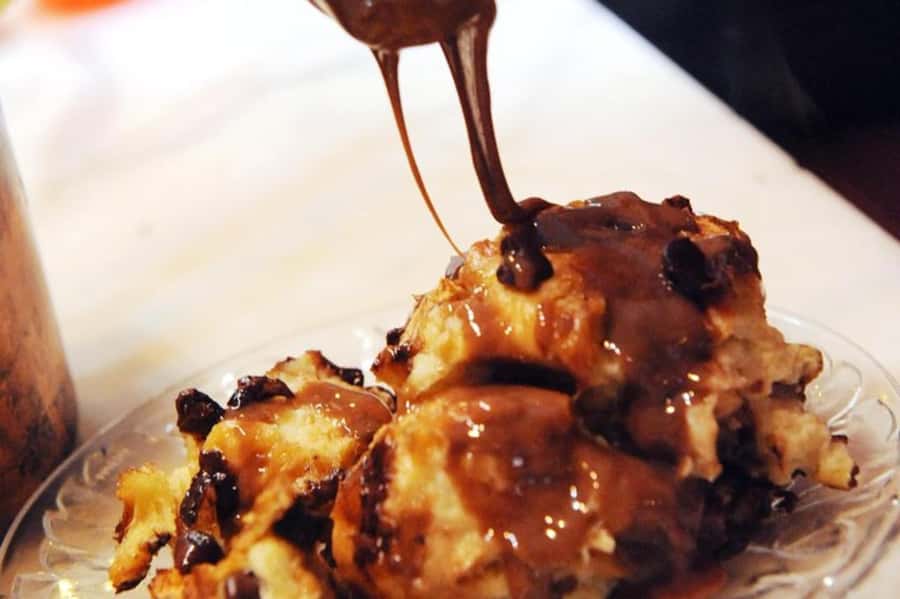
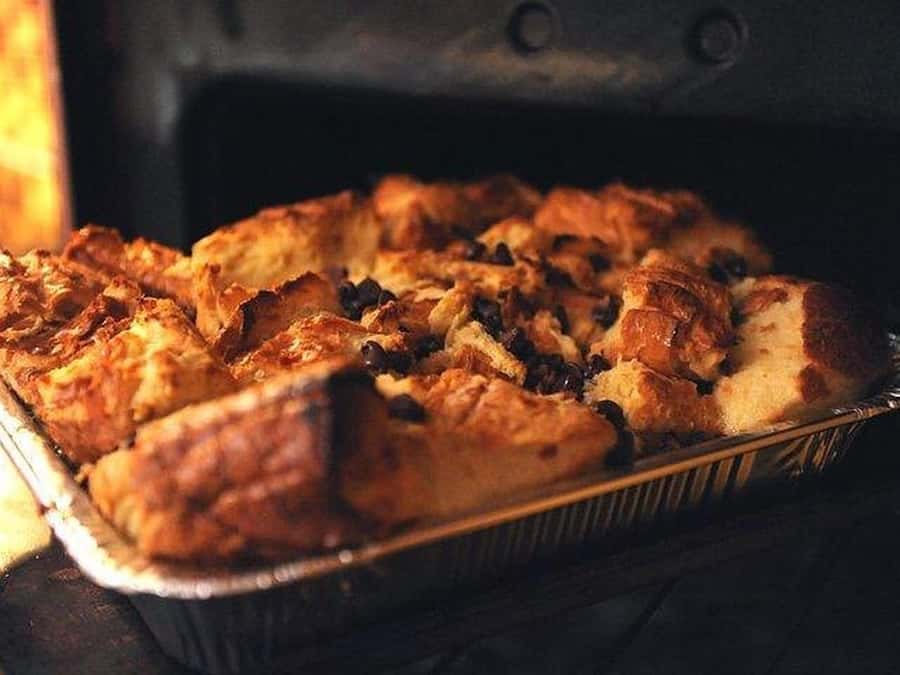
Dessert is chocolate bread pudding with brandy mocha sauce. Bread pudding is closely associated with home-style cooking and practical use of ingredients, but the chocolate and brandy mocha sauce give this version a more indulgent finish.
The dessert adds a change of pace after the savory recipes. By this point, you have worked with seafood, meat, sausage, rice, and seasonings. A sweet baked dish gives the class a proper ending and lets you see how Louisiana cooking can move from humble ingredients to something festive.
This part may also appeal to people who are less confident with savory cooking. A dessert recipe gives the session a different set of techniques and helps make the meal feel complete. The menu is not just three variations on Cajun seasoning. Each course asks you to handle food in a different way.
You eat the food after preparing it, which makes the dessert more than a final demonstration. It becomes part of the shared meal, with drinks available throughout. That communal finish is one reason this works well as a special activity for couples, friends, and families with older children.
Why the small group matters
The class is limited to 10 participants. That is a meaningful advantage in a hands-on setting. With fewer people around the work area, you should have a better view of the demonstrations and more room to follow along.
Small groups also make questions easier. You can ask why a seasoning is added at a certain point, how to avoid a cooking mistake, or what to substitute at home. The teaching style is described as entertaining and personable, so this is not meant to feel like a silent technical workshop.
The group size can also shape the social side of the experience. You meet your classmates at the beginning, cook together, and share the completed meal. If you want an activity that gives you conversation as well as food, this format has an advantage over a standard restaurant meal.
There is one tradeoff. A small cooking class depends partly on the group’s pace and personality. You may spend time working around other participants or waiting for the next shared instruction. That is normal for a group lesson, but you should not book this expecting a private chef session.
The teaching style: useful, warm, and easy to follow
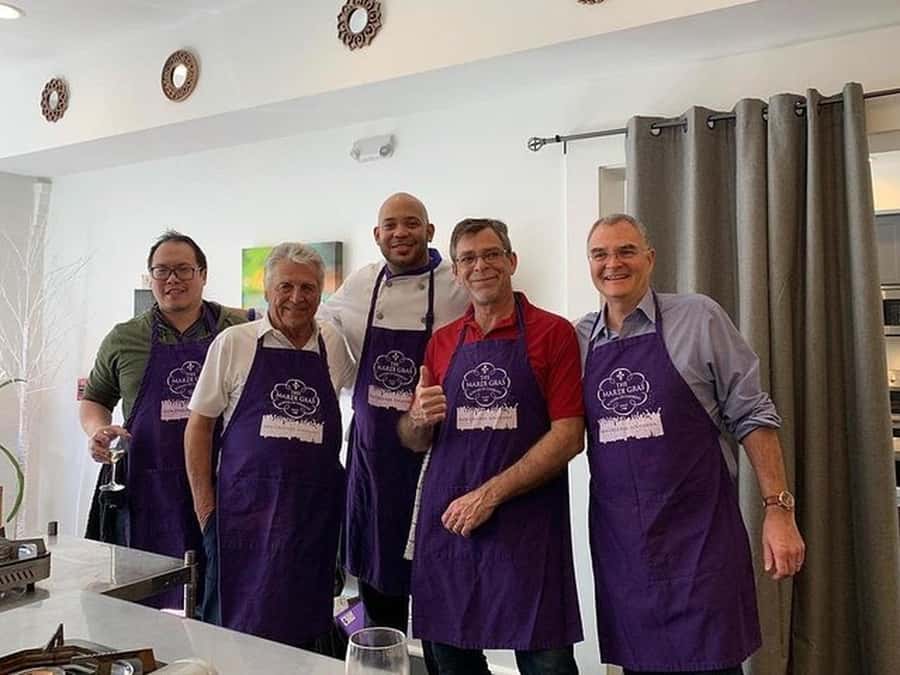
The strongest appeal here is the instruction. The class is taught in English, and the chefs focus on professional techniques, seasoning, recipe steps, and the stories behind the dishes. You are expected to participate, not simply watch from the side.
Chef Raymond receives particular praise for combining instruction with humor and local charm. Chef Erika is noted for answering questions and explaining the difference between Cajun and Creole cooking styles. Those details suggest a class that welcomes beginners while still giving experienced home cooks something useful to consider.
The recipes are presented as manageable enough to recreate at home. That does not mean every step will be effortless, but it does mean you should leave with a realistic sense of how to make the dishes again. I would bring a phone or small notebook if the school permits it, especially if you want to remember seasoning ratios or correction tips. The supplied details do not specify whether photography or note-taking is allowed, so ask when you arrive.
This is a good choice if you learn best by doing. If you prefer a quiet meal or a formal chef demonstration, the hands-on format may feel more involved than you want.
What $157 includes, and what it does not
The price is $157 per person. That is not a budget meal, so the value depends on how you measure the experience.
You are paying for three hours of instruction, the cooking class, the food you prepare, and wine, beer, sodas, and water. You also receive the social experience of a small class and direct access to a chef. Compared with paying separately for a meal and a short demonstration, the package can make sense for someone who wants both dinner and a practical activity.
The value is strongest if you care about Louisiana food and expect to use what you learn. If you only want to eat jambalaya and shrimp, a restaurant will usually be a simpler choice. If you want to understand the dishes, practice the methods, and leave with recipes you can try again, the class offers more than a meal.
Personal expenses, transportation to and from the venue, and gratuity are not included. Plan those costs separately. The class itself includes the main food and drinks, but the provided information does not specify extra tasting fees or take-home ingredients, so do not assume those are part of the price.
Who will enjoy this class most
I would recommend this to food-focused visitors, first-time cooks, and anyone who wants a social New Orleans activity away from the usual sightseeing route. You do not need to be an expert. The step-by-step format is built for learning, and the chefs are prepared to answer questions.
It also suits repeat visitors who have already eaten the city’s famous dishes and now want to understand how they are made. The historical background adds context without taking over the cooking.
Children under 10 are not permitted, so families should plan accordingly. Older children may enjoy the class if they are comfortable following instructions and working in a group, though the supplied information does not give a specific minimum age beyond the restriction for children under 10.
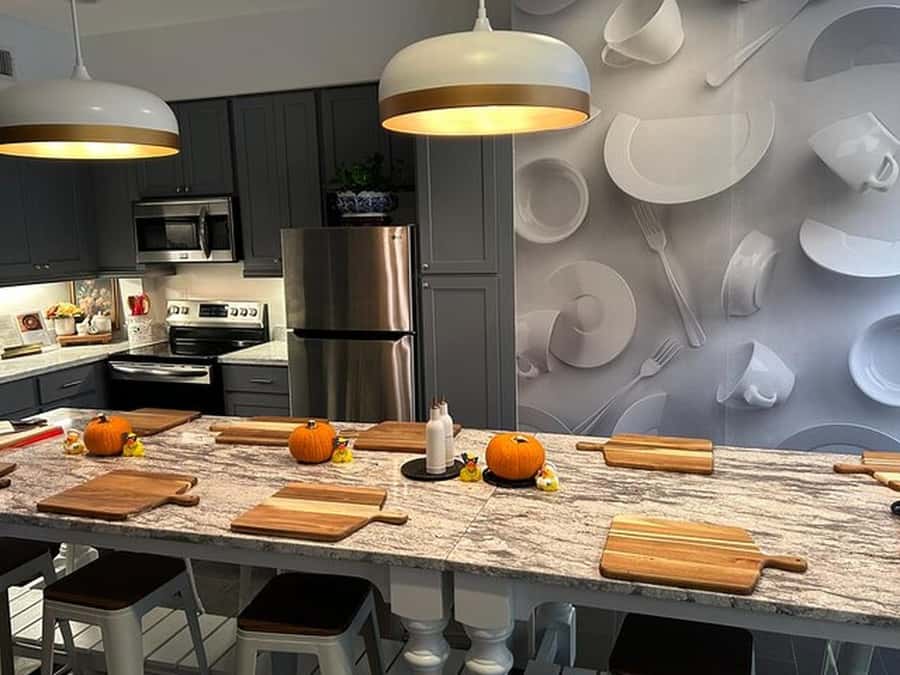
The activity is wheelchair accessible and takes place in Suite 101 on the ground level. That is useful for anyone who needs step-free access, though you should still contact the provider if you need to confirm particular seating or kitchen arrangements.
Timing, meeting point, and cancellation flexibility
The class lasts three hours, with starting times depending on availability. Since the meal is part of the session, allow the full three hours rather than trying to squeeze it between two tightly scheduled activities.
You meet at Suite 101 on the ground level. Transportation is not included, so you are responsible for reaching the venue and returning afterward. This is worth planning before booking, especially if you intend to drink wine or beer with the meal.
You can cancel up to 24 hours in advance for a full refund. The reserve-now-and-pay-later option also gives you some breathing room while arranging a New Orleans trip. Check the available start time before committing, since the duration and meeting point are fixed but the schedule can vary.
Should you book the Traditions Class?
Book it if you want to do more than check Cajun and Creole dishes off a menu. The class gives you three recognizable Louisiana recipes, direct instruction, cultural context, and a full meal with drinks. The small group and personable teaching style make it especially appealing if you enjoy asking questions and cooking with other people.
Skip it if $157 feels too high for a three-hour activity, or if your main goal is simply to eat. You should also choose another plan if your schedule cannot spare the full session, if you are traveling with a child under 10, or if you prefer a quiet restaurant meal to a hands-on lesson.
For food lovers, I see the best value in the skills you can take home. Jambalaya, New Orleans-style barbecue shrimp, and chocolate bread pudding are not just vacation dishes. They give you three practical ways to remember New Orleans from your own kitchen.
FAQ
How long does the Traditions Cooking Class last?
The class lasts three hours.
What dishes do you prepare?
You prepare New Orleans-style barbecue shrimp, chicken and andouille sausage jambalaya, and chocolate bread pudding with a brandy mocha sauce.
Are drinks included?
Yes. Wine, beer, sodas, and water are included with the class and meal.
Is a meal included?
Yes. The food you prepare is served as the included lunch or dinner.
How many people can join the class?
The class is limited to 10 participants.
What language is the class taught in?
The instructor teaches in English.
Is the experience wheelchair accessible?
Yes. The activity is wheelchair accessible, and the meeting point is in Suite 101 on the ground level.
Are children under 10 allowed?
No. The activity is not suitable for children under 10.
Just added around New Orleans
- New Orleans Garden District Tour★ 5.0 · 8 reviews
- New Orleans Seance Experience★ 4.0 · 8 reviews
- Airport and City Transfers in New Orleans★ 5.0 · 8 reviews
- Sin and Tonic Pub Crawl in New Orleans★ 4.5 · 8 reviews
- New Orleans Plantation Tour with Transportation★ 5.0 · 9 reviews
- New Orleans Self-Guided Kayak Bayou Swamp Tour★ 5.0 · 9 reviews
- The New Orleans Darkness Tour★ 4.4 · 9 reviews
- Historic Carrollton Neighborhood Walking Tour★ 5.0 · 9 reviews
Cooking Classes, compared.
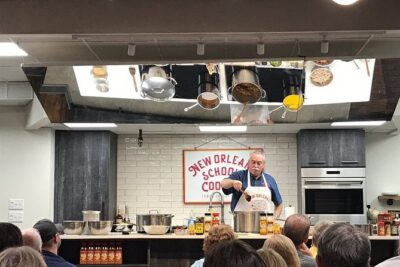
New Orleans Demonstration Cooking Class with Meal
Read our review →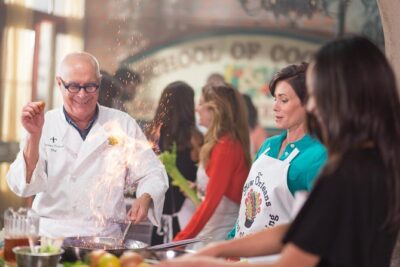
New Orleans Hands-On Cooking Class with Meal
Read our review →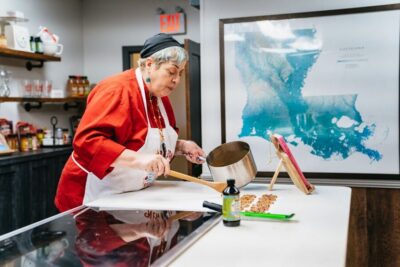
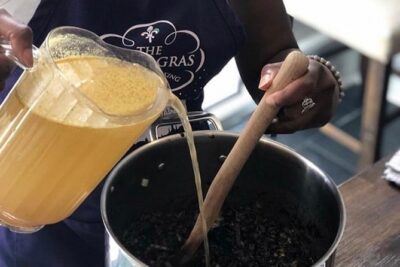
Hands-on Cajun Roux Cooking Class in New Orleans
Read our review →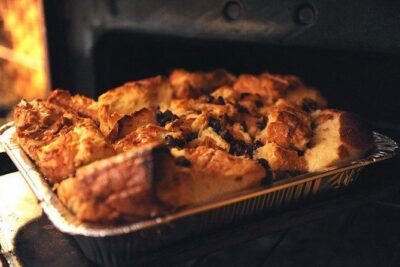
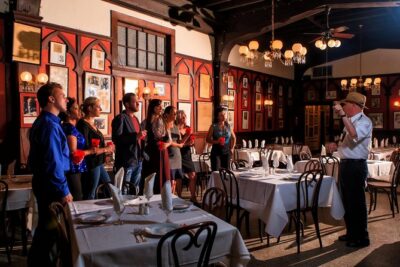
New Orleans Cooking Class and Cocktail Walking Tour
Read our review →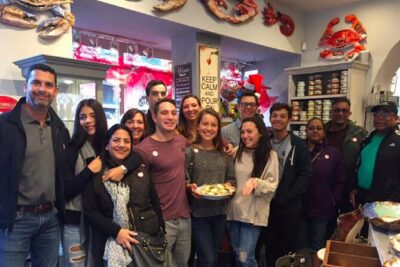
New Orleans Small-Group Food Walking Tour and Cooking Class
Read our review →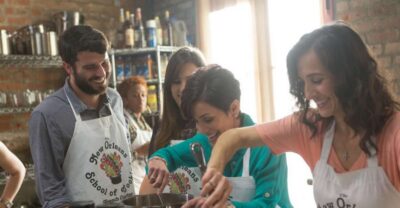
Browse the lists this tour appears in