
Reviewed · CAJUN & CREOLE FOOD TOURS
Downtown Lafayette Cajun History & Folklore Walking Tour
Lafayette’s Cajun story comes alive through its streets, churches, cemetery, shops, music venues, and public squares. This two-hour downtown walk connects Acadian migration, Evangeline folklore, Cajun food, zydeco, Cajun French, and local festivals in a compact route that gives you a useful first look at the city.
I like the tour’s wide range of subjects, from the 500-year-old live oak beside the cathedral to the Rougarou of Cajun folklore. I also like the practical food and restaurant advice, plus the relaxed stop at Carpe Diem Cafe for coffee, ice cream, or cocktails. The main consideration is that most stops last only about 10 minutes, so this is an introduction rather than a long visit inside each site.
In This Review
- Key points to know before you book
- Start at the cathedral with Lafayette’s Cajun roots
- The live oak and the story of Evangeline
- Saint John Cemetery and the Rougarou
- Johnson’s Boucaniere explains Cajun food
- The Mouton House adds a less polished side of Lafayette
- A 15-minute pause at Carpe Diem Cafe
- Cajun and zydeco at the Acadiana Center for the Arts
- Cocodrie Collective and the fate of Cajun French
- Festivals at Parc International
- Parc Sans Souci and Lafayette’s present-day story
- Finish at Wild Child Wines
- Is $20 a fair price?
- Who will enjoy this Lafayette walking tour?
- Should you book it?
- FAQ
- How long does the Downtown Lafayette Cajun History & Folklore Walking Tour last?
- What time does the tour start?
- Where does the walking tour begin?
- Where does the tour end?
- Is food included in the tour price?
- How much does the tour cost?
- Can I cancel for a full refund?
Key points to know before you book

- Cassie leads an easy, conversational walk: Her style combines clear explanations, enthusiasm, and plenty of interaction.
- The route covers more than old buildings: You’ll learn about Cajun food, music, language, folklore, festivals, and Lafayette’s civic story.
- The walk is not physically demanding: The route takes about two hours and has been described as easy walking through downtown.
- Food stops are mostly for advice, not included tastings: Johnson’s Boucaniere and several restaurants are part of the conversation, but food and purchases cost extra.
- The tour ends at Wild Child Wines: This gives you a useful place to continue with food, wine, art, or gifts after the guided walk.
- The group can reach 20 people: That is small enough for a personal tour, though the experience may feel less intimate at full capacity.
Start at the cathedral with Lafayette’s Cajun roots
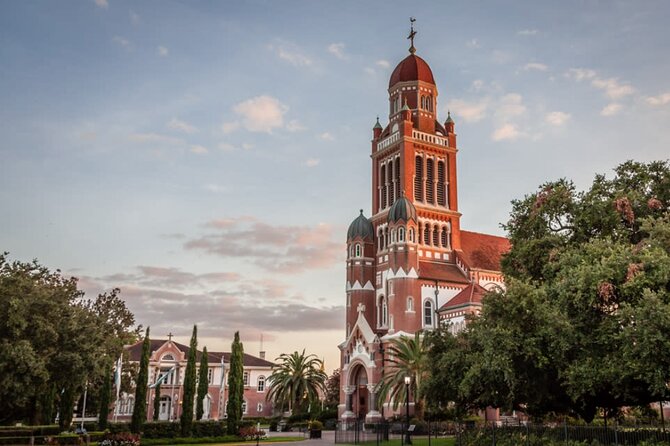
Meet at 2 p.m. outside the Cathedral of St. John the Evangelist at 515 Cathedral Street. The cathedral is more than a starting point. It gives the guide a natural place to explain how the Acadians reached Louisiana and how the modern word Cajun grew from that story.
The opening discussion also frames Lafayette as one of the most Catholic cities in America. That matters because the tour is not only about food and colorful folklore. Faith, migration, family, and community are all part of the Cajun identity presented here.
You will spend about 10 minutes at the cathedral, with admission included. Do not expect a long architectural tour or a formal visit inside. The value is the context, which helps the rest of the walk make more sense.
This is a good first stop for you if you want the basic story before hearing about Cajun music, language, or cooking. It also keeps the tour grounded in real people and migration rather than treating Cajun culture as a collection of restaurant dishes.
More Cajun and Creole food tours:
- Paddlewheeler Creole Queen Historic Mississippi River Cruise
★ 4.5 · 1,948 reviews - Paddlewheeler Creole Queen Jazz Dinner Cruise in New Orleans
★ 4.0 · 1,469 reviews - Laura Creole Plantation Guided Tour
★ 5.0 · 1,279 reviews
The live oak and the story of Evangeline
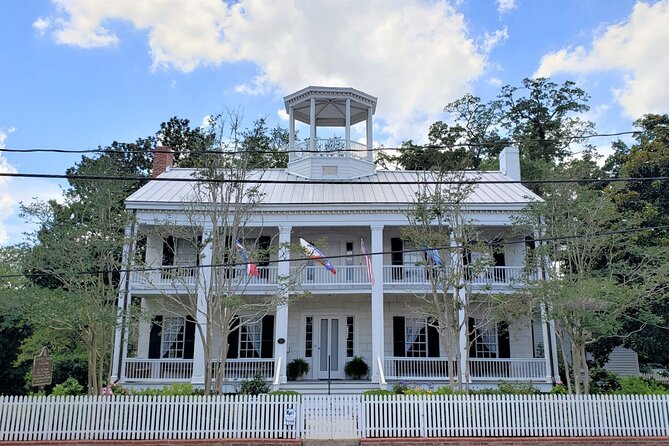
Next, the group moves only a short distance to the St. John Cathedral Live Oak. The tree is described as 500 years old, and it becomes the setting for the tale of Evangeline and Gabriel, often presented as the Cajun version of Romeo and Juliet.
This part brings folklore into the tour without separating it from place. You are hearing the story beside an ancient tree, not in a classroom or museum. The guide uses the setting to explain how Evangeline became tied to Cajun memory and popular ideas about Acadian loss and longing.
The stop lasts about 10 minutes, so expect a focused retelling and discussion rather than a full literary history. I like this pacing because it keeps the story lively, though you may want to read more about Evangeline later if the subject catches your interest.
The oak also gives you a natural pause early in the walk. Bring a phone or camera if you like taking pictures of old trees and historic downtown settings.
Saint John Cemetery and the Rougarou
At Saint John Cemetery, the conversation shifts to Louisiana burial customs and the Rougarou, a mythical creature from Cajun folklore. This is one of the tour’s more distinctive stops because it combines a real local place with a supernatural tale.
The cemetery discussion helps explain how Louisiana burial practices differ from those in many other parts of the United States. The Rougarou adds the kind of eerie local lore that children and adults can both enjoy, but the stop is not presented as a haunted attraction.
You will have about 10 minutes here. That is enough time for an introduction to the subject, but not a detailed cemetery tour. Be respectful of the setting and listen closely, since folklore stories can move quickly when the guide is also keeping the group on schedule.
I like this portion because it avoids the usual narrow version of Cajun culture. You get food and music later, but here you see how belief, death, fear, and storytelling also shape local identity.
Johnson’s Boucaniere explains Cajun food
Johnson’s Boucaniere is a historic Cajun smokehouse and grocery. The guide uses it to explain the background and importance of Cajun cuisine, then offers suggestions about what you might buy.
This is a useful stop for anyone planning meals in Lafayette. You are not simply told that Cajun food is good. You get a short explanation of its place in local life and some practical direction for choosing products or dishes after the tour.
Food and purchases are not included in the $20 price. That is worth keeping clear. The stop is mainly educational and advisory, so budget extra if you want to buy something at the smokehouse or grocery.
The visit lasts about 10 minutes. You may find that brief timing helpful if you are saving room for dinner, but it does limit the chance to browse at length. Treat the guide’s suggestions as a starting point, then return later if you want to shop without the group waiting.
More history tours in New Orleans:
- New Orleans Garden District History Walking Tour
★ 5.0 · 2,879 reviews - French Quarter Historical Sights and Stories Walking Tour
★ 5.0 · 2,724 reviews - New Orleans Small-Group Haunted History Carriage Tour
★ 4.5 · 2,289 reviews - New Orleans Haunted History Ghost Tour
★ 4.5 · 2,084 reviews
The Mouton House adds a less polished side of Lafayette
The Lafayette Museum, located in the historic Mouton House, introduces the man who founded Lafayette and some of his sordid pre-Civil War history. This is an important choice for a tour that wants to be honest about the city’s past.
Historic tours can easily turn founders into harmless portraits and skip the difficult parts. This stop promises a different approach. You get the civic origin story, but also the uncomfortable details that help explain the era and the people who shaped it.
Admission to the museum is not included. The scheduled discussion takes about 10 minutes, so the tour does not appear to include a full museum visit. If you want to explore the Mouton House in detail, plan to do so separately and check its opening arrangements when booking your day.
For me, this is one of the best reasons to choose the tour over a simple downtown stroll. You are not only collecting pretty buildings. You are being given a more complete view of Lafayette’s beginnings, including the parts that deserve a critical look.
A 15-minute pause at Carpe Diem Cafe
Carpe Diem Cafe and Wine Bar provides the longest single break on the route, about 15 minutes. You can stop for coffee, ice cream, or cocktails, depending on your mood and what is available.
This pause gives you a chance to sit down, cool off, and talk with the guide or other members of the group. It also prevents the walk from becoming a nonstop stream of dates and names.
The cost of any drink, dessert, or other purchase is not included. The tour price covers the guide, not refreshments. You may want to arrive with water already in hand, especially if the weather is warm, and use this stop for an extra drink rather than relying on it as your only break.
Along the route, the guide also points out Pop’s Poboys and Pamplona and offers personal restaurant recommendations. These pass-by stops do not replace a meal, but they are useful if you are deciding where to eat later that day.
Cajun and zydeco at the Acadiana Center for the Arts
At the Acadiana Center for the Arts, the subject turns to Cajun and zydeco music. The building functions as both an art gallery and music venue, making it a fitting place to discuss how music supports local culture.
The guide explains the history and relevance of these musical traditions rather than taking you to a performance. Admission is not included, and the visit lasts about 10 minutes. You should not book this expecting a concert or a long gallery visit.
Still, the stop adds an important layer. Cajun culture is often reduced to food, but music shows how language, dance, memory, and community continue to travel through the region. This explanation can also help you decide if you want to seek out live music during the rest of your stay.
The route passes Vestal and Sarrica’s as well, with more personal restaurant advice. Other recommended stops include The Flats, Central, and Tsunami. You will not dine at all these places during the tour, but the running list can save you time when choosing lunch or dinner.
Cocodrie Collective and the fate of Cajun French
Cocodrie Collective is a local gift and art shop where the guide discusses the decline and resurgence of the Cajun French language. You then get about five minutes to browse the store.
This is a strong cultural stop because language shows change in a way that food and architecture cannot. The discussion deals with the loss of Cajun French in daily life and efforts to bring it back into public awareness.
The shop portion is short, but it gives you a chance to look at local art and gifts without turning the tour into a shopping trip. Purchases are your responsibility. If you find something you like, the brief browsing period may be enough for a quick look, but not for a long, careful search.
The guide also points out The Flats, Central, and Tsunami. These recommendations help make the walk practical. You leave with more than a list of historical topics. You also have ideas for food, drinks, art, and the rest of your time downtown.
Festivals at Parc International
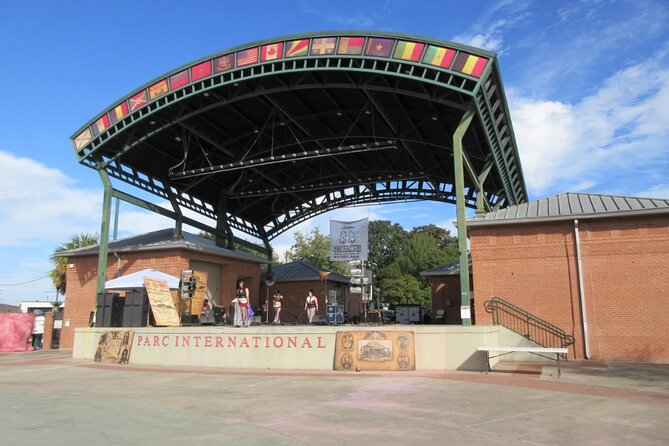
At Parc International, you learn about Festival International de Louisiane and other Lafayette events, including Cajun Mardi Gras, also known as the Chicken Run.
This stop explains why festivals matter to the city. They are not just dates on a calendar. They bring music, costumes, food, language, and local pride into shared public spaces. If your visit lines up with a festival, this background can help you understand what you are seeing.
The discussion lasts about 10 minutes and does not include festival admission or a special event. The tour works as a cultural introduction at any time of year, though festival dates may be especially useful when planning a return visit.
Because the tour is held in the afternoon, you may have time afterward to follow up on the guide’s suggestions for restaurants, drinks, or music. The end point is also central enough to make continuing your evening simple on foot or by nearby transportation.
Parc Sans Souci and Lafayette’s present-day story
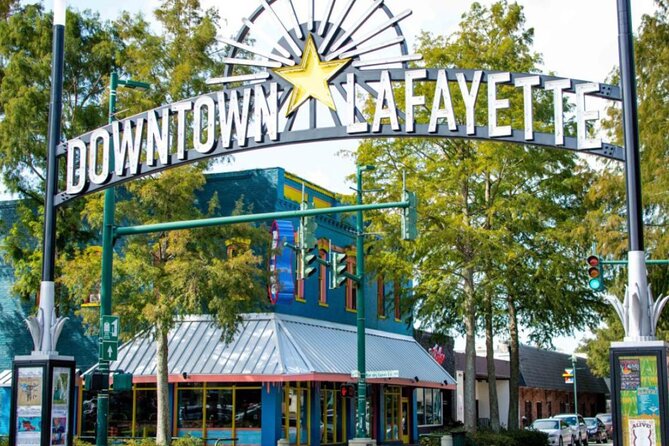
Parc Sans Souci is the place for photos with the Lafayette sign and a discussion of the city’s challenges and triumphs. This gives the tour a welcome shift from the past to the present.
A city tour should tell you what a place is dealing with now, not only what happened long ago. The stop appears designed to do that, using a recognizable public space and a photo opportunity to talk about Lafayette’s progress and problems.
You will spend about 10 minutes here. The sign makes this an easy place to capture a souvenir image, and the discussion gives the tour a more civic tone before its final stop.
Finish at Wild Child Wines
The walk ends at Wild Child Wines, 210 East Vermilion Street. The guide describes it as a favorite place for food, wine, art, and gifts, so the finish doubles as a suggestion for how to continue your afternoon.
This is a practical ending. You are not dropped at an anonymous corner. You finish at a place where you can choose to eat, browse, or have a drink, all outside the tour price.
The final stop lasts about 10 minutes. You should see it as a closing recommendation rather than a hosted tasting. The tour includes a guide, but food, wine, and purchases are extra.
The route is designed to end downtown, after passing many restaurant options. If you are still deciding on dinner, you will have several names to consider, including Pop’s Poboys, Pamplona, Vestal, Sarrica’s, The Flats, Central, and Tsunami.
Is $20 a fair price?
At $20 per person, this is a strong value if you want an introduction to Lafayette that combines several subjects in one walk. You get a guide, a two-hour route, local recommendations, and access to stories that would be hard to assemble on your own in a single afternoon.
The price does not include museum admission, refreshments, food, drinks, or shopping. That is normal for a guided city walk, but it means you should think of the fee as payment for interpretation and local direction, not a package of admissions and tastings.
The best value comes from the guide’s ability to connect the stops. Without that explanation, a cathedral, oak tree, cemetery, smokehouse, art center, and park might feel like unrelated points. With the right commentary, they form a picture of how Cajun identity developed and continues to change.
The tour is often reserved about 10 days ahead, so do not leave it until the last moment if the afternoon time matters to you.
Who will enjoy this Lafayette walking tour?
I would choose this tour for a first visit to Lafayette, especially if you want a clear overview before exploring restaurants, festivals, music, or museums on your own. It suits curious adults, families, and anyone who prefers local stories to a formal lecture.
The walk is also a good fit if you want history without a physically demanding outing. It has been described as easy walking, and most people can take part. Service animals are allowed, and the starting area is near public transportation.
You should be comfortable spending most of two hours outdoors and moving between stops. The tour requires good weather, and it may be canceled if conditions are poor or if the minimum number of participants is not reached. In either case, you are offered another date or experience, or a full refund.
Cassie’s approach is a major part of the appeal. Her explanations are paired with interaction and personal recommendations, and the tour’s tone is enthusiastic without requiring you to be a specialist. The group maximum is 20 people, which keeps the format manageable, though a full group will naturally feel less personal than a very small one.
Should you book it?
Book this tour if you want a friendly cultural orientation to Lafayette rather than a long museum visit or a food tasting. It gives you Cajun migration, Evangeline, the Rougarou, burial customs, cuisine, music, language, festivals, and current civic life in one easy afternoon.
Skip it if you mainly want to eat, shop, or spend serious time inside the Lafayette Museum and Acadiana Center for the Arts. Those places receive short discussions, not extended visits.
For most first-time visitors, the $20 cost is sensible. Schedule it early in your stay so Cassie’s restaurant and drink recommendations can guide the rest of your time in town. Free cancellation is available up to 24 hours before the 2 p.m. start, which gives you useful flexibility, but changes made inside that window are not accepted and the payment is not refunded.
FAQ
How long does the Downtown Lafayette Cajun History & Folklore Walking Tour last?
The tour lasts approximately two hours.
What time does the tour start?
The tour starts at 2 p.m.
Where does the walking tour begin?
The meeting point is the Cathedral of St. John the Evangelist at 515 Cathedral Street, Lafayette, Louisiana 70501.
Where does the tour end?
The tour ends at Wild Child Wines at 210 East Vermilion Street, Lafayette, Louisiana 70501.
Is food included in the tour price?
No. Food, drinks, and purchases are not included. The tour includes a stop at Carpe Diem Cafe and Wine Bar, plus food recommendations at several local restaurants and Johnson’s Boucaniere.
How much does the tour cost?
The price is $20 per person.
Can I cancel for a full refund?
Yes. You can cancel at least 24 hours before the experience start time for a full refund. Cancellations or changes made less than 24 hours before the start time are not accepted, and the amount paid is not refunded.
More Walking Tours in New Orleans
- New Orleans Premier Ghost, Voodoo and Vampire Walking Tour
★ 4.5 · 12,856 reviews - New Orleans Food Walking Tour of the French Quarter with Small-Group Option
★ 5.0 · 6,118 reviews - St. Louis Cemetery No. 1 Official Walking Tour
★ 4.5 · 3,941 reviews - New Orleans French Quarter, Voodoo and Culture Walking Tour
★ 4.5 · 2,961 reviews
Just added around New Orleans
- New Orleans Garden District Tour★ 5.0 · 8 reviews
- New Orleans Seance Experience★ 4.0 · 8 reviews
- Airport and City Transfers in New Orleans★ 5.0 · 8 reviews
- Sin and Tonic Pub Crawl in New Orleans★ 4.5 · 8 reviews
- The New Orleans Darkness Tour★ 4.4 · 9 reviews
- New Orleans Plantation Tour with Transportation★ 5.0 · 9 reviews
- New Orleans Self-Guided Kayak Bayou Swamp Tour★ 5.0 · 9 reviews
- Historic Carrollton Neighborhood Walking Tour★ 5.0 · 9 reviews
Cajun & Creole Food Tours, compared.
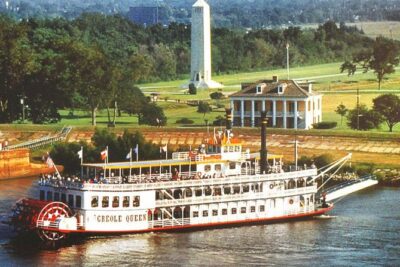
Paddlewheeler Creole Queen Historic Mississippi River Cruise
Read our review →
Paddlewheeler Creole Queen Jazz Dinner Cruise in New Orleans
Read our review →

New Orleans French Quarter Food Tour: Cajun, Creole and Culture
Read our review →
Creole Queen History Cruise with Optional Lunch
Read our review →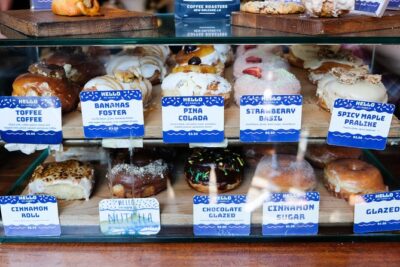
New Orleans Delicious Donuts & Beignets: A Sweet Walking Tour
Read our review →
Browse the lists this tour appears in