
Reviewed · CAJUN & CREOLE FOOD TOURS
Creole Architecture of the Marigny Tour
The best part of this two-hour Marigny walk is the way it connects houses to the people who built them. You will see Greek Revival architecture at the Old Mint, grand homes along Esplanade Avenue, and a mix of Creole, Irish, German, and Haitian influences in Faubourg Marigny.
I like the small maximum of 14 people, which gives the guide room to explain details and answer questions. I also like the use of visual aids and personal stories. Guides including Kelsey, Karen, and Guy have brought architecture, geography, and local life into clear focus.
The main drawback is simple: this is a walking tour with no indoor admission included. Hot, wet New Orleans weather can make two hours feel long, so wear good shoes and check the forecast before you go.
In This Review
- Key points to know before you book
- Why the Marigny is worth two hours of your New Orleans time
- Starting with Greek Revival at the New Orleans Jazz Museum
- Walking Esplanade Avenue and its 19th-century mansions
- Reading the many cultures of Faubourg Marigny
- Ending on Frenchmen Street
- What the $40 price really covers
- Who will enjoy this walk most
- Practical planning for the day
- How this compares with exploring Marigny alone
- Should you book the Creole Architecture of the Marigny Tour?
- FAQ
- How long is the Creole Architecture of the Marigny Tour?
- Where does the tour begin?
- Where does the tour end?
- What language is the tour offered in?
- How many people can join the tour?
- Are admission tickets included?
- What happens if bad weather cancels the tour?
Key points to know before you book
- Old Mint setting: Begin with New Orleans history at the former mint, a fine example of Greek Revival design.
- Esplanade Avenue mansions: See grand 19th-century homes built along one of the city’s most important ridges.
- Creole architecture lesson: Learn how several cultures shaped the unusual houses and streets of Faubourg Marigny.
- Small group size: The tour accepts no more than 14 people, a useful limit for a neighborhood walk.
- Frenchmen Street finale: Finish with a short look at clubs, dance halls, and restaurants that make this a good evening stop.
- Good value for history fans: At $40, you are paying mainly for interpretation rather than entry tickets.
Why the Marigny is worth two hours of your New Orleans time
Many first visits to New Orleans focus on the French Quarter. That makes sense, but the Marigny gives you a wider view of how the city grew beyond its best-known streets.
This tour begins near the French Quarter and moves toward the downriver neighborhood. The subject is not only pretty buildings. You will hear how different communities shaped the area, how homes reflected social life, and why local construction traditions produced such a varied collection of houses.
That wider context is the real value here. On your own, you can admire a porch, balcony, or brightly painted facade without knowing what you are seeing. A good guide helps you notice the difference between architectural periods and explains why a particular home looks the way it does.
The pace is also useful. Two hours is long enough for a real lesson but short enough to fit around other plans. You will not spend the whole day on your feet, and you can still reserve the evening for music or dinner.
More Cajun and Creole food tours:
- Paddlewheeler Creole Queen Historic Mississippi River Cruise
★ 4.5 · 1,948 reviews - Paddlewheeler Creole Queen Jazz Dinner Cruise in New Orleans
★ 4.0 · 1,469 reviews - Laura Creole Plantation Guided Tour
★ 5.0 · 1,279 reviews
Starting with Greek Revival at the New Orleans Jazz Museum
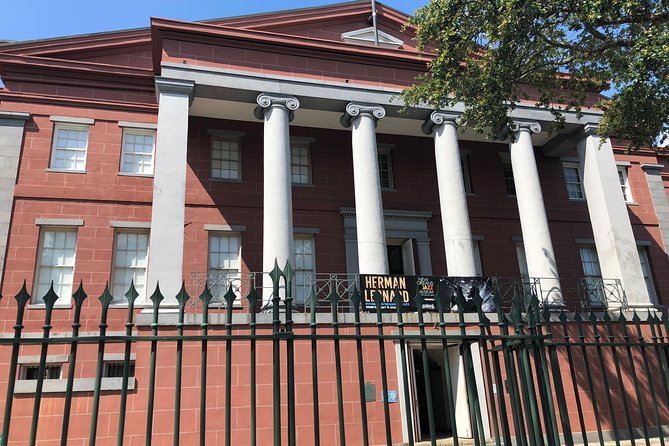
The first stop is the New Orleans Jazz Museum, housed in the Old Mint. You spend about 10 minutes here, learning about the building and getting a short introduction to New Orleans as it relates to the downriver part of the city.
The Old Mint is important for more than its museum collection. Its Greek Revival design gives you an early example of the formal architectural language used in New Orleans. Look for the ordered shape and classical feel of the building as the guide explains its place in the city.
This opening stop works like a map lesson. Instead of beginning with isolated houses, you get a basic sense of New Orleans history and geography first. That makes the later discussion of Marigny easier to follow.
Admission to this stop is free as part of the walking experience, but the tour does not promise time for a full museum visit. If the Jazz Museum interests you, plan a separate visit rather than expecting this short stop to cover its exhibits.
Walking Esplanade Avenue and its 19th-century mansions
The tour then spends about 20 minutes on Esplanade Avenue. This is the grander section of the walk, with magnificent mansions built during the early and middle 19th century.
The guide focuses on the people who established homes along this ridge. That human angle matters. A line of large houses is more interesting when you understand who could afford to build there, how the neighborhood developed, and how the avenue connected different parts of the city.
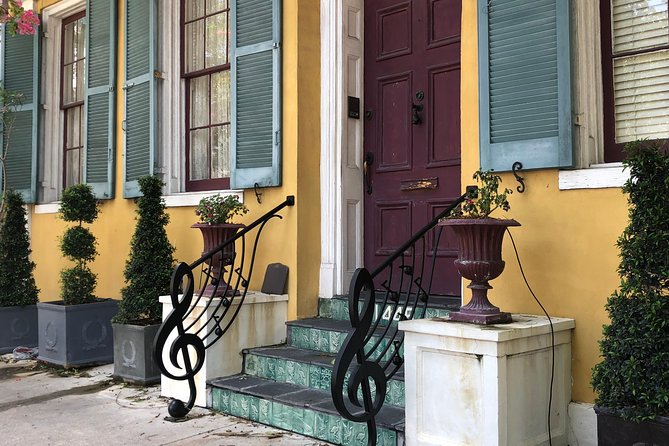
Take your time looking above street level. New Orleans architecture often rewards close attention to galleries, columns, shutters, ironwork, and the relationship between the house and sidewalk. The guide may use visual aids to help you compare periods and styles, which is especially handy if architectural terms are new to you.
Esplanade Avenue is also a good reason to bring water and a hat. The tour is outdoors, and the city’s heat can be hard on anyone unused to walking in warm weather. Comfortable shoes are recommended for the full route.
Reading the many cultures of Faubourg Marigny
The longest part of the experience, about 1 hour and 20 minutes, takes place in Faubourg Marigny. This is where the tour earns its name.
You will learn how Creoles, Irish, Germans, and Haitians helped shape the neighborhood. The point is not to treat these groups as a footnote. Their presence affected the way the area developed, the types of homes people built, and the mix of architectural details you see from one block to the next.
This is also where a local guide can add the most value. Guy, who has lived in the area for many years, has used personal anecdotes to connect city history with everyday life. Kelsey has brought a broad store of facts and local recommendations, while Karen has focused closely on architectural periods and styles. Guide assignments can vary, but the tour clearly depends on a strong personal connection to the neighborhood.
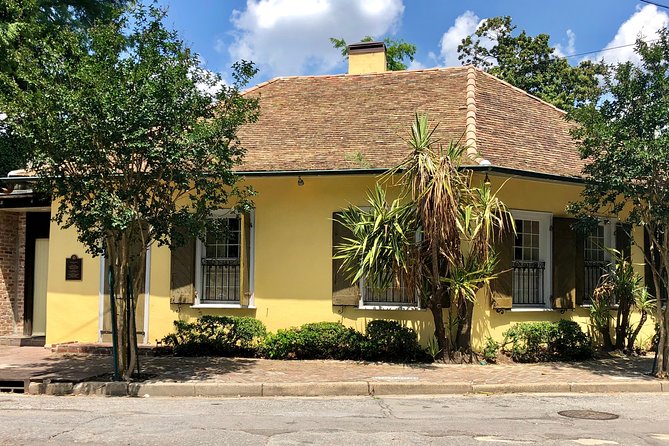
Expect a broad look at local home types rather than a formal examination of one famous building. The attraction is the collection of styles across the area. You might find Creole influences beside designs shaped by later arrivals, with local builders adapting ideas to fit New Orleans conditions and customs.
The supplied visual aids are a useful touch. A map or image can make social migration and neighborhood growth much easier to understand than a spoken explanation alone. If you learn best by seeing comparisons, this may be one of the strongest parts of the tour.
The long Marigny section does require patience. It is not a quick photo walk. You will spend most of the two hours listening, walking, and looking closely at buildings. That suits anyone who enjoys history and design. If you want nonstop entertainment or a fast list of photo stops, it may feel too detailed.
A completely different side of New Orleans:
- New Orleans Premier Ghost, Voodoo and Vampire Walking Tour
★ 4.5 · 12,856 reviews - New Orleans Steamboat Natchez Jazz Cruise with Dinner Option
★ 4.0 · 7,533 reviews - Adults-Only New Orleans Ghost, Crime, Voodoo, and Vampire Tour
★ 5.0 · 6,545 reviews - New Orleans Food Walking Tour of the French Quarter with Small-Group Option
★ 5.0 · 6,118 reviews
Ending on Frenchmen Street
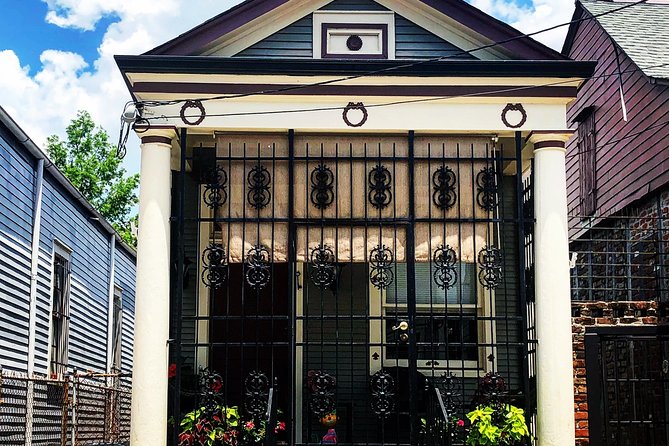
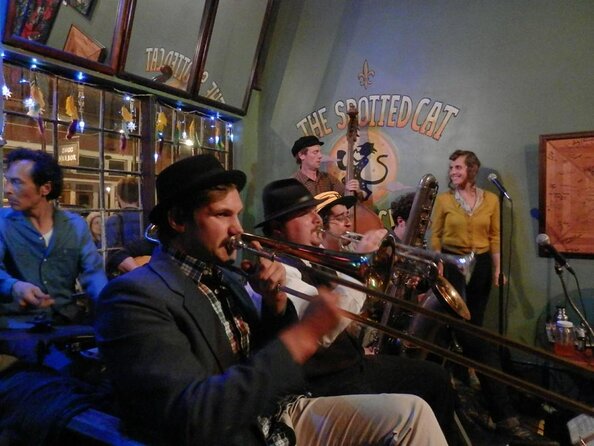
The final stop is a quick, 10-minute stroll along Frenchmen Street. Clubs, dance halls, and restaurants line this entertainment corridor, making it an obvious place to consider for the evening.
The stop is brief, so do not expect a full nightlife tour or club entry. Instead, you get an introduction to the street and a chance to see where the neighborhood’s evening energy gathers.
This timing can work well. You finish the daytime architecture lesson with a practical idea for the rest of your night. You can return later for food, music, or dancing, but the tour itself does not include those activities.
Frenchmen Street is also a useful contrast to the earlier stops. The Old Mint and Esplanade Avenue focus on civic buildings and historic homes. Marigny adds cultural and residential context. Frenchmen Street shows how the neighborhood functions as an entertainment district today.
What the $40 price really covers
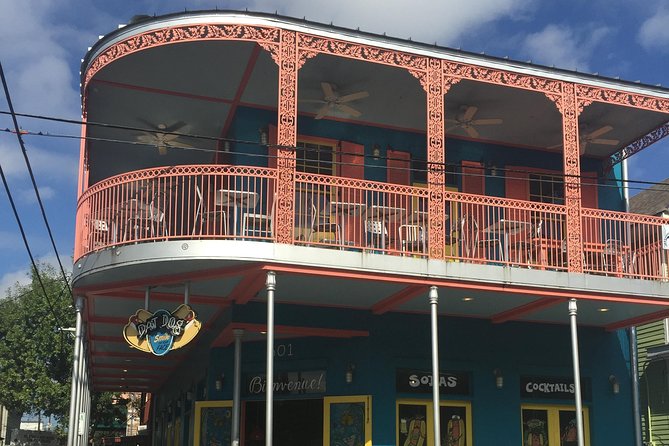
The cost is $40 per person for roughly two hours. No separate admission tickets are included, but the listed stops do not require an entry fee during the walk.
So, you are mainly paying for the guide’s time, research, storytelling, visual aids, and ability to link scattered details into one clear story. That can be a fair price if you care about architecture or want more than a surface-level stroll through New Orleans.
The value is strongest with a good guide. Several guides have been praised for clear explanations, personal stories, friendly manner, and detailed knowledge of building styles. One guide even offered a bakery recommendation that turned out to be useful for lunch. Those small local pointers can make the tour more practical than a standard history lecture.
The price is less attractive if you only want to see Frenchmen Street or take a few photographs. You can walk through parts of the area without booking a tour. The fee makes sense when you want someone to explain what you are looking at and why the neighborhood developed as it did.
With a maximum of 14 people, the group should remain manageable. That is not a private tour, but it is far more personal than a large group where you can barely hear the guide. The small size also gives you a better chance to ask about a particular house or style.
Who will enjoy this walk most
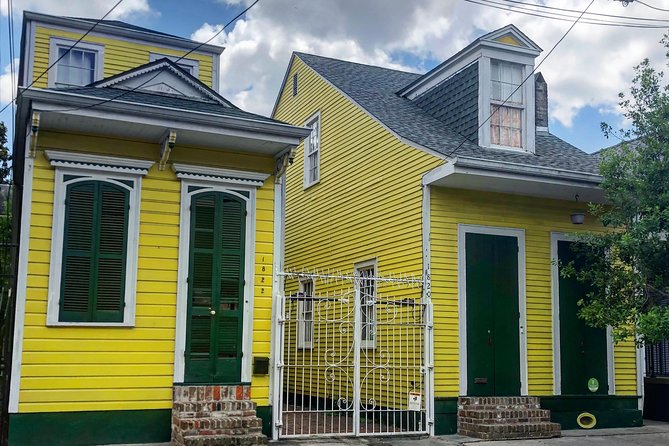
I would recommend the tour to anyone who likes buildings, local history, or the social story behind a neighborhood. It is also a good choice for repeat visitors who have already seen the main French Quarter sights and want a different side of New Orleans.
Families and older participants can join, since most travelers can participate and service animals are allowed. Still, the tour requires two hours of walking, and the weather can affect comfort. Anyone with mobility concerns should consider the length and outdoor setting before booking.
The experience suits curious beginners as well as architecture fans. You do not need to know the difference between architectural periods in advance. The guides explain the styles in plain terms and, based on the guide descriptions, may use visual materials to make comparisons easier.
It is less suited to people who want a food tour, a museum tour, or an evening music experience. Frenchmen Street is only a short final stop, and the Old Mint visit is brief. The central subject is the neighborhood’s buildings and cultural development.
Practical planning for the day
Start at the stated meeting point in the French Quarter, New Orleans, Louisiana 70116. The walk ends back at the meeting point, so you will not need to arrange a separate ride from the final stop.
The area is near public transportation, which helps if you are staying outside the French Quarter. Confirmation is provided when you book, and the tour is offered in English.
Wear comfortable walking shoes. Bring water, and dress for outdoor conditions. The activity depends on favorable weather. If poor weather cancels the tour, you can choose another date or receive a full refund.
You can cancel for a full refund up to 24 hours before the start time. Cancellations or changes made less than 24 hours before the start are not accepted for a refund, and the cut-off uses local New Orleans time.
The experience is often booked about 10 days ahead. That is not a promise that last-minute places will be unavailable, but it is a good reason to reserve early if your schedule is fixed.
How this compares with exploring Marigny alone
Walking alone gives you freedom. You can stop for photographs, spend longer on Frenchmen Street, or wander into places that catch your eye. It also costs less if you are happy to read about the area on your own.
The guided walk gives you structure and meaning. Instead of simply passing a row of houses, you learn how Creole, Irish, German, and Haitian communities shaped the district. You also get help identifying architectural differences that are easy to miss when you are focused on directions.
I would choose this tour early in a New Orleans visit if architecture interests you. The route can help you understand the city’s layout and give you ideas for later exploring. If you are already familiar with Marigny and mainly want nightlife, skip the tour and spend the evening on Frenchmen Street instead.
Should you book the Creole Architecture of the Marigny Tour?
Book it if you want a small-group walk with real attention to New Orleans buildings, cultural change, and local stories. The strongest reasons are the 14-person limit, the long Faubourg Marigny portion, and guides such as Kelsey, Karen, and Guy, who bring different strengths in history, architecture, and personal knowledge of the area.
At $40, it is a reasonable buy for two hours of focused interpretation. Just remember that this is an outdoor walking lesson, not a museum visit or a music crawl. Wear good shoes, watch the weather, and leave Frenchmen Street open for your own evening plans.
FAQ
How long is the Creole Architecture of the Marigny Tour?
The tour lasts approximately two hours.
Where does the tour begin?
It begins at the French Quarter in New Orleans, Louisiana 70116.
Where does the tour end?
The activity ends back at the meeting point.
What language is the tour offered in?
The tour is offered in English.
How many people can join the tour?
The maximum group size is 14 people.
Are admission tickets included?
The listed stops have no admission ticket charge during the tour. The Old Mint, which houses the New Orleans Jazz Museum, is visited for about 10 minutes as part of the walk.
What happens if bad weather cancels the tour?
If poor weather causes a cancellation, you can choose an alternative date or receive a full refund. You can also cancel up to 24 hours before the start time for a full refund.
Just added around New Orleans
- New Orleans Garden District Tour★ 5.0 · 8 reviews
- New Orleans Seance Experience★ 4.0 · 8 reviews
- Airport and City Transfers in New Orleans★ 5.0 · 8 reviews
- Sin and Tonic Pub Crawl in New Orleans★ 4.5 · 8 reviews
- The New Orleans Darkness Tour★ 4.4 · 9 reviews
- New Orleans Plantation Tour with Transportation★ 5.0 · 9 reviews
- New Orleans Self-Guided Kayak Bayou Swamp Tour★ 5.0 · 9 reviews
- Historic Carrollton Neighborhood Walking Tour★ 5.0 · 9 reviews
Cajun & Creole Food Tours, compared.

Paddlewheeler Creole Queen Historic Mississippi River Cruise
Read our review →
Paddlewheeler Creole Queen Jazz Dinner Cruise in New Orleans
Read our review →

New Orleans French Quarter Food Tour: Cajun, Creole and Culture
Read our review →
Creole Queen History Cruise with Optional Lunch
Read our review →
New Orleans Delicious Donuts & Beignets: A Sweet Walking Tour
Read our review →
Browse the lists this tour appears in