
Reviewed · VOODOO TOURS
True Voodoo History of NOLA’s Congo Square with Local Guide
New Orleans Voodoo is far more complex than the Hollywood version of dolls, pins, and spooky rituals. This 90-minute walk connects Congo Square, slavery under Code Noir, Haitian rebellions, Catholic practice, and the life of Marie Laveau in a compact route through the French Quarter and Tremé.
I like the focus on separating folklore from fact, and I like that the tour ends inside a working Voodoo temple rather than stopping at souvenir shops alone. Guides such as Matthew, Evian, Logan, and Matthew have earned praise for clear storytelling and personal warmth. The main drawback is its short length: you get a strong introduction, but not a full study of New Orleans Voodoo.
In This Review
- Key points at a glance
- Why this Voodoo walk is more than a ghost tour
- Starting under the Armstrong Park archway
- French Quarter stories behind the legends
- Tremé and the story of survival
- Congo Square, where sound and ritual endured
- Marie Laveau without the usual shortcuts
- Haitian rebellions and Caribbean connections
- Voodoo objects, symbols, and gris-gris
- Saint John’s Eve and modern Voodoo practice
- What the $39 price gives you
- Who will get the most from this walk
- Practical details for a smoother experience
- Should you book this New Orleans Voodoo tour?
- FAQ
- How long does the Voodoo tour last?
- How much does the tour cost?
- Where does the tour begin?
- Where does the tour finish?
- Is the tour conducted in English?
- Does the tour visit Congo Square?
- Does the tour visit Marie Laveau’s tomb?
- Does the tour discuss slavery and Code Noir?
- Can I buy a gris-gris during the tour?
- Is gratuity included?
Key points at a glance
- Congo Square puts the story in its proper setting: See where enslaved Africans gathered to keep music, dance, and spiritual customs alive.
- Code Noir adds needed historical context: Learn how colonial laws shaped slavery, religion, and the culture of New Orleans.
- Marie Laveau appears through history and legend: Visit the original site of her home, but not St. Louis Cemetery No. 1.
- The guide corrects familiar myths: Hear the real background of Voodoo dolls, vevers, gris-gris bags, and ritual practice.
- The final temple stop feels practical: At Voodoo Authentica, you can see a modern spiritual setting and buy a gris-gris item.
- The tour is easy to fit into a day: It lasts 90 minutes, costs $39 per person, and begins at Armstrong Park.
Why this Voodoo walk is more than a ghost tour
I see this experience as a history walk with spiritual subjects, not a haunted-house performance. The strongest material concerns people, laws, migration, and survival. Voodoo developed in New Orleans through the meeting of African traditions, Catholic customs, Caribbean influence, and local conditions.
That matters because the subject is often treated as a costume. Here, you learn why Congo Square mattered, how enslaved people preserved culture under colonial rule, and how the Haitian rebellions affected the movement of Voodoo practices into New Orleans. The result is a more grounded picture of the city.
I also like the guide-led format. A good guide can explain where the evidence ends and the legend begins, especially with a figure such as Marie Laveau. The strongest feedback has gone to guides who tell stories with humor while still handling slavery and religion with care. Matthew was praised for explaining the difference between film fiction and actual Voodoo practice, while Evian was singled out for his clear explanations and broad knowledge of New Orleans.
The experience is conducted in English, so you should be comfortable listening to a fairly dense explanation of local history. It is also a walking tour, and the 90-minute schedule leaves little spare time if the group pauses often or asks many questions.
More Treme and Congo Square walks:
- New Orleans Treme’ Walking Tour
★ 5.0 · 240 reviews - New Orleans: Tremé African American & Creole History Tour
★ 4.9 · 208 reviews - True Voodoo History of NOLA’s Congo Square with Local Guide
★ 5.0 · 133 reviews
Starting under the Armstrong Park archway
The meeting point is the archway to Louis Armstrong Park on Rampart Street. This is a sensible place to begin because the park sits beside Tremé and near the historic area where Congo Square developed.
Your guide introduces the main idea early: New Orleans Voodoo cannot be understood without looking at the city’s African, French, Spanish, Caribbean, and Catholic influences. From there, the walk moves through the French Quarter and Tremé, with stops for photos and short explanations.
I would arrive ready to walk and listen rather than expecting a formal museum presentation. The route includes outdoor stops, so the experience depends on the weather and on your willingness to pause in public spaces. Since the tour lasts only 90 minutes, it moves at a purposeful pace.
French Quarter stories behind the legends
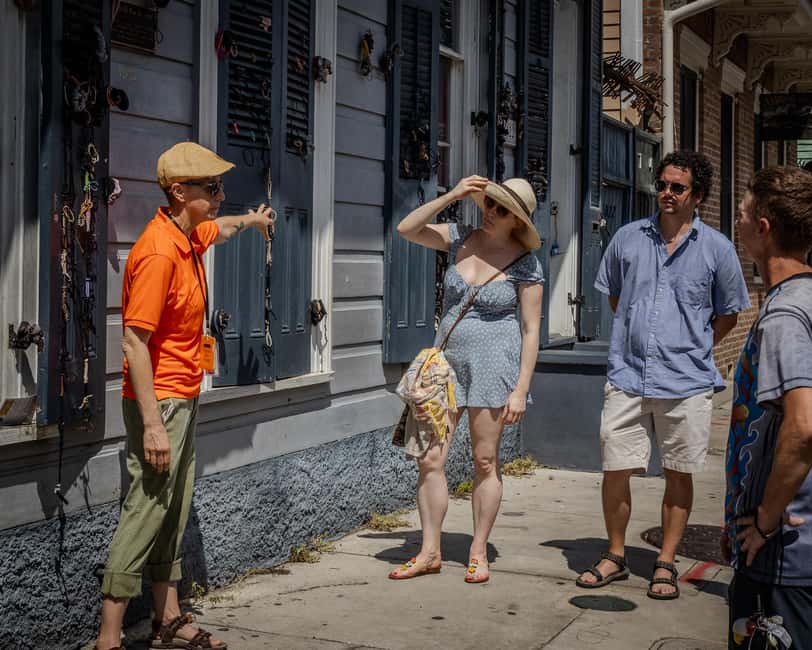
The French Quarter is often presented through architecture, restaurants, and nightlife. This walk uses it differently, looking for the people and beliefs behind the familiar streets.
One stop concerns one of the oldest homes in the French Quarter and its connection to Voodoo. The exact focus of the story depends on the guide, but the point is clear: Voodoo was not separate from everyday New Orleans life. It existed alongside domestic life, commerce, Catholic devotion, folk medicine, and neighborhood relationships.
This is also where the guide can explain common superstitions and rituals. You may hear about vevers, which are symbolic designs used in Voodoo practice, along with gris-gris bags and dolls. The value is in learning what these objects meant in their historical and spiritual settings rather than accepting the simplified image presented in films.
I especially appreciate the attention to the Voodoo doll myth. The tour explains that the familiar idea of sticking pins into a doll does not represent the full tradition and was not the ordinary meaning of these objects. That correction alone makes the walk useful for anyone who wants something more accurate than a spooky story.
Tremé and the story of survival
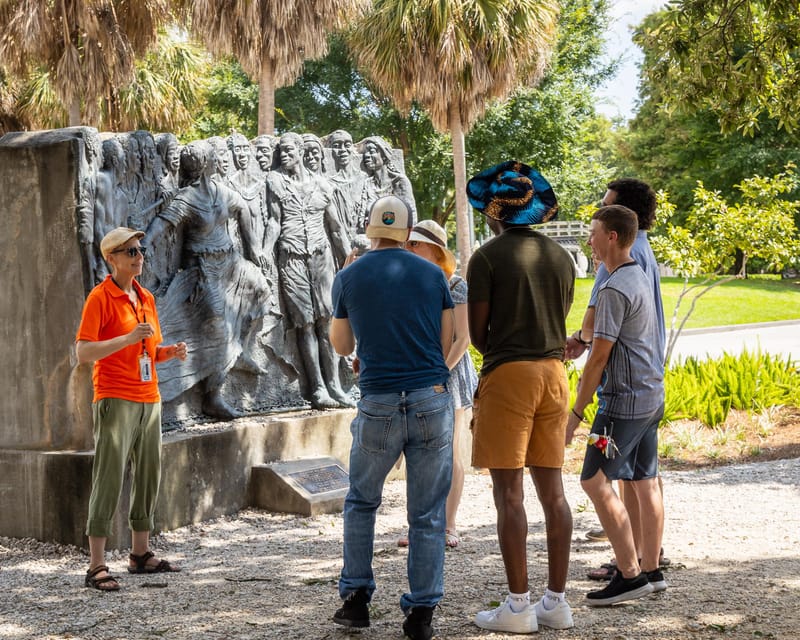
The route continues into Tremé, a neighborhood central to the history of Black New Orleans. You stop for photographs and hear how the area connects to the city’s religious and cultural life.
The subject of slavery is handled through Code Noir, the colonial legal system that governed enslaved people and set rules around religion, labor, punishment, and social order. You should expect difficult material here. It is essential context, not a side note, because the city’s music, festivals, spiritual customs, and neighborhood traditions cannot be separated from slavery and resistance.
The guide also discusses how enslaved Africans maintained cultural practices under restrictions. Congo Square became especially important because it offered a place where enslaved people could gather at permitted times, make music, dance, trade, and preserve elements of their heritage.
I like this part because it prevents the tour from reducing Voodoo to one famous person. The story becomes about communities and the ways people kept their identity alive under harsh conditions. Tremé gives that discussion a real location rather than leaving it as an abstract history lesson.
More voodoo history tours in New Orleans:
- New Orleans Premier Ghost, Voodoo and Vampire Walking Tour
★ 4.5 · 12,856 reviews - Adults-Only New Orleans Ghost, Crime, Voodoo, and Vampire Tour
★ 5.0 · 6,545 reviews - New Orleans Adults-Only Ghost, Voodoo and Vampire Tour
★ 5.0 · 3,291 reviews - New Orleans French Quarter, Voodoo and Culture Walking Tour
★ 4.5 · 2,961 reviews
Congo Square, where sound and ritual endured
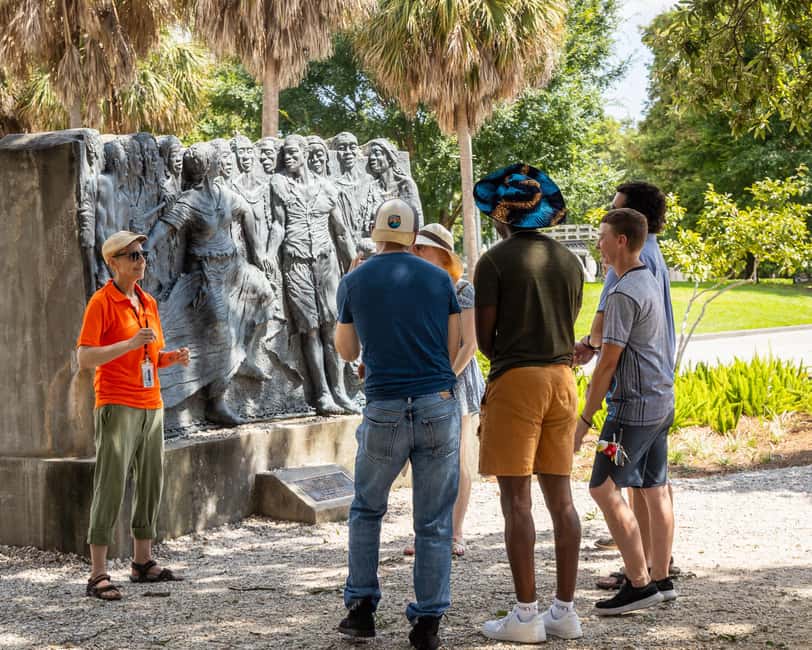
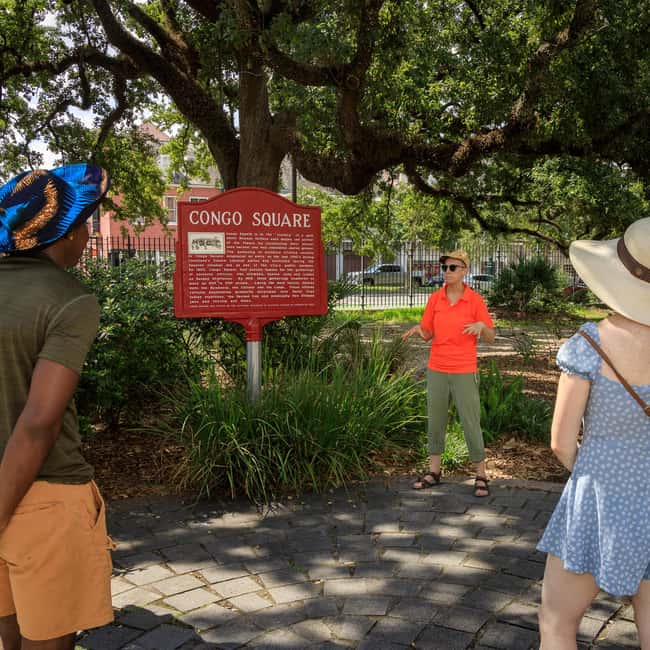
Congo Square is the emotional center of the walk. It was a gathering place where enslaved Africans practiced music, dance, and cultural traditions. Those gatherings helped shape New Orleans musical life and contributed to the spiritual traditions now associated with Voodoo.
Your guide explains the square’s role in the city’s development and points out why it remains so important. This is not simply a photo stop. It is a place to think about what cultural survival looked like in practice: bodies gathering, rhythms continuing, and traditions passing from one generation to the next.
The tour connects Congo Square to Voodoo’s broader development in New Orleans. It also helps you understand why local spirituality often includes both African elements and Catholic references. The guide may explain how saints, symbols, prayers, and ritual practices became linked in ways that are more layered than a simple division between Christianity and Voodoo.
Because the stop is outdoors, the atmosphere is less controlled than inside a museum. You may hear city noise or encounter other park users. I see that as part of the setting, though anyone hoping for a quiet ceremonial experience should adjust expectations.
Marie Laveau without the usual shortcuts
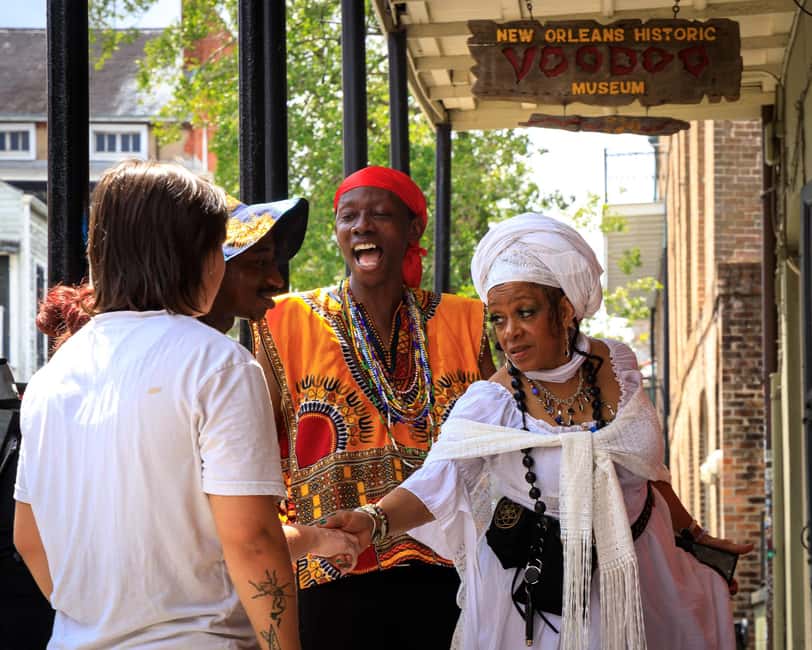
Marie Laveau is the most famous name on any New Orleans Voodoo walk. The tour visits the original spot of her home and explains her life, reputation, and place in local legend.
The useful approach here is to treat Laveau as both a historical person and a figure whose image grew after her death. Your guide can help sort documented details from stories that became attached to her over time. That makes the stop more interesting than simply labeling her the Voodoo Queen and moving on.
You will not visit St. Louis Cemetery No. 1. New security rules connected to Archdiocese of New Orleans pilgrimages have changed access, and this tour does not include that cemetery. Offerings at Marie Laveau’s tomb are discouraged.
That limitation is worth knowing before you book. If your main goal is to see her tomb, this is not the right experience. If you want the wider story of her life, her public reputation, and her role in New Orleans folklore, the original home site still fits the tour’s purpose.
Haitian rebellions and Caribbean connections
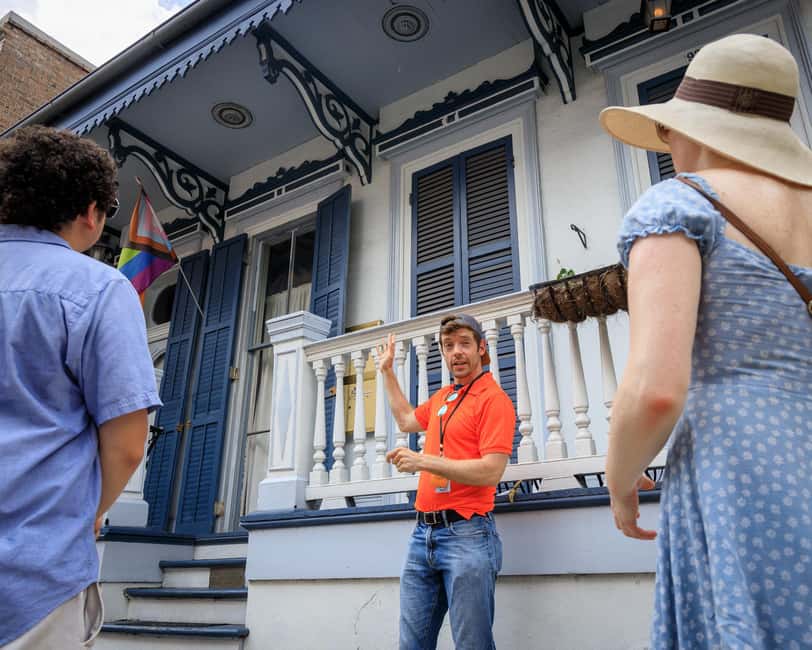
New Orleans Voodoo did not develop in isolation. The guide discusses the Haitian rebellions and how they influenced the spread of Voodoo practices into New Orleans.
This connection gives you a better sense of movement across the Caribbean. People, ideas, religious practices, and stories traveled through the region, and New Orleans became one of the places where those influences took root. The Haitian material also links spiritual history to political upheaval, slavery, and resistance.
I find this one of the most important subjects on the route because it expands the story beyond a local legend. You begin to see New Orleans as part of a larger Atlantic and Caribbean world. The discussion is necessarily brief in a 90-minute tour, but it gives you a useful framework for understanding later stops.
Voodoo objects, symbols, and gris-gris
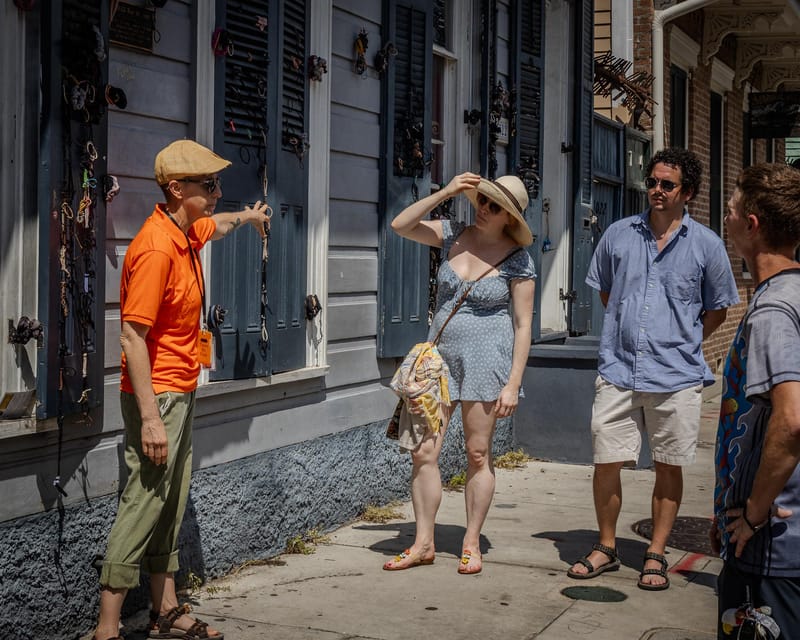
At some point, the tour turns from places and people to physical objects. You learn about Voodoo dolls, vevers, and gris-gris bags, including their meanings and uses.
A gris-gris is a small charm or bag associated with protection, luck, healing, or another personal purpose. The tour ends with an opportunity to pick up a New Orleans gris-gris to take home. Treat this as a cultural keepsake rather than a magic trick. The value comes from understanding what the item represents and why such objects remain part of local spiritual practice.
The discussion of vevers is also useful because the symbols can look mysterious if you encounter them without context. Your guide explains their place in ritual practice and helps you read them as meaningful designs rather than decorative marks.
This portion will appeal to visitors who like hands-on details. It also brings a practical souvenir option into the experience. Still, the purchase is not included in the $39 price, so set your own budget before entering the temple.
Saint John’s Eve and modern Voodoo practice
The tour covers Saint John’s Eve and other Voodoo holidays, showing how the calendar of practice connects to New Orleans culture. These traditions help explain why Voodoo is not only a set of old stories about Marie Laveau.
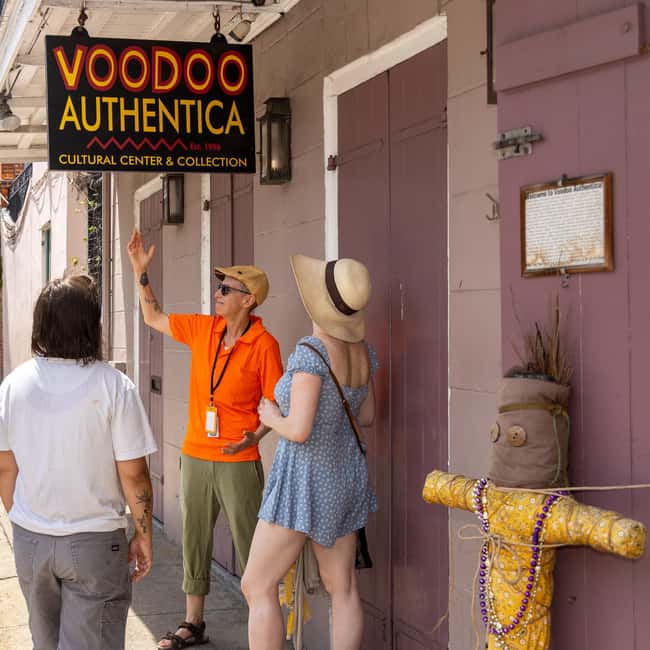
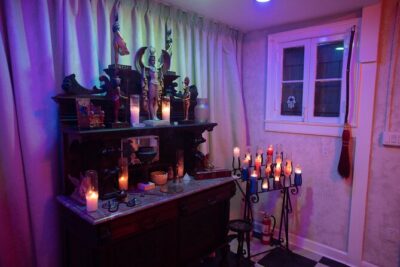
The final stop is Voodoo Authentica, a modern Voodoo temple. You go inside, see a contemporary spiritual setting, and have a chance to buy gris-gris or another item. This is an important part of the experience because it brings the subject into the present.
I like the contrast between the historical stops and the modern temple. Congo Square and the old home site point backward, while Voodoo Authentica shows that spiritual practice is still represented in New Orleans today. The visit is brief, so do not expect a full religious service or a private ceremony. The information provided describes a temple stop and a chance to purchase an item, not participation in a ritual.
What the $39 price gives you
At $39 per person, this tour offers a reasonable value if you want a focused introduction to New Orleans Voodoo and related history. You get a professional licensed guide, six or more stops, a walk through Congo Square, and access to a modern Voodoo temple.
The value depends heavily on the guide. A strong storyteller can make a 90-minute route feel full, and the named guides praised for their warmth, humor, and clear explanations suggest that guide quality is a central strength. The best version of the tour will help you connect the locations rather than simply reciting facts.
The price does not include gratuity or anything you buy at the temple. You also need to account for the fact that the tour does not include St. Louis Cemetery No. 1. If you want a cemetery visit, you will need a separate plan.
Free cancellation is available up to 24 hours before the start time, and you can reserve without paying immediately. Those policies make the tour easier to fit into a changing New Orleans schedule, but the key value remains the guide and the historical content.
Who will get the most from this walk
I would recommend this tour to you if you want:
- A clear explanation of Voodoo beyond movie stereotypes
- A short walking experience that fits between other French Quarter plans
- More context about slavery, Code Noir, Tremé, and Congo Square
- A guide who can explain the relationship between Catholicism and Voodoo
- A modern temple visit and the option to buy a gris-gris
- A story-led introduction rather than a silent museum visit
It also suits repeat visitors. The French Quarter can feel familiar after a few days, but the route shifts your attention toward lesser-known stories and places. One guide also adds tips for the rest of your stay, which can make the walk useful early in a trip.
I would hesitate if you want a long academic treatment, a cemetery pilgrimage, or an actual religious ceremony. The tour introduces many subjects quickly. You will leave with a stronger foundation, but you may still want a museum visit or a more specialized experience afterward.
Practical details for a smoother experience
The walk starts at the archway to Armstrong Park on Rampart Street and finishes at Voodoo Authentica. Since the start and end points differ, keep that in mind when planning your next activity.
The tour is offered in English with a live guide and lasts 90 minutes. Check the available starting times when booking. The itinerary includes outdoor photo stops in the French Quarter, Tremé, and Congo Square, so I would choose comfortable walking clothes and allow your attention to remain on the guide rather than trying to rush between stops.
You should also arrive with an open mind. The subject includes slavery, colonial control, religion, death, and folklore. The experience is educational and occasionally serious, even though guides such as Evian and Logan are praised for adding humor and a friendly tone.
Should you book this New Orleans Voodoo tour?
Book it if you want the real foundations of New Orleans Voodoo: Congo Square, Code Noir, Haitian influence, Marie Laveau, symbolic objects, and modern practice. The combination of history and a temple visit gives you more substance than a simple ghost walk, and the $39 cost is fair for a licensed guide-led introduction.
Skip it if your priority is St. Louis Cemetery No. 1, a long specialist lecture, or participation in a ceremony. For most curious visitors, though, this is a smart way to put Voodoo into its proper New Orleans setting while correcting the myths that have clouded it for generations.
FAQ
How long does the Voodoo tour last?
The tour lasts 90 minutes.
How much does the tour cost?
The price is $39 per person.
Where does the tour begin?
It begins at the archway to Armstrong Park on Rampart Street.
Where does the tour finish?
The tour finishes at Voodoo Authentica Inc.
Is the tour conducted in English?
Yes. The experience includes a live English-speaking guide.
Does the tour visit Congo Square?
Yes. Walking through Congo Square is included, along with discussion of its role in African cultural traditions and New Orleans Voodoo.
Does the tour visit Marie Laveau’s tomb?
No. Due to new security regulations connected to Archdiocese of New Orleans pilgrimages, the tour does not visit St. Louis Cemetery No. 1.
Does the tour discuss slavery and Code Noir?
Yes. The guide explains slavery under Code Noir and its effect on New Orleans culture and spirituality.
Can I buy a gris-gris during the tour?
Yes. The tour ends at Voodoo Authentica, where you have the chance to pick up a New Orleans gris-gris or another item. Purchases are not included in the tour price.
Is gratuity included?
No. Gratuity is not included.
More History Tours in New Orleans
- New Orleans Garden District History Walking Tour
★ 5.0 · 2,879 reviews - French Quarter Historical Sights and Stories Walking Tour
★ 5.0 · 2,724 reviews - New Orleans Small-Group Haunted History Carriage Tour
★ 4.5 · 2,289 reviews - New Orleans Haunted History Ghost Tour
★ 4.5 · 2,084 reviews
Just added around New Orleans
- New Orleans Garden District Tour★ 5.0 · 8 reviews
- New Orleans Seance Experience★ 4.0 · 8 reviews
- Airport and City Transfers in New Orleans★ 5.0 · 8 reviews
- Sin and Tonic Pub Crawl in New Orleans★ 4.5 · 8 reviews
- The New Orleans Darkness Tour★ 4.4 · 9 reviews
- New Orleans Plantation Tour with Transportation★ 5.0 · 9 reviews
- New Orleans Self-Guided Kayak Bayou Swamp Tour★ 5.0 · 9 reviews
- Historic Carrollton Neighborhood Walking Tour★ 5.0 · 9 reviews
Voodoo Tours, compared.
New Orleans Premier Ghost, Voodoo and Vampire Walking Tour
Read our review →
Adults-Only New Orleans Ghost, Crime, Voodoo, and Vampire Tour
Read our review →
New Orleans Adults-Only Ghost, Voodoo and Vampire Tour
Read our review →
New Orleans French Quarter, Voodoo and Culture Walking Tour
Read our review →
New Orleans Ghost, Vampire, Witch, Voodoo, and Mystery Tour
Read our review →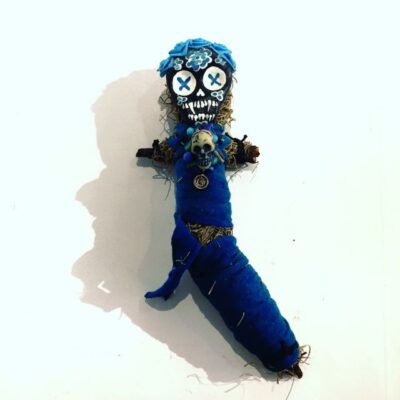
New Orleans Spirits & Spells: Witchcraft, Voodoo, and Ghost Tour
Read our review →Browse the lists this tour appears in