
Reviewed · WHITNEY PLANTATION TOURS
New Orleans: Whitney Plantation + Soul of New Orleans Tour
Whitney Plantation is not a pretty plantation tour dressed up with mint juleps. It is a serious museum about enslaved people and their own lives, followed by a city tour that shows how Black New Orleanians shaped music, food, faith, and public life. You also pass antebellum plantations along River Road, which gives the day a useful sense of place.
I like the combination of the self-guided Whitney audio tour and the lively New Orleans portion led by Dennis. I also like the clear link between plantation slavery, Congo Square, jazz, Mardi Gras Indians, and the Ninth Ward. The main drawback is the length and emotional weight: eight hours is a full day, and the morning asks you to pay close attention to painful material before the city portion begins.
In This Review
- Key points to know before booking
- Why this pairing works
- The morning drive along River Road
- Whitney Plantation, history from the enslaved person’s view
- The lunch break between two very different tours
- From Congo Square to Tremé
- Studio B, Musicians Village, and Black-owned New Orleans
- Hurricane Katrina and the Ninth Ward
- How the guide and audio format shape the day
- Is $120 a fair price?
- Who should book this experience?
- Should you book the Whitney and Soul of New Orleans tour?
- FAQ
- How long does the Whitney Plantation and Soul of New Orleans tour last?
- What time does hotel pickup begin?
- What should I do if the vehicle is not there at exactly 8:00 AM?
- Is hotel pickup and drop-off included?
- Is Whitney Plantation included in the price?
- Is the Whitney Plantation tour guided live?
- What language is the tour offered in?
- Is lunch included?
- Can I cancel for a full refund?
Key points to know before booking
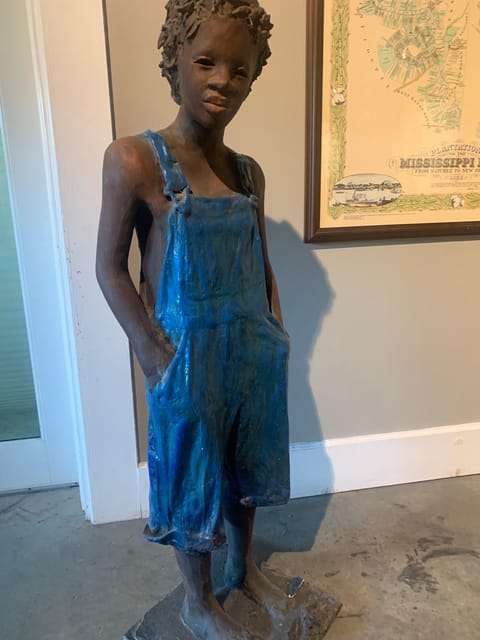
- Whitney Plantation centers enslaved voices: Hear firsthand accounts while walking through cabins, memorials, and historic grounds.
- River Road adds physical context: The bus ride passes antebellum plantations between New Orleans and Whitney.
- The afternoon connects history to living culture: Learn about Congo Square, Tremé, jazz, Black masking traditions, and Creole identity.
- Dennis guides the New Orleans portion: The tour includes Studio B, Musicians Village, the oldest African-American neighborhood, and Hurricane Katrina’s aftermath.
- A lunch break separates the two subjects: You have time to rest and reflect before returning to the city tour.
- Hotel pickup and drop-off simplify a long day: Pickups begin at 8:00 AM, with a 30-minute grace period.
Why this pairing works
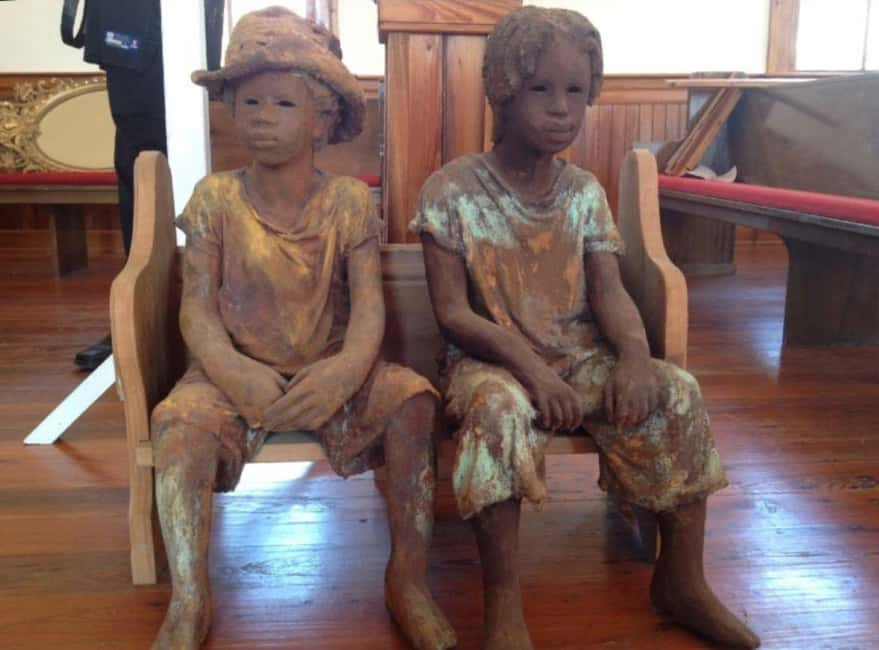
Many New Orleans history tours focus on architecture, food, or music. This one asks a more important question: who built the city, and how did people forced into slavery create traditions that still shape New Orleans?
The morning takes you outside the city to Whitney Plantation. The afternoon returns you to the streets, where the story changes from forced labor in the fields to the cultural life created by Black communities in an urban setting. That structure gives you two related but different pictures of slavery and its aftermath.
I find that useful because plantation history can feel removed from modern New Orleans. Whitney shows the violence and labor system directly. The Soul of New Orleans tour then explains how Black people helped build the city’s infrastructure and developed music, religious practices, celebrations, and community traditions under harsh conditions.
This is not a light sightseeing day. You are not simply checking off historic buildings. The subject includes enslavement, rebellion, segregation, displacement, and Hurricane Katrina. Still, the city portion gives the day room for creativity and survival, especially through jazz, Black masking culture, Second Line celebrations, and Mardi Gras Indians.
More Whitney Plantation visits:
- Whitney Plantation Tour with Transportation from New Orleans
★ 4.5 · 1,351 reviews - New Orleans: Whitney Plantation Tour with Transportation
★ 4.7 · 619 reviews - Small-Group Laura and Whitney Plantation Tour from New Orleans
★ 4.5 · 446 reviews
The morning drive along River Road
The day begins with hotel pickup, generally starting at 8:00 AM. Be ready at your pickup location at that time. The driver makes several stops, so a short wait is normal. If the vehicle is not there exactly at 8:00 AM, it is on the way and should arrive within the stated 30-minute grace period.
The bus ride along River Road is more than transportation. As you leave New Orleans, you pass antebellum plantations and get a visual sense of the corridor where large agricultural operations once depended on enslaved labor. The road helps place Whitney within the wider plantation economy rather than treating it as an isolated historic property.
The drive also gives you a pause before the museum visit. You can use the time to prepare for a difficult subject. The tour is conducted in English, and the city portion has a live guide. Transportation matters here because Whitney is outside New Orleans, and arranging a separate trip would take more planning than joining a full-day excursion.
The supplied information does not specify the exact vehicle size or group size. I would book this with the expectation of a shared tour rather than a private outing. Hotel pickup and drop-off are included, which is a practical advantage on an eight-hour day.
Whitney Plantation, history from the enslaved person’s view
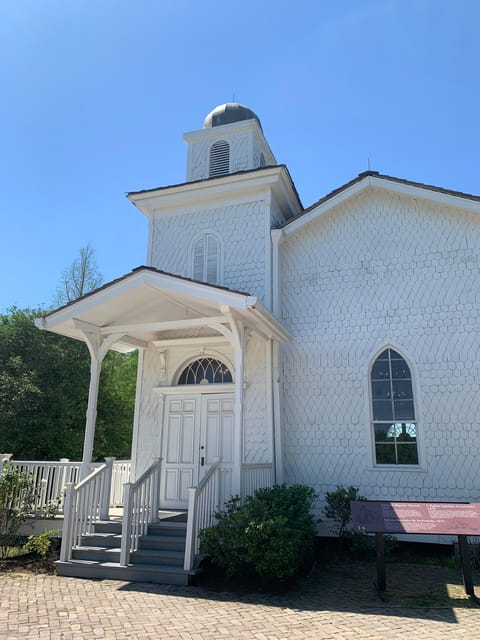
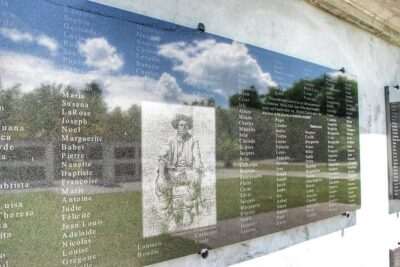
Whitney Plantation is the emotional center of the experience. It is described as the only museum in Louisiana dedicated to interpreting the lives of enslaved people through their voices and perspectives. That focus sets it apart from plantation tours that spend most of their time on wealthy owners, grand houses, or decorative furnishings.
You explore the grounds with a self-guided audio tour. Headsets are included so you can hear the narration clearly. This format gives you control over your pace. You can stop at a memorial, listen carefully, and take a moment before moving on instead of trying to follow a guide while processing a large amount of information.
The property includes preserved slave cabins, memorials, an antebellum guest house, and scenes connected with the lives of enslaved workers. The audio material uses firsthand narratives, giving the visit a direct human focus. You should expect the stories to be painful, but also attentive to endurance, family, faith, labor, and resistance.
One especially important subject is the largest slave rebellion in United States history. The tour places that rebellion within the wider system of slavery, showing that enslaved people were not passive recipients of history. They resisted in organized and individual ways, even when the consequences were severe.
The self-guided format is both a strength and a limitation. You can reflect privately and spend more time at the parts that matter most to you. On the other hand, you cannot ask the audio recording a follow-up question, so visitors who prefer a live interpreter may find this section less interactive than the afternoon city tour.
Plan your energy wisely. The subject is heavy, and the grounds require you to move between different areas. Comfortable clothing and shoes make sense for any outdoor historic site, although the supplied details do not specify walking distances or accessibility arrangements.
The lunch break between two very different tours
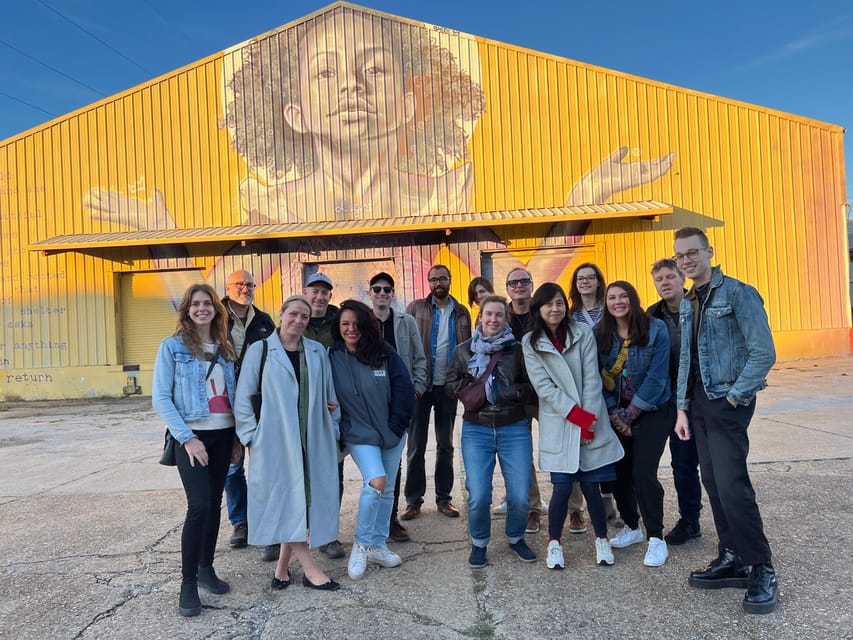
After Whitney Plantation, you return to New Orleans for a lunch break. Lunch is not listed as included, so you should plan to pay for your own meal.
This pause is useful. The morning is focused and emotionally demanding, and the afternoon has a faster-moving city format. A break lets you eat, rest, and think about what you have heard before switching subjects.
The timing also makes the tour easier to manage than one long uninterrupted history lecture. You get the plantation experience first, then a chance to reset. Since the entire activity lasts about eight hours, the lunch stop is an important part of the day’s rhythm.
More River Road plantation days:
- Swamp Boat Ride and Oak Alley Plantation Tour from New Orleans
★ 5.0 · 3,303 reviews - Oak Alley Plantation Tour with Transportation from New Orleans
★ 4.5 · 1,747 reviews - Laura Creole Plantation Guided Tour
★ 5.0 · 1,279 reviews - Airboat and Plantations Tour with Gourmet Lunch from New Orleans
★ 4.5 · 1,246 reviews
From Congo Square to Tremé
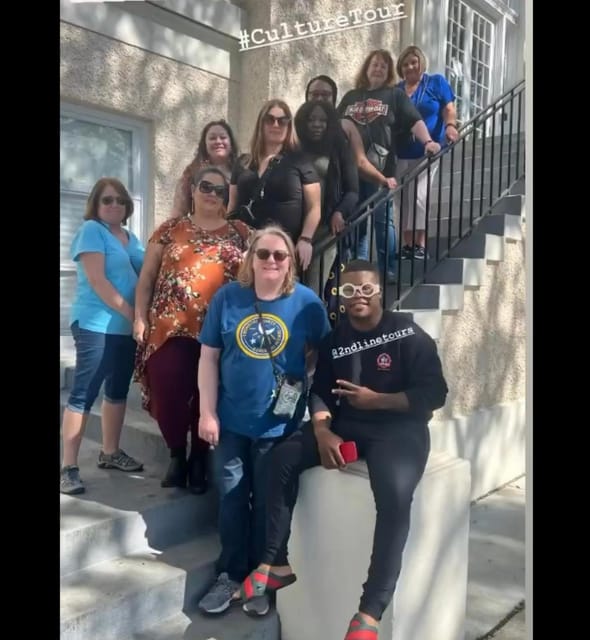
The Soul of New Orleans City Tour changes the setting from rural plantation grounds to city streets. Here, the subject is the urban system of slavery and the ways Black communities shaped New Orleans despite legal and social restrictions.
The route includes Congo Square, Tremé, the Mississippi Riverfront, and corners of the French Quarter. These places help explain how New Orleans developed a distinct Black cultural identity. The tour also covers the origins of jazz, Black masking traditions, Mardi Gras Indians, and Creole identity.
I like this part because it avoids treating jazz and Carnival traditions as disconnected entertainment. The tour draws a direct line from the history of slavery to the cultural practices that grew in New Orleans. Faith, art, music, clothing, procession, and neighborhood life become ways to preserve identity and claim public space.
Congo Square is especially important within that story. It is presented as a place connected with African cultural expression and the later development of New Orleans music. The information provided does not promise a performance, so book this for interpretation and place-based history, not for a concert or festival event.
Tremé gives the story a neighborhood setting. The tour presents it as part of the oldest African-American neighborhood in New Orleans. That matters because the city’s Black history is not confined to museums. It is tied to homes, streets, churches, businesses, clubs, and community celebrations.
Studio B, Musicians Village, and Black-owned New Orleans
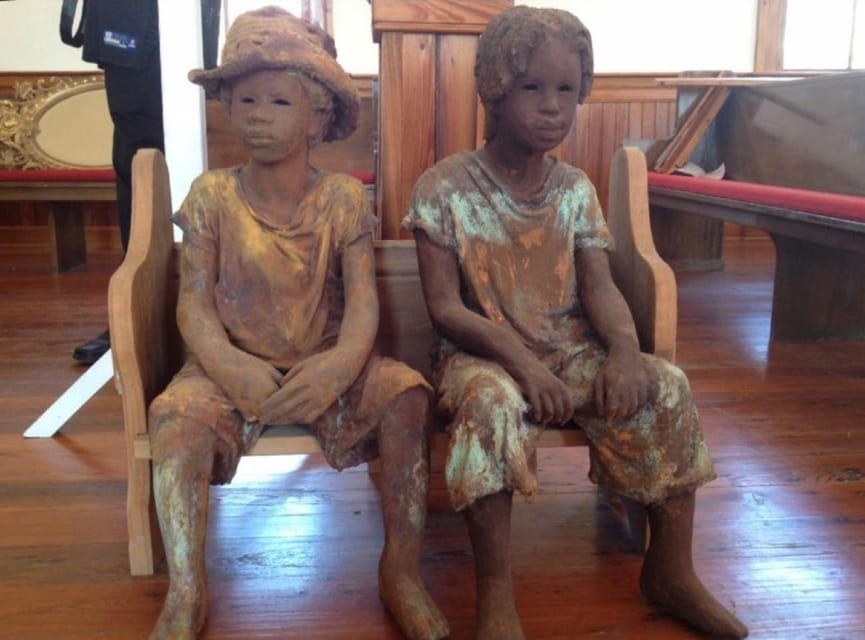
The city tour includes Studio B and Musicians Village, along with historic buildings and Black-owned businesses that existed before gentrification. These stops add a modern community angle to the older history.
The supplied information does not explain exactly how long you spend at each location or whether every stop is an interior visit. Expect some places to be viewed from the vehicle or discussed by the guide rather than explored at length. That is normal for a city tour covering many parts of New Orleans in one afternoon.
The focus on Black-owned businesses is valuable because it shows economic life, not only cultural achievement. The story of New Orleans includes people creating livelihoods, serving neighborhoods, and building institutions under unequal conditions. It also helps you understand why changes in property, tourism, and development can affect historic communities.
A visit to the TEP Center is another distinctive part of the day. Joanne’s experience included meeting Dr. Tate and learning about desegregation in New Orleans. That encounter is not described as guaranteed for every departure, so I would treat it as a possible highlight rather than a fixed promise. If it takes place, it gives the city’s civil rights story a personal face.
The tour also covers Second Line celebrations. These parades are not presented simply as colorful street shows. They connect music, funerals, neighborhood pride, and communal participation. You learn how public celebration can carry memory and identity.
Hurricane Katrina and the Ninth Ward
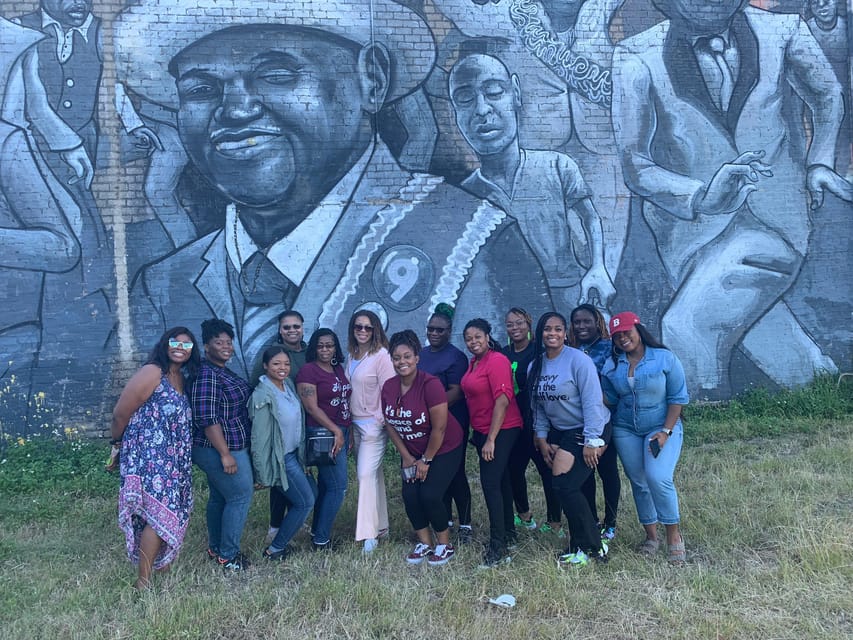
The tour includes the aftermath of Hurricane Katrina and the legacy of the Ninth Ward. This section extends the story into the recent past, showing that Black New Orleans history did not end with emancipation or desegregation.
Katrina changed neighborhoods, families, homes, and local businesses. A tour that includes the aftermath asks you to consider what was lost, what survived, and how rebuilding affected established communities. The Ninth Ward is therefore more than a disaster photo stop. It is part of the continuing story of race, housing, public policy, and neighborhood identity.
The exact itinerary and time spent in the Ninth Ward are not specified. You may see locations from the bus, hear commentary, or stop at selected sites. The value comes from placing the storm within the city’s longer Black history rather than treating it as a separate event.
This portion can be difficult, especially after the morning at Whitney. Still, it gives the tour a present-day purpose. You leave with a better sense of why historic neighborhoods and Black-owned institutions remain important to New Orleans.
How the guide and audio format shape the day
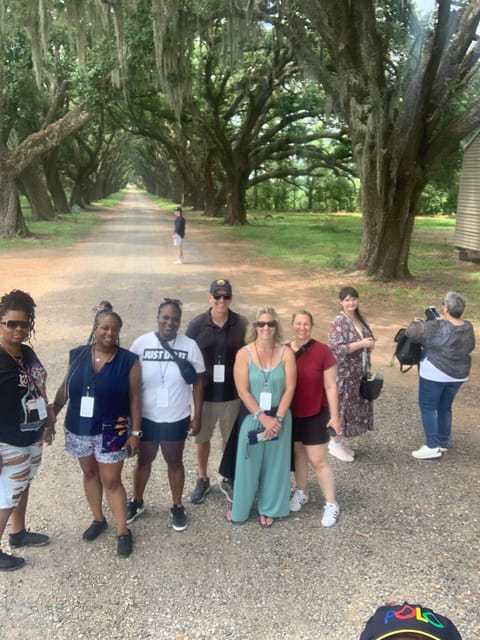
Whitney Plantation uses an audio guide, while the New Orleans portion has a live English-speaking guide. Those two methods serve different needs.
The audio tour allows quiet concentration. You can listen to personal accounts without competing with group conversation. It also lets you move at your own speed, although you should stay aware of the meeting instructions given on site.
The live city tour gives you room for questions and follow-up. Dennis is identified as the guide for the New Orleans portion, and he also provided hotel drop-off for one booking. That extra care is useful after a long day, though drop-off details can vary by location and route.
A live guide can also connect separate subjects as you move through the city. You might hear about jazz in one area, segregation in another, and Katrina later in the day, with the guide explaining how those topics relate. The quality of the afternoon depends heavily on the guide’s storytelling, so Dennis’s role is a real part of the experience rather than a minor detail.
Is $120 a fair price?
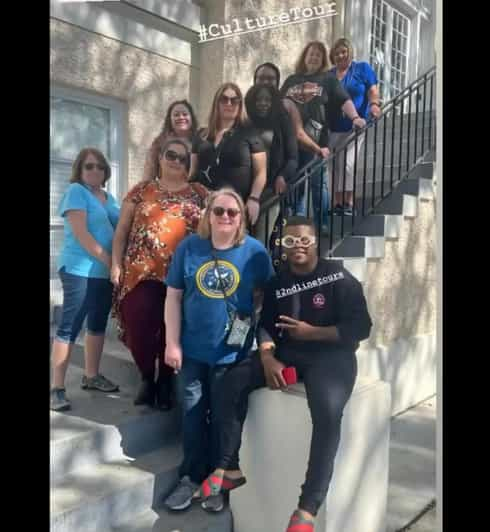
At $120 per person, this is not the cheapest way to see a plantation or take a city tour. You are paying for a full eight-hour day, hotel pickup and drop-off, the River Road bus ride, admission to Whitney Plantation, the audio equipment, and a guided New Orleans tour.
The value improves if you want both parts. Booking Whitney and a separate New Orleans history tour could require two reservations, extra transportation, and more effort to connect the schedules. This package handles the long transfer to River Road and returns you to the city for the second half.
The price is less attractive if you only want a quick plantation visit or a general city overview. The day is designed for someone who wants Black history at the center of the experience. You should also remember that lunch is not listed as included.
A 5 out of 5 rating from four verified bookings gives the tour a strong early signal, but the sample is small. Joanne’s detailed experience praised the historical content, the Whitney visit, the Katrina and Ninth Ward material, and Dennis’s kindness. She also considered the tour worth its cost and called it her favorite part of a New Orleans trip. I would give that feedback proper weight while still remembering that your experience can depend on the guide, weather, pickup timing, and group dynamics.
Who should book this experience?
I would recommend this tour to you if you want a serious history day rather than a quick collection of landmarks. It suits first-time visitors who want context for New Orleans music and celebrations, families with older children or teenagers who can handle difficult history, and anyone interested in the connection between slavery, civil rights, neighborhood life, and culture.
It is also a good fit if you do not want to rent a car or arrange transportation to Whitney Plantation. The included pickup and drop-off remove much of the day’s practical work.
I would hesitate if you want a relaxed sightseeing day, a grand-house plantation tour, or a meal-focused outing. The plantation portion is deliberately centered on enslaved lives, and the Katrina material may be emotionally tiring. The eight-hour schedule also leaves less free time for exploring New Orleans on your own.
Book at least 24 hours ahead if you want the stated free-cancellation option. You can cancel up to 24 hours before the activity for a full refund, and the reserve-now, pay-later option lets you hold a place without paying immediately.
Should you book the Whitney and Soul of New Orleans tour?
Book it if you want New Orleans history explained as a continuous story, from forced labor on River Road to music, parades, neighborhood traditions, and recovery in the city. Whitney Plantation gives the morning moral weight, while the afternoon shows the creativity and community life that slavery could not erase.
The best reason to choose this tour is the pairing. You do not just see a plantation and then take an unrelated city drive. You learn how the two settings connect. If that is the New Orleans story you came to understand, $120 is a reasonable price for a full day with transportation, admission, and guiding included.
FAQ
How long does the Whitney Plantation and Soul of New Orleans tour last?
The activity lasts about eight hours.
What time does hotel pickup begin?
Pickups begin at 8:00 AM. You should be ready at your location at that time.
What should I do if the vehicle is not there at exactly 8:00 AM?
Drivers make multiple stops, and there is a 30-minute grace period. If the vehicle is not there at exactly 8:00 AM, it is en route and should arrive within that grace period.
Is hotel pickup and drop-off included?
Yes. Hotel pickup and drop-off are included, with pickup in front of your hotel.
Is Whitney Plantation included in the price?
Yes. Entry tickets to the Whitney Plantation tour are included.
Is the Whitney Plantation tour guided live?
The Whitney Plantation portion is a self-guided audio tour. Headsets are included so you can hear it clearly.
What language is the tour offered in?
The tour is offered in English, with a live English-speaking guide for the city portion.
Is lunch included?
Lunch is not listed among the inclusions. The itinerary provides a lunch break between the Whitney Plantation visit and the city tour.
Can I cancel for a full refund?
Yes. You can cancel up to 24 hours in advance for a full refund. You can also reserve now and pay later.
Just added around New Orleans
- New Orleans: Whitney Plantation Audio Tour with Transfers★ 4.7 · 3 reviews
- New Orleans Instagram Photo Tour★ 4.5 · 3 reviews
- New Orleans: Voodoo, Storyville, and Treme Walking Tour★ 3.3 · 3 reviews
- Outdoor Escape Room in New Orleans – The French Quarter★ 5.0 · 3 reviews
- New Orleans: Private Custom Guided Walking Tour★ 4.0 · 3 reviews
- New Orleans: Voodoo History Guided Walking Tour★ 4.8 · 3 reviews
- Private New Orleans City and Cemetery Bus Tour Up to 24 People★ 5.0 · 3 reviews
- New Orleans: French Quarter Cocktail and Foodie Crawl Tour★ 5.0 · 3 reviews
Whitney Plantation Tours, compared.
Whitney Plantation Tour with Transportation from New Orleans
Read our review →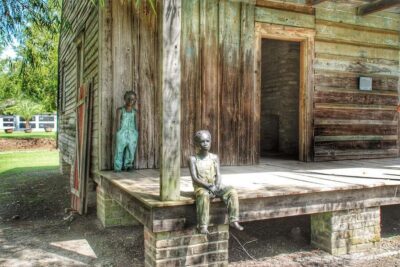
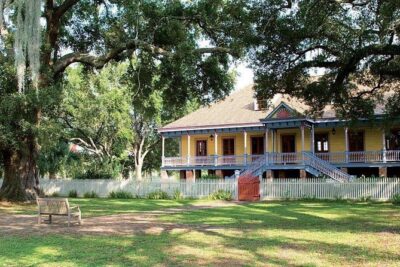
Small-Group Laura and Whitney Plantation Tour from New Orleans
Read our review →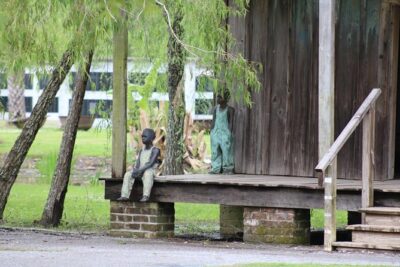
Whitney Plantation Tour from New Orleans with Pickup
Read our review →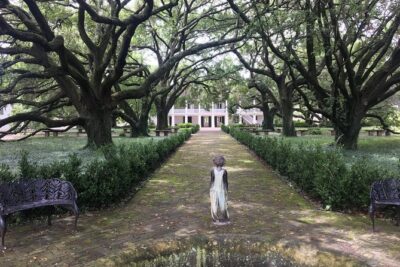
Whitney Plantation Tour with New Orleans Hotel Pickup
Read our review →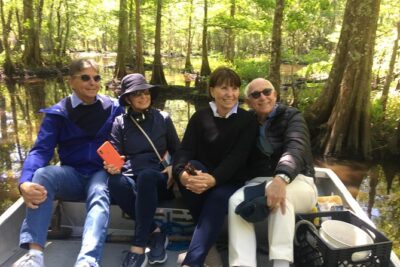
Whitney Plantation and Airboat Tour from New Orleans
Read our review →
Whitney Plantation Tour with Narrated Bus Ride from New Orleans
Read our review →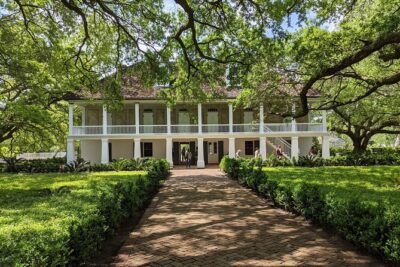
Whitney Plantation and Museum Tour from New Orleans
Read our review →Browse the lists this tour appears in