Reviewed · GUIDED
New Orleans: Pestilence and Plagues Guided Tour
New Orleans is famous for music, food, and haunted tales, but this tour takes you into a harder chapter: yellow fever, cholera, and the conditions that let disease spread. You walk through the French Quarter while your guide explains how illness changed daily life, medicine, religion, and the city itself.
I like the focus on real public-health history rather than a standard sightseeing loop, and I like the human side of the story, especially the tales of resilience after deadly outbreaks. The main drawback is the subject matter. This is not a light stroll, and some stories may feel grim.
In This Review
- Key points to know
- A different way to read the French Quarter
- Meeting on Toulouse Street
- Yellow fever, cholera, and the mechanics of an outbreak
- French Quarter places with a difficult past
- Medicine, voodoo, and faith under pressure
- The human story after the outbreaks
- Is two hours and $37 a fair price?
- Who will enjoy this walk most?
- Practical details that affect your day
- My advice on booking
- FAQ
- Where does the Pestilence and Plagues Tour meet?
- How long does the tour last?
- How far will I walk?
- Is the tour conducted in English?
- Is the tour wheelchair accessible?
- What diseases does the tour cover?
- Does the tour run in bad weather?
- What should I bring?
- Can I cancel for a refund?
Key points to know
- Disease shapes the route: Learn about the French Quarter areas connected with epidemics and poor sanitation.
- Yellow fever and cholera take center stage: Your guide explains how mosquitoes, contaminated conditions, and contagious residents helped outbreaks spread.
- The tour adds cultural context: Voodoo, religion, and unconventional medical practices all enter the story.
- It covers about one mile: The pace is manageable for many people, but comfortable shoes still matter.
- Guides make a major difference: Dane and Delvin have been singled out for lively, clear, engaging presentations.
- It ends in the French Quarter: You can ask your guide for directions or ideas for what to see next.
A different way to read the French Quarter
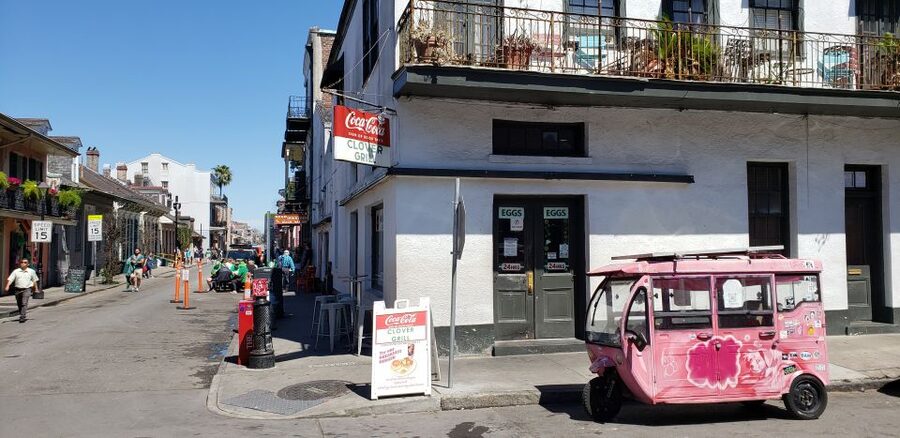
Most walking tours introduce New Orleans through architecture, music, food, or ghosts. This one asks you to look at the same streets through the fear of infection and the daily struggle to stay alive.
That change in viewpoint matters. A pretty building can look different once you understand the crowded, dirty conditions that helped disease spread. A church or religious practice can take on a new meaning when people had few medical answers. Even the city’s recovery becomes more interesting when you know how much loss came first.
I like tours that give familiar places a second layer, and this one does exactly that. You are not simply hearing a list of epidemics. You are learning how health, housing, weather, insects, customs, and public behavior were tied together.
The walk is built around the French Quarter, so you remain in one of New Orleans’ most historic districts. That makes it easy to combine with other plans. You can take the tour early in your stay to get a darker sense of the city, or schedule it later after you have seen the Quarter in more conventional ways.
A few more New Orleans tours worth a look
- Guided Boat Tour of New Orleans Bayou
★ 4.5 · 1,452 reviews - Laura Creole Plantation Guided Tour
★ 5.0 · 1,279 reviews - Houmas House Estate and Gardens Guided Tour
★ 4.5 · 632 reviews
Meeting on Toulouse Street
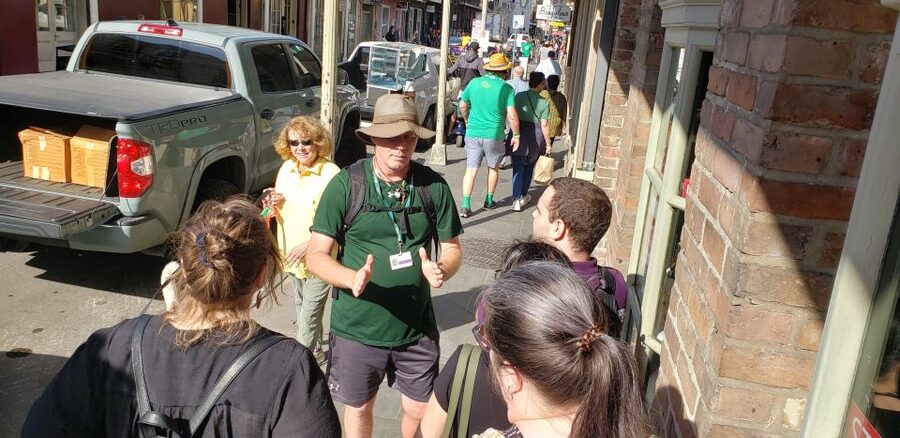
The meeting point is in front of the activity provider’s store on Toulouse Street. Plan to arrive with enough time to find the storefront and gather before the walk begins.
The tour is two hours long, though it may run over the allotted time. That small warning is useful. A guide with a lot to explain may need extra minutes, especially if the group asks questions or the discussion becomes lively.
The total walking distance is about one mile. That is not a long route, but New Orleans weather can make a short walk feel longer. Bring comfortable shoes, and remember that the tour runs rain or shine.
There is no bus or vehicle portion listed, so you should expect a fully walking-based experience. The route remains in the French Quarter and ends in the heart of the district, which makes it simple to continue on foot afterward.
Yellow fever, cholera, and the mechanics of an outbreak
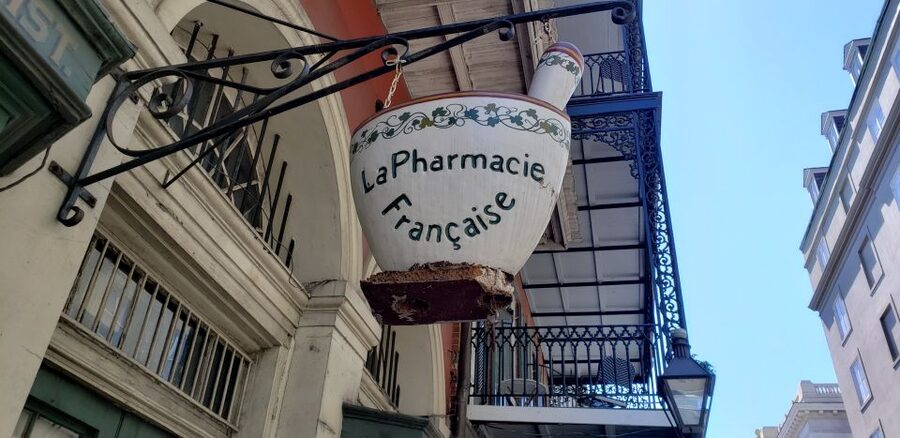
The central value of this tour is the explanation of how epidemics spread. You will hear about yellow fever, cholera, and other diseases that killed thousands in New Orleans.
The guide connects illness to the city’s living conditions. Squalid surroundings, crowded spaces, poor sanitation, and infectious residents helped create an environment where outbreaks could move quickly. The tour also explains the role of mosquitoes, a key part of the yellow-fever story.
This is where the experience becomes more useful than a string of grim facts. You learn that an epidemic is not only a medical event. It is also a story about water, waste, housing, transport, fear, and the limits of what people understood at the time.
Cholera and yellow fever did not carry the same causes or patterns, and the guide’s job is to explain those differences in plain language. Expect the tour to focus on how people understood disease then, how they tried to stop it, and why those efforts often failed.
I would pay close attention during this part if you like social history. The subject is not just who became sick. It is how an entire city responded when ordinary explanations and ordinary treatments were not enough.
French Quarter places with a difficult past
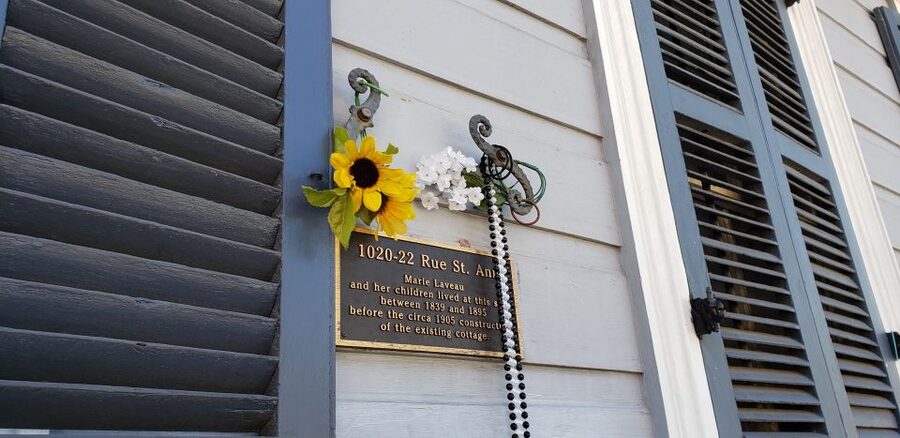
The tour explores parts of the French Quarter where disease ran rampant. The supplied details do not name every stop, so you should not expect a fixed list of landmarks in advance.
That open structure can be a strength. A live guide can point out relevant locations as the group moves through the district, rather than forcing every story into a rigid sequence. A recent tour account specifically praised the guide for pointing out other places worth seeing along the way, which adds practical value beyond the plague theme.
At the same time, this is not a museum visit with preserved hospital rooms or an exhibit at each stop. The setting is the street itself. Much of what you gain comes from the explanation, not from objects placed in front of you.
That makes guide quality especially important. Dane received praise for packing in information while adding fun facts and useful suggestions for other New Orleans sights. Delvin was also praised for keeping the historical context engaging and easy to follow. You cannot assume either guide will lead your departure, but those names give you a useful sense of the style the company can provide.
A completely different side of New Orleans:
- New Orleans Premier Ghost, Voodoo and Vampire Walking Tour
★ 4.5 · 12,856 reviews - New Orleans Steamboat Natchez Jazz Cruise with Dinner Option
★ 4.0 · 7,533 reviews - Adults-Only New Orleans Ghost, Crime, Voodoo, and Vampire Tour
★ 5.0 · 6,545 reviews - New Orleans Food Walking Tour of the French Quarter with Small-Group Option
★ 5.0 · 6,118 reviews
Medicine, voodoo, and faith under pressure
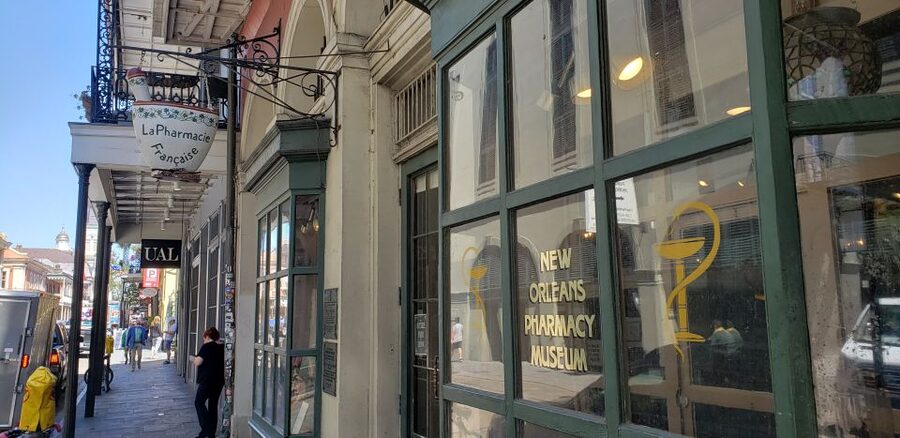
One of the most distinctive parts of the tour is its treatment of medical practice, voodoo, and religion. When epidemics were killing thousands, people reached for every explanation and remedy available to them.
You will hear about unconventional medical practices and the attempts to contain what seemed uncontrollable. The tour also looks at how voodoo and religion entered the response. That does not reduce these traditions to spooky decoration. Instead, it places them in the setting of fear, uncertainty, and limited medical knowledge.
This is important in New Orleans, where cultural traditions are often presented through narrow tourist labels. A history walk about disease can give those traditions a more serious setting. You can consider why people prayed, sought ritual help, followed medical advice, or turned to remedies that now seem strange.
The guide’s tone matters here. The topic calls for balance. It should be engaging, but it should not turn suffering or religious practice into a cheap joke. The strong feedback for Dane and Delvin suggests that the best version of this tour mixes fun facts with solid historical context.
The human story after the outbreaks
A tour about epidemics could become relentlessly bleak. This one also includes stories of resilience and recovery, which gives the walk a needed change of pace.
You will hear how New Orleans coped with deadly outbreaks and how the city recovered. Recovery does not erase the loss, but it helps you understand the city as more than a place repeatedly struck by disaster.
I like that the tour includes this part. Without it, the walk would be a catalogue of death. With it, you get a fuller picture of how communities react under pressure and how a city carries difficult memories forward.
The recovery stories may be especially useful if you are visiting New Orleans for the first time. They connect the city’s past problems with its ability to adapt. You leave with a stronger sense that the French Quarter is not only a collection of old façades. It is a place shaped by repeated crises and determined survival.
Is two hours and $37 a fair price?
At $37 per person, this tour asks you to pay more than you would for wandering the French Quarter on your own. The question is what you want from the walk.
If you simply want to see the buildings, $37 may not feel worthwhile. You can walk the district without a ticket. If you want a focused theme, a live English-speaking guide, and a connected story about disease and recovery, the price is easier to justify.
You are paying for interpretation. The guide turns scattered streets and structures into a subject you might not notice by yourself. The tour also saves you from sorting through separate facts about yellow fever, cholera, mosquitoes, sanitation, religion, and medicine.
The short route helps the value. You cover about one mile in two hours, so the pace leaves room for storytelling rather than rushing from one location to the next. It also means you can fit this into a full day of New Orleans sightseeing.
The perfect guide can make the price feel very good. Dane and Delvin were praised for being engaging, informative, and fun, with one assessment calling the two hours money well spent. Since the tour depends heavily on the guide, I would book it for the subject and storytelling, not simply for the number of landmarks covered.
Who will enjoy this walk most?
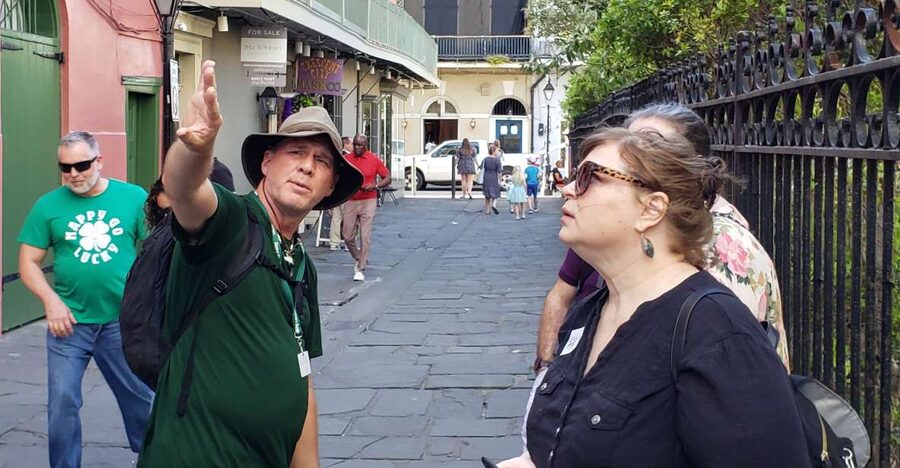
I would recommend it first to people who like social history, public health, medicine, and the less polished side of city life. It suits anyone who wants to understand why New Orleans developed as it did, not just photograph its buildings.
It is also a good choice if you have already taken a standard French Quarter tour. The focus on pestilence and plagues gives you a fresh angle on streets you may otherwise see only through architecture, food, or ghost stories.
The tour can work for curious first-time visitors too. You do not need to arrive with a background in disease history. The guide explains the main ideas while you walk.
I would think twice if you want a relaxed, cheerful introduction to New Orleans. The subject includes mass death, sickness, poor conditions, and failed medical responses. The presentation may include humor and fun facts, but the core material remains serious.
The one-mile distance is modest, yet the tour is still outdoors and rain or shine. If weather is poor, bring suitable clothing and wear shoes you can comfortably use for two hours.
Practical details that affect your day
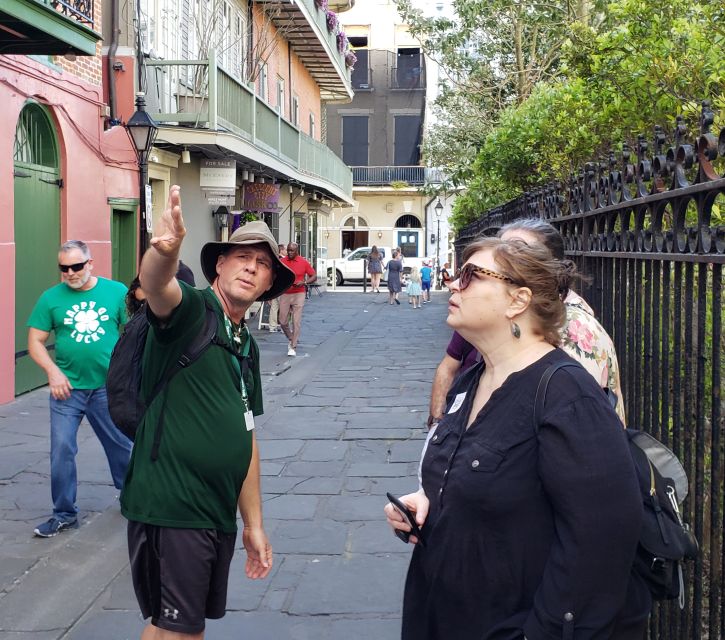
The tour is conducted in English with a live guide. It is wheelchair accessible, though the experience still takes place on city streets and may last longer than two hours.
Video recording is not allowed. You can listen, take notes if useful, and ask questions, but plan to keep cameras off video mode.
Free cancellation is available up to 24 hours before the start for a full refund. You can also reserve now and pay later, which helps if your New Orleans schedule is still shifting.
At the end, you are in the heart of the French Quarter. This is a handy finish because you can ask the guide for directions or recommendations for what to do next. You might continue with food, architecture, music, or another walk, depending on your plans.
My advice on booking
Book this tour if you want the French Quarter explained through disease, survival, and cultural response. The combination of yellow fever, cholera, mosquitoes, sanitation, unusual medicine, voodoo, and religion gives the walk a clear identity.
I especially like it for history-minded people who have seen the usual New Orleans sights and want a subject with more weight. The praise for guides such as Dane and Delvin also suggests that the storytelling can be the best part, though guide assignments are not guaranteed.
Skip it if you dislike grim subjects or want a tour built around food, music, or grand architecture. At $37, it is a fair buy when you value a focused story and a strong guide. It is less useful if you only want a quick orientation to the French Quarter.
FAQ
Where does the Pestilence and Plagues Tour meet?
Meet your guide in front of the activity provider’s store on Toulouse Street.
How long does the tour last?
The scheduled duration is two hours. The tour may run over the allotted time.
How far will I walk?
The total walking distance is about one mile.
Is the tour conducted in English?
Yes. It is led by a live English-speaking guide.
Is the tour wheelchair accessible?
Yes, the activity is listed as wheelchair accessible.
What diseases does the tour cover?
The tour discusses yellow fever, cholera, and other diseases that affected New Orleans.
Does the tour run in bad weather?
Yes. The tour takes place rain or shine.
What should I bring?
Bring comfortable shoes for the walking route.
Can I cancel for a refund?
Yes. You can cancel up to 24 hours in advance for a full refund. You can also reserve now and pay later.
Just added around New Orleans
- New Orleans: Whitney Plantation Audio Tour with Transfers★ 4.7 · 3 reviews
- New Orleans Instagram Photo Tour★ 4.5 · 3 reviews
- Outdoor Escape Room in New Orleans – The French Quarter★ 5.0 · 3 reviews
- New Orleans: Private Custom Guided Walking Tour★ 4.0 · 3 reviews
- New Orleans: Voodoo, Storyville, and Treme Walking Tour★ 3.3 · 3 reviews
- New Orleans: Voodoo History Guided Walking Tour★ 4.8 · 3 reviews
- Private New Orleans City and Cemetery Bus Tour Up to 24 People★ 5.0 · 3 reviews
- New Orleans: French Quarter Cocktail and Foodie Crawl Tour★ 5.0 · 3 reviews
Guided, compared.




Small-Group Manchac Swamp Kayak Tour with Local Guide
Read our review →