
Reviewed · FRENCH QUARTER TOURS
The French Quarter History Tour
New Orleans history gets wonderfully strange around pirate prisons, dueling grounds, smugglers, and a statue erected out of spite. This small-group walk traces those stories from the Mississippi River to Louis Armstrong Park, using the French Quarter itself as the classroom.
I like the personal scale, with no more than 16 people, and I like that the guide can adjust stories to suit the group. Guide Tracy has been praised for covering the city’s major sights while keeping its cultural story in view. The main drawback is the open-air format: hot, wet, or stormy weather can affect the experience, and some stops are brief.
In This Review
- Key points to know before booking
- Starting at Cuban Creations on Toulouse Street
- Washington Artillery Park puts the city in context
- Cafe Du Monde brings in the beignet story
- St. Louis Cathedral and Pirate’s Alley
- Baroness Pontalba and the Pontalba Buildings
- Jackson Square, Andrew Jackson, and colonial punishments
- The French Quarter between the major stops
- Lafitte’s Blacksmith Shop and the city’s outlaws
- Louis Armstrong Park and the Jazz Statue finish
- Is $35 a fair price?
- Group size, timing, and practical fit
- Who should book this French Quarter walk?
- Should you book The French Quarter History Tour?
- FAQ
- How long is The French Quarter History Tour?
- What time does the tour begin?
- Where does the tour start?
- Where does the tour end?
- What language is the tour offered in?
- How many people can join the tour?
- Can I cancel for a full refund?
Key points to know before booking
- The story begins beside the Mississippi River: Washington Artillery Park gives you a useful sense of the mud, water, and early settlement behind New Orleans.
- The route links famous sights with odd local tales: You’ll see Cafe Du Monde, St. Louis Cathedral, Jackson Square, and Bourbon Street while hearing about pirates, scandals, duels, and colonial punishments.
- The group is capped at 16 people: That is small enough to hear the guide and ask questions without the feel of a large city march.
- The tour ends near Louis Armstrong Park: The Jazz Statue is in the Treme area, just beyond the French Quarter, rather than back at the starting point.
- The stories can vary by guide and group: You can tell the guide what subjects interest you, which is useful if you want more food, architecture, music, or scandal.
- Weather matters: You can cancel for a full refund up to 24 hours before the 10:30 am start, but poor weather may also cause the operator to reschedule or cancel.
Starting at Cuban Creations on Toulouse Street
The tour starts at Cuban Creations Cigar Bar, at 533 Toulouse Street, at 10:30 am. This is an unusual meeting point, but a practical one if you like a little atmosphere before the history starts.
Cuban Creations has comfortable indoor and outdoor seating, cocktails, and a polished feel. It is also described as the only smoking bar in the French Quarter, so keep that in mind if smoke bothers you. The tour does not charge an admission fee for this opening stop, and the listed visit lasts about 20 minutes.
I would arrive a few minutes early, especially since the opening location is a bar rather than a major landmark that is easy to spot from a distance. The tour ends elsewhere, so do not plan on leaving a car or a large bag at the starting point.
More ways to walk the French Quarter:
- New Orleans Food Walking Tour of the French Quarter with Small-Group Option
★ 5.0 · 6,118 reviews - New Orleans French Quarter, Voodoo and Culture Walking Tour
★ 4.5 · 2,961 reviews - French Quarter Historical Sights and Stories Walking Tour
★ 5.0 · 2,724 reviews
Washington Artillery Park puts the city in context
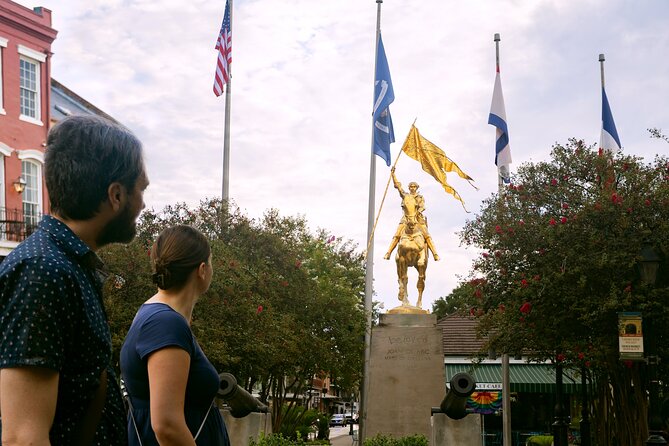
The first major history stop is Washington Artillery Park, one of the best viewpoints in the French Quarter. From here, you can look toward the Mississippi River while the guide explains the mud and low-lying ground beneath New Orleans.
That physical setting matters. New Orleans was not built on a neat, solid foundation. Its relationship with the river has shaped settlement, trade, flooding, and the city’s distinctive character. You also hear about the early Chitimacha people and the French colonists who founded New Orleans in 1718.
This is one of the tour’s most useful moments because it gives you a frame for everything that follows. Instead of treating the French Quarter as a collection of pretty buildings, you begin with the forces that made the city possible and difficult: water, trade, colonial ambition, and the people already living in the region.
The stop lasts about 15 minutes. That is long enough for an introduction, though you should not expect an extended riverfront lecture or a dedicated visit to the park itself.
Cafe Du Monde brings in the beignet story
The route passes Cafe Du Monde, identified as the city’s oldest coffee house, and uses the famous cafe as a doorway into the history of beignets.
The stop lasts only about five minutes, so this is not a scheduled coffee break or a guaranteed pastry tasting. You can visit Cafe Du Monde separately if you want its coffee and powdered-sugar beignets. On the walking tour, the focus is the story behind the food.
I like this approach because food history helps explain New Orleans in a way that dates and names alone cannot. Beignets are familiar symbols of the city, but a short story about how they fit into local life gives the treat more meaning when you order one later.
The guide may adjust the material here depending on the group. If food history interests you, say so early. The tour specifically allows you to suggest subjects you want included, and this is a good place to request more attention to food and daily life.
St. Louis Cathedral and Pirate’s Alley
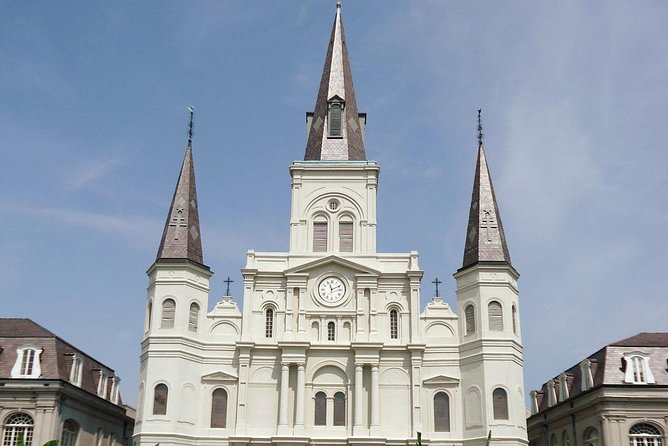
St. Louis Cathedral is the visual centerpiece of the route. The tour spends about 10 minutes here, discussing the building’s past along with Pirate’s Alley and stories involving pirate prisons and dueling grounds.
If the cathedral is open, the group may take a quick look inside. That wording matters. Interior access is not guaranteed, so you should treat the outside view and the surrounding history as the dependable part of the stop.
The cathedral is also described as the oldest in the country. Its position beside Jackson Square makes it one of the easiest places in New Orleans to connect architecture, religion, colonial rule, and public life. The brief visit works best as part of the wider walk rather than as a substitute for a full church tour.
Pirate’s Alley adds the kind of strange detail that keeps this tour from feeling like a standard list of landmarks. You get a sense of how New Orleans stories often move between respectable civic spaces and tales of crime, punishment, and private violence.
More history tours in New Orleans:
- New Orleans Garden District History Walking Tour
★ 5.0 · 2,879 reviews - New Orleans Small-Group Haunted History Carriage Tour
★ 4.5 · 2,289 reviews - New Orleans Haunted History Ghost Tour
★ 4.5 · 2,084 reviews - Paddlewheeler Creole Queen Historic Mississippi River Cruise
★ 4.5 · 1,948 reviews
Baroness Pontalba and the Pontalba Buildings
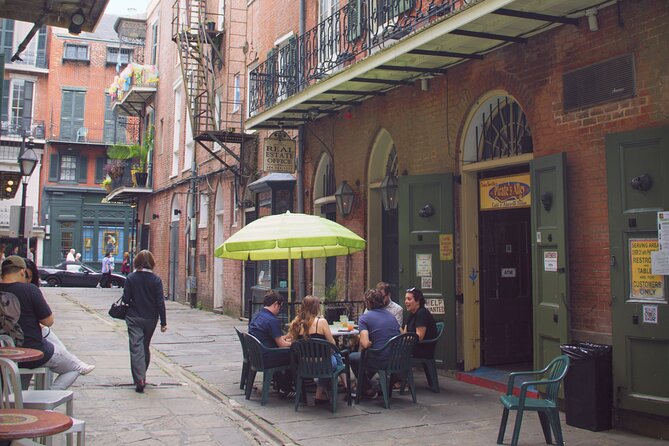
At the Pontalba Buildings, the guide tells the story of Baroness Pontalba, a member of one of the wealthiest families in New Orleans and part of a Spanish noble family connected with the construction around Jackson Square.
Her story is presented as a real-life psychological thriller. That description gives you a useful clue about the tone: this is not only an architecture stop. The buildings provide the setting, while the Baroness supplies the human drama.
The stop lasts about 15 minutes. I like that balance. You have enough time to look at the buildings and understand why they matter, but the guide does not spend the whole tour on facades and construction dates.
The Pontalba Buildings also help explain the scale of Jackson Square. The square is not an isolated postcard view. It is part of a planned civic space shaped by wealth, power, family influence, and colonial-era ambitions.
Jackson Square, Andrew Jackson, and colonial punishments
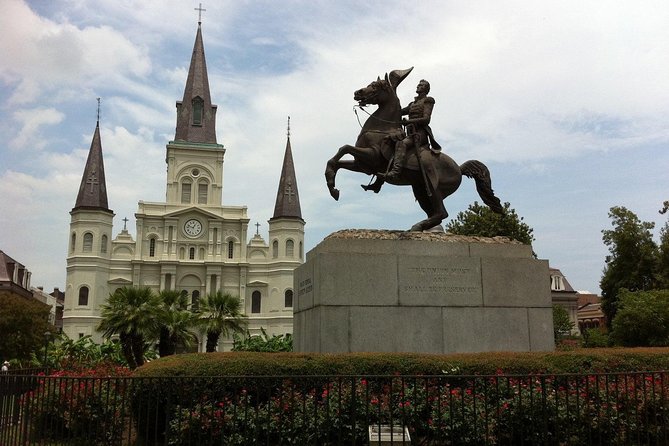
The walk continues through Jackson Square for about 10 minutes. Here, the guide covers the statue of Andrew Jackson and the surprising claim that it was the only statue in the city erected out of spite.
You also hear about bizarre punishments during the French colonial period. This is a strong example of the tour’s method: a familiar public space becomes more interesting when you learn what happened there before it became a popular place for photographs and artists.
Jackson Square can be crowded and active, so a short stop is sensible. You will see the major features, but you may need to move with the group and pay close attention to hear every detail.
If you want quiet time for photographs, plan to return on your own. The tour’s purpose is interpretation and storytelling, not a long pause at each landmark.
The French Quarter between the major stops
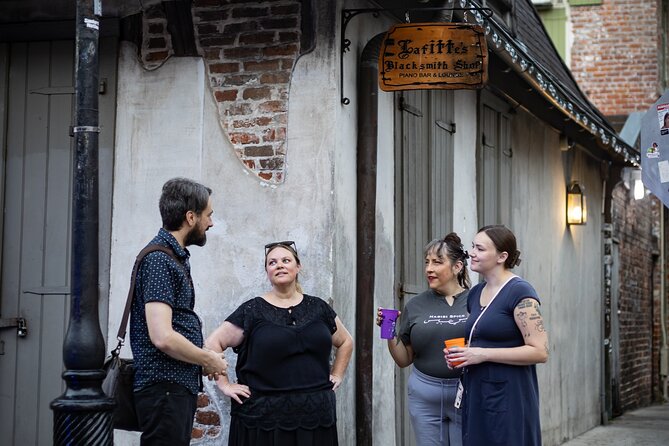
About 20 minutes are set aside for smaller stops through the French Quarter. These pauses are important because they fill in the spaces between the headline sights.
This is where you get the guide’s broader view of the city: local characters, old scandals, and details that may not fit neatly into a formal museum display. The exact material can change according to the guide and the interests of the group, so the experience will not be identical every time.
I would use this part of the tour to ask questions. If you want architecture, music, food, family stories, or old crimes, make that clear. A small group makes such conversations easier than they would be on a large, tightly scripted walk.
The benefit is flexibility. The tradeoff is that you cannot expect every possible story in two hours. If a particular subject matters to you, request it rather than assuming it will appear.
Lafitte’s Blacksmith Shop and the city’s outlaws
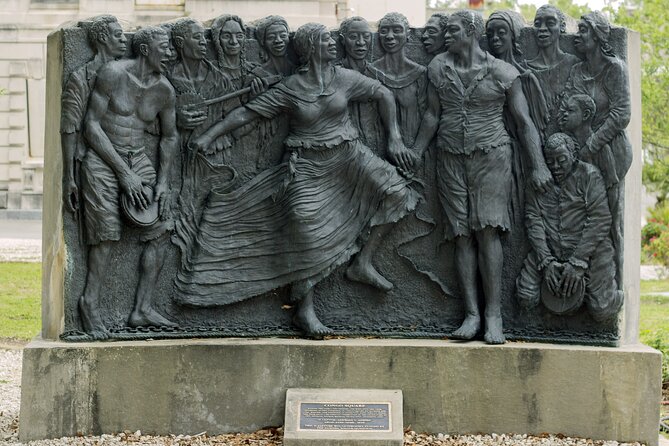
The route pauses near Lafitte’s Blacksmith Shop Bar, a popular spot at the dead end of Bourbon Street. The building dates to the 1780s and is associated with smugglers and pirates who used it as a business front.
The story continues into the War of 1812, when these pirates enlisted to fight. Men who reenact the battle still come to drink afterward, according to the tour’s account, giving the place a connection between old military history and present-day tradition.
The stop also touches on the bar’s later life as Cafe Lafitte, a popular gay bar in the 1960s that Tennessee Williams frequented. That detail broadens the story beyond pirates. You get a glimpse of changing ideas about nightlife, identity, and the French Quarter’s role as a place where unconventional lives could find room.
The visit lasts around 10 minutes and takes place between the historic bar and a nearby coffee shop. It is primarily an exterior and storytelling stop, not a promise of a drink or a long indoor visit.
Louis Armstrong Park and the Jazz Statue finish
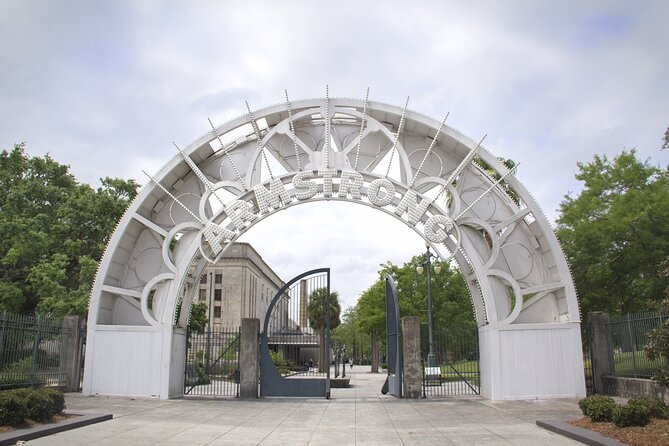
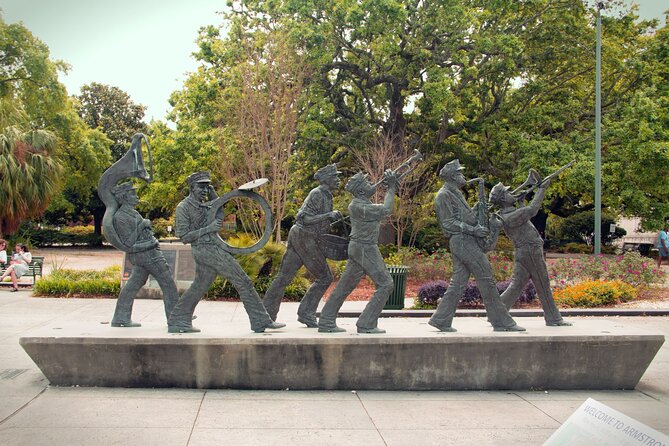
The walk concludes at Louis Armstrong Park, in the Treme area just outside the French Quarter. The park is described as the birthplace of jazz, and the final section connects the city’s origins with its music and cultural life.
The tour ends at the Jazz Statue near 1298 to 1100 St. Ann Street. This is worth noting when planning the rest of your day. You finish north of the central Jackson Square area, not where you began at Toulouse Street.
The park is a scenic ending because it changes the mood of the tour. Earlier stops focus on colonial founders, wealthy families, pirates, punishments, and political figures. Louis Armstrong Park points toward the music and cultural forces that made New Orleans famous around the world.
The final park walk lasts about 14 minutes. Since it is still an outdoor stop, the same weather concern applies. Comfortable shoes and water are sensible choices for the full two hours, although the supplied details do not state a dress code or walking distance.
Is $35 a fair price?
At $35 per person, this tour sits in a reasonable range for a two-hour guided walk, especially with a maximum of 16 people. You are paying for a local guide’s organization, the route between major sights, and the stories that tie those places together.
The value is strongest if this is your first substantial look at the French Quarter. In two hours, you get the riverfront, Cafe Du Monde, St. Louis Cathedral, Jackson Square, Bourbon Street, and Louis Armstrong Park. You also cover subjects that are easy to miss if you simply stroll from one photo stop to the next.
The price is less compelling if you want long visits inside buildings, a food tasting, or a highly specialized architectural tour. Admission is free at nearly every stop, and the cathedral interior is only visited if it happens to be open. The experience is about access to interpretation, not paid entry to attractions.
Guide Tracy has been specifically praised for covering the city’s key sights while presenting its cultural past. That kind of broad coverage is useful early in a New Orleans visit, since you can use the tour to decide which places deserve a second, slower visit.
Group size, timing, and practical fit
The tour begins at 10:30 am and lasts about two hours. Morning is a sensible time for an outdoor walk, though the experience still requires good weather. If the operator cancels for weather, you are offered another date or a full refund.
The group can include up to 16 people. That is not a private tour, but it is small enough for a more direct exchange with the guide. Most people can participate, and service animals are allowed. The meeting area is near public transportation.
You can cancel for a full refund if you do so at least 24 hours before the start time. Cancellations or changes made within 24 hours are not refunded or accepted, so check the forecast and your schedule before that deadline.
The tour is offered in English only. Since several stops involve names, dates, and unusual stories, you will get more from it if you stay close enough to hear clearly and ask questions during the shorter pauses.
Who should book this French Quarter walk?
I would recommend it to a first-time New Orleans visitor who wants more than a photo route but does not want a full-day history program. The mix of major sights and odd stories gives you a quick feel for the city’s character.
It also suits you if you enjoy history told through people. Baroness Pontalba, the French colonists, pirates, smugglers, Andrew Jackson, and Tennessee Williams each open a different door into New Orleans.
You may want another kind of outing if you need guaranteed cathedral access, a seated experience, extensive food sampling, or a narrow focus on jazz. The jazz material comes near the end, but most of the walk covers the wider story of the French Quarter and its surroundings.
Should you book The French Quarter History Tour?
Book it if you want a compact, story-led introduction to New Orleans, particularly one that moves beyond the usual postcard sights. The route is well chosen, the group is limited to 16, and the mix of pirates, beignets, scandal, colonial punishment, and jazz gives you plenty to remember.
I would book it early in your stay, then return to the places that catch your interest. Just plan for outdoor conditions, remember that the cathedral interior depends on availability, and keep in mind that the walk ends at Louis Armstrong Park rather than at the starting point.
FAQ
How long is The French Quarter History Tour?
The tour lasts approximately two hours.
What time does the tour begin?
The start time is 10:30 am.
Where does the tour start?
The tour starts at Cuban Creations Cigar Bar, 533 Toulouse Street, New Orleans, Louisiana 70130.
Where does the tour end?
The tour ends at the Jazz Statue near 1298 to 1100 St. Ann Street, by Louis Armstrong Park in the Treme area.
What language is the tour offered in?
The tour is offered in English.
How many people can join the tour?
The group has a maximum of 16 travelers.
Can I cancel for a full refund?
Yes. You can cancel at least 24 hours before the start time for a full refund. Cancellations or changes made less than 24 hours before the start time are not refunded or accepted.
Just added around New Orleans
- New Orleans: Whitney Plantation Audio Tour with Transfers★ 4.7 · 3 reviews
- New Orleans Instagram Photo Tour★ 4.5 · 3 reviews
- New Orleans: Voodoo, Storyville, and Treme Walking Tour★ 3.3 · 3 reviews
- Outdoor Escape Room in New Orleans – The French Quarter★ 5.0 · 3 reviews
- New Orleans: Private Custom Guided Walking Tour★ 4.0 · 3 reviews
- New Orleans: Voodoo History Guided Walking Tour★ 4.8 · 3 reviews
- Private New Orleans City and Cemetery Bus Tour Up to 24 People★ 5.0 · 3 reviews
- New Orleans: French Quarter Cocktail and Foodie Crawl Tour★ 5.0 · 3 reviews
French Quarter Tours, compared.
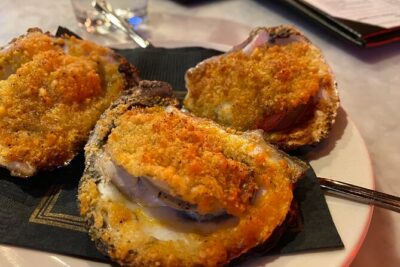
New Orleans Food Walking Tour of the French Quarter with Small-Group Option
Read our review →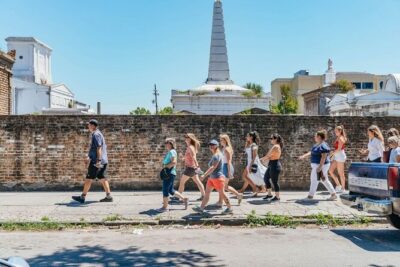
New Orleans French Quarter, Voodoo and Culture Walking Tour
Read our review →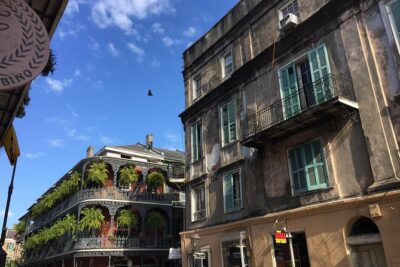
French Quarter Historical Sights and Stories Walking Tour
Read our review →
Ghost and Vampire Walking Tour Of The French Quarter
Read our review →
New Orleans City Tour: French Quarter, Garden District & Cemetery
Read our review →
New Orleans French Quarter Food Tour: Cajun, Creole and Culture
Read our review →
New Orleans French Quarter and More Carriage Ride
Read our review →
French Quarter walking Food Tour Famous Flavors of New Orleans
Read our review →Browse the lists this tour appears in