
Reviewed · MUSEUMS
New Orleans: The National WWII Museum Ticket
New Orleans’ National WWII Museum is not a quick stop between beignets and Bourbon Street. Its five soaring pavilions take you from the causes of World War II through D-Day, the Pacific campaign, the road to Berlin, and the difficult years after victory. I especially like the real D-Day landing craft built in New Orleans and the restored airplanes displayed above your head, where catwalks let you study them from close range.
The main drawback is simple: this museum is huge. You can spend four hours and still leave important exhibits unseen. A late afternoon ticket is poor value, since reservations after 3 p.m. should expect a shortened visit.
In This Review
- Key points to know before you go
- Why this New Orleans museum deserves a full day
- Start with the Louisiana Memorial Pavilion
- Follow the Pacific road from Pearl Harbor to Tokyo
- Walk through the Road to Berlin
- Look up at the aircraft in the U.S. Freedom Pavilion
- Consider the 4D film, Beyond All Boundaries
- See how the war closes in Liberation Pavilion
- Add the Arsenal of Democracy tour for the home front
- Food, breaks, parking, and a realistic schedule
- Is the $37 ticket good value?
- Who should book this museum?
- Should you book the National WWII Museum ticket?
- FAQ
- How much does admission to the National WWII Museum cost?
- How long should I plan for the museum?
- Is the Beyond All Boundaries 4D film included?
- Is the museum admission timed?
- Is the National WWII Museum wheelchair accessible?
- Where is parking for the museum?
- Can I cancel my ticket?
Key points to know before you go

- The D-Day connection is local: New Orleans-designed and built landing craft help explain why the museum belongs in this city.
- The museum needs a full day: Several pavilions, films, artifacts, and reading stations can easily fill six or seven hours.
- Beyond All Boundaries adds strong sensory effects: The optional 4D film uses physical effects, 3D screens, and Tom Hanks’ narration.
- The aircraft catwalks are a highlight: You get a close look at famous World War II planes, including a B-17E Flying Fortress.
- You can choose more structure: Add the two-hour Campaigns of Courage tour or the Arsenal of Democracy guided tour.
- Plan around your energy: The museum has places to eat, clean restrooms, helpful volunteers, and all-day reentry.
Why this New Orleans museum deserves a full day
Congress designated this institution as the official World War II museum of the United States. That title may sound grand, but the scale of the place explains it. This is not one hall of uniforms and medals. It is a large collection of buildings that presents the war through military operations, industrial production, civilian life, personal stories, and the war’s aftermath.
I like that the museum keeps asking practical questions. Why was the war fought? How did the United States win? What did victory change? Those questions give the exhibits a clear direction, instead of leaving you to wander from one object to the next without a larger story.
The museum also works well for families with older children. A 13-year-old or 16-year-old can follow the visual displays, short films, personal accounts, and machinery without needing a university lecture first. Some sections are emotionally heavy, so parents should expect honest material about combat, sacrifice, and loss.
You will read a lot here. Short films and text panels explain military decisions and individual lives, while artifacts add physical weight to the story. If you try to read every label, watch every film, and inspect every object, one day may still not be enough. That is not a flaw, but it changes how you should plan your visit.
More museums in New Orleans:
- The National WWII Museum Admission Ticket New Orleans
★ 5.0 · 2,202 reviews - French Quarter Walking Tour With Comp 1850 House Museum Admission
★ 5.0 · 781 reviews - The National WWII Museum Campus Pass plus 4-D Film
★ 5.0 · 672 reviews
Start with the Louisiana Memorial Pavilion
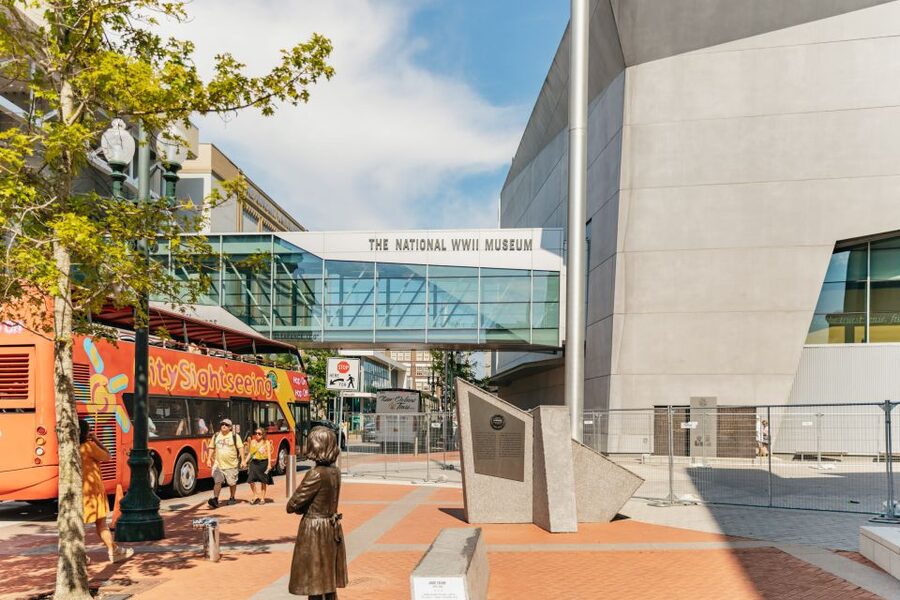
Enter through the main entrance on the north side of Andrew Higgins Boulevard. Staff scan your barcoded ticket and direct you to the correct area, where you can pick up a visitor guide and any additional barcode needed for a film or tour.
The Louisiana Memorial Pavilion is the natural place to begin. Its D-Day exhibit focuses on the invasion of Normandy, including the landing craft designed and built in New Orleans. That local connection gives the museum a useful sense of place. You are not looking at a distant war only through maps. You are also seeing how New Orleans workers and factories helped prepare the invasion force.
The D-Day displays explain the operation from several angles. You can expect information on planning, equipment, troops, and the scale of the landing. The museum’s ability to connect large military movements with individual stories is one of its strongest features.
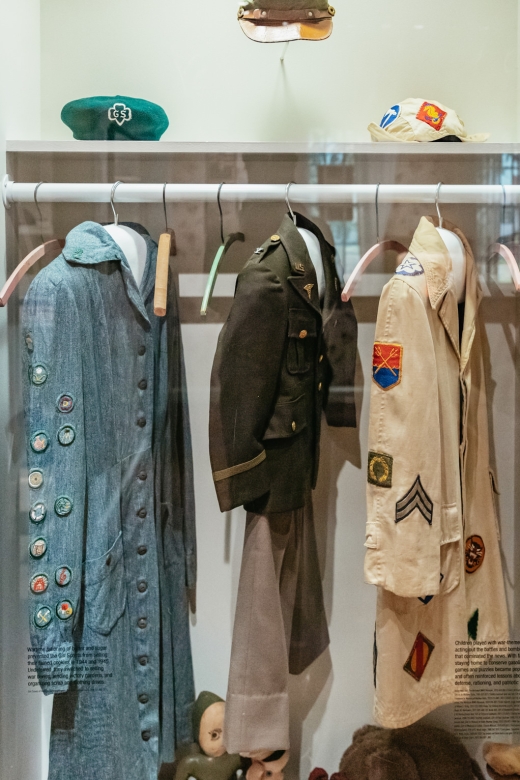
The Home Front exhibit sits in this pavilion as well. It shifts attention away from soldiers and battlefields and toward the people who supported the war from home. This section helps you understand the production effort, changing work roles, and the everyday adjustments required by a nation at war.
Give yourself time here before rushing onward. The Home Front displays can be easy to skip if you arrive eager to see tanks and aircraft, but they explain how the United States turned its industrial strength into military power.
Follow the Pacific road from Pearl Harbor to Tokyo
The Campaigns of Courage area contains the Road to Tokyo exhibit, which traces the Pacific war from Pearl Harbor through the long fight toward Japan. The word road can sound tidy, but the displays present this campaign as a slow, demanding advance across difficult battle zones.
You will find the Pacific story presented through maps, objects, personal accounts, and recreated settings. The museum shows how the war changed over time, and why the United States had to fight for each stage of its progress.
This section matters because the Pacific campaign is sometimes reduced to a few familiar names: Pearl Harbor, Midway, island battles, and the atomic bombs. Here, the sequence gets more attention. You see the sustained effort involved in moving people and supplies across the ocean and forcing Japan back toward its home islands.
If you want more guidance, you can add the two-hour Campaigns of Courage guided tour. An expert docent leads visitors through Road to Tokyo and Road to Berlin, helping connect the exhibits and explain military choices. The tour is useful if you prefer a clear route and conversation instead of reading every panel on your own.
The tradeoff is time. A two-hour guided tour is a serious commitment inside a museum that already needs most of a day. It works best for a first visit when you want context, or for anyone who finds large museums hard to organize independently.
Walk through the Road to Berlin
Road to Berlin follows the American campaign in Europe. Recreated battle settings and villages give the displays a physical quality that flat panels cannot match. You are encouraged to picture the war at ground level, not just as arrows moving across a map.
The exhibit explains the effort to defeat the Axis powers in Europe and places individual experiences within the wider campaign. Firsthand testimony is central to the museum’s approach, and that personal element keeps the military story from becoming a list of dates.
I appreciate the way the museum places strategy beside human experience. You can learn why an operation mattered, then encounter the effects on the people who fought, worked, waited, or suffered through it. The result is serious and sometimes upsetting, but it avoids treating war as a clean adventure story.
Road to Berlin and Road to Tokyo are the heart of the Campaigns of Courage area. If you only have a few hours, select one campaign and give it proper attention rather than racing through both. If you have a full day, you can move slowly and return to sections that deserve another look.
A few more New Orleans tours worth a look
- New Orleans: Vue Orleans Observation Deck Entry Ticket
★ 4.7 · 132 reviews - New Orleans: Audubon Aquarium & Insectarium Ticket
★ 4.5 · 93 reviews - Vue Orleans: Observation Deck Entry Ticket
★ 4.5 · 87 reviews - Audubon Zoo Ticket
★ 4.5 · 75 reviews
Look up at the aircraft in the U.S. Freedom Pavilion
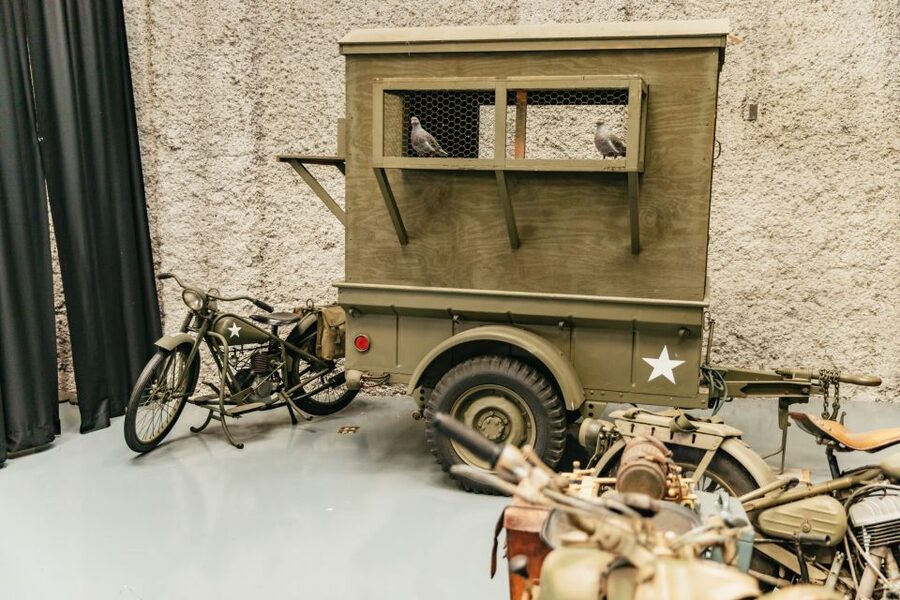
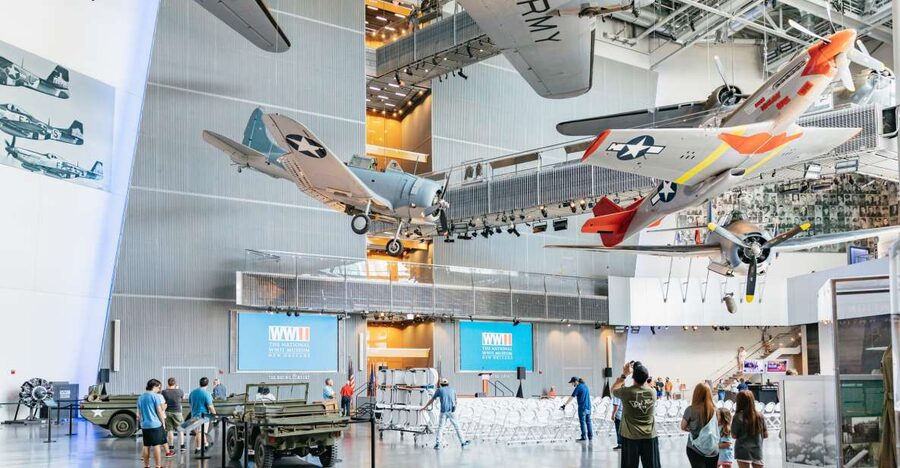
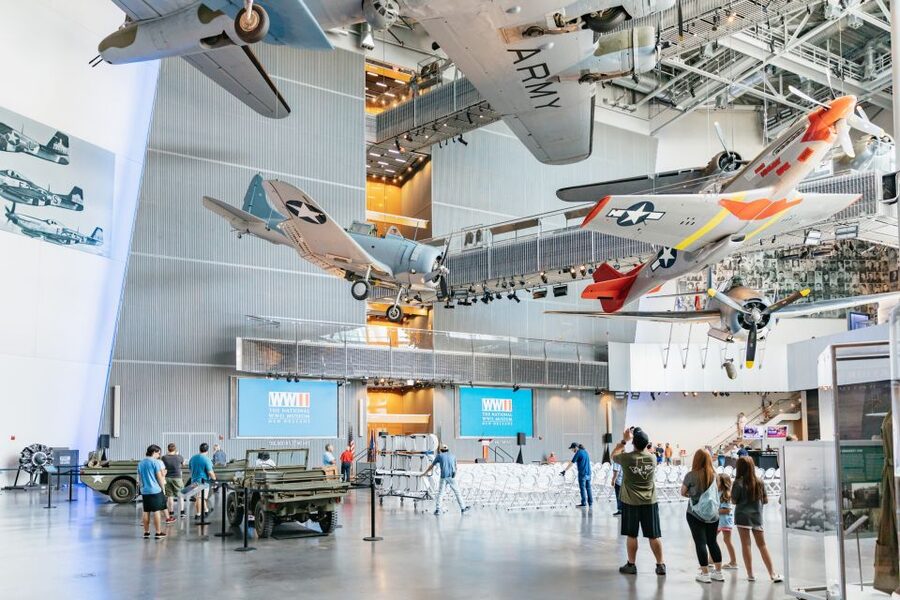
The U.S. Freedom Pavilion offers one of the museum’s most memorable visual moments. Wartime aircraft hang overhead, including a B-17E Flying Fortress, while two catwalks bring you closer to the machines.
The catwalks are not just a clever photo opportunity. They let you inspect the shape, size, and working positions of the aircraft in a way that a floor-level display cannot. You can look into parts of the planes and see figures placed in wartime positions, which helps explain how many people worked inside these machines.
The pavilion also displays tanks and trucks. Together, the aircraft and ground vehicles show the industrial side of war. These were not isolated inventions. They were tools produced, repaired, transported, and operated on a huge scale.
This is a good section for families and anyone who learns best through objects. The machines make the period tangible, while the labels explain how they were used. The drawback is that crowded areas can make it uncomfortable to stop and read, especially near popular aircraft. Come early if you want the quietest start.
Consider the 4D film, Beyond All Boundaries
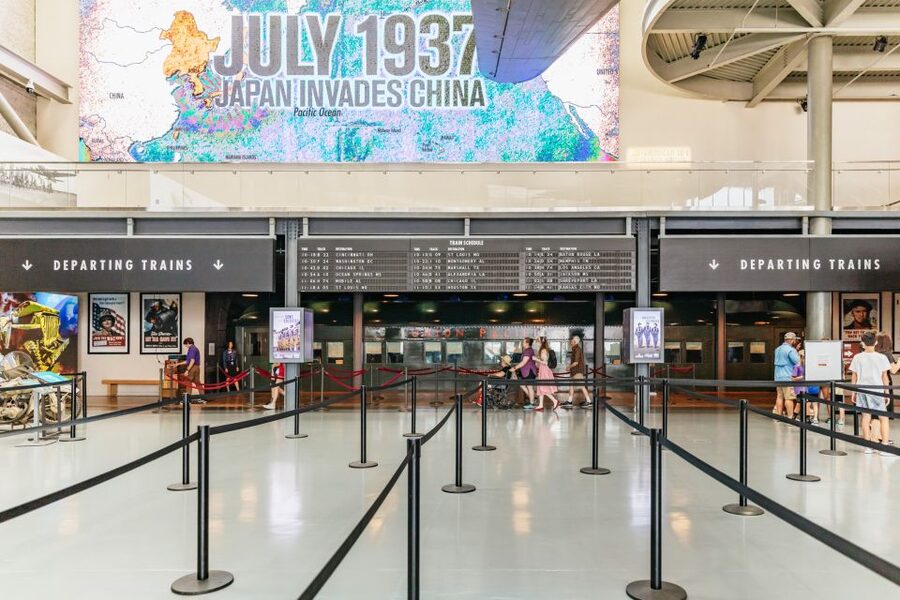
The optional Beyond All Boundaries film plays in the Solomon Victory Theatre. It is narrated by Tom Hanks and presents World War II as a sensory experience, using 3D screens, physical props, and effects that let you hear and feel parts of the story.
This is not a substitute for the museum. It is a powerful supplement. The film compresses a vast subject into a dramatic presentation, giving you a broad sweep before or after you study the detailed exhibits.
I would add it if the extra cost fits your budget. The physical effects and large-screen presentation make it one of the museum’s most memorable features, but the style is more theatrical than the galleries. Some people will appreciate the emotional force. Others may prefer the quieter pace of oral histories and artifacts.
Your film time is reserved separately. If you choose an admission option with the 4D movie, the time printed on your ticket is for the film, while the museum admission itself is valid for entry at any time that day. Build your route around that appointment so you do not arrive breathless after getting absorbed in another pavilion.
See how the war closes in Liberation Pavilion
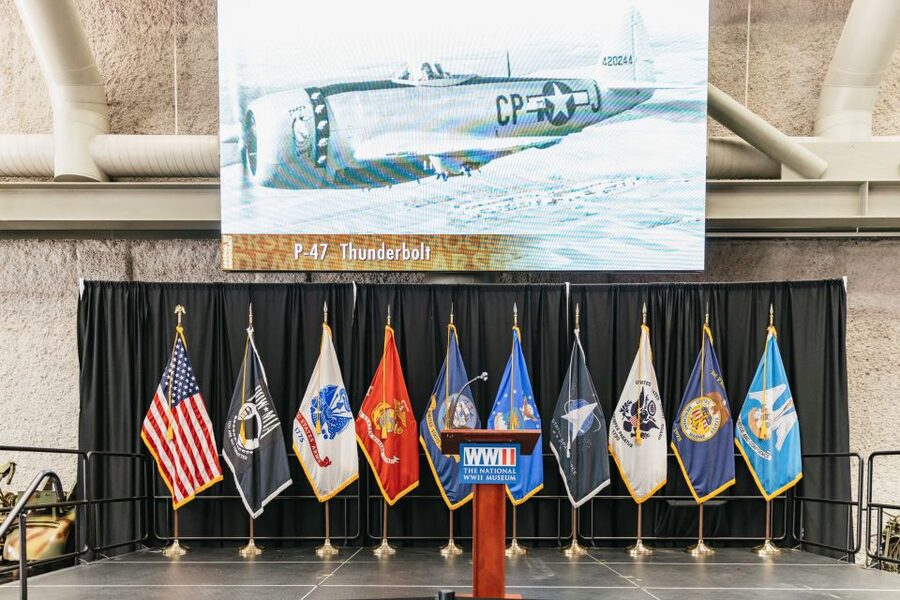
Liberation Pavilion explores the final months of World War II and the years immediately after it. This section brings the story toward victory, then asks what the end of the war meant for the world that followed.
That final step is important. War museums can focus so heavily on battles that they stop at surrender. Here, the story continues into the postwar period and links those changes to life today.
You should allow enough time for this pavilion rather than treating it as an optional footnote. It gives the museum a wider frame and helps explain why World War II still shapes politics, technology, military alliances, and public memory.
Because the museum has five buildings and several floors of displays, it is easy to underestimate the time needed. Many people reach closing time before seeing everything. An early start is the best practical fix.
Add the Arsenal of Democracy tour for the home front
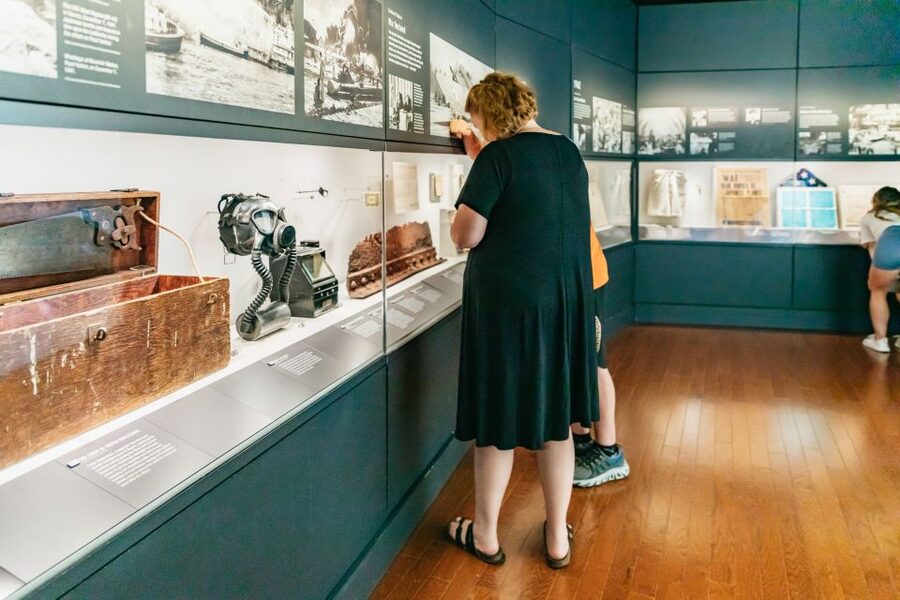
The Arsenal of Democracy guided tour is another optional addition. The provided information does not specify its length or exact route, so check the available option when booking. Its subject makes it a logical companion to the Home Front material and the vehicles in the U.S. Freedom Pavilion.
A guided option is worth considering if you want the museum’s big ideas explained by a docent. Volunteers and staff are available to point you in the right direction, but standard admission does not include a live guide.
If you enjoy setting your own pace, skip the tour and use the visitor guide. The museum’s text, videos, and displays are designed to work without a guide. You will have more freedom to pause at personal stories or pass quickly through material that interests you less.
Food, breaks, parking, and a realistic schedule
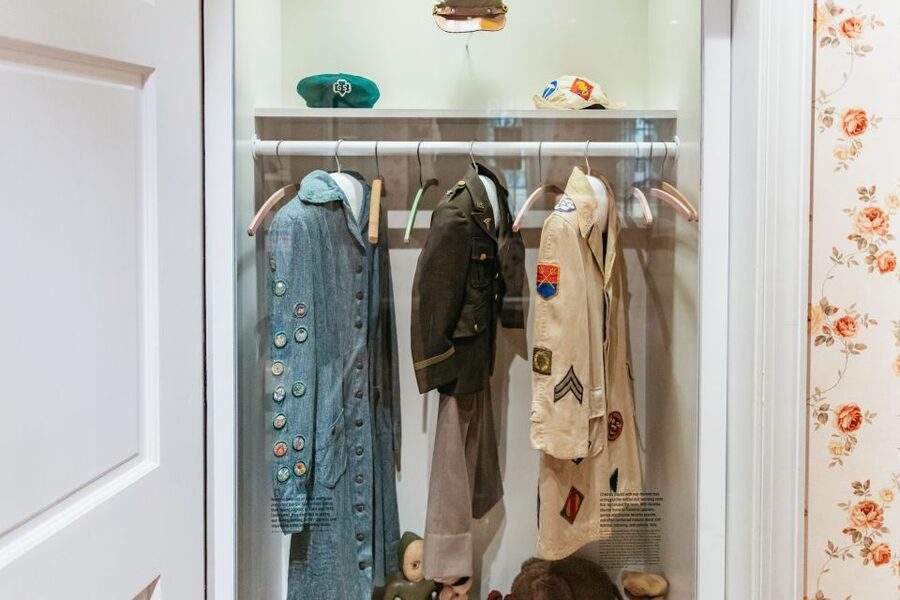
The American Sector Restaurant & Bar is open Sunday through Friday from 11 a.m. to 2 p.m., and Saturday from 11 a.m. to 3 p.m. That limited schedule makes lunch planning worthwhile. The museum also has Jeri’s for snacks and sweets, and the chocolate shake and beignet fries have become tempting end-of-day choices.
You will find clean restrooms and places to take breaks as you move through the complex. A full day of reading and standing can be tiring, particularly for older visitors. A senior who needs help moving around should ask staff about available assistance. A limited number of wheelchairs are available on a first-come basis.
The paid parking garage is at 1024 Magazine Street. You can also reach the museum easily from downtown New Orleans, but the information provided here does not specify public transportation routes, so check your route before setting out.
The museum is wheelchair accessible. No flash photography or video is allowed. Informational booklets are available in Chinese, English, French, Japanese, and Spanish, which helps visitors who prefer a language other than English.
Is the $37 ticket good value?
At $37 per person, basic admission is not a cheap museum stop. I think it is good value if you enjoy history and can give the museum at least half a day, but it is poor value if you arrive late and see only one pavilion.
The price covers a large amount of material: D-Day, the Home Front, the Pacific war, the European campaign, aircraft, vehicles, personal accounts, restoration work, and the postwar period. You are paying for scale and depth, not a short attraction that can be completed in an hour.
The 4D film and guided tours cost more through upgraded ticket options. I would prioritize the film for a first visit if you enjoy cinematic presentations. Choose a guided tour if you want help organizing the military story or if you tend to skip written explanations in large museums.
The ticket is valid for one day, and admission options may be timed or non-timed depending on your selection. Buy in advance to secure your preferred museum, movie, or tour time. Free cancellation is available up to 24 hours before the experience, and reserve-now, pay-later booking can help if your New Orleans plans are still shifting.
Who should book this museum?
You should book this if World War II interests you, if you value firsthand testimony, or if you want one of New Orleans’ strongest indoor cultural stops. It also suits families with older children, military families, veterans, and anyone who prefers exhibits with machinery, film, and recreated environments rather than long rows of small objects.
It is less suitable for a tightly packed sightseeing day. The museum asks for attention, and rushing from pavilion to pavilion will leave you with fragments instead of a clear understanding.
Plan for at least four hours, then add time if you want to read carefully. A full day is better, and a second day may appeal to serious history fans. Keep the rest of your schedule light, book an early entry, and treat the museum as the main event.
Should you book the National WWII Museum ticket?
Yes, if you can protect the time it deserves. The D-Day landing craft, overhead aircraft, personal stories, and carefully built campaign exhibits make this far more than a standard military museum.
Choose basic admission if you want flexibility. Add Beyond All Boundaries for the strongest theatrical presentation, or select a guided tour if you want an expert docent to connect Road to Tokyo and Road to Berlin. Just do not book a late entry and expect to see the whole place. This is a museum to plan around, not squeeze in.
FAQ
How much does admission to the National WWII Museum cost?
The listed admission price is $37 per person. Options that include the 4D film or a guided tour may cost more.
How long should I plan for the museum?
Plan at least half a day, though a full day is better if you want to see the five pavilions carefully. Reservations after 3 p.m. should expect a shortened visit.
Is the Beyond All Boundaries 4D film included?
The 4D film is included only with an option that specifically lists the timed movie ticket. It is narrated by Tom Hanks and uses 3D screens, physical props, and sensory effects.
Is the museum admission timed?
The ticket may be timed or non-timed, depending on the option selected. If you choose a film or guided tour, the time on your ticket is the reserved time for that film or tour. Museum admission included with those options is valid for entry at any time that day.
Is the National WWII Museum wheelchair accessible?
Yes, the museum is wheelchair accessible. A limited number of wheelchairs are available for use on a first-come basis.
Where is parking for the museum?
The museum’s paid parking garage is located at 1024 Magazine Street.
Can I cancel my ticket?
You can cancel up to 24 hours in advance for a full refund. Reserve-now, pay-later booking is also available for eligible options.
Just added around New Orleans
- New Orleans Garden District Tour★ 5.0 · 8 reviews
- New Orleans Seance Experience★ 4.0 · 8 reviews
- Airport and City Transfers in New Orleans★ 5.0 · 8 reviews
- Sin and Tonic Pub Crawl in New Orleans★ 4.5 · 8 reviews
- The New Orleans Darkness Tour★ 4.4 · 9 reviews
- New Orleans Plantation Tour with Transportation★ 5.0 · 9 reviews
- New Orleans Self-Guided Kayak Bayou Swamp Tour★ 5.0 · 9 reviews
- Historic Carrollton Neighborhood Walking Tour★ 5.0 · 9 reviews
Museums, compared.
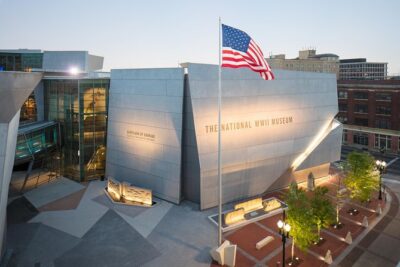
The National WWII Museum Admission Ticket New Orleans
Read our review →
French Quarter Walking Tour With Comp 1850 House Museum Admission
Read our review →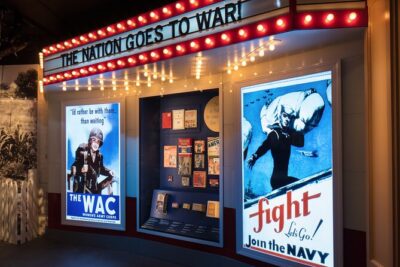
The National WWII Museum Campus Pass plus 4-D Film
Read our review →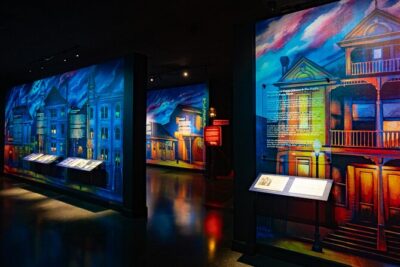

Whitney Plantation and Museum Tour from New Orleans
Read our review →
Museum of the Southern Jewish Experience in New Orleans
Read our review →Browse the lists this tour appears in