
Reviewed · FRENCH QUARTER TOURS
New Orleans: French Quarter Walking Tour
New Orleans history gets more honest when you walk it block by block. This two-hour French Quarter tour moves from Cafe du Monde and the old French Market to a former slave market, the site of the Great Fire of 1788, and Preservation Hall. Jazz, immigration, slavery, hurricanes, and architecture all meet on the same short route.
I like the way the tour connects famous sights to lesser-known stories, especially Danny Barker’s work to preserve traditional jazz and the Sicilian macaroni factories of the lower Quarter. I also like the personal touch of guides such as Regine, who offers historical context, answers questions, and gives useful ideas for the rest of your stay. The main drawback is simple: two hours is a short time for such a complicated district, and the walk takes place rain or shine.
In This Review
- Key points to know before you book
- Starting beside Jackson Square at 529 St. Ann Street
- Cafe du Monde and the old French Market
- Ursuline Convent and the women who crossed the Atlantic
- Danny Barker’s house and the sound of traditional jazz
- The macaroni factories and Sicilian New Orleans
- Vincente Nunez and the Great Fire of 1788
- Former slave markets and the St. Louis Hotel
- Preservation Hall and New Orleans musical memory
- How much value do you get for $50?
- Who will get the most from this walk?
- Practical details that make the day easier
- Should you book the French Quarter walking tour?
- FAQ
- How long does the French Quarter walking tour last?
- Where does the tour begin?
- Where is the meeting point in relation to Jackson Square?
- What languages are available?
- Is food included?
- Does the tour operate in bad weather?
- Is the tour wheelchair accessible?
- Can I cancel for a refund?
Key points to know before you book
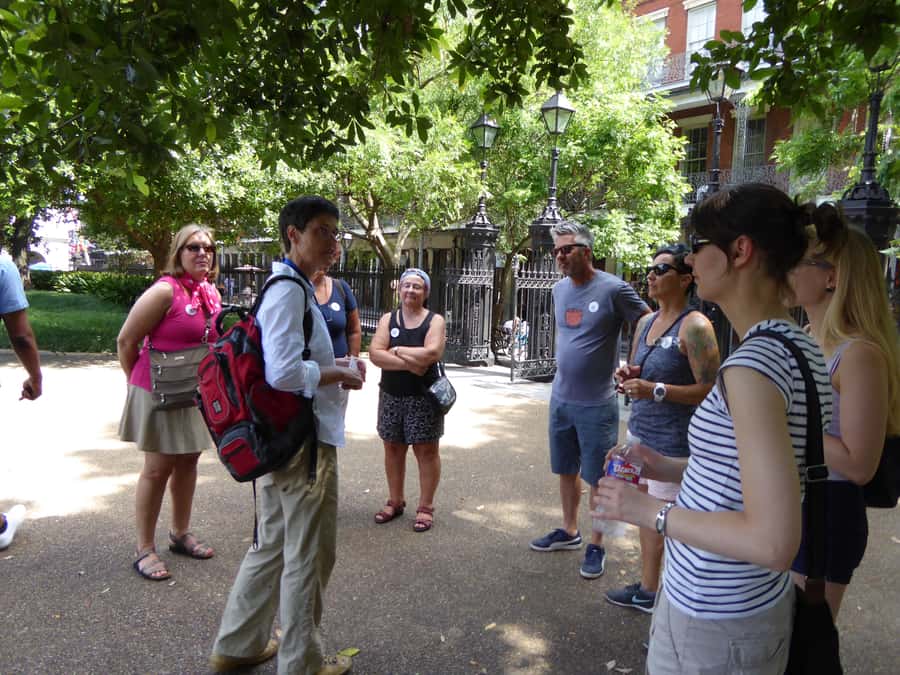
- See beignets being made at Cafe du Monde, but bring money if you want food or coffee because refreshments are not included.
- Walk through difficult history, including former slave markets and the former St. Louis Hotel and Exchange.
- Hear the story of the Great Fire of 1788 at the Chartres Street house linked to Vincente Nunez.
- Connect New Orleans jazz to Danny Barker, a major figure in keeping traditional jazz alive.
- Start beside Jackson Square at 529 St. Ann Street and finish back at the square.
- Choose English or German guiding, with free cancellation up to 24 hours before the tour.
Starting beside Jackson Square at 529 St. Ann Street
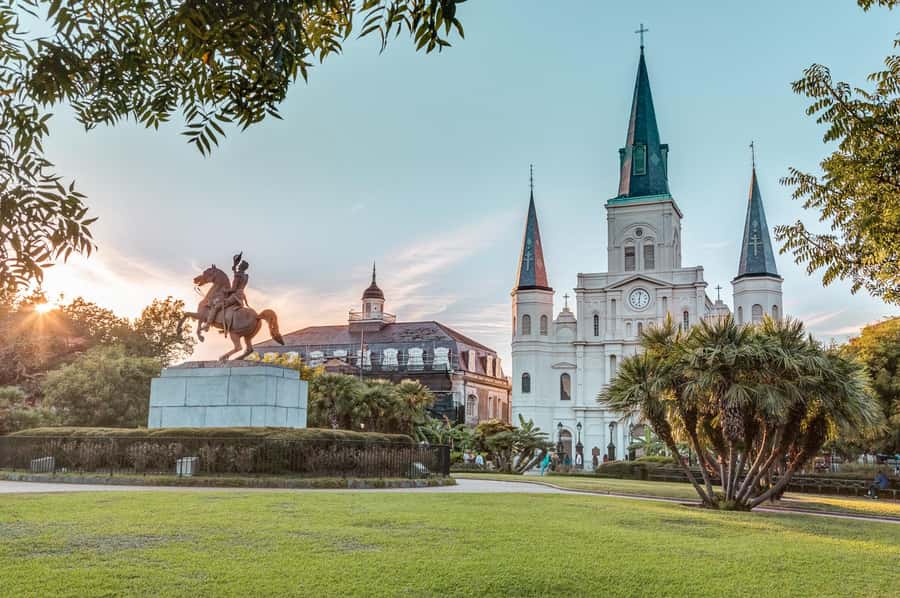
Your meeting point is in front of the former Louisiana Welcome Center at 529 St. Ann Street. The building is in the lower Pontalba Rowhouse, beside Jackson Square, on the left side of the square when you face the Mississippi River.
This detail matters. St. Ann Street is a pedestrian zone on this block, and the storefront is now occupied by Fives Bar, an oyster restaurant. Look for a licensed 504Tours guide rather than expecting a current Louisiana Welcome Center sign. The location is about half a block from Chartres Street at St. Ann Street.
Jackson Square gives you an immediate sense of New Orleans public life. It was once used as a parade ground. Today, musicians, tarot card readers, and street performers gather around it. You begin and end here, so the square also works as an easy reference point for the rest of your day.
Arrive with solid shoes and clothing suited to the weather. This is a walking tour, not a hop-on, hop-off outing, and it operates in rain or shine. The route is listed as wheelchair accessible, though street conditions and weather can still affect comfort.
More ways to walk the French Quarter:
- New Orleans Food Walking Tour of the French Quarter with Small-Group Option
★ 5.0 · 6,118 reviews - New Orleans French Quarter, Voodoo and Culture Walking Tour
★ 4.5 · 2,961 reviews - French Quarter Historical Sights and Stories Walking Tour
★ 5.0 · 2,724 reviews
Cafe du Monde and the old French Market
The walk heads downriver along the old French Market, one of the key places for understanding how commerce shaped the French Quarter. The route also includes a look at how Cafe du Monde prepares its famous beignets.
You are watching the pastry being made, not receiving a meal as part of the tour. Food and drink are excluded, so you can decide later if you want to stop for beignets and coffee on your own. That arrangement keeps the tour moving, but it also means you should not count on a built-in snack break.
I like this opening because it gives you something concrete to watch before the tour turns toward heavier subjects. The beignet is a simple pastry, but the preparation helps connect the French Quarter to its food traditions and commercial life. It also gives you a clear picture of how a famous local institution functions rather than treating it as a photo stop.
The route through the French Market is also useful for first-time visitors. You get a sense of the Quarter as a working place, not only a row of pretty balconies and souvenir shops.
Ursuline Convent and the women who crossed the Atlantic
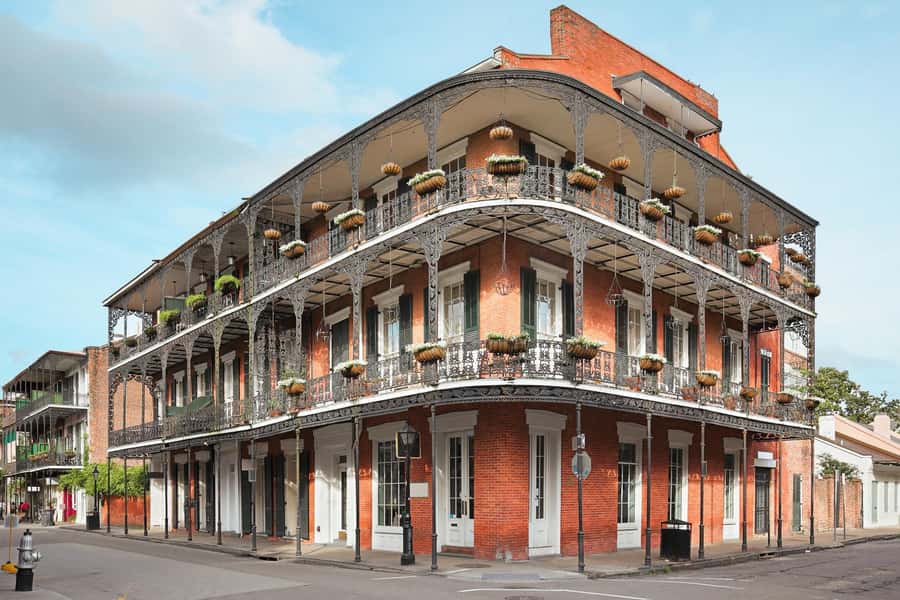
The next major stop is Ursuline Convent, described as the oldest Colonial-era building in the Mississippi Delta. The building connects New Orleans to the early 1700s, when Ursuline nuns came to the region and took on difficult work in a still-developing settlement.
The story here is not just about old walls. It is about the courage and ambition required to travel to a remote colonial outpost and build a religious and social institution there. Your guide can place the convent within the wider story of early New Orleans, before the city became the music and food capital known today.
This is one of the tour’s useful habits: it does not treat architecture as decoration alone. A building becomes a way to discuss who arrived, why they came, and what kind of city they helped create.
You should expect exterior-focused sightseeing along the route unless your guide states otherwise. The value comes from the setting and explanation, not from an extended interior visit.
Danny Barker’s house and the sound of traditional jazz
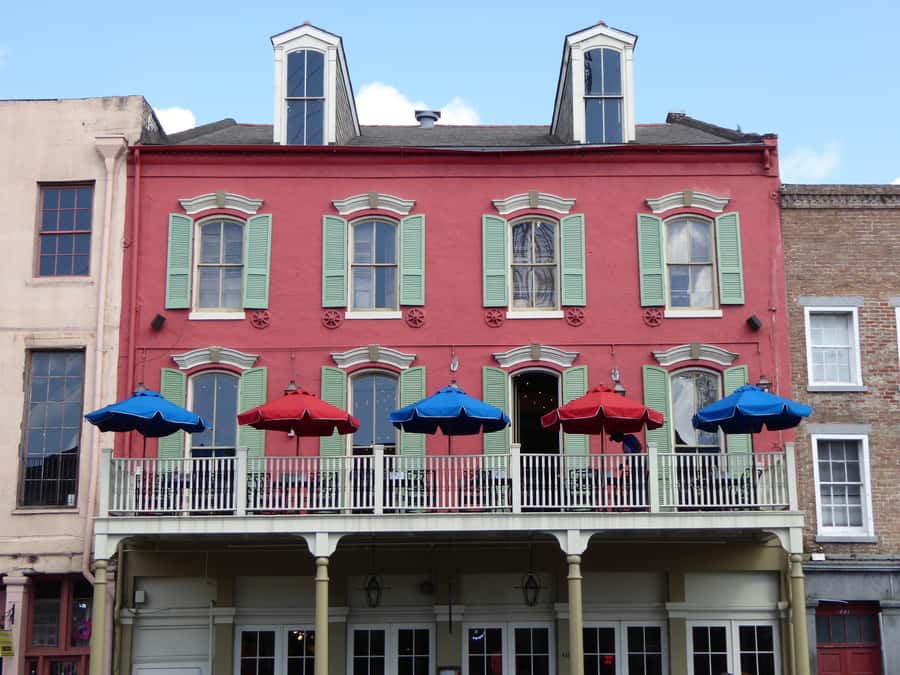
The walk passes the former home of Danny Barker, a banjo player who played a major part in preserving New Orleans traditional jazz. His name gives the music story a human center.
New Orleans jazz is often presented through famous clubs and performers. Danny Barker’s story adds another layer: music survives because people teach it, play it, and protect it when public interest shifts. That makes the stop at his house more meaningful than a quick mention of a musician’s name.
The tour later stops at Preservation Hall, regarded as the city’s essential home for traditional jazz. Seeing both Barker’s connection to the neighborhood and Preservation Hall’s role gives you a better sense of jazz as a living local tradition.
You will not get a full concert as part of this walking tour. Instead, you receive context that can help you decide how to spend an evening. If traditional jazz matters to you, ask your guide for practical suggestions after the tour. Regine, in particular, is praised for offering ideas and advice for the rest of a New Orleans visit.
More walking tours in New Orleans:
- New Orleans Premier Ghost, Voodoo and Vampire Walking Tour
★ 4.5 · 12,856 reviews - St. Louis Cemetery No. 1 Official Walking Tour
★ 4.5 · 3,941 reviews - New Orleans Garden District History Walking Tour
★ 5.0 · 2,879 reviews - Ghost and Vampire Walking Tour Of The French Quarter
★ 4.5 · 2,406 reviews
The macaroni factories and Sicilian New Orleans
One of the route’s more unusual details is a former macaroni factory in the lower French Quarter. It points to the major role Sicilian immigrants played in New Orleans.
This is exactly the sort of stop that adds value to a walking tour. You may already know the Quarter for French and Spanish architecture, but New Orleans identity was also shaped by Italian immigration, food production, business, and neighborhood life.
The factory gives you a physical clue to that story. Rather than hearing only a general statement about immigration, you see where an industry once operated. The detail also helps explain why pasta and other Italian foods became part of the city’s broader food culture.
Do not expect the stop to function as a museum visit. It is part of the street-level route, and its importance comes from the guide explaining what the building reveals about the people who lived and worked in this part of town.
Vincente Nunez and the Great Fire of 1788
At a house on Chartres Street, you hear about Vincente Nunez, a Spaniard whose carelessness helped trigger the Great Fire of 1788. The blaze destroyed about 80 percent of the city.
That scale changes how you look at the surviving buildings. New Orleans is often praised for its historic architecture, but the city’s old quarters have also been shaped by catastrophe, rebuilding, and changing rules. A single house becomes the starting point for a story about fire, urban damage, and the fragile nature of early construction.
This stop is especially good for visitors who want more than dates and names. The story is memorable because it is tied to an ordinary human mistake with extraordinary consequences. It also helps you understand why the Quarter contains different architectural influences and periods rather than one perfectly uniform style.
The tour does not turn the fire into a spooky anecdote and move on. It uses the event to show how quickly a city can be remade. That historical scale is hard to grasp from a guidebook map, but easier when you are standing on the street where the story is attached.
Former slave markets and the St. Louis Hotel
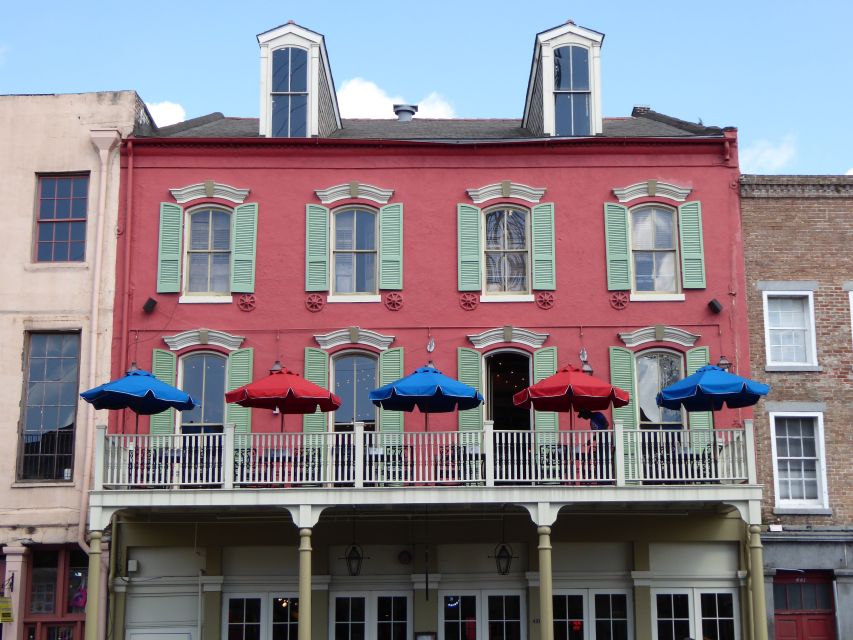
The most serious part of the walk concerns slavery. You pass several former slave markets and learn about Jean Francois Merieult, a powerful Creole businessman and slave trader. The route also includes the former St. Louis Hotel and Exchange, where thousands of Africans were sold into slavery.
This is essential context for any French Quarter visit. The district’s attractive buildings, courtyards, restaurants, and music venues exist alongside places connected to human trafficking and forced labor. A responsible tour needs to address both realities, and this one makes slavery part of the main route rather than a side note.
The St. Louis Hotel and Exchange stop is particularly important because it connects commerce to the city’s physical center. Slavery was not distant from daily business or confined to an isolated site. It was tied to hotels, exchanges, merchants, property, and the fortunes of influential residents.
You may find this section difficult, and it should be. The tour is not designed as light entertainment. The guide’s role is to give you enough historical detail to understand how New Orleans grew and who paid the price for that growth.
I would not schedule this walk only as a prelude to cocktails and music without leaving yourself a little space afterward. The slavery section adds depth, but it also asks for attention and reflection.
Preservation Hall and New Orleans musical memory
After the historical stops, the walk reaches Preservation Hall, the city’s best-known center for traditional jazz. The building is not simply another landmark. It represents the effort to keep an old musical form present in a city where styles and tastes continue to change.
Placed after Danny Barker’s story, the visit makes sense. You have already heard about one musician’s role in protecting traditional jazz, and now you see a venue associated with that same mission.
The tour ends back in Jackson Square with the story of Madame de Pontalba, a French baroness and businesswoman connected to the elegant Pontalba Rowhouses. Her story brings architecture, money, social rank, and business together in a fitting final chapter.
Ending where you began is practical. You do not need to find a new neighborhood or arrange a ride from an unfamiliar location. From Jackson Square, you can continue into the French Market, explore nearby streets, or stop for food on your own.
How much value do you get for $50?
At $50 per person, this is not the cheapest way to walk around the French Quarter. You can stroll the streets without paying anything, and you can read about many landmarks before you arrive.
The price makes more sense if you want the connections between places. A self-guided walk might show you Ursuline Convent, Preservation Hall, Chartres Street, and Jackson Square, but it is less likely to link those sights in one story about immigration, slavery, fire, jazz, hurricanes, and architecture.
The tour also saves you from guessing which details matter. The former macaroni factory, the house connected to the Great Fire, and Danny Barker’s home are easy to miss without a guide. For a first visit, that local framing can be worth the fee.
The tour also explains how New Orleans has protected itself from hurricanes and discusses Hurricane Katrina, one of the city’s defining modern disasters. This is a strong value point because it links the old city to present-day concerns about flooding, storm protection, and survival.
Food and drinks are not included, so the $50 covers guiding rather than a package of tastings. I would book it for the history and local interpretation, then budget separately for beignets, coffee, lunch, or an evening of jazz.
Who will get the most from this walk?
This experience suits a first-time visitor who wants a clear introduction to the French Quarter without spending half a day on foot. Families can manage the two-hour length, and the tour has worked well for a family with a 9-year-old child.
It also suits anyone who wants more than the usual architecture tour. The route includes difficult subjects, immigrant history, traditional music, natural disasters, and the social forces behind the city’s development.
The walk may be less suitable if you want a food tour, a long jazz performance, or a highly specialized architectural study. You see and discuss those subjects, but you do not receive food or a concert.
German-speaking visitors have a useful option here, since guiding is available in German as well as English. Regine has led the tour in German and is described as especially responsive to questions and individual interests.
Practical details that make the day easier
The tour lasts two hours, with starting times depending on availability. Plan to remain outside for the duration and wear solid shoes. Because the walk operates in any weather, a rain layer and suitable clothing are sensible choices.
The meeting point can cause confusion because the Louisiana Welcome Center is a former landmark, not the current storefront name. Go to 529 St. Ann Street, look for the Fives Bar oyster restaurant, and find the licensed 504Tours guide in front of that space.
The activity is wheelchair accessible. Still, the tour takes place on city streets and pedestrian areas, so anyone concerned about mobility should confirm current conditions when booking.
You can cancel up to 24 hours before the start for a full refund. The reserve-now, pay-later option is helpful if your New Orleans schedule is still shifting.
Should you book the French Quarter walking tour?
I would book this tour if you want the French Quarter explained as a real city, not just a pretty district. The route covers famous sights, but its best moments come from the less obvious links: Sicilian macaroni makers, Danny Barker’s banjo, a disastrous fire, former slave markets, and the city’s response to hurricanes.
The $50 price is fair when you value a strong guide and focused context. It is less compelling if you plan to spend the whole time sampling food or want a music performance rather than a historical walk.
Choose it early in your stay if possible. The advice from a guide such as Regine can help shape your remaining hours, and finishing in Jackson Square leaves you in a useful place to continue exploring. Just bring good shoes, dress for the forecast, and be ready for a tour that treats New Orleans with both affection and honesty.
FAQ
How long does the French Quarter walking tour last?
The tour lasts two hours.
Where does the tour begin?
It begins at 529 St. Ann Street, in front of the former Louisiana Welcome Center beside Jackson Square. The storefront is now occupied by Fives Bar, an oyster restaurant.
Where is the meeting point in relation to Jackson Square?
The meeting point is on the left side of Jackson Square when you face the river. It is about half a block from the corner of Chartres Street and St. Ann Street.
What languages are available?
The tour is available with a live guide in English or German.
Is food included?
No. Food and drinks are not included, including any beignets or coffee.
Does the tour operate in bad weather?
Yes. The tour takes place rain or shine, so wear suitable clothing and solid shoes.
Is the tour wheelchair accessible?
Yes, the activity is listed as wheelchair accessible.
Can I cancel for a refund?
Yes. You can cancel up to 24 hours in advance for a full refund.
Just added around New Orleans
- New Orleans Garden District Tour★ 5.0 · 8 reviews
- New Orleans Seance Experience★ 4.0 · 8 reviews
- Sin and Tonic Pub Crawl in New Orleans★ 4.5 · 8 reviews
- Airport and City Transfers in New Orleans★ 5.0 · 8 reviews
- The New Orleans Darkness Tour★ 4.4 · 9 reviews
- New Orleans Plantation Tour with Transportation★ 5.0 · 9 reviews
- New Orleans Self-Guided Kayak Bayou Swamp Tour★ 5.0 · 9 reviews
- Historic Carrollton Neighborhood Walking Tour★ 5.0 · 9 reviews
French Quarter Tours, compared.
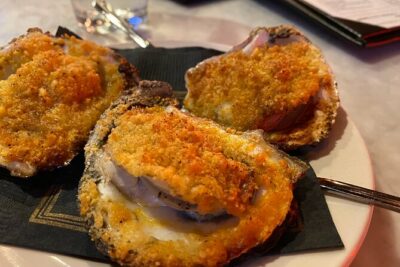
New Orleans Food Walking Tour of the French Quarter with Small-Group Option
Read our review →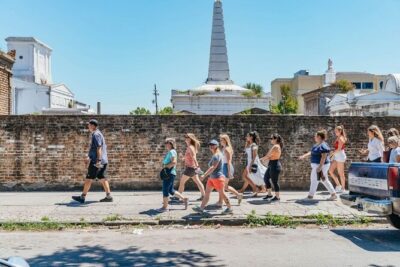
New Orleans French Quarter, Voodoo and Culture Walking Tour
Read our review →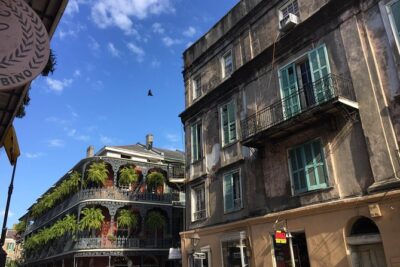
French Quarter Historical Sights and Stories Walking Tour
Read our review →
Ghost and Vampire Walking Tour Of The French Quarter
Read our review →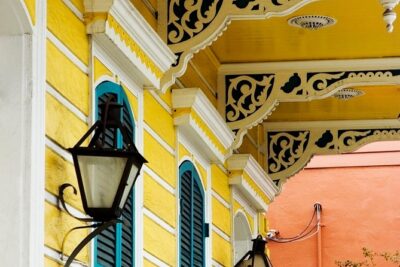
New Orleans City Tour: French Quarter, Garden District & Cemetery
Read our review →
New Orleans French Quarter Food Tour: Cajun, Creole and Culture
Read our review →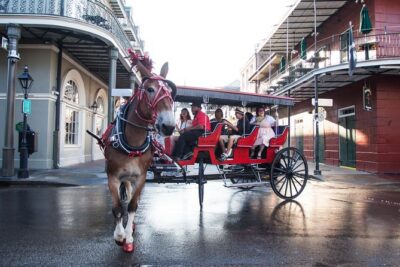
New Orleans French Quarter and More Carriage Ride
Read our review →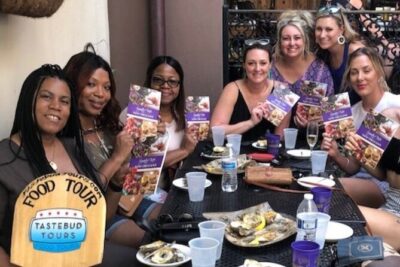
French Quarter walking Food Tour Famous Flavors of New Orleans
Read our review →Browse the lists this tour appears in