
Reviewed · DESTREHAN PLANTATION TOURS
New Orleans: Destrehan Plantation Tour
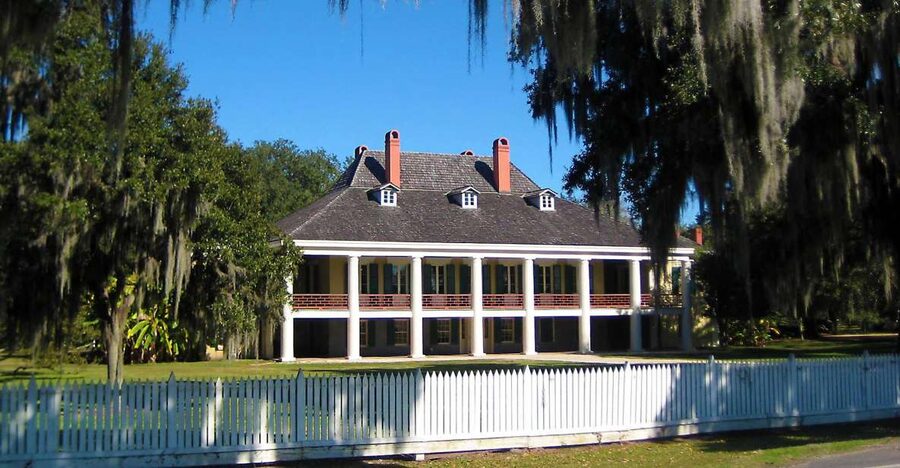
Destrehan Plantation gives you more than a pretty antebellum house. The tour places the plantation’s owners, workers, free residents, and enslaved people into the same story, then backs it up with original records and surviving buildings. The slavery history is treated as a central subject, not a footnote.
I like two things right away: the quick 25-minute drive from Downtown New Orleans and the chance to see an original document signed by Thomas Jefferson and James Madison. I also like the grounds, where live oaks draped in Spanish moss make for memorable photographs. The main consideration is time: the house tour can feel short if you want a long, building-by-building visit.
In This Review
- Key points to know before you go
- Why Destrehan Plantation is worth your time
- The 25-minute trip from Downtown New Orleans
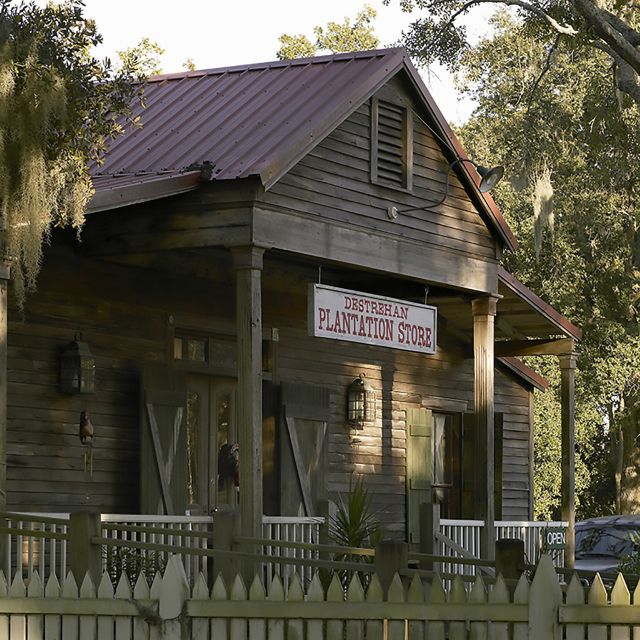
- Meeting your guide behind the Plantation Store
- Inside the house, look beyond the furnishings
- The Jefferson and Madison document
- The folk-life demonstration adds daily detail
- The slave cabin and the enslavement registry
- The overseer’s cabin and the 1811 Slave Revolt
- The Legacy Room and original family artifacts
- Outdoor kitchens, washrooms, and a trapper’s cabin
- Live oaks, Spanish moss, and the photo factor
- How the $29 admission works as a value
- Who will enjoy this plantation visit most
- Should you book Destrehan Plantation?
- FAQ
- How far is Destrehan Plantation from Downtown New Orleans?
- Is transportation from my hotel included?
- Where do I meet the guide?
- Is the tour offered in English?
- Can I see an original document signed by Jefferson and Madison?
- Is the plantation wheelchair accessible?
- Can I record video inside the plantation?
Key points to know before you go
- Louisiana’s oldest plantation: Visit a historic home and grounds with stories reaching across several eras of Louisiana history.
- A document signed by Jefferson and Madison: See an original paper tied to the development of Louisiana.
- A personal English-speaking guide: Guides such as Ann and Beverly lead the house portion and bring the people of the plantation into focus.
- A strong slavery-history component: See an enslavement registry, a slave cabin, and exhibits on the 1811 Slave Revolt and Rost Home Colony.
- A short drive from New Orleans: The plantation is about 25 minutes from Downtown New Orleans, with free parking on arrival.
Why Destrehan Plantation is worth your time
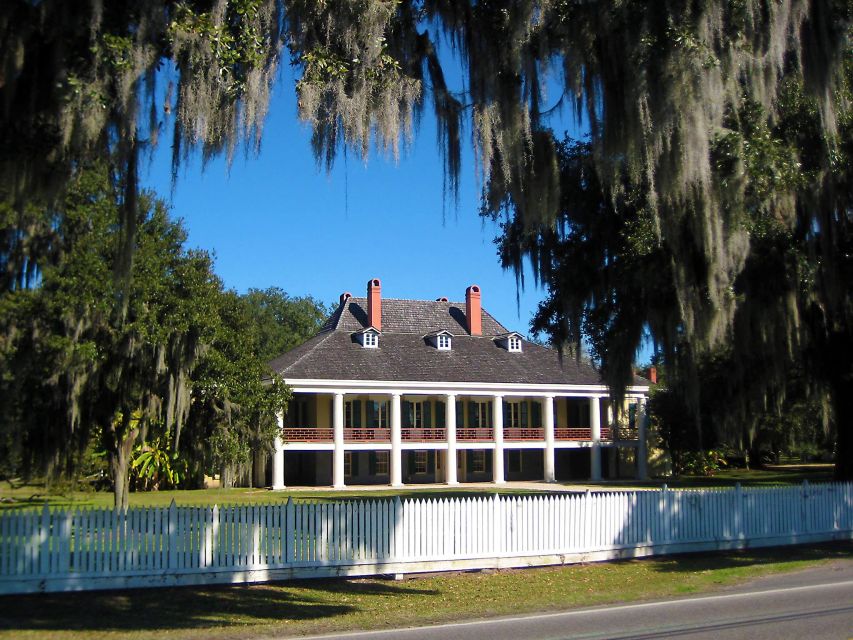
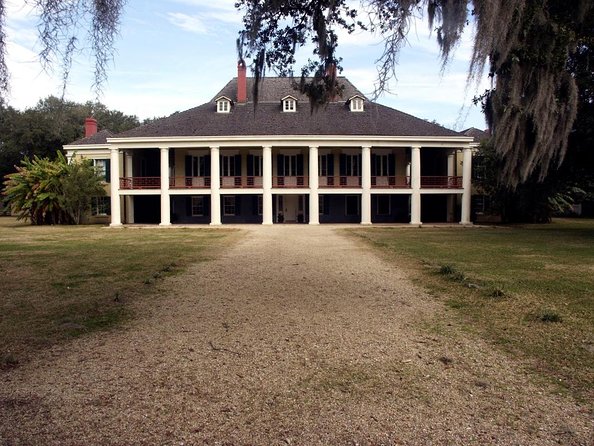
Many plantation visits focus first on architecture. Destrehan asks you to look past the grand front of the house and consider the full community that made plantation life possible. That includes the Destrehan family, overseers, craftspeople, free residents, and enslaved people whose labor supported the property.
That broader view matters. A plantation house can look calm and refined, especially beneath old live oaks and Spanish moss. The records and outbuildings show the harder reality behind that appearance. You see where people lived, how they were recorded, and how authority worked on the property.
At $29 per person, I see this as a solid value if you want a guided historic site rather than a quick photo stop. Your admission includes the house tour, grounds, folk-life demonstration, dependency buildings, and exhibits. Free parking helps keep the cost simple, though you need to arrange your own way there.
The experience is listed as valid for one day, with starting times based on availability. It is not a hotel pickup tour, so plan on driving yourself or arranging separate transportation. That tradeoff is useful to understand before booking: the site is close to New Orleans, but this ticket does not include the ride.
More Destrehan Plantation visits:
- Destrehan Plantation Tour
★ 5.0 · 501 reviews - Airboat Swamp and Destrehan Plantation Tour from New Orleans
★ 5.0 · 258 reviews - Destrehan Plantation Haunted Night Tour
★ 4.5 · 100 reviews
The 25-minute trip from Downtown New Orleans
The plantation sits close enough to New Orleans for an easy half-day plan, although the admission is valid for one day if you want to take your time. The drive from Downtown New Orleans takes about 25 minutes, making Destrehan much less of a commitment than a long out-of-town excursion.
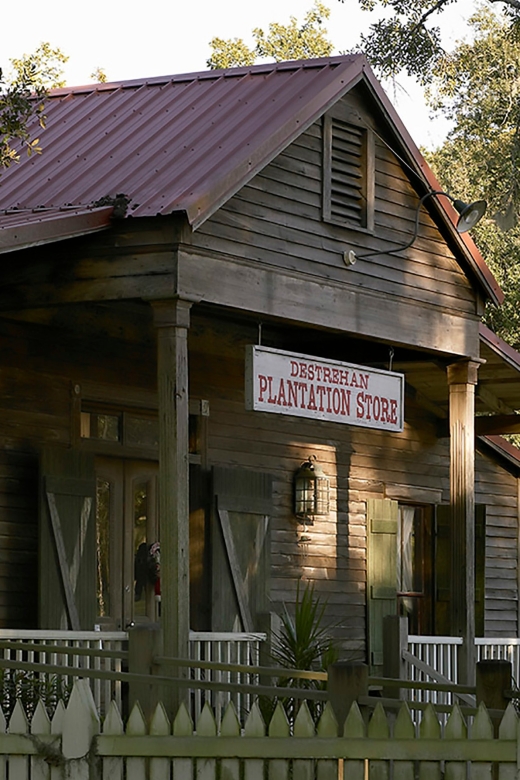
You get free parking when you arrive. Look for the old Plantation Store, which serves as the entrance point. You do not begin by walking straight up to the house. Instead, you enter through the store and gift shop, then leave through the back door onto the grounds.
That route is practical, but it can catch you off guard if you expect a formal gate or a grand entrance. Follow the signs and look for the Plantation Store. Comfortable shoes are a good idea because the visit includes the house, outdoor buildings, and grounds.
Meeting your guide behind the Plantation Store
Once you exit the store, you meet a personal interpreter who begins the tour on the grounds. This opening is useful because the guide can set the scene before you step inside the house.
The focus is not only on the Destrehan family. You hear stories about the people who lived and worked here, both free and enslaved. That approach gives the house more meaning. Instead of admiring moldings and rooms in isolation, you begin to connect them with the social and economic system that surrounded them.
The tour is offered in English. If the schedule allows, you may choose a guided tour with a descendant of Jean Destrehan. That option adds a family connection to the presentation, while the standard personal interpreter keeps the visit centered on the people and history of the site.
Two guides singled out for strong presentations are Ann and Beverly. Ann helped lead visitors through the exhibit area, while Beverly received repeated praise for keeping the tour engaging and explaining the material clearly. Since the exact guide depends on the day, you should not book expecting one particular person, but the guide can make a real difference here.
Inside the house, look beyond the furnishings
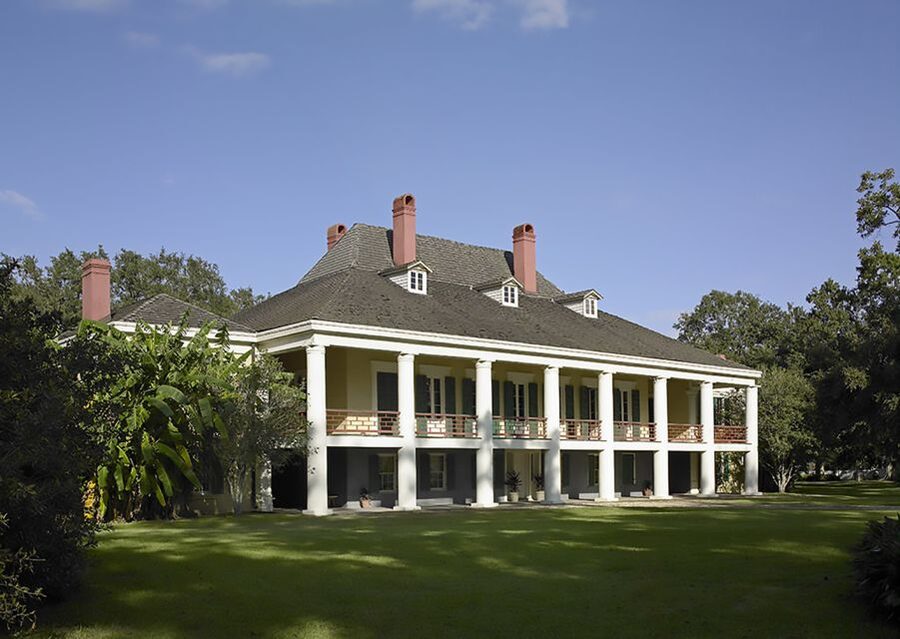
The house portion is the most structured part of the visit. Your guide explains the people connected with Destrehan and the different groups that shaped what was known as the German Coast.
That name points to the wider regional setting, not just one family property. The tour uses the plantation to discuss how Louisiana developed through the work and movement of different peoples. You get a sense of how the house fit into a much larger local story.
The interior is a draw for anyone interested in historic architecture, but the strongest reason to pay attention is the interpretation. Listen for how the guide connects the household to the people who maintained it. The house does not tell the whole story by itself, and the guide helps fill in what the rooms cannot show.
One practical warning: scooters are not allowed inside the plantation home. The property is wheelchair accessible, but the visit also includes outdoor areas and separate buildings, so you may want to confirm any specific access needs before arrival.
The house tour may feel brief to visitors who prefer long room-by-room explanations. One useful way to handle that is to give the outdoor exhibits enough time after the guided portion. The visit does not end when you leave the house.
More River Road plantation days:
- Swamp Boat Ride and Oak Alley Plantation Tour from New Orleans
★ 5.0 · 3,303 reviews - Oak Alley Plantation Tour with Transportation from New Orleans
★ 4.5 · 1,747 reviews - Whitney Plantation Tour with Transportation from New Orleans
★ 4.5 · 1,351 reviews - Laura Creole Plantation Guided Tour
★ 5.0 · 1,279 reviews
The Jefferson and Madison document
One of the most unusual objects on the tour is an original document signed by Thomas Jefferson and James Madison. The important point is not simply that two famous names appear on the page.
The guide explains the document’s connection to Louisiana history, helping you understand why it matters to this plantation and the region. This is the sort of small original item that can turn a general history tour into a more specific one. You are not only hearing about national figures. You are seeing a document linked to the political story of Louisiana.
Take time with the explanation rather than treating the document as a quick photo opportunity. Its value comes from the connection between the paper, the people who signed it, and the place you are visiting.
Video recording is not allowed. Still photography is not identified as prohibited, and the grounds offer plenty of appealing photo opportunities, especially beneath the live oak trees covered in Spanish moss. Follow the guide’s instructions inside the house and around the displays.
The folk-life demonstration adds daily detail
After the house tour, you can view a folk-life demonstration. This part shifts the pace from formal rooms and documents to practical life.
The demonstration helps explain how people worked and lived in the plantation community. It is a useful bridge between the house and the dependency buildings because it gives you something concrete to consider before exploring the grounds on your own.
The exact demonstration can depend on the day, so do not expect a fixed performance with the same details every time. Treat it as part of the site’s broader effort to show ordinary work and daily routines, not just the lives of wealthy residents.
This is also a good point to slow down. The grounds are not merely a path between attractions. They hold the buildings that reveal how the plantation operated.
The slave cabin and the enslavement registry
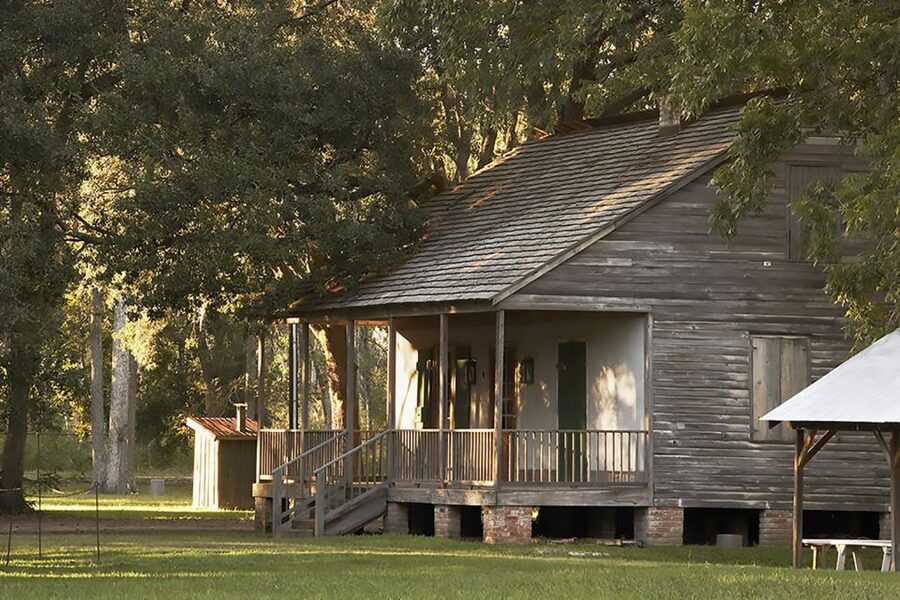
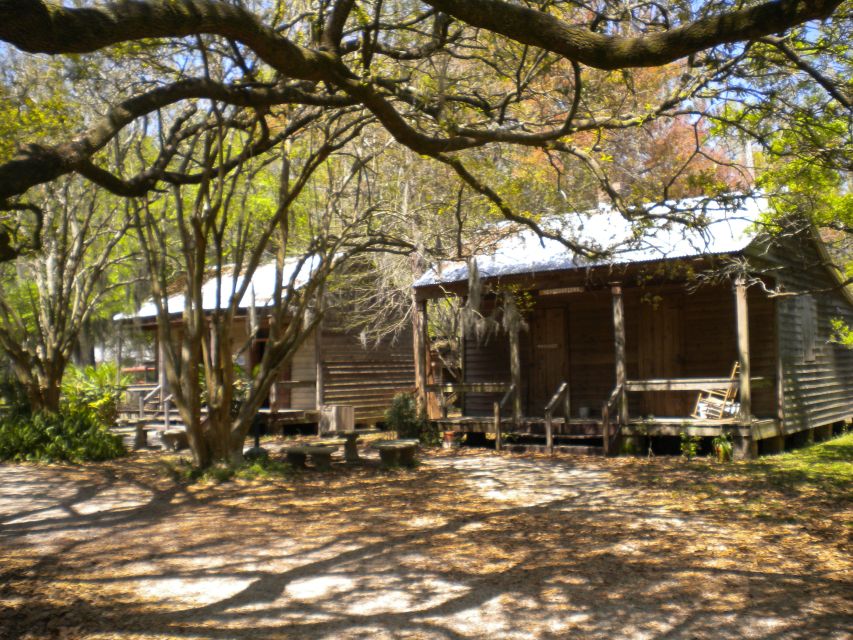
The slave cabin is one of the most important stops on the property. It brings the subject of enslavement out of the main house and into the spaces where enslaved people lived.
Nearby, an enslavement registry gives names and records to people who can otherwise be reduced to a general group in plantation storytelling. That kind of document changes the way you read the site. You are encouraged to think about individuals, family connections, and the system that recorded human beings as property.
This part of the visit may be difficult, and it should be. The cabin and registry are not decorative additions to an old-house tour. They are evidence of the forced labor and control that supported plantation life.
Give yourself time here. If you rush from the main house to the next building, you may miss the most serious part of the visit.
The overseer’s cabin and the 1811 Slave Revolt
The overseer’s cabin contains exhibits connected with the 1811 Slave Revolt. This stop adds another layer to the story by showing resistance to slavery rather than presenting enslaved people only as workers within the plantation system.
The revolt is an important part of Louisiana history, and the exhibit helps place Destrehan within that larger regional account. You can consider how control was enforced, how enslaved people resisted, and how the plantation community was affected by events beyond the main house.
The building itself is smaller and more functional than the plantation home. That contrast helps you understand how different people occupied very different spaces on the same property.
The overseer’s cabin also includes the Rost Home Colony exhibit. This extends the story beyond the plantation period and shows that the site’s history did not stop when the main house changed hands or plantation life shifted.
The Legacy Room and original family artifacts
The Legacy Room displays original documents and artifacts connected with members of the Destrehan family. It is a useful stop for visitors who want to examine physical evidence rather than rely only on spoken history.
The room gives you another view of the family’s role and preserves material from several individuals. Along with the Jefferson and Madison document, it helps make the visit feel grounded in original sources.
Still, keep the wider picture in mind. Family papers can tell you much about the people who held power, but the slave cabin, registry, overseer’s cabin, and revolt exhibit are needed to understand the full property. The best use of the Legacy Room is to connect these pieces rather than treating it as the final word.
Outdoor kitchens, washrooms, and a trapper’s cabin
The dependency buildings show the practical side of plantation life. You can explore an outdoor kitchen, a washroom, and a trapper’s cabin after the guided house portion.
These buildings are valuable because they reveal work that disappears inside a formal home. Cooking, washing, food preparation, and other daily tasks required space, tools, and labor. The buildings help you picture how the property functioned from day to day.
The trapper’s cabin adds a different note to the grounds. It expands the story beyond the central house and gives you another small structure to compare with the cabins and service buildings.
This self-guided portion is where you control the pace. If you like reading exhibits and examining details, plan to spend longer here than the minimum visit. If your main goal is a quick look at the plantation house, you can move faster, but you will miss much of the site’s strongest material.
Live oaks, Spanish moss, and the photo factor
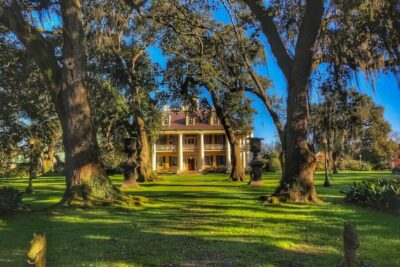
The setting is one of Destrehan’s easiest pleasures. Live oak trees covered in Spanish moss create the classic South Louisiana scene, and the grounds give you time to take photographs after the guided house tour.
The scenery can soften the mood of the visit, but it should not replace the history. The contrast is part of what makes plantation sites complicated. Beautiful grounds can sit beside records of forced labor and resistance.
I would save your photos for the outdoor portion. Inside the house, video recording is not allowed, and your attention is better spent on the guide and original materials. Outside, take a few minutes to frame the oak branches, moss, and historic buildings together.
How the $29 admission works as a value
The $29 price is reasonable for a historic site that combines a guided house tour with several additional exhibits and buildings. You are paying for more than entry to a single old home.
The value is strongest if you use the full visit:
- Guided interpretation in the house
- Access to the grounds and dependency buildings
- Folk-life demonstration
- Slave cabin and enslavement registry
- 1811 Slave Revolt and Rost Home Colony exhibits
- Legacy Room with original documents and artifacts
- Free parking
The price is less appealing if you only want a fast look at the exterior or a few photographs beneath the oaks. In that case, the guided and exhibit portions are doing most of the work, so plan to listen and explore rather than simply stop for pictures.
You can cancel up to 24 hours before the experience for a full refund, and reserve now while paying later. Those policies are helpful if your New Orleans schedule is still shifting. Starting times depend on availability, so check the available time before you build the rest of your day around it.
Who will enjoy this plantation visit most
I would recommend Destrehan Plantation to you if you want a compact history outing from New Orleans, especially one that takes slavery seriously and uses original records to tell the story.
It suits:
- First-time visitors looking for a nearby plantation
- History-minded adults and older children
- Visitors interested in the 1811 Slave Revolt
- Anyone who values personal guiding over a purely self-guided site
- Photographers who want live oaks and Spanish moss
- People who prefer a flexible outdoor portion after a guided tour
You may want a different experience if you expect a long, highly detailed house tour with extensive time in every room. The house portion can feel short, and the most rewarding material comes from combining the house with the outdoor buildings and exhibits.
The site is wheelchair accessible, but remember that the visit includes grounds and separate structures. Wear comfortable shoes, and avoid bringing a scooter into the plantation home.
Should you book Destrehan Plantation?
Book this tour if you want a close-to-New-Orleans plantation visit with a clear focus on the people who lived there, the system of slavery, and the records that document it. The original Jefferson and Madison document, the enslavement registry, and the 1811 Slave Revolt exhibit give the visit substance beyond architecture.
The $29 admission is fair, especially with free parking and access to the grounds and dependency buildings. To get the best value, do not leave after the house tour. Make time for the slave cabin, overseer’s cabin, Legacy Room, folk-life demonstration, and outdoor buildings.
Skip it only if your schedule allows no time beyond a quick photo stop or if you specifically want a much longer house-focused tour. For a compact and serious history experience about 25 minutes from Downtown New Orleans, Destrehan is a practical choice.
FAQ
How far is Destrehan Plantation from Downtown New Orleans?
The plantation is about a 25-minute drive from Downtown New Orleans.
Is transportation from my hotel included?
No. Hotel pickup and drop-off are not included. Free parking is available at the plantation.
Where do I meet the guide?
Enter through the old Plantation Store and gift shop. Exit through the back door onto the grounds, where you meet the personal interpreter.
Is the tour offered in English?
Yes. The live tour guide and activity language are English.
Can I see an original document signed by Jefferson and Madison?
Yes. The visit includes an original document signed by Thomas Jefferson and James Madison, along with an explanation of its importance to Louisiana history.
Is the plantation wheelchair accessible?
Yes, the activity is wheelchair accessible.
Can I record video inside the plantation?
No. Video recording is not allowed, and scooters are not allowed inside the plantation home.
Just added around New Orleans
- New Orleans Garden District Tour★ 5.0 · 8 reviews
- New Orleans Seance Experience★ 4.0 · 8 reviews
- Airport and City Transfers in New Orleans★ 5.0 · 8 reviews
- Sin and Tonic Pub Crawl in New Orleans★ 4.5 · 8 reviews
- The New Orleans Darkness Tour★ 4.4 · 9 reviews
- New Orleans Plantation Tour with Transportation★ 5.0 · 9 reviews
- New Orleans Self-Guided Kayak Bayou Swamp Tour★ 5.0 · 9 reviews
- Historic Carrollton Neighborhood Walking Tour★ 5.0 · 9 reviews
Destrehan Plantation Tours, compared.
Airboat Swamp and Destrehan Plantation Tour from New Orleans
Read our review →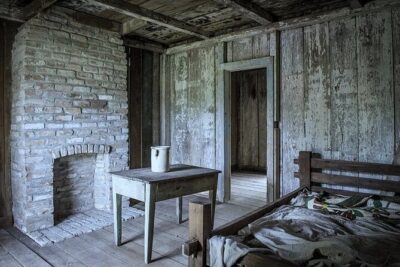

Destrehan Plantation and Large Airboat Tour from New Orleans
Read our review →
Destrehan Plantation and Swamp Tour from New Orleans
Read our review →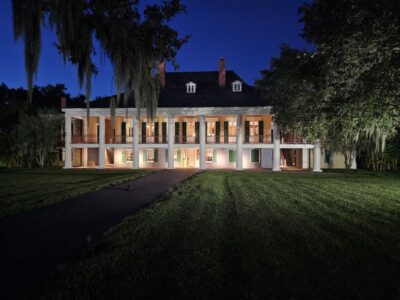

Browse the lists this tour appears in