
Reviewed · FRENCH QUARTER TOURS
Beyond the French Quarter Bike Tour
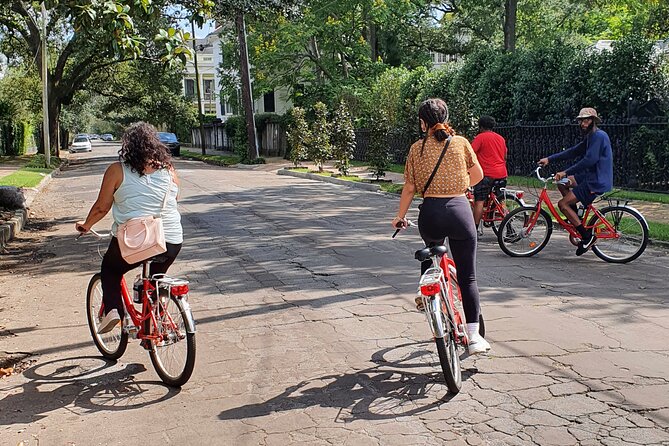
New Orleans looks different from a bicycle. On this nine-mile ride beyond the French Quarter, you pass oak trees, Creole homes, old cemeteries, City Park, and Bayou St. John without spending half the day stuck in traffic. The route is flat, and the group is capped at 10, so you get a closer look at neighborhoods most sightseeing tours skip.
I like the mix of steady exercise and real city history. I also like the easygoing stops, especially the City Park break at Café Du Monde and the ride along Esplanade Avenue. The main drawback is simple: this is a long ride, and potholes can make some streets rough. You should have a moderate fitness level and feel comfortable cycling for several hours.
In This Review
- Key points to know before you book
- Why this bike tour reaches more of New Orleans
- Esplanade Avenue and the old Creole neighborhoods
- The Seventh Ward, Faubourg Treme, and Faubourg St. John
- St. Louis Cemetery No. 3 and the Cities of the Dead
- City Park under live oaks and Spanish moss
- Beignets and café au lait at Café Du Monde
- Bayou St. John and Bayou Road
- Returning through the French Quarter and Faubourg Marigny
- The $60 price and what you receive
- Pace, comfort, and road conditions
- Guides, group size, and the human side of the ride
- Who should book this New Orleans ride?
- Should you book the Beyond the French Quarter Bike Tour?
- FAQ
- How long is the Beyond the French Quarter Bike Tour?
- How far do you ride?
- Where does the tour start?
- Where does the tour end?
- What time does the tour begin?
- Is the tour offered in English?
- What is included in the price?
- Are beignets included?
- How many people can join the tour?
- What happens if it rains or the weather becomes dangerous?
Key points to know before you book
- About 9 miles on mostly flat streets: The ride is manageable for an active cyclist, but it is not a short pedal between two attractions.
- A maximum of 10 people: Small groups allow more time for questions and personal attention from the guide.
- Beyond the usual French Quarter circuit: Esplanade Avenue, the Seventh Ward, St. Louis Cemetery No. 3, and City Park are central to the experience.
- Café Du Monde stop included, food extra: Beignets and café au lait are available for purchase at the City Park location.
- Tonya has earned especially warm praise: Her clear storytelling, friendly manner, and steady pace have made a strong impression on past riders.
- Rain or shine: Bikes, helmets, bottled water, and rain ponchos are supplied, though dangerous weather can lead to a new date or refund.
Why this bike tour reaches more of New Orleans
The French Quarter is the city’s headline act, but it is only one piece of New Orleans. This tour uses the Quarter as a bookend, spending most of its time in areas where grand homes, Creole neighborhoods, burial customs, waterways, and parkland tell a broader story.
That matters because a bike lets you cover ground without reducing the city to a series of quick photo stops. You can ride beneath live oaks, pause to hear about a cemetery, and then continue into a different neighborhood while the guide explains how the streets connect.
The experience lasts about three and a half hours and starts at 9:30 a.m. at 3027 Chartres Street. It ends at the same spot. A mobile ticket makes arrival simple, and the meeting point is near public transportation, but the tour does not include transport to or from the start.
The group limit of 10 is a real advantage. You are not trying to hear a guide over a large crowd, and the guide can keep an eye on the pace. This is also a social activity, so it suits people who like meeting other cycling-minded visitors rather than riding alone.
More ways to walk the French Quarter:
- New Orleans Food Walking Tour of the French Quarter with Small-Group Option
★ 5.0 · 6,118 reviews - New Orleans French Quarter, Voodoo and Culture Walking Tour
★ 4.5 · 2,961 reviews - French Quarter Historical Sights and Stories Walking Tour
★ 5.0 · 2,724 reviews
Esplanade Avenue and the old Creole neighborhoods
The first major stretch follows Esplanade Avenue, once known as Creole Millionaires Row. The route is lined with live oaks and handsome homes, giving you a strong first look at New Orleans architecture outside the busiest tourist blocks.
You pass by Faubourg Treme and continue toward Faubourg St. John. These names matter because the ride is not just about pretty streets. Your guide uses the neighborhoods to explain how old New Orleans grew, how different communities shaped the city, and why the street pattern still matters today.
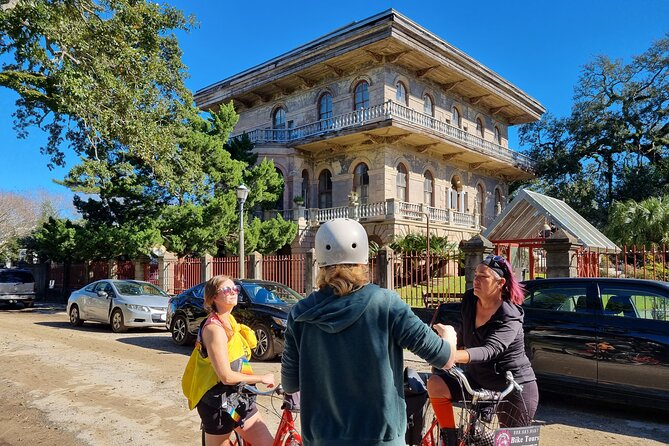
At a stop near Degas House, you see homes such as Luling Mansion and other examples of local domestic architecture. The listed stop is brief, only about five minutes, so do not expect a full house tour or a long interior visit. The value is in seeing several buildings as part of a moving architectural lesson.
The slow pace makes this portion more useful than it may sound on paper. You are able to look up at balconies, porches, shutters, and shaded facades instead of rushing past in a vehicle. Bring your attention to the details, since the guide’s commentary gives the buildings context.
The Seventh Ward, Faubourg Treme, and Faubourg St. John
The ride through the Seventh Ward and nearby Creole neighborhoods is one of the tour’s most distinctive parts. You hear stories about old New Orleans while moving through streets that many standard city tours do not cover.
This section lasts about 30 minutes, long enough to give the neighborhood time to register. You may hear about local places to try and see corners that are easy to miss if you stay around Bourbon Street, Jackson Square, and the riverfront.
I like this part because it shifts the focus from famous facades to everyday city structure. New Orleans is not only a collection of historic landmarks. It is also a network of residential streets, old routes, and small local spots. A bike is a good tool for making those connections.
The route is described as low traffic and generally safe by people who have taken it, but you should not confuse that with a perfectly smooth ride. One rider specifically noted potholes, and that is useful advice. Keep your eyes on the road, listen for instructions, and expect normal urban pavement rather than a polished bike path.
St. Louis Cemetery No. 3 and the Cities of the Dead
St. Louis Cemetery No. 3 is a short stop, about 10 minutes, but it adds a different layer to the ride. Your guide explains New Orleans burial customs and the city’s famous above-ground tombs, often called the Cities of the Dead.
You will not spend a long period inside the cemetery, so this is more of an introduction than an exhaustive cemetery visit. Still, it is a worthwhile pause because burial practices are closely tied to the city’s environment, traditions, and sense of place.
The stop also breaks up the cycling. After riding through neighborhoods, you have time to stand, listen, and take in a quieter setting. If cemetery history interests you, pay close attention to the guide and consider this tour a good overview rather than a dedicated cemetery experience.
More bike days around New Orleans:
- New Orleans French Quarter and Garden District Bike Tour
★ 5.0 · 410 reviews - New Orleans Creole Odyssey Small-Group Bike Tour
★ 5.0 · 268 reviews - Creole New Orleans Electric Bike Tour (ages 16 & up)
★ 5.0 · 230 reviews - New Orleans History and Sightseeing Small-Group Bike Tour
★ 5.0 · 215 reviews
City Park under live oaks and Spanish moss
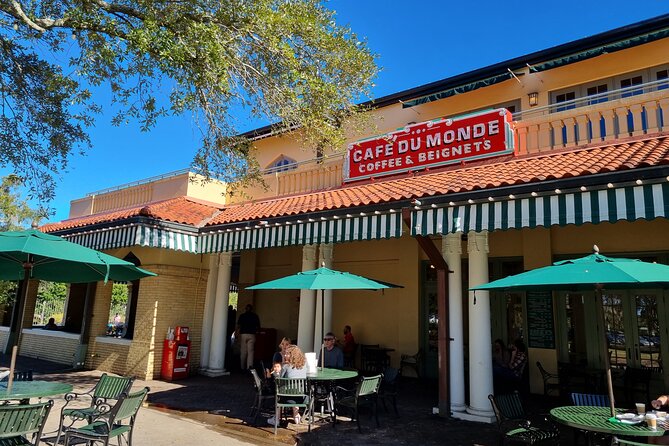
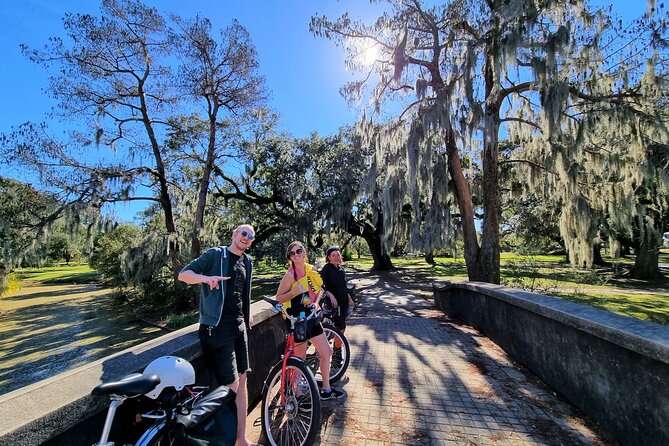
City Park gets the longest stop, about 45 minutes. This is where the ride changes from urban streets to broad park paths, live oak groves, and Spanish moss.
Your guide points out museums, botanical and sculpture gardens, and other park attractions. The itinerary does not promise admission to any of them, so think of this as a guided ride through the park rather than a museum or garden tour.
This section is especially appealing if you want a pause from dense city blocks. The pace is leisurely, and there is room to notice the park’s plant life and scenery. You also get a chance to enjoy New Orleans in a quieter setting, away from the French Quarter’s constant stream of activity.
The 45-minute stop helps explain the tour’s total length. You are not pedaling hard for three and a half hours. The route alternates between riding, listening, and taking short breaks. Still, the full outing requires stamina, especially in warm weather or if you are not accustomed to cycling.
Beignets and café au lait at Café Du Monde
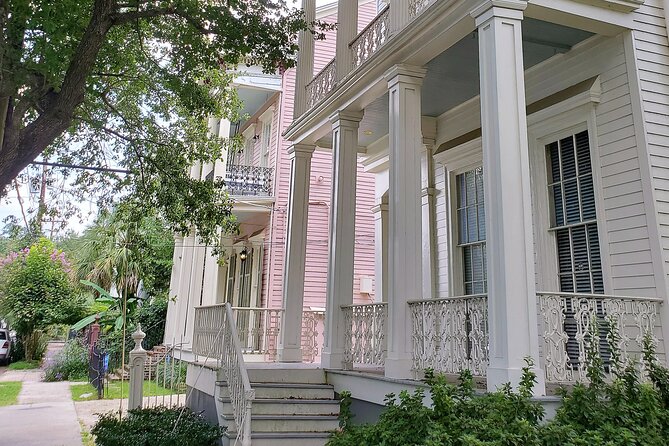
The City Park Café Du Monde stop lasts about 25 minutes. Beignets and café au lait are not included in the $60 price, so bring money if you want the classic New Orleans snack.
This is a practical food break, not a full meal. A plate of beignets can give you a lift midway through the ride, but you should not rely on it as your only food for the morning. The tour details do not specify a larger meal stop, so eat sensibly before departure.
I like the placement of this break. It comes after the neighborhood and cemetery sections, when you may appreciate a seat, a drink, and something sweet. It also gives the group a natural chance to talk with one another before getting back on the bikes.
Bayou St. John and Bayou Road
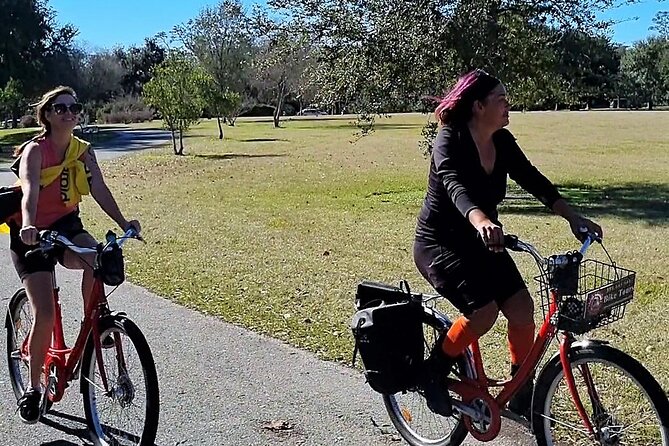
After City Park, the route follows Bayou St. John and the trail of Bayou Road, described as one of the oldest roads in the United States and a key reason New Orleans exists where it does.
This section gives the tour useful historical shape. You are not simply riding from one attraction to another. The guide connects the waterway and the old road to the city’s origins, helping you understand why settlement developed along these routes.
The stop lasts about 30 minutes. That is enough time for a good explanation while keeping the ride moving. As with the rest of the route, the main reward is the combination of local geography and storytelling. You see how the city’s waterways and roads relate to its older neighborhoods.
Returning through the French Quarter and Faubourg Marigny
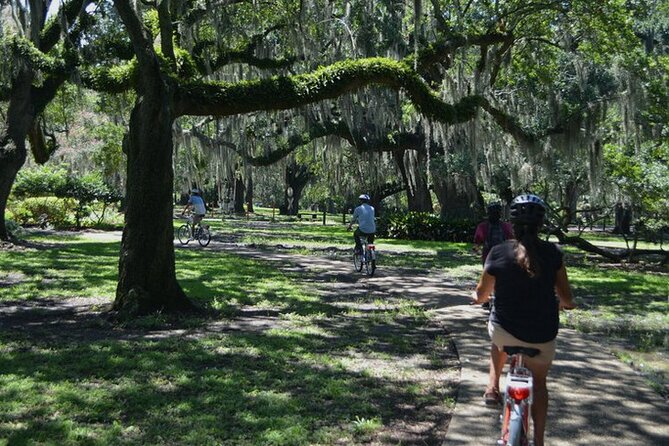
The final 15-minute stretch passes through the French Quarter and Faubourg Marigny on the way back to Chartres Street. By saving these famous areas for the return, the tour gives you a useful comparison.
You have already seen residential streets, parkland, a cemetery, and the bayou. The French Quarter then feels less like the whole city and more like one memorable district within it. Faubourg Marigny adds another neighborhood perspective before the group returns to the starting point.
Do not expect a full French Quarter tour during this closing section. The route is short, and most of the detailed commentary takes place elsewhere. If you want extensive coverage of the Quarter’s buildings, food, music, and nightlife, you will need a separate walking tour or your own time there.
The $60 price and what you receive
At $60 per person, this tour offers solid value if you want active sightseeing and broad coverage in a single morning. The price includes use of a bicycle, helmet, bottled water, a local guide, and a poncho when it rains.
The guide is the main part of the value. A bike rental alone would not give you the neighborhood context, cemetery explanation, or historical links between Bayou Road and New Orleans. A small group also makes the experience more personal than a large vehicle tour.
The cost does not include beignets, café au lait, or gratuity. Plan for those extras. The tour provider asks you to remember the guide when deciding on a tip, and gratuity is not built into the ticket price.
The outing is offered in English. If you want a guided city ride with clear commentary and a modest group size, the price is reasonable. If you are mainly seeking a short, relaxed bicycle rental, this tour may feel too long and structured.
Pace, comfort, and road conditions
The streets are flat, which is the biggest physical advantage. A rider who can handle a long, steady outing should find the terrain more approachable than a hilly city route.
Past rides have been described as having a good pace, with plenty of stops for information. That balance matters. You are active, but the tour is not presented as a race or intense training session.
Potholes are the chief comfort warning. New Orleans streets can be uneven, and you should stay alert rather than focus only on the scenery. Wear practical clothes and shoes for a three-and-a-half-hour ride, though the supplied information does not specify a dress code or bike model.
Children can participate only if the correct bike size is available. You must provide each child’s height when booking so the operator can determine the proper fit. Everyone should have a moderate fitness level.
The tour operates rain or shine. A poncho is supplied for rain, but dangerous weather can change the plan. In that case, the operator will work with you to reschedule or provide a refund.
Guides, group size, and the human side of the ride
The strongest guide feedback centers on Tonya. Her strengths are clear: strong knowledge of local streets and history, a friendly manner, useful commentary, and a comfortable pace.
You should not assume every departure will have Tonya, but her example shows what this tour is designed to provide. The guide is not merely leading a line of bikes. The best parts of the experience depend on turning streets, homes, cemeteries, and waterways into a connected story.
With no more than 10 people, you can ask questions without interrupting a large presentation. You also meet other people who chose a bicycle tour, which gives the outing a pleasant shared rhythm.
Who should book this New Orleans ride?
I would choose this tour if you want to see beyond the standard French Quarter sights and enjoy a morning of moderate exercise. It is particularly suited to visitors who like architecture, neighborhood history, cemeteries, parks, and local geography in equal measure.
It also works well early in a New Orleans visit. The route can help you get oriented to several districts, and the guide may point out places you want to revisit later. The ride covers enough ground to show how different parts of the city fit together.
I would think twice if you want a very easy activity with little physical effort, dislike uneven streets, or prefer spending a long time inside one attraction. The itinerary is broad, and not every departure will make every listed stop. Treat it as a guided city ride with several points of interest, not a guarantee of a full visit at each location.
Book at least a day ahead if your plans are firm. The tour is often reserved well before the date, with an average booking time of 19 days in advance. Free cancellation is available up to 24 hours before the start time. Inside that window, changes and refunds are not accepted.
Should you book the Beyond the French Quarter Bike Tour?
Book it if you want a personal, active look at New Orleans that reaches well past Bourbon Street. The flat route, small group, City Park break, and strong guide-led history make the $60 fare worthwhile for cyclists with moderate fitness.
Skip it if you are hoping for a brief ride, a fully smooth route, or a deep visit inside museums and historic homes. For the right rider, this is a smart way to connect Esplanade Avenue, Creole neighborhoods, St. Louis Cemetery No. 3, City Park, Bayou St. John, Faubourg Marigny, and the French Quarter in one morning.
FAQ
How long is the Beyond the French Quarter Bike Tour?
The tour lasts approximately 3 hours and 30 minutes.
How far do you ride?
The route is described as about 9 miles. One past rider measured roughly 6.5 miles on a personal map, so the exact distance can vary by departure and route.
Where does the tour start?
It starts at 3027 Chartres Street, New Orleans, Louisiana 70117.
Where does the tour end?
The activity ends back at the meeting point on Chartres Street.
What time does the tour begin?
The scheduled start time is 9:30 a.m.
Is the tour offered in English?
Yes. The tour is offered in English.
What is included in the price?
The $60 price includes a bicycle, helmet, bottled water, a local guide, and a poncho when it rains.
Are beignets included?
No. Beignets and café au lait at Café Du Monde in City Park are available for purchase but are not included.
How many people can join the tour?
The maximum group size is 10 people.
What happens if it rains or the weather becomes dangerous?
The tour operates rain or shine, and a poncho is provided when it rains. If weather becomes dangerous, the operator will work with you to reschedule or provide a refund.
Just added around New Orleans
- New Orleans Garden District Tour★ 5.0 · 8 reviews
- New Orleans Seance Experience★ 4.0 · 8 reviews
- Airport and City Transfers in New Orleans★ 5.0 · 8 reviews
- Sin and Tonic Pub Crawl in New Orleans★ 4.5 · 8 reviews
- The New Orleans Darkness Tour★ 4.4 · 9 reviews
- New Orleans Plantation Tour with Transportation★ 5.0 · 9 reviews
- New Orleans Self-Guided Kayak Bayou Swamp Tour★ 5.0 · 9 reviews
- Historic Carrollton Neighborhood Walking Tour★ 5.0 · 9 reviews
French Quarter Tours, compared.

New Orleans Food Walking Tour of the French Quarter with Small-Group Option
Read our review →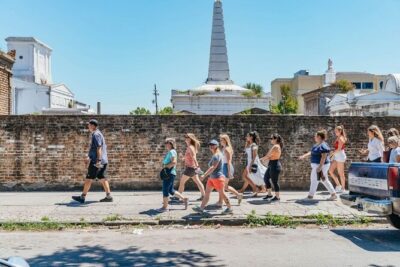
New Orleans French Quarter, Voodoo and Culture Walking Tour
Read our review →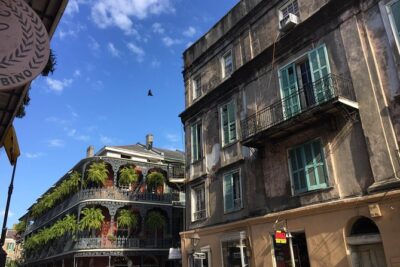
French Quarter Historical Sights and Stories Walking Tour
Read our review →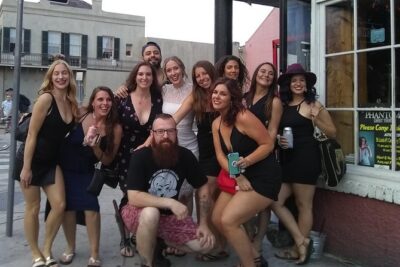
Ghost and Vampire Walking Tour Of The French Quarter
Read our review →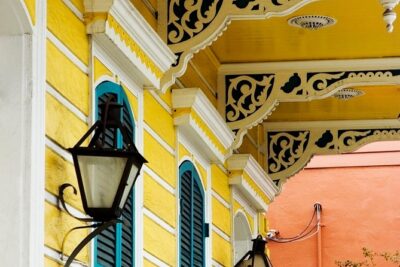
New Orleans City Tour: French Quarter, Garden District & Cemetery
Read our review →
New Orleans French Quarter Food Tour: Cajun, Creole and Culture
Read our review →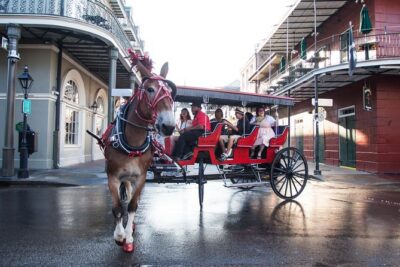
New Orleans French Quarter and More Carriage Ride
Read our review →
French Quarter walking Food Tour Famous Flavors of New Orleans
Read our review →Browse the lists this tour appears in