
Reviewed · PLANTATION TOURS
St. Joseph Plantation Tour
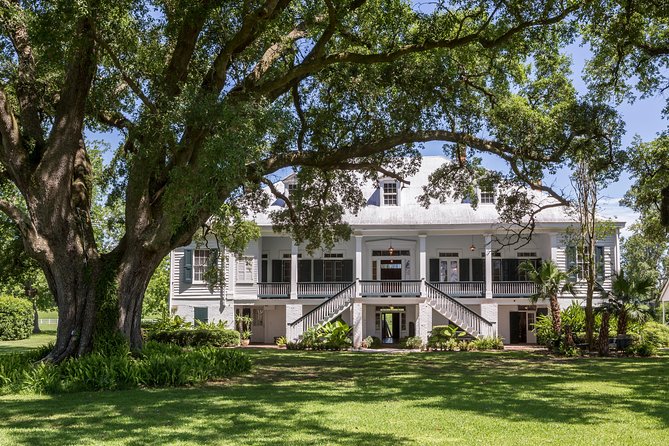
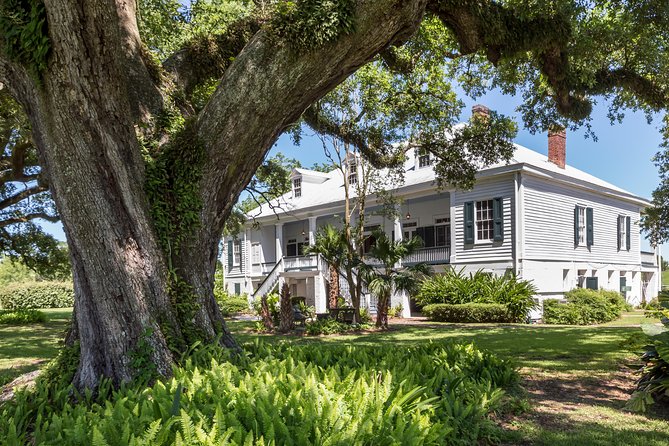
St. Joseph Plantation gives you a close look at Louisiana’s sugar industry without the feel of a major tourist attraction. This is an authentic working sugarcane farm, paired with a family home and exhibits that help explain daily life on a plantation.
I like that you can take pictures inside, since many historic homes forbid it. I also like the relaxed, intimate setting and the reasonable $24 price. The tradeoff is that the visit lasts only about one to two hours, so you should not expect a full-day plantation program or a long list of separate activities.
In This Review
- Key points to know
- A working sugarcane farm, not just a historic house
- Inside the ancestral home
- What you see on the St. Joseph and Felicity visit
- Why the sugar industry matters here
- A quieter choice along River Road
- Is $24 a good value?
- Who should book this plantation tour?
- Booking details that matter
- My call: book it if you want focused history and a personal scale
- FAQ
- Where is St. Joseph Plantation located?
- How much does the tour cost?
- How long does the visit take?
- What does the admission include?
- Is St. Joseph Plantation still a working farm?
- Can I take pictures inside the house?
- What language is the tour offered in?
- Is a mobile ticket available?
- Are service animals allowed?
- Can most people participate?
- Can I cancel for a full refund?
Key points to know
- Working sugarcane farm: St. Joseph remains an active agricultural property, not only a preserved historic site.
- Indoor photography allowed: You can take pictures inside the ancestral home, an uncommon advantage for anyone who enjoys recording details.
- Family connection: The property was purchased by the family after the Civil War and is presented as an ancestral home.
- Small-scale feel: This off-the-beaten-path stop can offer a quieter visit than better-known plantation attractions.
- Good River Road pairing: Add it to a day that includes other plantations along the Mississippi River corridor.
- Simple, fair pricing: At $24 per person, the tour offers a practical way to add plantation history without a major expense.
A working sugarcane farm, not just a historic house
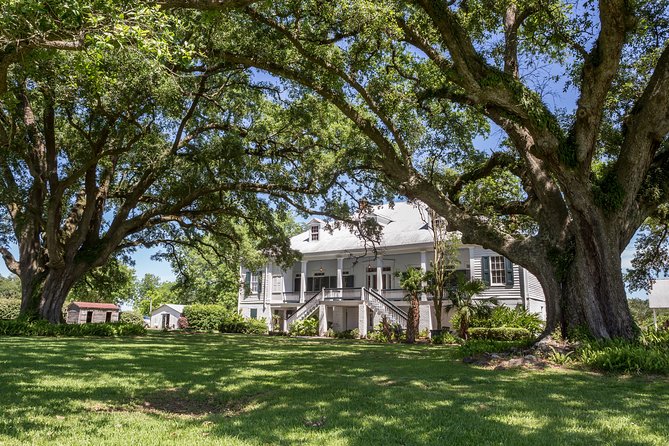
The main appeal here is the combination of agriculture and family history. St. Joseph is still a working sugarcane farm, so you are not looking only at rooms and old furnishings. The property connects the plantation home to the industry that shaped this part of Louisiana.
That matters because sugarcane is central to understanding the River Road area. A house by itself can feel disconnected from the land and labor that supported it. At St. Joseph, the farm setting gives the visit a clearer sense of place.
You will tour St. Joseph and Felicity Plantation, with admission included in the experience. The visit centers on the ancestral home, the grounds, and exhibits intended to show what life was like on a sugar plantation.
The information provided does not give a room-by-room list or a detailed description of every exhibit. That is useful to keep in mind when setting expectations. You can expect a focused historical visit, but not a catalog of every building, collection, or plantation-era activity.
More River Road plantation days:
- Swamp Boat Ride and Oak Alley Plantation Tour from New Orleans
★ 5.0 · 3,303 reviews - Oak Alley Plantation Tour with Transportation from New Orleans
★ 4.5 · 1,747 reviews - Whitney Plantation Tour with Transportation from New Orleans
★ 4.5 · 1,351 reviews
Inside the ancestral home
The home is one of the strongest reasons to choose this tour. The family purchased it after the Civil War, and that connection gives the visit a personal frame. You are not simply walking through a property presented as a decorative relic. You are being welcomed into a home tied to the family that owns and cares for the site.
I especially like the photography policy. You can take pictures inside, which lets you study details at your own pace and keep a visual record of the visit. That is useful if you enjoy historic interiors, architectural details, or comparing several plantation homes along River Road.
Still, indoor photography does not mean every part of the visit is self-guided. The tour is offered in English, and the guide helps explain the property and its exhibits. A highly praised part of the experience is the guide’s ability to answer questions clearly and thoroughly. No individual guide’s name is provided, so you should not book expecting a particular named guide.
The home visit is likely to work best if you enjoy context and conversation rather than simply taking a quick look around. Bring questions. The experience is designed as a relaxed visit, and the guide’s role is important in turning the house and grounds into a readable story.
What you see on the St. Joseph and Felicity visit
The itinerary has one main stop: St. Joseph and Felicity Plantation. That sounds simple, but the property brings together several related parts of plantation life.
First, you have the historic home. This is the personal side of the visit, with family ownership dating from the period after the Civil War. The home gives you a place to begin thinking about how the property changed over time.
Next come the grounds and the working farm. The sugarcane operation adds an active agricultural element. You are not only looking backward at a preserved estate. You are also seeing a property connected to farming today.
The exhibits provide another layer. The available information does not list each display, so I would treat them as support for the main tour rather than expect a large museum-style collection. Their value is in helping you picture plantation life and understand the role of sugar production.
Because the visit takes about one to two hours, the pace should be manageable. You have enough time for a guided look at the home, exhibits, and grounds without committing most of your day to a single stop.
Why the sugar industry matters here
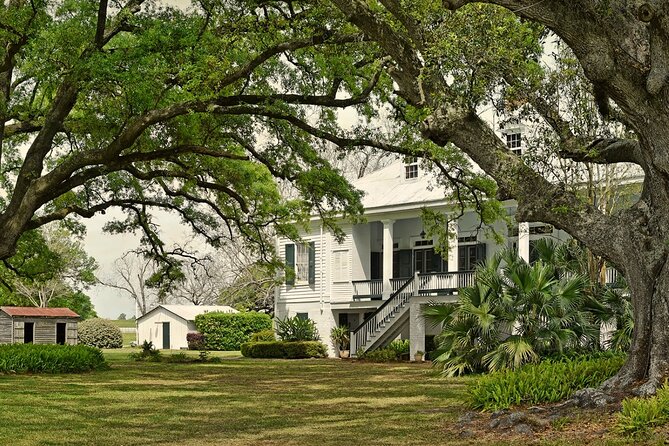
A plantation tour can easily become a tour of beautiful rooms with the harder parts of the past pushed into the background. St. Joseph’s focus on sugarcane helps keep the economic purpose of the property in view.
Sugar was not a minor side business in this part of Louisiana. The farm connection gives you a practical way to understand why plantations were established along the River Road corridor and why agriculture shaped local communities.
The supplied details do not provide a full account of the people who lived and worked at St. Joseph, the labor system, or the plantation’s complete timeline. You should not assume the visit covers every subject in equal depth. If you want a very detailed treatment of slavery, emancipation, or postwar politics, check the tour’s current description or ask the plantation before booking.
That limitation does not make the visit unhelpful. It simply tells you how to use it. Think of St. Joseph as a focused stop on sugar production, family ownership, the home, and the grounds. Add another plantation tour if you want a broader look at the region.
A completely different side of New Orleans:
- New Orleans Premier Ghost, Voodoo and Vampire Walking Tour
★ 4.5 · 12,856 reviews - New Orleans Steamboat Natchez Jazz Cruise with Dinner Option
★ 4.0 · 7,533 reviews - Adults-Only New Orleans Ghost, Crime, Voodoo, and Vampire Tour
★ 5.0 · 6,545 reviews - New Orleans Food Walking Tour of the French Quarter with Small-Group Option
★ 5.0 · 6,118 reviews
A quieter choice along River Road
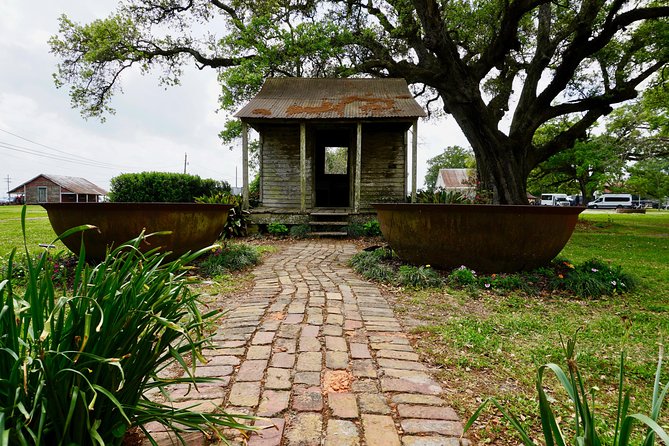
St. Joseph suits you if you prefer smaller attractions to heavily visited historic sites. It is described as an off-the-beaten-path stop, which can make a real difference on a day devoted to River Road.
A quieter setting gives you more room to pay attention. You can look at the home, listen to the guide, and take photographs without feeling rushed by a large flow of people. That does not guarantee an empty property, but the attraction is positioned as an alternative to the busiest plantation stops.
The best use of your time is to combine St. Joseph with other plantation visits in the area. Its one to two hour length leaves room for another stop, though you should allow extra time between sites based on your own transportation plan. The tour itself does not include transportation details, so you need to arrange how you will reach the plantation and move along River Road.
I would not choose this as your only Louisiana history experience if you have a full day available. I would choose it as a well-priced addition that gives you a different scale and focus.
Is $24 a good value?
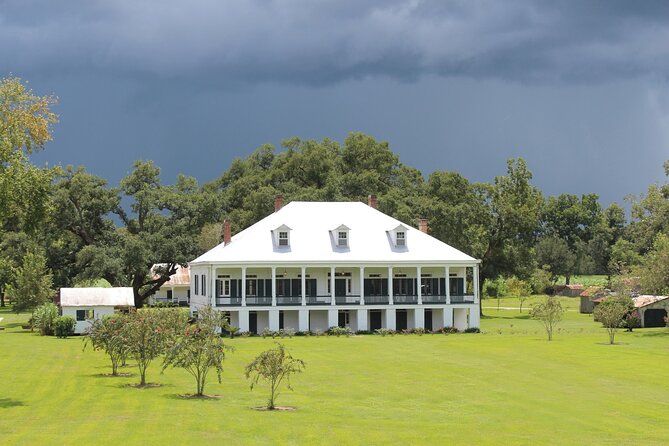
At $24 per person, the price is easy to justify for a guided historic home and farm visit. Admission is included, and the tour covers the property, grounds, and exhibits in roughly one to two hours.
The value improves if you care about three things: a working agricultural setting, indoor photography, and a quieter experience. Those details make St. Joseph different from a standard historic-house visit.
The price is less compelling if you want a large estate with many separate structures, a full-day program, or a long series of activities. The experience is deliberately compact. You are paying for a focused tour, not an all-inclusive plantation day.
For many people, that focus is an advantage. You can spend a manageable amount, learn about sugarcane production, and still have time for another attraction. The $24 cost also makes it easier to add St. Joseph to a broader River Road plan without letting admission fees dominate your budget.
Who should book this plantation tour?
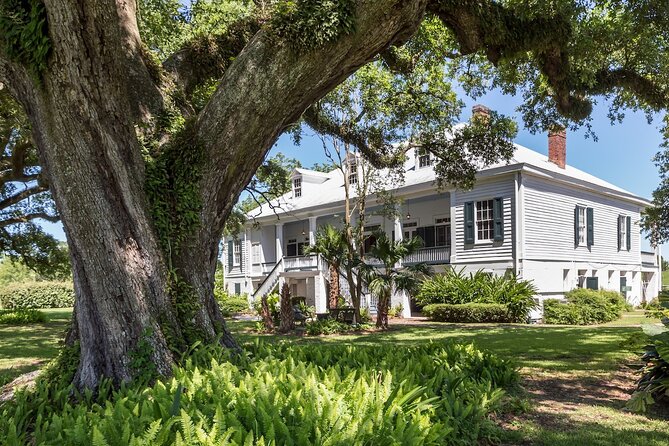
I would recommend St. Joseph to several kinds of visitors:
- You want to understand the sugar industry through an active farm setting.
- You prefer an intimate historic site to a large, heavily visited attraction.
- You enjoy taking photographs inside historic houses.
- You are building a River Road day with multiple plantation stops.
- You want a reasonably priced tour lasting about one to two hours.
- You like asking questions and learning through a guided visit.
Families and mixed-age groups may also find the shorter duration helpful, since it avoids making the entire day revolve around one house. Most people can participate, and service animals are allowed.
The tour may be less satisfying if you need a detailed schedule of every building before booking. The available details focus on the home, grounds, farm, and exhibits rather than a long list of individual stops. It may also feel brief if your main goal is an extensive study of plantation architecture.
Booking details that matter
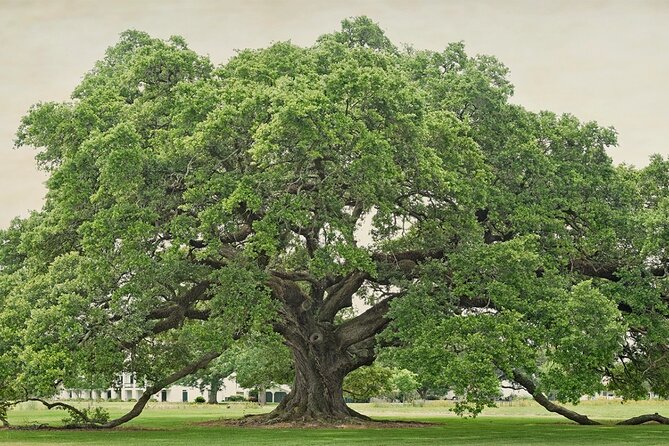
The experience is offered in English and uses a mobile ticket, which keeps the booking process simple. Confirmation arrives at the time of booking.
The average booking point is 39 days ahead, suggesting that planning early can be sensible, especially if St. Joseph is part of a larger New Orleans or River Road itinerary. The available information does not state that every date sells out, so I would not treat 39 days as a required deadline. It is simply a useful signal to avoid leaving the plan until the last minute.
You can cancel for a full refund if you do so at least 24 hours before the start time. Cancellations made within 24 hours are not refunded, and changes inside that window are not accepted. The cut-off follows local time, so check the start time carefully before making changes.
My call: book it if you want focused history and a personal scale
I would book St. Joseph Plantation if you want a shorter, reasonably priced look at sugarcane farming, a family-owned historic home, and plantation exhibits in a quieter setting. The permission to take indoor photographs is a real plus, and the visit fits neatly beside other River Road attractions.
I would not make it your only plantation stop if you want the broadest possible treatment of Louisiana’s plantation past. Use it as a focused piece of the day, not the whole puzzle. For $24, it offers a practical and personal-scale visit, especially for anyone more interested in the working farm and family home than in a large formal estate.
FAQ
Where is St. Joseph Plantation located?
St. Joseph Plantation is in the New Orleans area of the United States, along the River Road plantation corridor.
How much does the tour cost?
The price is $24 per person.
How long does the visit take?
The experience lasts approximately one to two hours.
What does the admission include?
Admission includes the visit to St. Joseph and Felicity Plantation, including the ancestral home, grounds, and exhibits.
Is St. Joseph Plantation still a working farm?
Yes. St. Joseph is an authentic working sugarcane farm.
Can I take pictures inside the house?
Yes. Indoor photography is allowed during this experience.
What language is the tour offered in?
The tour is offered in English.
Is a mobile ticket available?
Yes. The experience provides a mobile ticket.
Are service animals allowed?
Yes. Service animals are allowed.
Can most people participate?
Yes. Most people can participate in the experience.
Can I cancel for a full refund?
Yes. You can receive a full refund if you cancel at least 24 hours before the experience start time. Cancellations within 24 hours are not refunded.
Just added around New Orleans
- New Orleans Garden District Tour★ 5.0 · 8 reviews
- New Orleans Seance Experience★ 4.0 · 8 reviews
- Sin and Tonic Pub Crawl in New Orleans★ 4.5 · 8 reviews
- Airport and City Transfers in New Orleans★ 5.0 · 8 reviews
- The New Orleans Darkness Tour★ 4.4 · 9 reviews
- New Orleans Plantation Tour with Transportation★ 5.0 · 9 reviews
- New Orleans Self-Guided Kayak Bayou Swamp Tour★ 5.0 · 9 reviews
- Historic Carrollton Neighborhood Walking Tour★ 5.0 · 9 reviews
Plantation Tours, compared.
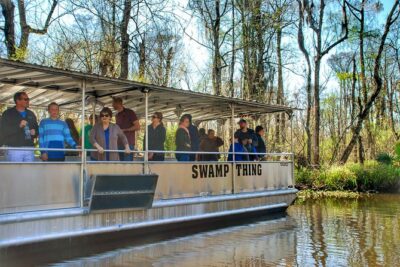
Swamp Boat Ride and Oak Alley Plantation Tour from New Orleans
Read our review →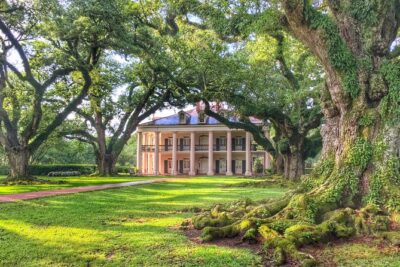
Oak Alley Plantation Tour with Transportation from New Orleans
Read our review →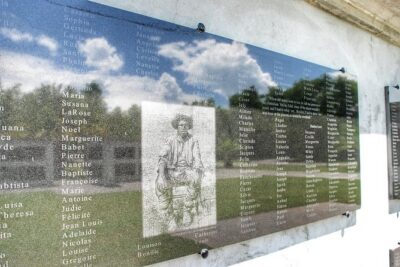
Whitney Plantation Tour with Transportation from New Orleans
Read our review →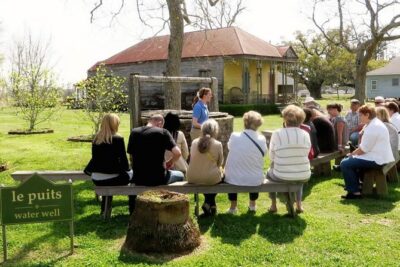
Airboat and Plantations Tour with Gourmet Lunch from New Orleans
Read our review →
Bayou Swamp Tour and Oak Alley Plantation Tour
Read our review →
Oak Alley Plantation & Airboat Swamp Combo Tour
Read our review →
Oak Alley Plantation and Large Airboat Swamp Tour from New Orleans
Read our review →Browse the lists this tour appears in