
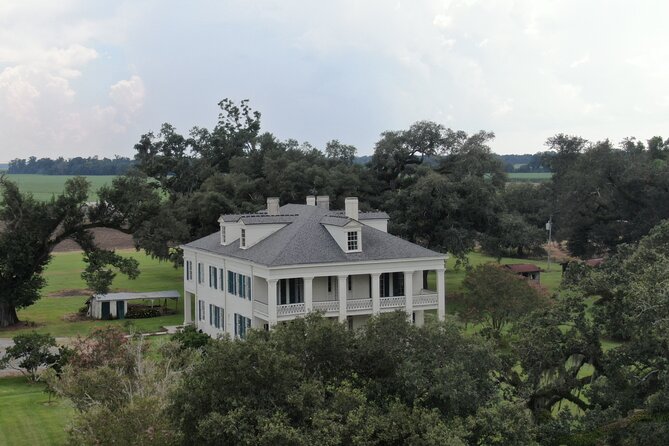
Reviewed · PLANTATION TOURS
St. Joseph and Felicity Plantation Combo Tour
The most striking part of this experience is the contrast between two working sugarcane plantations and the polished plantation museums you may see elsewhere near New Orleans. St. Joseph and Felicity still feel tied to family ownership and daily agricultural life, while the tours address slavery, sugar production, architecture, and film history in the same visit.
I like the one ticket for both properties, and I like the slower, personal style of the guiding. Mike, Sharon, and Jamie are named guides who take time with questions and admit when a detail is uncertain. That honesty makes the stories feel less rehearsed. The main consideration is time: three hours is enough for a solid introduction, but not enough for an exhaustive study of every building and document.
In This Review
- Key points to know before you book
- Why St. Joseph and Felicity make a useful pairing
- Inside the plantation houses
- The cabins, outbuildings, and harder story
- Sugarcane tools and the Louisiana Sugarcane Museum
- Film locations without letting Hollywood take over
- What the three hour schedule feels like
- A more personal alternative to Oak Alley
- Is $46 a fair price?
- Who will enjoy this visit most
- Booking and cancellation details
- Should you book St. Joseph and Felicity?
- FAQ
- How much does the St. Joseph and Felicity Plantation Combo Tour cost?
- How long does the experience last?
- What language is the tour offered in?
- Does the tour address the history of enslaved people?
- Can I take photographs during the visit?
- Are service animals allowed?
- What is the cancellation policy?
Key points to know before you book
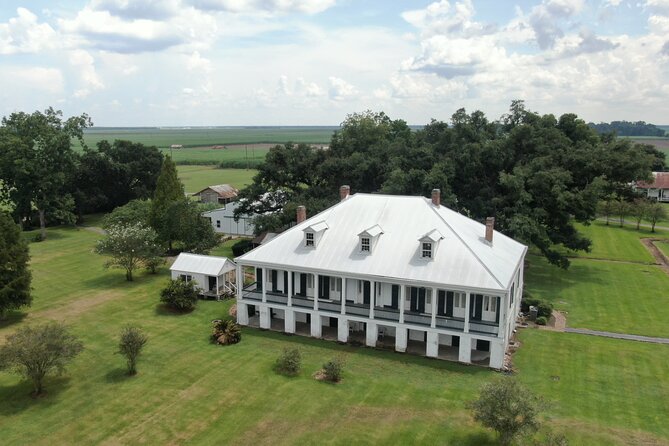
- Two plantations in one visit: St. Joseph and Felicity give you different houses, grounds, and stories without arranging separate admissions.
- About 45 minutes inside each house: The pace leaves room for architecture, furnishings, and questions without turning the visit into a rushed walk-through.
- Original cabins and outbuildings: You see places connected to enslaved workers, not only the grand plantation homes.
- The sugarcane story is central: The Louisiana Sugarcane Museum explains cultivation through tools, photographs, and documents.
- A more personal setting: Family ownership and smaller tours can feel less formal than a large museum visit.
- Film history adds a bonus: You may recognize locations used in Twelve Years A Slave and other productions.
Why St. Joseph and Felicity make a useful pairing
Plantation visits near New Orleans can blur together if you see several in a row. Large homes, long driveways, period furniture, and stories of wealthy owners can create a polished picture that leaves out the labor holding the entire system together. This combo takes a broader route.
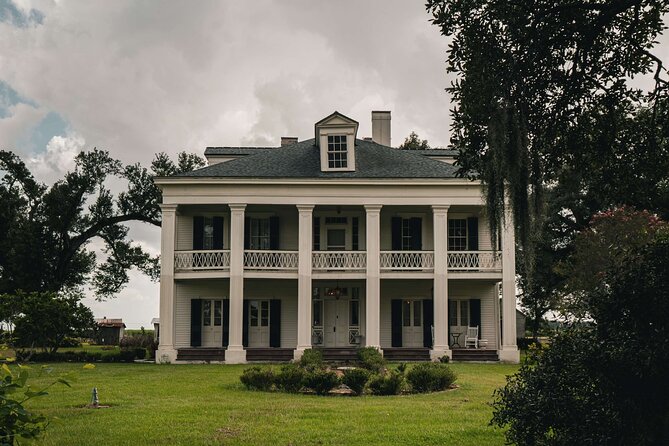
At St. Joseph and Felicity, you look at the homes, but you also walk the grounds and see original outbuildings, including cabins once occupied by enslaved workers. That matters. The setting helps connect the sugar business to the people who planted, cut, processed, and supported it.
The two plantations are in Vacherie, Louisiana, in the sugarcane region west of New Orleans. The tour lasts about three hours, with each house visit running roughly 45 minutes. The remaining time gives you space to move between buildings and see the grounds and museum displays.
I would choose this pairing if you want history presented through actual places rather than a quick overview from a bus window. You are not only looking at furniture and decorative details. You are also considering how the plantation economy worked and who paid the human cost.
More River Road plantation days:
- Swamp Boat Ride and Oak Alley Plantation Tour from New Orleans
★ 5.0 · 3,303 reviews - Oak Alley Plantation Tour with Transportation from New Orleans
★ 4.5 · 1,747 reviews - Whitney Plantation Tour with Transportation from New Orleans
★ 4.5 · 1,351 reviews
Inside the plantation houses
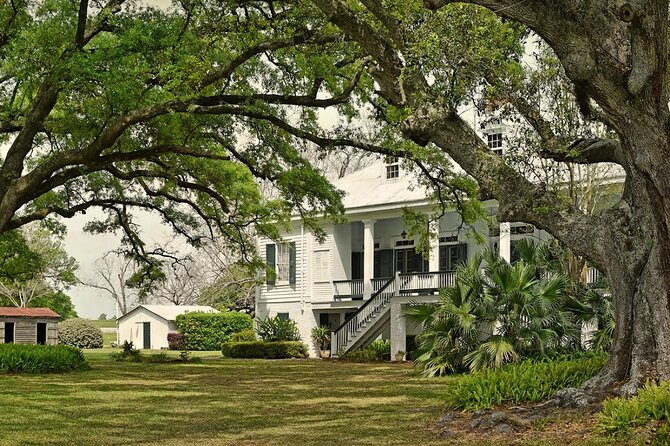
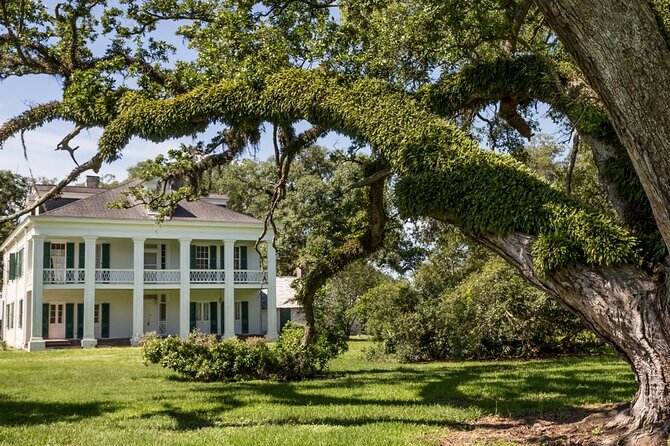
The house tours focus on architecture, furnishings, and decoration from the 19th and 20th centuries. You can expect guides to point out how the buildings were arranged and what the surviving objects reveal about life on the property.
The homes are preserved rather than presented as identical museum sets. That distinction is useful. One property may feel more formal and carefully arranged, while another may give you a stronger sense of an occupied family home. The available information does not promise that every room is open or that every item is original, so I would treat the interiors as a guided historical setting rather than a perfectly complete time capsule.
The pace is one of the better features here. About 45 minutes per house allows a guide to explain details without racing through each room. If you are the sort of person who likes to stop and look at woodwork, furnishings, or old photographs, you should have a reasonable chance to do that.
Photography is another practical plus. You can take photos inside and outside the homes, according to the experience details. That is not always allowed at historic properties, so bring your camera if recording architectural details matters to you.
The houses are only part of the story, though. If you spend all your attention on grand rooms and overlook the grounds, you will miss the sections that give the visit its moral and social weight.
The cabins, outbuildings, and harder story
The original outbuildings include cabins once inhabited by enslaved workers. These structures make the subject of slavery physical and immediate. Instead of hearing only about labor in general terms, you can look at the spaces connected to the people forced to sustain the plantation.
The presentation is described as respectful, with attention to enslaved people and the sugarcane trade. That is important, since a plantation visit should not turn hardship into background decoration. You will still see beautiful architecture, but the tour places that beauty beside the system that produced the wealth.
Expect the guides to offer historical context rather than pretend every question has a certain answer. Sharon and Jamie are noted for saying when something is possible or believed instead of presenting speculation as fact. I consider that a real strength. Historic sites often contain gaps in the record, and an honest guide helps you tell the difference between evidence and interpretation.
The available details do not give a full account of every enslaved person connected to the properties, nor do they list every exhibit or memorial. So if you want a very detailed genealogy or a long scholarly treatment of slavery in Louisiana, you may need an additional museum or book. For a three hour visit, however, the cabins and outbuildings add essential balance.
Sugarcane tools and the Louisiana Sugarcane Museum

Sugarcane is not just scenery here. It is the economic reason these plantations existed, and the Louisiana Sugarcane Museum explains how cultivation worked.
The museum uses historic tools, photographs, and documents. These objects help translate an enormous agricultural system into practical terms. You can see the equipment associated with the work and consider how much labor was needed before modern machinery changed the process.
I like this part because it links the house tours to the fields. Without it, you might leave with an architectural impression but only a vague idea of plantation production. The museum gives the visit a clearer subject: sugarcane, the crop that shaped the property, the region, and the lives of the people who worked there.
The museum is also useful if your interests are broader than plantation architecture. You do not have to be a specialist in agriculture to appreciate tools and photographs that show how a working crop was handled over time. The displays provide a concrete bridge between local history and the modern identity of Louisiana sugar country.
Do not expect a large, modern museum complex based on the information available. Think of it as a focused collection that supports the plantation tours. Its value comes from the connection between the objects and the land around you.
A completely different side of New Orleans:
- New Orleans Premier Ghost, Voodoo and Vampire Walking Tour
★ 4.5 · 12,856 reviews - New Orleans Steamboat Natchez Jazz Cruise with Dinner Option
★ 4.0 · 7,533 reviews - Adults-Only New Orleans Ghost, Crime, Voodoo, and Vampire Tour
★ 5.0 · 6,545 reviews - New Orleans Food Walking Tour of the French Quarter with Small-Group Option
★ 5.0 · 6,118 reviews
Film locations without letting Hollywood take over

You may recognize locations used in Twelve Years A Slave and other films. That is a fun extra, especially if you know the movie, but it should remain a side note rather than the purpose of the visit.
Film locations can help you notice the shape of a house, a porch, a road, or an outbuilding in a new way. They also show why historic properties attract filmmakers. Still, the real reason to come is the history of the plantations and the people connected to them.
If you have seen the film, ask about the areas used during production. The available details do not identify every scene or promise a dedicated movie tour, so keep expectations modest. You are visiting a historic site that has appeared on screen, not a film set attraction.
That balance works well. A movie connection can draw younger visitors into the subject, then the guide can move the conversation toward the sugar trade, forced labor, and the changing use of the properties.
What the three hour schedule feels like
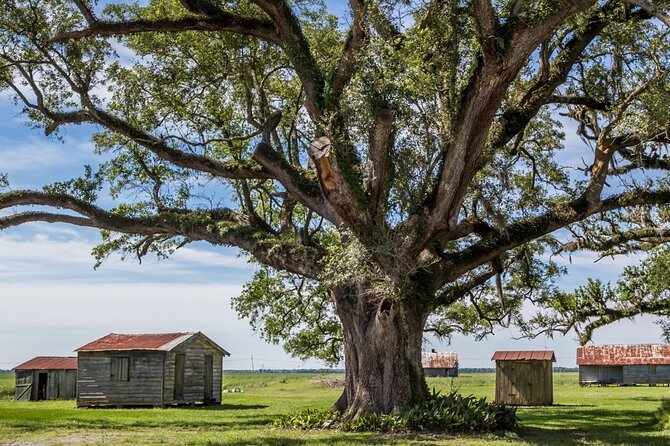
The full experience takes about three hours. Each house tour lasts around 45 minutes, leaving roughly an hour and a half for the grounds, outbuildings, museum, and movement between the two plantation properties.
That schedule should feel manageable for most people. You get enough time to pay attention without committing a full day to one subject. It also makes the combo practical if you are visiting other sites in the area.
The tradeoff is that the tour cannot cover everything in depth. You may leave with questions about individual families, the wider sugar industry, or the lives of particular enslaved people. That is not a flaw in a three hour format, but it is worth knowing before you book.
The experience is offered in English. Most people can participate, and service animals are allowed. No special fitness requirement is listed, so you should judge the visit according to your own comfort with walking around historic grounds and moving between buildings. Since the experience requires good weather, check the forecast before setting out.
The smaller scale is part of the appeal. One booking became a private tour for a couple who were the only people present, with Mike leading the visit. You cannot count on having the property to yourself, but the possibility of a small group means you may get more room for questions than at a large, fixed museum tour.
A more personal alternative to Oak Alley
Oak Alley is nearby, and many people combine plantation visits in this area. The two experiences offer different moods.
Oak Alley is known for its grand scale and carefully maintained presentation. St. Joseph and Felicity are described as less museum-like, with family ownership that gives the properties a more original, lived-in character. The homes may not look as formally polished, but that can be exactly what you want if you prefer a place that feels connected to its present owners.
I would not treat one as a replacement for the other. Oak Alley may suit you if you want the classic grand plantation image and a highly organized museum atmosphere. St. Joseph and Felicity may suit you better if you want smaller groups, more personal contact, interior photography, and a closer look at working plantation life.
Seeing both can be useful, but avoid assuming the second visit will simply repeat the first. The differences in scale, ownership, and presentation help explain how plantation sites choose to tell their stories.
Is $46 a fair price?
At $46 per person, the combo is good value if you plan to visit both properties. You get admission to St. Joseph and Felicity, two house tours, access to the grounds and original outbuildings, and the Louisiana Sugarcane Museum in one ticket.
The price also buys time with guides. Mike is described as a local who knows the area well, while Sharon and Jamie are noted for friendly, careful presentations. A smaller group can make the fee feel more worthwhile because you have a better chance to ask questions and discuss details.
Value depends on your interests. If you only want a quick look at a grand Southern home, one plantation may be enough. If you want architecture, slavery and labor history, sugarcane production, museum objects, and film connections in one outing, $46 covers a lot.
The most important value is not the number of buildings. It is the range of subjects handled in a reasonable amount of time. You get the wealthy household story, the forced labor story, and the agricultural story in the same place.
Who will enjoy this visit most
I would recommend this tour to you if you want a thoughtful plantation visit that does not stop at elegant rooms. It suits history fans, architecture lovers, film enthusiasts, and anyone curious about how sugarcane shaped southern Louisiana.
It is also a good choice for people who dislike large, impersonal tour groups. The guides are described as friendly and willing to spend time with visitors, and one reported visit became private because only two people booked.
Families may find the film locations and museum tools useful entry points for younger learners, though the subject of slavery requires age appropriate conversation. The tour is not described as a children’s program, so do not expect games or special activities for kids.
You may prefer another site if your priority is elaborate grounds, a grand avenue, or a large museum collection. St. Joseph and Felicity offer a more personal, less polished setting. That difference is central to the experience, not a minor detail.
Booking and cancellation details
Confirmation is provided when you book. The tour is offered in English, service animals are allowed, and most people can participate.
You can cancel for a full refund up to 24 hours before the start time. Cancellations or changes made within 24 hours are not refunded or accepted. Cutoff times use the local time in Louisiana.
Good weather is required. If poor weather cancels the experience, you will be offered another date or a full refund. I would avoid scheduling it as the final, unmovable activity of a short trip if rain is likely.
Should you book St. Joseph and Felicity?
Book it if you want two historic properties, a direct look at sugarcane production, and a more personal style than the big plantation museums. The cabins, museum objects, and careful treatment of slavery make this more than a tour of pretty rooms.
I especially like it for visitors who have already seen Oak Alley and want something different. You get a less formal setting, permission to take photos inside and outside, and a good chance of useful conversation with guides such as Mike, Sharon, or Jamie.
Skip it only if you want a highly polished, grand estate presentation or a long academic study of Louisiana slavery. For most people seeking a compact, balanced plantation visit near New Orleans, $46 and three hours make a sensible choice.
FAQ
How much does the St. Joseph and Felicity Plantation Combo Tour cost?
The price is $46 per person. Admission to both St. Joseph Plantation and Felicity Plantation is included.
How long does the experience last?
The tour lasts approximately three hours. Each plantation house tour takes about 45 minutes, with additional time for the grounds, outbuildings, and Louisiana Sugarcane Museum.
What language is the tour offered in?
The experience is offered in English.
Does the tour address the history of enslaved people?
Yes. The tour discusses enslaved people and the sugarcane trade, and includes cabins once inhabited by enslaved workers.
Can I take photographs during the visit?
Photography inside and outside the plantation homes is allowed according to the experience details.
Are service animals allowed?
Yes. Service animals are allowed, and most people can participate.
What is the cancellation policy?
You can cancel at least 24 hours before the start time for a full refund. Cancellations or changes made less than 24 hours before the start time are not refunded or accepted. If poor weather causes the experience to be canceled, you will be offered another date or a full refund.
Just added around New Orleans
- New Orleans: Whitney Plantation Audio Tour with Transfers★ 4.7 · 3 reviews
- New Orleans Instagram Photo Tour★ 4.5 · 3 reviews
- New Orleans: Voodoo, Storyville, and Treme Walking Tour★ 3.3 · 3 reviews
- Outdoor Escape Room in New Orleans – The French Quarter★ 5.0 · 3 reviews
- New Orleans: Private Custom Guided Walking Tour★ 4.0 · 3 reviews
- Private New Orleans City and Cemetery Bus Tour Up to 24 People★ 5.0 · 3 reviews
- New Orleans: Voodoo History Guided Walking Tour★ 4.8 · 3 reviews
- New Orleans: French Quarter Cocktail and Foodie Crawl Tour★ 5.0 · 3 reviews
Plantation Tours, compared.
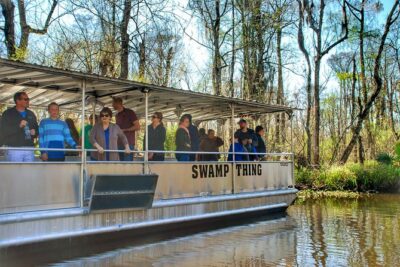
Swamp Boat Ride and Oak Alley Plantation Tour from New Orleans
Read our review →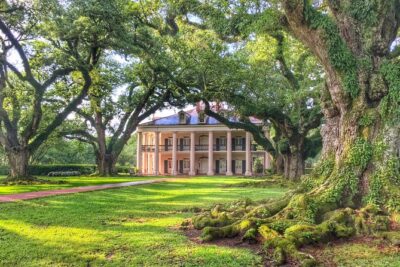
Oak Alley Plantation Tour with Transportation from New Orleans
Read our review →
Whitney Plantation Tour with Transportation from New Orleans
Read our review →

Airboat and Plantations Tour with Gourmet Lunch from New Orleans
Read our review →
Bayou Swamp Tour and Oak Alley Plantation Tour
Read our review →
Oak Alley Plantation & Airboat Swamp Combo Tour
Read our review →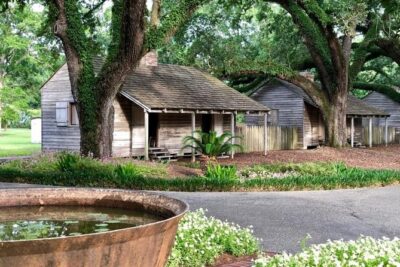
Oak Alley Plantation and Large Airboat Swamp Tour from New Orleans
Read our review →Browse the lists this tour appears in