
Reviewed · GARDEN DISTRICT TOURS
New Orleans: Tombs and Mansions of the Garden District
New Orleans’ Garden District is where grand homes and above-ground tombs share the same streets, and this two-hour walk puts both in the same story. You’ll begin at Lafayette Cemetery, then follow Prytania Street past celebrity homes, literary landmarks, and the mansion used as Robichaux Academy in American Horror Story.
I like the tour’s strong architectural focus, which gives you more than a parade of pretty façades. I also like the odd, memorable stories, from Nicolas Cage’s connection to local families to the swill milk scandal. The main drawback is its short running time: one visitor wished the walk lasted longer, and the route is not suited to anyone who cannot comfortably walk more than a mile.
In This Review
- Key points to know before you book
- A Garden District walk with more than pretty houses
- Starting at Lafayette Cemetery
- Prytania Street and the Garden District mansions
- The swill milk scandal adds a sharp edge
- The American Horror Story mansion on Jackson Avenue
- Merrick-Jones House and the Manson Murders
- The Eiffel Society Building and bonus stops
- What the guide adds to the walk
- Is two hours enough for the Garden District?
- Weather, walking, and practical comfort
- Who will get the most from this tour?
- Should you book the Tombs and Mansions of the Garden District?
- FAQ
- How long does the Garden District tour last?
- How much does the tour cost?
- Where does the tour meet?
- Is transportation included?
- What language is the tour conducted in?
- Does the tour visit an American Horror Story filming location?
- What should I bring?
- Can I cancel for a refund?
Key points to know before you book
- Lafayette Cemetery begins the story: See New Orleans’ famous above-ground tombs and learn why burial customs developed this way.
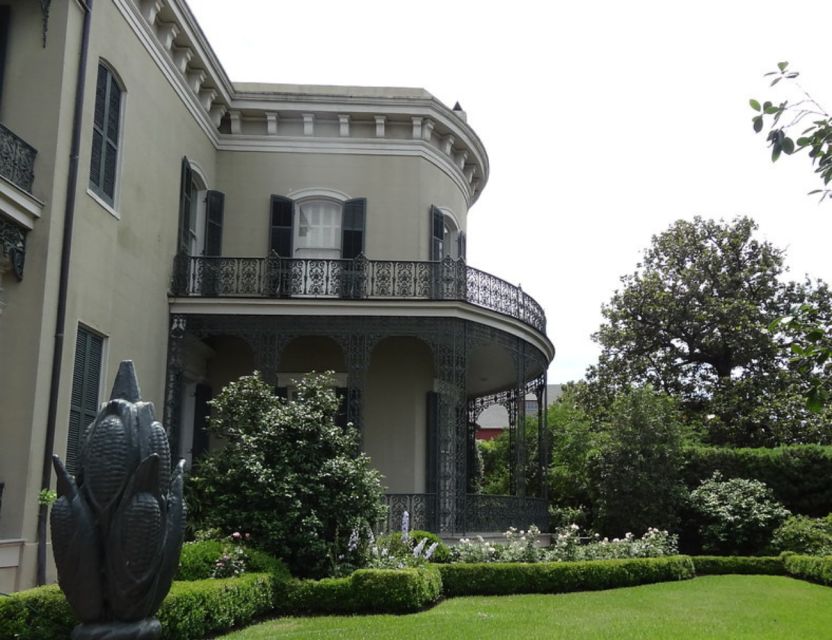
- Prytania Street brings the mansions close: Expect Greek and Gothic design, celebrity connections, and local scandals.
- American Horror Story fans get a real filming location: The Jackson Avenue mansion served as Robichaux Academy for Witches.
- The stories reach well beyond architecture: Topics include swill milk, Nicolas Cage, the Manson Murders, and New Orleans food safety.
- Craig has earned special praise: He is described as an accomplished historian with an engaging way of telling stories, though guide assignments can vary.
- Plan for a full two hours on foot: Wear comfortable shoes, dress for the weather, and remember that the tour runs rain or shine.
A Garden District walk with more than pretty houses
Many Garden District tours show you impressive homes, name a few owners, and move on. This one aims for something more useful: it explains how architecture, money, celebrity, death, scandal, and popular culture meet in one New Orleans neighborhood.
That mix gives the walk its appeal. You may start by looking at columns, ironwork, and tombs, then find yourself hearing about food safety laws, Hollywood, or the Manson Murders. The route is built around stories that make the streets easier to remember after you leave.
The tour costs $38 per person and lasts two hours. I consider that a reasonable price if you want a focused introduction to the Garden District with a live guide rather than a self-guided stroll. You are paying for interpretation and local context, not transportation or entry into private homes.
The pace should suit you if you like walking and stopping often for explanations and photographs. It will not suit you if you want a slow, leisurely afternoon with plenty of time inside buildings. The homes and landmarks are viewed from the public streets, and the tour is about the neighborhood’s visible architecture and stories.
More Garden District walks:
- New Orleans Garden District History Walking Tour
★ 5.0 · 2,879 reviews - New Orleans City Tour: French Quarter, Garden District & Cemetery
★ 4.5 · 2,209 reviews - New Orleans Small-Group Garden District Walking Tour
★ 5.0 · 1,384 reviews
Starting at Lafayette Cemetery
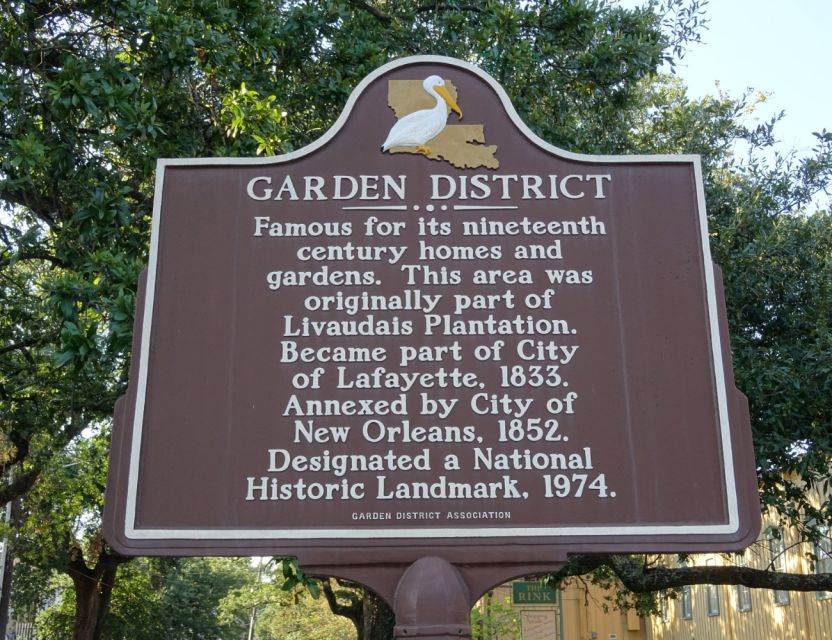
Meet your guide in front of the historical marker for Colonel Short’s Villa at 1448 Fourth Street. The tour begins near Lafayette Cemetery, one of the city’s best-known burial grounds and an important introduction to New Orleans’ above-ground tombs.
These tombs are not just a spooky backdrop. They reflect the city’s burial traditions and give your guide a natural way to explain how local customs differ from what you may see elsewhere in the United States. The cemetery also sets the mood for a tour that treats the Garden District as both a beautiful residential area and a place filled with unusual human stories.
Bring your camera, but do not expect a long cemetery visit with extensive free time. The overall route has several subjects to cover, so the guide has to keep the group moving. The supplied rules also prohibit video recording, so plan on still photographs rather than filming the walk.
The cemetery can be especially appealing if you like architecture with a practical purpose. Tomb design, neighborhood planning, and local burial customs all become part of the larger picture. You will get more from this stop if you pay attention to the explanation, not only the stonework.
Prytania Street and the Garden District mansions

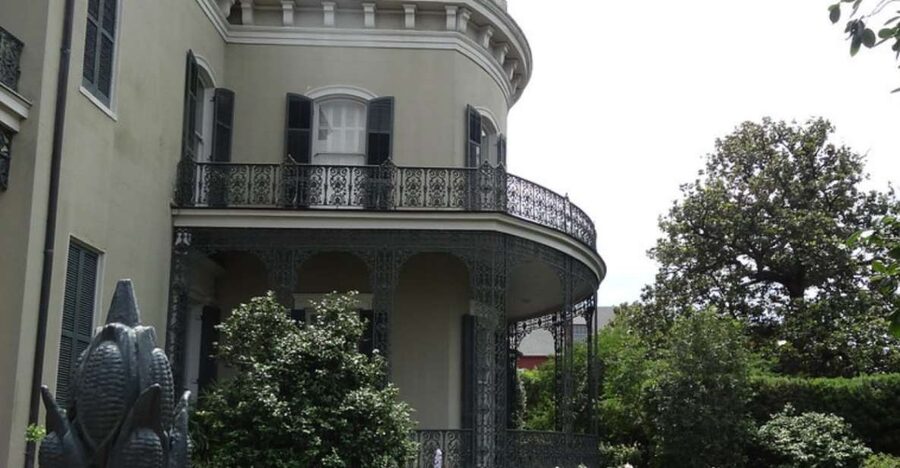
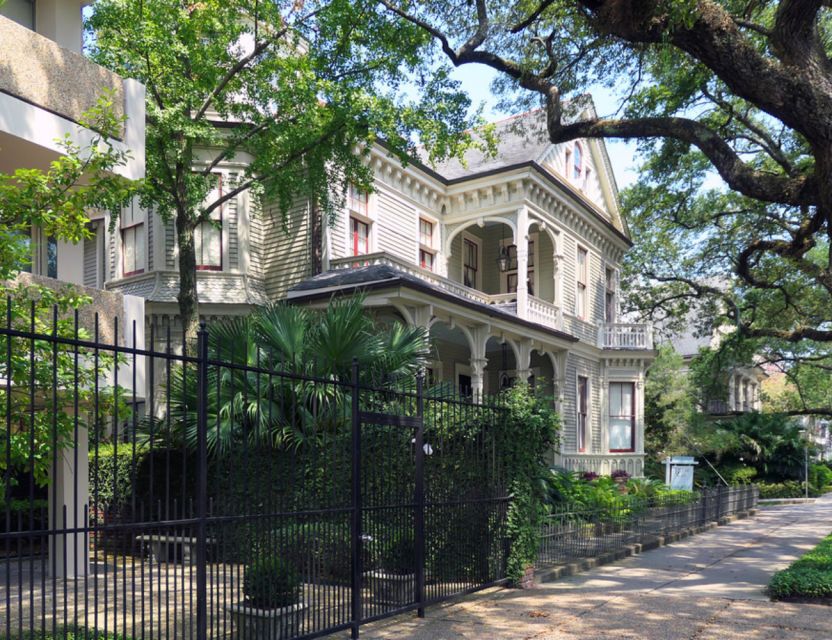
From the cemetery, the walk continues toward historic Prytania Street. This is the portion many people picture when they think of the Garden District: large homes, formal façades, columns, balconies, and a strong sense of old New Orleans wealth.
The guide introduces Greek-style and Gothic-style architecture, helping you spot the differences instead of treating every mansion as simply old and grand. That matters because the neighborhood’s visual appeal can blur together when you walk alone. A good explanation gives each building a clearer identity.
You will hear about homes connected with celebrities, sports heroes, and beloved writers. The information does not turn the route into a celebrity-home hunt. Instead, those connections show how the neighborhood continued to attract notable people long after its earliest residents were gone.
One particularly odd story concerns Nicolas Cage and two New Orleans families. The detail is memorable because it links modern celebrity culture with the city’s long-running fascination with distinctive homes and local characters. It is also the sort of story that is easy to miss if you only read plaques or photograph façades.
The walk does not promise entry into these residences. You are seeing homes from the street, so keep expectations in line with a neighborhood walking tour. The reward is the setting, the design, and the explanation of who lived there and why the buildings matter.
The swill milk scandal adds a sharp edge
The tour’s account of the swill milk scandal gives the Garden District walk a useful change of direction. Instead of focusing only on mansions and famous names, it shows how a local problem helped lead to the country’s first food safety law.
That subject gives the tour some social and political weight. It reminds you that New Orleans history is not only about wealthy families, grand houses, and colorful legends. Public health, consumer protection, and the business practices of the period also shaped everyday life.
This is one reason I would choose a guided walk over a simple sightseeing route. A façade tells you what a neighborhood looked like. A story about unsafe milk helps explain what people faced and how public rules changed.
The information provided does not specify exactly where this story is told, so you should treat it as one of the tour’s themes rather than a separate landmark stop. The guide folds it into the walk as you move through the neighborhood.
A completely different side of New Orleans:
- New Orleans Premier Ghost, Voodoo and Vampire Walking Tour
★ 4.5 · 12,856 reviews - New Orleans Steamboat Natchez Jazz Cruise with Dinner Option
★ 4.0 · 7,533 reviews - Adults-Only New Orleans Ghost, Crime, Voodoo, and Vampire Tour
★ 5.0 · 6,545 reviews - New Orleans Food Walking Tour of the French Quarter with Small-Group Option
★ 5.0 · 6,118 reviews
The American Horror Story mansion on Jackson Avenue
A major stop for television fans is the Jackson Avenue mansion used as Robichaux Academy for Witches in American Horror Story. The building gives you a recognizable visual link between the real Garden District and the show’s fictional world.
You can take photographs at the filming location, which makes this a practical highlight for anyone who enjoys screen locations. At the same time, the house is worth seeing even if you have never watched the series. It is part of the neighborhood’s architectural story, and the filming connection adds another layer to its public identity.
The tour does not suggest that you go inside the mansion. Expect an exterior visit and a guide’s explanation of the location’s role. This is a quick stop within a larger route, not a studio tour or a television-themed excursion.
I like the way this stop broadens the audience. One person may come for architecture, another for New Orleans history, and another for American Horror Story. The guide can connect those interests without making the entire walk feel like a fan event.
Merrick-Jones House and the Manson Murders
The Merrick-Jones House brings one of the tour’s darker stories. Its connection to the Manson Murders is the kind of unsettling detail that helps explain why the Garden District has such a strong reputation for secrets and dramatic tales.
This subject will appeal to you if you enjoy true crime and local legends, but it may not be the reason to book the walk. The tour covers a broad range of topics, and the Manson-related material is one thread among architecture, cemetery customs, public health, and famous residents.
The value here is context. You are not simply moving from one attractive home to another. The guide uses specific buildings to show how national events, notorious names, and New Orleans’ own social world can overlap.
If you prefer a strictly academic architecture tour, this section may feel more sensational than the rest. If you like a little mystery with your history, it adds welcome variety. The tour’s tone appears to be lively and story-driven rather than grim.
The Eiffel Society Building and bonus stops

The Eiffel Society Building is another unusual addition. It was once a restaurant located at the top of the Eiffel Tower, a detail that makes the building memorable before you even consider its New Orleans setting.
This is the sort of bonus stop that can make a neighborhood walk feel less predictable. You are not only studying local houses. You are also hearing about objects and places with surprising links to other parts of the world.
The supplied details do not promise a fixed list of every bonus stop, so the exact route may vary. Think of the Eiffel Society Building as an extra story woven into the walk rather than a separate attraction with a long visit.
I find these smaller facts useful because they give you conversation starters after the tour. A list of house styles can fade. A restaurant that once sat atop the Eiffel Tower is much easier to recall.
What the guide adds to the walk
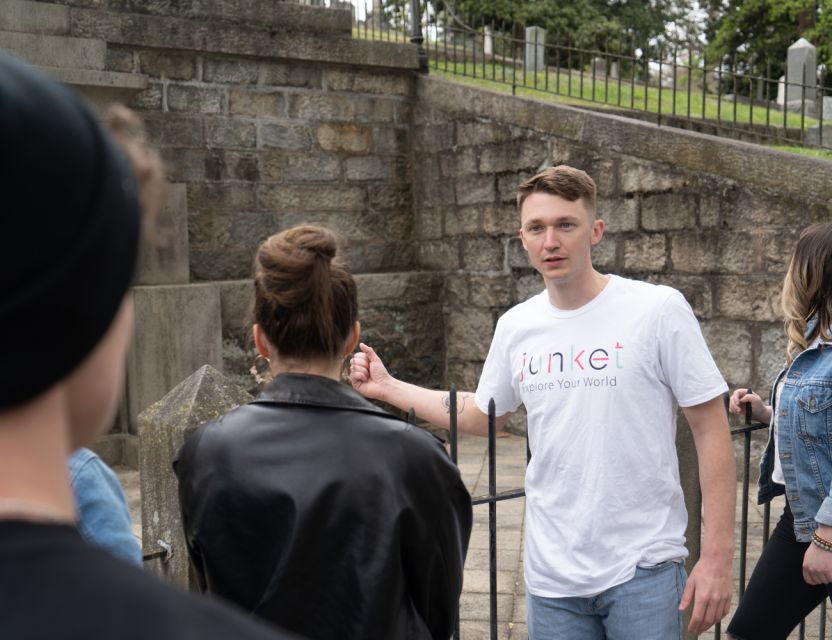
The tour is conducted in English by a live guide, and guide quality matters a great deal here. The strongest praise has gone to Craig, described as an accomplished historian who tells stories about sites that deserve attention and keeps the walk engaging. Craig may not lead every departure, so do not assume a specific guide is guaranteed unless your booking confirms it.
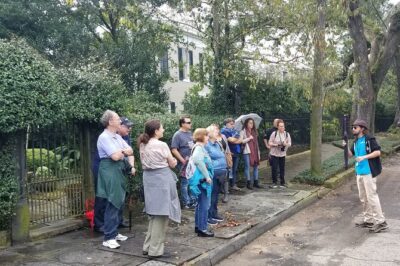
Another guide-led advantage is flexibility. On one small departure, the group consisted of only two people, which turned the outing into a private-feeling walk. The guide was able to accommodate the pair and keep the conversation engaging.
You cannot count on having a two-person group. Still, the example shows why group size can affect the experience. A small group may allow more questions and easier photographs. A larger group may feel less personal, though the guide still provides the planned commentary.
The guide’s role is especially important because many homes are viewed from the sidewalk. Without explanation, you may see a beautiful building and then forget it. With a well-told account of its residents, design, or scandal, the same building becomes part of a larger New Orleans story.
Is two hours enough for the Garden District?

Two hours is long enough for a solid introduction, but not long enough to cover every corner of the neighborhood at a relaxed pace. One person found the walk good but wished it had been longer, and I think that is a fair warning.
You should book this tour if you want a concentrated overview before exploring more on your own. It gives you a framework: cemetery customs, architectural styles, notable homes, film sites, and local scandals. Afterward, you will know which parts of the Garden District deserve a slower second look.
You may want more time if you enjoy stopping for detailed photographs, asking many questions, or studying each building. The route includes several named stories, so the guide has to balance explanation with forward movement.
The two-hour length does have one advantage. It fits neatly into an afternoon and leaves time for other New Orleans plans. The tour does not include transportation, so allow time to reach the meeting point and to make your own way onward afterward.
Weather, walking, and practical comfort
This is a walking tour that takes place rain or shine. Comfortable shoes are essential, not optional. You should also wear clothing suited to the day’s weather, since most of the experience takes place outdoors.
The walk is not recommended for anyone who cannot walk more than a mile, and it is not suitable for people with mobility impairments. The route includes cemetery paths and city streets, with repeated stops but no promise of seating.
Smoking, alcohol, and drugs are not allowed. Video recording is also prohibited, so bring a phone or camera for still pictures if you want to document the homes and filming location.
Because transportation is not included, you need to arrange your own way to 1448 Fourth Street. The meeting point is in front of the historical marker for Colonel Short’s Villa, which gives you a clear landmark to look for.
The booking terms are traveler-friendly: you can cancel up to 24 hours before the tour for a full refund, and you can reserve now while paying later. Availability and starting times should be checked before booking.
Who will get the most from this tour?
I would recommend this walk to several types of visitors:
- You enjoy architecture but want stories attached to the buildings.
- You like true crime, unusual local events, or celebrity connections.
- You are an American Horror Story fan and want to photograph a real filming location.
- You are visiting New Orleans for the first time and want a guided orientation to the Garden District.
- You prefer a small, conversational walk over a large sightseeing group.
- You can comfortably walk more than a mile in changing weather.
I would be more cautious if you want interiors, air conditioning, transportation, or a slow photography session. The tour is also not the right choice for anyone with significant mobility limits.
At $38, the value depends on how much you use the guide’s interpretation. If you only want to see the homes, you can walk the streets without paying for a tour. If you want the stories organized by someone who can connect architecture with food safety, film, celebrity, and crime, the price is fair.
Should you book the Tombs and Mansions of the Garden District?
Book it if you want the Garden District explained rather than simply photographed. The best parts are the mix of Greek and Gothic architecture, Lafayette Cemetery’s above-ground tombs, the American Horror Story mansion, and stories that range from swill milk to Nicolas Cage and the Manson Murders.
Craig’s praise suggests that a strong historian can make this route especially rewarding, but guide assignments can change. Go in expecting a lively two-hour exterior walk, not a house tour or a long cemetery visit.
My main caution is the time limit. Two hours moves quickly, and you may leave wanting more. For most visitors, that is a useful trade: you get a focused, story-filled introduction at a moderate price, then have the freedom to return to the streets and explore your favorite homes at your own pace.
FAQ
How long does the Garden District tour last?
The tour lasts two hours.
How much does the tour cost?
The listed price is $38 per person.
Where does the tour meet?
Meet the guide in front of the historical marker for Colonel Short’s Villa at 1448 Fourth Street in New Orleans.
Is transportation included?
No. Transportation is not included, so you must make your own way to the meeting point.
What language is the tour conducted in?
The tour is conducted in English with a live guide.
Does the tour visit an American Horror Story filming location?
Yes. The route includes the Jackson Avenue mansion used as Robichaux Academy for Witches in American Horror Story.
What should I bring?
Bring comfortable shoes and clothing suitable for the weather.
Can I cancel for a refund?
Yes. You can cancel up to 24 hours in advance for a full refund. You can also reserve now and pay later.
Just added around New Orleans
- New Orleans: Whitney Plantation Audio Tour with Transfers★ 4.7 · 3 reviews
- New Orleans Instagram Photo Tour★ 4.5 · 3 reviews
- New Orleans: Voodoo, Storyville, and Treme Walking Tour★ 3.3 · 3 reviews
- Outdoor Escape Room in New Orleans – The French Quarter★ 5.0 · 3 reviews
- New Orleans: Private Custom Guided Walking Tour★ 4.0 · 3 reviews
- Private New Orleans City and Cemetery Bus Tour Up to 24 People★ 5.0 · 3 reviews
- New Orleans: Voodoo History Guided Walking Tour★ 4.8 · 3 reviews
- New Orleans: French Quarter Cocktail and Foodie Crawl Tour★ 5.0 · 3 reviews
Garden District Tours, compared.

New Orleans Garden District History Walking Tour
Read our review →
New Orleans City Tour: French Quarter, Garden District & Cemetery
Read our review →
New Orleans Small-Group Garden District Walking Tour
Read our review →
New Orleans City and Cemetery Tour with Garden District Stroll
Read our review →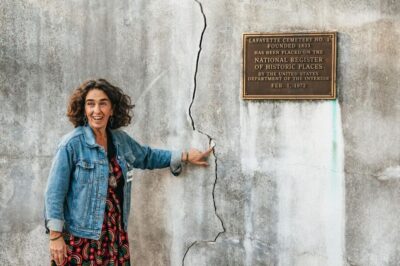

New Orleans Highlights of the Garden District Walking Tour
Read our review →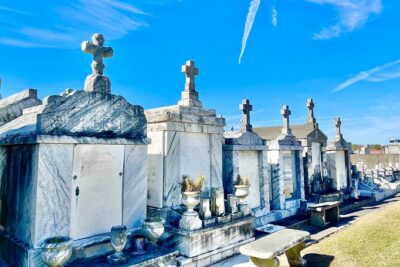
Browse the lists this tour appears in