
Reviewed · PLANTATION TOURS
New Orleans: St. Joseph Plantation Guided Tour
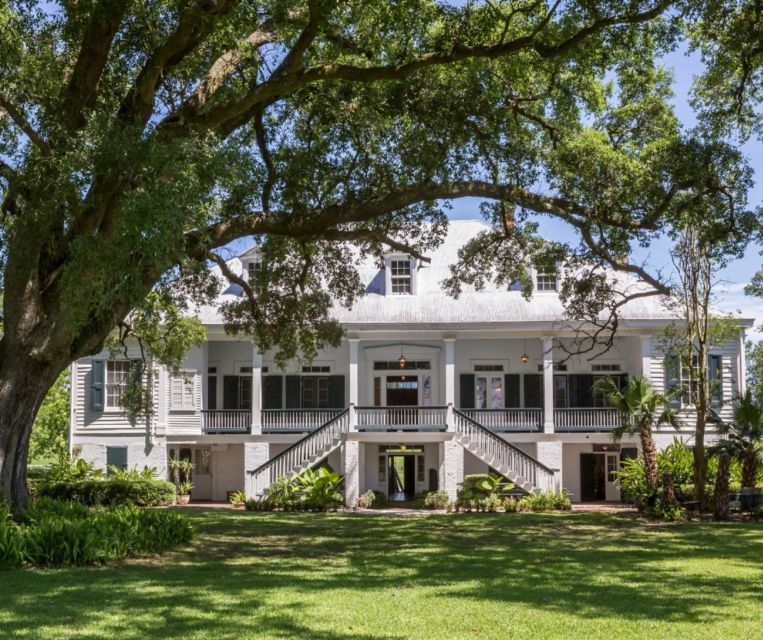
St. Joseph Plantation gives you something many plantation visits do not: full access to the mansion, followed by time to explore the grounds and original outbuildings on your own. Built in the 1830s on a 2,500-acre sugar cane operation, it connects grand domestic rooms with the hard labor and painful human story that made the plantation function.
I like the close, family-connected guiding style, and I like that the hour-long tour does not end at the front door. You can see original slave cabins, a detached kitchen, blacksmith’s shop, carpenter’s shed, and schoolhouse afterward. The main drawback is that the site is not suitable for wheelchair users or people with mobility impairments, and the short guided portion may leave you wanting more time with the history.
In This Review
- Key points to know before you go
- Why St. Joseph feels different from a quick plantation stop
- Arriving at 3535 LA-18
- Inside the 1830s mansion
- The grounds and original outbuildings
- Sugar cane, work, and the plantation economy
- The Creole Mourning Tour from October 1 to November 3
- What the $24 price gives you
- Who will appreciate this plantation visit
- Practical ways to get more from the hour
- Should you book St. Joseph Plantation?
- FAQ
- Where is St. Joseph Plantation located?
- How long does the guided tour last?
- What language is the tour in?
- What does the admission price include?
- Is transportation included?
- Can I explore after the guided tour?
- Is the plantation suitable for wheelchair users?
- What is the Creole Mourning Tour?
Key points to know before you go
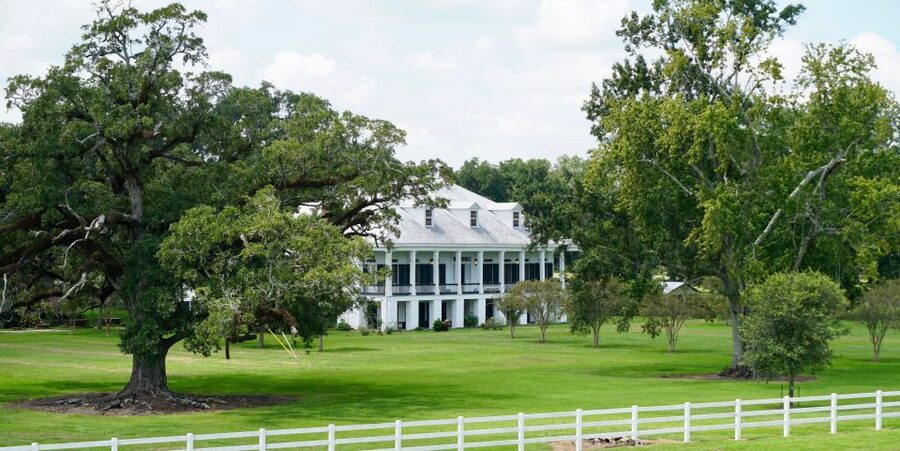
- A working sugar cane plantation: St. Joseph remains one of the few fully intact working sugar cane plantations in Louisiana.
- Every mansion room is included: The guided visit takes you through the house rather than limiting you to a few show areas.
- Original working buildings remain: Slave cabins, a detached kitchen, a blacksmith’s shop, carpenter’s shed, and schoolhouse can be explored after the guide-led portion.
- Family history shapes the tour: A family member has led tours, and the general manager has also served as a guide.
- October brings the Creole Mourning Tour: From October 1 through November 3, the house is dressed for mourning, with live portrayals of plantation residents and Creole mourning customs.
- Bring comfortable shoes and a picnic: The grounds are open for self-paced exploration, and oak trees provide a place to eat after the tour.
Why St. Joseph feels different from a quick plantation stop
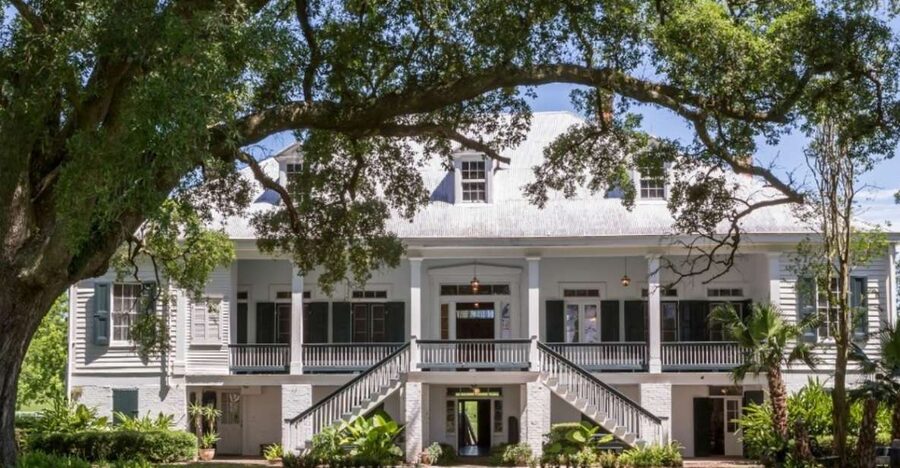
St. Joseph is not just a decorated mansion beside the Mississippi River. The property still operates as a sugar cane plantation, giving you a direct link between the historic house and the agricultural work that shaped life here.
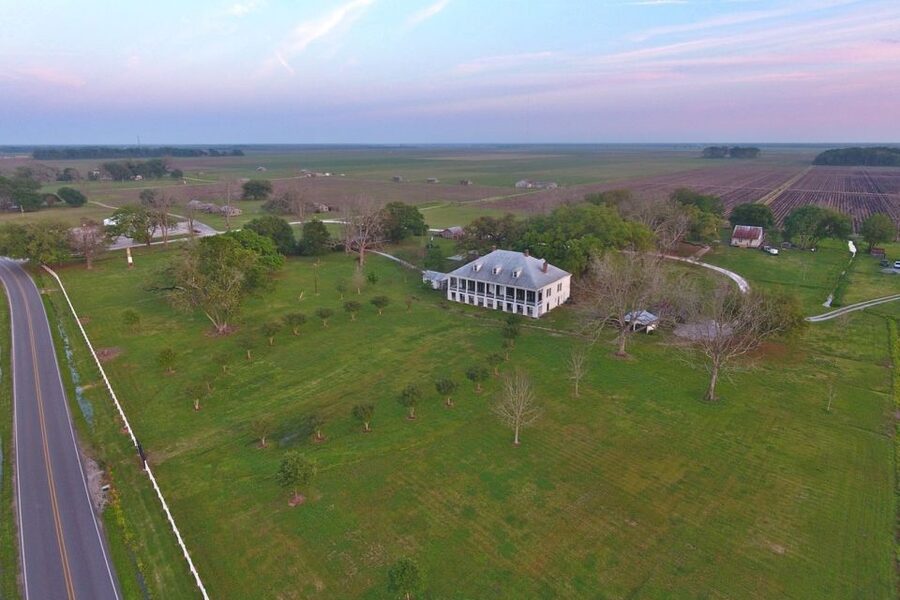
The plantation was built in the 1830s and once covered about 2,500 acres. That scale matters. You are looking at a complete agricultural community, not simply a fine residence preserved for display.
The site also carries the history of enslavement. The original cabins and work buildings make that impossible to ignore. You can see the separation between the family home and the buildings used by enslaved workers, then consider how the plantation economy depended on forced labor.
That combination is the main reason to choose St. Joseph. The mansion offers architecture and family history, while the outbuildings show the labor system behind it. You get both parts in one visit.
More River Road plantation days:
- Swamp Boat Ride and Oak Alley Plantation Tour from New Orleans
★ 5.0 · 3,303 reviews - Oak Alley Plantation Tour with Transportation from New Orleans
★ 4.5 · 1,747 reviews - Whitney Plantation Tour with Transportation from New Orleans
★ 4.5 · 1,351 reviews
Arriving at 3535 LA-18
The meeting point is St. Joseph Plantation at 3535 LA-18 in Louisiana’s River Parishes. Transportation is not included, so you need to arrange your own way to the property.
The tour lasts one hour, with starting times based on availability. That makes it easy to fit into a wider plantation route, but you should not treat the one-hour duration as the total time needed at the site. The guided portion takes an hour, and the grounds deserve extra time afterward.
I would allow additional time for the self-guided buildings, photographs, the garden, and a quiet walk beneath the oak trees. A picnic lunch is specifically encouraged, which makes the plantation a useful stop between other activities rather than a place you must rush through.
Wear comfortable shoes. The visit includes walking around the grounds, and bare feet, alcohol, and drugs are not allowed.
Inside the 1830s mansion
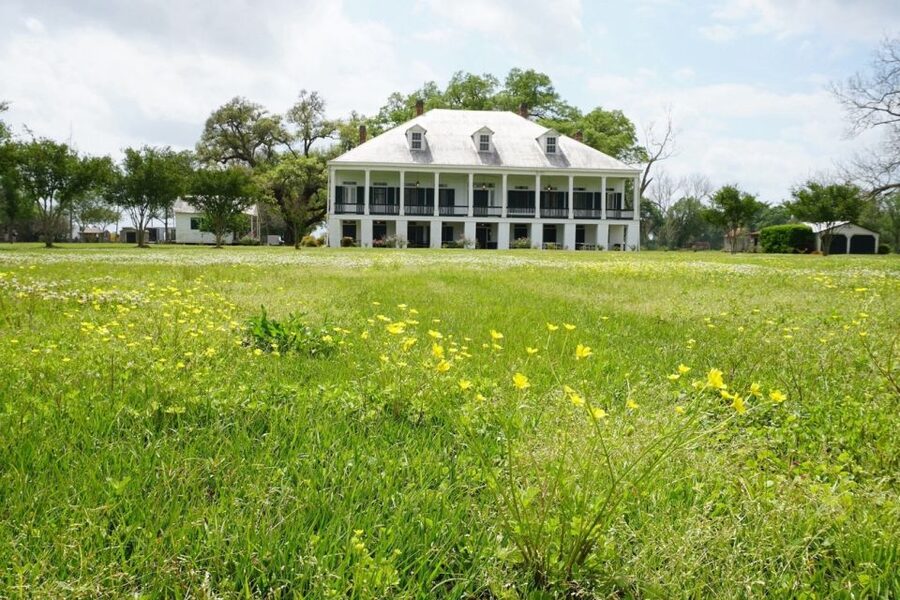
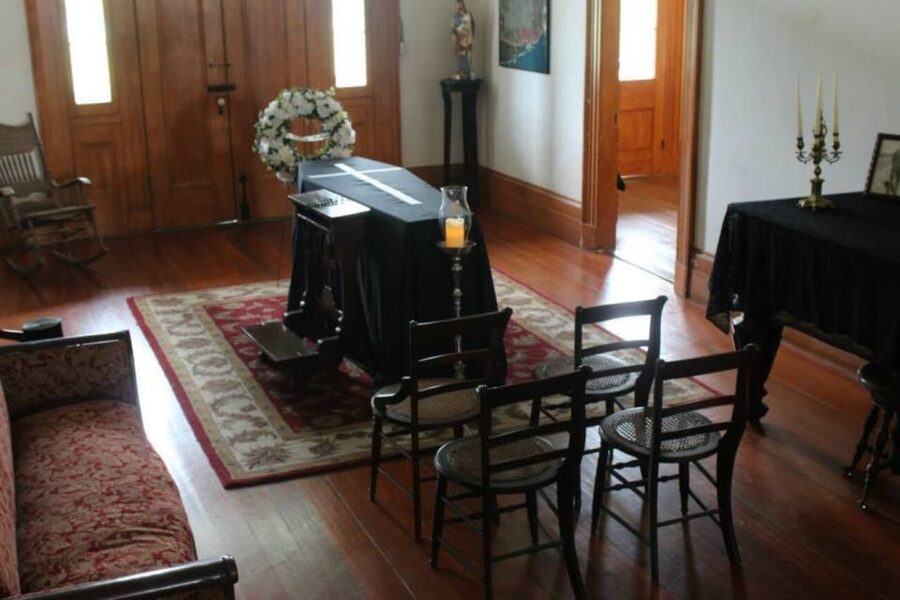
The guided tour begins in the plantation home. The major advantage here is access to every room, not just a hallway or a few selected chambers. Your guide explains the house and the people connected with it, helping you understand how the family lived and how the property was managed.
A family member has led the tour, bringing personal family connections into the presentation. The general manager has also guided the visit and was praised for being friendly, personable, and clear. Adrienne, another guide, helped an Italian-speaking group by providing a copy of the tour in Italian. The live tour itself is in English, but this extra effort may help if English is not your first language.
The guiding style appears to be one of the strongest parts of the experience. A guide who can explain the family story gives you more than a list of construction dates. At the same time, you should remember that a family connection can shape how the plantation story is told. Pay attention to the broader setting, especially the lives of enslaved people and laborers whose work supported the household.
The mansion is also part of the plantation’s modern cultural history. St. Joseph and nearby Felicity Plantation have been used as filming locations for 12 Years a Slave, All the King’s Men, The Skeleton Key, and Queen Sugar. Film fans may enjoy recognizing the setting, but the productions should be treated as a side note. The real reason to visit is the preserved site and the history attached to it.
The grounds and original outbuildings
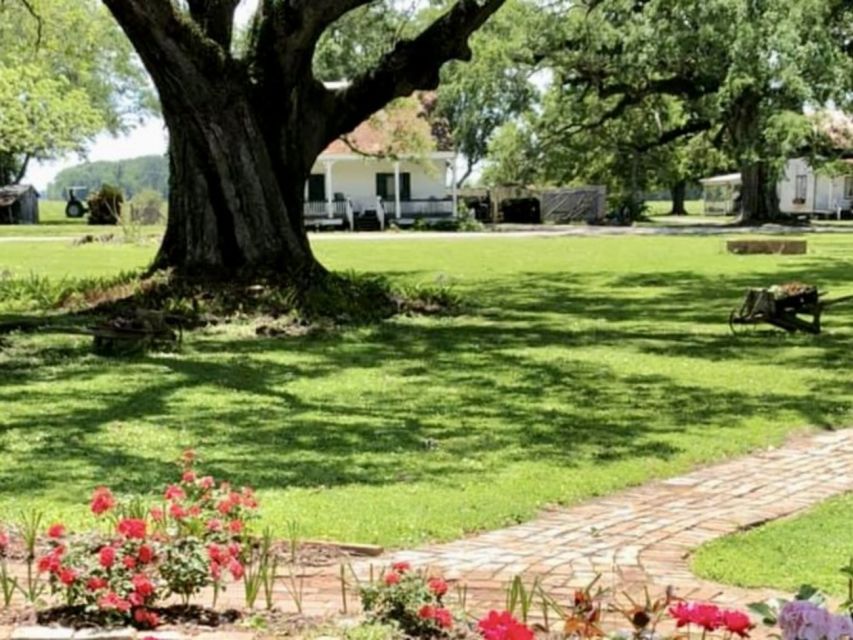
After the guided house tour, you can walk around on your own. This second half is important because the outbuildings show how the plantation functioned beyond the family rooms.
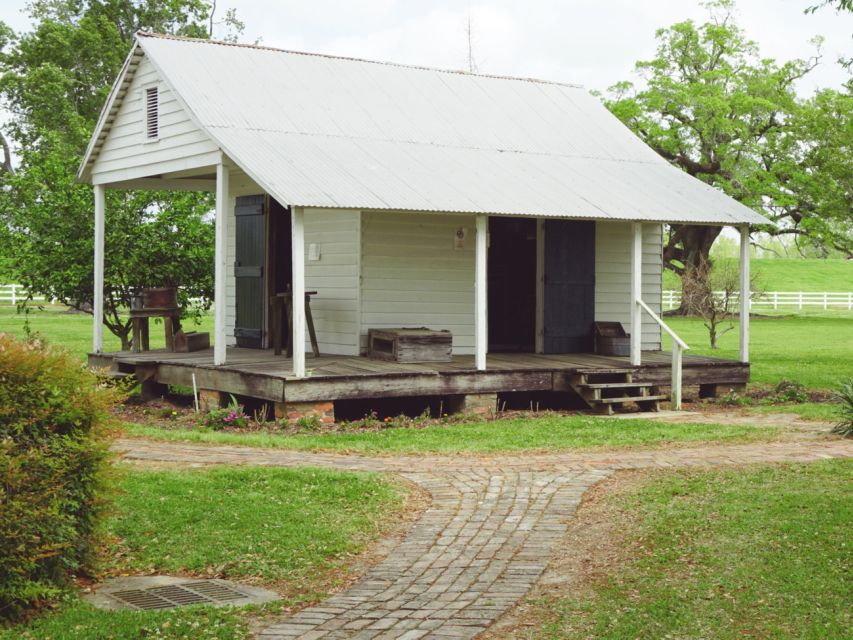
The original slave cabins are the most significant stop. They provide a physical reminder that plantation life was divided by power, wealth, and forced labor. The cabins also help balance the polished appearance of the main house. If you only visit the mansion, you risk seeing the plantation through the owners’ rooms. Make time for these buildings.
The detached kitchen is another useful part of the visit. Kitchens were kept separate from the main house because of heat, smoke, cooking work, and fire risk. Here, the building itself helps you picture the daily labor needed to feed a large household.
The blacksmith’s shop and carpenter’s shed point to the practical skills required to keep a plantation operating. Tools, repairs, construction, and farm work did not happen by themselves. These small buildings help you understand the plantation as a working operation rather than a country home.
The schoolhouse adds another layer to the property. Its presence invites questions about who received an education, what kind of education was offered, and how schooling fit into the plantation community. The guide-led portion may not answer every question, so use the self-guided time to look closely and reflect.
Because you set your own pace after the mansion tour, you can spend more time at the buildings that matter most to you. That freedom is a real benefit, though it also means the experience depends on your interest and attention. The guide will not be beside you for every stop.
A few more New Orleans tours worth a look
- Guided Boat Tour of New Orleans Bayou
★ 4.5 · 1,452 reviews - Laura Creole Plantation Guided Tour
★ 5.0 · 1,279 reviews - Houmas House Estate and Gardens Guided Tour
★ 4.5 · 632 reviews - New Orleans: Guided Swamp Cruise by Tour Boat
★ 4.7 · 570 reviews
Sugar cane, work, and the plantation economy
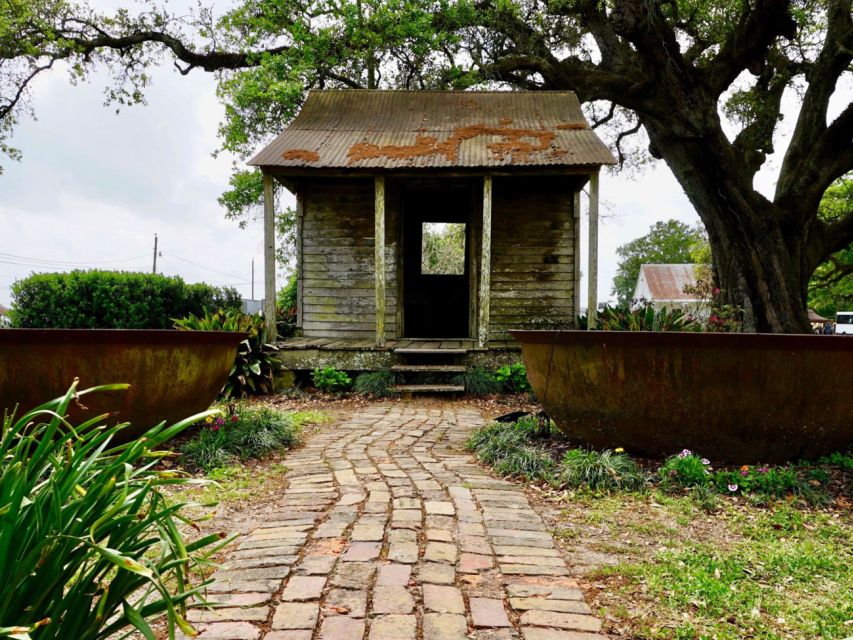
St. Joseph is one of the last few working sugar cane plantations in Louisiana. This is not just a label. It means the property still has an agricultural purpose, connecting the preserved buildings with the crop that shaped the area.
Sugar cane production required land, equipment, workers, and a strict system of management. The plantation’s size, about 2,500 acres, gives you a sense of the operation’s scale. The house was only one part of a much larger system.
I find the working status valuable because it keeps the site from feeling like a frozen museum. You can place the historic buildings within an ongoing agricultural setting. Still, the modern working operation does not erase the difficult past. The plantation’s survival should be considered alongside the enslaved people whose labor made the sugar economy possible.
The site is especially useful for visitors who want more than architecture. You see the elegant rooms, but you also walk among the places tied to cooking, schooling, metalwork, carpentry, housing, and farm life. Together, those parts give you a fuller picture of plantation society.
The Creole Mourning Tour from October 1 to November 3
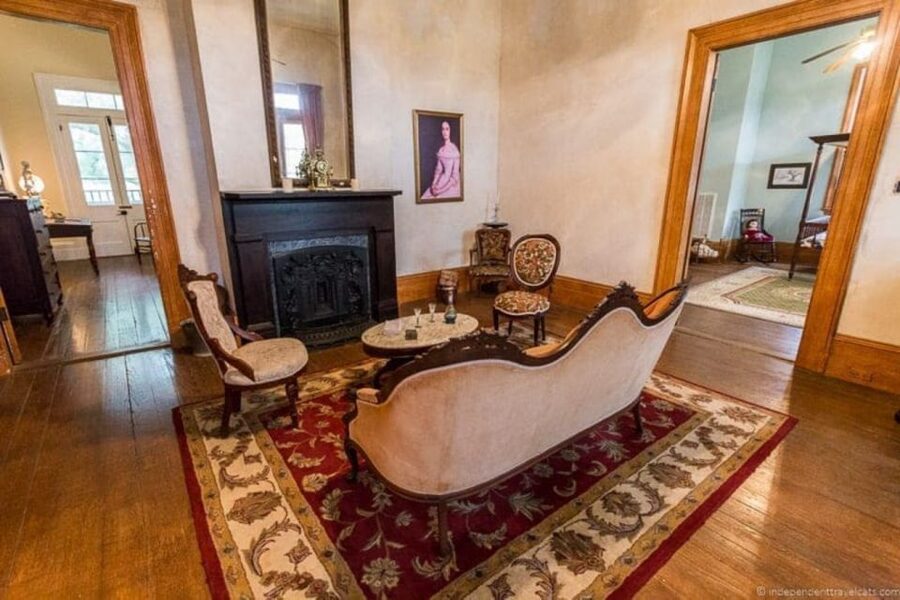
If you visit between October 1 and November 3, St. Joseph offers the Creole Mourning Tour. During this seasonal presentation, the house is dressed for deep mourning, and live portrayals show the people who lived on the plantation and their mourning customs.
This is not simply a change in decoration. Mourning traditions can reveal family relationships, religious beliefs, social customs, and ideas about death. The setting gives the house a different mood and adds a focused cultural theme to the visit.
The live portrayals may make the past easier to picture, but they can also be emotionally heavy. The plantation’s history includes enslavement and unequal power, so you should approach the presentation as historical interpretation rather than light entertainment.
If mourning customs interest you, this date range may be the best time to visit. If you prefer a quieter and less staged experience, choose another period, if available.
What the $24 price gives you
At $24 per person, the value is solid if you use the full visit. The fee includes the one-hour guided tour of the home and grounds, access to the garden and outbuildings for self-guided exploration, and local taxes.
The price does not include transportation, food, drinks, or gift shop purchases. Since you need to reach 3535 LA-18 on your own, the real cost depends on your wider plans. If you are already visiting plantations in the River Parishes, St. Joseph can be a reasonably priced addition. If you need special transport just for this stop, the overall expense will be higher.
The guided portion is shorter than some full-day heritage tours, but the access to every room and the extra buildings adds value. I would not book this expecting an all-day program. I would book it as a focused historical visit with optional time afterward.
The free cancellation policy also gives you flexibility. You can cancel up to 24 hours before the activity for a full refund, and you can reserve now while paying later. Those terms are helpful when your Louisiana schedule depends on weather, driving time, or other reservations.
Who will appreciate this plantation visit
I recommend St. Joseph to readers who want to connect architecture with working agriculture and the history of enslavement. The original buildings make the experience especially useful for anyone who wants to understand how a plantation operated beyond the main house.
It also suits film fans, families with older children, and history-minded visitors who prefer a small-scale guided experience. The self-paced portion lets you move slowly and focus on the buildings that interest you.
You may prefer another activity if you need step-free access, use a wheelchair, or have difficulty walking around outdoor grounds. The property is specifically listed as unsuitable for people with mobility impairments and wheelchair users.
The one-hour guided format may also feel brief if you want a long academic lecture or extensive archival detail. You can get more from the visit by reading about the plantation beforehand and using the free time to inspect each building carefully.
Practical ways to get more from the hour
Arrive ready to listen during the mansion tour. The guide’s explanation of the family and the people who lived on the plantation gives you the framework for the rest of the visit.
Afterward, go first to the original slave cabins. They are among the most important buildings on the property, and it is easy to spend too much time taking photographs of the main house.
Continue to the detached kitchen, blacksmith’s shop, carpenter’s shed, and schoolhouse. Notice how each building reflects a different type of work or community life. The self-guided format gives you room to pause instead of keeping to a strict group pace.
If you are visiting from outside the United States, ask about language support before arriving. The live guide speaks English, and Adrienne once prepared an Italian copy of the tour for a small Italian-speaking group. That does not guarantee printed material in every language, but it is worth checking.
Bring lunch if the weather suits it. Eating beneath the oak trees after the tour can turn a quick stop into a calmer half-day outing. Food and drinks are not included, so pack them yourself.
Should you book St. Joseph Plantation?
Book it if you want a compact but serious plantation visit with access to the full mansion and original outbuildings. The combination of a working sugar cane operation, family-led interpretation, slave cabins, and self-paced grounds makes the $24 fee worthwhile for history-minded visitors.
The best reason to choose St. Joseph is its balance of house and farm. The main rooms show how the owners lived, while the cabins and work buildings force you to consider the labor system behind that comfort.
Skip it if mobility is a concern, if you cannot arrange your own transportation, or if you want a much longer guided program. Otherwise, allow more than one hour, wear good shoes, and save time for the outbuildings. That is where the visit gains its strongest sense of place.
FAQ
Where is St. Joseph Plantation located?
St. Joseph Plantation is located at 3535 LA-18 in Louisiana, United States.
How long does the guided tour last?
The guided tour of the plantation home and grounds lasts one hour.
What language is the tour in?
The live tour guide speaks English.
What does the admission price include?
The $24 price includes the one-hour guided tour of the home and grounds, the self-guided garden and outbuildings visit, and local taxes.
Is transportation included?
No. You must arrange your own transportation to the plantation.
Can I explore after the guided tour?
Yes. After the guided portion, you can take a self-guided walk around the garden and numerous outbuildings, including original slave cabins, a detached kitchen, a blacksmith’s shop, a carpenter’s shed, and a schoolhouse.
Is the plantation suitable for wheelchair users?
No. The experience is not suitable for wheelchair users or people with mobility impairments.
What is the Creole Mourning Tour?
From October 1 through November 3, the house is dressed for deep mourning, with live portrayals of people who lived on the plantation and presentations of Creole mourning customs.
Just added around New Orleans
- New Orleans: Whitney Plantation Audio Tour with Transfers★ 4.7 · 3 reviews
- New Orleans Instagram Photo Tour★ 4.5 · 3 reviews
- New Orleans: Voodoo, Storyville, and Treme Walking Tour★ 3.3 · 3 reviews
- Outdoor Escape Room in New Orleans – The French Quarter★ 5.0 · 3 reviews
- New Orleans: Private Custom Guided Walking Tour★ 4.0 · 3 reviews
- Private New Orleans City and Cemetery Bus Tour Up to 24 People★ 5.0 · 3 reviews
- New Orleans: Voodoo History Guided Walking Tour★ 4.8 · 3 reviews
- New Orleans: French Quarter Cocktail and Foodie Crawl Tour★ 5.0 · 3 reviews
Plantation Tours, compared.
Swamp Boat Ride and Oak Alley Plantation Tour from New Orleans
Read our review →
Oak Alley Plantation Tour with Transportation from New Orleans
Read our review →
Whitney Plantation Tour with Transportation from New Orleans
Read our review →
Airboat and Plantations Tour with Gourmet Lunch from New Orleans
Read our review →
Bayou Swamp Tour and Oak Alley Plantation Tour
Read our review →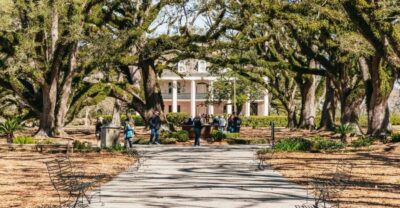
Oak Alley Plantation & Airboat Swamp Combo Tour
Read our review →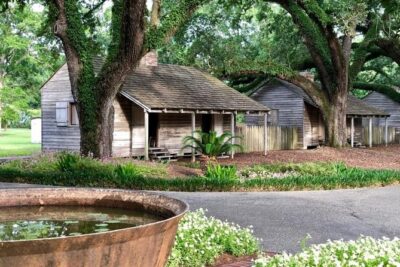
Oak Alley Plantation and Large Airboat Swamp Tour from New Orleans
Read our review →Browse the lists this tour appears in