
Reviewed · CYCLING TOURS
New Orleans: Scenic City Bike Tour
New Orleans was built around water, and this three-hour bike ride shows you that story better than a short walk through the French Quarter can. You pedal from the old city into former bayou country, following shady Esplanade Avenue to City Park, St. Louis Cemetery No. 3, and Bayou St. John.
I like the flat, leisurely pace, which leaves room to listen, look up at the live oaks, and ask questions. I also like the route’s mix of famous and less-visited places, from Creole mansions and Congo Square to the Lafitte Greenway and Mid-City. The main consideration is that you must be at least 13 years old, taller than 4 feet 11 inches, and comfortable riding in city traffic and warm weather.
In This Review
- Key points to know before you book
- Start in the French Quarter, then follow the city outward
- Faubourg Marigny and the first taste of Creole culture
- Esplanade Avenue and its live oak canopy
- St. Louis Cemetery No. 3 and New Orleans burial customs
- City Park brings open space and swampy views
- Bayou St. John and the reason New Orleans grew here
- Mid-City, the Lafitte Greenway, and a more local view
- Louis Armstrong Park and Congo Square
- What the $55 price gets you
- Who will enjoy this ride most
- Practical tips for a smoother afternoon
- Should you book the Scenic City Bike Tour?
- FAQ
- Where does the New Orleans Scenic City Bike Tour meet?
- How long does the bike tour last?
- What places does the route include?
- Is the route difficult?
- What is included in the price?
- Who can participate?
- What should I wear?
Key points to know before you book
- Former bayou country: Learn how Bayou St. John helped shape the city’s founding and early growth.
- A broader view of New Orleans: The route reaches beyond the French Quarter to Esplanade Ridge, City Park, Mid-City, and the Lafitte Greenway.
- A gentle three-hour ride: The route is flat and relaxed, making it more about seeing the city than getting a workout.
- Burial customs at St. Louis Cemetery No. 3: Stop to learn about local cemetery practices and the way New Orleans handles the dead.
- Small-group setting: With no more than 10 people, you can usually hear the guide and ask questions without shouting.
- A few firm rules: Sandals and flip flops are not allowed, and riders must sign a waiver.
Start in the French Quarter, then follow the city outward
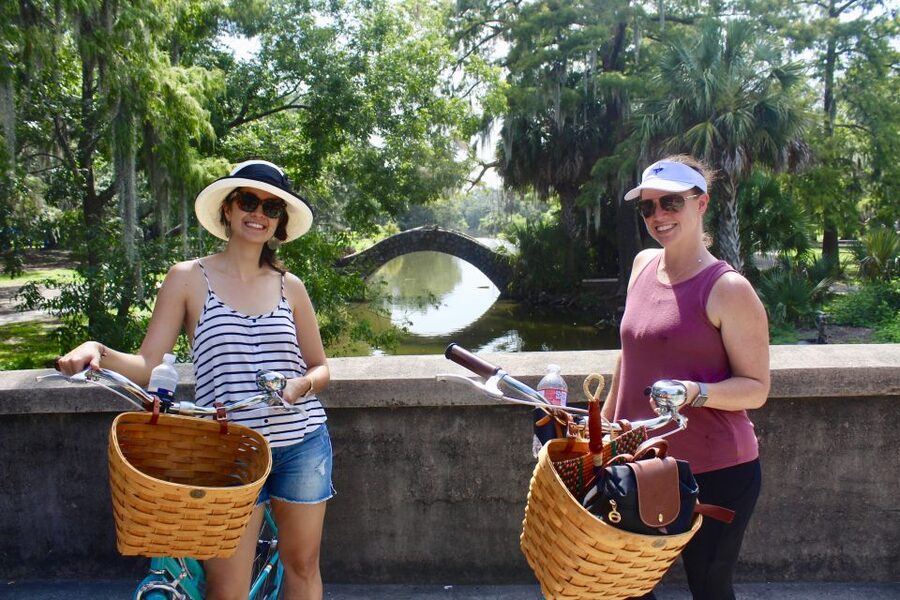
The tour begins on North Rampart Street in the French Quarter, between Toulouse and St. Peter streets, next to Arrow Cafe. This is a useful starting point because you are close to the oldest part of New Orleans, yet already at the edge of the neighborhood’s busy core.
You get fitted for a bicycle before setting off. A helmet is optional, and one bottle of water is included. I would still bring extra water, especially on a hot afternoon, since three hours in the Louisiana sun can feel longer than three hours on paper.
The first part of the ride passes through the French Quarter. You will not simply stay among the balconies, bars, and souvenir shops. The point is to place the Quarter within the larger story of New Orleans, then watch the city change as you ride away from its best-known streets.
This opening section can be busy, so your guide’s instructions matter. The group is limited to 10 participants, a practical size for stopping together and crossing streets. It also keeps the experience more personal than a large cycling convoy.
More bike days around New Orleans:
- New Orleans French Quarter and Garden District Bike Tour
★ 5.0 · 410 reviews - New Orleans Creole Odyssey Small-Group Bike Tour
★ 5.0 · 268 reviews - Creole New Orleans Electric Bike Tour (ages 16 & up)
★ 5.0 · 230 reviews
Faubourg Marigny and the first taste of Creole culture
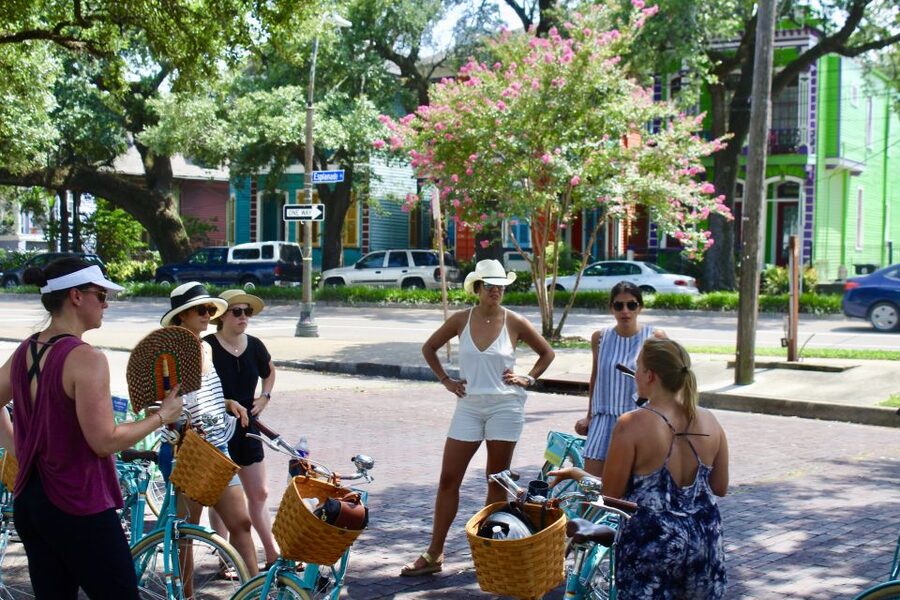
From the French Quarter, the route continues into Faubourg Marigny. This neighborhood helps connect the tourist center with the residential districts beyond it, and it gives the guide room to explain how Creole culture shaped New Orleans.
The word Creole can mean different things in different parts of Louisiana. On this ride, you learn how the term fits the city’s people, customs, architecture, food traditions, music, and social history. That context is valuable because New Orleans can look like a collection of colorful buildings and famous songs if you only skim the surface.
The ride is not built around a long list of indoor visits. Instead, you learn while moving through the city. That works well here. Streets, houses, cemeteries, waterways, and public spaces all become part of the lesson.
Past guides have included Eric and Jeremy. Eric brought in his background as a musician when discussing jazz, while Jeremy was praised for a strong grasp of New Orleans history and local places. Guide assignments can change, but the useful quality to look for is a guide who can connect the visible city with the stories behind it.
Esplanade Avenue and its live oak canopy
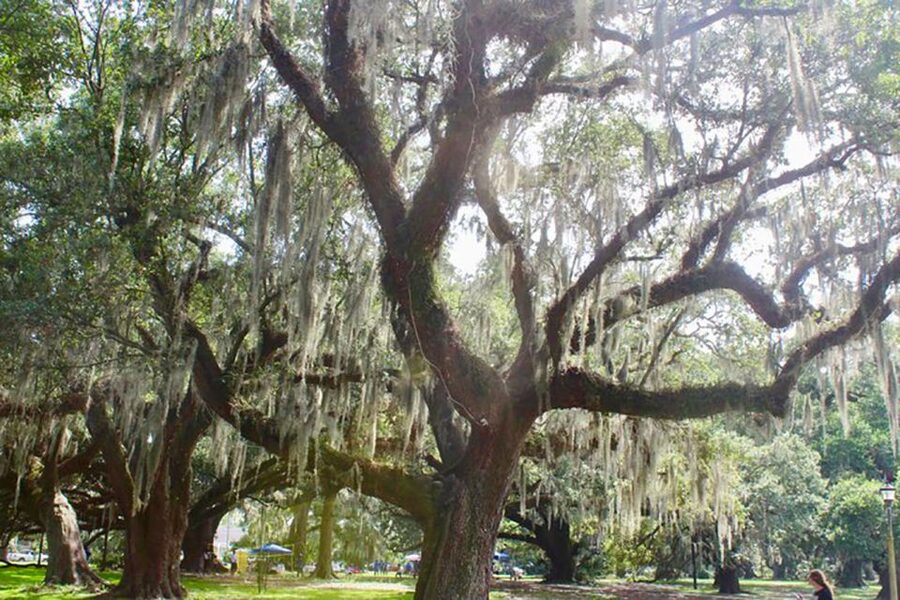
Esplanade Avenue is one of the prettiest portions of the ride. The route follows the broad avenue beneath large live oak trees, with Creole mansions and older homes providing a sense of the city’s grand residential past.
This is where the leisurely pace earns its keep. You have time to take in the architecture instead of rushing from one stop to the next. The shade also helps, although it does not remove the need for sun protection and water.
The avenue shows a different side of New Orleans from the French Quarter. The Quarter is compact and theatrical. Esplanade feels more open, leafy, and residential. Riding between the two makes the city’s expansion easier to understand: New Orleans did not remain a small riverfront settlement, but grew along routes that led into wetter, less-developed ground.
Your guide explains how areas that are now streets and neighborhoods were once tied to bayous and marshy waterways. That is one of the tour’s strongest ideas. You are not only looking at buildings. You are seeing how people adapted a difficult setting for roads, homes, cemeteries, parks, and commerce.
St. Louis Cemetery No. 3 and New Orleans burial customs
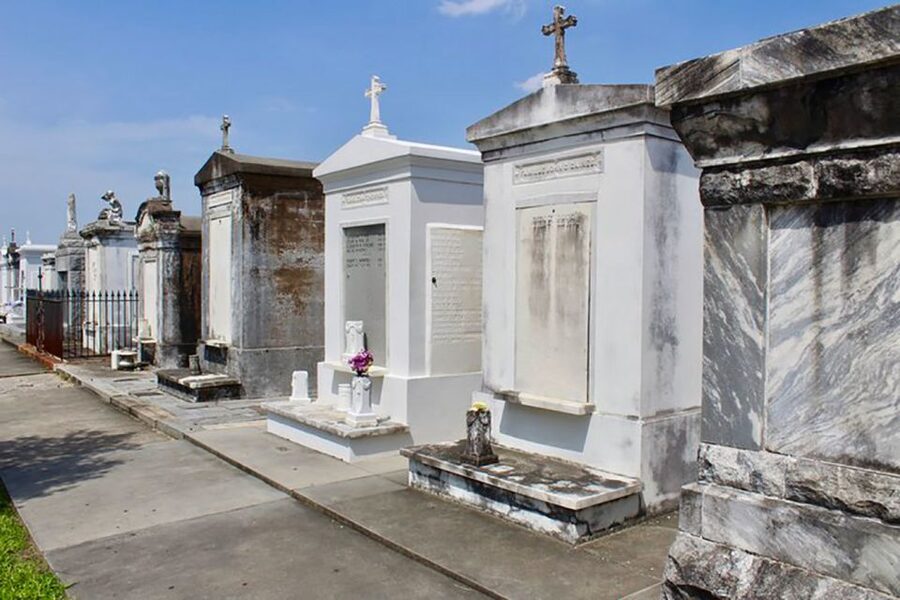
A stop at St. Louis Cemetery No. 3 adds a serious and distinctive note to the afternoon. Here, the guide explains local burial practices and why cemeteries are such an important part of understanding New Orleans.
The visit is not just a quick photo stop. You learn how burial customs reflect the city’s environment and cultural traditions. The subject also helps explain why New Orleans cemeteries look different from ordinary graveyards in many other American cities.
This portion may appeal most to people who enjoy history, architecture, and cultural detail. It is less suited to anyone hoping for a nonstop scenic ride with no reflective stops. The cemetery asks you to slow down and pay attention.
Listen closely here. Burial traditions can be easy to reduce to a single familiar image, but the guide’s explanation gives the subject more meaning. The stop also provides a useful counterpoint to the music and food associations that often dominate first impressions of New Orleans.
A few more New Orleans tours worth a look
- New Orleans City Sightseeing Hop-On Hop-Off Bus Tour
★ 4.5 · 4,943 reviews - New Orleans Sightseeing City Tour
★ 5.0 · 3,038 reviews - City Tour of New Orleans with Pickup
★ 4.5 · 2,407 reviews - New Orleans City Tour: French Quarter, Garden District & Cemetery
★ 4.5 · 2,209 reviews
City Park brings open space and swampy views
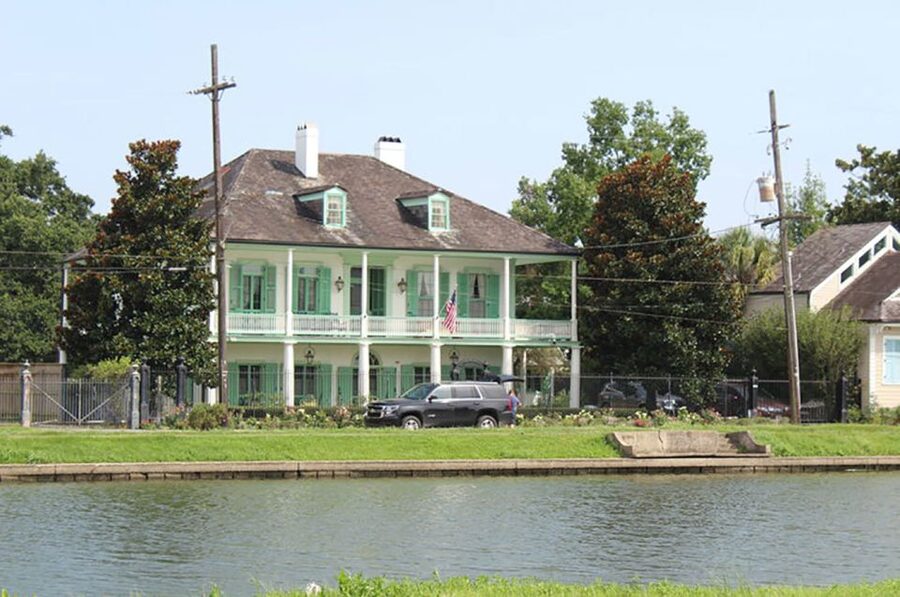
After the cemetery, you ride toward City Park. The setting changes again, from avenues and houses to broad green space, trees, and swampy views.
The park gives your group room to breathe. You are still learning about the city, but the pace feels less urban. The route through City Park is one of the tour’s scenic rewards, especially after the tighter streets of the French Quarter and Faubourg Marigny.
Do not expect a strenuous park ride. The route is described as flat and leisurely, and the guide sets a pace that leaves time for stops. Previous riders have singled out the pace as a strength, with enough movement to feel active but not so much that the commentary becomes an afterthought.
Afternoon timing can be pleasant under the trees, though New Orleans weather is a real factor. Wear light clothing that still covers you comfortably on a bicycle, use sunscreen, and bring more water than the included bottle if you tend to get thirsty.
Bayou St. John and the reason New Orleans grew here
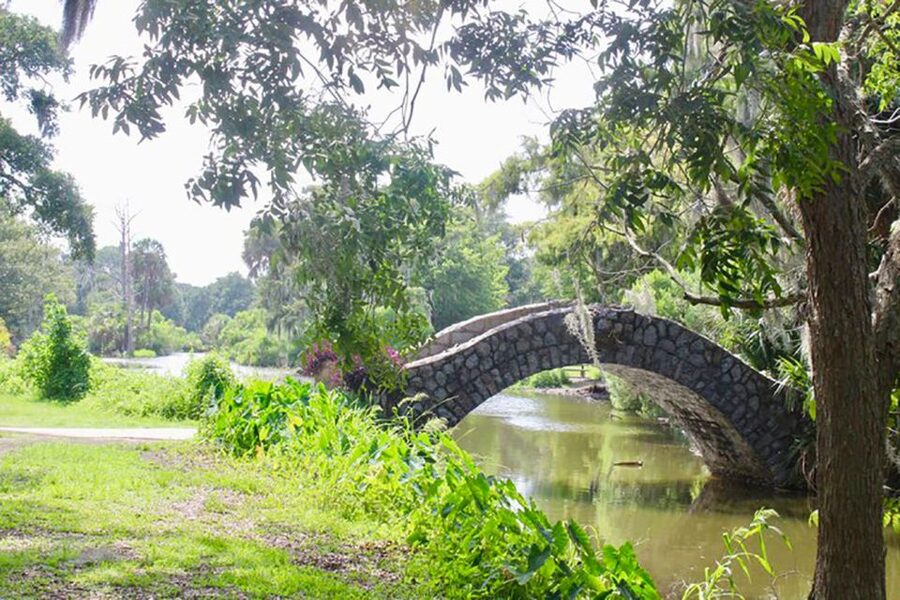
Bayou St. John is the stop that gives the tour its clearest sense of place. This historic waterway was used by Native Americans and French settlers, and its position helped make the area important to the city’s founding.
Standing or riding beside the bayou, you can better understand how waterways guided movement before modern roads and bridges. The city’s location was not random. Water connected the settlement to larger routes, while also creating challenges that shaped how New Orleans developed.
The guide explains how the city expanded into what was once bayou country. That story links the whole ride together. Esplanade Avenue, City Park, Mid-City, and the Lafitte Greenway are not isolated attractions. They belong to a much larger process of turning wet ground and waterways into a functioning city.
For me, this is the kind of information that makes a sightseeing route useful. You leave with a better mental map, not just a folder of photos. After the tour, you can look at New Orleans streets and ask why they are where they are.
Mid-City, the Lafitte Greenway, and a more local view
The itinerary also reaches Mid-City and the Lafitte Greenway. These areas take you farther from the postcard version of New Orleans and into parts of the city that many first-time visitors might skip.
The Greenway provides a natural-feeling route through the city and helps make the ride comfortable. It is also a good setting for a guide to discuss change, connections between neighborhoods, and the way New Orleans residents use shared public space.
Because the tour covers several districts, you should think of it as a city overview rather than a close study of one neighborhood. You will not spend a full afternoon inside every location. Instead, you get a readable introduction to how the parts fit together.
That tradeoff works best early in your stay. I would schedule this ride near the beginning of a New Orleans visit, then return later to the places that catch your interest. The tour can point you toward neighborhoods, parks, music connections, or streets worth exploring on foot.
Louis Armstrong Park and Congo Square
Louis Armstrong Park and Congo Square bring the ride back toward the city’s cultural center. These places allow the guide to connect New Orleans with music, community, and the traditions that helped shape its identity.
Congo Square is especially important within the tour’s Creole culture theme. The setting gives the guide a place to discuss how cultural practices survived, changed, and influenced the city. The park also offers a break from the road before the group returns to the French Quarter area.
If music matters to you, ask questions here. One past guide, Eric, was also a musician and added a personal connection when discussing jazz. That does not guarantee the same guide on your date, but the tour clearly leaves room for the guide’s own interests and local knowledge to shape the conversation.
The route’s cultural stops are a major reason to choose this experience over a simple rental bike. A rental lets you move at your own pace, but you may pass these places without understanding why they matter.
What the $55 price gets you
At $55 per person, the tour sits in a reasonable range for a three-hour guided activity. The price includes the bicycle, an optional helmet, and one bottled water. It does not include food, hotel pickup, or drop-off.
The value comes mainly from the guide and the route. You are covering a lot of ground without arranging a rental, planning a route, or trying to make sense of the city’s waterways and neighborhoods on your own. A small group also makes it easier to hear the commentary and keep the ride moving.
The price is less attractive if you only want transportation or a casual bicycle outing. You are paying for interpretation, stops, and local context, not simply for three hours on two wheels.
The tour has received a 4.9 rating from 52 reviews, and the praise centers on the same practical points: guides who are informative and entertaining, bicycles in good condition, interesting stops, and a comfortable pace. Those details matter more than a high score by itself. A tour can have a polished description and still feel rushed or poorly organized. Here, the repeated emphasis is on the quality of the ride and the person leading it.
Who will enjoy this ride most
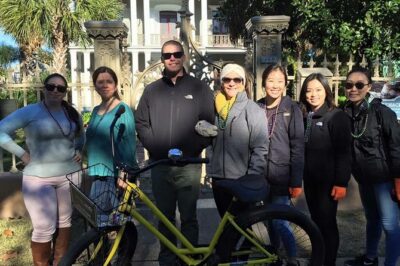
This tour suits adults, couples, families with older teenagers, and anyone who likes learning while moving. You must be over 13 and taller than 4 feet 11 inches. Anyone under 18 must ride with a legal guardian.
It is a good match if you want:
- A broad introduction to New Orleans neighborhoods
- A calm ride rather than a hard workout
- Architecture, cemeteries, waterways, and cultural history
- A small group with an English-speaking guide
- A way to get beyond the French Quarter without arranging transport
It may not suit you if you dislike bicycles, hot weather, city riding, or stops involving cemeteries. Sandals and flip flops are not permitted, and anyone who is intoxicated cannot take part. You also sign a waiver before riding.
The route is not suitable for children under 13. Since the tour is usually offered in the afternoon, check the day’s timing when you book and plan your other activities around a three-hour block.
Practical tips for a smoother afternoon
Wear closed shoes. This is not merely a suggestion, since sandals and flip flops are not allowed.
Arrive ready to ride from the French Quarter meeting point on North Rampart Street, beside Arrow Cafe. Hotel pickup is not included, so you need to make your own way there.
Bring sunscreen and extra water. One bottle is supplied, but Louisiana heat and humidity can make a ride feel demanding even when the route is flat. The optional helmet is available if you want one.
Keep your expectations realistic. This is a sightseeing ride, not a private tour built around your personal interests. Still, the group size of up to 10 is small enough for questions, and the guides have been praised for being friendly, clear, and easy to listen to.
If your schedule might change, cancellation is free up to 24 hours before departure, and you can reserve now and pay later. Those terms make it easier to place the tour early in your plans without locking yourself into a costly commitment.
Should you book the Scenic City Bike Tour?
I would book this tour if you want to understand New Orleans as a city, not just visit its most famous blocks. The route gives you the French Quarter, Creole architecture, a cemetery, City Park, Bayou St. John, Mid-City, the Lafitte Greenway, Louis Armstrong Park, and Congo Square in one well-paced outing.
The strongest reason to go is the combination of excellent guides and a relaxed route. You cover real ground, but the ride does not turn into a race. You also get a useful explanation of how water, culture, burial customs, and music shaped New Orleans.
Choose another activity if you need hotel pickup, want a private experience, or prefer to avoid cycling. For most visitors who meet the age and height rules, though, $55 is a fair price for three hours of riding, local interpretation, and a much broader view of the city.
FAQ
Where does the New Orleans Scenic City Bike Tour meet?
The meeting point is on North Rampart Street in the French Quarter, between Toulouse and St. Peter streets, next to Arrow Cafe.
How long does the bike tour last?
The tour lasts three hours and is usually available in the afternoon.
What places does the route include?
The route includes the French Quarter, Faubourg Marigny, Esplanade Avenue, St. Louis Cemetery No. 3, City Park, Bayou St. John, Mid-City, the Lafitte Greenway, Louis Armstrong Park, and Congo Square.
Is the route difficult?
The route is described as flat and leisurely. It is designed for sightseeing rather than a strenuous workout.
What is included in the price?
The $55 price includes use of a bicycle, an optional helmet, and one bottled water. Food and hotel pickup and drop-off are not included.
Who can participate?
Participants must be over 13 years old and taller than 4 feet 11 inches. Anyone under 18 must be accompanied by a legal guardian.
What should I wear?
Closed shoes are required because sandals and flip flops are not allowed. Participants must also sign a waiver, and intoxicated people cannot take part.
Just added around New Orleans
- New Orleans Garden District Tour★ 5.0 · 8 reviews
- New Orleans Seance Experience★ 4.0 · 8 reviews
- Airport and City Transfers in New Orleans★ 5.0 · 8 reviews
- Sin and Tonic Pub Crawl in New Orleans★ 4.5 · 8 reviews
- The New Orleans Darkness Tour★ 4.4 · 9 reviews
- New Orleans Plantation Tour with Transportation★ 5.0 · 9 reviews
- New Orleans Self-Guided Kayak Bayou Swamp Tour★ 5.0 · 9 reviews
- Historic Carrollton Neighborhood Walking Tour★ 5.0 · 9 reviews
Cycling Tours, compared.
New Orleans French Quarter and Garden District Bike Tour
Read our review →
New Orleans Creole Odyssey Small-Group Bike Tour
Read our review →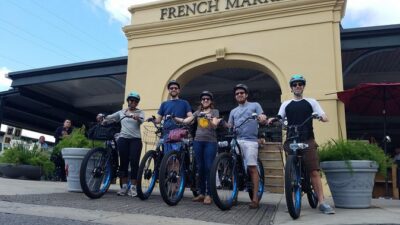
Creole New Orleans Electric Bike Tour (ages 16 & up)
Read our review →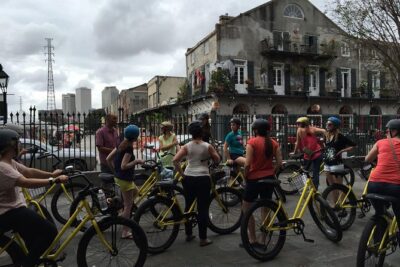
New Orleans History and Sightseeing Small-Group Bike Tour
Read our review →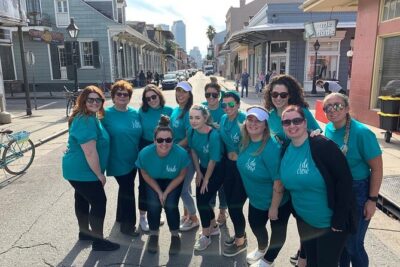
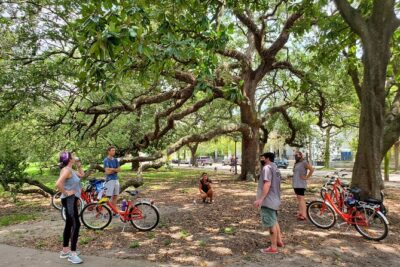
New Orleans Garden District and Cemetery Bike Tour
Read our review →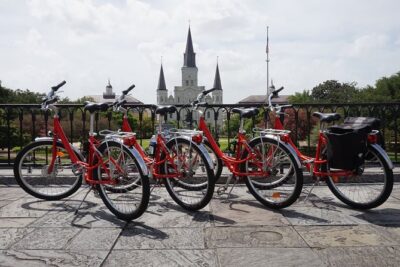

Browse the lists this tour appears in