

Reviewed · OAK ALLEY PLANTATION TOURS
New Orleans: Oak Alley Plantation Tour with Transportation
Oak Alley’s great draw arrives before you reach the house: a quarter-mile avenue of 250-year-old oak trees frames the approach like a living cathedral. The trees are beautiful, but their story matters too. They were planted and maintained with enslaved labor, and the plantation does more than present a pretty mansion by addressing the people whose forced work made this place possible.
I like the round-trip ride from New Orleans, especially because the drive includes views across Lake Pontchartrain and past several Mississippi River plantations. I also like that Oak Alley gives the enslaved community its own exhibit, reconstructed cabins, and an interpreter instead of treating the Big House as the whole story.
The main drawback is time. The full outing lasts from about five hours and 15 minutes to seven hours and 45 minutes, but some departures allow only around two hours at Oak Alley. That can feel tight if you want the house, exhibits, gardens, food, and oak avenue without rushing.
In This Review
- Key points to know before you book
- From New Orleans to the Mississippi River plantations
- The first look at Oak Alley
- Inside the 1839 Big House
- The slavery exhibit and reconstructed cabins
- Sugarcane, blacksmithing, and life after the Civil War
- How much time will you really have?
- Adding the 90-minute Manchac Swamp tour
- Is $89 a fair price?
- Practical details for comfort and access
- Who will enjoy Oak Alley most?
- Should you book this Oak Alley tour?
- FAQ
- Where does the Oak Alley tour depart from?
- How long does the experience last?
- Is transportation included?
- Is lunch included in the price?
- What can I see at Oak Alley?
- Is the swamp tour included automatically?
- Can I take photographs inside the house?
- Is the tour wheelchair accessible?
- Can I cancel the booking?
Key points to know before you book
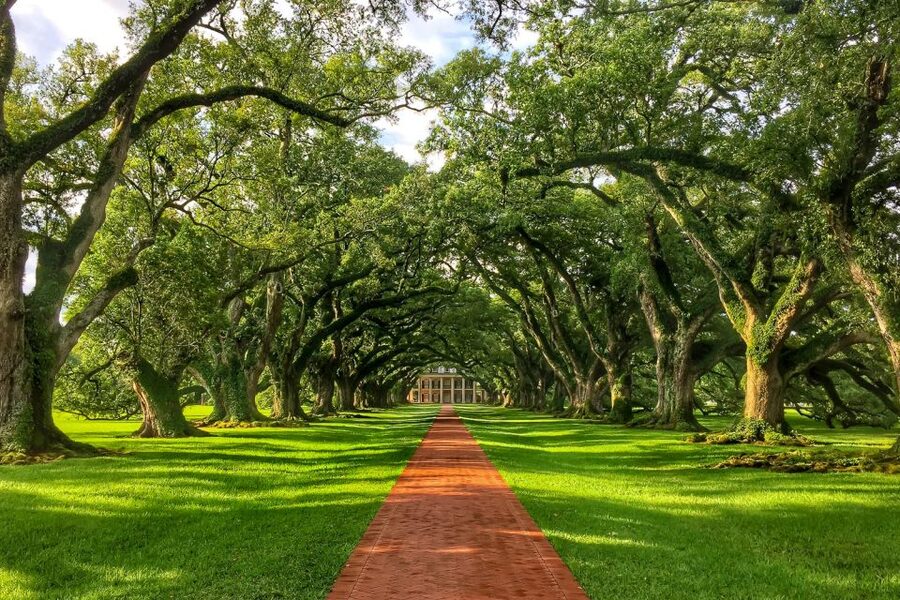
- The oak avenue is the visual highlight: Walk beneath the long double row of old trees and look back toward the house for the classic view.
- The plantation story goes beyond the mansion: Reconstructed cabins and the Slavery at Oak Alley exhibit focus on the lives of enslaved people.
- Your guide matters: Drivers and guides such as Alton, Robert, Melinda, Michelle, and Briant have been praised for adding useful stories during the drive.
- The visit can feel rushed: Plan your priorities before arriving, since some schedules leave only about two hours on site.
- Lunch is not included: The Plantation Café sells sandwiches, salads, snacks, and drinks, but a full restaurant meal may be hard to fit into a short visit.
- The swamp upgrade changes the day: A 90-minute covered pontoon ride through Manchac Swamp adds wildlife, Cajun culture, and alligator spotting.
From New Orleans to the Mississippi River plantations
This tour begins at the Lighthouse Ticket Office at Toulouse Street and the Mississippi River, directly behind the JAX Brewery. You need to show your barcoded voucher 15 minutes before departure, and all coaches leave from 400 Toulouse Street.
I see the transportation as a major part of the value. Oak Alley is far enough from central New Orleans that arranging a car, finding the plantation, and driving back can be a nuisance. Here, you can sit back while an English-speaking guide fills the journey with background about New Orleans and southern Louisiana.
The drive usually takes about an hour to an hour and a half each way, depending on conditions. Several people have singled out drivers including Alton, Robert, Melinda, Ken, Kendrell, and JoAnn for making the road time worthwhile with stories, restaurant suggestions, and explanations of the places along the route.
The coach passes Whitney, Evergreen, Felicity, and Laura Plantations. You do not receive a full tour of each property, but seeing these sites from the road gives you a better sense of how closely the plantations were strung along the Mississippi River. You also cross the Bonnet Carre Spillway, with a broad view of Lake Pontchartrain.
That road commentary can be excellent, but it depends on the individual guide and the day’s conditions. Past trips have included delays from flooding, thunderstorms, and even a bus breakdown, so leave some flexibility around dinner plans or an evening reservation.
More ways to see Oak Alley:
- Swamp Boat Ride and Oak Alley Plantation Tour from New Orleans
★ 5.0 · 3,303 reviews - Oak Alley Plantation Tour with Transportation from New Orleans
★ 4.5 · 1,747 reviews - New Orleans: Bayou Swamp Tour and Oak Alley Plantation Tour
★ 4.7 · 1,147 reviews
The first look at Oak Alley
The approach to Oak Alley is one of the most memorable scenes in the area. The straight avenue runs for a quarter mile between the house and the river, with massive live oaks forming a canopy overhead.
The trees are often described as more than 200 years old, and the property identifies them as approximately 250 years old. Their age gives the avenue its power, but it is important to remember that the avenue was created sometime between the 1820s and 1840s using enslaved labor.
I recommend walking the full length rather than stopping at the first photo point. Stand near the house and look toward the river, then turn around and view the mansion through the trees. Photography is encouraged outdoors and in the self-paced exhibits, although cameras and phones must be put away inside the Big House exhibit.
The grounds are carefully maintained, with East and West Gardens designed to reflect different periods, including the 1840s and the 1930s. These gardens help show that Oak Alley was not frozen in one antebellum moment. The property changed hands and changed purpose after the Civil War.
Inside the 1839 Big House
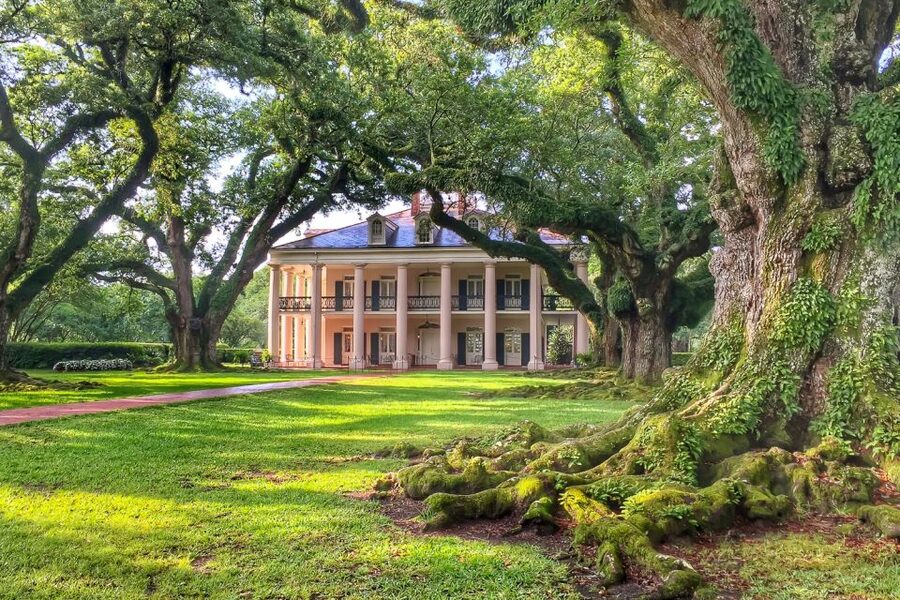
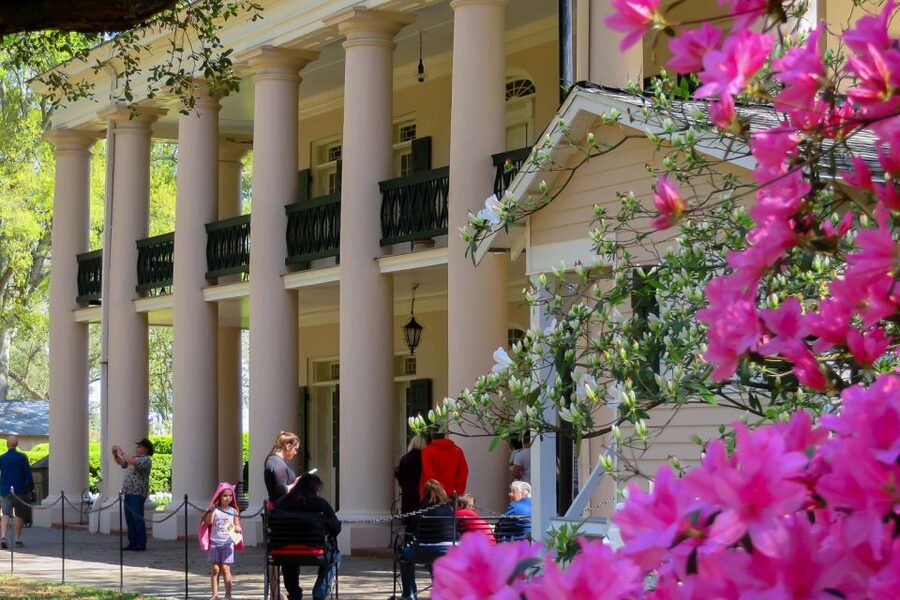
The main house is a Greek Revival mansion completed in 1839. Its grand columns, high ceilings, and formal design communicate wealth and social power before the guide says a word.
The guided Big House visit generally lasts around 40 minutes, though the pace can vary. You will hear about life in the home for the planter family and the enslaved workers who kept the household running. The interpretation helps connect the polished rooms with the labor that supported them.
I would not expect a complete picture of plantation operations from the house tour alone. The mansion is well presented, but the tour focuses mainly on the public image and domestic life of the house. Some visitors have wished for more access to work areas such as kitchens, attics, and other behind-the-scenes spaces.
No photography or video is allowed inside, and electronic devices should be turned off or muted. You can take pictures on the balcony, in the gardens, and at the outdoor exhibits. If you cannot climb the 22 stairs to the second floor, a video tour is available in the media room.
The slavery exhibit and reconstructed cabins
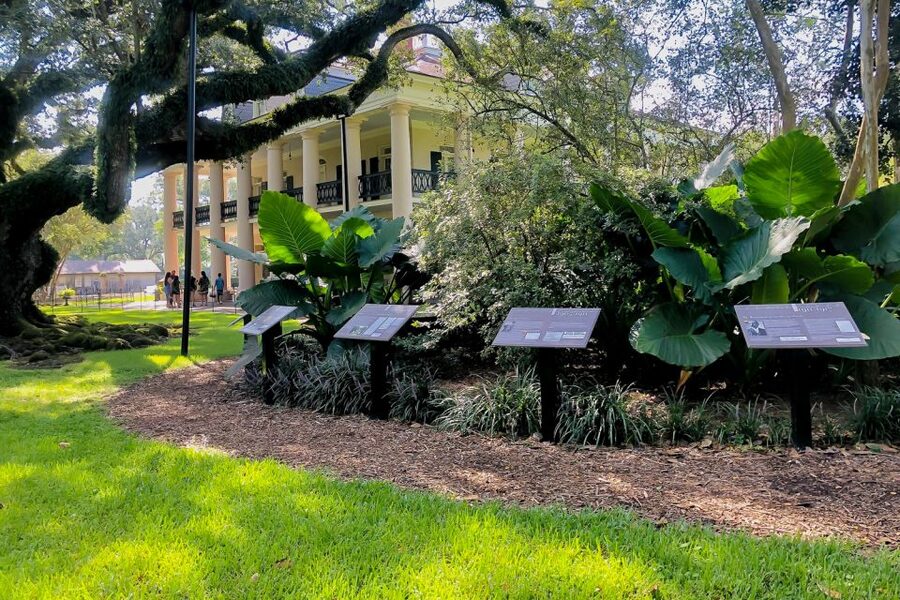
For me, the most important part of Oak Alley is the material beyond the mansion. Reconstructed slave cabins and the Slavery at Oak Alley exhibit present the lives, work, and legacies of people who were enslaved here.
An interpreter helps explain this section, and the presentation is intended to move beyond vague references to plantation hardship. You are given a clearer sense that enslaved people were individuals with families, skills, responsibilities, and lives that continued after emancipation.
The exhibit does not erase the beauty of the property, but it places that beauty in its proper setting. The oak avenue and gardens were not created by the planter family alone. They depended on forced labor, and that fact should remain part of the view.
Allow real time for this section. The displays contain written material and artifacts, and it is easy to hurry past them when a scheduled house tour or coach departure is approaching. If your visit gives you only about two hours at the property, make this exhibit a priority along with the Big House and oak avenue.
More River Road plantation days:
- Whitney Plantation Tour with Transportation from New Orleans
★ 4.5 · 1,351 reviews - Laura Creole Plantation Guided Tour
★ 5.0 · 1,279 reviews - Airboat and Plantations Tour with Gourmet Lunch from New Orleans
★ 4.5 · 1,246 reviews - New Orleans: Oak Alley Plantation & Airboat Swamp Combo Tour
★ 4.7 · 906 reviews
Sugarcane, blacksmithing, and life after the Civil War
Oak Alley’s Sugarcane Theater shows a film about sugarcane production and includes related displays. This gives useful context for the plantation economy and explains why sugar was so important to the region.
The blacksmithing exhibit includes the plantation’s original forge. It is a small but worthwhile stop because it points to the practical labor that kept a large agricultural property operating. Tools, repairs, transport, and farm work all depended on skilled trades.
You can also see an exhibit about the owners who came after the Civil War. That section prevents the site from becoming a single-period display. Oak Alley’s story did not end with emancipation, and the later owners help explain how the property developed into the historic site you see today.
These exhibits are self-paced, which is useful if you want to read carefully. The catch is that your free time may be limited. I suggest deciding in advance whether you care most about architecture, slavery interpretation, gardens, or plantation work, then spending your time accordingly.
How much time will you really have?
The advertised duration ranges from 315 to 465 minutes. The variation comes from the selected option, transportation schedule, and whether you add the swamp tour.
The crucial detail is not simply the total duration. It is the amount of time you spend at Oak Alley. Some departures allow roughly two hours on the property. That can cover the guided house tour and a fast walk through the grounds, but it may not allow a relaxed lunch or a close reading of every display.
A few visitors have found two hours too short, while others have considered the half-day schedule sufficient. I think the difference comes down to your pace. If you want the main avenue, house, slavery exhibit, and a quick look at the gardens, the standard visit can work. If you want to study every panel, eat at the restaurant, browse the gift shop, and linger under the trees, you may feel hurried.
The Plantation Café sells grab-and-go sandwiches, salads, snacks, and drinks. You can eat at picnic tables or aboard the coach. A full meal at the on-site restaurant may be difficult if your house tour and departure are fixed, so I would treat the café as the practical choice.
Adding the 90-minute Manchac Swamp tour
The optional swamp upgrade adds a 90-minute boat trip at Manchac Swamp. You ride through a privately owned wildlife refuge on a covered pontoon boat with a local captain.
The focus shifts from plantation architecture to wetlands, local history, and wildlife. You hear about Frenier and about Cajun traditions connected with fishing, hunting, and trapping. Alligators may appear near the boat, especially when they come up for food, but wildlife sightings are never guaranteed.
This is a good choice if you want two very different Louisiana experiences in one day. Oak Alley gives you architecture, agriculture, slavery interpretation, and formal gardens. Manchac adds swamp scenery and local outdoor culture.
The tradeoff is time. The swamp option creates a much longer outing, up to about seven hours and 45 minutes. I would choose it if you have a full day available and want more than a mansion visit. I would skip it if Oak Alley itself is your main reason for booking and you already expect the plantation schedule to feel compressed.
Is $89 a fair price?
At $89 per person, the standard tour is not the cheapest way to reach Oak Alley. If you already have a rental car and are comfortable driving, independent transport may cost less for some groups.
The price makes more sense when you value convenience and interpretation. You get round-trip transport from the French Quarter area, admission to the house and grounds, the oak avenue, slavery exhibits, gardens, sugarcane displays, the forge, and the later-owner exhibit. You also avoid navigating an unfamiliar region and can hear about New Orleans and nearby plantations along the way.
The strongest value comes from the driver-guide combination. People such as Robert, Alton, and Melinda have been praised for turning the drive into part of the experience rather than dead time. That quality can vary, but the chance to hear local context is a real advantage.
Lunch costs extra, and the short property schedule can limit what you have time to buy. Bring a card or some cash for food and gratuities, since one past booking description had confusing information about tickets and cash requirements. Your voucher is the entry document, so display its barcode at the departure office.
Practical details for comfort and access
The tour is wheelchair accessible. Basic and motorized wheelchairs are permitted, and most exhibits can be reached by wheelchair.
The exception is the second floor of the Big House, which requires climbing 22 stairs. Guests who cannot manage the stairs can use a video tour in the media room, though seating is limited and intended for those who need that option.
Wear shoes suited to walking outdoors. The grounds include the long oak avenue, gardens, cabins, and exhibit areas, so you will spend time moving between buildings. Louisiana weather can change quickly, and past trips have dealt with storms and flooding, so a little schedule flexibility is wise.
The tour operates in English. Cancellation is free up to 24 hours before departure, and you can reserve now and pay later, which helps if your New Orleans plans are still shifting.
Who will enjoy Oak Alley most?
I would recommend this tour to anyone who wants to see a major plantation site without renting a car. It suits first-time visitors who want a broad introduction to southern Louisiana, especially when a good driver adds context along the road.
It is also a strong choice for people who want the beauty of Oak Alley presented alongside the lives of enslaved people. The slavery exhibit and reconstructed cabins are not side decorations. They are central to understanding how the plantation functioned.
Families with older children may find the combination of mansion, gardens, forge, sugarcane production, and cabins easier to follow than a lecture-only visit. History-minded visitors should allow time for the written exhibits instead of treating the oak avenue as the entire attraction.
I would hesitate if you dislike fixed schedules or need several hours to explore slowly. The property deserves more time than some transportation departures provide. You may also prefer another plantation if your main interest is seeing original slave quarters, because the cabins at Oak Alley are reconstructed.
Should you book this Oak Alley tour?
Book it if you want easy transport, strong road commentary, and a serious look at plantation life in one half-day outing. The old oaks and Greek Revival house provide the memorable visuals, while the slavery exhibit gives the visit its needed weight.
Choose the swamp upgrade if you have a full day and want wildlife and Cajun culture as well. Skip the upgrade if you would rather give Oak Alley more breathing room.
My practical advice is simple: confirm the amount of on-site time for your chosen departure, eat lightly or plan on the café, and put the slavery exhibit high on your list. At $89, the tour earns its price mainly through transportation and guiding. If those are worth paying for, Oak Alley is a worthwhile New Orleans day trip.
FAQ
Where does the Oak Alley tour depart from?
All tours depart from 400 Toulouse Street in New Orleans, at the Steamboat Natchez dock behind the JAX Brewery. Show your barcoded voucher at the Lighthouse Ticket Office at Toulouse Street and the Mississippi River 15 minutes before departure.
How long does the experience last?
The listed duration ranges from 315 to 465 minutes, or about five hours and 15 minutes to seven hours and 45 minutes. The longer option includes the 90-minute swamp tour.
Is transportation included?
Yes. Round-trip transportation from New Orleans is included.
Is lunch included in the price?
No. The Plantation Café sells grab-and-go meals, sandwiches, salads, snacks, and drinks. Food can be eaten at picnic tables or aboard the coach.
What can I see at Oak Alley?
The visit includes the quarter-mile oak avenue, the guided Big House tour, the Sugarcane Theater, reconstructed slave cabins, the Slavery at Oak Alley exhibit, later-owner displays, East and West Gardens, and the original blacksmith forge.
Is the swamp tour included automatically?
No. The 90-minute Manchac Swamp pontoon tour is available only with the swamp tour upgrade.
Can I take photographs inside the house?
No photography or video is allowed inside the Big House exhibit. Photography is encouraged on the balcony, in the grounds, and in the self-paced exhibits.
Is the tour wheelchair accessible?
Basic and motorized wheelchairs are permitted, and most exhibits are accessible. The second floor of the Big House requires climbing 22 stairs, but a video tour is available in the media room for people unable to use them.
Can I cancel the booking?
You can cancel up to 24 hours before the tour for a full refund. Reserve now and pay later is also available.
Just added around New Orleans
- New Orleans Garden District Tour★ 5.0 · 8 reviews
- New Orleans Seance Experience★ 4.0 · 8 reviews
- Airport and City Transfers in New Orleans★ 5.0 · 8 reviews
- Sin and Tonic Pub Crawl in New Orleans★ 4.5 · 8 reviews
- The New Orleans Darkness Tour★ 4.4 · 9 reviews
- New Orleans Plantation Tour with Transportation★ 5.0 · 9 reviews
- New Orleans Self-Guided Kayak Bayou Swamp Tour★ 5.0 · 9 reviews
- Historic Carrollton Neighborhood Walking Tour★ 5.0 · 9 reviews
Oak Alley Plantation Tours, compared.

Swamp Boat Ride and Oak Alley Plantation Tour from New Orleans
Read our review →
Oak Alley Plantation Tour with Transportation from New Orleans
Read our review →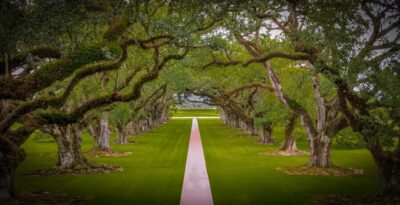
Bayou Swamp Tour and Oak Alley Plantation Tour
Read our review →
Oak Alley Plantation & Airboat Swamp Combo Tour
Read our review →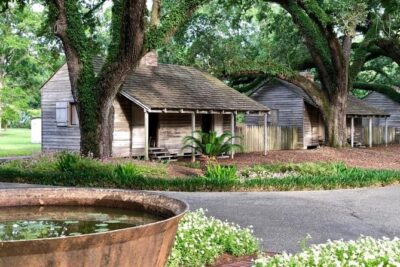
Oak Alley Plantation and Large Airboat Swamp Tour from New Orleans
Read our review →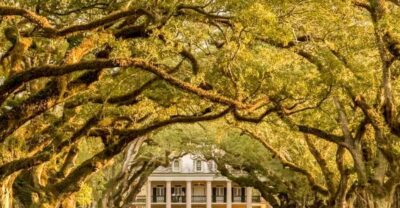

Oak Alley or Laura Plantation Tour from New Orleans
Read our review →Browse the lists this tour appears in