
Reviewed · HISTORICAL TOURS
New Orleans Music Heritage Tour
New Orleans music history comes alive when a song plays beside the very street, hall, or neighborhood tied to it. This two-hour walk connects the Frenchmen Street music scene with the French Quarter and Tremé, using a portable speaker, local stories, and stops at places linked to jazz, blues, gospel, rock and roll, and brass bands.
I especially like Keith’s personal record-business background and the way he matches songs to real locations. I also like the route’s cultural range, from Danny Parker’s boyhood home to Louis Armstrong Park and Congo Square. The main drawback is practical: this is a walking tour with adult language at times, and the heat, rain, or a slow group can affect the pace.
In This Review
- Key things to know before you book
- Why this tour works best as a first look at New Orleans music
- Starting on Frenchmen Street at Louisiana Music Factory
- Crossing into the French Quarter
- Preservation Hall and the people who kept jazz alive
- Bourbon Street before the party crowds
- Louis Armstrong Park and Tremé
- The music clips make the history easier to remember
- Walking distance, group size, and comfort
- Who will get the most from this $30 experience
- Booking, cancellation, and practical details
- Should you book the New Orleans Music Heritage Tour?
- FAQ
- How long does the New Orleans Music Heritage Tour last?
- How much does the tour cost?
- Where does the tour begin?
- Where does the tour end?
- Who leads the tour?
- What neighborhoods does the tour visit?
- Does the tour include music?
- Is the tour suitable for children?
- What happens if I need to cancel?
Key things to know before you book
- A music-led walk: Expect about a dozen songs played from a Bluetooth speaker as the route unfolds.
- Three historic districts: The walk links the Marigny, French Quarter, and Tremé rather than staying in one compact quarter.
- A guide from the record business: Keith brings more than 20 years of experience in Louisiana’s music world.
- A strong final stop: Congo Square and Louis Armstrong Park add the African American cultural context behind New Orleans music.
- A small-group feel: The maximum group size is 28, though some departures have been much smaller.
- Good value at $30: You get two hours of guided touring, music, local stories, and a route that works well as an introduction to New Orleans.
Why this tour works best as a first look at New Orleans music
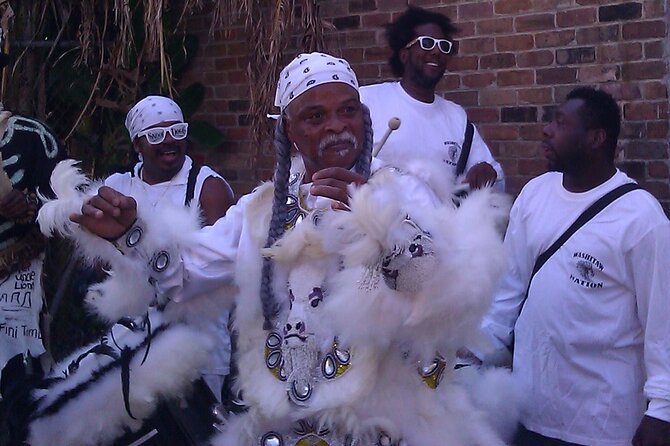
New Orleans music can feel scattered when you explore on your own. One club points you toward jazz, another toward brass bands, and a historic marker may explain only a small piece of the story. This tour gives you a clear thread through the city, linking places, musicians, neighborhoods, and social change.
The music is not just background noise. Keith uses songs to make each place easier to understand. A clarinet line can set the mood on Bourbon Street, while a track connected to a particular musician gives you a sense of why that person mattered.
Keith is the central reason this experience feels different from a standard sightseeing walk. He has spent more than two decades in the record business, and he brings personal stories, strong opinions, humor, and plenty of musical detail. His style can be lively and theatrical. If you prefer a quiet guide reading dates from a script, this may feel loose. If you like a storyteller who can follow a question and connect music to politics, race, culture, and daily life, you should enjoy the format.
At $30 per person, the cost is fair. You are not paying for entry to a museum or a concert, but you are getting a two-hour introduction led by someone who works in the music world. The speaker, playlist, neighborhood route, and personal storytelling add more than a basic stroll.
More history tours in New Orleans:
- New Orleans Garden District History Walking Tour
★ 5.0 · 2,879 reviews - French Quarter Historical Sights and Stories Walking Tour
★ 5.0 · 2,724 reviews - New Orleans Small-Group Haunted History Carriage Tour
★ 4.5 · 2,289 reviews
Starting on Frenchmen Street at Louisiana Music Factory
The meeting point is Louisiana Music Factory, at 421 Frenchmen Street. That is a fitting place to begin, since Frenchmen Street is known for its live music and street performances. The store also gives the tour a useful physical anchor: the records and artists discussed during the walk can be explored further there.
The first section is short, about 10 minutes, but do not think of it as a formal museum visit. Admission is free, and the main purpose is to meet your guide and set the musical stage. Keith describes the route as a journey through roughly 300 years of New Orleans music and culture.
The store matters because it connects the talk to something you can take home. If a singer, band, or style catches your ear, you can browse recordings after the tour. That is a nice touch for anyone who wants to keep exploring instead of treating the walk as a one-off activity.
Frenchmen Street is also a useful place to begin your New Orleans visit. It puts you close to the Marigny and within reach of the French Quarter, and it can help you understand why music remains part of the city’s everyday street life.
Crossing into the French Quarter
From Louisiana Music Factory, the route crosses Esplanade Avenue and turns onto Chartres Street. This part of the walk takes about an hour and a half, so it is the main body of the experience.
One early stop concerns Danny Parker and his boyhood home. The story also includes his wife, Blue Lu, whose bawdy singing and strong character add a very New Orleans flavor to the tale. The point is not simply to identify another old building. It is to show how individual musicians and local families helped carry brass-band traditions forward.
You then move through the Place de Armes and past Preservation Hall before continuing along Bourbon Street. The route includes J&M Studios, described as the home of rock and roll. These stops widen the story beyond the usual jazz-only version of New Orleans.
That range is one of the tour’s best features. You hear about jazz, blues, gospel, rhythm and blues, soul, Motown, rock and roll, and pop. The city’s music story is not a straight line from one famous jazz player to another. It includes African American traditions, recording technology, nightlife, migration, local personalities, and changing public tastes.
The walking itself helps. You are not looking at old photos in a room. You are moving through streets where musicians played, recorded, worked, or built reputations. Some locations may be easy to miss without a guide, especially when the important connection is historical rather than marked by a large plaque.
Preservation Hall and the people who kept jazz alive
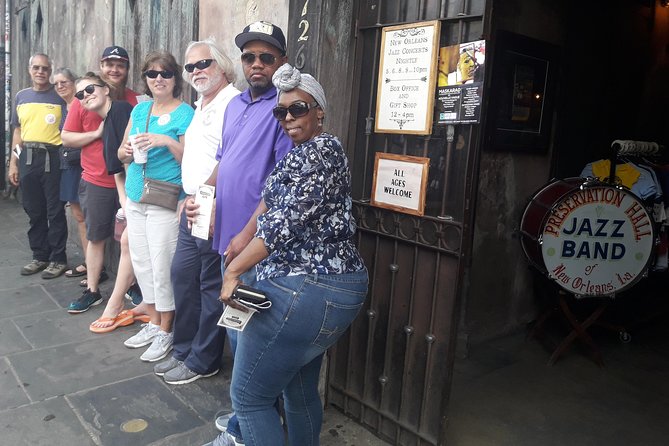
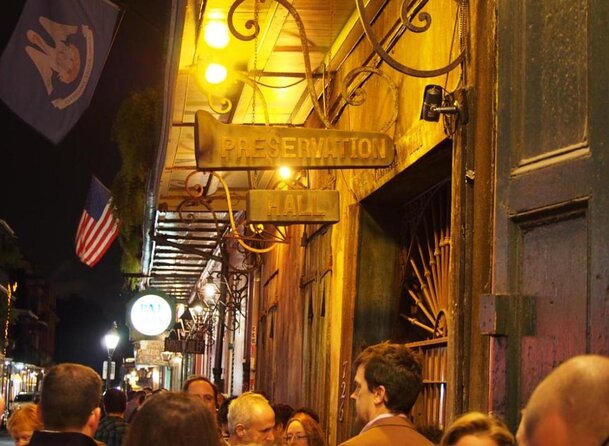
Preservation Hall gets its own brief stop, about five minutes. You can see the building, visit the gift shop, and take a photo. The deeper story is about Sandra and Allan Jaffe, who visited New Orleans on their honeymoon and found a home in the preservation of traditional jazz.
This is a short stop, so you should not expect a concert or an indoor performance as part of the tour. Its value is in the explanation of how a small institution helped keep older jazz traditions in public view.
If you want to attend a show at Preservation Hall, treat that as a separate plan. The walking tour introduces the place, but the supplied experience does not include admission to a performance.
A completely different side of New Orleans:
- New Orleans Premier Ghost, Voodoo and Vampire Walking Tour
★ 4.5 · 12,856 reviews - New Orleans Steamboat Natchez Jazz Cruise with Dinner Option
★ 4.0 · 7,533 reviews - Adults-Only New Orleans Ghost, Crime, Voodoo, and Vampire Tour
★ 5.0 · 6,545 reviews - New Orleans Food Walking Tour of the French Quarter with Small-Group Option
★ 5.0 · 6,118 reviews
Bourbon Street before the party crowds
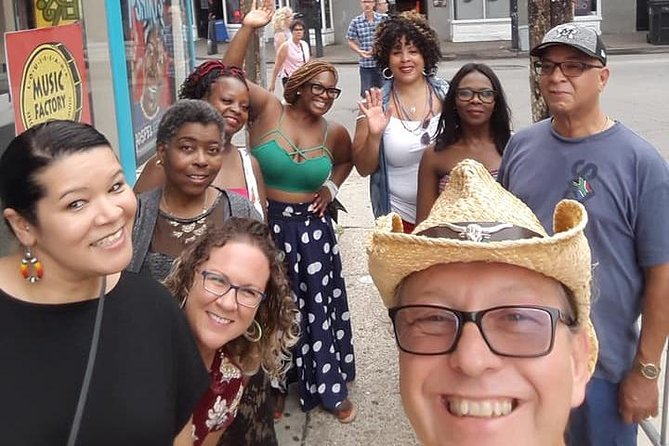
Bourbon Street is often reduced to neon signs, drinks, and late-night noise. The tour gives it an older musical identity. At one time, it was known for live jazz pouring from clubs into the night air, with names such as Louis Prima, Al Hirt, and Pete Fountain tied to its sound.
Keith uses music here to shift your attention from the modern party strip to the musicians who made the street famous. You may hear Basin Street Blues on clarinet as you walk, which gives the setting a sharper sense of place.
This section may be especially useful if you plan to return to Bourbon Street later. You will have a little more context for the buildings and nightlife, even though the street has changed. The walk also shows how New Orleans music has moved through commercial venues, informal performances, and changing tourist culture.
Some stops may be noisy, crowded, or hard to hear. That is part of the setting, but it means you should stay close to the guide. The speaker helps, though street noise can still compete with the narration.
Louis Armstrong Park and Tremé
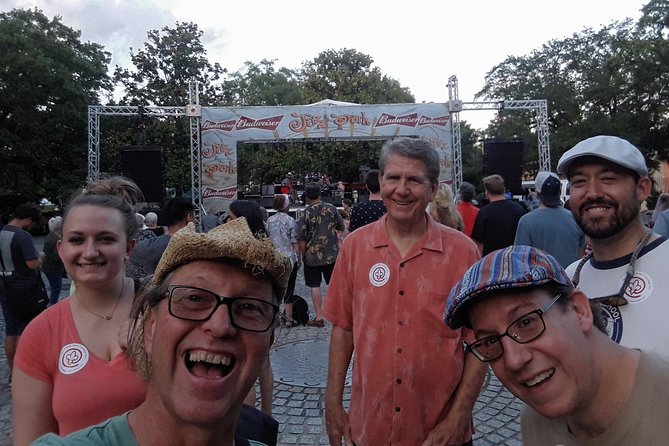
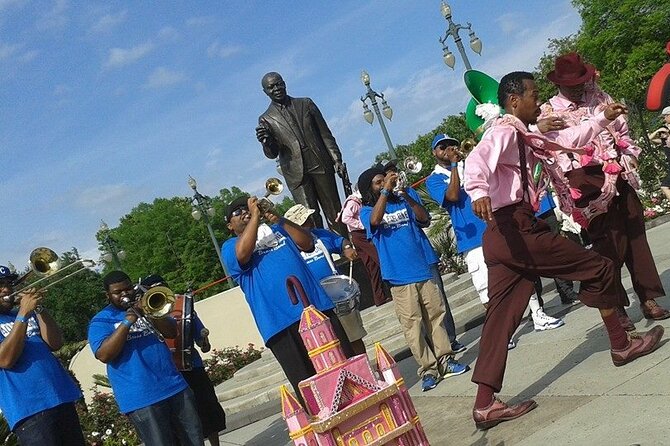
The route finishes in Louis Armstrong Park, including a stop at the statue of Armstrong and a visit to Congo Square. This section takes about 20 minutes in total.
Tremé is essential to understanding New Orleans music. It is described here as America’s first African American neighborhood, and the tour explains its influence on the city’s music and cultural life. Congo Square is particularly important because it provides the setting for a discussion of African American traditions and their place in the development of New Orleans music.
For me, this is where the route gains its strongest cultural weight. The tour is not only about famous performers and recording studios. It also asks you to think about the communities, traditions, and social forces that made the music possible.
The Louis Armstrong statue gives you a clear visual marker, while Congo Square provides a place to pause. The stop is brief, but it helps pull together the earlier stories about jazz, brass bands, blues, gospel, and later forms of popular music.
The tour ends at 712 Royal Street, near St. Louis Cathedral. Musicians often play in the area behind the cathedral, so you may be able to continue with live street music after the official walk ends. That is not guaranteed, but the ending places you in a useful part of the French Quarter for further exploring.
The music clips make the history easier to remember
The Bluetooth speaker is more important than it may sound on paper. A list of musicians and dates can blur together, especially during a two-hour walk. Hearing a recording as you stand near a related site gives each story a sound and mood.
The tour uses about a dozen songs. You may hear blues, jazz, gospel, brass-band music, and selections tied to rhythm and blues, soul, Motown, rock and roll, and pop. The exact playlist can vary with the discussion, but the basic idea is consistent: listen to the music while seeing the places connected to it.
Keith also takes photographs on some departures and sends them afterward. A playlist and bibliography have also been shared with some groups. These extras are not presented as guaranteed for every booking, so you should see them as a pleasant possibility rather than part of the formal promise.
The audio element also gives the walk a performance quality. Keith may sing, dance, or act out parts of a story. That can be entertaining, but it also means the experience is personal and informal rather than polished like a theater production.
Walking distance, group size, and comfort
The activity lasts about two hours and covers several neighborhoods. You should be comfortable walking on city streets for that length of time, with stops for stories and music. The route is not a short French Quarter loop.
The maximum group size is 28 people. A group that large may feel less personal, especially on busy streets, while a smaller departure can make it easier to ask questions. Some bookings have been private-feeling, including one departure with only a single participant and others with just a few people.
Children must be accompanied by an adult, and most people can participate. Service animals are allowed, and the starting point is near public transportation. The tour is offered in English.
Plan for New Orleans weather. The experience requires good weather, so rain or other poor conditions can lead to a new date or a full refund. Wear comfortable shoes, bring water, and consider choosing a morning or cooler departure if heat affects you. The route includes outdoor walking, and the group may pause at a café, restroom, or bar during some departures, but those stops are not listed as fixed inclusions.
The adult tone is worth noting. One group specifically found the language unsuitable for children, while another family with older teenagers enjoyed the personal, easygoing approach. I would call this best for adults and older teens who can handle uncensored stories and a fair amount of walking.
Who will get the most from this $30 experience
This tour suits you if music is one of your main reasons for visiting New Orleans. You do not need to be a jazz expert. The broad coverage makes room for people who love traditional jazz, blues, rock, soul, or the social story behind the music.
It is also a good first-night activity. The route helps you get oriented to the French Quarter, Marigny, and Tremé, while the music gives you ideas for what to hear later. You may leave with a list of artists to seek out, places to revisit, and a better sense of how the districts fit together.
The experience is less suited to you if you want access inside every historic building, a quiet academic lecture, or a tightly timed sightseeing itinerary. Many stops are viewed from outside, and the quality depends heavily on the guide’s storytelling and the group’s ability to keep moving.
The strongest praise goes to Keith’s delivery, personal warmth, and command of the subject. He is described as funny, personable, and able to connect music with political and social changes. That is a major benefit, but it also means this is not an interchangeable audio tour. The guide’s energy is a large part of what you are buying.
One serious service failure did occur when the guide missed a scheduled departure without notice. The operator apologized, authorized a refund, and offered a complimentary future tour. It appears to have been an isolated mistake, but it is fair to remember that a highly personal small operation can be excellent and still have occasional scheduling problems.
Booking, cancellation, and practical details
The price is $30 per person, with a mobile ticket and English-language guiding. You can cancel for a full refund up to 24 hours before the local start time. Cancellations or changes inside 24 hours are not refunded or accepted.
The tour requires a minimum number of participants. If that minimum is not reached, you are offered another date or experience, or a full refund. Poor weather can lead to the same options.
Because the route begins at Louisiana Music Factory and ends near St. Louis Cathedral, you should not plan to return to the starting point on foot as part of the activity. The final location is central, with public transportation nearby and street musicians often performing behind the cathedral.
This experience is often booked about 28 days ahead. That gives you a useful planning clue: reserve early if your schedule is tight, especially if you want this walk near the start of your stay.
Should you book the New Orleans Music Heritage Tour?
Book it if you want New Orleans music explained by a local record professional rather than presented as a string of dates. The combination of music clips, historic streets, personal stories, and Congo Square gives the two hours a clear purpose.
I would especially recommend it for music fans, first-time visitors, couples, solo travelers, and families with older teens. You get solid value for $30, provided you are ready for outdoor walking, an informal style, and occasional adult language.
Skip it if you want a short route, guaranteed indoor access, or a formal lecture. For everyone else, this is a lively way to hear the city’s music in the places where its story unfolded, then finish near St. Louis Cathedral with the chance to keep listening on your own.
FAQ
How long does the New Orleans Music Heritage Tour last?
The tour lasts approximately two hours.
How much does the tour cost?
The price is $30 per person.
Where does the tour begin?
The meeting point is Louisiana Music Factory, 421 Frenchmen Street, New Orleans, Louisiana 70116.
Where does the tour end?
The tour ends at 712 Royal Street, near St. Louis Cathedral.
Who leads the tour?
The named guide is Keith, a Louisiana record professional with more than 20 years of experience in the record business.
What neighborhoods does the tour visit?
The route includes the Marigny, French Quarter, and Tremé.
Does the tour include music?
Yes. The walking tour uses a Bluetooth speaker to play musical selections, with about a dozen songs used along the route.
Is the tour suitable for children?
Children must be accompanied by an adult. The tour can include adult language, so it may be better suited to adults and older teenagers.
What happens if I need to cancel?
You receive a full refund if you cancel at least 24 hours before the local start time. Cancellations or changes made less than 24 hours before the start are not refunded.
Just added around New Orleans
- New Orleans Garden District Tour★ 5.0 · 8 reviews
- New Orleans Seance Experience★ 4.0 · 8 reviews
- Airport and City Transfers in New Orleans★ 5.0 · 8 reviews
- Sin and Tonic Pub Crawl in New Orleans★ 4.5 · 8 reviews
- The New Orleans Darkness Tour★ 4.4 · 9 reviews
- New Orleans Plantation Tour with Transportation★ 5.0 · 9 reviews
- New Orleans Self-Guided Kayak Bayou Swamp Tour★ 5.0 · 9 reviews
- Historic Carrollton Neighborhood Walking Tour★ 5.0 · 9 reviews
Historical Tours, compared.
New Orleans Garden District History Walking Tour
Read our review →
French Quarter Historical Sights and Stories Walking Tour
Read our review →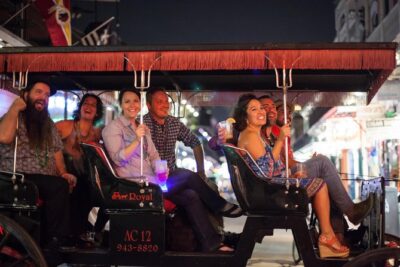
New Orleans Small-Group Haunted History Carriage Tour
Read our review →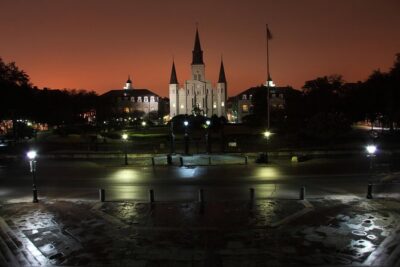
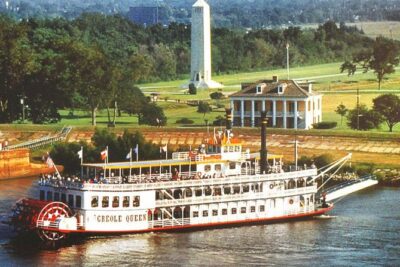
Paddlewheeler Creole Queen Historic Mississippi River Cruise
Read our review →
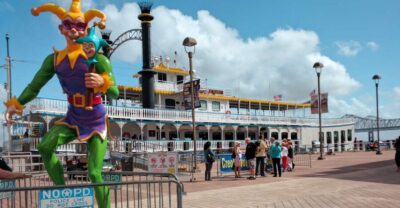
Creole Queen History Cruise with Optional Lunch
Read our review →
Browse the lists this tour appears in