
Reviewed · PLANTATION TOURS
New Orleans: Houmas House Plantation Tour
Houmas House gives you a close look at a Louisiana sugarcane estate, from its finely furnished rooms to its broad garden paths and old live oaks. The one-hour guided mansion tour covers the property’s 250-year story, while the 38-acre grounds let you set your own pace afterward.
I like the full access to the mansion rooms, since you are not limited to a porch talk or a quick look through a doorway. I also like the freedom of the gardens, where ponds, sculptures, secret corners, and shaded benches turn a short house visit into a much longer outing. The main point to consider is that the tour centers on the house, its owners, architecture, and sugarcane production, with little emphasis on slavery or the lives of enslaved people.
In This Review
- Key points to know before you go
- Reaching Houmas House from New Orleans
- The mansion tour: rooms, art, and changing architecture
- What the tour explains, and what it leaves out
- The 38-acre gardens are the real time extender
- Lunch at the estate restaurant
- Film locations and the darker side of Houmas House
- Who will enjoy this tour most
- Accessibility, timing, and practical details
- Is Houmas House worth the $38?
- FAQ
- How long does the Houmas House tour last?
- What does the $38 ticket include?
- Is transportation from New Orleans included?
- How early should I arrive?
- Is the tour offered in English?
- Can I explore the gardens without a guide?
- Is photography allowed?
- Is food available at Houmas House?
- Can I bring my dog?
- Can I cancel for a refund?
Key points to know before you go
- The tour takes one hour, but the property deserves at least three.
- Costumed guides explain the mansion’s architecture, furnishings, and sugarcane-era past.
- The 38 acres of gardens are self-guided and included in the $38 ticket.
- You can photograph the house, rooms, gardens, ponds, sculptures, and live oaks.
- The on-site restaurant serves lunch and dinner seven days a week, with a buffet available for an extra charge.
- Houmas House is about an hour from New Orleans, so you need your own transportation.
Reaching Houmas House from New Orleans

Houmas House sits along the lower Mississippi River, roughly an hour’s drive from New Orleans. The drive matters when you plan your day: this is not a quick city excursion that fits neatly between breakfast and dinner. You are going out to a broad historic property, and the trip works best when you give it most of an afternoon.
You must arrange your own transportation. The tour price does not include a shuttle, taxi, or private transfer. Once you arrive, get there at least 20 minutes before your scheduled mansion tour. The grounds are spread out, and you may need time to check in and find the starting point.
The $38 admission includes the one-hour guided tour, full access to the gardens, the self-guided garden visit, and local taxes. I consider that a fair price if you use the grounds properly. A one-hour house tour alone would feel expensive compared with some New Orleans attractions, but the gardens give you room to slow down, take photographs, sit under the trees, and have lunch on site.
More River Road plantation days:
- Swamp Boat Ride and Oak Alley Plantation Tour from New Orleans
★ 5.0 · 3,303 reviews - Oak Alley Plantation Tour with Transportation from New Orleans
★ 4.5 · 1,747 reviews - Whitney Plantation Tour with Transportation from New Orleans
★ 4.5 · 1,351 reviews
The mansion tour: rooms, art, and changing architecture
The main tour begins inside the plantation house with an English-speaking guide. Costumed guides lead you through the rooms and explain how the property changed over roughly 250 years. The focus is not only on the building itself, but also on the people who owned it, the growth of sugarcane farming, and the wealth that industry brought to the estate during the 1800s.
You get access to each room rather than viewing the house from a single central hall. That makes the visit more personal. You can study the furniture, artwork, decorative details, and other period objects at close range while the guide explains what you are seeing.
The furnishings are one of the tour’s strongest features. Period furniture and rare artwork help show the scale of the estate’s wealth in the 1880s. Instead of hearing only dates and names, you can connect the story to the objects in front of you. That is especially useful if you enjoy architecture, interior design, or the material side of history.
The guides can make a real difference. Suzanne and Susanna have both led well-received tours, and Danielle has also been praised for making the house and its past engaging. You should expect a personal, spoken tour rather than a museum-style visit built around large written displays.
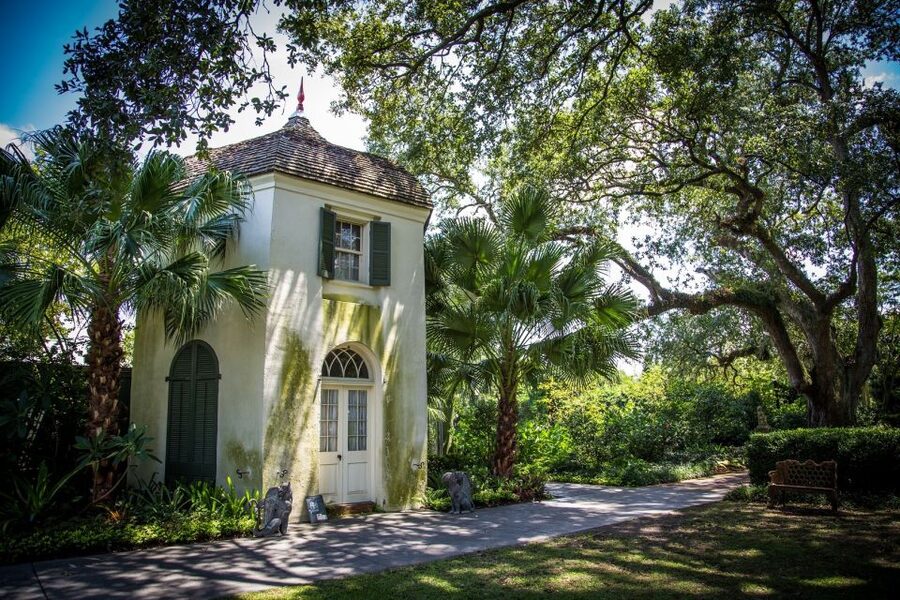
The house has been restored to reflect its antebellum appearance. You will see the architectural evolution of the manor and how it became a grand estate. The tour also connects the building to the Mississippi River, explaining how the river shaped farming, trade, settlement, and the wider development of the southern United States.
What the tour explains, and what it leaves out
Houmas House is useful for understanding the sugarcane economy and the plantation’s owners. You will learn about agriculture, changing ownership, the house itself, and the social world connected to a prosperous sugar estate. The setting helps you grasp how much land, labor, money, and river access supported plantation wealth.
You should also know what this tour does not try to do. It has little focus on slavery and does not offer much in the way of exhibits about enslaved people. If you want a detailed account of slavery, resistance, emancipation, or the daily lives of the people forced to work on plantations, this may feel incomplete.
That is an important distinction, not a minor footnote. A plantation house can be beautiful and still represent a system built on exploitation. Houmas House presents the architecture, owners, agriculture, and decorative arts more strongly than that human story. I would choose this visit for its house, gardens, and sugarcane context, but pair it with another Louisiana site if slavery is central to your understanding of plantation history.
The 38-acre gardens are the real time extender
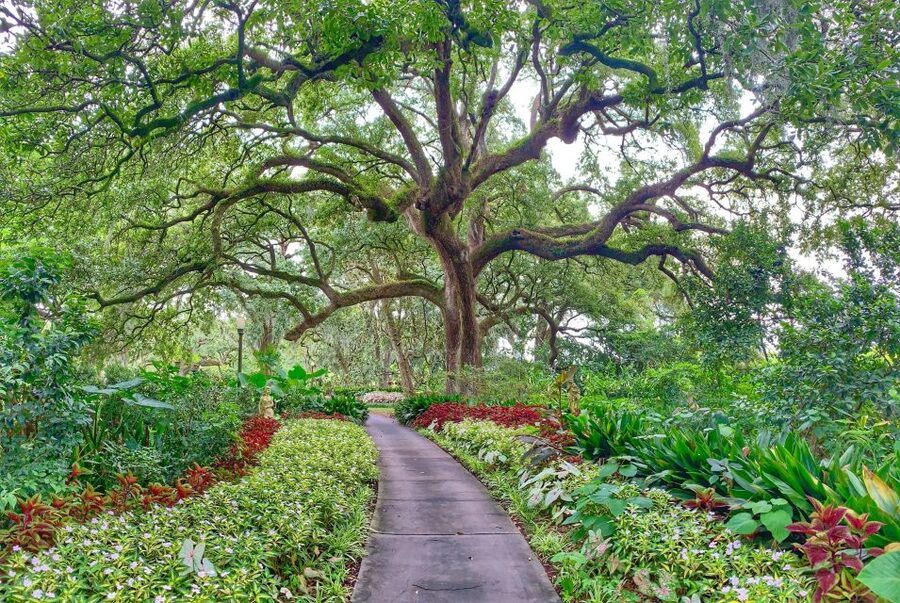
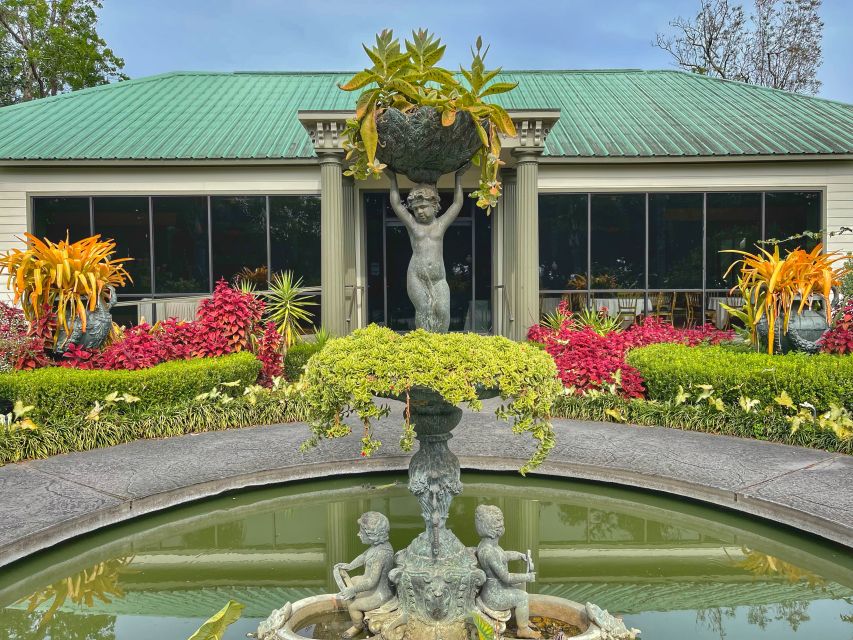
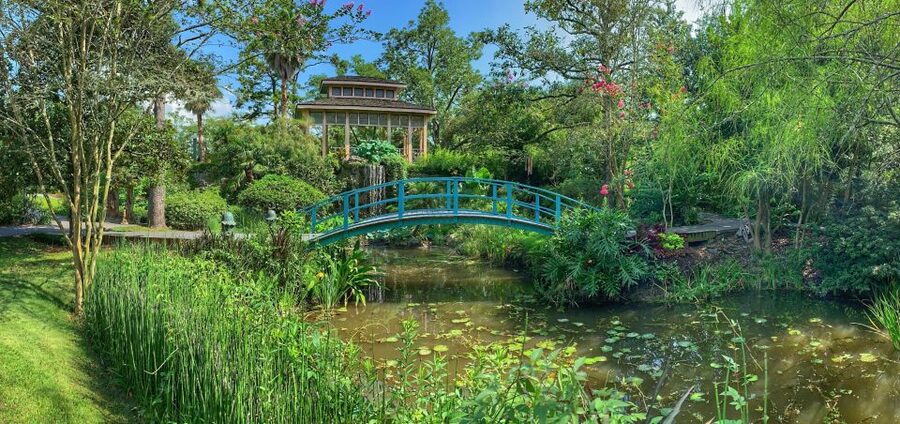
After the guided portion, you can explore the gardens on your own. This is where the one-hour booking turns into a three-hour visit. Water features, ponds, sculptures, secret gardens, and huge live oaks create a series of different views rather than one formal garden that you cross in a few minutes.
I like the self-guided format here. You do not have to stay with a group, keep up with a guide, or follow a fixed route. You can take photographs, find a shaded seat, or wander until a particular view catches your eye.
The gardens are also a good balance to the formal mansion. Inside, you pay attention to furniture, art, and architecture. Outside, you get open space, water, trees, and color. Benches and sitting nooks give you places to rest, which matters in Louisiana’s heat and humidity.
Bring comfortable shoes. The property is large, and the garden portion involves walking between different areas. Photography is allowed throughout the Plantation House and grounds, so bring a camera or make sure your phone has plenty of battery. The house’s architecture and the gardens’ bright planting make this a strong choice for anyone who enjoys taking pictures.
Do not treat the garden visit as something to squeeze in before your ride back to New Orleans. The garden is included in the admission, and it is one of the clearest reasons the ticket offers decent value. Allowing three hours gives you time for the mansion, outdoor paths, photographs, and a meal without rushing.
A completely different side of New Orleans:
- New Orleans Premier Ghost, Voodoo and Vampire Walking Tour
★ 4.5 · 12,856 reviews - New Orleans Steamboat Natchez Jazz Cruise with Dinner Option
★ 4.0 · 7,533 reviews - Adults-Only New Orleans Ghost, Crime, Voodoo, and Vampire Tour
★ 5.0 · 6,545 reviews - New Orleans Food Walking Tour of the French Quarter with Small-Group Option
★ 5.0 · 6,118 reviews
Lunch at the estate restaurant
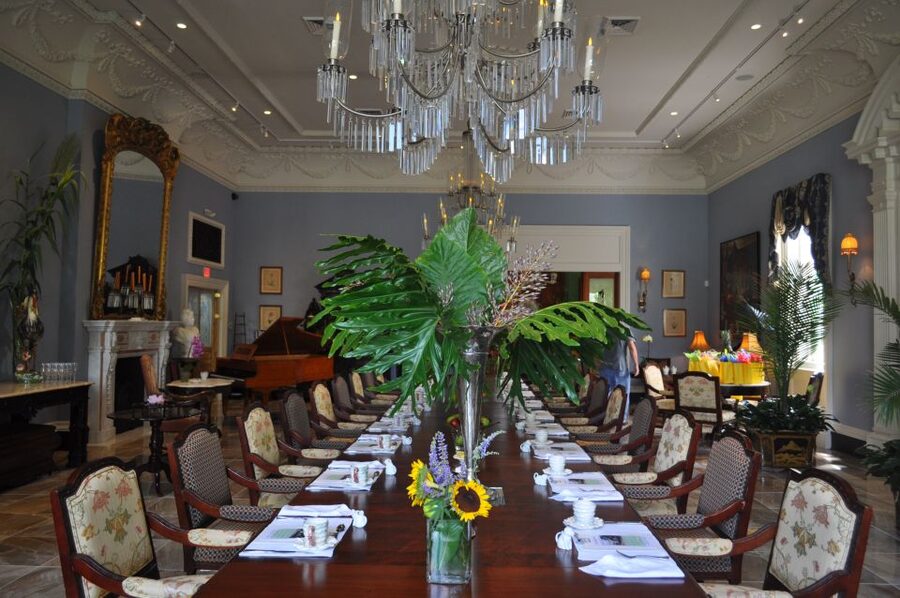
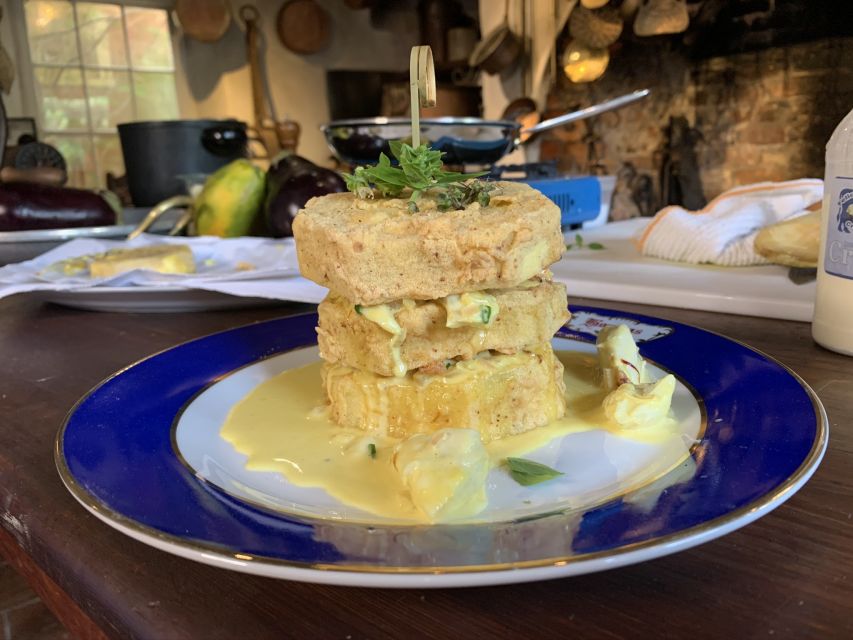
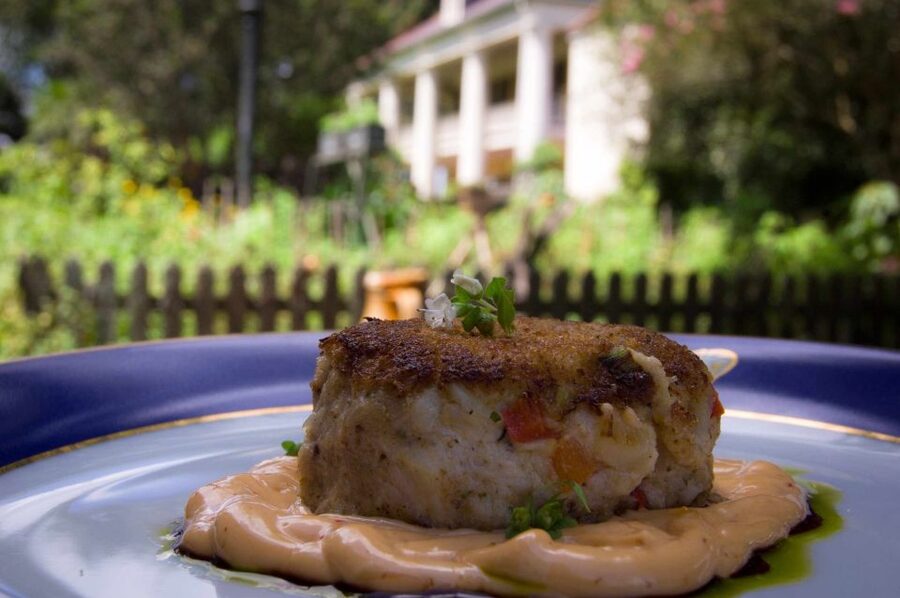
The on-site restaurant serves lunch and dinner seven days a week, with service available until 8:00 PM. Walk-ins are welcome, and a lunch buffet is offered for an additional cost.
This makes planning easier, especially since Houmas House is a long way from New Orleans restaurants. You can tour the house, walk the gardens, and eat without getting back in the car immediately. One particularly practical choice is to arrange your visit around lunch, then return to the gardens afterward.
Food and drinks are not included in the $38 admission. You should budget separately if you plan to eat. The restaurant is not a reason to buy the ticket by itself, but it adds useful flexibility to a day trip and saves you from having to search for a meal between the property and New Orleans.
Film locations and the darker side of Houmas House
Movie fans may recognize Houmas House from Hush, Hush, Sweet Charlotte, the 1964 psychological thriller starring Bette Davis and Olivia de Havilland. The film became famous for its frightening tone and for the story surrounding Joan Crawford, who was first cast opposite Davis before leaving the production.
More recently, the property appeared in scenes from the 2019 film The Green Book. Other films and television productions have also used the house and grounds. The movie connection gives you another way to look at the rooms and gardens. You may find yourself noticing how the estate’s old furnishings, grand architecture, and secluded outdoor spaces work on camera.
The property also has stories about two serious, unexplained events, one linked to nature and another described as unnatural. The supplied information does not explain those events in detail, so you should think of the ghost angle as an added theme rather than the main purpose of the tour. The regular visit is centered on architecture, plantation history, gardens, and the sugarcane economy.
Who will enjoy this tour most

I would recommend Houmas House to you if you like historic homes, period interiors, formal gardens, photography, or film locations. It also suits families and mixed-interest groups because people can split their attention between the guided house and the open grounds.
The visit works well for someone who wants a slower day outside New Orleans. You get a guide for the parts that benefit from explanation, then time alone for the gardens. That combination is better than a tightly controlled tour from start to finish.
It is also a good fit if you enjoy architecture more than battlefield-style history. The house’s furniture, art, restoration, and design receive plenty of attention. The sugarcane industry and Mississippi River provide broader context.
I would hesitate to recommend it as your only plantation visit if you want a full account of slavery and plantation labor. The subject is not given much attention here. In that case, use Houmas House for its home, gardens, and agricultural setting, then visit a site with a stronger focus on enslaved people and the racial system that supported plantation wealth.
Accessibility, timing, and practical details

The activity is wheelchair accessible, though the grounds are expansive and you should allow time to move between the check-in point, mansion, and gardens. Comfortable shoes remain a smart choice for everyone.
Dogs are allowed on the grounds if kept on a leash. A dog may not be able to join the scheduled mansion tour if another person in the group is uncomfortable, and you could be asked to wait for the next tour. Keep that possibility in mind if you are planning a visit with a pet.
You can cancel up to 24 hours before the scheduled time for a full refund. The reserve-now, pay-later option lets you hold a place without paying immediately, which is useful when your New Orleans plans are still shifting.
The tour is offered in English, with a live guide. There is no need to buy a separate garden ticket, since the 38 acres are part of the admission.
Is Houmas House worth the $38?
For the right visitor, yes. You are paying for a guided look inside a restored plantation mansion plus access to a large garden property, not merely a quick photo stop. If you stay for three hours, take your time outside, and use the restaurant, the price feels reasonable.
The value is weaker if you only want a short guided house tour. The formal tour lasts one hour, and the historical focus may not satisfy you if you expect a detailed account of slavery. The grounds are what make the visit feel substantial.
I would book Houmas House if you have your own transportation, can spare at least half a day, and want an attractive historic setting with strong architecture, period objects, and gardens. I would skip it as a stand-alone choice if your main goal is New Orleans plantation history centered on enslaved people. For everyone else, it is a pleasant and visually striking break from the city, with enough substance to justify the drive.
FAQ
How long does the Houmas House tour last?
The guided mansion tour lasts one hour. You are encouraged to allow at least three hours to experience the house and the 38 acres of gardens properly.
What does the $38 ticket include?
The price includes the one-hour guided mansion tour, full access to the gardens, the self-guided garden visit, and local taxes.
Is transportation from New Orleans included?
No. You must arrange your own transportation. Houmas House is about a one-hour drive from New Orleans.
How early should I arrive?
Arrive at least 20 minutes before your scheduled tour time. The grounds are large, and check-in and directions to the starting point may take a few minutes.
Is the tour offered in English?
Yes. The tour has a live English-speaking guide.
Can I explore the gardens without a guide?
Yes. The gardens are open for a self-guided visit, so you can explore them at your own pace after the mansion tour.
Is photography allowed?
Yes. Photography is allowed throughout the Plantation House and the grounds.
Is food available at Houmas House?
Yes. The on-site restaurant offers lunch and dinner seven days a week until 8:00 PM. A lunch buffet is available at an additional cost, and walk-ins are welcome.
Can I bring my dog?
Dogs are allowed on the grounds if they are on a leash. If someone on your scheduled mansion tour is uncomfortable with the dog, you may be asked to wait for the next tour.
Can I cancel for a refund?
Yes. You can cancel up to 24 hours in advance for a full refund. You can also reserve now and pay later.
Just added around New Orleans
- New Orleans Garden District Tour★ 5.0 · 8 reviews
- New Orleans Seance Experience★ 4.0 · 8 reviews
- Airport and City Transfers in New Orleans★ 5.0 · 8 reviews
- Sin and Tonic Pub Crawl in New Orleans★ 4.5 · 8 reviews
- New Orleans Plantation Tour with Transportation★ 5.0 · 9 reviews
- New Orleans Self-Guided Kayak Bayou Swamp Tour★ 5.0 · 9 reviews
- The New Orleans Darkness Tour★ 4.4 · 9 reviews
- Historic Carrollton Neighborhood Walking Tour★ 5.0 · 9 reviews
Plantation Tours, compared.

Swamp Boat Ride and Oak Alley Plantation Tour from New Orleans
Read our review →
Oak Alley Plantation Tour with Transportation from New Orleans
Read our review →
Whitney Plantation Tour with Transportation from New Orleans
Read our review →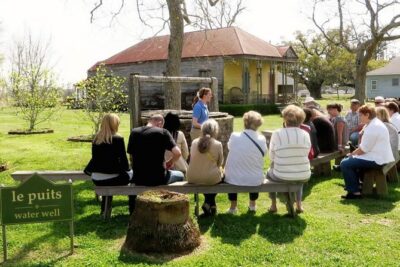

Airboat and Plantations Tour with Gourmet Lunch from New Orleans
Read our review →
Bayou Swamp Tour and Oak Alley Plantation Tour
Read our review →
Oak Alley Plantation & Airboat Swamp Combo Tour
Read our review →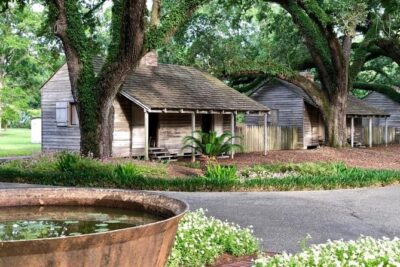
Oak Alley Plantation and Large Airboat Swamp Tour from New Orleans
Read our review →Browse the lists this tour appears in