
Reviewed · VOODOO TOURS
New Orleans French Quarter and Voodoo History Walking Tour
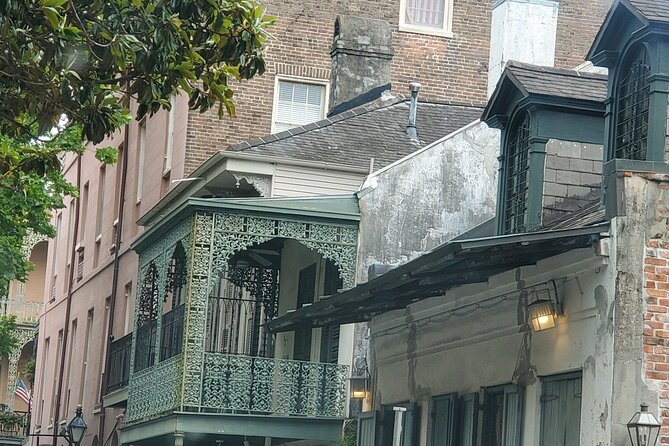
New Orleans voodoo makes more sense when you see it beside the city’s music, food, architecture, and painful past. This 1-hour-45-minute walk connects Congo Square, Marie Laveau’s former home, Bourbon Street, Preservation Hall, and Jackson Square without treating voodoo as a cheap ghost-story prop.
I like the route’s mix of big sights and less obvious context. I also like the guides’ strong storytelling, with names such as Wolfy, Nika, Pepe, Erin, and Angela singled out for humor, warmth, and clear explanations. The main drawback is that the quality and tone can vary by guide, and one account found the political commentary distracting.
In This Review
- Key points to know before you go
- Why this New Orleans walk is more than a ghost tour
- Congo Square: where music, memory, and voodoo begin
- Marie Laveau’s former home and the human side of voodoo
- Bourbon Street, the Old French Opera House, and a complicated reputation
- Preservation Hall and the sound of New Orleans
- Royal Street and the politics behind the pretty facades
- Voodoo Authentica and the difference between legend and practice
- Jackson Square: the grand finish
- The guides make or break the experience
- Is $21 a good value?
- Pace, weather, and practical comfort
- Who should book this French Quarter tour?
- Should you book it?
- FAQ
- How long is the French Quarter and Voodoo History Walking Tour?
- Where does the tour begin?
- Where does the tour end?
- What time does the tour start?
- What places does the tour visit?
- Is the tour offered in English?
- How large is the group?
- Can I cancel for a full refund?
Key points to know before you go
- Congo Square sets the tone: You begin with Indigenous peoples, the slave trade, and the early roots of voodoo in New Orleans.
- Marie Laveau gets a fuller portrait: Her former home is presented as a place of spiritual work and refuge, not just a spooky address.
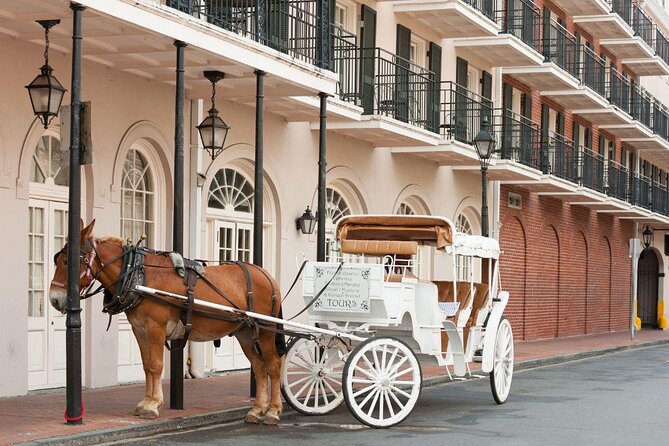
- The route covers the French Quarter’s essentials: Bourbon Street, Royal Street, Preservation Hall, and Jackson Square all fit into one compact walk.
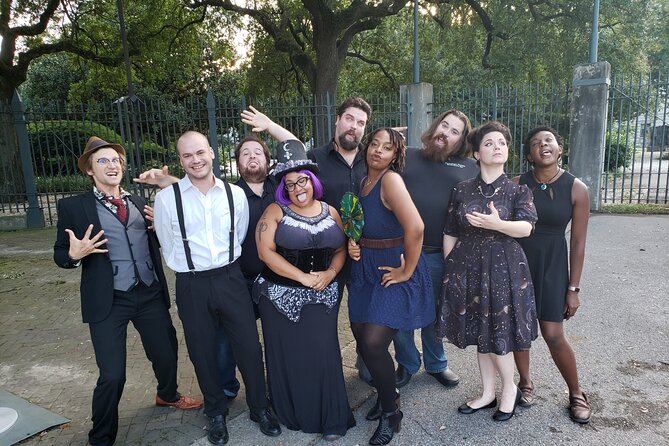
- Storytelling is the main attraction: Wolfy, Nika, Pepe, Erin, and Angela have earned particular praise for making complex subjects lively and easy to follow.
- It is a small-group experience: The maximum group size is 20, which should make questions and street-side stops easier.
- The price is modest: At $21 per person, this is a useful first-day orientation if you want context before exploring alone.
Why this New Orleans walk is more than a ghost tour
The French Quarter and Voodoo History Walking Tour takes a broad view of New Orleans. Voodoo is part of the subject, but the walk also covers slavery, Indigenous history, local politics, architecture, music, and the changing reputation of Bourbon Street.
That range matters. A tour focused only on curses and haunted buildings can leave you with a cartoon version of the city. This experience aims for something more grounded. You hear about Marie Laveau, but you also hear about the people and traditions around her. You see Jackson Square, but you also get the political and social stories that shaped the city.
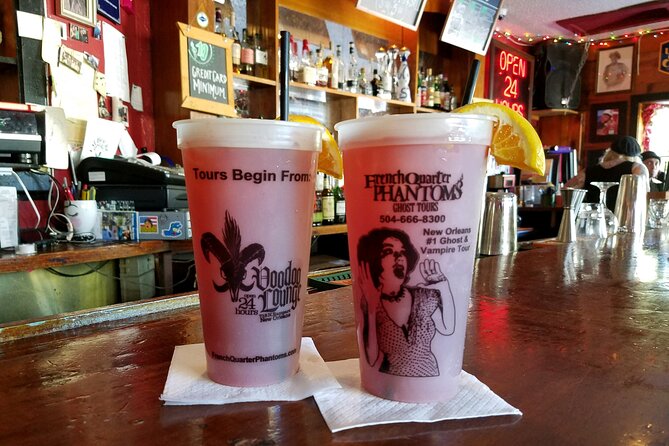
The experience begins at Voodoo Lounge, at 718 North Rampart Street, at 11 a.m. It ends in Jackson Square, at the center of the French Quarter. That makes the walk useful on your first full day in New Orleans. You finish close to major sights, restaurants, shops, artists, musicians, and the French Quarter’s many walking streets.
The group can reach 20 people. That is not a private tour, but it is small enough to keep the guide within earshot and leave room for questions. The tour is offered in English and uses a mobile ticket.
More ways to walk the French Quarter:
- New Orleans Food Walking Tour of the French Quarter with Small-Group Option
★ 5.0 · 6,118 reviews - New Orleans French Quarter, Voodoo and Culture Walking Tour
★ 4.5 · 2,961 reviews - French Quarter Historical Sights and Stories Walking Tour
★ 5.0 · 2,724 reviews
Congo Square: where music, memory, and voodoo begin
The first stop is Congo Square, with about 10 minutes devoted to the site. The subject here is serious: the slave trade, Indigenous peoples, and the early development of voodoo in New Orleans.
This opening gives the rest of the walk a needed foundation. You learn that voodoo did not appear as a mysterious side show. Its story is tied to people, movement, belief, survival, and the forced displacement caused by slavery. The city’s music traditions also make more sense after you hear about Congo Square and its role in New Orleans culture.
The short stop means you will not receive a full seminar on every part of the subject. Instead, the guide uses the place to establish key ideas, then carries those threads into the French Quarter.
I would pay close attention here, especially if you are new to New Orleans. The first 10 minutes may explain more about the city’s cultural character than a long list of haunted addresses.
Marie Laveau’s former home and the human side of voodoo
Next comes the original site of Marie Laveau’s home, also described as the place where she practiced voodoo. The stop lasts about 10 minutes.
Marie Laveau is often reduced to the title Voodoo Queen. This tour gives you a broader picture of her role. The home is presented not only as a place of spiritual work, but also as a safe house for people in need. Orphans and Choctaw vendors found shelter there, which adds a social dimension to Laveau’s story.
That detail is important. It shifts the focus from spooky legend to community life. You are encouraged to think about why Laveau became such a powerful figure and why her memory remains so strong in New Orleans.
The stop itself is a street-side historical site, not a museum visit. You should expect storytelling and interpretation rather than a long indoor exhibition. If you want a detailed study of voodoo beliefs and practices, this tour may leave you wanting more. One account specifically wished for additional voodoo information.
Still, this is one of the walk’s most useful moments because it connects a famous person to real acts of care and local life.
Bourbon Street, the Old French Opera House, and a complicated reputation
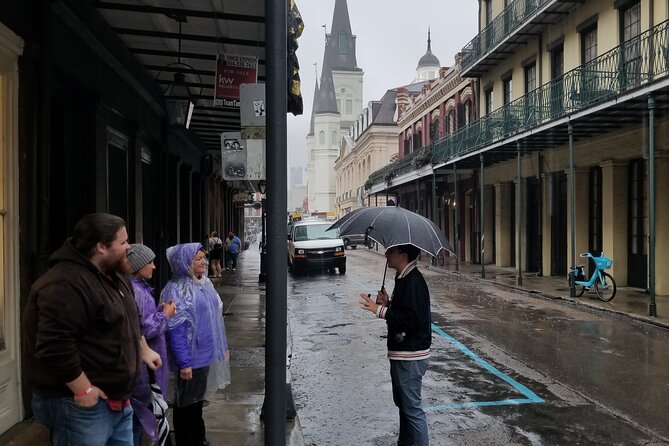
The walk then moves into Bourbon Street. The guide explains how the street got its name, why it became famous, and why local feelings about its reputation are mixed.
That last part is worth hearing. Bourbon Street is one of New Orleans’ best-known names, yet it does not represent the whole French Quarter. Its nightlife, drinking culture, and noisy image can overshadow the neighborhood’s older buildings, music, food, and daily life.
The tour also covers the Old French Opera House. This gives Bourbon Street a wider historical frame. Instead of treating the street as a party strip alone, the guide shows how entertainment and public life changed over time.
You will likely find this section especially helpful if you plan to explore Bourbon Street later on your own. The guide gives you a way to read the street, not just photograph it. I would also keep your expectations realistic. The stop is about context, not a full architectural inspection or a visit inside every historic building.
More voodoo history tours in New Orleans:
- New Orleans Premier Ghost, Voodoo and Vampire Walking Tour
★ 4.5 · 12,856 reviews - Adults-Only New Orleans Ghost, Crime, Voodoo, and Vampire Tour
★ 5.0 · 6,545 reviews - New Orleans Adults-Only Ghost, Voodoo and Vampire Tour
★ 5.0 · 3,291 reviews - New Orleans: French Quarter, Voodoo and Cultural Experience
★ 4.5 · 972 reviews
Preservation Hall and the sound of New Orleans
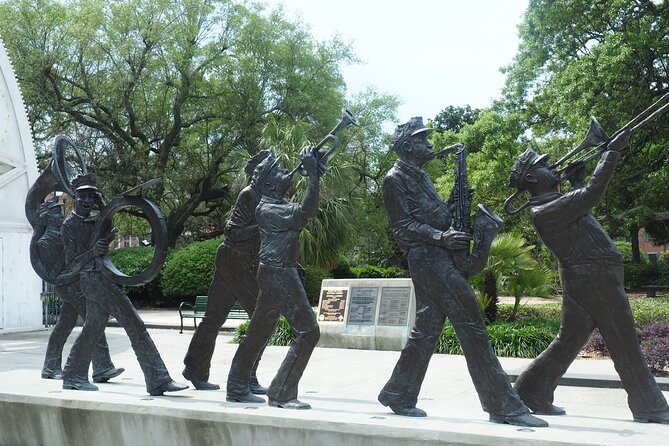
Preservation Hall receives about 10 minutes. It is one of the city’s best-known music venues and an important place to discuss New Orleans musical traditions.
The guide explains the venue’s history, its musicians, and its work to protect and preserve local music. That subject fits naturally into this tour because the walk treats culture as connected. The same city that shaped voodoo traditions also produced distinctive music, food, architecture, and public rituals.
You do not receive a concert as part of the walking tour. Instead, you get background that can help you decide if you want to return to Preservation Hall for a performance. The stop also helps break up the heavier material about slavery and political conflict.
I like this inclusion because it keeps the experience from becoming narrowly focused on the supernatural. New Orleans is a music city first and foremost for many people, and Preservation Hall gives that part of the story a clear place.
Royal Street and the politics behind the pretty facades
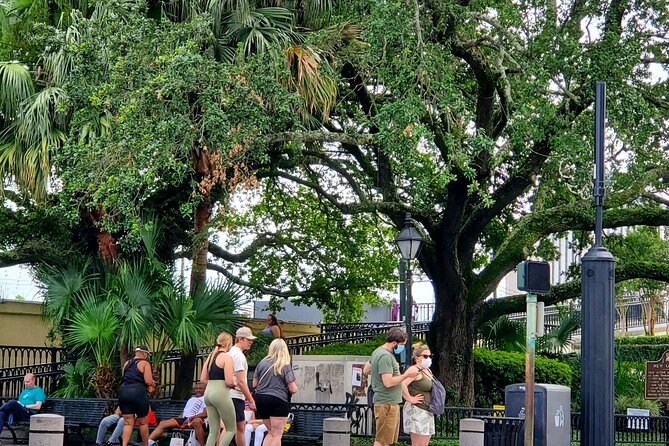
Royal Street brings the tour into architecture and Louisiana politics. You see the State Supreme Court building and hear stories involving Huey P. Long, Edwin Edwards, and the case of Plessy versus Ferguson.
This is a good reminder that the French Quarter is not simply a collection of balconies, courtyards, galleries, and old walls. It is also tied to power, law, race, and the political character of Louisiana.
The stop lasts about 15 minutes, giving the guide enough time to connect the building and the people associated with it. If you enjoy political history, this may be one of the most engaging sections. If you came mainly for voodoo and folklore, it may feel like a detour, though it adds useful depth to the city’s story.
The tone can depend heavily on the person leading the walk. Most feedback describes guides as funny, warm, and careful with questions. One critical account found the discussion of Andrew Jackson and current political framing off-putting, with the guide using the phrase genocide Jackson. That is a fair consideration if you prefer a strictly neutral presentation.
I would not treat this as a reason to avoid the tour, but I would book it knowing that social and political interpretation is part of the experience.
Voodoo Authentica and the difference between legend and practice
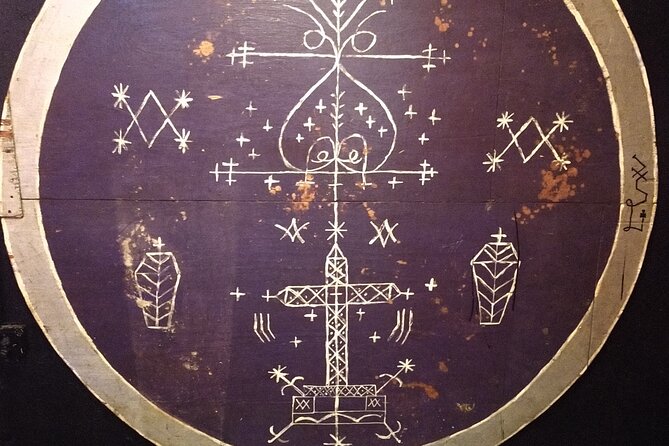
At Voodoo Authentica, the group spends about 15 minutes at a voodoo cultural center and collection.
This stop helps ground the subject in a living cultural tradition. The goal is not only to repeat famous stories about Marie Laveau or haunted locations, but to show that voodoo remains connected to objects, belief, ritual, and community.
The tour’s strongest guides appear to handle this material with respect. Several accounts describe the experience as historical rather than gimmicky. That is a major advantage for anyone who wants to understand New Orleans instead of collecting a few spooky anecdotes.
Even so, the stop is brief. You should expect an introduction, not a full course in voodoo theology or practice. The experience gives you a starting point and may help you decide if you want to spend more time learning about the subject independently.
This is also where your own attitude matters. If you approach the stop looking only for sensational stories, you may miss its value. Listen for the difference between popular legend, local lore, and historical evidence.
Jackson Square: the grand finish
The tour ends in Jackson Square, with about 15 minutes devoted to the area. This is a fitting final stop because it gathers so many parts of New Orleans in one view.
You see St. Louis Cathedral, the Cabildo, artists, musicians, tarot readers, and other public figures who give the square its special character. The guide also brings together more of the city’s political and cultural history here.
Jackson Square is one of the easiest places in New Orleans to keep exploring after the tour. Since the walk ends in the center of the French Quarter, you can continue toward the river, the cathedral, nearby restaurants, or other streets without arranging another ride.
The square can feel busy and full of competing sounds. That is part of its appeal, but it can also make it harder to hear. Stay close to the guide, especially if the group gathers near performers or crowds.
The guides make or break the experience
The most praised feature of this tour is the guiding. Names that come up repeatedly include Wolfy, Nika, Pepe, Erin, Angela, Robert, Bobby, Nika, and others.
Wolfy is described as quick-witted, passionate, funny, and deeply interested in New Orleans. Nika receives especially strong praise for her energy and ability to make difficult subjects engaging. Pepe is praised for combining local lore with historical explanation, while Erin is described as welcoming, easy to understand, and willing to answer questions in detail.
You should not assume you can select one of these guides when booking. The information confirms that several guides lead the experience, but it does not promise a specific person. The practical lesson is simple: expect the storytelling style to vary.
Most of the available feedback praises guides for:
- Explaining New Orleans history in clear language
- Mixing humor with serious subjects
- Answering questions thoughtfully
- Connecting local stories to wider events
- Adjusting the pace and keeping people in the shade when possible
- Making the walk comfortable in hot or lightly rainy conditions
One account also praised the guide for maintaining a comfortable walking and speaking pace. That can matter more than it sounds. A guide who races through the Quarter or talks too quickly can turn a good route into hard work.
Is $21 a good value?
At $21 per person, this is an inexpensive way to get a structured introduction to several major French Quarter locations. You are paying mainly for interpretation and storytelling, not admission to a series of attractions.
That distinction helps explain the value. Congo Square, Royal Street, Preservation Hall, and Jackson Square do not require an entry ticket for this experience. The Marie Laveau site and Voodoo Authentica are included as stops, but the tour is still fundamentally an outdoor walking experience.
For the price, I think the tour works best as an orientation. You cover several subjects in less than two hours, learn which parts of the Quarter deserve more of your time, and finish in a useful central location.
It is less useful if you want long visits inside museums, extensive time at each site, or a specialist-level study of voodoo. In that case, you may prefer separate museum visits and a longer cultural program.
The tour is booked about 15 days ahead on average. That suggests planning ahead during busy periods, though the supplied information does not promise that every departure sells out.
Pace, weather, and practical comfort
The walk lasts about 1 hour and 45 minutes and begins at 11 a.m. The timing places much of the tour in the late morning, when New Orleans can be hot. Wear comfortable shoes and bring water, even though the information does not promise water service.
The route is designed for most people, and service animals are allowed. It is near public transportation, with no private transfer included. The tour requires good weather. If poor weather cancels it, you can receive a different date or a full refund.
You can cancel for a full refund up to 24 hours before the start time. Cancellations or changes made within 24 hours are not accepted for a refund.
Because the walk ends at Jackson Square, I would avoid booking a tight activity immediately afterward. The tour can run at an easy pace, and questions or crowded streets may affect the exact finish time.
Who should book this French Quarter tour?
I would recommend it to first-time visitors who want a useful introduction before exploring the Quarter on their own. It is also a good fit if you are curious about voodoo but want history and local culture alongside the legends.
Solo visitors may appreciate the group format and central route. Families can take part, and the short stops keep the experience from becoming one long lecture. Friends and couples who enjoy stories, music, politics, and unusual local details should also find plenty to hold their attention.
You may want to skip it if you dislike group walks, prefer silent sightseeing, or want a tour focused only on architecture. You should also think twice if political interpretation makes you uncomfortable, since one guide’s approach may include direct judgments about historical figures.
Should you book it?
Book this tour if you want a lively, affordable first look at New Orleans through voodoo, music, politics, and local history. The route is compact, the price is fair, and the best guides turn the walk into a memorable conversation rather than a list of dates.
I would book it near the start of your stay, ideally before you spend much time wandering the French Quarter. You will understand the places you see afterward, and you may find yourself returning to Preservation Hall, Voodoo Authentica, or Jackson Square with better questions.
Skip it only if you want a narrowly focused voodoo lesson or a fully neutral presentation of every political subject. For most people seeking context, stories, and a sensible first orientation, $21 buys a worthwhile morning.
FAQ
How long is the French Quarter and Voodoo History Walking Tour?
The tour lasts approximately 1 hour and 45 minutes.
Where does the tour begin?
It begins at Voodoo Lounge, 718 North Rampart Street, New Orleans, Louisiana 70116.
Where does the tour end?
The walk ends at Jackson Square, in the center of the French Quarter.
What time does the tour start?
The listed start time is 11 a.m.
What places does the tour visit?
The route includes Congo Square, the original site of Marie Laveau’s home, Bourbon Street, Preservation Hall, Royal Street, Voodoo Authentica, and Jackson Square.
Is the tour offered in English?
Yes. The experience is offered in English.
How large is the group?
The maximum group size is 20 people.
Can I cancel for a full refund?
Yes. You must cancel at least 24 hours before the start time for a full refund. Cancellations or changes made less than 24 hours before the experience are not refunded or accepted. If poor weather cancels the tour, you will be offered another date or a full refund.
More Walking Tours in New Orleans
- St. Louis Cemetery No. 1 Official Walking Tour
★ 4.5 · 3,941 reviews - Ghost and Vampire Walking Tour Of The French Quarter
★ 4.5 · 2,406 reviews - New Orleans Adults-Only True Crime and Ghost Walking Tour
★ 5.0 · 1,666 reviews - New Orleans Food and History Walking Tour
★ 5.0 · 1,544 reviews
More History Tours in New Orleans
- New Orleans Garden District History Walking Tour
★ 5.0 · 2,879 reviews - New Orleans Small-Group Haunted History Carriage Tour
★ 4.5 · 2,289 reviews - New Orleans Haunted History Ghost Tour
★ 4.5 · 2,084 reviews - Paddlewheeler Creole Queen Historic Mississippi River Cruise
★ 4.5 · 1,948 reviews
Just added around New Orleans
- New Orleans Garden District Tour★ 5.0 · 8 reviews
- New Orleans Seance Experience★ 4.0 · 8 reviews
- Airport and City Transfers in New Orleans★ 5.0 · 8 reviews
- Sin and Tonic Pub Crawl in New Orleans★ 4.5 · 8 reviews
- The New Orleans Darkness Tour★ 4.4 · 9 reviews
- New Orleans Plantation Tour with Transportation★ 5.0 · 9 reviews
- New Orleans Self-Guided Kayak Bayou Swamp Tour★ 5.0 · 9 reviews
- Historic Carrollton Neighborhood Walking Tour★ 5.0 · 9 reviews
Voodoo Tours, compared.
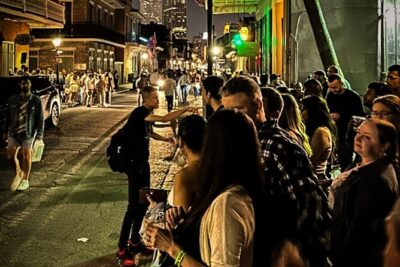
New Orleans Premier Ghost, Voodoo and Vampire Walking Tour
Read our review →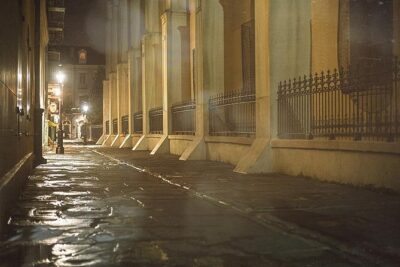
Adults-Only New Orleans Ghost, Crime, Voodoo, and Vampire Tour
Read our review →
New Orleans Adults-Only Ghost, Voodoo and Vampire Tour
Read our review →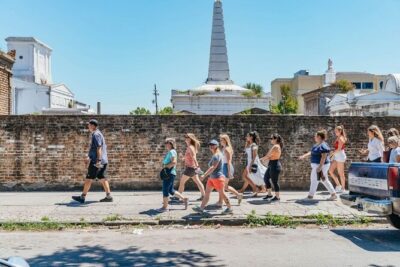
New Orleans French Quarter, Voodoo and Culture Walking Tour
Read our review →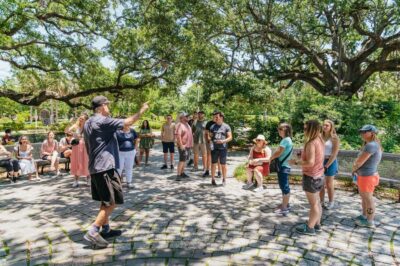
New Orleans Ghost, Vampire, Witch, Voodoo, and Mystery Tour
Read our review →
New Orleans Spirits & Spells: Witchcraft, Voodoo, and Ghost Tour
Read our review →Browse the lists this tour appears in