
Reviewed · PLANTATION TOURS
New Orleans: Felicity Plantation Guided Tour
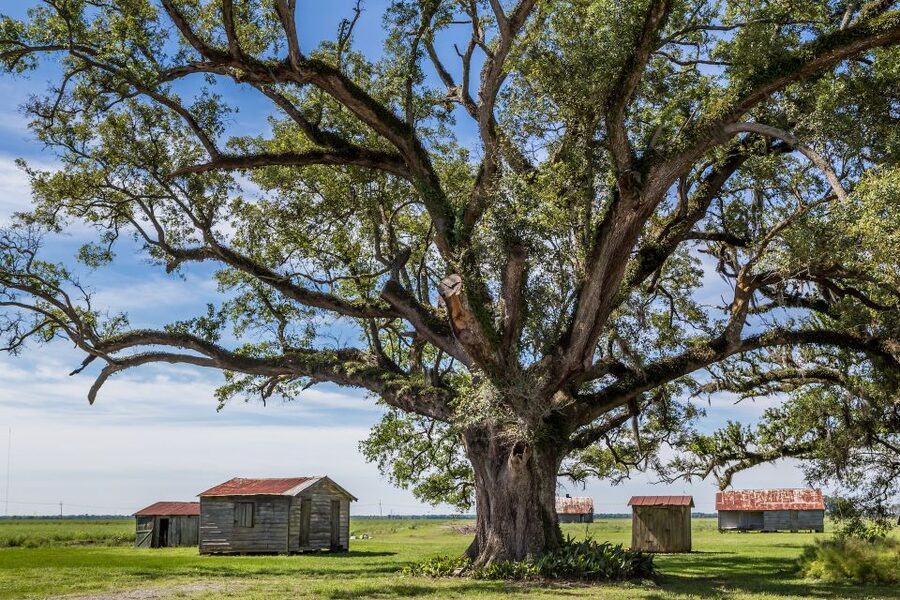
Felicity Plantation gives you more than a pretty old house. Its back porch, Creole details, and working sugarcane fields connect the polished image of River Road with the labor that made plantation life possible. It also served as a filming location for The Skeleton Key and 12 Years a Slave, so parts of the property may look familiar.
I like the working-farm setting, which keeps the visit tied to present-day Louisiana rather than freezing it in the past. I also like the smaller scale and personal guiding. When Sylvie leads the tour, she brings family stories and the lives of laborers into the room instead of simply reading dates from a card.
The main drawback is access. Felicity is not suitable for wheelchair users or people with mobility impairments, and you need to arrange your own transport to Vacherie. At $24, though, the tour offers a useful history lesson and a more personal feel than a large plantation visit.
In This Review
- Key points about the Felicity Plantation tour
- Why Felicity feels different from a standard plantation stop
- Beginning at St. Joseph Plantation’s gift shop
- Inside a 1840s Creole and Greek Revival home
- The people behind the sugarcane
- Sugarcane fields and a farm that still operates
- Spotting Felicity on the screen
- How the 90 minutes are used
- Is $24 a fair price?
- Who should book Felicity Plantation?
- Should you book Felicity Plantation?
- FAQ
- How much does the Felicity Plantation tour cost?
- How long does the Felicity Plantation experience last?
- Where do I check in for the tour?
- How early should I arrive?
- Is transportation included?
- Is food or drink included?
- What language is the tour in?
- Is the tour wheelchair accessible?
- Can I cancel the reservation?
- Can I reserve now and pay later?
Key points about the Felicity Plantation tour
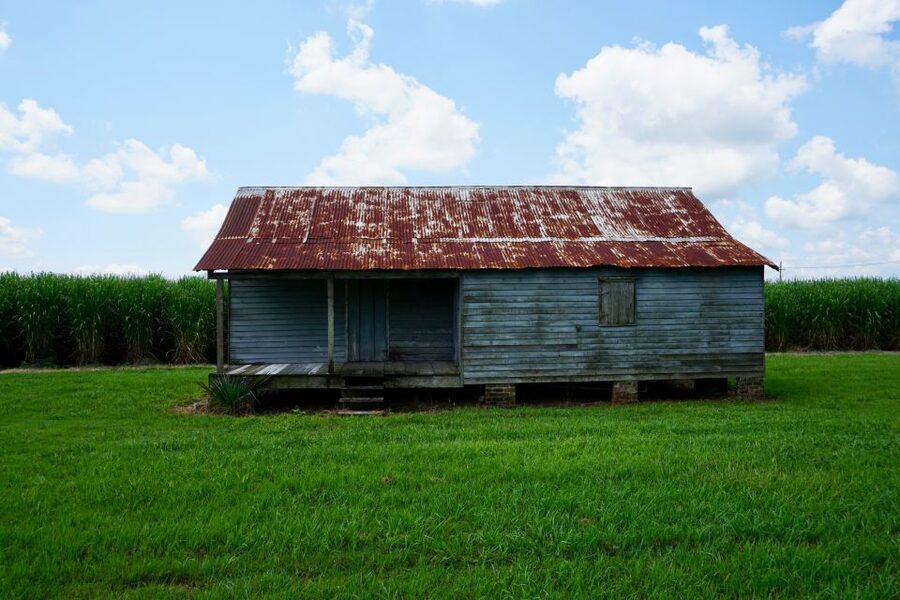
- A working sugarcane farm: Sugarcane is still grown and harvested on the combined Felicity and St. Joseph property.
- Creole meets Greek Revival: The house, built between 1844 and 1847, blends two important Louisiana architectural traditions.
- A candid account of labor: The tour covers enslaved people, free workers, and later generations who kept the estate operating after emancipation.
- A film location with real character: You can recognize settings used in The Skeleton Key, 12 Years a Slave, Roots, Underground, and Filthy Rich.
- A small, personal visit: The house is smaller than neighboring St. Joseph, but it has more interior decoration and can feel less crowded than Oak Alley.
- Simple timing and pricing: The tour costs $24 per person, lasts 90 minutes, and includes the guided visit with time to view the grounds.
Why Felicity feels different from a standard plantation stop
Felicity is part historic house, part farm, and part working memory. You are not visiting an isolated museum piece. The sugarcane operation next door and around the property remains active, linking the old estate to Louisiana agriculture today.
That connection matters. Plantation tours can easily become tours of columns, wallpaper, and famous owners. Felicity offers those visual details, but it also asks you to consider the people who planted, cut, processed, and maintained the sugarcane. The interpretation includes enslaved laborers and free workers, as well as the generations who continued working on the estate after emancipation.
I find that balance important. The house tells you how some families lived, while the farm points toward the much larger workforce that supported that life. You get a clearer sense of both privilege and hardship along the Mississippi River.
The property was purchased by the Waguespack family in 1877, along with neighboring St. Joseph Plantation, after a sheriff’s sale. By 1901, the two estates had become one 2,500-acre sugarcane operation. That history helps explain why the check-in point is at St. Joseph and why the two plantations are closely connected.
More River Road plantation days:
- Swamp Boat Ride and Oak Alley Plantation Tour from New Orleans
★ 5.0 · 3,303 reviews - Oak Alley Plantation Tour with Transportation from New Orleans
★ 4.5 · 1,747 reviews - Whitney Plantation Tour with Transportation from New Orleans
★ 4.5 · 1,351 reviews
Beginning at St. Joseph Plantation’s gift shop
Your visit starts at the gift shop next door to Felicity Plantation, at 3535 LA-18 in Vacherie. Do not drive straight to the house and assume you can check in there. Plan to arrive at least 15 minutes before your scheduled start time.
This is a small but useful detail. Plantation properties along River Road are spread out, and a few extra minutes gives you time to find the correct building, park, and get ready for the tour. Transportation is not included, so you will need to reach Vacherie on your own.
The meeting point also gives you a quick introduction to the relationship between the two sites. St. Joseph and Felicity share ownership and agricultural history, but the houses have different personalities. If you are comparing them, Felicity is the smaller home with more interior decoration, while St. Joseph is the larger neighboring plantation.
The tour is in English, and you skip the ticket line once checked in. Food and drinks are not included, so plan those separately. Comfortable shoes are a smart choice, especially if you want to walk around the grounds after the house tour.
Inside a 1840s Creole and Greek Revival home
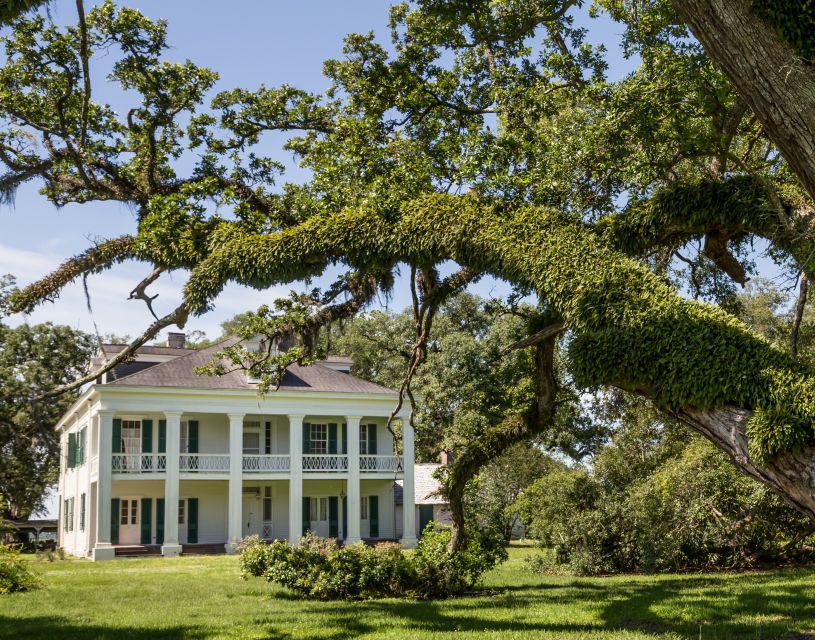
Felicity was built between 1844 and 1847. Its architecture combines Greek Revival design with strong Creole influence, a pairing that gives the house a distinct Louisiana character.
Greek Revival architecture is often associated with symmetry, formal proportions, and classical lines. Creole influence brings a different response to the local climate and regional building traditions. At Felicity, these elements come together in a home that feels formal without losing its sense of place.
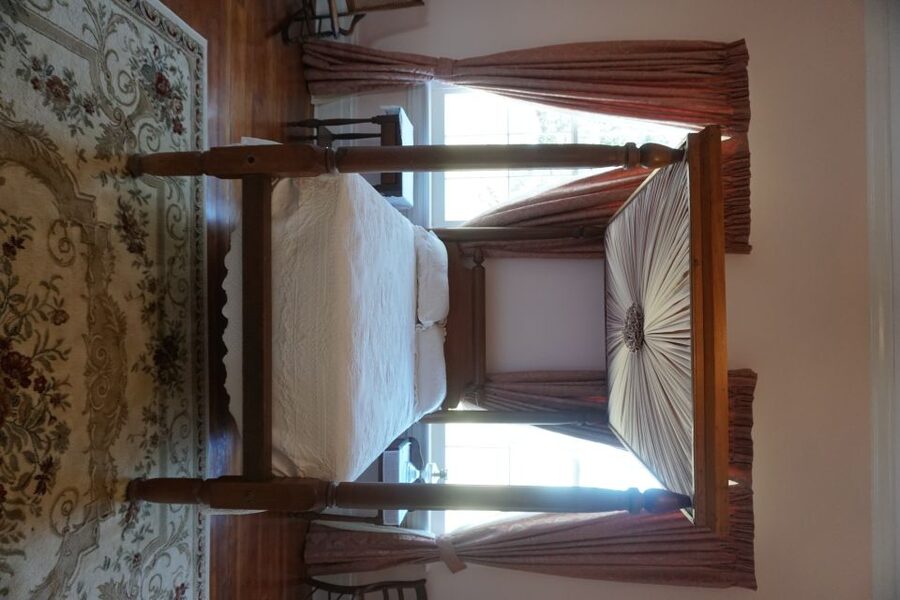
The interior is furnished and decorated to reflect the period. That helps you picture how the house functioned, but the value is not just visual. A good guide can use a room, porch, or piece of furniture to explain the routines and social divisions that shaped life on the estate.
The back porch is likely to be one of the most memorable areas. It offers the kind of broad, restful setting that makes you understand why plantation homes are so often photographed. You may be tempted to linger there, but keep the attractive view in perspective. The comfort and beauty of the house existed alongside an agricultural system built on forced labor.
That tension is part of what makes the tour worthwhile. Felicity is undeniably attractive, but the visit does not need to turn that beauty into a fairy tale.
The people behind the sugarcane
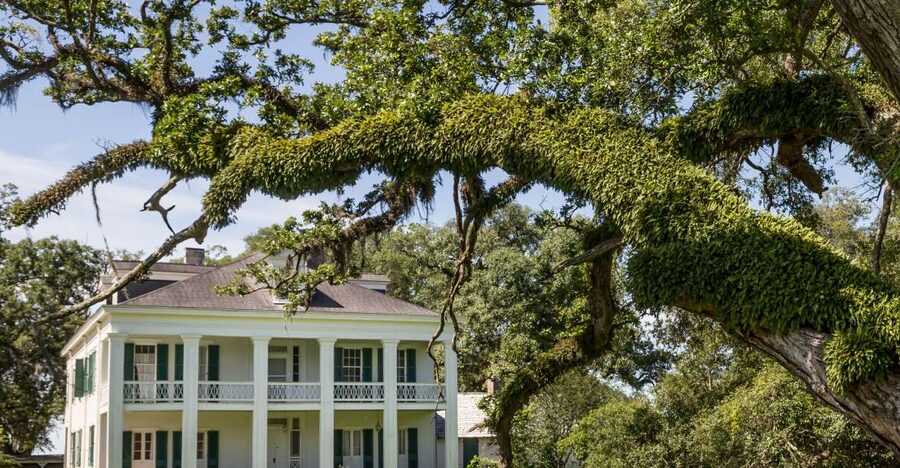
The strongest part of the tour is the attention to labor. You learn about enslaved people who lived and worked at the plantation, along with free laborers and later workers who remained connected to the estate after emancipation.
That broader view gives you more than a list of owners and construction dates. It shows how a sugarcane plantation depended on many people with very different levels of power and freedom. The work continued across generations, and the estate’s present-day agriculture makes that continuity visible.
If Sylvie is your guide, expect a personal style rather than a stiff recitation. She has been praised for knowing the stories well and telling them with feeling. Other guides may lead the tour, but the format is designed around a live English-speaking guide, so you can ask questions and hear the house explained in context.
A private or nearly private tour is possible. One couple had the entire experience to themselves and received a detailed lesson on the family and sugarcane industry. You should not assume your group will be that small, but Felicity’s lower profile can make it feel more intimate than the biggest plantation attractions.
The discussion of labor is especially useful if this is your first plantation visit. You will still see architecture and family furnishings, but you are less likely to leave with the mistaken idea that plantation life was defined only by elegant rooms and leisurely porches.
A few more New Orleans tours worth a look
- Guided Boat Tour of New Orleans Bayou
★ 4.5 · 1,452 reviews - Laura Creole Plantation Guided Tour
★ 5.0 · 1,279 reviews - Houmas House Estate and Gardens Guided Tour
★ 4.5 · 632 reviews - New Orleans: Guided Swamp Cruise by Tour Boat
★ 4.7 · 570 reviews
Sugarcane fields and a farm that still operates
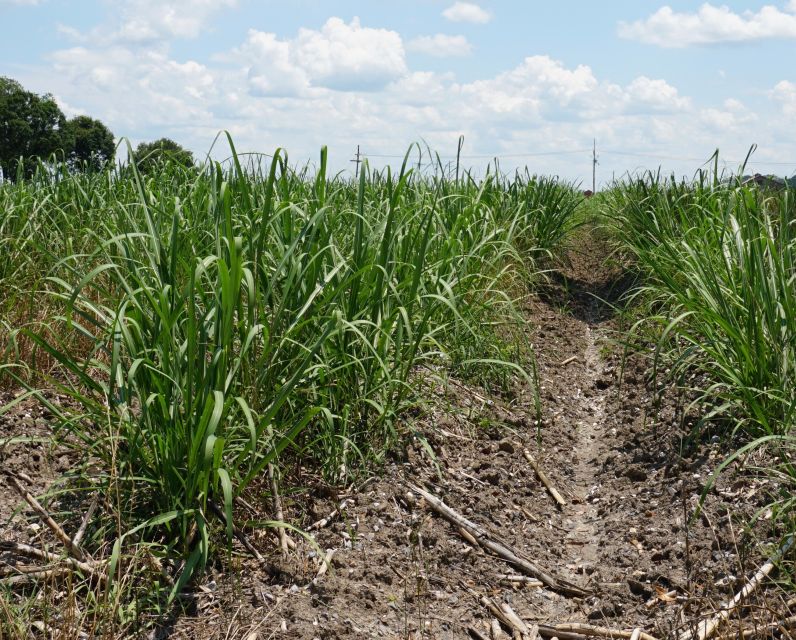
Felicity remains part of an active sugarcane farm. The combined property covers 2,500 acres, and sugarcane is still grown and harvested under the same ownership connected to Felicity and St. Joseph.
You may not see every stage of farming during your visit, since the tour schedule and season will affect what is happening. Still, the working farm changes how you read the property. The fields are not simply a historic backdrop. Agriculture remains part of the site’s identity.
This is also where the tour connects past and present most clearly. Sugarcane shaped the economy of the region, demanded hard labor, and influenced the design of plantation estates. Seeing the crop continue today gives you a practical link between the historic story and modern Louisiana.
The grounds can be viewed after the guided visit. I would use that time to look back at the house from outside, notice the relationship between the buildings and fields, and let the agricultural story settle before leaving. The grounds are not presented as a separate long walking tour, so do not expect a full-day estate visit.
Spotting Felicity on the screen
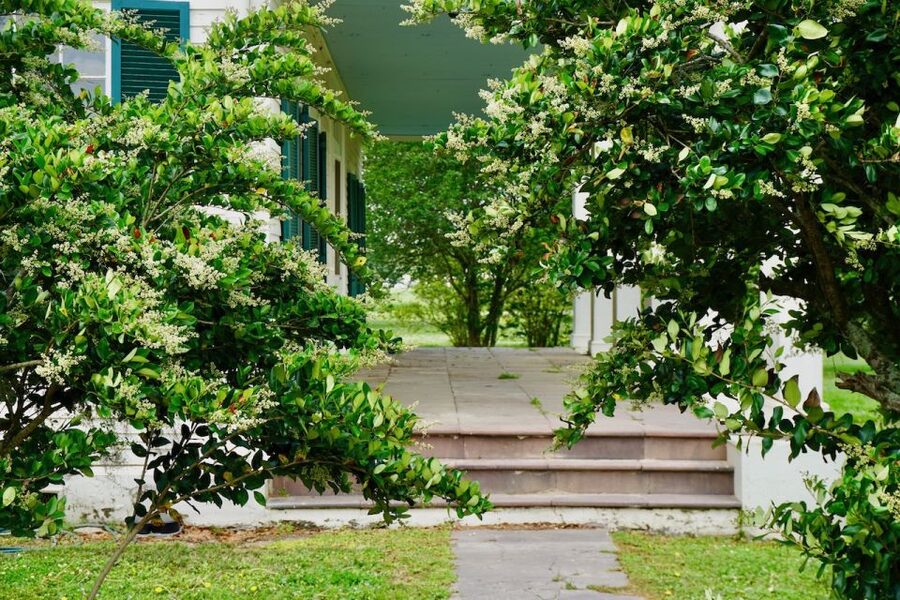
Felicity has an unusually strong film connection. Productions filmed here include The Skeleton Key, 12 Years a Slave, the remake of Roots, Underground, and Filthy Rich.
The film connection adds fun, but it should not be the main reason to book. The property’s appearance on screen works because of its architecture, porch, rooms, and atmosphere. Once your guide points out filming locations, you may recognize familiar angles and understand why filmmakers chose the site.
Fans of The Skeleton Key and 12 Years a Slave will get the most from this part of the visit. Even if you have not seen those productions, the information gives the house another layer. You can compare the real place with its carefully framed movie image.
Keep your expectations practical. This is a historic tour with film details, not a dedicated movie-location walk. The main focus remains the house, the people connected to it, and the sugarcane farm.
How the 90 minutes are used
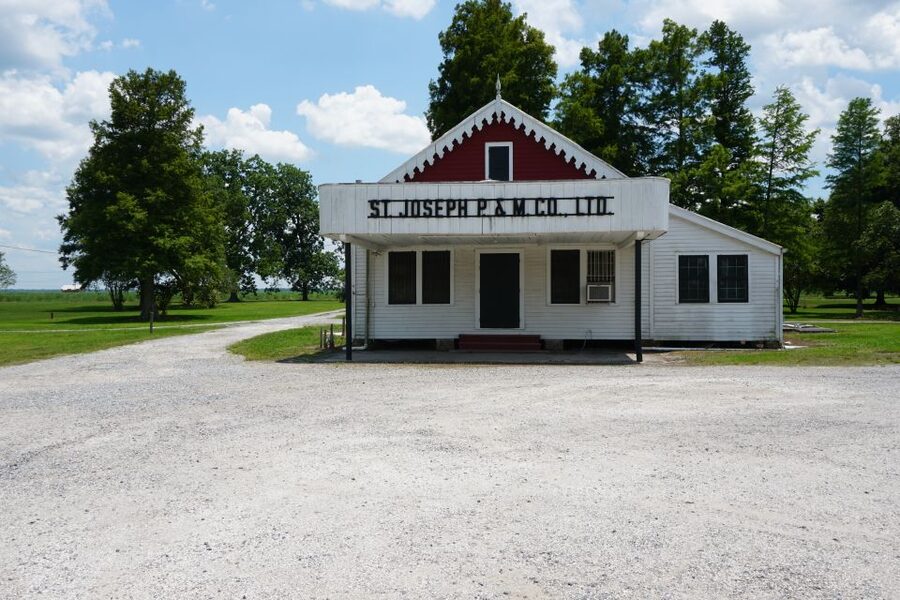
The experience is advertised as 90 minutes, while the guided house portion is described as about one hour. The remaining time gives you a chance to check in, move through the property, and walk around the grounds if you choose.
That length works well for a wider River Road day. You can learn a lot without giving up half your schedule, and the visit is long enough to cover architecture, plantation labor, family ownership, agriculture, and film history.
The pace may feel quick if you want to examine every room or ask many questions. On the other hand, a 90-minute stop is easier to fit between other sites than a much longer plantation program. I would arrive early, listen closely during the house tour, and save the optional grounds walk for the end.
Comfortable shoes are important. Bare feet are not allowed, and the property is not suitable for wheelchair users or people with mobility impairments. The tour data does not promise accessible routes, so you should contact the provider before booking if stairs, uneven ground, or extended standing could be a problem.
Is $24 a fair price?
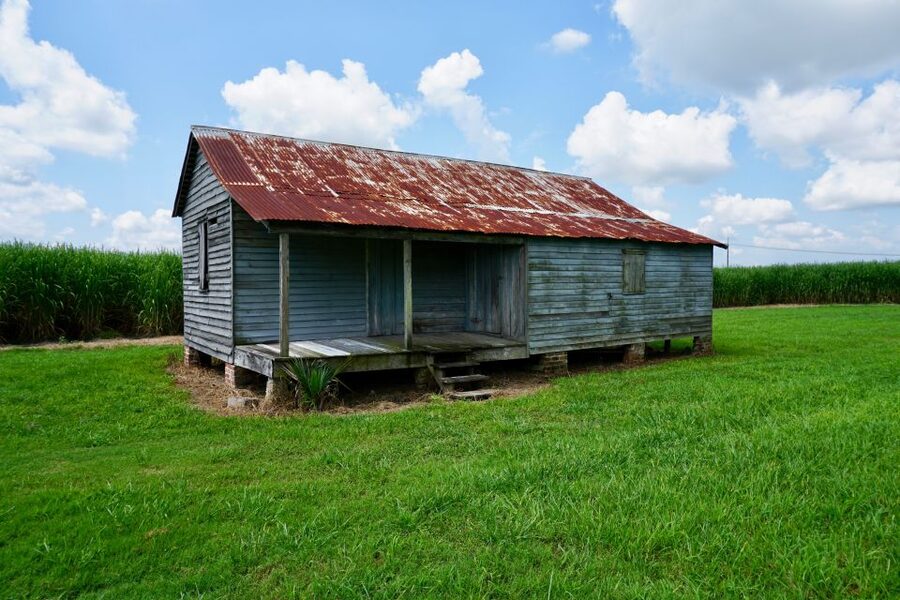
At $24 per person, Felicity offers good value if you want a guided historic house visit with a clear focus on sugarcane and labor. The price includes the guided tour and the option to walk around the grounds, but not transportation, meals, or drinks.
The value improves if you appreciate smaller sites and direct interpretation. Felicity may not have the visual fame of Oak Alley, yet it offers a more personal scale and a working agricultural setting. One visit also gives you context for neighboring St. Joseph, since both plantations share ownership and history.
The price is less appealing if you want extensive grounds, a long self-guided visit, or a full day of activities in one place. Felicity is a focused stop. You are paying for a 90-minute guided experience, not an all-day attraction.
Flexible booking helps. You can reserve now and pay later, and cancellation is free up to 24 hours before the tour for a full refund. Those terms are useful when your Louisiana plans depend on weather, driving time, or a changing River Road schedule.
Who should book Felicity Plantation?
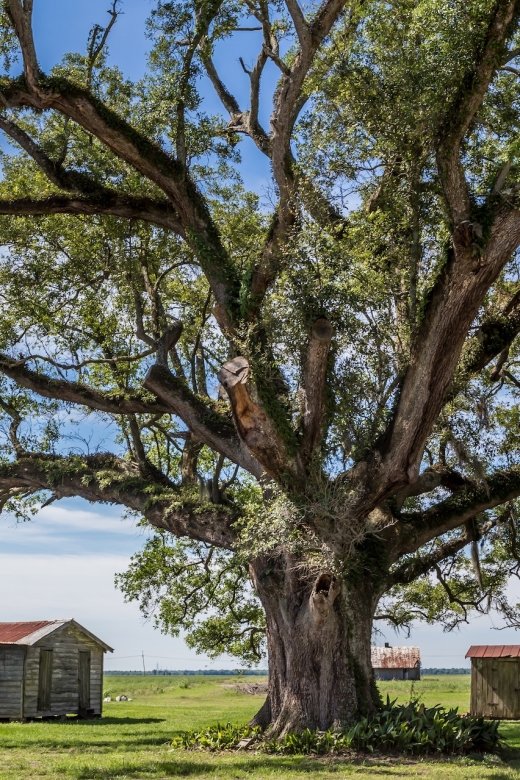
I would recommend this tour to you if you want a plantation visit that puts the house in its farming and labor context. It suits history-minded visitors, architecture fans, film fans, and anyone who prefers a smaller setting to a major attraction with large groups.
It is also a good choice if you are deciding between Felicity and St. Joseph. Felicity has a more decorated interior and a somewhat more intimate feel, while St. Joseph is larger. Since the sites are next door and tied to the same sugarcane operation, you can think of them as related but distinct visits.
Families may appreciate the manageable length, though the subject matter includes slavery and difficult working conditions. I would prepare children for a serious history lesson rather than presenting it as a pretty old-house stop.
You should reconsider if mobility is limited, if you need included transportation, or if you want a tour in a language other than English. The experience is not wheelchair suitable and has no stated language option beyond English.
Should you book Felicity Plantation?
Book Felicity if you want the charm of a historic River Road home without losing sight of the labor and agriculture behind it. The combination of Creole and Greek Revival architecture, a working sugarcane farm, film locations, and personal guiding gives the visit real range.
I especially like that the site remains connected to sugarcane production. That detail keeps the story grounded. The tour is not only about what happened long ago, since the same crop still helps define the property.
Skip it if your priority is grand scale, extensive visitor facilities, or easy accessibility. For everyone else, $24 is a sensible price for a compact, thoughtful visit, particularly if Sylvie or another strong guide brings the people and working history into the rooms.
FAQ
How much does the Felicity Plantation tour cost?
The tour costs $24 per person.
How long does the Felicity Plantation experience last?
The full experience lasts 90 minutes. The guided house tour itself is described as lasting about one hour, with an option to walk around the grounds.
Where do I check in for the tour?
You check in at the gift shop next door at St. Joseph Plantation, 3535 LA-18, Vacherie, Louisiana 70090.
How early should I arrive?
You should check in at least 15 minutes before the tour starts.
Is transportation included?
No. You must arrange your own transportation to the meeting point in Vacherie.
Is food or drink included?
No. Food and drinks are not included in the ticket price.
What language is the tour in?
The guided tour is conducted in English.
Is the tour wheelchair accessible?
No. The experience is not suitable for wheelchair users or people with mobility impairments.
Can I cancel the reservation?
Yes. You can cancel up to 24 hours in advance for a full refund.
Can I reserve now and pay later?
Yes. The reserve now and pay later option lets you book your place without paying immediately.
Just added around New Orleans
- New Orleans: Whitney Plantation Audio Tour with Transfers★ 4.7 · 3 reviews
- New Orleans Instagram Photo Tour★ 4.5 · 3 reviews
- New Orleans: Voodoo, Storyville, and Treme Walking Tour★ 3.3 · 3 reviews
- Outdoor Escape Room in New Orleans – The French Quarter★ 5.0 · 3 reviews
- New Orleans: Private Custom Guided Walking Tour★ 4.0 · 3 reviews
- New Orleans: Voodoo History Guided Walking Tour★ 4.8 · 3 reviews
- Private New Orleans City and Cemetery Bus Tour Up to 24 People★ 5.0 · 3 reviews
- New Orleans: French Quarter Cocktail and Foodie Crawl Tour★ 5.0 · 3 reviews
Plantation Tours, compared.
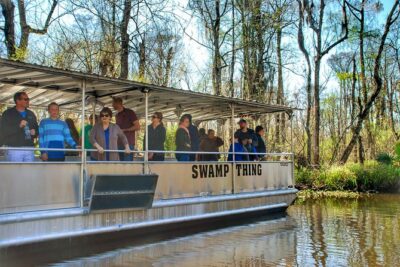
Swamp Boat Ride and Oak Alley Plantation Tour from New Orleans
Read our review →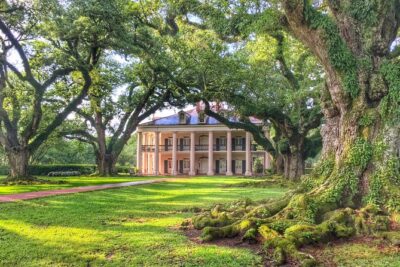
Oak Alley Plantation Tour with Transportation from New Orleans
Read our review →
Whitney Plantation Tour with Transportation from New Orleans
Read our review →

Airboat and Plantations Tour with Gourmet Lunch from New Orleans
Read our review →
Bayou Swamp Tour and Oak Alley Plantation Tour
Read our review →
Oak Alley Plantation & Airboat Swamp Combo Tour
Read our review →
Oak Alley Plantation and Large Airboat Swamp Tour from New Orleans
Read our review →Browse the lists this tour appears in