
Reviewed · HISTORICAL TOURS
New Orleans: 9th Ward Hurricane Katrina History Tour
New Orleans’ Ninth Ward is not a backdrop for a quick photo stop. It is a living neighborhood shaped by Hurricane Katrina, the failure of the levees, years of recovery, and the people who continue to call it home. This one-hour van tour puts that story in front of you, with local guide Hollis explaining what happened and what remains.
I like two things right away: the small group of seven or fewer, which allows real questions and occasional stops, and Hollis’s personal connection to the neighborhoods. The tour is direct, local, and far more personal than a standard city sightseeing loop. The main drawback is its short length and flexible route. Weather, construction, or local events may change the stops, and one hour leaves little time for long visits.
In This Review
- Key points to know before booking
- Why the Ninth Ward story matters
- Starting with a local guide and a small van
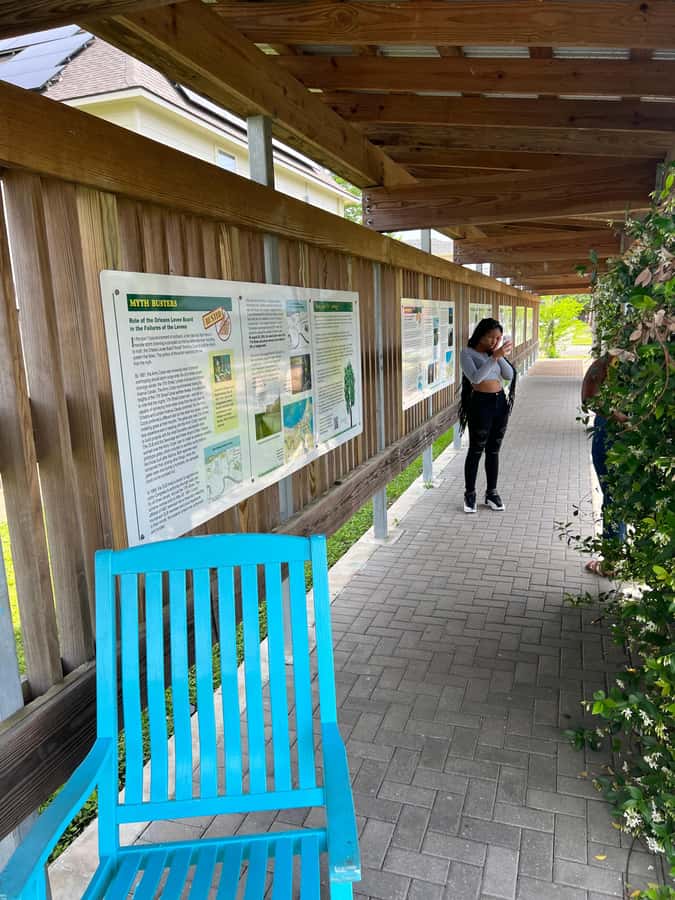
- Seeing the levee breach locations
- The Hurricane Katrina Memorial at Old St. Claude Hospital
- Musicians’ Village and the effort to rebuild
- Fats Domino’s home and the culture of New Orleans
- What makes Hollis’s guiding style effective
- The one-hour format: useful, but not leisurely
- Who should take this tour
- Practical tips for a better visit
- Should you book the Ninth Ward Hurricane Katrina tour?
- FAQ
- How long does the Ninth Ward Hurricane Katrina tour last?
- How much does the tour cost?
- How large is the tour group?
- Who leads the tour?
- Where does the tour meet?
- Can the route or stops change?
Key points to know before booking
- Hollis brings lived experience: He was born and raised in New Orleans neighborhoods affected by Katrina and explains the changes in personal as well as historical terms.
- The Ninth Ward is the focus: You see areas where floodwaters destroyed homes, divided communities, and left foundations and empty lots behind.
- Levee breaches give the disaster a physical setting: The tour visits locations connected with catastrophic breaches along the Mississippi River and Lake Pontchartrain.
- Recovery is part of the story: Musicians’ Village and Make It Right homes show attempts to rebuild housing and community life.
- The group stays small: With a maximum of seven people, you have a better chance to ask questions and pause for photographs.
- Plan your meeting point carefully: Call the operator the day before to confirm where the van will meet you.
Why the Ninth Ward story matters
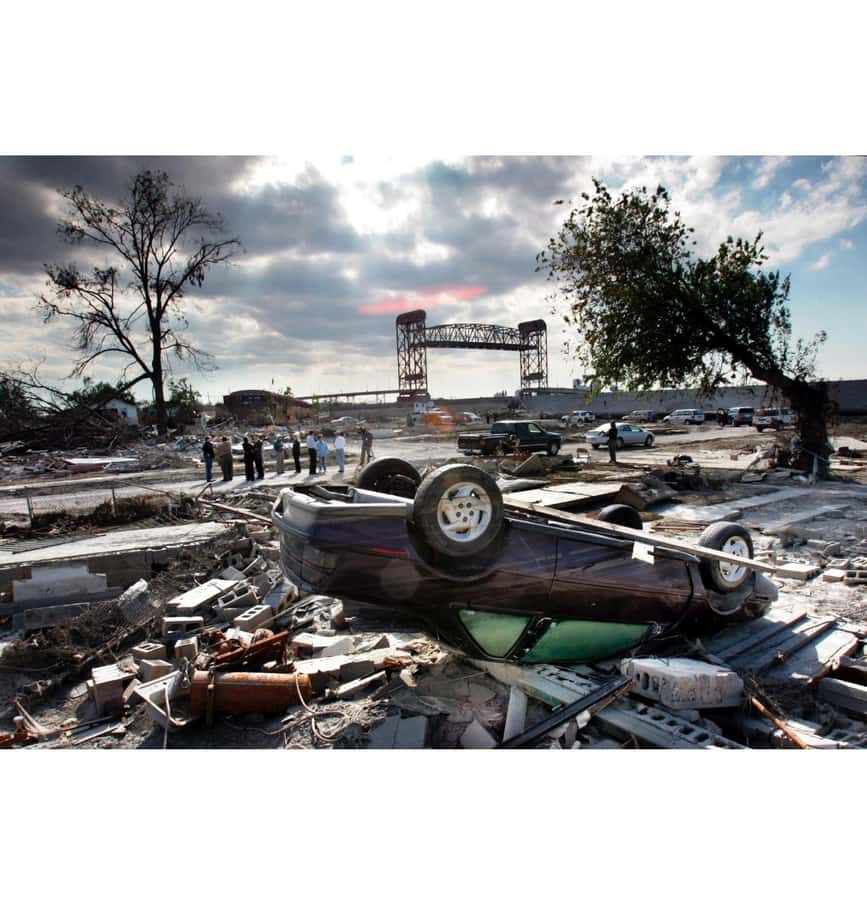
New Orleans is easy to enjoy at street level. Music, food, parades, and old neighborhoods often fill a visit. Yet Katrina remains central to understanding the city, especially in the Lower Ninth Ward, where floodwaters submerged much of the neighborhood after the levees failed.
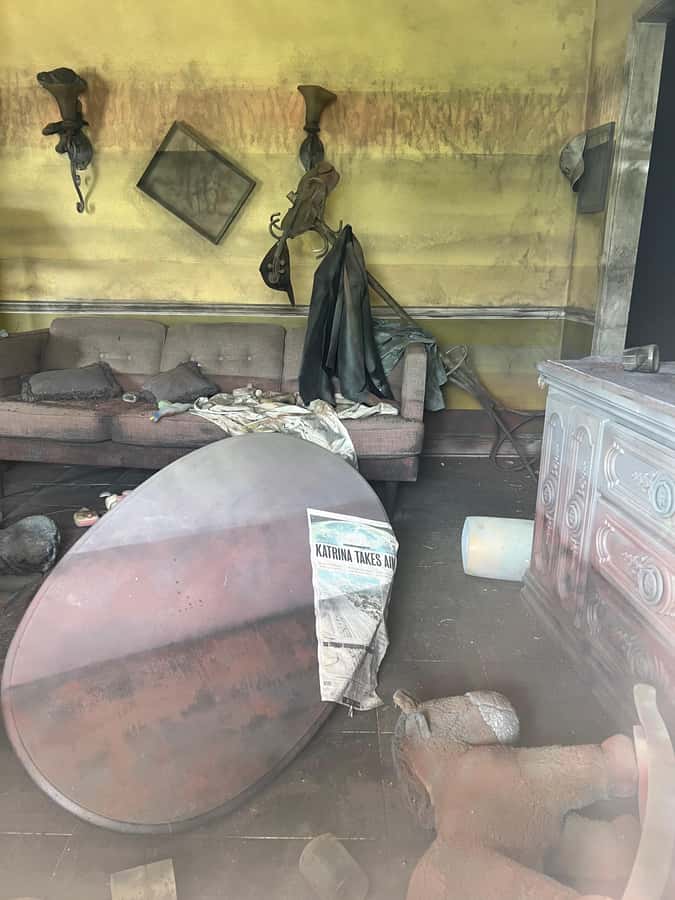
This tour helps you connect the disaster to actual places. Instead of hearing only a timeline of the storm, you see levee locations, damaged areas, vacant lots, surviving structures, and rebuilding projects. That physical setting matters. It makes clear that the crisis did not end when the water went down.
Hollis adds a local voice that gives the tour its strongest quality. He explains what the neighborhoods were like before Katrina, how families and communities were affected, and how the area changed afterward. His role is not simply to point out sites from inside a van. He answers questions, adds context, and brings the story back to people.
I especially value that balance. A disaster tour can become a list of statistics, or it can become overly emotional without enough facts. Here, the experience aims to do both: explain the failures and recovery while showing how the storm affected ordinary residents.
More history tours in New Orleans:
- New Orleans Garden District History Walking Tour
★ 5.0 · 2,879 reviews - French Quarter Historical Sights and Stories Walking Tour
★ 5.0 · 2,724 reviews - New Orleans Small-Group Haunted History Carriage Tour
★ 4.5 · 2,289 reviews
Starting with a local guide and a small van
The tour lasts about one hour and uses a van or small bus. The group is limited to seven participants, a useful advantage in a neighborhood where a large coach would feel awkward and would make conversation harder.
Hollis is the guide most closely associated with this experience. His connection to New Orleans gives the drive a strong sense of place. He can explain the difference between the Upper and Lower Ninth Wards, describe the communities before Katrina, and connect broad events to specific blocks and homes.
The small size also gives the tour some room to breathe. On some outings, the group has been able to get out, walk around selected areas, touch a levee, take photographs, and ask follow-up questions. Those stops are subject to local conditions, so you should not treat every pause as guaranteed. Still, the format allows more flexibility than a large group tour.
One practical warning: the meeting location is not presented as a fixed point until you confirm it. Call the operator the day before. A past pickup point involved a restaurant with front and back entrances, which caused some confusion. Give yourself time, check the building carefully, and make sure you know where the van will arrive.
Seeing the levee breach locations
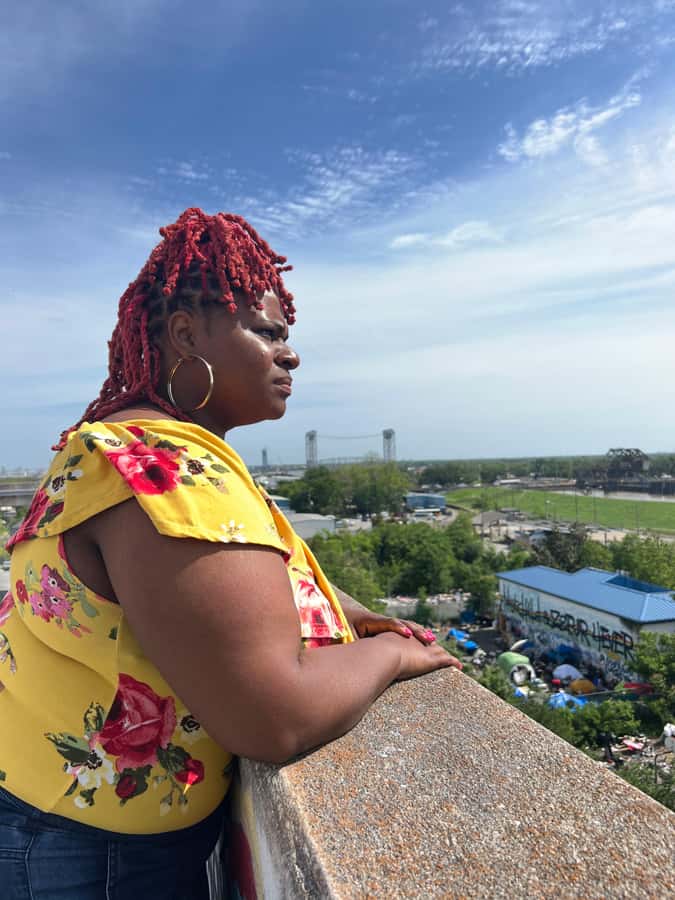
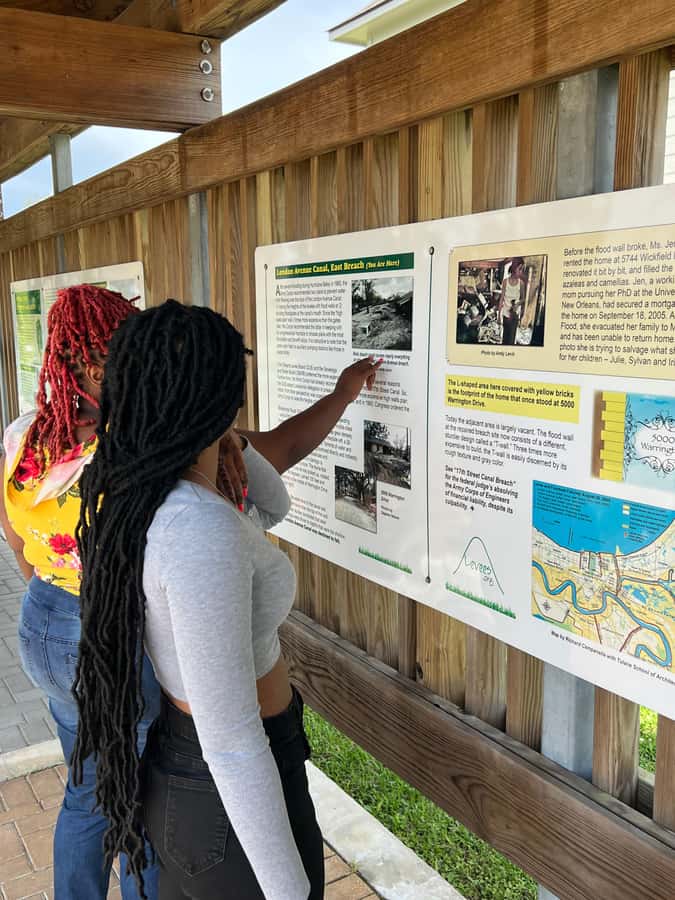
The levees are among the most important stops because they show where the disaster became a neighborhood-wide catastrophe. The tour visits areas connected with major breaches along the Mississippi River and Lake Pontchartrain.
You will not just hear that water entered the Ninth Ward. You will see the places tied to the flood and learn how high the water reached around homes. Hollis also points out properties where only the foundations remain, a stark reminder of what was lost.
This part may be difficult. Empty lots can look ordinary if you do not know what stood there before Katrina. That is why the guide’s explanation matters. He helps you picture the homes, streets, and community life that once filled the area.
The tour does not turn the damage into a spectacle. Its value comes from the chance to pause and think about the long period after the storm, when residents had to decide if they could return, rebuild, or start over elsewhere. You get a clearer idea of why recovery in New Orleans has been uneven and why some blocks still show far more visible change than others.
The Hurricane Katrina Memorial at Old St. Claude Hospital
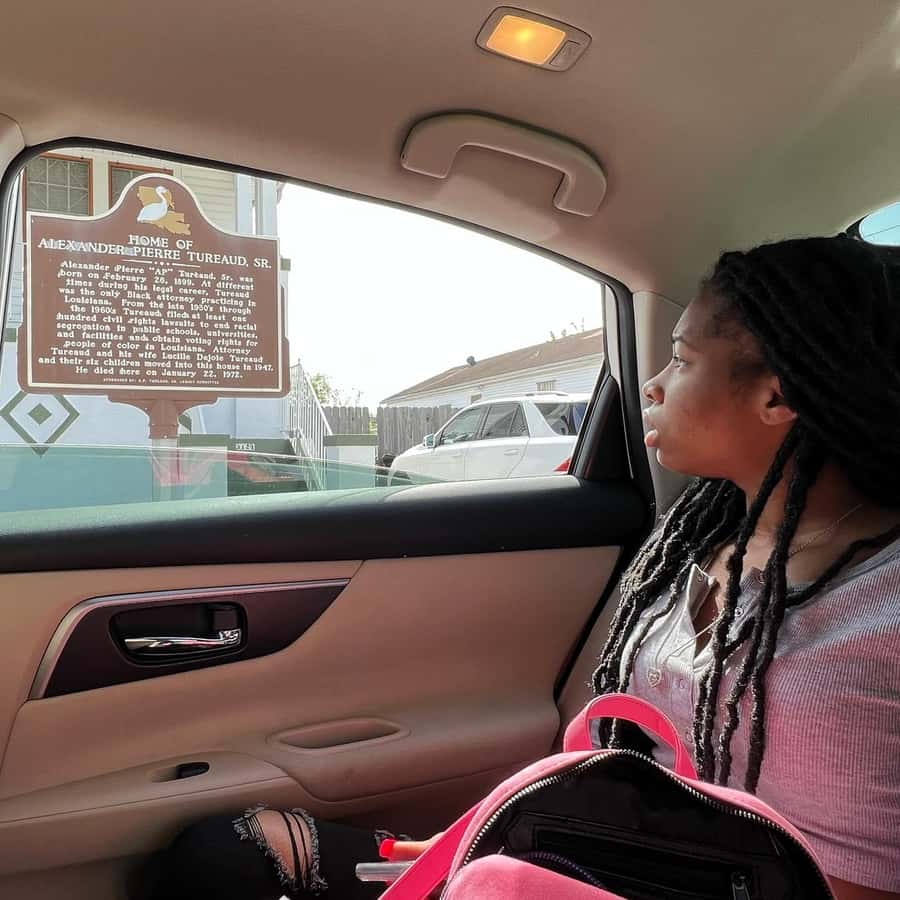
The Hurricane Katrina Memorial is located at the old St. Claude Hospital in the Ninth Ward. It provides a focused place to reflect on the lives affected by the storm and the flood.
This stop is likely to feel quieter than the levee sites or rebuilding projects. You can pay your respects and consider the human cost behind the physical damage. The memorial also gives the tour a clear center. Katrina was not only about failed infrastructure or destroyed houses. It was about families, neighbors, and people whose lives changed permanently.
Because the tour is only an hour, do not expect a long museum-style visit at each location. The memorial works best as part of the larger route, with Hollis’s narration supplying context as you move through the Ninth Ward.
Specific stops can change because of weather, construction, or local events. If the memorial is not accessible on your departure date, the operator may substitute another location. That flexibility is worth keeping in mind when you book.
A completely different side of New Orleans:
- New Orleans Premier Ghost, Voodoo and Vampire Walking Tour
★ 4.5 · 12,856 reviews - New Orleans Steamboat Natchez Jazz Cruise with Dinner Option
★ 4.0 · 7,533 reviews - Adults-Only New Orleans Ghost, Crime, Voodoo, and Vampire Tour
★ 5.0 · 6,545 reviews - New Orleans Food Walking Tour of the French Quarter with Small-Group Option
★ 5.0 · 6,118 reviews
Musicians’ Village and the effort to rebuild
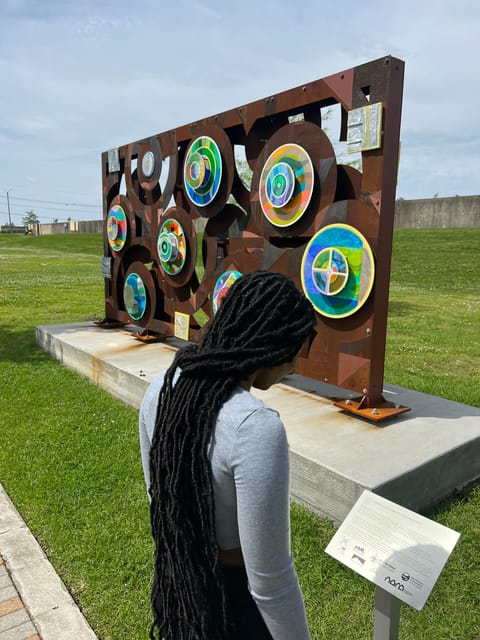
The recovery story is not limited to loss. The tour also visits projects created to support New Orleans residents and preserve the city’s musical culture.
Musicians’ Village is especially meaningful because music is tied so closely to New Orleans identity. The project represents an effort to provide housing and support for local musicians and other community members after Katrina. Seeing it after the damaged areas adds an important contrast: the route moves from what was destroyed to what people tried to create again.
The Make It Right homes offer another view of rebuilding. These homes were part of an effort to replace housing in the Lower Ninth Ward with new residences. The project is useful to see because it raises practical questions about design, ownership, long-term maintenance, and who benefits from rebuilding programs.
You should not expect the tour to present recovery as a finished success story. The visible rebuilding sits beside empty lots and older damage. That contrast is part of the lesson. New construction can signal hope, but it does not automatically restore a neighborhood’s former population, businesses, social networks, or sense of security.
Fats Domino’s home and the culture of New Orleans
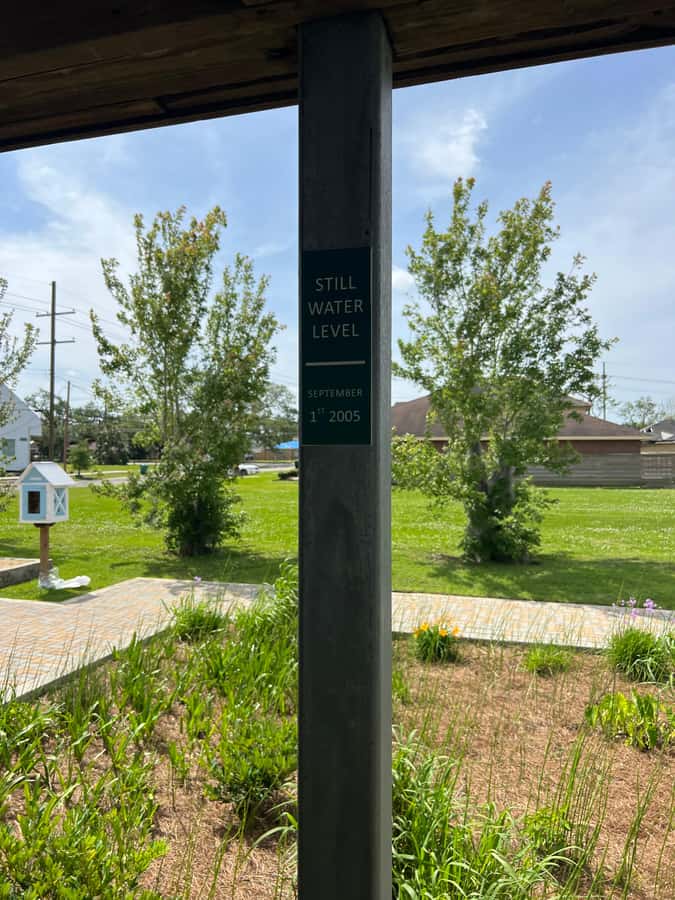
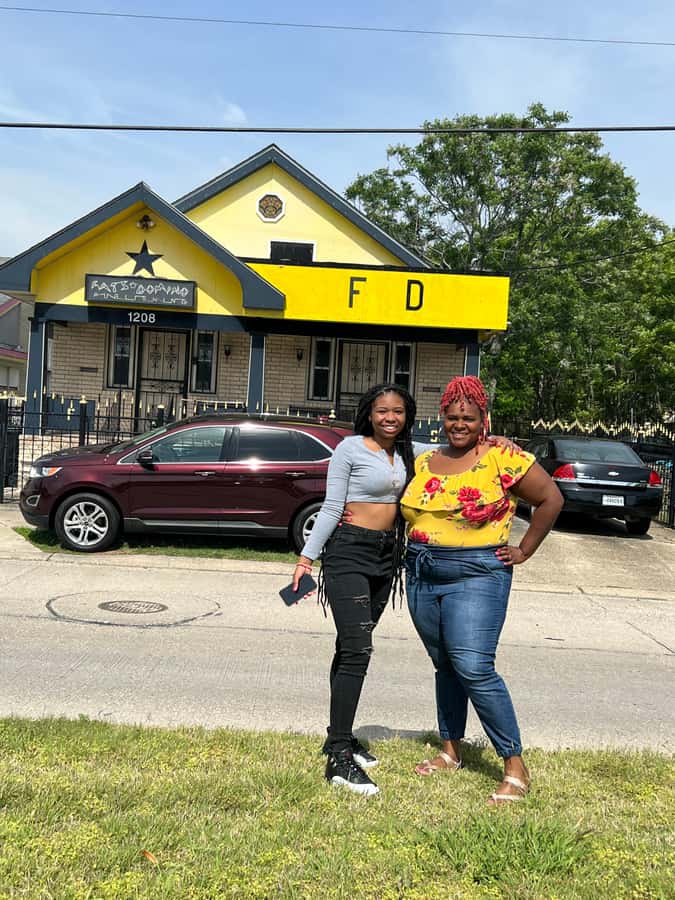
The stop at Fats Domino’s home connects the Ninth Ward to the city’s musical heritage. Domino was one of New Orleans’ most important musicians, and his home serves as a reminder that this area was not defined by disaster before Katrina.
That detail is easy to miss if you see the Ninth Ward only through the lens of the storm. The neighborhood had its own families, artists, traditions, and cultural importance. A stop connected to Fats Domino helps place the area within the wider story of New Orleans music.
It also keeps the tour from becoming one-note. You learn about the hurricane, but you also see the community that existed before it and the cultural identity that remains. I appreciate that kind of framing. It treats the Ninth Ward as a real neighborhood, not simply a place where something terrible happened.
The stop is viewed from the route, so do not expect an interior visit. Its value is in the guide’s explanation and the connection to the city’s musical past.
What makes Hollis’s guiding style effective
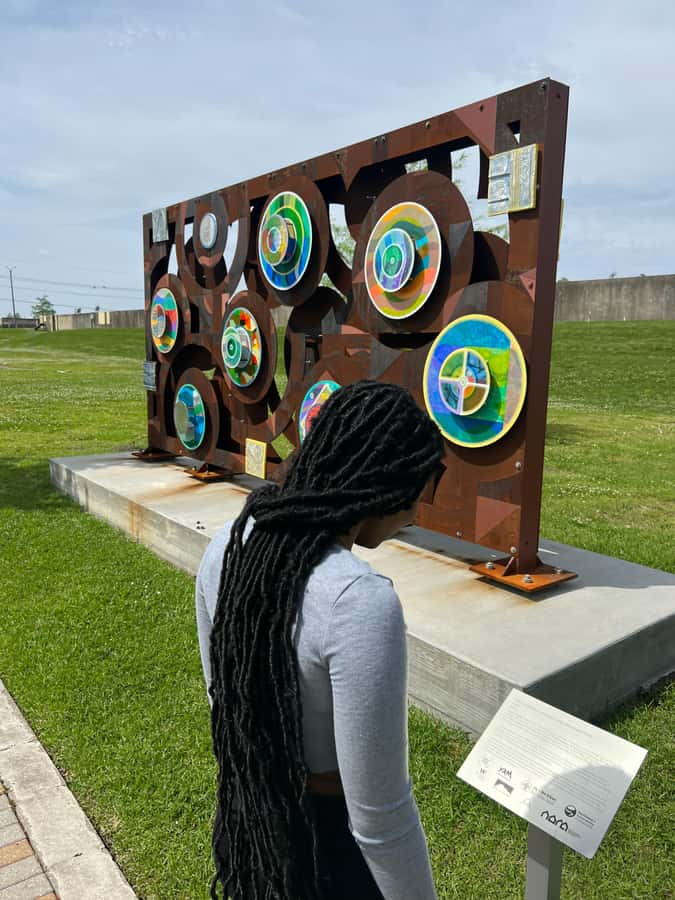
Hollis’s strongest quality is his ability to connect personal experience with public history. He can explain what Katrina did to the city while also describing what life was like before the storm and how the area looks now.
That combination gives you a more complete picture. Official accounts can tell you when the levees failed and how much damage occurred. A local guide can explain what those facts meant for a neighborhood, a family, or a block where homes once stood.
The small group supports that style. You can ask about the flood, the rebuilding projects, local culture, or the difference between the Upper and Lower Ninth Wards. The atmosphere is more like a conversation than a formal lecture, though the one-hour limit means the guide must keep the route moving.
Hollis also gives useful New Orleans recommendations beyond the tour. He has pointed people toward Rampart Street for B Sweet King Cake and the Mardi Gras museum, where one of his costumes as King of the Mardi Gras can be seen. These recommendations are not the main reason to book, but they show how the experience can connect with a wider visit to the city.
The one-hour format: useful, but not leisurely
At $25 per person, the tour is priced well for a short, guide-led experience. You are paying for local interpretation, transportation through several affected areas, and access to a small group rather than a long list of included attractions.
The value is strongest if you want a clear introduction to Katrina’s impact without spending half a day away from the rest of New Orleans. You can fit it into a morning or afternoon and still have time for food, music, museums, or neighborhood walks.
The tradeoff is depth. One hour is enough to see key sites and hear the main story, but not enough to linger at every location. You may spend much of the time driving between areas, especially if traffic or local conditions affect the route.
I would book this as a focused introduction, not as a full-day study of Katrina or the Ninth Ward. If you want long walks, extensive time at a memorial, or a detailed architectural examination of rebuilding projects, this will feel brief. If you want a compact route with a strong local voice, the timing works well.
Free cancellation is available up to 24 hours before departure, and you can reserve now and pay later. Those policies help if your New Orleans schedule is still shifting.
Who should take this tour
I would recommend the tour to anyone who wants to understand New Orleans beyond its entertainment districts. It suits you especially well if you have already enjoyed the city’s food and music and want to learn about the forces that shaped modern New Orleans.
It is also a good choice for:
- People interested in American disaster history and public infrastructure
- Visitors who prefer local guides over large commercial groups
- Anyone who wants to see the Ninth Ward with context rather than on an unstructured drive
- Music fans curious about Fats Domino and Musicians’ Village
- Families and small groups who value questions and conversation
- Visitors with only an hour to spare
The subject matter is serious. You should come prepared to hear about loss, displacement, damaged homes, and the uneven pace of recovery. The tour is respectful, but it is not light sightseeing.
Practical tips for a better visit
Call the day before to confirm the meeting point. This is the most important planning step because the pickup location can be easy to misunderstand, particularly if it is connected to a building with more than one entrance.
Wear comfortable clothes and shoes in case your route includes a short walk or photo stop. The tour is vehicle-based, but some outings allow participants to get out and examine parts of the area more closely.
Bring questions. Hollis’s local background is one of the main reasons to choose this experience, and the small group makes questions more practical than on a large coach. Ask about the neighborhood before Katrina, the levee breaches, the rebuilding projects, or the difference between the city’s Upper and Lower Ninth Wards.
Keep your schedule flexible. The route can change because of weather, construction, or local events, and specific stops may be replaced. That is not necessarily a flaw. It allows the operator to avoid unsafe or inaccessible areas, but it means you should book for the overall story rather than one promised photo.
The tour is conducted in English. The activity ends back at the meeting point, so you can plan another activity afterward.
Should you book the Ninth Ward Hurricane Katrina tour?
Book it if you want a personal, grounded look at one of the most important chapters in New Orleans history. At $25, the price is reasonable, and the small group plus Hollis’s local connection gives the hour more weight than a basic drive-by sightseeing tour.
Skip it if you want a carefree city tour, a long museum visit, or a fixed route with every stop guaranteed. The subject is serious, the schedule is short, and the route can change.
For me, the best reason to go is the chance to see the Ninth Ward as both a place of profound loss and a community with culture, memory, and ongoing recovery. You will leave with more questions than you started with, which is exactly what a good history tour should do.
FAQ
How long does the Ninth Ward Hurricane Katrina tour last?
The tour lasts one hour. Starting times vary, so check availability when booking.
How much does the tour cost?
The price is $25 per person.
How large is the tour group?
The tour is limited to seven participants, making it a small-group experience.
Who leads the tour?
The tour is led in English by Hollis, a guide born and raised in New Orleans with personal ties to the affected neighborhoods.
Where does the tour meet?
You must call to confirm the meeting location the day before the tour. The activity ends back at the meeting point.
Can the route or stops change?
Yes. Weather, construction, and local events can change the route. Some historical sites may be replaced with alternative locations.
Just added around New Orleans
- New Orleans Garden District Tour★ 5.0 · 8 reviews
- New Orleans Seance Experience★ 4.0 · 8 reviews
- Airport and City Transfers in New Orleans★ 5.0 · 8 reviews
- Sin and Tonic Pub Crawl in New Orleans★ 4.5 · 8 reviews
- The New Orleans Darkness Tour★ 4.4 · 9 reviews
- New Orleans Plantation Tour with Transportation★ 5.0 · 9 reviews
- New Orleans Self-Guided Kayak Bayou Swamp Tour★ 5.0 · 9 reviews
- Historic Carrollton Neighborhood Walking Tour★ 5.0 · 9 reviews
Historical Tours, compared.
New Orleans Garden District History Walking Tour
Read our review →
French Quarter Historical Sights and Stories Walking Tour
Read our review →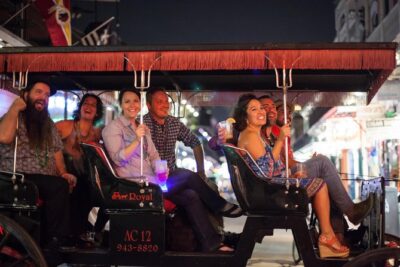
New Orleans Small-Group Haunted History Carriage Tour
Read our review →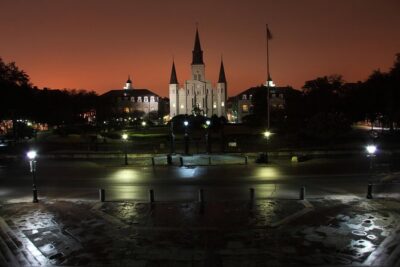
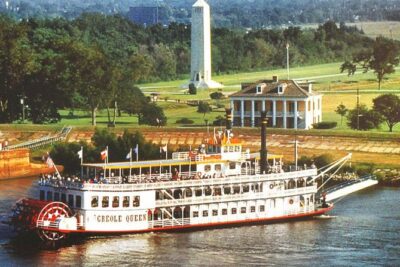
Paddlewheeler Creole Queen Historic Mississippi River Cruise
Read our review →
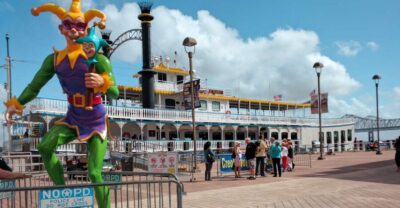
Creole Queen History Cruise with Optional Lunch
Read our review →
Browse the lists this tour appears in