
Reviewed · HISTORICAL TOURS
Historic Carrollton Neighborhood Walking Tour
Carrollton is where New Orleans’ past gets pleasantly specific. On this two-hour neighborhood walk, you move from a tiny park and an old memorial trough to stories about railways, lumberyards, brickyards, dairies, butchers, riverboat captains, and a house that bananas built. It is a close look at a part of the city many visitors skip.
I like the tour for two clear reasons: Emily’s local connection gives the storytelling a personal feel, and the route shows how architecture, business, race, transportation, and the Mississippi River shaped one neighborhood. The main drawback is that it is a walking tour in a city known for heat and sudden rain, so you need suitable shoes and weather planning.
In This Review
- Key points about the Carrollton walk
- Why Carrollton makes a better walking subject than you might expect
- Starting near la Madeleine and Fischer Park
- Carrollton’s changing identity, from resort to city neighborhood
- Carrollton’s architecture, explained house by house
- The Black Pearl and the Civil War’s local meaning
- Riverboat captains, the World’s Fair, and the working river
- Emily’s storytelling style and the value of a small group
- What the $37 price buys you
- Meeting point, walking conditions, and weather planning
- Who will get the most from this tour
- Should you book the Historic Carrollton Neighborhood Walking Tour?
- FAQ
- How long is the Historic Carrollton Neighborhood Walking Tour?
- Where does the tour start?
- Where does the tour end?
- Who leads the tour?
- What language is the tour offered in?
- How much does the tour cost?
- How large is the tour group?
- Can I cancel for a full refund?
Key points about the Carrollton walk
- A local guide named Emily connects Carrollton’s homes and streets with stories about the people who lived there.
- Fischer Park and a memorial trough introduce the neighborhood through details that are easy to miss on your own.
- Architectural variety is a major theme, with several styles and design elements explained along the route.
- Black Pearl history brings the Civil War and the experiences of free and enslaved people of color into the story.
- Oddly memorable details include a house that bananas built and traces of the World’s Fair.
- A small group of no more than 14 makes it easier to hear the guide and ask questions.
Why Carrollton makes a better walking subject than you might expect
Carrollton once served as a resort destination before becoming part of New Orleans proper. That change gives the neighborhood several layers, and the tour uses those layers instead of treating Carrollton as just a pleasant collection of old houses.
You will hear about transportation, work, commerce, race, and local personalities alongside architecture. That mix matters. A grand house tells you something, but a former lumberyard, dairy, brickyard, or butcher shop tells you how people earned a living and how the neighborhood functioned.
I especially like that the experience focuses on a defined bend of the Mississippi River rather than trying to explain all of New Orleans at once. The result should feel more like reading one neighborhood closely. You see how larger events reached ordinary streets.
The route also helps correct a common mistake about New Orleans. The city’s story is not limited to the French Quarter, Mardi Gras, jazz clubs, and grand public buildings. Carrollton adds another chapter, with its own communities, businesses, houses, and connections to the river.
More history tours in New Orleans:
- New Orleans Garden District History Walking Tour
★ 5.0 · 2,879 reviews - French Quarter Historical Sights and Stories Walking Tour
★ 5.0 · 2,724 reviews - New Orleans Small-Group Haunted History Carriage Tour
★ 4.5 · 2,289 reviews
Starting near la Madeleine and Fischer Park
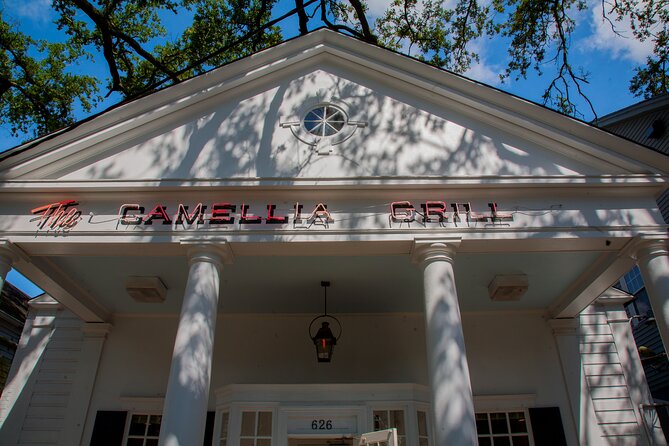
The walk begins at la Madeleine, at 601 South Carrollton Avenue. The restaurant serves as a practical landmark, but the historical focus quickly shifts to nearby Fischer Park, described as the cradle of Carrollton.
Fischer Park is tiny, which is part of its appeal. You are not being led to a famous monument with a long line around it. Instead, the guide uses a modest public space to explain how the neighborhood began and developed.
Then comes one of those details that makes a local walk memorable: a memorial trough. You read that correctly. It is the sort of feature you could pass without a second glance, yet it becomes meaningful once you know why it is there.
This first hour sets the tone. Emily does not simply point at attractive buildings. She uses small physical clues to tell the story of a place. That approach rewards you for paying attention to street corners, modest structures, and features that are easy to overlook.
The stop is listed as lasting about one hour, although the tour remains a continuous walk through the neighborhood. Since admission is included and no separate ticket is required for Fischer Park or the memorial feature, your time goes toward interpretation rather than entering attractions.
Carrollton’s changing identity, from resort to city neighborhood
The second part of the walk moves into Uptown and Carrollton, where the history becomes more layered. Carrollton was once a resort destination, and the tour explains how that earlier role shaped the area before its connection with New Orleans grew stronger.
Railways and lumberyards are part of this story. These subjects may sound less glamorous than mansions, but they give you a better sense of why the neighborhood grew and how goods and people moved through it.
I find this practical history valuable because it keeps the tour from becoming a parade of architectural labels. A house style matters, but so does the railroad that helped connect a district, or the lumberyard that supplied building materials. You get a clearer picture of Carrollton as a working community, not only a residential one.
The route also explores the brickyards, dairies, and butcher businesses near this bend in the Mississippi River. Those industries point to the daily needs of a growing city. They also show why the river mattered beyond scenery. It was part of the local economy and the reason certain trades developed nearby.
The tour does not present the neighborhood as frozen in time. Instead, you learn how different eras left marks on the same streets. That is the kind of context I want from a city walk.
Carrollton’s architecture, explained house by house
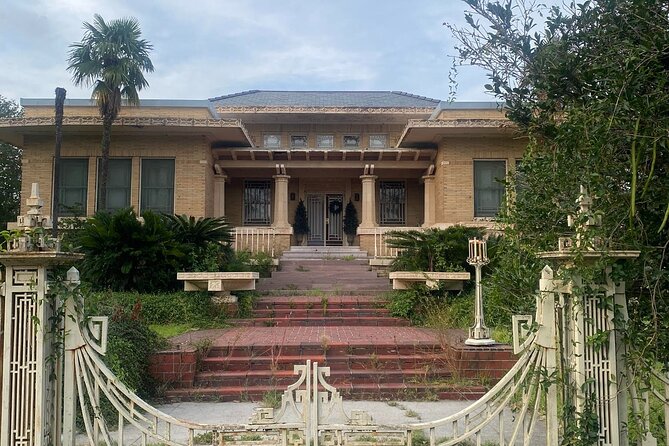
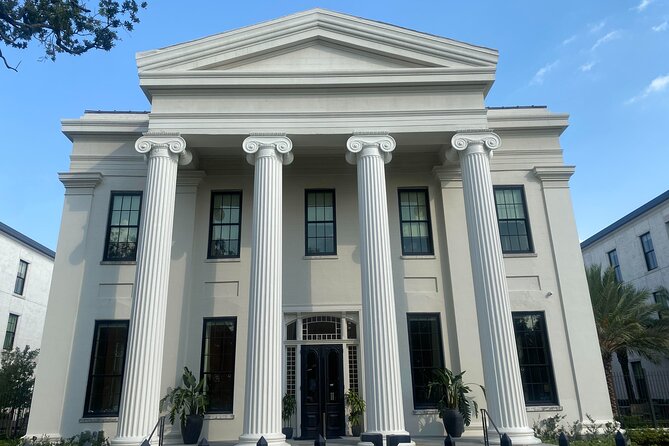
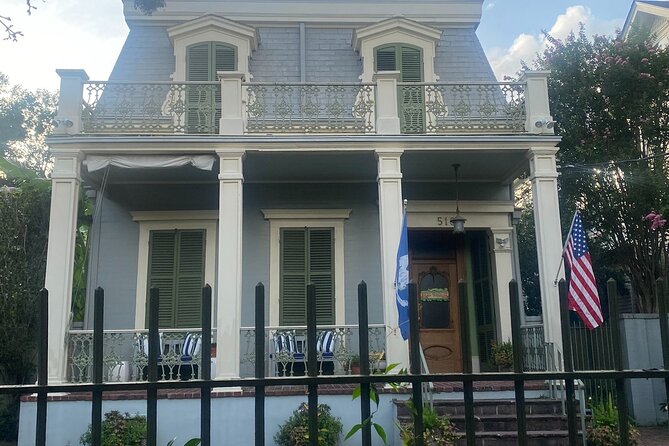
Carrollton is described as New Orleans’ most architecturally diverse neighborhood, and the walk spends real time explaining that variety. You will see different home styles and hear about the design elements that distinguish them.
The value here is not simply counting architectural categories. Emily links buildings to the people and communities connected with them. The stories include Germans, Cajuns, and free and enslaved people of color, giving the houses a social setting instead of treating them as isolated objects.
Several people who took the walk had lived in Carrollton and still learned new facts about homes close to where they lived. That tells you something important about the guide’s approach. This is not only a tour for first-time visitors. It can also reward locals who know the streets but have never learned why certain buildings look the way they do.
You should expect to stop often enough to look carefully at homes and properties. The supplied tour details do not promise entry into private buildings, so think of this as an exterior architecture and history walk. Its strength is the explanation of what you see from the street.
One unusual highlight is a house that bananas built. The phrase alone is likely to stick with you, but the larger point is that Carrollton’s built history includes commercial stories as well as elegant residences. A detail like this gives the walk a little humor and keeps the architecture from becoming too formal.
More walking tours in New Orleans:
- New Orleans Premier Ghost, Voodoo and Vampire Walking Tour
★ 4.5 · 12,856 reviews - New Orleans Food Walking Tour of the French Quarter with Small-Group Option
★ 5.0 · 6,118 reviews - St. Louis Cemetery No. 1 Official Walking Tour
★ 4.5 · 3,941 reviews - New Orleans French Quarter, Voodoo and Culture Walking Tour
★ 4.5 · 2,961 reviews
The Black Pearl and the Civil War’s local meaning
The tour examines the relationship between the Civil War and the Black Pearl neighborhood. That subject adds needed weight to the walk.
New Orleans history can be flattened into a few familiar images. Carrollton offers a chance to see how national conflict affected a specific local community. The reference to free and enslaved people of color also makes clear that the neighborhood’s past cannot be told only through the families who owned large houses or held public influence.
This part of the experience should appeal to you if you want more than decorative architecture. The tour places homes and streets within the stories of the people who lived and worked there, including communities often left out of polished city narratives.
The available details do not specify every site or event connected with the Black Pearl section, so I would not book expecting a full military history of the Civil War. Instead, expect a neighborhood-focused explanation of how the conflict relates to Carrollton and its people.
That scale is a strength. You are not asked to absorb a textbook’s worth of dates. You are shown how a major national event touches a particular part of New Orleans.
Riverboat captains, the World’s Fair, and the working river
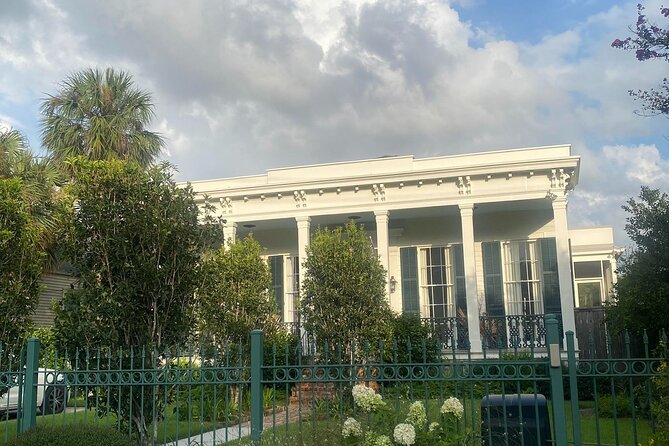
Carrollton’s position near the Mississippi gives the tour another strong thread. The guide shares stories about heroic riverboat captains and the homes associated with them.
These stories connect domestic architecture with the river economy. A house is not just a house when its occupants had a role in river travel. The neighborhood’s buildings become evidence of the people and industries that helped New Orleans grow.
You will also see vestiges of the World’s Fair. The tour description does not specify the exact display or structure, so expect remnants and related evidence rather than a large fairground attraction. Still, that reference widens the time frame of the walk. Carrollton is not only about its earliest days or the Civil War. It also carries traces of a later era of public spectacle and civic ambition.
I like this range. In two hours, the walk connects early Carrollton, working businesses, war-era communities, river commerce, and the World’s Fair. It gives you several ways to understand the neighborhood without pretending that one theme explains everything.
Emily’s storytelling style and the value of a small group
Emily is identified as a Carrollton native, historian, and local storyteller. Her role is central to the experience. The strongest praise focuses on her ability to connect facts with humorous and personal stories, and to link the past with the present.
That matters because neighborhood tours depend heavily on delivery. A list of dates and architectural terms would be easy to forget. A story about a former resident, an unusual property, or an everyday local habit can make the street easier to remember.
The group is limited to 14 people. That is a useful size for a walking tour. You should be able to hear explanations more easily than in a large crowd, and there is a better chance to ask about a particular home or historical point.
The tour is offered in English. A mobile ticket keeps the booking simple, and the confirmation arrives when you book. These are small practical points, but they help when you are arranging several activities in New Orleans.
There is also a clear limit to what a small neighborhood tour can do. It cannot cover every block, every architectural style, or every chapter of Carrollton’s past in two hours. A participant specifically wished for a second walk covering the lake side of Oak Street, which suggests that this route has a defined boundary rather than aiming to explain the entire area.
What the $37 price buys you
At $37 per person, the tour sits in a reasonable range for a guided two-hour city walk. You are paying for a licensed guide and a focused interpretation of a neighborhood, not for entry to a museum or a series of indoor attractions.
That distinction helps you judge the value. If you mainly want photographs of famous New Orleans sights, this is probably not the best use of your money. If you want context, local stories, and architectural explanation, the price is easier to justify.
I see the strongest value in the guide’s local knowledge and the unusual subject matter. You could walk along South Carrollton Avenue for free, but you would miss the connections between the park, memorial trough, homes, industries, Black Pearl history, riverboat captains, and World’s Fair remains.
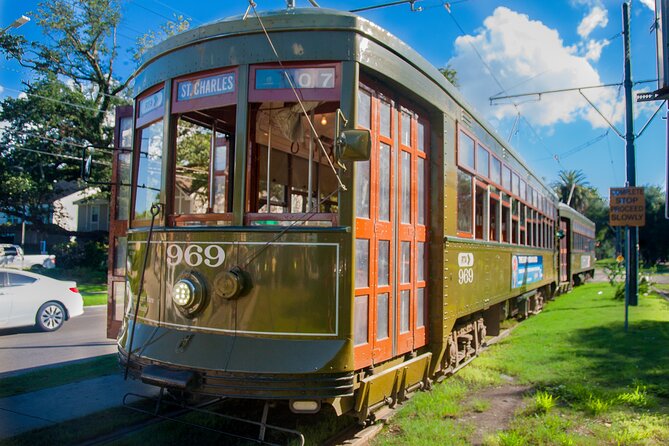
The experience is also useful early in a New Orleans visit. Since the walk ends at 818 South Carrollton Avenue, near Oak Street, the streetcar, shopping, and dining, you can continue exploring after the tour. You may want to plan lunch or a casual wander nearby, though the tour itself does not include food or transportation.
The walk is booked an average of 47 days ahead, so I would not leave it until the last moment if your schedule is fixed. That figure does not guarantee a sellout on your date, but it is a good reason to reserve ahead.
Meeting point, walking conditions, and weather planning
You meet at la Madeleine, 601 South Carrollton Avenue, New Orleans, Louisiana 70118. The end point is 818 South Carrollton Avenue, a location central to shopping and dining options. Oak Street is nearby, and the streetcar passes through the area.
The tour lasts about two hours and requires walking outdoors. Wear shoes you can use comfortably for that length of time, and consider the weather before you set out. The experience requires good weather, so poor conditions can lead to a different date or a full refund.
Most people can take part, and service animals are allowed. Public transportation is nearby, which makes the starting point easier to reach without arranging a car. The provided details do not state the exact walking distance, rest stops, or restroom access, so you should ask the operator if any of those points matter to you.
You can cancel for a full refund up to 24 hours before the start time. Cancellations or changes within 24 hours are not refunded or accepted. The cut-off uses New Orleans local time.
Who will get the most from this tour
I would choose this walk if you have already seen the main tourist areas, or if you want a quieter, more residential side of New Orleans from the start. It suits anyone drawn to architecture, local history, social history, and the way commerce shapes neighborhoods.
It is also a good choice for New Orleans residents and repeat visitors. The stories are specific enough to change how you see familiar streets. Several longtime residents found details they had never noticed, including information about homes near where they had lived.
The tour may be less suitable if you want a fast overview of the whole city, a food-focused outing, or guaranteed indoor shelter. It is also not the right pick if you dislike stopping frequently to listen to stories about individual homes and former residents.
Families and mixed-age groups may appreciate the variety of subjects. A memorial trough, a banana-related house, riverboat captains, and World’s Fair traces offer more variety than a purely formal architecture tour. Still, children need to be comfortable walking and listening for roughly two hours.
Should you book the Historic Carrollton Neighborhood Walking Tour?
Book it if you want specific New Orleans stories beyond the French Quarter, especially stories about architecture, race, work, transportation, and the Mississippi River. Emily’s local connection and the small group size make this more personal than a broad city overview.
Skip it if your priority is major landmarks, indoor attractions, or a short activity with little walking. For the right audience, $37 buys a thoughtful look at Carrollton that you would be unlikely to assemble on your own. Reserve ahead, meet near la Madeleine, check the weather, and leave time afterward for Oak Street’s nearby shops and restaurants.
FAQ
How long is the Historic Carrollton Neighborhood Walking Tour?
The tour lasts approximately two hours, with about one hour focused near la Madeleine and Fischer Park and another hour covering Uptown and Carrollton.
Where does the tour start?
The meeting point is la Madeleine at 601 South Carrollton Avenue, New Orleans, Louisiana 70118.
Where does the tour end?
The tour ends at 818 South Carrollton Avenue, New Orleans, Louisiana 70118, near shopping, dining, Oak Street, and the streetcar.
Who leads the tour?
The tour is led by Emily, a Carrollton native, historian, and local storyteller.
What language is the tour offered in?
The tour is offered in English.
How much does the tour cost?
The price is $37 per person.
How large is the tour group?
The experience allows a maximum of 14 participants.
Can I cancel for a full refund?
Yes. You can cancel at least 24 hours before the start time for a full refund. Cancellations or changes made within 24 hours are not refunded or accepted. If poor weather causes the tour to be canceled, you will be offered another date or a full refund.
Just added around New Orleans
- New Orleans Garden District Tour★ 5.0 · 8 reviews
- New Orleans Seance Experience★ 4.0 · 8 reviews
- Airport and City Transfers in New Orleans★ 5.0 · 8 reviews
- Sin and Tonic Pub Crawl in New Orleans★ 4.5 · 8 reviews
- New Orleans Self-Guided Kayak Bayou Swamp Tour★ 5.0 · 9 reviews
- The New Orleans Darkness Tour★ 4.4 · 9 reviews
- New Orleans Plantation Tour with Transportation★ 5.0 · 9 reviews
- New Orleans Premium Six-Passenger Airboat Adventure★ 5.0 · 9 reviews
Historical Tours, compared.
New Orleans Garden District History Walking Tour
Read our review →
French Quarter Historical Sights and Stories Walking Tour
Read our review →
New Orleans Small-Group Haunted History Carriage Tour
Read our review →
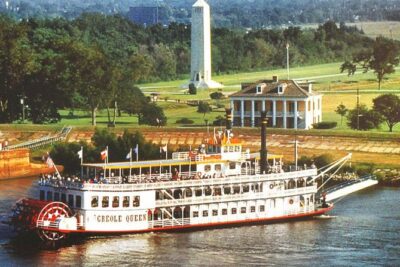
Paddlewheeler Creole Queen Historic Mississippi River Cruise
Read our review →
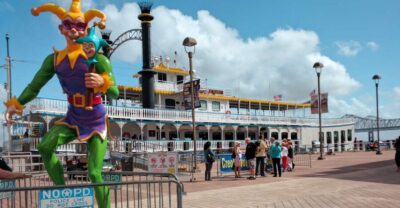
Creole Queen History Cruise with Optional Lunch
Read our review →
Browse the lists this tour appears in