
Reviewed · OAK ALLEY PLANTATION TOURS
Explore Oak Alley Plantation Guided Tour with Transportation
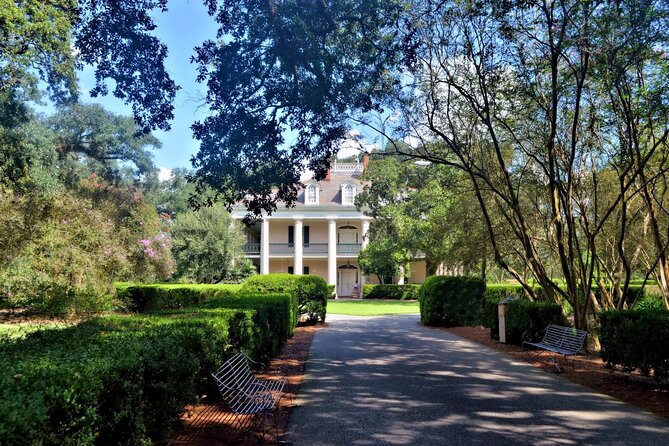
Oak Alley’s 28 ancient oak trees create the memorable first impression. Their branches form a long, shaded avenue to the Greek Revival plantation house, and the trees predate the home itself. Inside, polished floors and chandeliers recall the wealth of the sugar plantation, while the grounds and exhibits tell a harder, more complete story.
I like the convenience of hotel pickup and drop-off from New Orleans, and I like that the visit goes beyond pretty architecture. You’ll see the house, antique farm equipment, a slavery exhibit, a sugar cane presentation, and an old blacksmith shop. The main drawback is time: the ride can take about an hour each way, so the actual plantation visit may feel brief for some people.
In This Review
- Key points to know
- The Oak Avenue That Defines the Visit
- Inside the Greek Revival Plantation House
- The Slavery at Oak Alley Exhibit
- Sugar, Machinery, and the Work Behind the Estate
- What the New Orleans Drive Adds
- Is the $80 Price Fair?
- Walking, Weather, and What to Wear
- Who Will Enjoy Oak Alley Most?
- Should You Book This Plantation Tour?
- FAQ
- How long does the Oak Alley Plantation tour last?
- Is hotel pickup included?
- How far is Oak Alley Plantation from New Orleans?
- What is included in the $80 price?
- Are food and drinks included?
- How much walking is involved?
- Can I cancel for a full refund?
Key points to know
- 28 historic oak trees: Walk the famous avenue leading to the plantation house, with trees that were already established before the home was built.
- A serious look at slavery: The dedicated exhibit covers enslaved life, healthcare, punishment, and the years after Emancipation.
- A roughly 5.5-hour outing: Transportation takes a large share of the day, with the Mississippi River plantation site about an hour from New Orleans.
- Driver-guide included: The driver handles the route and adds commentary along the way. One highly praised guide was described as informative and funny, though no guide name is provided.
- Moderate walking in all weather: Wear suitable clothing and shoes, since the tour operates in rain or shine unless severe weather causes cancellation.
- Small group size: The vehicle holds no more than 26 people, giving the outing a more manageable feel than a large motorcoach tour.
The Oak Avenue That Defines the Visit

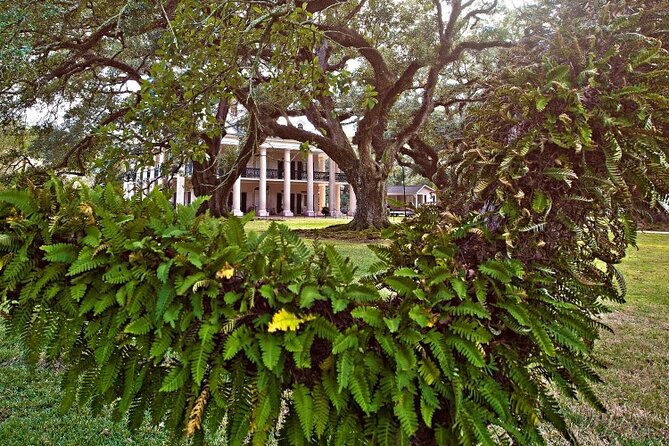
Oak Alley Plantation is named for the double row of 28 large oak trees that leads toward the main house. This is the setting most people picture when they think of the plantation, but the avenue matters for more than its good looks. The trees are older than the Greek Revival home, so they connect the present site with an earlier period of plantation life.
As you walk beneath the spreading branches, you get a clear sense of the property’s formal design. The house sits at the end of the avenue, framed by the trunks and foliage. It is an easy place to pause for photographs, but I would not rush through it. The approach helps you understand how architecture, agriculture, and social status were arranged on a large Southern plantation.
The Mississippi River is nearby, adding to the setting. The tour does not promise a long river excursion or a separate river cruise, so think of the water as part of the plantation’s location rather than a scheduled activity. The site’s appeal comes from the combination of the oak avenue, the house, and the exhibits spread across the grounds.
More ways to see Oak Alley:
- Swamp Boat Ride and Oak Alley Plantation Tour from New Orleans
★ 5.0 · 3,303 reviews - Oak Alley Plantation Tour with Transportation from New Orleans
★ 4.5 · 1,747 reviews - New Orleans: Bayou Swamp Tour and Oak Alley Plantation Tour
★ 4.7 · 1,147 reviews
Inside the Greek Revival Plantation House
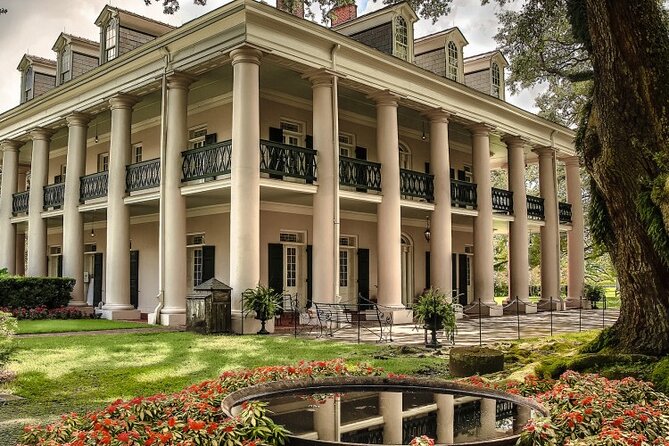
The main house was built in the 19th century for one of the wealthiest families in the South. Its interiors feature gleaming hardwood floors, chandeliers, and rooms designed to reflect the wealth of the sugar economy.
The guided house visit is a useful way to read the building. Rather than simply walking through attractive rooms, you can connect the house’s scale and decoration with the labor and money that supported it. The tour’s traditionally dressed guide adds a period flavor, though the exact guide varies and no individual guide names are supplied.
The mansion portion is not an all-day exploration. A reported schedule included roughly 30 minutes inside the house, followed by about 30 minutes for a self-guided visit to the slavery exhibit. That timing may vary, but it gives you a realistic idea of the pace: you will see the important areas, yet you should not expect unlimited time in every room.
I would pay close attention to the contrast between the formal rooms and the exhibits about the people who worked on the plantation. The polished house can be visually impressive, but it is only one part of the story. The visit is more worthwhile when you treat the architecture as evidence of a social and economic system, not as a romantic picture of the past.
The Slavery at Oak Alley Exhibit
The Slavery at Oak Alley exhibit is essential to the visit. It focuses on the people enslaved on the sugar plantation from about 1835 through the end of the Civil War.
The exhibit addresses daily life as well as difficult subjects such as healthcare and punishment. It also considers life after Emancipation, which helps keep the story from ending neatly in 1865. That wider time frame gives you a better sense of how emancipation changed legal status without instantly erasing hardship or uncertainty.
This portion is self-guided, so your experience depends partly on how much time you give it. If you are interested in the human story of the plantation, plan to slow down here. The grounds and mansion are easy to photograph, but this exhibit provides the context needed to understand who made plantation wealth possible.
The tour does not present Oak Alley only as a beautiful old home. That balance is one of its strongest features. You see the grandeur, then confront the system behind it. For many people, this will be the most important part of the afternoon.
Sugar, Machinery, and the Work Behind the Estate
Oak Alley’s sugar cane presentation explains how sugar affected the people connected with the plantation. The Sugar Cane Theater uses video and exhibits to show the role of sugar in the property’s story.
That focus is practical and helpful. Sugar was not just a crop in the background. It shaped the work, wealth, and hardships associated with Oak Alley. The theater gives you another way to understand the plantation beyond its rooms and trees.
You can also see antique farm machinery up close. These pieces make the agricultural work more concrete. They are not just decorative objects, since they show the equipment used in the production system that supported the estate.
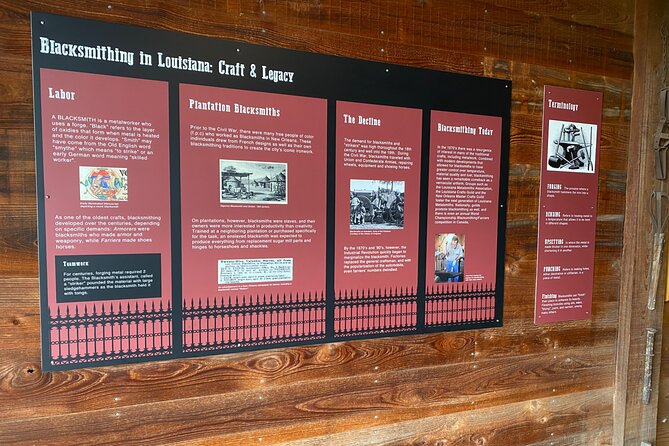
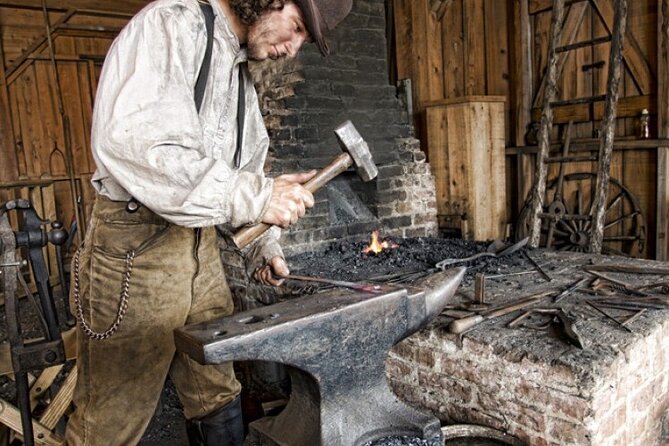
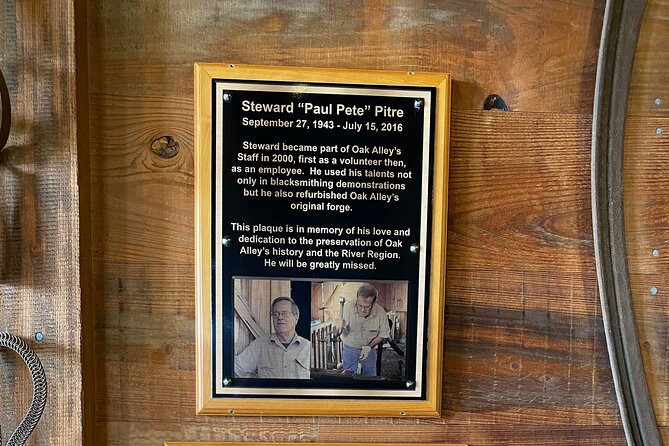
The Black Smith Shop House is another unusual stop. It is one of the few remaining 1890s-era forges of its type in Louisiana. The site adds a work-focused counterpoint to the mansion, reminding you that plantation life depended on skilled trades, repairs, tools, and constant physical labor.
Together, these stops broaden the visit. You are not limited to a house tour followed by photographs under the oaks. You see the agricultural machinery, hear about sugar, and visit a surviving forge. The visit still moves at a fairly brisk pace, but the range of subjects is better than the price might suggest.
More River Road plantation days:
- Whitney Plantation Tour with Transportation from New Orleans
★ 4.5 · 1,351 reviews - Laura Creole Plantation Guided Tour
★ 5.0 · 1,279 reviews - Airboat and Plantations Tour with Gourmet Lunch from New Orleans
★ 4.5 · 1,246 reviews - New Orleans: Oak Alley Plantation & Airboat Swamp Combo Tour
★ 4.7 · 906 reviews
What the New Orleans Drive Adds
The tour lasts about five hours and 30 minutes, and transportation is a major part of that total. The drive from New Orleans to Vacherie can take around an hour each way. That means you should reserve much of the day, not treat this as a quick morning stop.
The road time has two sides. It is convenient because you do not need to arrange a rental car, navigate unfamiliar roads, or find parking at the plantation. Your driver-guide takes care of the journey and may provide commentary along the way. One highly positive account praised the driver’s information and sense of humor, which can make the ride feel like part of the tour rather than dead time.
The other side is simple: if you dislike long transfers, Oak Alley may feel inefficient. One schedule described about two hours of driving, a 30-minute mansion tour, and 30 minutes at the slavery exhibit. Even if the exact timing changes, the basic point remains. You spend substantial time reaching the site, then must use the available visit time carefully.
Pickup details deserve attention. Provide your hotel information when booking, and check the confirmation messages for the exact pickup time. A pickup window was reported as 8:00 to 8:30 a.m., and a guest arrived in a rush after not noticing the timing. Do not wait until the morning of the tour to sort this out.
The maximum group size is 26 people. That is not a private tour, but it is smaller and easier to manage than a large sightseeing coach. The driver-guide format also keeps the experience fairly direct, with transportation and basic commentary handled together.
Is the $80 Price Fair?
At $80 per person, this tour is priced as a transportation-and-admission package rather than as a simple entry ticket. The fee includes hotel pickup, hotel drop-off, the driver-guide, and admission to Oak Alley Plantation.
I think the price makes sense if you are staying in New Orleans and want an organized way to visit a plantation without renting a car. The included transportation is the main value. You also avoid having to plan the route to Vacherie and coordinate admission on your own.
The value is less clear if you want a long, slow examination of the house and grounds. The drive takes about two hours round trip, and the scheduled plantation visit may be relatively short. If your priority is extensive time at one historic property, a self-arranged visit could give you more control, though the tour offers convenience that independent planning does not.
Food and drinks are not included. Oak Alley has a restaurant and souvenir shop, but you should budget separately for anything you buy there. Since the outing lasts most of the day, bring enough money for a meal or snack, and check the timing with your guide.
For a first visit to New Orleans that includes one major plantation site, $80 is reasonable. You are paying for the ride as much as the commentary and admission. I would call it a fair value for convenience, but not a bargain for anyone measuring value only by minutes spent at the house.
Walking, Weather, and What to Wear
A moderate amount of walking is involved. You will move through the plantation grounds, enter the main house, and visit several exhibit areas. The oak avenue and open-air portions can make the walk feel more exposed than the indoor mansion visit.
The tour operates in all weather conditions, so dress for the forecast. Comfortable shoes matter more than formal clothing. Light layers can help if the day changes from a cool ride to warm outdoor walking, though the tour information does not promise special weather protection.
Poor weather can affect operation. If the experience is canceled because of weather, you are offered another date or a full refund. The same applies if the minimum number of participants is not reached.
Most people can take part, but anyone who finds moderate walking difficult should think carefully about the pace and size of the grounds. No special accessibility details are provided, so contact the operator before booking if you need specific assistance.
Who Will Enjoy Oak Alley Most?
I would recommend this tour to you if you want a straightforward plantation visit from New Orleans and prefer someone else to handle the driving. It works well for first-time visitors who want the classic oak avenue, a formal historic house, and a serious introduction to slavery and sugar production in one outing.
It also suits people who like a guide’s commentary during transportation. A good driver can make the long road portion more useful, and the strongest praise for this experience centered on an informative, funny driver and an excellent plantation guide.
Families and mixed-interest groups may find the variety helpful. The oaks and house appeal to people interested in architecture and photographs, while the slavery exhibit, sugar theater, machinery, and forge give the visit more substance for history-minded visitors.
I would hesitate if you have only a short stay in New Orleans or dislike spending roughly two hours in transit. I would also hesitate if your main goal is to study every room, walk every part of the property, or linger at the exhibits. The tour gives you an organized overview, not unlimited time.
Should You Book This Plantation Tour?

Book it if you want easy transportation from New Orleans, a smallish group, and a visit that combines Oak Alley’s famous beauty with the realities of enslavement and sugar production. The oak-lined approach, Greek Revival house, slavery exhibit, and working-history displays give you more than a quick photo stop.
Skip it if the drive feels too long for the amount of time you expect at the plantation. Check your pickup instructions carefully, allow for moderate walking, and remember that lunch is extra.
For most first-time visitors who want to see Oak Alley without arranging a car, I think this is a solid choice. Its best moments come from the contrast between the grand avenue and house on one side, and the frank exhibits about enslaved people and plantation labor on the other.
FAQ
How long does the Oak Alley Plantation tour last?
The experience lasts approximately five hours and 30 minutes, including transportation from New Orleans and the plantation visit.
Is hotel pickup included?
Yes. Hotel pickup and drop-off in New Orleans are included. You need to provide your hotel pickup information when booking.
How far is Oak Alley Plantation from New Orleans?
The drive can take about one hour each way, so transportation accounts for a significant part of the outing.
What is included in the $80 price?
The price includes the driver-guide, hotel pickup and drop-off, and admission to Oak Alley Plantation.
Are food and drinks included?
No. Food and drinks are not included. Oak Alley has a restaurant and souvenir shop, but purchases there cost extra.
How much walking is involved?
A moderate amount of walking is involved around the plantation grounds and exhibits. The tour operates in all weather, so dress appropriately and wear comfortable shoes.
Can I cancel for a full refund?
Yes. You can cancel at least 24 hours before the experience starts for a full refund. Cancellations or changes made less than 24 hours in advance are not accepted for a refund.
Just added around New Orleans
- New Orleans: Whitney Plantation Audio Tour with Transfers★ 4.7 · 3 reviews
- New Orleans Instagram Photo Tour★ 4.5 · 3 reviews
- New Orleans: Voodoo, Storyville, and Treme Walking Tour★ 3.3 · 3 reviews
- Outdoor Escape Room in New Orleans – The French Quarter★ 5.0 · 3 reviews
- New Orleans: Private Custom Guided Walking Tour★ 4.0 · 3 reviews
- New Orleans: Voodoo History Guided Walking Tour★ 4.8 · 3 reviews
- Private New Orleans City and Cemetery Bus Tour Up to 24 People★ 5.0 · 3 reviews
- New Orleans: French Quarter Cocktail and Foodie Crawl Tour★ 5.0 · 3 reviews
Oak Alley Plantation Tours, compared.

Swamp Boat Ride and Oak Alley Plantation Tour from New Orleans
Read our review →
Oak Alley Plantation Tour with Transportation from New Orleans
Read our review →
Bayou Swamp Tour and Oak Alley Plantation Tour
Read our review →
Oak Alley Plantation & Airboat Swamp Combo Tour
Read our review →
Oak Alley Plantation and Large Airboat Swamp Tour from New Orleans
Read our review →


Oak Alley or Laura Plantation Tour from New Orleans
Read our review →Browse the lists this tour appears in