

Reviewed · HISTORICAL TOURS
Dark History Tour In New Orleans
New Orleans does not hide its darker past, and this two-hour walk brings that side of the French Quarter into focus. You move from St. Louis Cathedral to Jackson Square, with stories of suffering, crime, power, and survival that are not part of every standard city tour.
I like the small maximum group of 28, which gives the guide a fair chance to answer questions. I also like the serious approach: guides such as Jonathan Weiss and Doug tell difficult stories in a human way rather than turning every grim event into a cheap ghost-show stunt.
The main drawback is that the experience depends heavily on the guide and the group. Some visitors find the storytelling long-winded or too far off topic, while others praise the pace and detail. If you want a tightly scripted walk, this may feel loose.
In This Review
- Key points to know before you book
- A serious look at New Orleans after sunset
- Starting in Pirate’s Alley at 5:00 pm
- St. Louis Cathedral and the weight of old institutions
- Lafitte’s Blacksmith Shop Bar, a useful mid-tour pause
- Madame John’s Legacy and the French period
- The Spanish and American government center
- Jackson Square, beauty beside horror
- The guide makes or breaks the experience
- What the $30 price buys you
- Who should take this walk
- Weather, group size, and cancellation rules
- Should you book the Dark History Tour?
- FAQ
- How much does the Dark History Tour in New Orleans cost?
- How long does the tour last?
- What time does the tour begin?
- Where does the tour meet?
- Where does the tour end?
- Which locations are included?
- Is the tour offered in English?
- How large can the group be?
- Can I cancel for a refund?
Key points to know before you book
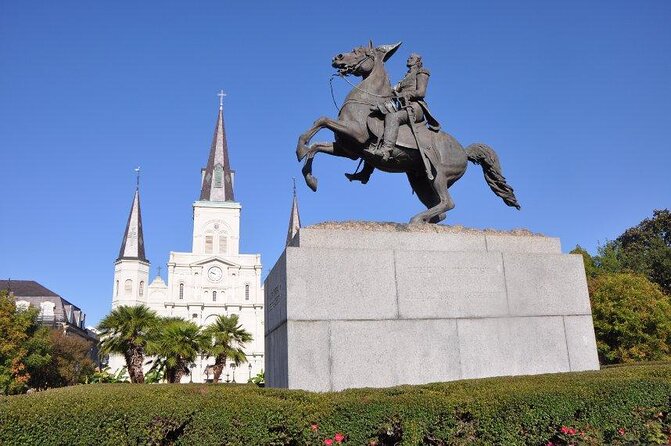
- The tour starts at 5:00 pm: You meet at Pirate’s Alley Cafe and finish near Ursulines and Chartres streets.
- The route stays in the French Quarter: You visit St. Louis Cathedral, Lafitte’s Blacksmith Shop Bar, Madame John’s Legacy, Jackson Square, and a former center of Spanish and American government.
- The stories are genuinely dark: Expect difficult subjects handled through local history, not just spooky sound effects and theatrical scares.
- Jonathan Weiss is closely tied to the experience: Other named guides include Doug and Jonathon, and the quality may vary with the person leading your walk.
- The group can reach 28 people: That is manageable, but you may still need to stand close and listen carefully on busy streets.
- The price is $30 per person: For two hours in one of America’s most story-filled historic districts, the value is solid if you enjoy detailed interpretation.
A serious look at New Orleans after sunset

The French Quarter is often sold through music, food, balconies, and bright nightlife. This walk asks you to look at the same streets differently. It focuses on the people who suffered there, the institutions that held power, and the events that gave certain buildings their uneasy reputations.
That focus gives the experience more weight than a basic stroll past pretty façades. You are not simply collecting photographs of old buildings. You are being asked to consider what happened inside and around them.
I especially like that the tour promises true stories that are not always included on other walks. That does not mean every stop will offer a shocking revelation. It means the guide has room to discuss less polished parts of the city, including violence, injustice, and the hard choices made by people living under harsh conditions.
The tone is important. A strong guide can make dark material thoughtful and human. Doug, Jonathan Weiss, and Jonathon have each been praised for bringing the past to life, explaining the city clearly, and answering questions. At the same time, one guide may spend more time on side comments or personal opinions than you expect.
More history tours in New Orleans:
- New Orleans Garden District History Walking Tour
★ 5.0 · 2,879 reviews - French Quarter Historical Sights and Stories Walking Tour
★ 5.0 · 2,724 reviews - New Orleans Small-Group Haunted History Carriage Tour
★ 4.5 · 2,289 reviews
Starting in Pirate’s Alley at 5:00 pm
The meeting point is Pirate’s Alley Cafe, at 622 Pirates Alley. This puts you right beside one of the French Quarter’s most atmospheric lanes and near the first major stop, St. Louis Cathedral.
The 5:00 pm start is useful for a few reasons. You avoid the hottest part of much of the day, and the changing light can give the old quarter a more fitting mood. You should still arrive ready to walk and listen from the start, since the experience is built around spoken storytelling rather than a series of indoor exhibits.
The tour uses a mobile ticket, and confirmation is provided at booking. The walk is offered in English. Since the route takes place on city streets, you should keep your phone available for the ticket but put it away once the storytelling begins.
You finish at 1035 Chartres Street, at the corner of Ursulines and Chartres. The starting and ending points are different, so I would not plan to leave a car at the starting point. The tour is near public transportation, which makes the end point practical for continuing through the French Quarter.
St. Louis Cathedral and the weight of old institutions
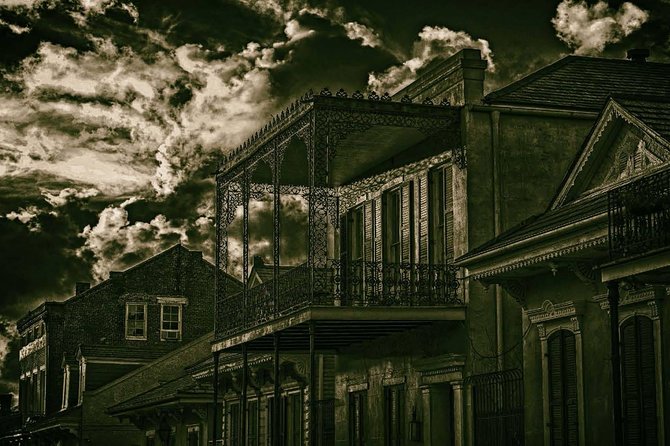
The first stop is St. Louis Cathedral, described as the oldest cathedral in the United States. You spend about eight minutes here, with no separate admission charge.
The cathedral gives the guide a strong opening because it represents more than religious architecture. It is tied to the long political and social story of New Orleans, a city shaped by French, Spanish, American, and Catholic influences. The building also sits beside Jackson Square, so the walk quickly moves from ceremony and authority to the darker events that took place in the same public center.
You should not expect an extended interior visit. The listed stop is brief, and the value comes from the guide’s explanation of the place and its role in the city. If you want to study the cathedral’s art or attend a service, set aside separate time before or after the walk.
This stop also shows why a good guide matters. A plaque can tell you dates and names. A skilled storyteller can connect the building to the people who lived under its authority and to the events that unfolded nearby.
Lafitte’s Blacksmith Shop Bar, a useful mid-tour pause
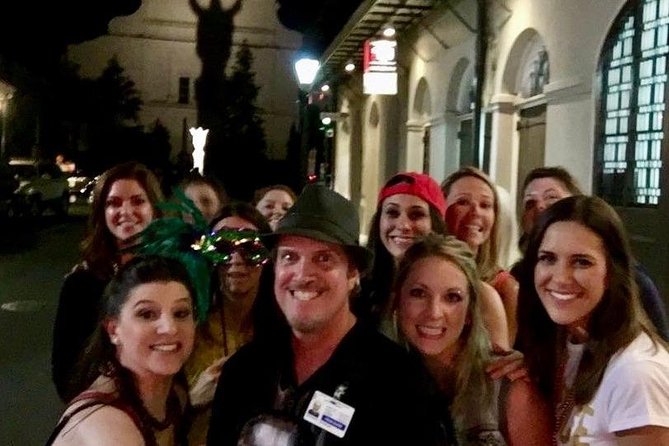
The walk continues to Lafitte’s Blacksmith Shop Bar, where you spend about ten minutes. No admission ticket is required as part of the tour, and the stop works as a natural break in the middle of the route.
It is described as the oldest tavern in the city, which gives the location plenty of historical appeal. The important practical point is that this is a stop at a bar, not a promise that a drink is included. If you want something, you should expect to purchase it separately.
I like this pause because two hours of outdoor listening can be tiring, especially in warm weather. Ten minutes gives you a chance to regroup while staying connected to the story. It also keeps the tour from becoming one long chain of standing points.
The tradeoff is that a bar can be noisy or crowded. If you have trouble hearing in busy rooms, stay close to the guide and do not assume the stop will feel quiet. The experience remains a walking tour, not a seated tasting or a bar crawl.
A completely different side of New Orleans:
- New Orleans Premier Ghost, Voodoo and Vampire Walking Tour
★ 4.5 · 12,856 reviews - New Orleans Steamboat Natchez Jazz Cruise with Dinner Option
★ 4.0 · 7,533 reviews - Adults-Only New Orleans Ghost, Crime, Voodoo, and Vampire Tour
★ 5.0 · 6,545 reviews - New Orleans Food Walking Tour of the French Quarter with Small-Group Option
★ 5.0 · 6,118 reviews
Madame John’s Legacy and the French period
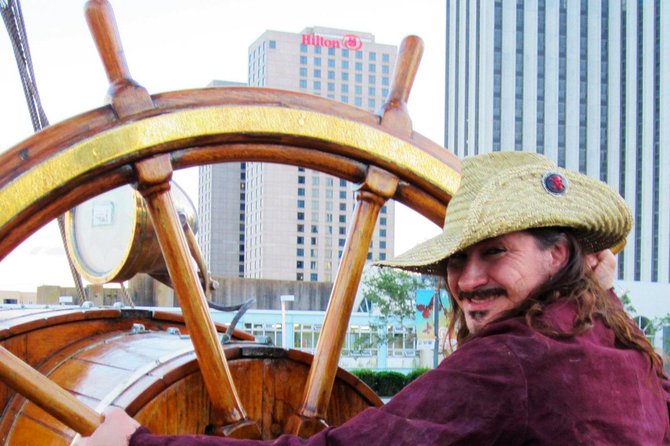
Madame John’s Legacy receives about ten minutes of attention. It is described as one of the only French buildings in the Quarter and the only residence from the French period.
That makes this stop valuable for understanding how much of the French Quarter’s appearance comes from later periods. New Orleans has French roots, but its buildings and institutions reflect several layers of rule and rebuilding. Madame John’s Legacy gives the guide a physical place to discuss that earlier period.
The stop also suits the tour’s darker theme because homes are often where large events become personal. Political change, social rules, family life, and hardship are easier to picture when connected to an actual residence rather than a broad date on a timeline.
Again, the scheduled time is short. You will likely hear an explanation from outside rather than receive a long architectural inspection. If old buildings interest you, listen for the details the guide chooses to emphasize, then return later for a slower look if the site allows it.
The Spanish and American government center
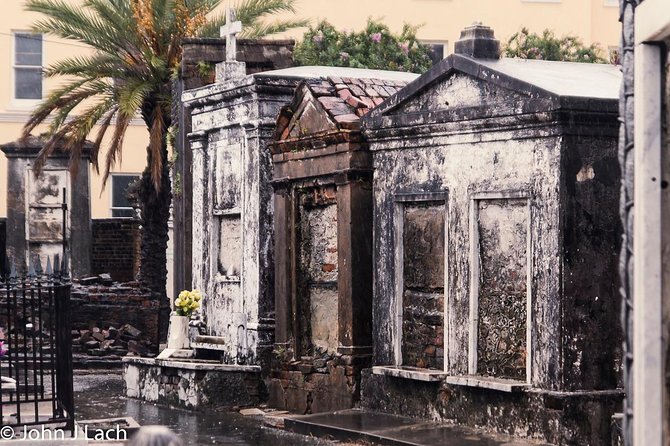
One itinerary point is identified as the city hall of the Spanish and Americans until the Civil War. It is not given a stop number or exact time, but it adds an important political layer to the route.
This section helps explain why New Orleans cannot be understood through French culture alone. Spanish administration and later American control shaped the city’s laws, public life, and conflicts. The period leading up to the Civil War also brings the tour into some of the most difficult questions in New Orleans history.
I appreciate this kind of stop because it connects personal stories to systems of power. A dark-history walk should not be only a collection of crimes and legends. It should help you see who made the rules, who benefited from them, and who paid the cost.
The loose timing may bother you if you want every part of the route mapped minute by minute. But it also leaves room for the guide to answer questions and follow a useful thread.
Jackson Square, beauty beside horror
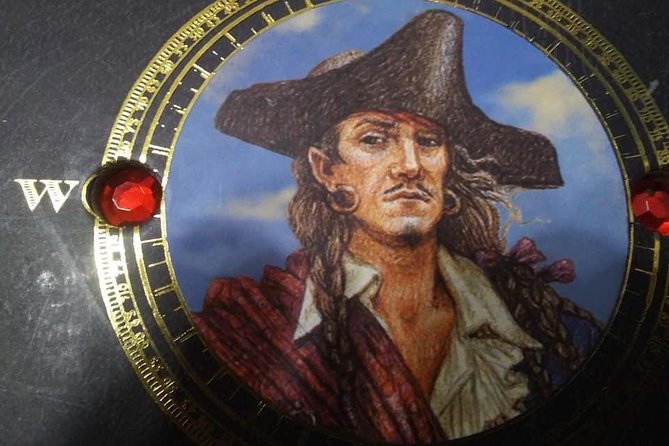
Jackson Square receives about eight minutes and serves as one of the most important stops on the walk. It is described as a lovely square designed by a woman and also as a place of absolute horror.
That contrast captures New Orleans well. The square is attractive and famous, yet public spaces often carry stories that are far less pleasant than their appearance suggests. Here, the guide can place beauty and brutality side by side without pretending they are separate parts of the city.
The reference to a woman designer adds a detail that many casual walks might skip. It reminds you that the city’s physical form was shaped by more than the best-known male leaders and officials. The darker material then broadens the picture by showing how public spaces could also become places of punishment, fear, or public spectacle.
Jackson Square may be the stop where the tour’s tone becomes clearest. If you want ghosts, dramatic delivery, and a few chills, you may enjoy the setting. If you prefer dark history treated with restraint, listen for how the guide handles real suffering.
The guide makes or breaks the experience
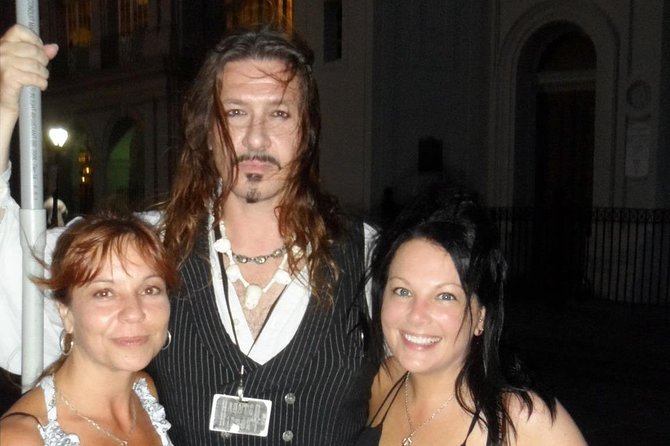
The strongest praise centers on the guides. Jonathan Weiss is described as personally invested in the history of his community, with family heritage tied to the area. Doug is praised for being friendly and for presenting difficult stories with compassion. Jonathon is praised for enthusiasm, pacing, and making the past feel immediate.
Those details matter because this is a talk-heavy walk. The buildings are important, but the guide’s voice determines how much you take away. You need someone who can explain the facts, keep the group together, and judge when a grim subject needs care rather than theatrics.
The company highlights guides who were licensed before Hurricane Katrina. That is a useful sign of long experience in the city, though it is not a guarantee that every guide will suit your style.
The feedback also shows a real weakness. One person found the guide rude and condescending, while another felt the storytelling wandered and became hard to follow. The provider’s replies to criticism are notably blunt. That does not tell you how your own walk will go, but it suggests a guide with strong opinions and little interest in softening them.
I would book this if you enjoy a guide who speaks plainly and welcomes questions. I would think twice if you dislike political opinions, side discussions, or a presentation that can feel more personal than polished.
What the $30 price buys you
At $30 per person, the tour is reasonably priced for a two-hour guided walk in the French Quarter. You are paying for the guide’s interpretation, local stories, and the chance to connect several historic sites in a single route.
The value is strongest for someone who has already seen the obvious French Quarter sights and wants a different angle. You are not paying for admissions, a meal, transportation, or a staged show. The attraction is the content and the person presenting it.
A small group of up to 28 helps the price feel fair. It is not a private walk, but it is far smaller than a large bus tour. Still, do not expect a silent, intimate setting at every stop. City streets and popular buildings can make listening difficult.
I would call the price good for history fans, first-time visitors who want context, and repeat visitors looking for stories beyond the usual highlights. It is less useful if you want a broad tour of the whole city or a tour built mainly around supernatural claims.
Who should take this walk
This experience fits you best if you:
- Enjoy difficult history presented through real places
- Want stories beyond the standard French Quarter highlights
- Like asking questions and listening to a guide with strong local opinions
- Can walk and stand outdoors for about two hours
- Prefer history and atmosphere over gimmicky theatrics
- Are comfortable with subjects involving suffering, violence, and injustice
Families may find the walk interesting, but the dark subject matter may not suit young children. The supplied information says most people can participate, and service animals are allowed. It does not promise a fully accessible route, so you should ask the provider directly if you need specific mobility information.
The tour is offered in English only. If you need another language, this is not the right choice.
Weather, group size, and cancellation rules
This experience requires good weather. If poor weather cancels the walk, you are offered another date or a full refund. A minimum number of participants is also required, and a cancellation for that reason brings the same choice of another date, another experience, or a full refund.
You can cancel for a full refund up to 24 hours before the start time. Cancellations or changes made less than 24 hours before the 5:00 pm start are not accepted for a refund.
I would wear comfortable shoes and arrive ready for an outdoor walk. The information does not list a specific dress code or equipment, so keep your planning simple and practical.
Should you book the Dark History Tour?
Book this tour if you want the French Quarter explained through its harder truths, and if you value a real storyteller over elaborate effects. The best version of the experience gives you fresh material, a clear sense of place, and a more human view of New Orleans.
Skip it if you want a fast, tightly timed walk or a purely cheerful introduction to the city. The guide may wander, the subject matter is serious, and the provider’s direct response to criticism suggests a personality-driven operation.
For $30 and about two hours, I think it is a worthwhile choice for curious history fans. Go in ready to listen closely, keep an open mind, and accept that the guide may have strong views. That is also the key risk: this is a distinctive local-history walk, not a polished, one-size-fits-all performance.
FAQ
How much does the Dark History Tour in New Orleans cost?
The tour costs $30 per person.
How long does the tour last?
The walking tour lasts approximately two hours.
What time does the tour begin?
The tour starts at 5:00 pm.
Where does the tour meet?
The meeting point is Pirate’s Alley Cafe, at 622 Pirates Alley, New Orleans, Louisiana 70116.
Where does the tour end?
The tour ends at 1035 Chartres Street, at the corner of Ursulines and Chartres Street.
Which locations are included?
The route includes St. Louis Cathedral, Lafitte’s Blacksmith Shop Bar, Madame John’s Legacy, the former city hall of the Spanish and Americans until the Civil War, and Jackson Square.
Is the tour offered in English?
Yes. The tour is offered in English.
How large can the group be?
The tour can have a maximum of 28 participants.
Can I cancel for a refund?
Yes. You can cancel at least 24 hours before the start time for a full refund. Changes and cancellations made less than 24 hours before the start time are not accepted, and poor weather or failure to meet the minimum number may result in another date or a full refund.
Just added around New Orleans
- New Orleans Garden District Tour★ 5.0 · 8 reviews
- New Orleans Seance Experience★ 4.0 · 8 reviews
- Airport and City Transfers in New Orleans★ 5.0 · 8 reviews
- Sin and Tonic Pub Crawl in New Orleans★ 4.5 · 8 reviews
- The New Orleans Darkness Tour★ 4.4 · 9 reviews
- New Orleans Plantation Tour with Transportation★ 5.0 · 9 reviews
- New Orleans Self-Guided Kayak Bayou Swamp Tour★ 5.0 · 9 reviews
- Historic Carrollton Neighborhood Walking Tour★ 5.0 · 9 reviews
Historical Tours, compared.
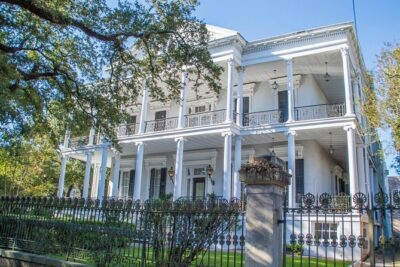
New Orleans Garden District History Walking Tour
Read our review →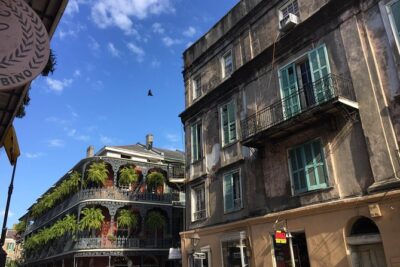
French Quarter Historical Sights and Stories Walking Tour
Read our review →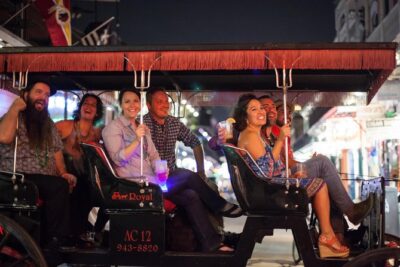
New Orleans Small-Group Haunted History Carriage Tour
Read our review →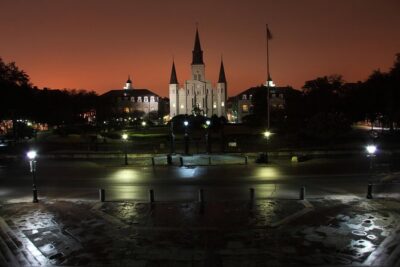
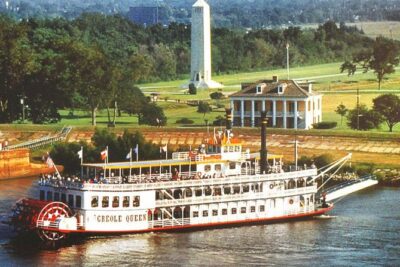
Paddlewheeler Creole Queen Historic Mississippi River Cruise
Read our review →
Creole Queen History Cruise with Optional Lunch
Read our review →
Browse the lists this tour appears in