
Reviewed · HISTORICAL TOURS
Black History & Tremè Neighborhood Walking Tour
New Orleans music history comes alive on this walk through Tremé, where Congo Square, St. Augustine Church, and Louis Armstrong Park connect the city’s African, Creole, and Black American past. Guides including LaToya and Malika tell the stories behind Louis Armstrong, Mahalia Jackson, Buddy Bolden, Moses Hogan, and the people whose music shaped the world.
I like the route’s strong sense of place: you are not just hearing about Congo Square or the Tomb of the Unknown Slave, you are standing where these events and traditions took shape. I also like the guide-led storytelling, which covers hard truths without sanding them down, while still leaving room for humor, pride, and joy.
The main consideration is pace. You have about 1 hour 45 minutes to cover four stops, so this is a focused introduction rather than a slow, thorough visit to every museum or landmark. The tour also depends on good weather, and the walk may feel warm or tiring in New Orleans conditions.
In This Review
- Key points to know before booking
- Why this Tremé walk matters
- Starting with New Orleans Jazz National Historical Park
- Congo Square and the roots of public gathering
- St. Augustine Church and the Tomb of the Unknown Slave
- Louis Armstrong Park and the city built from these roots
- The guides make the difference
- A frank look at the $40 value
- Timing, weather, and comfort
- Who will get the most from this walk?
- Should you book the Black History and Tremé Neighborhood Walking Tour?
- FAQ
- How long is the Black History and Tremé Neighborhood Walking Tour?
- How much does the tour cost?
- Where does the tour begin?
- What time does the tour start?
- Where does the tour end?
- What language is the tour offered in?
- What places does the tour visit?
- Is admission included at the stops?
- How many people can join the tour?
- Can I cancel for a full refund?
- What happens if bad weather cancels the tour?
Key points to know before booking
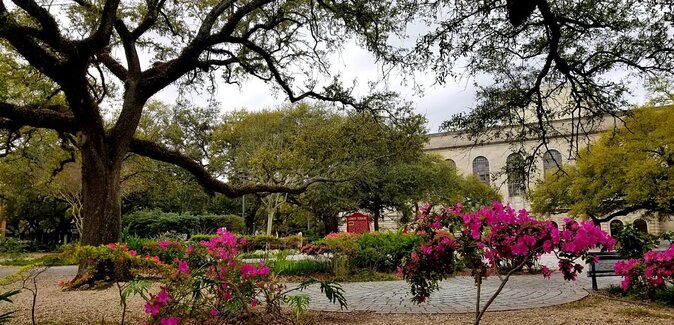
- Congo Square gives the tour its emotional center: Learn about the Sunday gatherings, music, trade, worship, and family life connected to this important site.
- Tremé is presented through Black New Orleans history: The route links slavery, free Black communities, music, food, architecture, religion, and present-day neighborhood life.
- LaToya and Malika are especially strong storytellers: Their approach is personal, direct, funny, and open to questions.
- The Tomb of the Unknown Slave adds a quiet pause: At St. Augustine Catholic Church, you can pay respects at a memorial tied to the suffering of enslaved people.
- Louis Armstrong Park has more meaning than its lawns and statues suggest: The guide explains how the park connects to the roots of New Orleans culture.
- The $40 price is fair for a compact, guide-led history walk: You are paying for interpretation and local context, not admission to ticketed attractions.
Why this Tremé walk matters
You can stroll through the French Quarter and hear jazz from an open doorway, but that experience rarely explains the people and places behind the sound. This tour moves into Tremé, one of the most important Black neighborhoods in New Orleans, and connects music to worship, resistance, family, business, food, and community life.
That wider frame is the tour’s real value. Jazz is not treated as a style that appeared from nowhere. Instead, the guide traces the forces and traditions that shaped it, including West African rhythms, gatherings of enslaved people, church life, brass bands, and the work of musicians who carried New Orleans sound far beyond the city.
I would choose this walk early in a New Orleans visit. It gives you names, locations, and stories that can sharpen the rest of your time in the city. Later, when you hear a band, pass a neighborhood church, or see a second-line parade, you will have more context for what you are seeing.
The meeting point is 801 North Rampart Street, with a 10:30 am start and a return to the same place. The tour is offered in English, uses mobile tickets, and allows service animals. Most people can take part, but you should be ready for nearly two hours on foot and for a possible weather change.
More history tours in New Orleans:
- New Orleans Garden District History Walking Tour
★ 5.0 · 2,879 reviews - French Quarter Historical Sights and Stories Walking Tour
★ 5.0 · 2,724 reviews - New Orleans Small-Group Haunted History Carriage Tour
★ 4.5 · 2,289 reviews
Starting with New Orleans Jazz National Historical Park
The first stop is the New Orleans Jazz National Historical Park, where you spend about 30 minutes. Admission is free, so the price of the tour goes toward the guide’s time, research, and storytelling rather than entry fees.
This section introduces musical figures such as Moses Hogan, Mahalia Jackson, Louis Armstrong, and Buddy Bolden. Each name opens a different door into New Orleans music. Armstrong points toward the city’s worldwide jazz influence. Jackson connects gospel and powerful church singing to the wider sound of Black New Orleans. Buddy Bolden belongs to the early development of jazz, while Moses Hogan represents a later generation of musicians and arrangers.
The useful part is the backstory. A list of famous names can feel flat, but a good guide explains why each person matters and how music moved through the city. LaToya has been praised for keeping the group engaged with facts, humor, and stories, while Malika brings an academic background in ethnomusicology to the subject. Those strengths suit this stop well.
You should not expect a full concert, a formal museum tour, or a long visit with every exhibit. The park portion works best as a lively orientation. It gives you the basic cast of characters before the walk turns toward Congo Square and the roots of the music.
Congo Square and the roots of public gathering
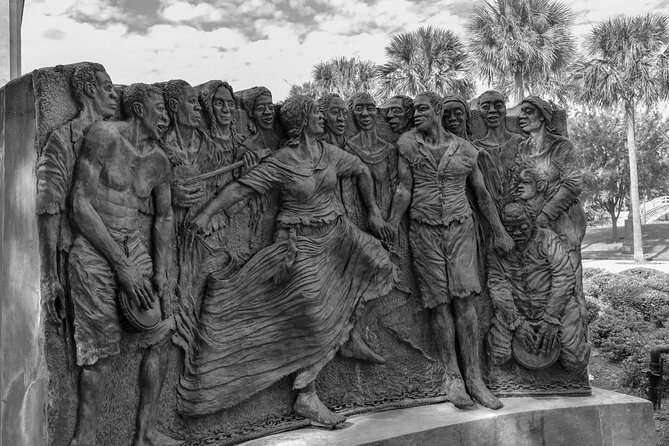
Congo Square is the heart of the experience. You spend about 30 minutes here, learning about the Sunday drum circles associated with the site since 1724.
The setting matters because enslaved people were rarely allowed the freedom to gather publicly. Here, they could meet, maintain cultural practices, trade goods, worship, and form family connections. The tour explains Congo Square not only as a musical birthplace, but also as a place where people preserved identity under brutal conditions.
The supplied description presents Congo Square as the actual site where jazz was born through West African drum circles. A careful way to understand the stop is that the square is tied to the traditions and rhythms that helped shape New Orleans music. The city’s later jazz culture developed through many influences, but Congo Square gives you a physical starting point for thinking about African musical survival and change.
This is also where the tour moves beyond a simple success story. The music is inspiring, but the conditions surrounding those gatherings were harsh. A strong guide holds both truths at once: people created beauty and community, and they did so within a system built to deny their freedom.
You may find this stop especially valuable if you have heard New Orleans jazz but never considered the social history behind the rhythm. The guide’s job is to connect what you hear about drums, singing, and movement with the larger story of Black life in the city.
St. Augustine Church and the Tomb of the Unknown Slave
The walk then reaches St. Augustine Catholic Church, where the group spends about 15 minutes at the Tomb of the Unknown Slave.
This is a short stop, but it changes the mood. After the sound and cultural energy of Congo Square, the memorial asks you to pause and remember the people whose names were lost. The tomb is on the church grounds in Tremé, and the tour places it within the story of enslaved and free Black residents of the neighborhood.
St. Augustine’s presence also points to the role of faith in Black New Orleans life. The supplied material specifically connects the church stop to the nation’s oldest Black neighborhood, a phrase that gives you a sense of Tremé’s importance, even though the tour cannot cover every part of the neighborhood in detail.
Do not expect a long church visit or a formal religious service. This is a respectful outdoor stop. Its value comes from the guide’s explanation and the chance to take in the memorial without rushing past it as you might on an unaccompanied walk.
I appreciate that the tour includes a site of mourning rather than presenting Black history only through music and celebration. That balance helps you understand the human cost behind the cultural achievements discussed elsewhere.
More walking tours in New Orleans:
- New Orleans Premier Ghost, Voodoo and Vampire Walking Tour
★ 4.5 · 12,856 reviews - New Orleans Food Walking Tour of the French Quarter with Small-Group Option
★ 5.0 · 6,118 reviews - St. Louis Cemetery No. 1 Official Walking Tour
★ 4.5 · 3,941 reviews - New Orleans French Quarter, Voodoo and Culture Walking Tour
★ 4.5 · 2,961 reviews
Louis Armstrong Park and the city built from these roots
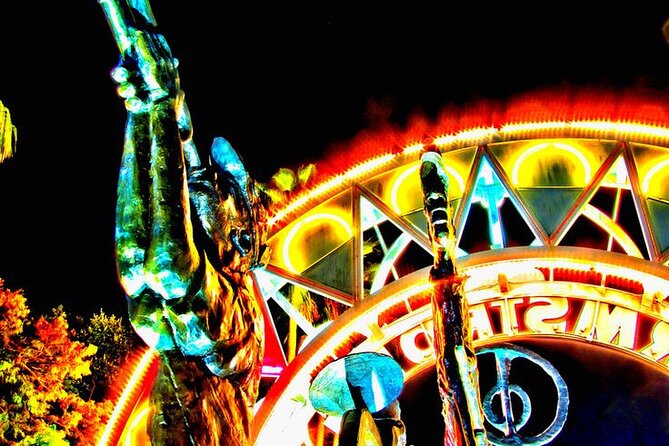
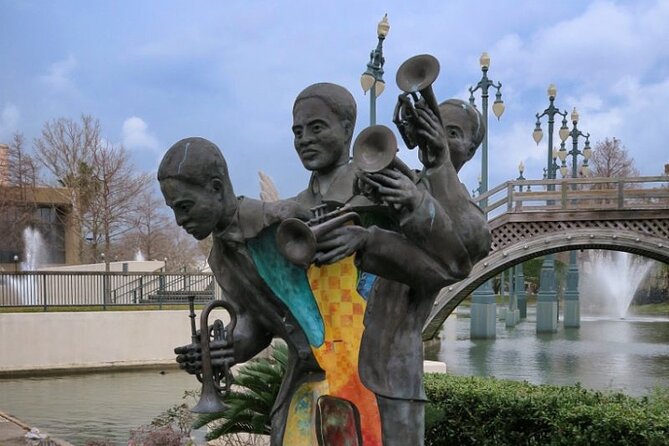
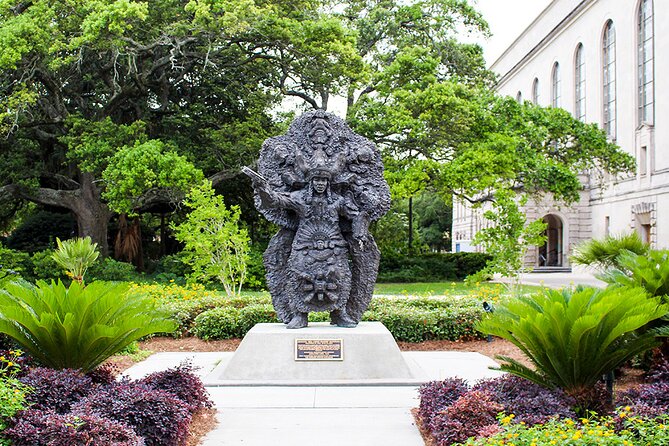
The final stop is Louis Armstrong Park, where you spend about 15 minutes. The park can look like a pleasant public space if you do not know what you are seeing. The guide explains the history beneath it and links the area to New Orleans music, cuisine, architecture, and culture.
The park’s connection to Louis Armstrong makes sense after the earlier stops. You have already discussed the traditions of Congo Square and the musicians who carried New Orleans sound forward. Here, the tour brings those threads together and shows how the city’s identity developed from Black creativity and endurance.
This stop may feel brief, especially if you want to examine statues or learn more about the park’s layout. The description also notes that the park’s historical significance can be surprisingly hard to find on your own. That is a good reason to visit with a guide rather than simply passing through.
One review describes a guide handling an unpleasant encounter with another guide in the park and continuing with the group. That detail suggests a practical reality of public-space tours: the setting is shared, and conditions may not always be perfectly calm. It does not change the value of the stop, but it is worth knowing that this is a walking discussion in an active city park, not a private room with controlled conditions.
The guides make the difference
The strongest feature of this tour is the people leading it. LaToya is repeatedly described as warm, energetic, approachable, and highly invested in Tremé. Her storytelling style seems to be the kind that makes a history walk feel like time spent with a well-informed local friend.
She also points out Black-owned homes and businesses that remain important in the district. That present-day focus matters. You are not being shown a neighborhood frozen in the past. You get a sense of how Black life continues in Tremé now, alongside the older stories.
Malika brings a different set of strengths. Her background in ethnomusicology and academic study supports the music sections, while her work as a Vodou High Priestess gives her a personal connection to subjects that are often reduced to myths or stereotypes. Her explanations of Vodou, slavery, and free Black life are described as direct and clear rather than softened for comfort.
Other guides may lead the tour, including a guide identified in one comment as Malik. The exact guide is not guaranteed, so book this experience for the company’s approach and subject matter rather than expecting one particular person. If LaToya or Malika is leading, you can expect a lively, personal style based on the descriptions available, but schedules can change.
The guides also welcome questions. That helps make the tour suitable for families with older children and teenagers, as well as solo visitors and couples. One family with two parents and two tweens or teens found the material accessible, which suggests the tour can work across age groups when the group is willing to listen and ask questions.
A frank look at the $40 value
At $40 per person, this is not the cheapest way to spend 1 hour 45 minutes in New Orleans. Yet the main attractions are free, so the real purchase is the guide’s interpretation.
That can be good value if you want the city’s Black history explained in a connected way. On your own, you could walk through Congo Square, Armstrong Park, and the church area without understanding how the sites relate. You would also miss the stories about musicians, local businesses, worship, gathering, and the meaning of the memorial.
The value is less clear if you prefer to read quietly, move at your own pace, or spend a long time inside museums. This is a compact group walk with a maximum of 28 people, not a private tour. The group size is reasonable for a guided walk, but it may still feel less personal than a small private outing.
The price also does not include paid attractions, though the four named stops have free admission. If you want to visit additional places mentioned during the walk, such as the Backstreet Cultural Museum or the New Orleans African American Museum, you would need to check their separate admission and opening details. Those venues are not part of the stated route, but the tour may help you decide which ones deserve a return visit.
Timing, weather, and comfort
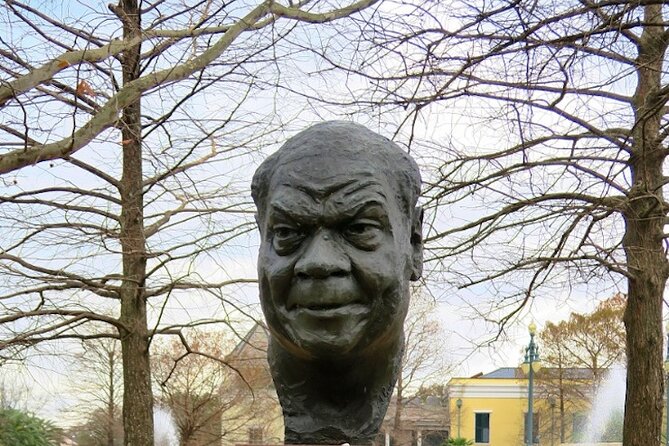
The 10:30 am start is useful for building the tour into a full day. You finish back at the starting point after about 1 hour 45 minutes, leaving the afternoon open for lunch, museums, or more time in Tremé.
New Orleans weather deserves attention. The activity requires good weather, and poor conditions can lead to a new date or a full refund. Even on a dry day, wear comfortable shoes and bring water. The tour is not described as strenuous, but nearly two hours of walking and standing can feel demanding in heat or humidity.
The route is near public transportation, which makes the start easier to reach without a car. Since the experience begins and ends at 801 North Rampart Street, you do not need to arrange a second pickup point or figure out where the guide will leave you.
You receive confirmation at booking, and cancellation is free up to 24 hours before the start time for a full refund. Changes or cancellations inside that window are not accepted, so check the forecast and your schedule before the final day.
Who will get the most from this walk?
I would recommend this experience if you want more than a quick pass through the French Quarter. It suits you especially well if you are interested in:
- Black American history and the legacy of slavery
- The origins and development of New Orleans music
- Tremé’s past and present
- Church life, community gathering, and cultural survival
- Direct storytelling rather than a dry lecture
- A short morning activity that fits into a larger sightseeing day
It can also work well for solo visitors. The guides are described as approachable, and the structure gives you a clear way to meet the city through place and story. Couples and friends who want a serious subject presented with humor should also find the format appealing.
Families can join, too, but parents should decide if their children are ready for difficult material about enslavement and loss. The tour remains accessible and entertaining, yet it does not whitewash the past.
You may want a different experience if you need wheelchair-specific route details, since the supplied information only says that most people can participate and that service animals are allowed. You should contact the provider before booking if you require detailed mobility information.
Should you book the Black History and Tremé Neighborhood Walking Tour?
Book it if you want New Orleans explained through the people who built its culture, not just through famous buildings and music venues. The route is short, focused, and affordable enough to make sense as a first-day orientation, especially if you plan to return to Tremé afterward.
I would be less quick to book if you want a long museum visit, a private group, or a highly flexible walk. But for a direct introduction to Congo Square, St. Augustine Church, Louis Armstrong Park, and the musicians connected to New Orleans, this $40 tour offers strong value.
Choose it for the subject, the neighborhood, and the guide’s storytelling. If LaToya or Malika is leading, their personal connection to the city should add a memorable layer, but the exact guide is not guaranteed. Allow for weather, wear good shoes, and keep part of the afternoon free so you can follow up on the places and names that catch your attention.
FAQ
How long is the Black History and Tremé Neighborhood Walking Tour?
The tour lasts approximately 1 hour 45 minutes.
How much does the tour cost?
The price is $40 per person.
Where does the tour begin?
The tour begins at 801 N Rampart St, New Orleans, Louisiana 70116.
What time does the tour start?
The scheduled start time is 10:30 am.
Where does the tour end?
The tour ends back at the meeting point on North Rampart Street.
What language is the tour offered in?
The tour is offered in English.
What places does the tour visit?
The route includes New Orleans Jazz National Historical Park, Congo Square, St. Augustine Catholic Church, and Louis Armstrong Park.
Is admission included at the stops?
The listed stops have free admission. The tour price covers the guided experience.
How many people can join the tour?
The maximum group size is 28 people.
Can I cancel for a full refund?
Yes. You can cancel at least 24 hours before the start time for a full refund. Cancellations or changes made less than 24 hours before the start time are not accepted.
What happens if bad weather cancels the tour?
If poor weather causes cancellation, you will be offered another date or a full refund.
Just added around New Orleans
- New Orleans Garden District Tour★ 5.0 · 8 reviews
- New Orleans Seance Experience★ 4.0 · 8 reviews
- Airport and City Transfers in New Orleans★ 5.0 · 8 reviews
- Sin and Tonic Pub Crawl in New Orleans★ 4.5 · 8 reviews
- The New Orleans Darkness Tour★ 4.4 · 9 reviews
- New Orleans Plantation Tour with Transportation★ 5.0 · 9 reviews
- New Orleans Self-Guided Kayak Bayou Swamp Tour★ 5.0 · 9 reviews
- Historic Carrollton Neighborhood Walking Tour★ 5.0 · 9 reviews
Historical Tours, compared.
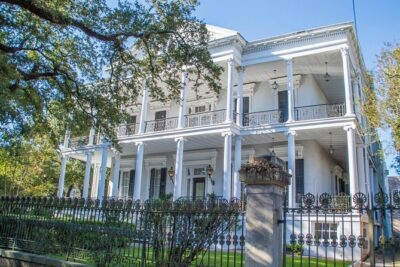
New Orleans Garden District History Walking Tour
Read our review →
French Quarter Historical Sights and Stories Walking Tour
Read our review →
New Orleans Small-Group Haunted History Carriage Tour
Read our review →
Paddlewheeler Creole Queen Historic Mississippi River Cruise
Read our review →

Creole Queen History Cruise with Optional Lunch
Read our review →
Browse the lists this tour appears in