
Reviewed · WALKING TOURS
Walking Tour about The Good, The Bad and The Beautiful Women of New Orleans
New Orleans women shaped the city in ways that often get pushed behind tales of pirates, gamblers, generals, and flamboyant men. This one-hour French Quarter walk brings those women forward, from Baroness Pontalba’s fierce independence to Henriette Delille’s path toward sainthood and the darker story surrounding Madame LaLaurie.
I like two things right away: the tour costs only $10 per person, and it covers a full mile of the French Quarter without wasting time inside gift shops or tourist traps. Guide Mikko is known for high-energy storytelling, quick answers, restaurant tips, and funny side stories. The main drawback is that the tour is entirely outdoors, so New Orleans heat, humidity, and standing can make the hour tiring in summer.
In This Review
- Key points to know before you book
- A women’s history walk with New Orleans attitude
- Start at 820 St. Louis Street
- Bourbon Street beyond the usual party story
- Baroness Pontalba at Jackson Square
- Henriette Delille and St. Louis Cathedral
- The Ursuline nuns and education for girls
- Frances Parkinson Keyes and the literary French Quarter
- Madame LaLaurie, with more than one story
- What Mikko adds to the hour
- Price, walking conditions, and practical value
- Who will get the most from this walk
- Should you book the Good, Bad and Beautiful Women tour?
- FAQ
- How long is the Good, Bad and Beautiful Women of New Orleans tour?
- How far do you walk?
- How much does the tour cost?
- Where does the tour begin?
- Where does the tour end?
- Do you enter the buildings?
- Is admission to St. Louis Cathedral included?
- What locations are included on the route?
- How large can the group be?
- Can I cancel for a refund?
Key points to know before you book
- Bourbon Street gets a different history: You will hear about the women who worked, lived, entertained, and sometimes misbehaved along the famous strip.
- Baroness Pontalba is a major highlight: Her story at Jackson Square is anything but a tale of a quiet society wife.
- Henriette Delille’s sainthood process adds depth: The stop at St. Louis Cathedral connects local history with the Catholic Church today.
- The walk covers about one mile: Expect outdoor stops, city sidewalks, and roughly an hour on your feet.
- Mikko brings a lively style: His storytelling, humor, and practical New Orleans suggestions are a big part of the experience.
- You do not enter buildings: The cathedral, convent, homes, and mansion are viewed from outside.
A women’s history walk with New Orleans attitude
This is not a general French Quarter orientation walk with a few women added as an afterthought. The subject is women, and the range is broad. You will hear about politics, piracy, entertainment, cooking, science, religion, literature, and some occupations that are better left to the guide’s discretion.
That range matters because New Orleans can be easy to reduce to drinking, music, ghosts, and grand architecture. Those things are here, of course, but women’s work and power helped build the city just as surely. Some women ran businesses. Some founded religious communities. Some wrote books. Some fought family expectations. Others became famous for far less admirable reasons.
The tone appears designed to be lively rather than academic. That suits the French Quarter. Mikko’s style is energetic and anecdotal, with plenty of room for questions. If you like a guide who talks with you instead of reciting a prepared script, this should be a good match.
You should still set the right expectation. This is a one-hour introduction, not an exhaustive study of New Orleans women. The stories will give you names, themes, and reasons to look more closely at the Quarter. You will not receive long museum-style presentations at every stop.
More walking tours in New Orleans:
- New Orleans Premier Ghost, Voodoo and Vampire Walking Tour
★ 4.5 · 12,856 reviews - New Orleans Food Walking Tour of the French Quarter with Small-Group Option
★ 5.0 · 6,118 reviews - St. Louis Cemetery No. 1 Official Walking Tour
★ 4.5 · 3,941 reviews
Start at 820 St. Louis Street
Plan to arrive 15 minutes before the scheduled start at 820 St. Louis Street. If the gates are closed, wait near the sign. That small arrival cushion is worth taking seriously because this is a compact walk, and a late start could mean missing the opening context.
The beginning sets up the tour’s main idea: New Orleans encouraged bold, risky, and sometimes bad behavior in everyone, not just men. From there, the guide frames women as active participants in the city’s past rather than decorative figures in a romantic French Quarter story.
The start is in the upper French Quarter, and the tour ends farther south near Royal Street. That one-way pattern is useful. You are not simply circling the same block, and you can continue into lower French Quarter shopping and dining afterward.
The group can reach 20 people, with at least four required for the tour to operate. A small or medium group should make it easier to hear the guide and ask questions. A full group may feel less personal, especially on narrow sidewalks, but the one-hour format keeps the gathering manageable.
Bourbon Street beyond the usual party story
Many of the women discussed had a connection to Bourbon Street through business, pleasure, or both. This gives you an alternate way to look at a street that most people see only as a party corridor.
The value of this section is its change of focus. Instead of asking only where the bars are, you begin asking who made money here, who controlled property, who entertained the public, and who survived by using the limited choices available to women at the time.
Expect the guide to connect individual women with the broader personality of the street. Some stories may be funny. Others may be scandalous or unsettling. The supplied description hints at occupations that are not named directly, so this is not a sanitized women’s history walk.
Bourbon Street can also be noisy and crowded. You may need to pay close attention to hear every detail, particularly at busy times. The tour’s short length helps, but this is not a quiet garden walk. Bring water and avoid assuming that a pleasant morning will remain cool once the humidity sets in.
Baroness Pontalba at Jackson Square
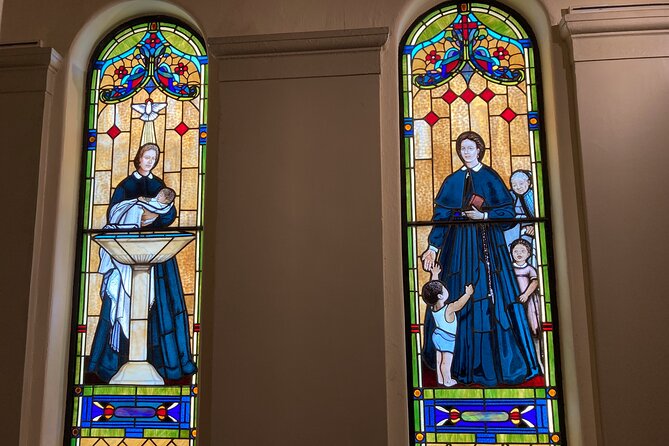
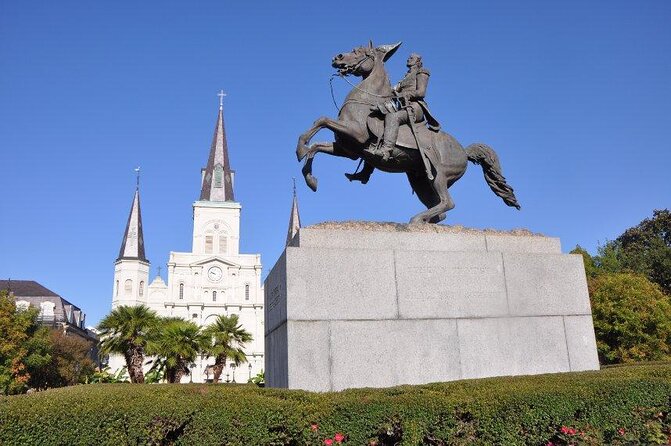
The Baroness Pontalba stop is one of the clearest reasons to book this walk. Her story challenges the old image of women as meek, dependent figures who simply married into wealth and accepted their place.
At Jackson Square, the setting adds weight to the story. The square is one of the French Quarter’s most recognizable public spaces, and the surrounding buildings help you picture the social world in which Pontalba moved. The guide’s job here is not only to describe her title, but to show the force of her character and the choices she fought to control.
The tour description promises that you will be amazed by her story. That is strong language, but it fits the purpose of the stop: Pontalba represents women who had money, status, and real opinions, yet still faced severe pressure from family and society.
You should not expect entry into a private or historic interior. The point is the outdoor setting, the architecture around Jackson Square, and the story attached to it. If you want detailed interior access, this walk will not provide it. If you enjoy seeing a building or square while hearing the human drama connected to it, the stop works well.
A completely different side of New Orleans:
- New Orleans Steamboat Natchez Jazz Cruise with Dinner Option
★ 4.0 · 7,533 reviews - Adults-Only New Orleans Ghost, Crime, Voodoo, and Vampire Tour
★ 5.0 · 6,545 reviews - New Orleans Swamp and Bayou Boat Tour with Transportation
★ 5.0 · 5,399 reviews - New Orleans Steamboat Natchez Jazz Cruise
★ 4.5 · 5,334 reviews
Henriette Delille and St. Louis Cathedral
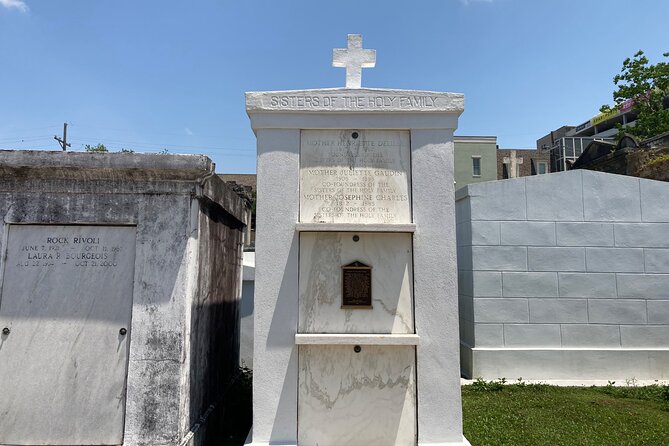
At St. Louis Cathedral, the subject shifts from personal independence to religious service and social change. Henriette Delille founded the Sisters of the Holy Family, and she is being considered for sainthood.
The guide explains the sainthood process and how far along her cause has progressed. That makes this more than a story about a historical figure. You get a connection between New Orleans’s past and an ongoing Catholic process, with the cathedral as a fitting backdrop.
The stop lasts about 10 minutes and admission is free. You will remain outside rather than entering the cathedral as part of the tour. The building still provides an important visual anchor, especially for understanding the religious institutions that shaped education, charity, and community life in the city.
This is likely one of the more thoughtful parts of the walk. Henriette Delille’s story broadens the idea of what power looked like in New Orleans. It was not always political office or personal wealth. At times, it meant creating an organization, serving people whom society overlooked, and building a lasting religious community.
If your interest is limited to scandal and ghost stories, this stop may feel slower. I think it earns its place because it gives the tour moral and social weight.
The Ursuline nuns and education for girls
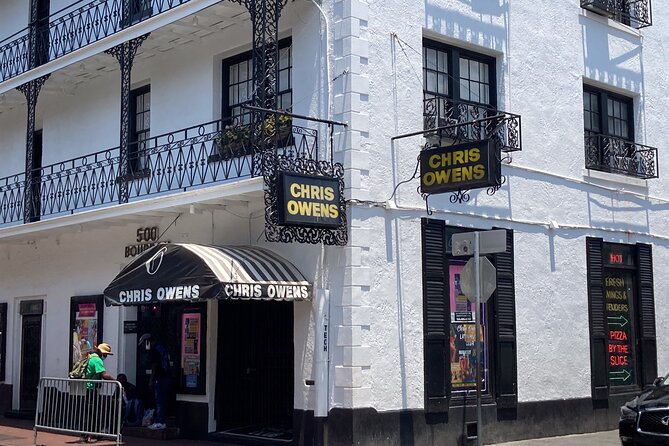
The history of the Ursuline Convent brings another important theme into view: education. The Ursuline nuns came to New Orleans to educate the city’s young women, and their story is described as miraculous.
You will hear about the convent and the women who ran it, again from the street rather than inside the building. That limitation is important. The stop is about explanation and context, not an interior tour of the convent.
The Ursuline section helps you see how women influenced the city through institutions. Teaching young women affected families, religion, culture, and the future workforce. It also shows that the French Quarter’s grand buildings are not just pretty backdrops. They were workplaces, schools, homes, and centers of community life.
This stop should appeal to you if you like the practical side of history. Rather than focusing only on famous personalities, it asks what women actually did day after day and how those efforts changed New Orleans.
The word miraculous may signal a dramatic telling, so expect a story with color and feeling rather than a dry list of dates. That is useful in a walking tour, though anyone seeking exact academic detail may want to do additional reading afterward.
Frances Parkinson Keyes and the literary French Quarter
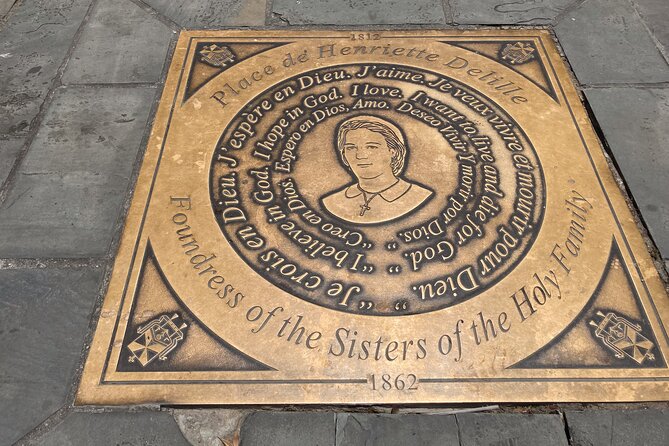
The walk also pauses at the home of Frances Parkinson Keyes, a well-known author who owned and lived in the house. She wrote some of her most famous works there.
This stop gives the tour another useful turn. New Orleans women were not only founders, social figures, workers, and religious leaders. They also used the city as a setting for creative work.
You will see the home from outside. There is no indication that the tour enters it, so treat the building as a place connected to Keyes’s life and writing rather than a house museum visit.
For readers, writers, or anyone curious about how place affects creative work, this can be a pleasing pause. It also breaks up the more dramatic subjects. After Bourbon Street, Pontalba, Delille, and the Ursuline story, the literary stop reminds you that the Quarter has inspired quiet observation as well as wild behavior.
Madame LaLaurie, with more than one story
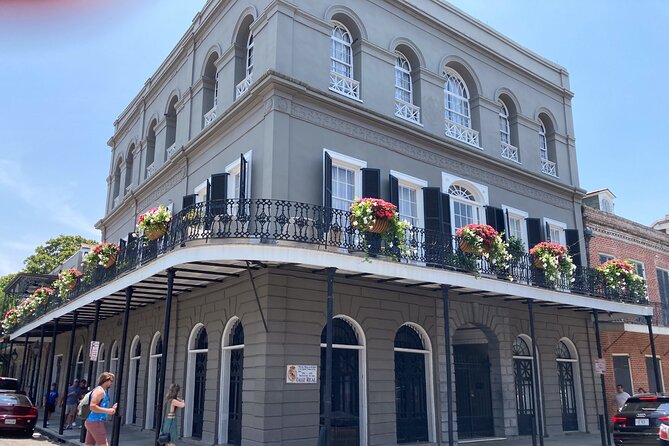
The tour ends at LaLaurie Mansion, a private home at 1138 Royal Street. You will not go inside.
Madame LaLaurie is usually presented through horror stories, and the guide offers another side and another account of her life in New Orleans. That promise is important. The stop does not simply repeat the most sensational version of a famous tale.
The mansion has a natural dramatic pull, but you should approach this part with a little care. Historic stories can become more extreme each time they are retold, especially when tied to a notorious residence. A guide who presents more than one angle gives you a better chance to separate documented context from legend.
Ending here also makes practical sense. The group disbands near shopping and dining in the lower French Quarter, at the guide’s discretion. You can continue exploring Royal Street, find a meal, or make your own way back without retracing the full route.
The final stop is a strong fit for anyone who enjoys New Orleans’s darker side. It is less suitable if you want the entire tour to stay upbeat. The overall walk includes humor and colorful storytelling, but it does not avoid difficult subjects.
What Mikko adds to the hour
Mikko is the named guide associated with this experience, and his style is a central part of the appeal. He tells stories with high energy, packs the hour with anecdotes, and handles questions rather than brushing them aside.
That matters because a one-hour walk has very little room for a slow start. You want a guide who can move from location to location while keeping the central theme clear. Mikko also offers dining suggestions, including both fine and casual options, which can be handy when the walk ends in an area full of choices.
I would book this tour for the guide’s storytelling style rather than for a long list of physical attractions. You are not entering several buildings or seeing special collections. The guide’s interpretation is the product.
The stories also appear to cover a wide emotional range. You can expect humor, serious religious history, literature, scandal, and difficult material. That variety keeps the hour moving, but it means the experience will not feel uniform in tone.
Price, walking conditions, and practical value
At $10 per person, this is an easy addition to a New Orleans schedule. The price is low enough that you do not need the walk to replace a major attraction. If you learn several new stories and gain a better sense of the Quarter, the cost is sound.
The tour covers about one mile and lasts approximately one hour. That sounds easy, and the distance is modest, but the heat is the real issue. You will be outside for the listed stops, with standing as well as walking. New Orleans humidity can make a short walk feel much harder than the mileage suggests.
Wear comfortable shoes. Bring water, sunscreen, sunglasses, and a hat. An umbrella is also recommended, both for sun and possible rain. The tour is not recommended for people with walking or standing problems, or for those with breathing problems during summer months.
Service animals are allowed, and the start is near public transportation. The activity requires a moderate level of physical fitness. It is capped at 20 people and needs at least four participants to run, so keep that minimum in mind when planning a tightly scheduled day.
Free cancellation is available if you cancel at least 24 hours before the start time. A later cancellation is not refunded, and changes made inside that window are not accepted. If the minimum number is not reached, you will be offered another date or experience, or a full refund.
Who will get the most from this walk
I would recommend it to you if you have already seen the Quarter’s main streets and want a more focused subject. It also works well early in a New Orleans visit because the guide may point you toward places to eat and give you names to watch for as you explore.
This is a good choice for:
- People interested in women’s history and social history
- Visitors who enjoy stories more than formal museum displays
- Families with older children who can handle mature subjects
- Readers interested in Henriette Delille or Frances Parkinson Keyes
- Anyone who wants a short, inexpensive walking activity
- Repeat visitors looking for a different angle on Bourbon Street
I would think twice if you dislike standing outdoors, struggle in humid weather, or need indoor access to historic sites. You should also skip it if you want a long architectural tour or a detailed visit inside the cathedral, convent, or LaLaurie Mansion.
The subject includes crime, scandal, religion, sexuality, and occupations that may not be suitable for every child. The description does not provide an age limit, so use your own judgment for younger children.
Should you book the Good, Bad and Beautiful Women tour?
Book it if you want a focused, story-driven walk that shows New Orleans women as active forces in the city’s past. The low price, one-mile route, and strong guide style make it an appealing choice for a short morning or afternoon activity.
The best reason to go is the mix of subjects. Pontalba, Henriette Delille, the Ursuline nuns, Frances Parkinson Keyes, Bourbon Street figures, and Madame LaLaurie create a much fuller picture than a simple list of famous women.
Skip it if you want to go inside historic buildings, avoid heat, or spend several hours on one subject. Otherwise, bring water, arrive early at 820 St. Louis Street, and let the walk give you a new way to read the French Quarter.
FAQ
How long is the Good, Bad and Beautiful Women of New Orleans tour?
The walking tour lasts approximately one hour.
How far do you walk?
The route covers approximately one mile through the French Quarter.
How much does the tour cost?
The price is $10 per person.
Where does the tour begin?
Meet at 820 St. Louis Street in New Orleans, Louisiana. Arrive 15 minutes before the scheduled start time. If the gates are closed, meet near the sign.
Where does the tour end?
The walk ends at or near LaLaurie Mansion at 1138 Royal Street. The guide may disband the group near shopping and dining in the lower French Quarter.
Do you enter the buildings?
No. The guide stops at the listed locations, but the experience does not include entry into the buildings.
Is admission to St. Louis Cathedral included?
The stop at St. Louis Cathedral is free, but the tour does not state that the group enters the cathedral.
What locations are included on the route?
The walk includes Bourbon Street, Jackson Square, St. Louis Cathedral, the Ursuline Convent, the home of Frances Parkinson Keyes, and LaLaurie Mansion.
How large can the group be?
The maximum group size is 20 people. At least four participants are required for the tour to operate.
Can I cancel for a refund?
Yes. You can cancel at least 24 hours before the start time for a full refund. Cancellations or changes made less than 24 hours before the start time are not refunded or accepted.
Just added around New Orleans
- New Orleans: Whitney Plantation Audio Tour with Transfers★ 4.7 · 3 reviews
- New Orleans Instagram Photo Tour★ 4.5 · 3 reviews
- New Orleans: Private Custom Guided Walking Tour★ 4.0 · 3 reviews
- New Orleans: Voodoo, Storyville, and Treme Walking Tour★ 3.3 · 3 reviews
- Outdoor Escape Room in New Orleans – The French Quarter★ 5.0 · 3 reviews
- New Orleans: Voodoo History Guided Walking Tour★ 4.8 · 3 reviews
- Private New Orleans City and Cemetery Bus Tour Up to 24 People★ 5.0 · 3 reviews
- New Orleans: French Quarter Cocktail and Foodie Crawl Tour★ 5.0 · 3 reviews
Walking Tours, compared.
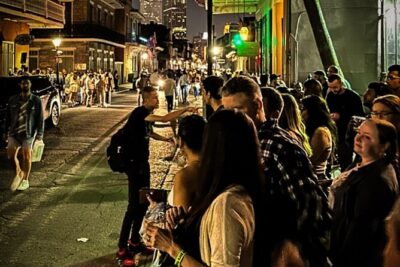
New Orleans Premier Ghost, Voodoo and Vampire Walking Tour
Read our review →
New Orleans Food Walking Tour of the French Quarter with Small-Group Option
Read our review →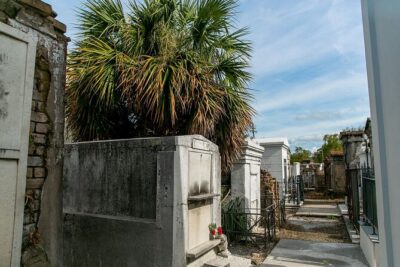
St. Louis Cemetery No. 1 Official Walking Tour
Read our review →
New Orleans French Quarter, Voodoo and Culture Walking Tour
Read our review →
New Orleans Garden District History Walking Tour
Read our review →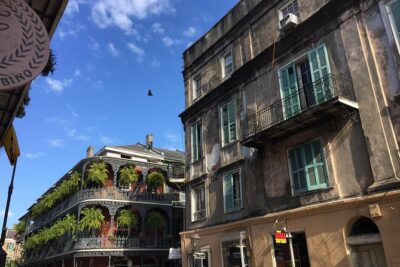
French Quarter Historical Sights and Stories Walking Tour
Read our review →
Ghost and Vampire Walking Tour Of The French Quarter
Read our review →
New Orleans Adults-Only True Crime and Ghost Walking Tour
Read our review →Browse the lists this tour appears in