Reviewed · TOURS
Urban Enslavement Tour at Hermann Grima House
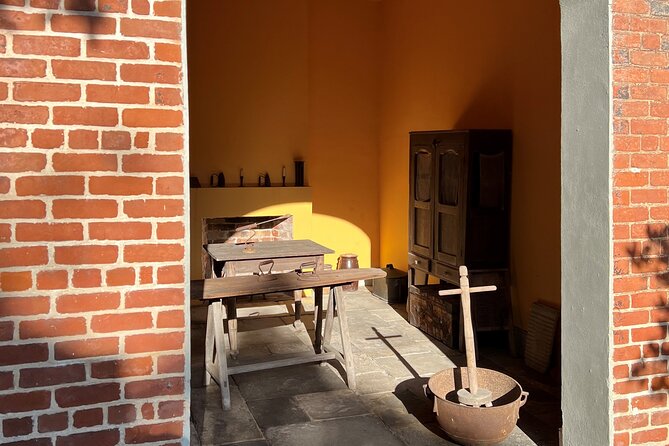
New Orleans history looks different inside a city home. At Hermann-Grima House, the Urban Enslavement Tour examines how enslaved people cooked, sewed, cleaned, cared for children, and lived under constant control in an urban setting. The tour also shows the sharp contrast between the household’s opulent rooms and the hard labor that kept them running.
I like two things right away: the original open-hearth kitchen makes domestic work easy to picture, and the one-hour format gives you a focused visit rather than an all-day history lesson. Guides including Robert and Kelsy have drawn strong praise for clear explanations and personal, moving connections to the subject.
The main consideration is that the tour depends partly on surviving records. Some guests have wanted more named stories about the enslaved people and less attention on owners, family finances, and property history. The balance can also shift with the guide.
In This Review
- Key points to know before you book
- Entering an 1831 French Quarter home
- What urban enslavement looked like day to day
- The rooms, kitchen, and quarters as historical evidence
- Owners, family records, and the limits of the archive
- A difficult contrast between luxury and labor
- African American contributions to New Orleans
- The one-hour format and guide style
- Is $17 a fair price?
- Booking ahead and planning your visit
- Should you book the Urban Enslavement Tour?
- FAQ
- How much does the Urban Enslavement Tour cost?
- How long does the tour last?
- What language is the tour offered in?
- What can I see at Hermann-Grima House?
- Does the tour include the carriage house?
- Can I use a mobile ticket?
- Are service animals allowed?
- What is the cancellation policy?
Key points to know before you book
- Urban slavery is the focus: Learn how enslavement in a French Quarter household differed from plantation labor, without assuming city life was less brutal.
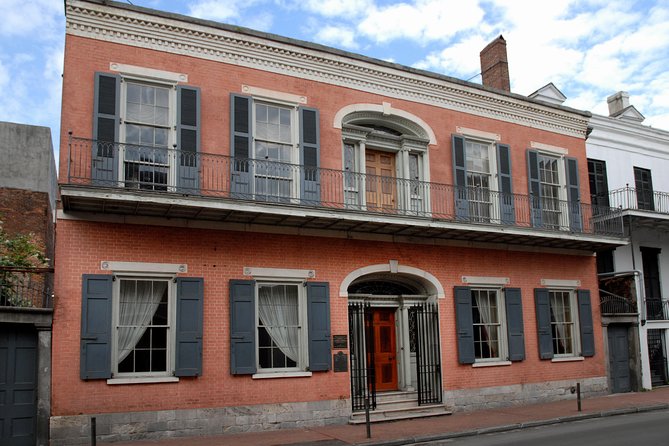
- The 1831 house is part of the evidence: Federalist rooms, porches, a courtyard, cistern, and service areas help show how the home was divided by race and status.
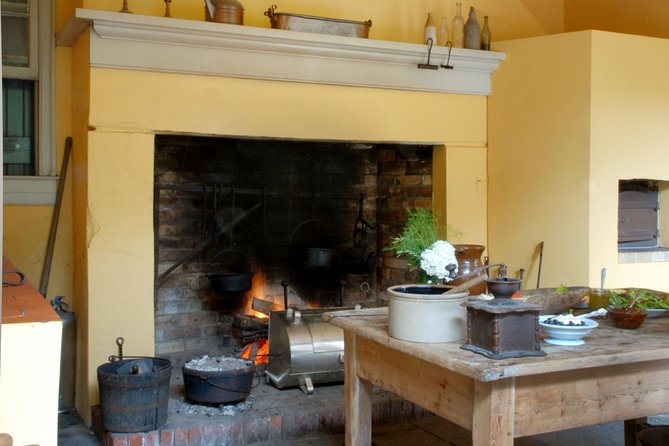
- The kitchen brings labor into view: The working open hearth helps you understand the long hours required to feed and maintain a large household.
- The hour is tightly paced: The visit is short but packed with detail, making it a good fit between other French Quarter plans.
- Guides shape the experience: Robert and Kelsy have led especially personal and well-received tours, though your guide may be someone else.
- The carriage house adds a small bonus: The Exchange Shop features women’s art and comes from a women-led nonprofit founded in 1881.
Entering an 1831 French Quarter home
Hermann-Grima House gives you a physical setting for a subject that can otherwise feel distant. Built in 1831, the home has a Federalist façade, period furnishings, a broad courtyard, porches, and an original working kitchen. You are not simply hearing about labor in the abstract. You are looking at the spaces where that labor had to happen.
That matters because urban enslavement often gets lost between the better-known stories of plantations and the later history of New Orleans. The city setting created a different daily pattern, but it did not make slavery gentle. Enslaved people worked inside homes, in service areas, and around the courtyard, often close to the owners while still being denied freedom, privacy, and control over family life.
I find the house most useful when it acts as a map of power. The layout shows which rooms were for the family, which areas were for work, and which spaces were off limits. One especially revealing detail is the division between household zones, with porches, a veranda, the large cistern, and service areas helping you picture how people moved through the property.
The building itself is attractive, and that creates a risk. It would be easy to focus on moldings, furnishings, and architecture while forgetting the people whose labor made the household possible. This tour works best when you keep both sides in view: the graceful home and the coercion behind its daily operation.
Other New Orleans tours people book alongside this one:
- New Orleans Premier Ghost, Voodoo and Vampire Walking Tour
★ 4.5 · 12,856 reviews - New Orleans Steamboat Natchez Jazz Cruise with Dinner Option
★ 4.0 · 7,533 reviews - Adults-Only New Orleans Ghost, Crime, Voodoo, and Vampire Tour
★ 5.0 · 6,545 reviews
What urban enslavement looked like day to day
The central question is simple: how did slavery function in a city home? The answer comes through routine. Enslaved workers cooked, ironed, resewed clothing, cleaned, carried out household tasks, and cared for children. One account discussed on the tour describes cooking for 12 to 16 hours a day, a useful reminder that domestic work was skilled, exhausting, and never neatly limited to a short shift.
The ironing and resewing of sleeves may sound like a small detail, but it helps make the system concrete. Clothing had to be washed, repaired, and maintained. Food had to be prepared over an open hearth. Children needed care. Every part of the household depended on work that the enslaved workers could not refuse.
Child care carries an especially painful lesson. Enslaved women could be expected to care for all the children in the household, sometimes while raising their own. Their children could then be sold, including at young ages. The contrast between being trusted with daily care and being denied control over your own family is one of the tour’s hardest points.
Urban surroundings also offered no automatic protection. A city might contain free Black residents, markets, churches, and more people moving through public spaces, but an enslaved person remained legally owned. The tour makes clear that physical proximity to streets and neighbors did not equal freedom.
I appreciate that this framing avoids the easy idea that plantation slavery was cruel while city slavery was merely domestic service. The tasks changed. The basic system of ownership, forced labor, punishment, and family separation did not.
The rooms, kitchen, and quarters as historical evidence
The open-hearth kitchen is one of the most useful parts of the visit. It is original and still operates, so you can see the kind of space in which meals were prepared. I would pay close attention here, even if you are more interested in social history than architecture. The kitchen turns the tour toward heat, time, tools, food, and physical effort.
The home also includes urban slave quarters. The exact amount of access or time devoted to them may depend on the tour route and guide, so I would not assume the visit centers on a long examination of the quarters alone. Some people have wanted more time in these spaces, while others found the entire property enough to show the separation between owners and workers.
The house’s beautiful courtyard creates another useful contrast. It is expansive and pleasant to look at, yet it was also part of a working household. A courtyard could connect rooms, service areas, and outdoor tasks. The same setting can appear peaceful to you now while carrying memories of relentless labor.
The cistern and service spaces are worth noticing too. They help explain the practical systems that kept a nineteenth-century home running. A guided visit gives these features meaning instead of leaving you to see them as attractive but unfamiliar objects.
Owners, family records, and the limits of the archive
The tour includes the people who built, owned, and later occupied the house. You may hear about the builder, financial troubles, his wife’s wealth, a daughter and her husband, and the family that later purchased the property. That information gives the house a timeline, but it is also where the tour can feel less centered on the enslaved people.
I think this is a fair concern to weigh before booking. The owners’ names and financial records are often easier to preserve than the voices of enslaved workers. Deeds, household documents, and family papers tend to record ownership and money in detail. They do not always preserve a full account of a worker’s hopes, relationships, humor, or private thoughts.
That imbalance can frustrate you, especially if you want a tour built almost entirely around individual biographies. The strongest guides use the available evidence to keep enslaved people at the center, while also explaining why the record is incomplete. Robert has been singled out for a personal closing connection, and Kelsy has been praised for a well-documented narrative and openness to questions.
Your guide matters here. One guide may spend more time on the owners and the property’s chain of ownership. Another may focus more closely on daily work, family separation, and the contributions of African Americans to New Orleans. I would arrive ready to ask direct questions about the enslaved members of the household, what records identify them, and which parts of the story remain unknown.
A completely different side of New Orleans:
- New Orleans Food Walking Tour of the French Quarter with Small-Group Option
★ 5.0 · 6,118 reviews - New Orleans Swamp and Bayou Boat Tour with Transportation
★ 5.0 · 5,399 reviews - New Orleans Steamboat Natchez Jazz Cruise
★ 4.5 · 5,334 reviews - New Orleans City Sightseeing Hop-On Hop-Off Bus Tour
★ 4.5 · 4,943 reviews
A difficult contrast between luxury and labor
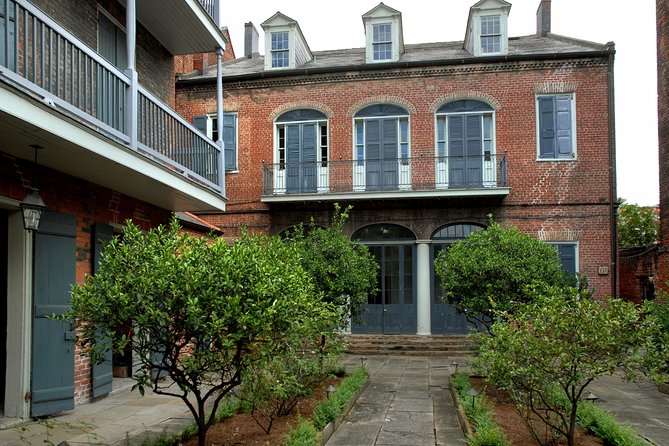
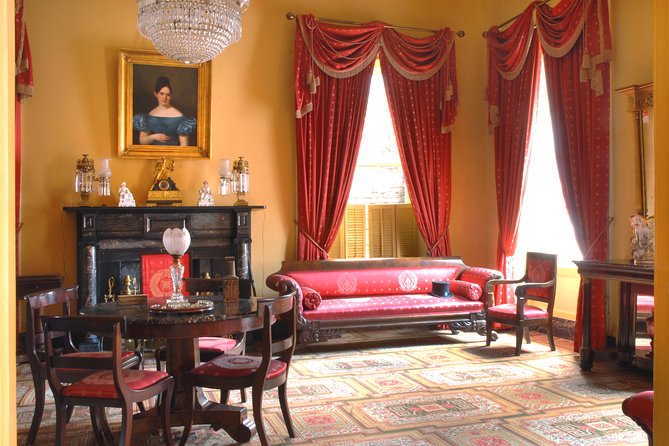
The tour’s emotional force comes from comparison. On one side, you see fine rooms, original furnishings, wealth, and a carefully maintained home. On the other, you learn about workers who could be bought, sold, separated from children, and forced to labor for the comfort of people who owned them.
That contrast can be especially sharp in a house tour because domestic work is often hidden. A polished dining room does not show who cooked the meal. A clean bedroom does not show who washed the linens. A well-dressed child may conceal the labor of the person who cared for that child all day.
The tour also addresses people who had been granted freedom and were later enslaved again or sold to settle debts. That detail cuts through any simple story about gradual improvement. Legal status could be fragile, and a person’s freedom could be treated as property by others.
I would not describe this as a light historical attraction. The subject includes violence, forced labor, family separation, and the denial of basic rights. Yet the tour is educational rather than sensational. It uses the home and its routines to show how a social system operated in ordinary spaces.
For me, that is the value of the visit. You leave with a clearer sense that slavery was not only a plantation institution. It was also woven into urban commerce, household care, clothing, food, property, and social status.
African American contributions to New Orleans
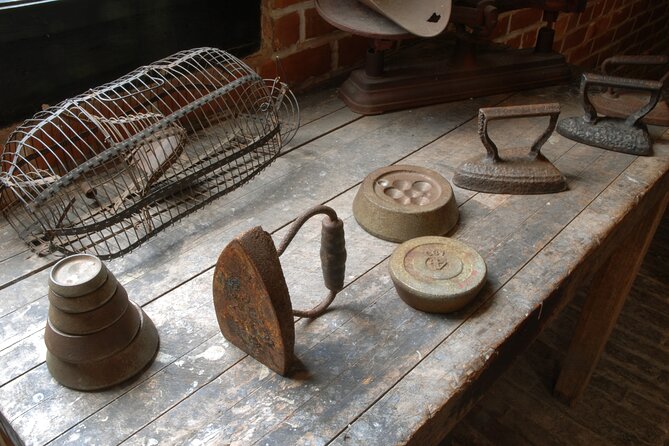
The tour does more than describe suffering. It also looks at the contributions of people of African descent to New Orleans. That wider frame matters. Enslaved workers created foodways, maintained homes, passed on practical skills, and shaped the city’s culture while receiving neither fair pay nor control over their work.
Food is one memorable entry point. Recipes connected with the property help show how cooking was both labor and cultural expression. You may wish you could sample the food prepared during the program, but the recipes still give the subject a tangible link to daily life.
The connection with the Whitney Plantation also places Hermann-Grima House within a wider Louisiana story. If you have visited Whitney, this tour can work as a useful contrast. Plantation labor and urban household labor were different in setting and routine, yet both rested on the same system of ownership.
The carriage house provides a separate angle. It is home to The Exchange Shop, an organization founded in 1881 by The Woman’s Exchange and described as one of the oldest women-led nonprofits in the South. The shop features women’s art, and you may meet one of the artists there. It is not the core of the enslavement tour, but it gives you another reason to look around after the guided hour.
The one-hour format and guide style
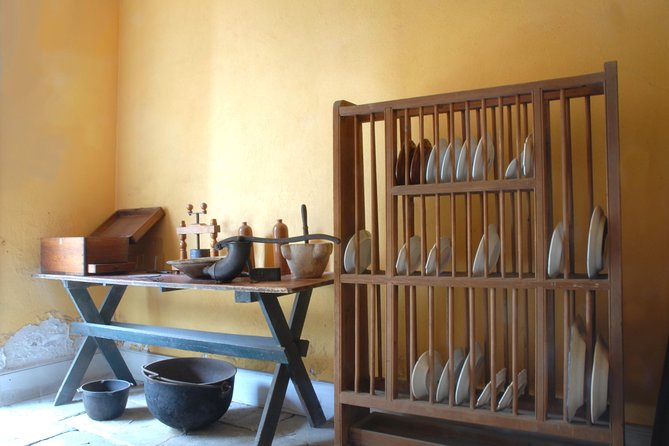
At about one hour, this is a compact experience. I like that length for a New Orleans day, since you can fit it between meals, neighborhood walks, and other historic sites. The tradeoff is pace. The tour is packed with information, and you may leave with questions that cannot be answered in the allotted time.
Small groups are possible. One visit had only two couples, which can make it easier to ask questions and follow the guide closely. Group size can vary, so I would not count on a private-feeling tour every time.
Guides have received some of the strongest praise. Robert is noted for explaining urban slavery clearly and for sharing a personal family connection that made the closing moments especially moving. Kelsy has been described as open to questions and well prepared. These personal touches can make difficult material feel human rather than like a list of dates.
Still, guide variation is real. Since the experience depends on interpretation, the emphasis may shift. If the discussion begins to focus heavily on owners, ask about the enslaved people who worked in the household, their duties, living spaces, and what is known about their families.
The tour is offered in English only. Most people can participate, service animals are allowed, and the property is near public transportation. Those are small but useful planning details if you are building a day around the French Quarter.
Is $17 a fair price?
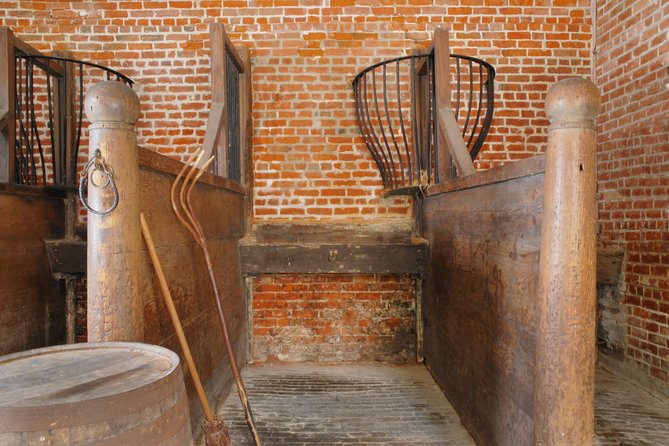
At $17 per person, I consider this a reasonable price for a guided hour inside a preserved historic home. Admission is included, and you get both interpretation and access to a property with original features, rather than only a talk in a visitor center.
The value depends on what you want from a house museum. If you mainly want grand architecture and family history, you may find the subject matter more serious and focused than expected. If you want a clearer picture of how slavery operated in an urban home, the price compares well with the amount of context packed into the hour.
The strongest value comes from the combination of place and explanation. You can read about household labor anywhere, but standing near the open hearth and seeing the division of rooms gives the information weight. The setting does part of the teaching.
I would also allow a little time to browse the carriage house and Exchange Shop. It adds art and local context without requiring another admission ticket. You may find a small piece of New Orleans to take home, though the main reason to book remains the guided history tour.
Booking ahead and planning your visit
This experience is commonly reserved about 13 days ahead, so I would book early if your New Orleans dates are fixed. The reservation includes a mobile ticket, and confirmation arrives when you book.
You can cancel for a full refund up to 24 hours before the start time. Changes or cancellations inside that 24-hour window are not accepted for a refund. The experience requires good weather, and poor weather can lead to a new date or a full refund.
Because the tour is only about an hour, it is easy to underestimate its impact on your day. I would avoid placing it between two tightly timed reservations. Give yourself enough breathing room to arrive, take in the home, and stay for questions if the discussion is especially strong.
This is best for adults, families with older children, students, and anyone trying to understand New Orleans beyond food and architecture. Young people can gain a clear view of a part of American history that is often reduced to plantation stories. I would prepare children for serious material about forced labor and family separation rather than treating the visit as a casual old-house stop.
Should you book the Urban Enslavement Tour?
I would book it if you want a focused, place-based explanation of slavery in New Orleans. The home, open-hearth kitchen, courtyard, and service areas give the subject a physical setting, while strong guides such as Robert or Kelsy can add a personal and human dimension.
I would hesitate only if you want a tour devoted almost entirely to named biographies of enslaved people. The surviving records may not support that, and some of the hour covers owners, property history, and family finances. Ask questions, listen for the daily labor details, and keep the larger contrast in mind.
At $17 and roughly one hour, this is a practical addition to a French Quarter schedule. It is serious, educational, and at its best when it makes you see an elegant house as both a family home and a workplace built on forced labor.
FAQ
How much does the Urban Enslavement Tour cost?
The price is $17 per person, with admission to Hermann-Grima House included.
How long does the tour last?
The tour lasts approximately one hour.
What language is the tour offered in?
The experience is offered in English.
What can I see at Hermann-Grima House?
The property includes a restored 1831 French Quarter home, Federalist architectural details, original furnishings, an operating open-hearth kitchen, urban slave quarters, and an expansive courtyard.
Does the tour include the carriage house?
The property’s nineteenth-century carriage house is home to The Exchange Shop. It features women’s art and is connected with The Woman’s Exchange, founded in 1881.
Can I use a mobile ticket?
Yes. A mobile ticket is available, and confirmation is received at the time of booking.
Are service animals allowed?
Yes. Service animals are allowed.
What is the cancellation policy?
You can cancel up to 24 hours before the experience start time for a full refund. Cancellations or changes made less than 24 hours in advance are not accepted, and poor weather may result in a different date or a full refund.
Just added around New Orleans
- New Orleans Garden District Tour★ 5.0 · 8 reviews
- New Orleans Seance Experience★ 4.0 · 8 reviews
- Sin and Tonic Pub Crawl in New Orleans★ 4.5 · 8 reviews
- Airport and City Transfers in New Orleans★ 5.0 · 8 reviews
- The New Orleans Darkness Tour★ 4.4 · 9 reviews
- New Orleans Plantation Tour with Transportation★ 5.0 · 9 reviews
- New Orleans Self-Guided Kayak Bayou Swamp Tour★ 5.0 · 9 reviews
- Historic Carrollton Neighborhood Walking Tour★ 5.0 · 9 reviews
Tours, compared.
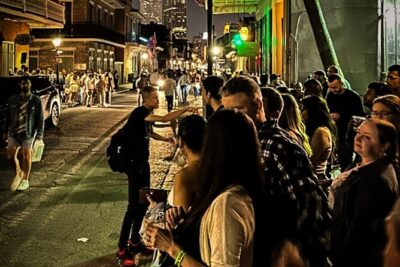
New Orleans Premier Ghost, Voodoo and Vampire Walking Tour
Read our review →
Adults-Only New Orleans Ghost, Crime, Voodoo, and Vampire Tour
Read our review →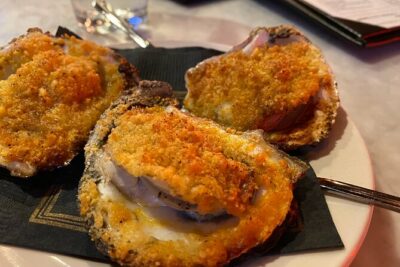
New Orleans Food Walking Tour of the French Quarter with Small-Group Option
Read our review →
New Orleans Swamp and Bayou Boat Tour with Transportation
Read our review →
New Orleans City Sightseeing Hop-On Hop-Off Bus Tour
Read our review →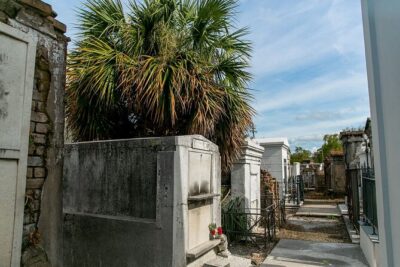
St. Louis Cemetery No. 1 Official Walking Tour
Read our review →
Swamp Boat Ride and Oak Alley Plantation Tour from New Orleans
Read our review →