
Reviewed · JAZZ & LIVE MUSIC TOURS
New Orleans Jazz Walking Tour
New Orleans jazz is best understood on foot, where music, memory, and place meet. This two-hour walk begins at Louis Armstrong Park, reaches Congo Square and the New Orleans Jazz Museum, then finishes among the clubs of Frenchmen Street. Along the way, you hear about Louis Armstrong, Jelly Roll Morton, Buddy Bolden, and the city that shaped their sound.
I like the local perspective, especially when guides such as Harris Parson, a New Orleans native and musician, use songs to explain different eras. I also like the route itself: it connects a park, a sacred gathering place, a museum, and a live-music street instead of treating jazz as a story sealed behind glass.
The main drawback is physical and practical. You must walk and stand for much of the two hours, and the tour is more about explanation and context than sitting down for a full concert. Younger children may also lose interest during the longer historical sections.
In This Review
- Key points to know before booking
- Why this New Orleans jazz walk works
- Louis Armstrong Park and the first jazz pioneers
- The New Orleans Jazz Museum and the St. Pierre Hotel connection
- Congo Square and the roots of the sound
- Frenchmen Street and the live-music finish
- What the guides add to the experience
- Timing, cost, and physical demands
- Who should book this jazz experience
- Should you book the New Orleans Jazz Walking Tour?
- FAQ
- How long does the New Orleans Jazz Walking Tour last?
- How much does the tour cost?
- Where does the tour begin?
- Where does the tour end?
- Is live music included?
- Does the tour visit Congo Square?
- Does the tour visit the New Orleans Jazz Museum?
- Is the tour offered in languages besides English?
- How many people can join the tour?
- Can I cancel for a refund?
Key points to know before booking
- Jazz history becomes a walking story: You move through places linked to the people and communities that shaped New Orleans music.
- Louis Armstrong Park sets the tone: Monuments and former dance-hall sites introduce the city’s early jazz figures.
- Congo Square adds cultural context: The tour connects jazz to African American music, dance, gathering, and tradition.
- The museum stop has a personal link: You hear about the St. Pierre Hotel, where Louis Armstrong stayed while performing in New Orleans.
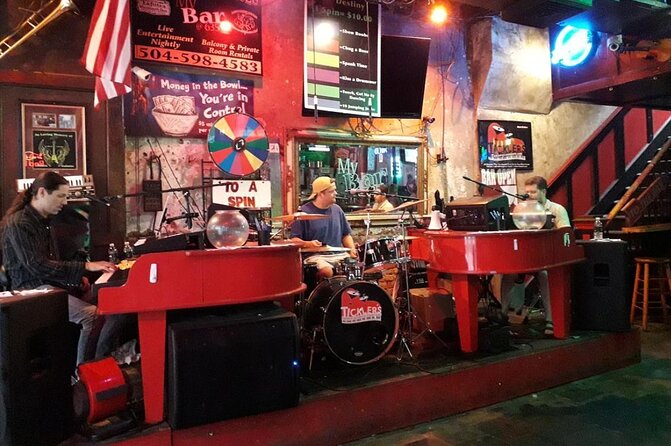
- Frenchmen Street is the finale: The route ends near live-music venues including Snug Harbor, the Maison, and the Spotted Cat.
- The $35 price favors first-time visitors: You get a guide, a clear route, and local orientation, but food, drinks, and club admission are not included.
Why this New Orleans jazz walk works
Many music tours give you a list of famous names and a club recommendation. This one tries to show you where the music grew, who carried it forward, and how New Orleans culture shaped its sound. That makes the route useful even if you arrive knowing little about jazz.
The walk is led by a licensed local guide described as a cultural ambassador and a New Orleans native. Harris Parson receives especially strong praise for his storytelling, city knowledge, musical background, and ability to answer questions beyond jazz. Robin is also noted for pairing music with different periods and styles, which helps turn dates and names into something you can hear in your head.
I would book this near the beginning of your New Orleans stay. Once you understand the links between Congo Square, Tremé, early recording studios, musicians, and Frenchmen Street, you will listen differently for the rest of your visit. You may also come away with better ideas about where to spend an evening.
The group can reach 28 people, so this is not guaranteed to feel like a private walk. The tour operates with at least two participants and does not normally run for a single person unless arranged as a private tour. At $35, the cost is reasonable for a guided two-hour orientation, especially when your alternative is trying to assemble the same story from separate museums, plaques, and club visits.
Still, keep the limits in mind. Snacks, lunch, and dinner are not included. Live music is part of the Frenchmen Street finish, but the description does not promise a full concert, reserved seating, or admission to a particular club. Think of the final stop as a chance to hear the neighborhood and continue your own evening there.
More live music nights in New Orleans:
- New Orleans Steamboat Natchez Jazz Cruise with Dinner Option
★ 4.0 · 7,533 reviews - New Orleans Steamboat Natchez Jazz Cruise
★ 4.5 · 5,334 reviews - New Orleans: Evening Steamboat Jazz Cruise + Optional Dinner
★ 4.3 · 4,548 reviews
Louis Armstrong Park and the first jazz pioneers
The tour begins at Louis Armstrong Park, at 701 North Rampart Street. This is a fitting starting point because the park gives the story a physical setting rather than beginning with an abstract lecture.
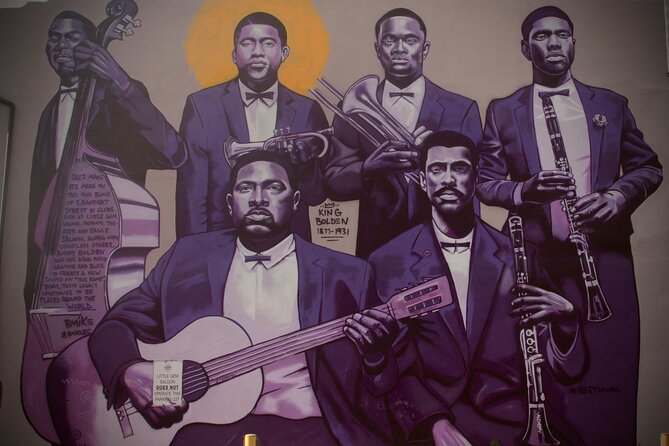
You hear about early figures including Louis Armstrong, Jelly Roll Morton, and Charles Buddy Bolden. The route also points out monuments to jazz pioneers and former dance-hall locations where music and dancing once drew people together. These details matter because early jazz was not simply created by a few famous performers. It grew through places where musicians played, people danced, and communities gathered.
Louis Armstrong is the easiest name to recognize, but the attention to Bolden and Morton helps widen the picture. Bolden is tied to the early development of the sound, while Morton represents the generation that helped carry New Orleans music beyond the city. A guide who can connect their lives to the neighborhoods around you gives the opening section more weight.
This first stop lasts about 40 minutes. That is long enough to establish the main characters, but it also means you will be standing outdoors while listening. Wear shoes you can walk in, bring water, and plan for New Orleans weather. The tour requires a moderate level of physical fitness and the ability to stand for extended periods.
The park section may be the best part for visitors who want more than a playlist. You are not only learning what jazz sounds like. You are learning how the city remembers its musicians and how public spaces preserve their place in local culture.
The New Orleans Jazz Museum and the St. Pierre Hotel connection
The next stop is the New Orleans Jazz Museum, described as an early jazz museum associated with the St. Pierre Hotel. The tour connects the site with Louis Armstrong, who stayed there when he performed in New Orleans.
That personal detail gives the museum stop a useful human scale. Armstrong was not only a name on a poster or a monument. He was a working musician who returned to the city, performed, and stayed in a real place that you can connect with the story.
The planned stop lasts about 40 minutes. The information provided lists admission as free, so the $35 tour price is not mainly paying for entry tickets. You are paying for the route, interpretation, and the guide’s ability to connect objects and locations with wider events in New Orleans.
The museum may appeal most to you if you like seeing historical material after hearing the story first. It can be easier to understand an exhibit when you already know why a musician, recording, or instrument matters. If you are already an expert on New Orleans jazz, this part may feel more like a refresher than a major discovery.
The guide may also add information about architecture and the broader city. Several tour experiences are described as covering more than music, including local buildings, social change, and the way New Orleans developed around its neighborhoods. That wider view is one reason this works for people who come with a companion who is not a serious jazz fan.
Congo Square and the roots of the sound
Congo Square is the most meaningful stop on the route. The tour presents these grounds as a sacred place where the origins of jazz are often said to have been discovered. It also introduces Tremé, one of the oldest African American neighborhoods in the country.
The wording matters. Jazz did not spring from one single moment or one single patch of ground. The value of Congo Square is that it helps you think about the older African and African American musical practices that shaped New Orleans culture. Drumming, dancing, rhythm, gathering, and oral tradition all belong in the conversation.
You spend about 20 minutes here. That is shorter than the first two stops, but the site works as a concentrated part of the walk. A good guide can help you see Congo Square not as a simple origin story, but as part of a long chain of cultural exchange and survival.
This is also where the tour moves beyond the usual famous-musician biography. You hear about communities, social conditions, and traditions that made the music possible. That context is essential. Without it, jazz can sound like a tidy story about gifted men in clubs. With it, you get a clearer sense of how sound, movement, identity, and place came together.
The Tremé connection adds another layer. You are looking at a neighborhood with a long African American presence, rather than treating jazz as something imported into New Orleans from elsewhere. If you care about culture and local identity, this may be the emotional center of the tour.
More walking tours in New Orleans:
- New Orleans Premier Ghost, Voodoo and Vampire Walking Tour
★ 4.5 · 12,856 reviews - New Orleans Food Walking Tour of the French Quarter with Small-Group Option
★ 5.0 · 6,118 reviews - St. Louis Cemetery No. 1 Official Walking Tour
★ 4.5 · 3,941 reviews - New Orleans French Quarter, Voodoo and Culture Walking Tour
★ 4.5 · 2,961 reviews
Frenchmen Street and the live-music finish
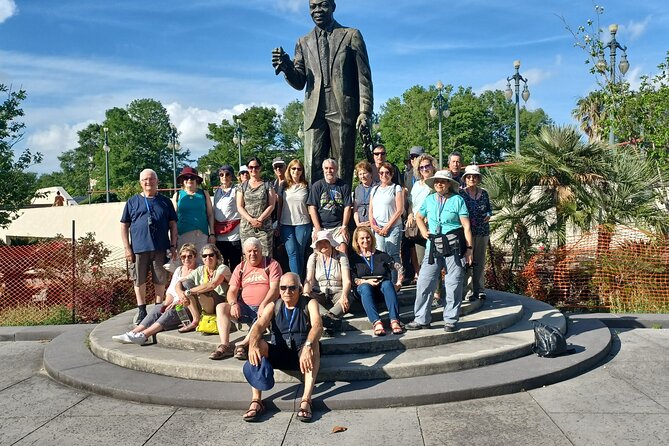
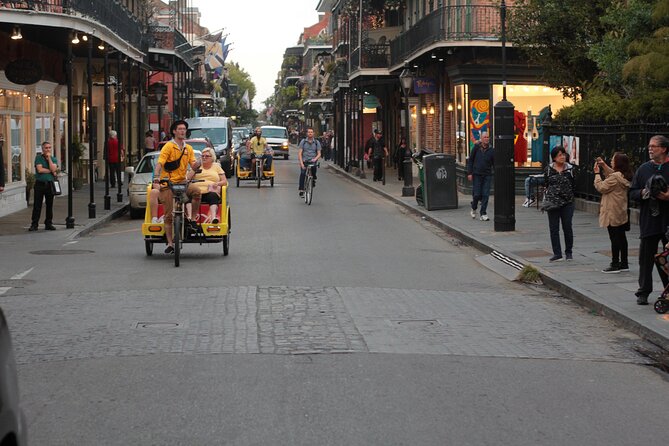
The walk ends on Frenchmen Street, one of New Orleans’ best-known places for live music. The route description points to venues such as Snug Harbor, the Maison, and the Spotted Cat. These are useful names to have before your evening begins, even if your group does not enter one of them as part of the tour.
The final section lasts about 20 minutes. That is enough time to point out the character of the street and help you understand why it matters to the city’s music life. It is not enough time to sample several clubs or guarantee a particular performer, so keep your expectations realistic.
I like ending here because the tour moves from history into the present. You begin with monuments and stories, then finish in a place where music is still performed. That change gives the walk a sense of continuation. The past is not presented as finished business.
Frenchmen Street is described as family-friendly, with a welcoming atmosphere for younger visitors. Even so, the overall tour may not hold the attention of very young children. The subject matter is aimed more at mature listeners, and much of the time is spent standing and listening rather than doing hands-on activities.
If you want to stay for music after the tour, plan your own food and evening budget. Meals, snacks, drinks, and any club charges are not included. The tour ends on Frenchmen Street, so you do not need to retrace the whole route to continue exploring.
What the guides add to the experience
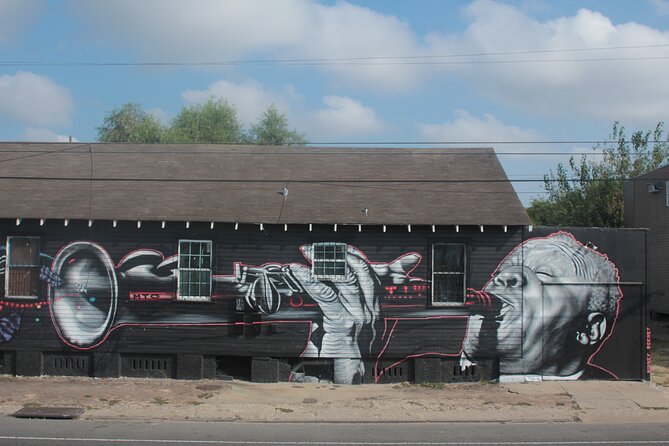
The strongest element here is the guide, not a special vehicle, ticket, or performance package. Harris Parson is described as a drummer, band member, oral historian, independent scholar, and cultural ambassador. Those roles suggest a guide who can explain both the sound itself and the city around it.
His approach appears especially useful if you ask questions. He has been praised for discussing architecture, city history, recording sites, musicians’ lives, and the social forces that shaped jazz. One account also describes him adapting the conversation for a young musician in the group, pointing out details likely to interest her.
Robin is noted for using recorded music to highlight changing periods and genres. That is a smart teaching tool. Music can explain a shift in style faster than a string of dates, and hearing examples as you walk may help you recognize the difference between the artists discussed.
You may not receive Harris or Robin on every departure, so do not book solely on the assumption that one named guide will lead your group. The experience provider is Tours By NOLA, New Orleans Local Artists, and the advertised feature is a licensed local guide. The consistent benefit to seek is a guide who can connect music with place, culture, and lived experience.
Timing, cost, and physical demands
The tour costs $35 per person and lasts about two hours. For New Orleans, that is a moderate price for a guided cultural walk. The value is strongest if you want a clear introduction to jazz and plan to use the information during the rest of your trip.
The tour includes the guide, guided walking, and what the provider calls a lagniappe, meaning something extra. The exact extra item is not specified, so I would not book expecting a particular gift, meal, recording, or ticket.
The route starts at Louis Armstrong Park and ends on Frenchmen Street. It is near public transportation, but no specific bus or streetcar directions are provided. You should allow enough time to reach the first meeting point and avoid scheduling a tight appointment immediately after the walk.
Expect outdoor walking and long periods on your feet. A moderate fitness level is required. Comfortable shoes, water, and weather-appropriate clothing will make a real difference, especially since poor weather can cause the activity to be moved or canceled.
Free cancellation is available if you cancel at least 24 hours before the start time. Changes or cancellations inside that window are not accepted for a refund, and the cut-off follows local New Orleans time. If bad weather cancels the walk, you are offered another date or a full refund.
Who should book this jazz experience
I would choose this tour if you are new to New Orleans, curious about jazz but unsure where to begin, or traveling with someone who wants city history along with music. It also suits adults and older children who enjoy stories, questions, and cultural context.
It is a good match for music students and serious jazz fans who want a local frame for familiar names. The guides’ own musical and research backgrounds can add detail beyond a basic sightseeing walk, though the tour remains an introduction rather than a specialist seminar.
I would think twice if you want a full night of live jazz included in the price. Frenchmen Street is the endpoint, not a guaranteed concert reservation. I would also reconsider it for toddlers or anyone who cannot stand and walk for a couple of hours.
Book early if your dates are fixed. The experience is often reserved well ahead, with an average booking time of 26 days in advance. It is offered in English and uses a mobile ticket, so keep your confirmation accessible on your phone.
Should you book the New Orleans Jazz Walking Tour?
Book it if you want the story behind the sound. The route covers four useful points: Louis Armstrong Park, the New Orleans Jazz Museum, Congo Square, and Frenchmen Street. More important, it links them into one explanation of how musicians, neighborhoods, traditions, and performance spaces shaped New Orleans jazz.
The strongest reasons to go are the local guides, the music examples used by some guides, and the chance to finish where live music is happening now. The main cautions are the standing, the outdoor conditions, the lack of included food or club admission, and the fact that very young children may not stay engaged.
For $35, this is a sensible first or second-day activity. You get orientation, cultural context, and an easy way to turn the rest of your New Orleans music nights into more informed choices.
FAQ
How long does the New Orleans Jazz Walking Tour last?
The tour lasts approximately two hours.
How much does the tour cost?
The price is $35 per person.
Where does the tour begin?
The tour begins at Louis Armstrong Park, 701 N Rampart Street, New Orleans, Louisiana 70116.
Where does the tour end?
The tour ends on Frenchmen Street in New Orleans.
Is live music included?
The route ends on Frenchmen Street, where you can experience live music near venues such as Snug Harbor, the Maison, and the Spotted Cat. Food, drinks, and club admission are not included.
Does the tour visit Congo Square?
Yes. The tour spends about 20 minutes at Congo Square and discusses its connection to the origins of jazz and African American culture in New Orleans.
Does the tour visit the New Orleans Jazz Museum?
Yes. The museum portion lasts about 40 minutes. Admission is listed as free.
Is the tour offered in languages besides English?
The tour is offered in English.
How many people can join the tour?
The maximum group size is 28 people. The tour requires at least two participants and does not normally operate for one person unless arranged as a private tour.
Can I cancel for a refund?
You can cancel at least 24 hours before the start time for a full refund. Cancellations or changes made less than 24 hours before the start time are not accepted, and poor weather may result in a different date or a full refund.
Just added around New Orleans
- New Orleans Garden District Tour★ 5.0 · 8 reviews
- New Orleans Seance Experience★ 4.0 · 8 reviews
- Airport and City Transfers in New Orleans★ 5.0 · 8 reviews
- Sin and Tonic Pub Crawl in New Orleans★ 4.5 · 8 reviews
- The New Orleans Darkness Tour★ 4.4 · 9 reviews
- New Orleans Plantation Tour with Transportation★ 5.0 · 9 reviews
- New Orleans Self-Guided Kayak Bayou Swamp Tour★ 5.0 · 9 reviews
- Historic Carrollton Neighborhood Walking Tour★ 5.0 · 9 reviews
Jazz & Live Music Tours, compared.

New Orleans Steamboat Natchez Jazz Cruise with Dinner Option
Read our review →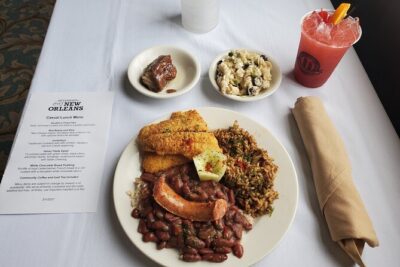
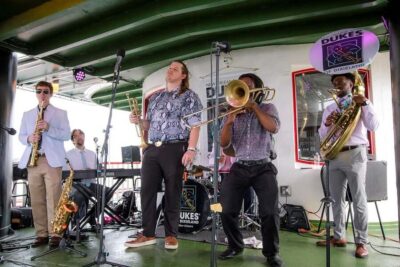
Evening Steamboat Jazz Cruise + Optional Dinner
Read our review →
Daytime Steamboat Jazz Cruise + Optional Lunch
Read our review →
Paddlewheeler Creole Queen Jazz Dinner Cruise in New Orleans
Read our review →
Evening Jazz Boat Cruise with Optional Dinner
Read our review →
VIP Jazz Dinner Cruise with Private Tour and Open Bar Option
Read our review →Browse the lists this tour appears in