Reviewed · TOURS
New Orleans Culture Second Line Tour in NOLA
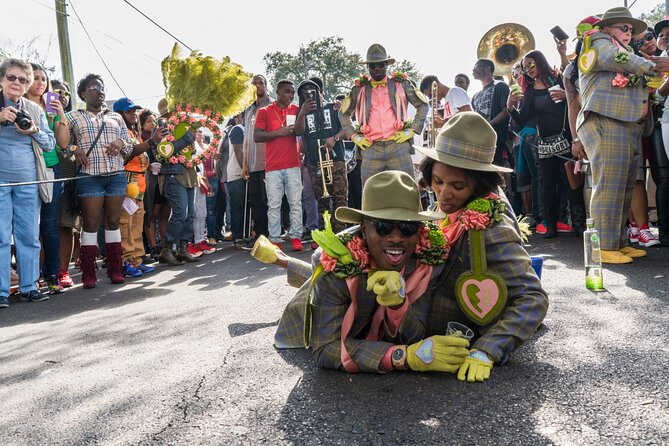
New Orleans Second Line parades are not simply something you watch from a curb. They are moving celebrations, with brass music, dancing, colorful outfits, and a crowd that grows as the route rolls through Treme. This tour puts you beside that parade and adds context from local guide King Hollis Burton, who explains the traditions behind the music and street party.
I like the way the tour takes you beyond the French Quarter and into Treme, and I like that the experience connects Second Lines with Mardi Gras Indians, Social Aid & Pleasure Clubs, and Congo Square. The main caution is practical: you will walk a lot, sometimes over uneven ground and at a quick pace, while loud music can make it hard to hear the guide.
In This Review
- Key points to know before you book
- Why Treme is the right place for this experience
- What a Second Line parade feels like from inside
- The cultural background Hollis brings to the walk
- Walking, waiting, and the pace of the afternoon
- What the $30 price really covers
- The guide, the group, and the sound problem
- Weather, meeting details, and the small print
- Who will get the most from this Second Line tour
- Should you book the New Orleans Culture Second Line Tour?
- FAQ
- Where does the tour start?
- How long does the experience last?
- Is the Second Line parade included in the tour?
- Who leads the tour?
- How much walking is involved?
- Should I bring money?
- What happens if the weather is poor?
Key points to know before you book
- You join a real Second Line parade: This is an active street celebration, not a staged performance for a tour group.
- King Hollis Burton leads the experience: He shares local context about Treme, Mardi Gras Indians, Social Aid & Pleasure Clubs, and New Orleans music.
- Expect about two and a half hours on foot: Comfortable shoes matter, and keeping up with the moving parade may take effort.
- The $30 fee pays for guidance and context: The parade itself is a public cultural event, so the value rests in the organized introduction and local interpretation.
- Bring cash for the route: Food and drinks may be sold along the way, but they are not included.
- Sunday timing and weather matter: The experience is scheduled for Sunday afternoon, runs rain or shine unless canceled for bad weather, and may involve route changes.
Why Treme is the right place for this experience
Treme gives the tour a stronger setting than a general music walk through the French Quarter. This neighborhood is closely tied to New Orleans Black culture, brass-band traditions, Mardi Gras Indians, and the Social Aid & Pleasure Clubs that help keep Second Line customs alive.
You begin at 1111 Canal Street, New Orleans, though the meeting point can change when parade logistics require it. Check your messages on the day of the tour, and do not rely only on an old map pin. A past location change caused some people to arrive at the wrong place, so this is one small task that can make a large difference.
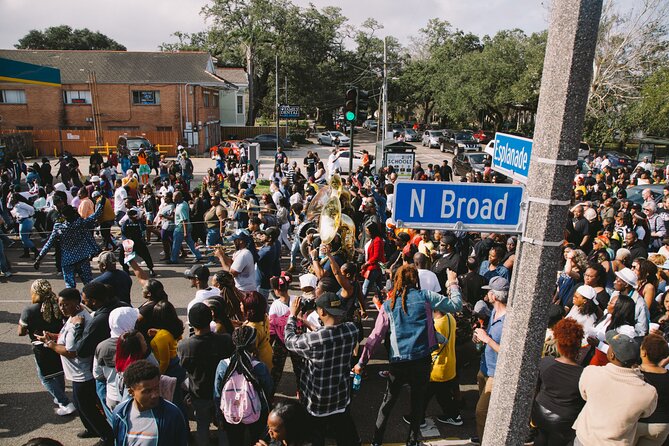
From there, Hollis leads you through streets connected to the city’s music and social traditions. The exact path depends on the parade route. That flexibility is part of the appeal, since you follow the celebration where it is happening, but it also means you should not expect a fixed list of street corners or a perfectly predictable schedule.
The tour may include discussion of Congo Square, a place associated with music, gathering, and cultural exchange in New Orleans. You also learn how Mardi Gras Indians and Social Aid & Pleasure Clubs fit into the city’s traditions. These details help you see the Second Line as more than a cheerful procession with horns.
Other New Orleans tours people book alongside this one:
- New Orleans Premier Ghost, Voodoo and Vampire Walking Tour
★ 4.5 · 12,856 reviews - New Orleans Steamboat Natchez Jazz Cruise with Dinner Option
★ 4.0 · 7,533 reviews - Adults-Only New Orleans Ghost, Crime, Voodoo, and Vampire Tour
★ 5.0 · 6,545 reviews
What a Second Line parade feels like from inside
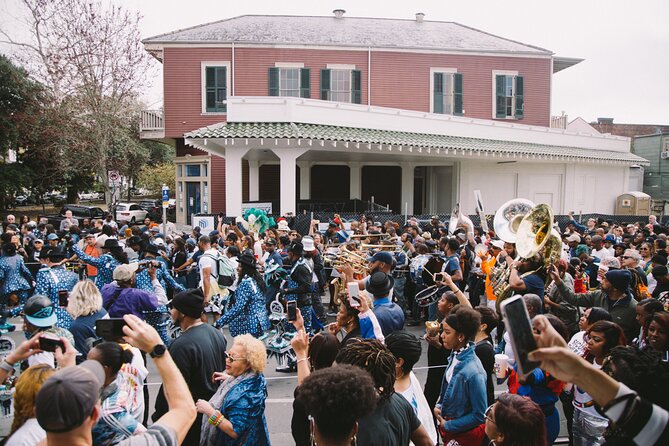
The classic Second Line has two parts. The main participants, often connected with a club, wedding, funeral, or community event, form the formal section. Everyone following along becomes the second line, moving behind the band, dancing, waving, and enjoying the moment.
On this tour, you do not merely observe from a sidewalk. You take part in the moving crowd. Brass music sets the pace, and the parade can gather energy as it moves through the neighborhood. The celebration may include colorful outfits, dancing, food, drinks, and people joining for a stretch of the route.
This is also why the experience can feel less tidy than a standard city tour. The parade moves. The group may need to walk quickly to catch up, and a large crowd can make it hard to spot your guide. One practical improvement would be to agree on a clear meeting point before the music starts, especially if you are with friends or family.
The sound level is high. That is part of the pleasure, but it affects how much spoken explanation you can absorb during the parade. If learning the history is your main reason for booking, listen closely during the opening part of the experience and ask Hollis questions before the band gets underway.
The cultural background Hollis brings to the walk
The strongest feature of the tour is the link between the street celebration and the people who maintain it. Hollis does not simply point out a parade and tell you to enjoy the music. He explains how Second Lines developed from jazz funerals and how the tradition has changed over time.
You also hear about Social Aid & Pleasure Clubs. These organizations have served community and social roles in New Orleans, while also helping shape the parading traditions associated with the city. That context gives the procession more meaning than a photo opportunity.
Mardi Gras Indians add another layer. Their suits, music, and neighborhood traditions are part of the distinctive cultural life of New Orleans. The tour presents these customs alongside the Second Line rather than treating each one as an isolated attraction.
I would pay attention to how Hollis describes the relationship between celebration and community. The music is joyful, but the tradition is not just entertainment. It reflects local identity, family ties, neighborhood connections, and a long practice of bringing people together in public.
One limitation is that spoken information can get lost. A small group may still have trouble hearing Hollis once the band starts, and a larger group of up to 50 people makes this harder. Stand close at the beginning, ask questions early, and stay near the guide when the parade starts moving.
Walking, waiting, and the pace of the afternoon
The advertised duration is about two hours and 30 minutes. That sounds manageable, but the physical feel is closer to an active afternoon walk than a relaxed sightseeing loop.
You may cover a fair amount of ground, walk over uneven surfaces, and move quickly at times. There can also be pauses while parade participants change outfits. That waiting is part of the event’s rhythm, but it means the tour does not unfold like a tightly timed museum visit.
Wear comfortable shoes with secure soles. Sandals or stiff footwear will make the experience less pleasant. Bring the bottled water provided, and consider carrying extra water if you need it, since New Orleans weather can be hot and humid.
The tour takes place on Sunday afternoon, with the listed operating window from noon to 4 p.m. The exact finish can depend on the parade. The activity returns to the meeting point, so you do not need to arrange a separate ride from the end, but allow flexibility in your plans afterward.
Most people can participate, and service animals are allowed. Still, the walking pace, uneven ground, noise, and crowd movement may be difficult for anyone who needs frequent rests or quiet conditions. The tour is near public transportation, which helps with access to the starting area.
A completely different side of New Orleans:
- New Orleans Food Walking Tour of the French Quarter with Small-Group Option
★ 5.0 · 6,118 reviews - New Orleans Swamp and Bayou Boat Tour with Transportation
★ 5.0 · 5,399 reviews - New Orleans Steamboat Natchez Jazz Cruise
★ 4.5 · 5,334 reviews - New Orleans City Sightseeing Hop-On Hop-Off Bus Tour
★ 4.5 · 4,943 reviews
What the $30 price really covers
At $30 per person, this is less expensive than many guided New Orleans activities. The public parade itself does not require a ticket, so it is fair to ask what the fee adds.
You are paying for a guide, an organized meeting point, cultural explanation, help finding and following the parade, and bottled water. You also get an introduction to traditions that can be easy to miss if you simply watch from the edge of the crowd.
The value is best for you if you want context and company. If you already know Treme, understand Second Line customs, and are comfortable finding a parade route on your own, you may prefer to attend independently. If you want someone to explain what you are seeing and connect the music to local traditions, $30 is a reasonable price.
Food and alcohol may be available from sellers along the route, but those purchases cost extra. Bring cash. Do not assume every seller accepts cards, and do not treat refreshments as part of the tour price.
The fee also does not guarantee a polished, conventional tour format. This is a community celebration with changing conditions. You may get a more personal and local-feeling experience, but you should accept some noise, crowding, route changes, and loose timing in exchange.
The guide, the group, and the sound problem
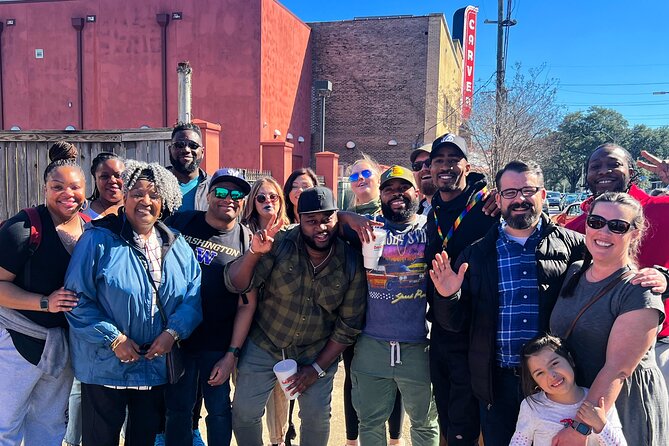
Hollis Burton is the personality at the center of the experience. His appeal comes from his connection to the local culture and his easy way with people. He is described as warm, engaging, and able to make participants feel part of the group.
That personal style works well when you want an informal New Orleans experience. Hollis can connect the history to the people and streets around you, rather than delivering a memorized speech detached from the neighborhood.
The group size can reach 50 people. A smaller gathering may feel more personal, but even a group of about 10 can spread out once the parade begins. Several people found that Hollis spoke too softly to be heard over the band, especially when they were not standing beside him.
This is the clearest weakness in the format. A microphone and portable speaker would help, as would a short history talk before the parade begins. You can help yourself by standing near Hollis at the start and keeping visual contact as the crowd moves.
Ask about the route, the expected pace, and where to regroup if separated. Those questions are especially useful for families and groups of friends. The experience is more enjoyable when everyone knows how to reconnect.
Weather, meeting details, and the small print
The tour is held outdoors and requires good weather. If poor weather forces a cancellation, you are offered another date or a full refund. If the minimum number of participants is not reached, you are offered another date, another experience, or a full refund.
Your own cancellation is different. The booking is non-refundable and cannot be changed for any reason, so choose your date carefully.
The activity is offered in English, uses a mobile ticket, and confirmation arrives when you book. The listed meeting point is 1111 Canal Street, but route or event changes can lead to a different location. Check the latest instructions before leaving your hotel.
Bring:
- Comfortable walking shoes
- Cash for food and drinks
- Water for the walk
- A poncho or umbrella
- A charged phone with the meeting details
The event may continue in light rain, so a poncho is more useful than an umbrella in a moving crowd. Rain can also make uneven ground slick, which adds another reason to wear sturdy shoes.
Who will get the most from this Second Line tour
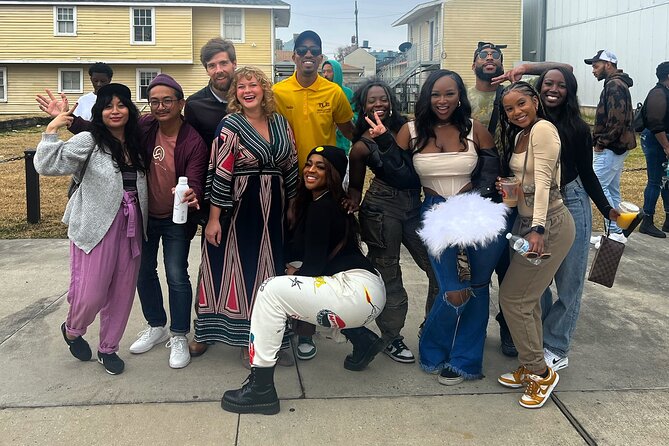
I would choose this experience if you want to understand New Orleans through its neighborhoods, people, and music rather than through polished attractions alone. It suits couples, families with older children, friends, solo visitors, and anyone who wants a social afternoon.
It is especially good for a first visit when you want to see more of the city beyond the French Quarter. The tour gives you a reason to enter Treme and a local frame for what you see there.
Families should be honest about the walking and sound. Children who enjoy music and crowds may have a wonderful time, but the pace and noise can be tiring. Anyone who prefers quiet, precise scheduling, or long historical talks should choose a different format.
The experience also suits repeat visitors who have already seen the usual French Quarter sights. A Second Line offers a different view of New Orleans, one shaped by neighborhood tradition and live community activity.
Should you book the New Orleans Culture Second Line Tour?
I would book it if your priority is an authentic, participatory afternoon rather than a carefully controlled sightseeing tour. The music, dancing, Treme setting, and local traditions create a memorable way to encounter New Orleans culture.
I would not book it if you need guaranteed quiet, a fixed route, easy walking, or constant narration. The parade can move fast, the guide can be difficult to hear, and the meeting point may change.
At $30, the tour offers solid value for the right person. Check the Sunday schedule, read the latest meeting instructions, wear good shoes, bring cash, and arrive ready to follow the music. If you do that, you are more likely to enjoy the loose, joyful character that makes a Second Line special.
FAQ
Where does the tour start?
The listed starting point is 1111 Canal Street, New Orleans, Louisiana 70112. The location can change based on parade logistics, so check the latest instructions before the Sunday afternoon start.
How long does the experience last?
The experience lasts approximately two hours and 30 minutes. It begins on Sunday afternoon within the listed noon to 4 p.m. operating window and ends back at the meeting point.
Is the Second Line parade included in the tour?
The tour places you alongside and within a Second Line parade as part of the experience. The parade itself is a public cultural event, while the $30 fee covers the guided experience, local context, organization, and bottled water.
Who leads the tour?
The guide is King Hollis Burton. He explains Treme traditions, Mardi Gras Indians, Social Aid & Pleasure Clubs, Congo Square, and the background of Second Line parades.
How much walking is involved?
There is a lot of walking, including some uneven ground and occasional quick walking to keep up with the moving parade. Comfortable shoes are strongly recommended.
Should I bring money?
Yes. Food and drinks may be available along the parade route, but they are not included in the tour price. Cash is recommended.
What happens if the weather is poor?
The experience requires good weather. If it is canceled because of poor weather, you are offered a different date or a full refund.
Just added around New Orleans
- New Orleans Garden District Tour★ 5.0 · 8 reviews
- New Orleans Seance Experience★ 4.0 · 8 reviews
- Airport and City Transfers in New Orleans★ 5.0 · 8 reviews
- Sin and Tonic Pub Crawl in New Orleans★ 4.5 · 8 reviews
- The New Orleans Darkness Tour★ 4.4 · 9 reviews
- New Orleans Plantation Tour with Transportation★ 5.0 · 9 reviews
- New Orleans Self-Guided Kayak Bayou Swamp Tour★ 5.0 · 9 reviews
- Historic Carrollton Neighborhood Walking Tour★ 5.0 · 9 reviews
Tours, compared.
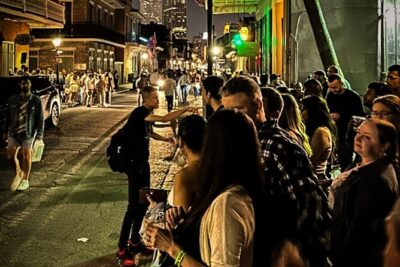
New Orleans Premier Ghost, Voodoo and Vampire Walking Tour
Read our review →
Adults-Only New Orleans Ghost, Crime, Voodoo, and Vampire Tour
Read our review →
New Orleans Food Walking Tour of the French Quarter with Small-Group Option
Read our review →
New Orleans Swamp and Bayou Boat Tour with Transportation
Read our review →
New Orleans City Sightseeing Hop-On Hop-Off Bus Tour
Read our review →
St. Louis Cemetery No. 1 Official Walking Tour
Read our review →
Swamp Boat Ride and Oak Alley Plantation Tour from New Orleans
Read our review →