
Reviewed · SWAMP & BAYOU TOURS
New Orleans: Airboat Swamp & City and Katrina Tour Combo
New Orleans is more than French Quarter balconies and jazz clubs. This full-day outing connects the city’s grand old streets with the wetlands that helped shape Louisiana life, then adds a sobering look at Hurricane Katrina’s damage and recovery. The fast airboat ride, powered by a 454 Chevy engine, reaches up to 35 mph and gets you into shallow water that cars cannot reach.
I like the two-part design: you see major New Orleans sights without giving up a real swamp experience. I also like the human side of the city tour, especially the Lower 9th Ward and the discussion of rebuilding. The main drawback is pace. With roughly 7.5 hours on the road, limited time for food, and most city stops viewed from the minibus, this is an introduction rather than a leisurely day in each neighborhood.
In This Review
- Key points to know before you book
- Why this combo works for a first day in New Orleans
- Morning pickup and the ride out of town
- Jackson Square and the old French Quarter
- Esplanade Avenue, City Park, and cemetery traditions
- St. Charles Avenue and the Garden District
- The Lower 9th Ward and Katrina’s lasting impact
- Leaving the pavement for Louisiana wetlands
- Alligators, birds, and the Cajun wetland story
- Weather, comfort, and safety on the airboat
- How the full-day schedule feels
- Who should book this $140 experience?
- My verdict: a useful city-and-swamp introduction
- FAQ
- How long does the tour last?
- Is hotel pickup included?
- When does pickup take place?
- What does the city tour include?
- How long is the airboat ride?
- Can I expect to see an alligator?
- What other wildlife might I see?
- What should I bring?
- What happens if it rains?
- Who cannot take the airboat ride?
Key points to know before you book

- A city tour with a serious purpose: See Jackson Square, St. Louis Cathedral, the Garden District, and neighborhoods shaped by Katrina.
- A 100-minute airboat ride: Stadium-style seating puts you close to the water and wildlife.
- Guide David leads the city portion: Expect city history, traffic navigation, and a look at post-Katrina recovery.
- Captain Jason handles the swamp: He shares local knowledge while searching for alligators, birds, and other wetland wildlife.
- Pickup and drop-off are included: A 30-minute pickup window runs from about 9:30 to 10:00 a.m.
- Bring practical gear: Sunscreen, comfortable shoes, sportswear, and extra layers for a cool day.
Why this combo works for a first day in New Orleans
At $140 per person, this is not the cheapest way to see New Orleans. But the price covers hotel pickup and drop-off, an air-conditioned minibus, a licensed guide, St. Louis Cemetery No. 3, and the airboat ride. If you would otherwise pay separately for city sightseeing and a swamp excursion, the package can make good financial sense.
The bigger value is time. In one day, you get a city orientation, a Katrina-focused visit, an above-ground cemetery, and a trip into the wetlands. You do not need to arrange transport to a swamp facility outside the city, which can be useful if you have only a short stay.
You should also know what this is not. It is not a slow walking tour through the French Quarter, and it is not a food tour. You will receive a French Quarter preview, but most of that area is viewed from the minibus. A stop in Jackson Square is included in the route, though the schedule may not leave enough time for an extended lunch, photography, and independent wandering.
More swamp and bayou trips from New Orleans:
- New Orleans Swamp and Bayou Boat Tour with Transportation
★ 5.0 · 5,399 reviews - New Orleans Airboat Ride
★ 4.5 · 4,891 reviews - Swamp Boat Ride and Oak Alley Plantation Tour from New Orleans
★ 5.0 · 3,303 reviews
Morning pickup and the ride out of town
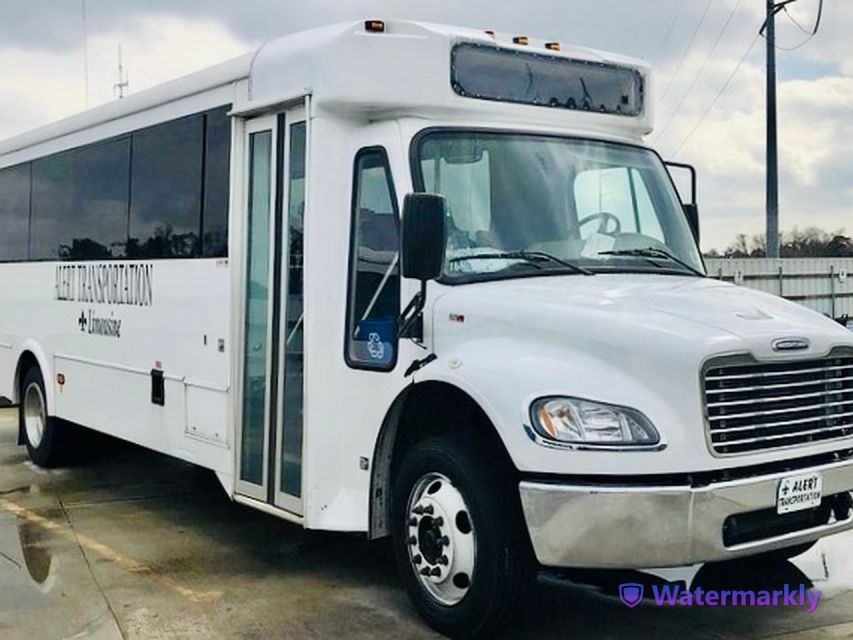
Pickup is included from a very large list of New Orleans hotels and selected locations. You are asked to wait out front and watch for a bus marked Alert Transportation. The pickup window lasts about 30 minutes, so do not schedule a tight breakfast or another activity immediately beforehand.
The ride uses an air-conditioned minibus, an important comfort point in New Orleans heat. The vehicle also lets you cover far more ground than you could on foot, from the French Quarter to Esplanade Avenue, City Park, St. Charles Avenue, the Garden District, and the Lower 9th Ward.
The tradeoff is time in transit. The stated schedule includes about 30 minutes of bus travel, plus hotel pickups and drop-offs. Your actual day can feel longer than the headline stops suggest, especially if several people are being collected.
The order of the city and airboat portions can change with weather and availability. Pack what you need for both settings from the start, rather than assuming you will return to your hotel between activities.
Jackson Square and the old French Quarter
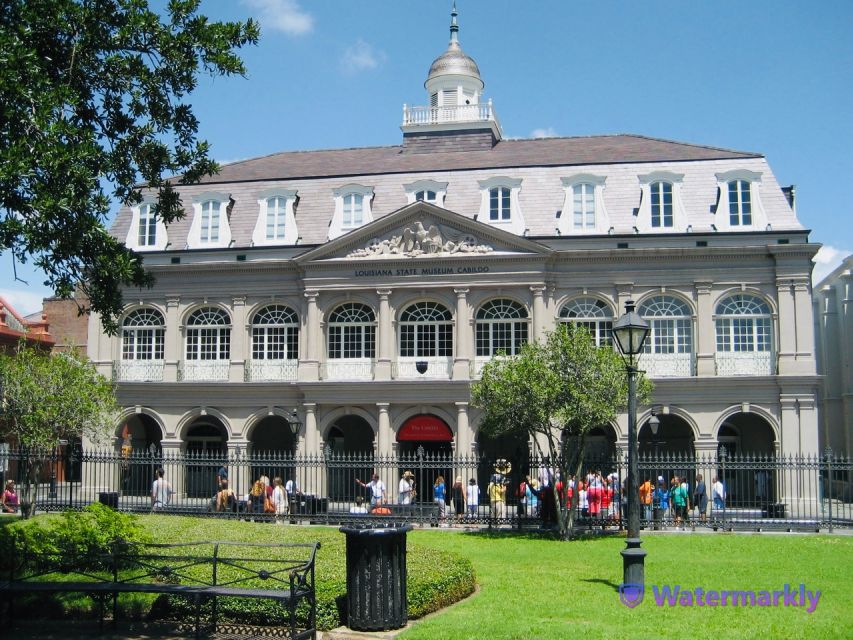
The city portion begins with a look at New Orleans landmarks around Jackson Square. St. Louis Cathedral anchors the square, while The Cabildo recalls the period when the Spanish colonial government operated from this part of town.
This is a good orientation to the French Quarter. You will hear enough to recognize the main historic center later, then can return on your own for a slower walk along the courtyards, bars, shops, and restaurants.
The limitation is that this section is primarily a guided drive with selected stops. You should not expect a long block of free time in Jackson Square. One useful approach is to treat the tour as a preview and save your detailed French Quarter walk for another part of your visit.
Esplanade Avenue, City Park, and cemetery traditions
The minibus continues along Esplanade Avenue, where century-old homes give you a different view of New Orleans architecture. This route helps connect the French Quarter with City Park and shows how quickly the city shifts from dense historic streets to broad, leafy avenues.
At City Park, you visit the Dueling Oaks. The name points to an old New Orleans custom in which disputes were settled with swords or pistols under the shade of large oak trees. The stop adds a bit of local character to a day that otherwise leans heavily toward major landmarks and disaster history.
You also explore St. Louis Cemetery No. 3 on foot. The cemetery’s above-ground tombs are one of the city’s most recognizable traditions, shaped by local ground conditions and the difficulty of burying below the water table. This is one of the few parts of the city tour where you leave the vehicle and get a closer look.
Wear comfortable shoes. The visit is not a long hike, but uneven surfaces and warm weather can make a walking stop feel harder than expected after time in the minibus.
A few more New Orleans tours worth a look
- New Orleans City Sightseeing Hop-On Hop-Off Bus Tour
★ 4.5 · 4,943 reviews - New Orleans Sightseeing City Tour
★ 5.0 · 3,038 reviews - City Tour of New Orleans with Pickup
★ 4.5 · 2,407 reviews - New Orleans City Tour: French Quarter, Garden District & Cemetery
★ 4.5 · 2,209 reviews
St. Charles Avenue and the Garden District
St. Charles Avenue introduces the American side of New Orleans. The route passes grand homes and the elegant Garden District, an area known for its large residences, older trees, and formal streets.
You also pass the former residence of Gothic fiction writer Anne Rice. The stop is a drive-by detail rather than a house visit, but it gives literature fans a personal connection to the neighborhood.
I like this part because it keeps the tour from treating New Orleans as only a French and Spanish city. The American influence, the Garden District, and the older homes along the avenue show a broader story of how the city developed.
Again, manage expectations about walking. You see the area from the minibus, so this is best for getting oriented. If grand houses and neighborhood details are a priority, you will want time later for a separate Garden District walk.
The Lower 9th Ward and Katrina’s lasting impact
The Katrina section gives the day its emotional weight. You visit areas badly affected by the hurricane and learn how residents are rebuilding. The Lower 9th Ward is central to that discussion, offering a direct look at the physical and social impact of the disaster.
This is not simply a sightseeing detour. It helps explain why New Orleans neighborhoods cannot be understood only through architecture, music, and food. The tour connects the storm’s damage with the work of residents trying to restore homes and community life.
The quality of this part depends heavily on the guide, and David leads the city portion. He is described as handling difficult city traffic and major construction conditions during Super Bowl preparation while keeping the history clear and engaging. That matters because the city route is not just a list of buildings. You need a guide who can explain how neighborhoods fit together while the vehicle keeps moving.
Give this section your attention. It is easy to focus on taking photographs, but the rebuilding story is the part that adds real context to the usual New Orleans visit.
Leaving the pavement for Louisiana wetlands
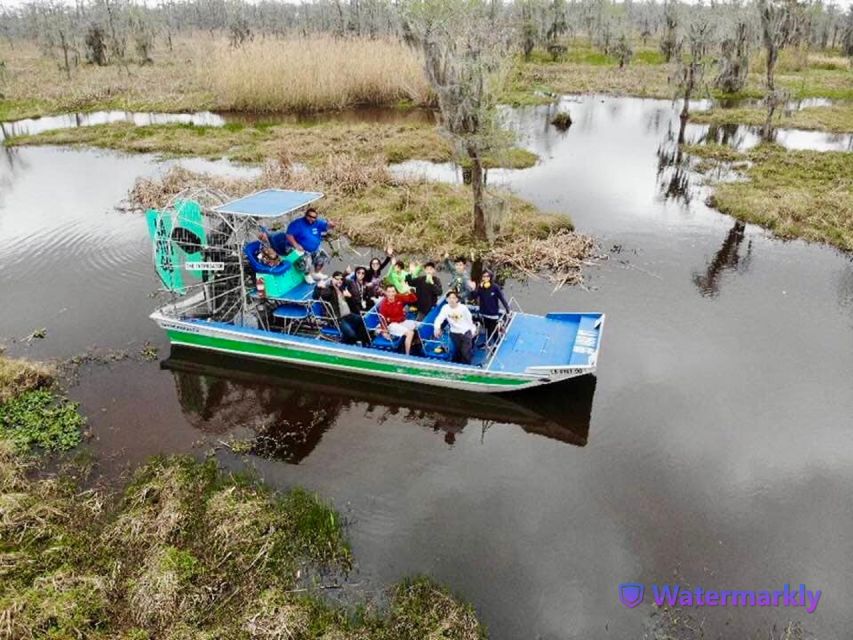
The second half takes you outside New Orleans for an educational swamp tour and high-speed airboat ride. The area combines swamp, marsh, and lake, so the scenery changes as the boat moves through shallow water and narrow passages.
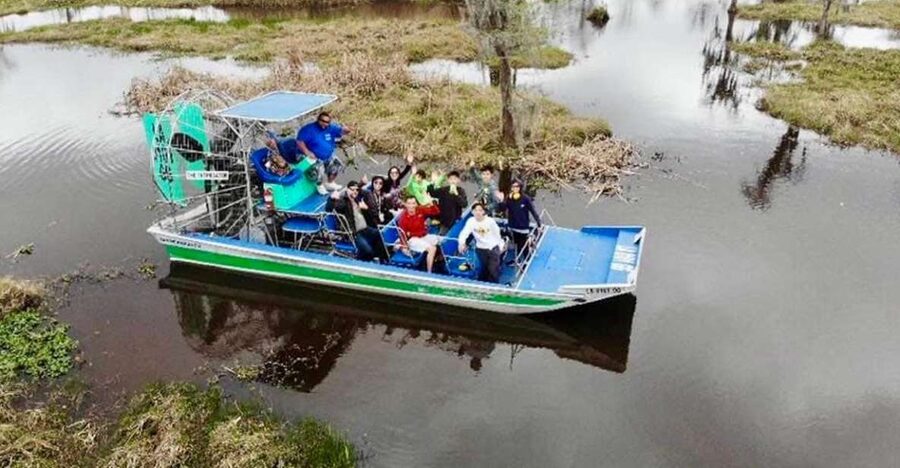
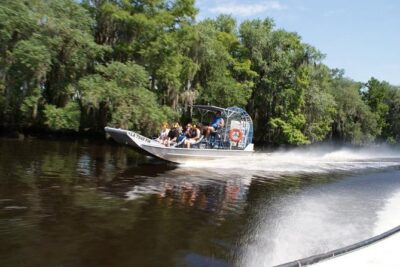
The boats use stadium-style seating, giving you a clear view over the people in front of you. A 454 Chevy engine powers the airboat, and the fan pushes air at more than 200 mph. The boat can reach up to 35 mph, creating the loud, sharp rush that makes an airboat different from a quiet nature cruise.
The ride can move through water only inches deep. That access is the point. You reach wet areas that are impossible to explore by car and difficult to reach on foot, with the airboat skimming across the surface rather than relying on a conventional propeller below the hull.
This is a thrill ride as well as a wildlife trip. Expect quick turns, loud engine noise, wind, and an open boat. Hearing protection is provided, but bring sunscreen and a hat for bright weather.
Alligators, birds, and the Cajun wetland story
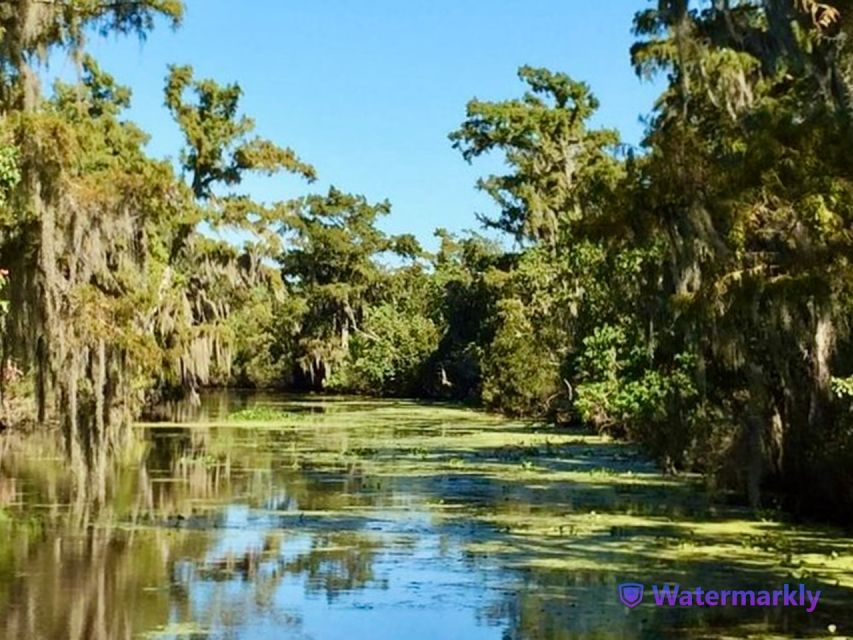
Captain Jason leads the swamp portion and brings local knowledge to the search for wildlife. The boat makes photo stops, but the exact route and sightings change from one outing to the next. That uncertainty is part of the experience, so you should not expect a fixed animal checklist.
In warm months, you are expected to see an alligator. In colder months, alligators hibernate, but the captains know where to look and the stated chance is better than 50 percent. Wildlife remains wild, so no sighting can be guaranteed.
Look beyond the alligators. The wetlands can produce bald eagles, pelicans, ospreys, and owls. The mixed swamp, marsh, and lake setting gives you more than one type of habitat to watch.
The tour also explains how Cajun communities lived in the wetlands outside New Orleans. That cultural element is important. You are not just racing over water for photographs, you are learning how people adapted their homes, work, and daily routines to a place shaped by flooding and shallow waterways.
Captain Jason is especially praised for his affection for Louisiana and the way he teaches from the boat. An onboard assistant adds another useful set of eyes for wildlife and safety. If you enjoy asking questions, this is the part of the day where curiosity pays off.
Weather, comfort, and safety on the airboat
The airboat is open, so rain means you will get wet. Inexpensive rain ponchos are available at the swamp gift shop, but I would still check the forecast and bring a light waterproof layer if rain is possible.
On a hot, sunny day, sunscreen and a hat are essential. On a cold day, wear long pants and bring a coat. Airboat speed creates a noticeable wind chill, even when the temperature on land feels manageable.
The ride is not suitable for pregnant women or people with back or neck problems because of the motion. Children must be at least 48 inches tall to sit and wear a seat belt. The experience is also not suitable for anyone under 3 feet 9 inches, or 120 centimeters.
Comfortable shoes matter for the cemetery stop and the general length of the day. Food and drinks are not included, though the swamp facility has a snack and souvenir shop selling items such as candy, chips, sandwiches, muffins, and drinks.
How the full-day schedule feels
The total duration is 450 minutes, or about seven and a half hours. The city tour is listed at three hours, the airboat ride at 100 minutes, and the rest is used for transfers, pickup, drop-off, and movement between stops.
That makes this a full day, not a casual half-day outing. You should eat beforehand and plan to buy lunch or snacks during the day. Since the order can change, do not count on a particular meal break at a certain hour.
The schedule rewards people who want breadth. You see many sides of New Orleans in one sweep. It is less suited to you if you prefer lingering at one museum, taking long photographs, or choosing your own restaurants and walking routes.
Small-group availability is offered, but the exact vehicle size may vary. Either way, the minibus format provides shade and air conditioning while the guide talks, and the open airboat provides the complete opposite setting outside the city.
Who should book this $140 experience?
I would recommend it to a first-time visitor with one or two days in New Orleans who wants a broad introduction without renting a car. It is also a strong choice for anyone who specifically wants both Katrina context and a swamp excursion.
Families should check the height rules before paying. Children below the required height cannot ride the airboat, and the open boat may not suit every child even if they meet the minimum.
Photography fans should understand the rhythm. You will see plenty from the vehicle and have photo stops on the water, but the city portion does not provide long, unstructured time in each location.
History-minded visitors will get the most from the city section, especially the cemetery and Lower 9th Ward. Nature lovers will find the airboat portion more rewarding if they treat wildlife sightings as a possibility rather than a guarantee.
Cancellation is flexible up to 24 hours before departure for a full refund, and you can reserve now and pay later. That helps if your New Orleans plans are still shifting, though you should still confirm the available start time and pickup location when booking.
My verdict: a useful city-and-swamp introduction
Book this combo if you want a packed day that combines New Orleans landmarks, Katrina history, cemetery customs, Garden District architecture, Cajun wetland life, and a genuinely fast airboat ride.
Skip it if your priority is long meals, extended walking, or a relaxed French Quarter day. At $140, the value comes from combining transport and two very different tours, not from giving you deep free time at every stop.
For many first visits, that trade is worthwhile. Guides David and Jason give the day distinct voices, the airboat adds real excitement, and the Lower 9th Ward keeps the city story grounded in present-day life rather than postcard scenery alone.
FAQ
How long does the tour last?
The full experience lasts 450 minutes, or about seven and a half hours.
Is hotel pickup included?
Yes. Pickup and drop-off are included from a large selection of New Orleans hotels and listed meeting points.
When does pickup take place?
Pickup has a 30-minute window from about 9:30 to 10:00 a.m. You should wait outside your location and look for a bus marked Alert Transportation.
What does the city tour include?
The three-hour city tour includes Jackson Square, St. Louis Cathedral, The Cabildo, Esplanade Avenue, City Park’s Dueling Oaks, St. Louis Cemetery No. 3, St. Charles Avenue, the Garden District, Anne Rice’s former residence, and parts of the Lower 9th Ward.
How long is the airboat ride?
The guided airboat ride lasts about 100 minutes.
Can I expect to see an alligator?
In warm months, an alligator sighting is expected. In colder months, alligators hibernate, but the captains search for them and the stated chance of seeing one is better than 50 percent.
What other wildlife might I see?
Possible sightings include bald eagles, pelicans, ospreys, and owls. Sightings vary because the route and wildlife are not fixed.
What should I bring?
Bring sunscreen, comfortable shoes, and sportswear. A hat is useful on hot sunny days, while a coat and long pants are recommended in colder weather.
What happens if it rains?
The airboat is open, so you will get wet in the rain. Inexpensive rain ponchos are available at the swamp tour gift shop.
Who cannot take the airboat ride?
Pregnant women and people with back or neck problems cannot participate. Children must be at least 48 inches tall to sit and wear a seat belt, and anyone under 3 feet 9 inches, or 120 centimeters, is not suitable for the activity.
Just added around New Orleans
- New Orleans: Whitney Plantation Audio Tour with Transfers★ 4.7 · 3 reviews
- New Orleans Instagram Photo Tour★ 4.5 · 3 reviews
- New Orleans: Private Custom Guided Walking Tour★ 4.0 · 3 reviews
- New Orleans: Voodoo, Storyville, and Treme Walking Tour★ 3.3 · 3 reviews
- Outdoor Escape Room in New Orleans – The French Quarter★ 5.0 · 3 reviews
- New Orleans: Voodoo History Guided Walking Tour★ 4.8 · 3 reviews
- Private New Orleans City and Cemetery Bus Tour Up to 24 People★ 5.0 · 3 reviews
- New Orleans: French Quarter Cocktail and Foodie Crawl Tour★ 5.0 · 3 reviews
Swamp & Bayou Tours, compared.

New Orleans Swamp and Bayou Boat Tour with Transportation
Read our review →
Swamp Boat Ride and Oak Alley Plantation Tour from New Orleans
Read our review →
New Orleans Self-Transport Swamp and Bayou Boat Tour
Read our review →

Large Airboat Swamp Tour with Transportation from New Orleans
Read our review →
Small-Group Airboat Swamp Tour with Downtown New Orleans Pickup
Read our review →Browse the lists this tour appears in