
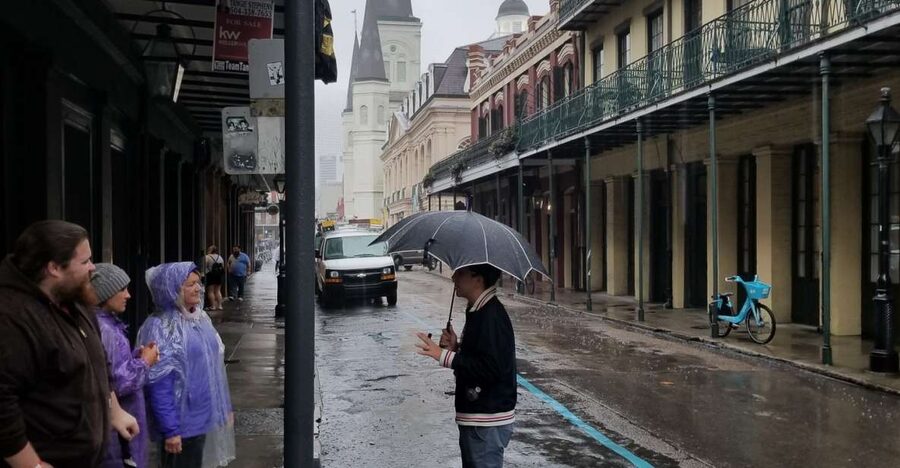
Reviewed · VOODOO TOURS
New Orleans: 2-Hour French Quarter History and Voodoo Tour
New Orleans reveals its tangled past one street at a time, and this 105-minute French Quarter walk gives you a useful way into it. You begin at Congo Square, hear how Indigenous peoples, enslaved Africans, and European settlers shaped the city, then follow the story through voodoo, music, food, politics, and architecture.
I like the tour’s wide historical range. It does not treat voodoo as a spooky sideshow, and it connects Marie Laveau with the people and traditions around her. I also like the strong local-guide element: Erin, Wolfy, Gracie, Nika, and others have been praised for humor, clear storytelling, and practical advice.
The main drawback is simple: this is a walking tour in New Orleans weather. Heat, rain, or cold can make 105 minutes feel long, and the English-only format may be tough if you need a slower pace or translation. Check in inside the Voodoo Lounge, not on the sidewalk, and arrive 10 to 15 minutes early.
In This Review
- Key points at a glance
- Starting at Congo Square, where the story gets serious
- Marie Laveau and the French Quarter’s spiritual side
- Architecture you can read as you walk
- The Supreme Court building and Louisiana politics
- Music, food, literature, and Bourbon Street
- Jackson Square gives the walk a strong finish
- What the guides add to the experience
- Is $22 good value?
- Practical advice for a comfortable walk
- Who should book this French Quarter walk?
- Should you book it?
- FAQ
- How long is the New Orleans French Quarter History and Voodoo Tour?
- Where does the tour begin?
- Where does the tour end?
- What subjects are covered?
- Is the tour offered in languages other than English?
- Is the walking tour wheelchair accessible?
- What happens if it rains?
Key points at a glance
- Congo Square sets the tone: Begin with Indigenous history, the slave trade, and the roots of voodoo rather than jumping straight to ghost stories.
- Marie Laveau gets real context: See the former site of her home and learn about the famous Voodoo priestess within New Orleans culture.
- The tour covers more than voodoo: Expect stories about jazz, country music, food, literature, architecture, Bourbon Street, and Louisiana politics.
- Jackson Square is the finale: Finish beside St. Louis Cathedral, the Presbytère, and the Cabildo, three of the French Quarter’s key landmarks.
- Guides make the difference: Erin, Wolfy, Gracie, Nika, Jeremiah, Angela, Dylan, and others have been praised for lively delivery and thoughtful answers.
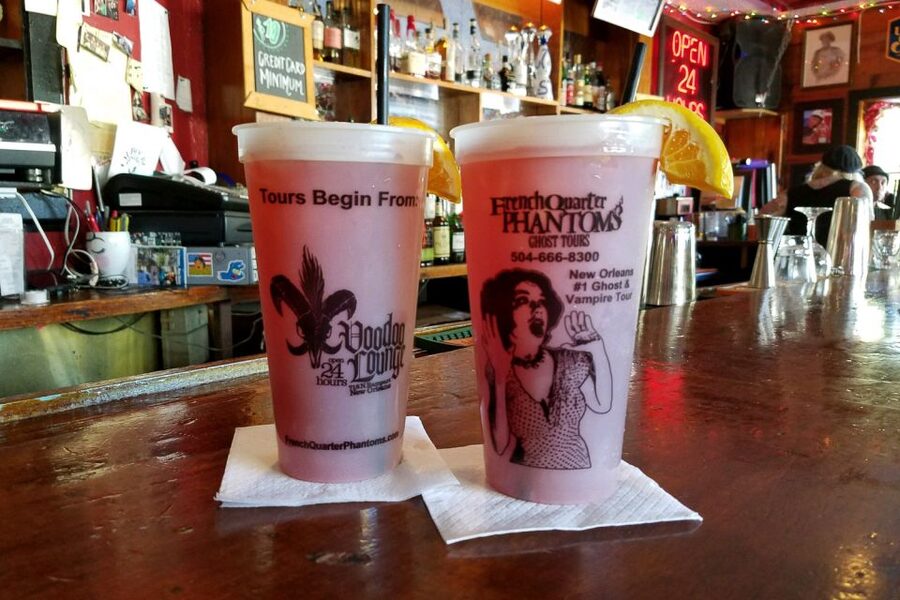
- The price is modest: At $22, you get a substantial orientation walk, with a souvenir cup and 2-for-1 Hurricane drinks at The Voodoo Lounge for participants age 21 and older.
Starting at Congo Square, where the story gets serious
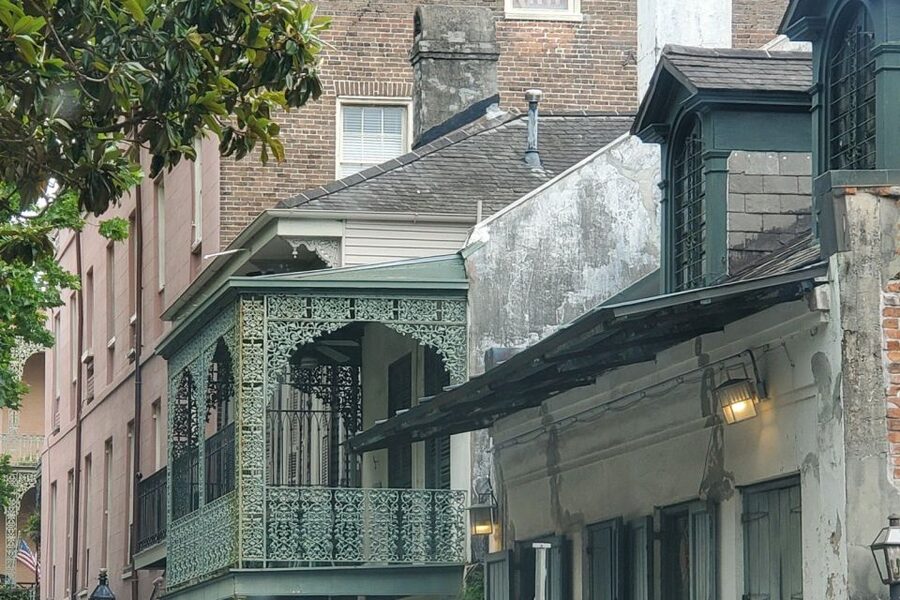
Many French Quarter walks begin with pretty balconies and end with a ghost tale. This one starts at Congo Square, which gives the tour a more useful foundation.
Here you learn about Indigenous peoples, the slave trade, and the early development of voodoo in New Orleans. That order matters. It places the city’s spiritual traditions within the movement of people, forced labor, music, belief, and cultural exchange.
I appreciate that the tour treats voodoo as part of New Orleans history rather than reducing it to a costume or haunted-house act. The subject can easily become sensational, but the stated focus reaches into the people and communities that shaped the city.
The first stop also helps you understand why New Orleans feels unlike other American cities. Its culture grew from many sources, and the guide links those strands through stories instead of asking you to memorize dates. If you are visiting for the first time, this is a good way to begin because the rest of the walk has more meaning once you know what came before.
More ways to walk the French Quarter:
- New Orleans Food Walking Tour of the French Quarter with Small-Group Option
★ 5.0 · 6,118 reviews - New Orleans French Quarter, Voodoo and Culture Walking Tour
★ 4.5 · 2,961 reviews - French Quarter Historical Sights and Stories Walking Tour
★ 5.0 · 2,724 reviews
Marie Laveau and the French Quarter’s spiritual side
The tour includes the former home of Marie Laveau, the best-known Voodoo priestess associated with New Orleans. Her name appears on many city tours, but the useful part here is the setting. You see where she lived and hear how her story fits into the city’s larger religious and social world.
You should expect storytelling, not a private access visit or a ritual experience. The home site is part of the walking route, so the value comes from the guide’s explanation and the surrounding streets.
Guides such as Wolfy have been praised for explaining what voodoo really was, while also connecting it with female figures, music, and the cultures that shaped New Orleans. That approach should suit you if you want more than a spooky legend.
It is also worth keeping your expectations in check. A 105-minute tour cannot provide a full academic study of voodoo, slavery, or Indigenous history. It can give you a clear introduction and point out why these subjects still matter when you look at the French Quarter.
Architecture you can read as you walk
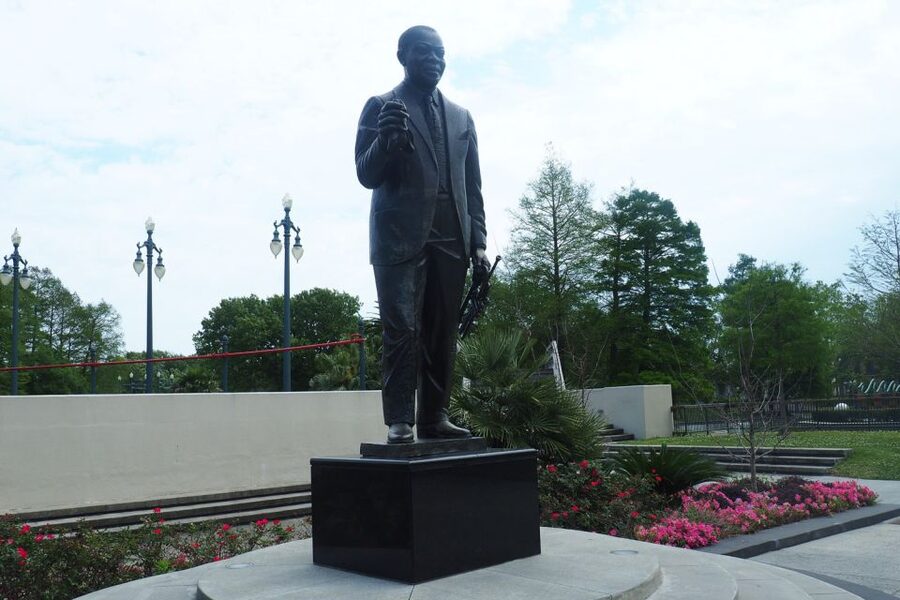
The French Quarter is easy to admire and harder to understand. The balconies, courtyards, ironwork, and old facades are beautiful, but a good guide helps you see that the buildings also tell stories about wealth, power, climate, trade, and changing populations.
This tour brings architecture into the larger account of New Orleans. You pass historic sites at nearly every turn, and the guide explains the culture behind the streets rather than treating the Quarter as a backdrop for photographs.
The pace should allow time to stop for explanations, but this is still a group walk. You will not get a long architectural lecture at every building. Instead, you get a series of useful observations woven into the route.
I like that balance for a first visit. You can admire the details while learning why the French Quarter developed its particular look. Afterward, you will be better prepared to wander on your own because the streets will feel less random.
The Supreme Court building and Louisiana politics
One of the more unusual stops is the historic Supreme Court building. Here the focus shifts from religion and architecture to Louisiana politics and legal history.
The guide discusses figures such as Huey P. Long and Edwin Edwards, along with the case Plessy vs. Ferguson. These stories show how Louisiana’s identity was shaped not only by music and food but also by political conflict, court decisions, and struggles over race and power.
This part adds weight to the tour. If you booked mainly for voodoo and Bourbon Street, you may find the legal history unexpected, but it gives the French Quarter a broader frame. New Orleans is not just a collection of colorful buildings and nightlife. It is also a place where national legal questions and local political personalities left a mark.
The quality of this stop depends heavily on the guide. Erin has been praised for combining a background in history with humor, while other guides have been singled out for answering questions and offering extra context. A strong guide can make a court case understandable without turning the walk into a classroom.
More voodoo history tours in New Orleans:
- New Orleans Premier Ghost, Voodoo and Vampire Walking Tour
★ 4.5 · 12,856 reviews - Adults-Only New Orleans Ghost, Crime, Voodoo, and Vampire Tour
★ 5.0 · 6,545 reviews - New Orleans Adults-Only Ghost, Voodoo and Vampire Tour
★ 5.0 · 3,291 reviews - New Orleans: French Quarter, Voodoo and Cultural Experience
★ 4.5 · 972 reviews
Music, food, literature, and Bourbon Street
The tour also moves through the cultural subjects most people associate with New Orleans. You hear about music, food, literature, and Bourbon Street, with connections to the city’s wider development.
One guide, Wolfy, was praised for covering the origins of jazz and bluegrass country music along with voodoo and architecture. That range gives you a sense of how much ground the tour tries to cover.
The benefit is breadth. In less than two hours, you get a framework for understanding why music, food, language, religion, and nightlife are so closely linked here.
The tradeoff is depth. You should not expect a complete music tour, restaurant crawl, or literary seminar. The experience is best viewed as an introduction that helps you decide what to explore later. Take notes mentally, or ask the guide for suggestions during the walk. Several guides have been described as generous with practical ideas for the rest of your time in New Orleans.
Bourbon Street appears as part of that cultural story, not as the whole point of the tour. That is a plus if you want to understand the street beyond its bars and neon. It may disappoint you if you are looking for a nightlife-focused experience.
Jackson Square gives the walk a strong finish
The route ends at Jackson Square, one of the most recognizable places in New Orleans. From here, you can admire St. Louis Cathedral, the Presbytère, and the Cabildo.
This is a smart ending. After hearing about the city’s people, beliefs, politics, and architecture, you arrive at a space where several parts of the story meet. The buildings around the square provide a visual payoff, and the location is useful for continuing your own sightseeing.
St. Louis Cathedral gives the square its familiar profile. The Presbytère and Cabildo add important historic architecture beside it. The tour does not include hotel pickup or transportation, so ending in this central area makes the experience easy to fold into a day of exploring the French Quarter.
The finish also helps you get your bearings. One past participant used the walk on the first full day in New Orleans and found it useful for navigating the area afterward. That is exactly how I would use it: take the tour early, then return to the streets and sites that caught your attention.
What the guides add to the experience
The strongest praise goes to the guides’ delivery. Erin is repeatedly described as funny, passionate, and able to explain difficult subjects clearly. Wolfy is praised for theatrical storytelling, unusual dress, and the ability to hold attention even in poor weather. Gracie is noted for adapting the walk to hot conditions by choosing shaded places for talks and including a short break.
Other guides named in feedback include Aaron, Nika, Jeremiah, Angela, Dylan, Adelai, and Logan. Their styles differ, but the common thread is strong subject knowledge, warmth, and a willingness to answer questions.
That matters because the route itself is only part of the experience. The former site of a famous person’s home or a historic court building can be easy to overlook without explanation. A guide who can tell a clear story turns an ordinary-looking corner into a place you remember.
You may not get the same guide every time, so do not book on the assumption that one particular person will lead your group. Still, the range of praise suggests that the company has several guides who can make the material lively.
The group size is not provided, so I would expect a standard guided walking group rather than a private tour. Ask questions when there is a natural pause. The guides appear comfortable with questions, and that can help you shape the experience around your interests.
Is $22 good value?
At $22 per person, this is a reasonably priced way to spend part of a morning or afternoon in the French Quarter. You get a licensed guide, a route through major historic areas, and nearly two hours of interpretation.
The value is strongest if you are new to New Orleans. A self-guided walk may cost nothing, but it will not easily connect Congo Square, Marie Laveau, Louisiana politics, music, slavery, architecture, and Jackson Square in one clear sequence.
The tour is less useful if you already know the French Quarter well or want a narrow subject. A dedicated food, architecture, music, or cemetery experience may give you more detail in one area.
For participants age 21 and older, the wristband includes a souvenir cup and all-day 2-for-1 Hurricane drinks at The Voodoo Lounge. I would treat that as a small extra, not the reason to book. The real value is the guide’s interpretation and the orientation to the neighborhood.
Practical advice for a comfortable walk
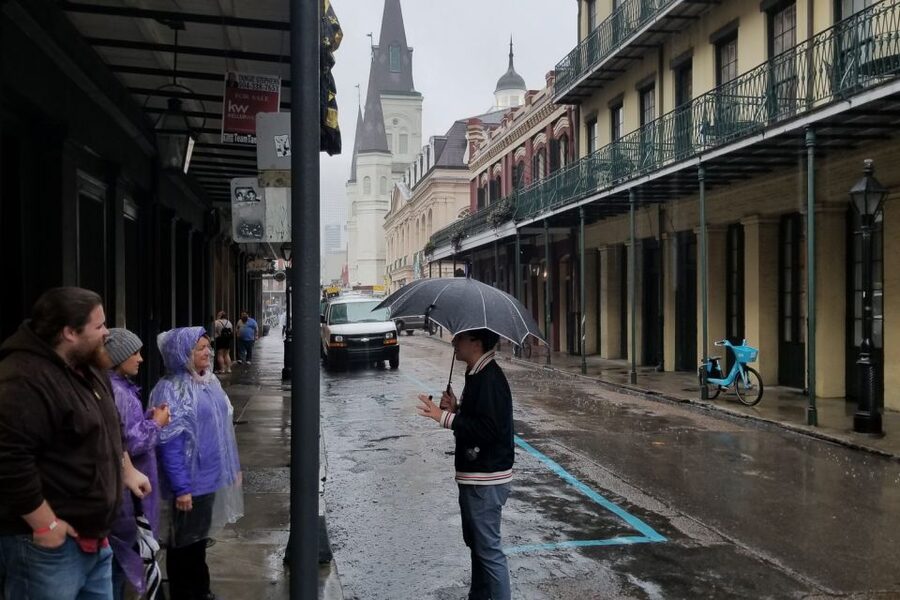
Wear comfortable walking shoes. The route passes through the French Quarter on foot, and even a moderate distance can feel tiring in warm weather or on uneven surfaces.
The tour operates rain or shine, so check the forecast and bring suitable protection. A hat, water, and light rain gear can make a real difference, though only the footwear and all-weather policy are specifically stated requirements.
There is a bathroom break during the walk, which is helpful on a 105-minute outing. Still, use the facilities at the meeting location if you need to, since the group will be moving on a schedule.
Check in inside the Voodoo Lounge at the box office to receive your wristband. This detail is easy to miss. Do not wait outside for a large group on the street, since the check-in point is indoors.
The tour is wheelchair accessible, and the live guide speaks English. Video recording is not allowed. You can take in the buildings and listen to the stories, but plan to leave the camera video function off.
Free cancellation is available up to 24 hours before the tour for a full refund, and you can reserve now and pay later. Those options help if your New Orleans plans are still changing.
Who should book this French Quarter walk?
I would recommend it most strongly to first-time visitors who want context before exploring alone. It gives you a clear starting point and covers the major themes that make New Orleans different from other American cities.
It also suits you if you enjoy history presented through personality. The guides use humor, stories, and local perspective, but the subjects include serious material such as slavery, Indigenous peoples, racial politics, and court history.
Families and mixed-age groups may appreciate the broad subject range, though parents should decide if the material suits younger children. The tour includes voodoo, slavery, crime-adjacent stories, and difficult chapters of American history, but no age restriction is given for the walking tour itself.
I would be more cautious if you dislike guided groups, struggle with extended walking, or want a very specialized tour. The English-only format also requires enough listening ability to follow a fast-moving story in a busy city setting.
Should you book it?
Book this tour if you want an affordable, lively introduction to the French Quarter that takes voodoo seriously and places it beside slavery, Indigenous history, politics, music, food, and architecture. The strongest reason to go is the guide. Erin, Wolfy, Gracie, Nika, Jeremiah, and others have shown that good storytelling can make a familiar sightseeing route feel fresh.
Book it early in your stay, ideally on your first full day, so Jackson Square and the surrounding streets become easier to navigate afterward. Skip it if you want a quiet self-guided stroll or a specialist experience focused only on ghosts, food, or buildings.
At $22, the risk is low. Bring good shoes, prepare for the weather, and enter the Voodoo Lounge for check-in. If you want the French Quarter to make sense rather than simply look pretty, this is a solid choice.
FAQ
How long is the New Orleans French Quarter History and Voodoo Tour?
The tour lasts 105 minutes, although its title describes it as a 2-hour tour.
Where does the tour begin?
The tour begins at Congo Square. Check-in takes place inside the Voodoo Lounge at the box office, where you receive your wristband.
Where does the tour end?
The tour ends at Jackson Square, near St. Louis Cathedral, the Presbytère, and the Cabildo.
What subjects are covered?
The tour covers voodoo, the slave trade, Indigenous peoples, Marie Laveau, Louisiana politics, court cases, music, food, architecture, literature, and Bourbon Street.
Is the tour offered in languages other than English?
No. The live tour guide speaks English, and the listed language for the activity is English.
Is the walking tour wheelchair accessible?
Yes, the activity is listed as wheelchair accessible.
What happens if it rains?
The tour takes place rain or shine. Comfortable walking shoes are recommended, and there is a bathroom break during the tour.
More 2-Hour Experiences in New Orleans
- New Orleans City and Cemetery 2-Hour Bus Tour
★ 4.5 · 1,967 reviews - New Orleans: 2-Hour Ghosts & Vampires Walking Tour
★ 4.5 · 465 reviews - New Orleans: 2-Hour 15-Minute City and Cemetery Tour by Bus
★ 4.7 · 326 reviews - New Orleans: 2-Hour Homes of the Rich & Famous Walking Tour
★ 4.6 · 115 reviews
More History Tours in New Orleans
- New Orleans Garden District History Walking Tour
★ 5.0 · 2,879 reviews - New Orleans Small-Group Haunted History Carriage Tour
★ 4.5 · 2,289 reviews - New Orleans Haunted History Ghost Tour
★ 4.5 · 2,084 reviews - Paddlewheeler Creole Queen Historic Mississippi River Cruise
★ 4.5 · 1,948 reviews
Just added around New Orleans
- New Orleans Garden District Tour★ 5.0 · 8 reviews
- New Orleans Seance Experience★ 4.0 · 8 reviews
- Airport and City Transfers in New Orleans★ 5.0 · 8 reviews
- Sin and Tonic Pub Crawl in New Orleans★ 4.5 · 8 reviews
- The New Orleans Darkness Tour★ 4.4 · 9 reviews
- New Orleans Plantation Tour with Transportation★ 5.0 · 9 reviews
- New Orleans Self-Guided Kayak Bayou Swamp Tour★ 5.0 · 9 reviews
- Historic Carrollton Neighborhood Walking Tour★ 5.0 · 9 reviews
Voodoo Tours, compared.
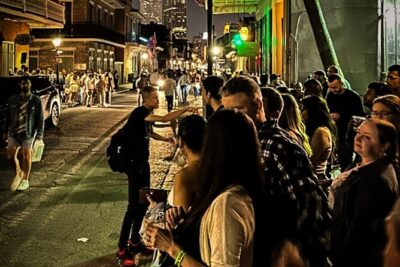
New Orleans Premier Ghost, Voodoo and Vampire Walking Tour
Read our review →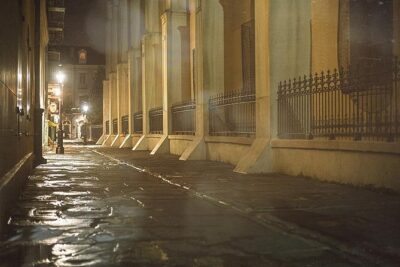
Adults-Only New Orleans Ghost, Crime, Voodoo, and Vampire Tour
Read our review →
New Orleans Adults-Only Ghost, Voodoo and Vampire Tour
Read our review →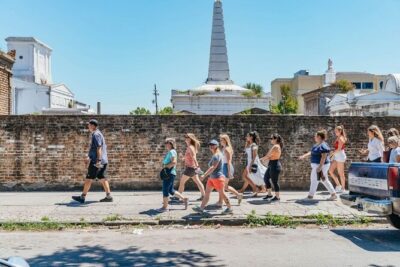
New Orleans French Quarter, Voodoo and Culture Walking Tour
Read our review →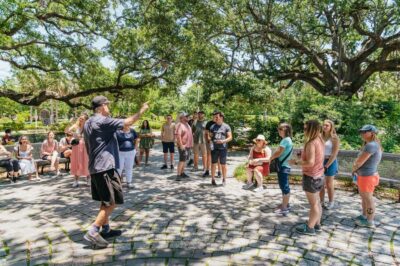
New Orleans Ghost, Vampire, Witch, Voodoo, and Mystery Tour
Read our review →
New Orleans Spirits & Spells: Witchcraft, Voodoo, and Ghost Tour
Read our review →Browse the lists this tour appears in