Reviewed · TOURS
Gallier House Tour in New Orleans
Gallier House gives you a close look at upper-middle-class life in the French Quarter during the 1860s, not from a grand plantation outside town, but from an elegant urban home on Royal Street. The house’s indoor plumbing, hot and cold running water, double skylight, and carefully arranged rooms reveal how modern James Gallier, Jr. wanted his family home to be.
I like the way the tour connects handsome Victorian rooms with the people who maintained them. I also like its compact one-hour format, which fits neatly before lunch or another French Quarter stop. The main caution is the condition upstairs: one visitor reported serious mold that caused breathing trouble, so anyone sensitive to mold should check current conditions before booking.
In This Review
- Key things to know before you go
- Why Gallier House matters on Royal Street
- The opening rooms and Victorian style
- James Gallier Jr.’s practical inventions
- The people behind the comfortable rooms
- What the one-hour format feels like
- How the guide shapes the experience
- Price and practical value at $17
- Who should book this house tour
- What to notice during your visit
- Should you book Gallier House?
- FAQ
- Where does the Gallier House Tour begin?
- Where does the tour end?
- How long does the tour last?
- How much does the Gallier House Tour cost?
- What can you see inside Gallier House?
- When was Gallier House completed?
- Who designed Gallier House?
- Does the tour discuss enslaved people and domestic servants?
- Is the tour accessible by public transportation and can I use a mobile ticket?
- How many people can join the tour?
- Can I cancel for a full refund?
- What happens if bad weather cancels the tour?
Key things to know before you go
- 1860s technology inside a historic home: See indoor plumbing with hot and cold running water, plus a double skylight that brought light into the house.
- A working home, not just a pretty facade: The rooms show how architecture, furniture, household labor, and social status fit together.
- A difficult story is part of the tour: The Galliers’ comfort depended on enslaved workers, whose living and working conditions receive attention.
- Trompe l’oeil adds visual interest: Painted architectural effects and decorative details reward a slow look at walls, ceilings, and trim.
- A short, small-group visit: The tour lasts about an hour and allows a maximum of 16 people, making it easier to hear the guide.
- Good timing for a busy day: The tour begins and ends at 1132 Royal Street, with public transportation nearby and mobile tickets accepted.
Why Gallier House matters on Royal Street
Gallier House was completed in 1860 and designed by James Gallier, Jr., a well-known Crescent City architect. You are not simply entering a preserved old residence. You are entering the home of a man who helped shape New Orleans architecture and then applied his ideas to his own family’s daily life.
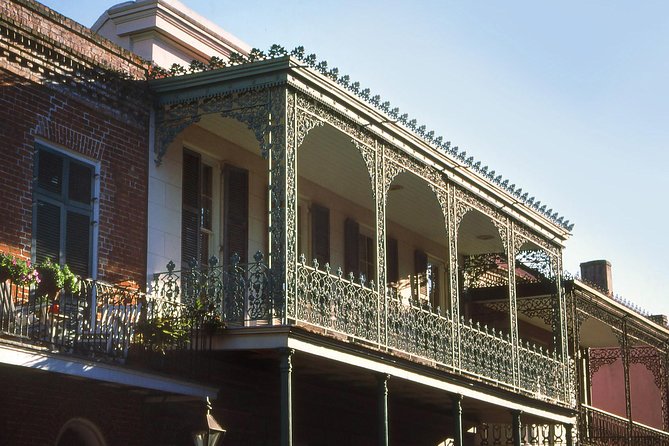
That makes the house especially useful for understanding the French Quarter. The neighborhood is often presented through balconies, courtyards, restaurants, and nightlife. Gallier House adds another layer: the private interior of a prosperous family home, where design choices reflected wealth, taste, technology, and social rank.
The property has National Historic Landmark status because of its architectural and historical value. That designation does not mean every room feels grand or flawless. It means the house helps explain an important period and style in American urban life.
I find the urban setting important. You can learn about plantation economics and domestic labor here without leaving New Orleans’ French Quarter. The house shows how wealth produced outside the city, and the labor connected to it, could shape an elegant townhome.
Other New Orleans tours people book alongside this one:
- New Orleans Premier Ghost, Voodoo and Vampire Walking Tour
★ 4.5 · 12,856 reviews - New Orleans Steamboat Natchez Jazz Cruise with Dinner Option
★ 4.0 · 7,533 reviews - Adults-Only New Orleans Ghost, Crime, Voodoo, and Vampire Tour
★ 5.0 · 6,545 reviews
The opening rooms and Victorian style
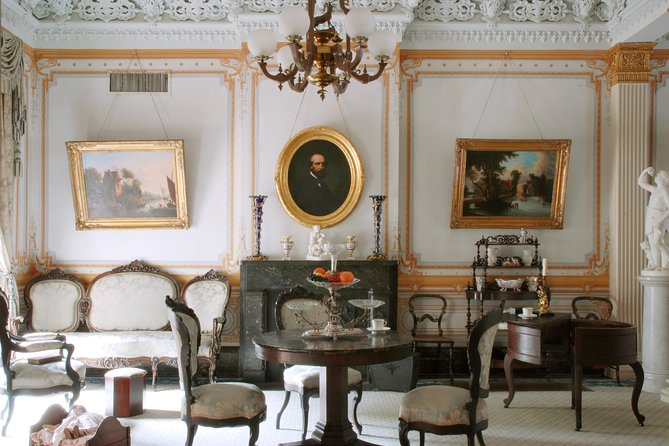
The first part of the visit introduces the house through its period furnishings and interior design. Using the original household inventory as a guide, the rooms contain decorative arts selected to reflect the Gallier family’s taste.
Look for the relationship between the furniture and the architecture. Victorian interiors can be busy, with patterned surfaces, ornament, and carefully placed objects. The point is not only to admire individual chairs or paintings. Notice how the entire room signals comfort and status.
Trompe l’oeil paintings add another layer. The term means fool the eye, and the painted effects can suggest architectural depth or decoration where the surface is actually flat. These details are easy to miss when you are moving quickly, so give yourself time to look up and around rather than focusing only on large pieces of furniture.
The house is often described as comfortable rather than palace-like. That distinction helps set expectations. You will see an affluent family home, not a massive mansion with endless galleries. Its appeal comes from the way the rooms fit together and from the link between design and ordinary household life.
Guides provide the interpretation that turns the furniture into a story. Susie is one guide associated with the house, and the tour can include light humor along with serious history. The best version of this visit is not a silent walk through furnished rooms. It is a conversation about why the home was arranged as it was and who made that lifestyle possible.
James Gallier Jr.’s practical inventions
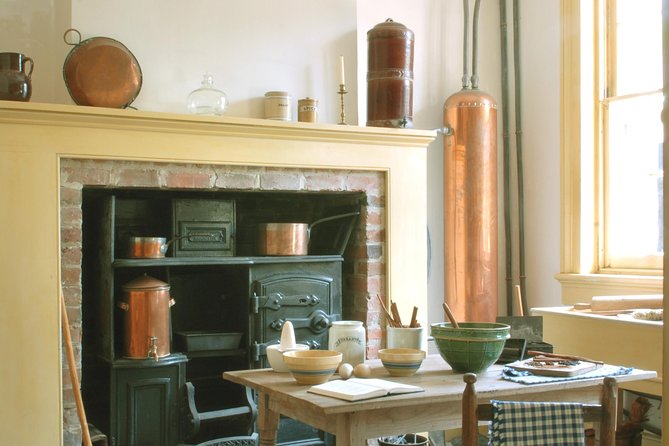
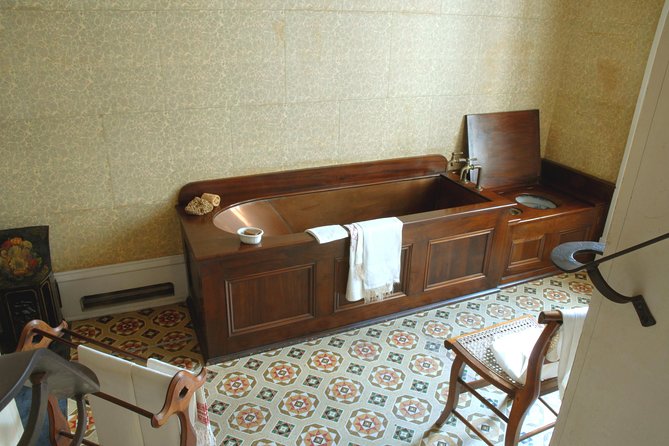
The house’s engineering features are among its most memorable details. Completed in 1860, it included indoor plumbing with hot and cold running water. For the period, that was a major convenience and a sign of modern thinking.
You can use this feature to picture daily life more clearly. Running water changes cooking, bathing, cleaning, and personal routines. It also changes the work required to keep a house functioning. A feature that looks like a clever invention for the family created more tasks for the people responsible for operating and maintaining the home.
The double skylight is another notable design element. Natural light mattered in a deep townhome, where surrounding buildings could limit sunlight. The skylight shows Gallier’s interest in making the house practical as well as fashionable.
These features give the tour a useful focus. Instead of hearing only that the home was luxurious, you see how luxury worked in practice. Comfort depended on pipes, water, light, furnishings, and constant labor.
If architecture interests you, pay attention to how Gallier designed for both display and use. The home was meant to express taste, but it also had to serve as a functioning family residence. That blend is one reason the property feels more informative than a simple period-room exhibit.
The people behind the comfortable rooms
The most important part of the tour is the discussion of enslaved people and later domestic servants. The Gallier family’s comfortable life depended on labor that could be hidden behind polished rooms, clean clothing, prepared meals, and orderly routines.
The tour presents the house as an urban plantation home. That phrase is useful because it connects the property to the wider economy of the antebellum South. You do not need to leave New Orleans to examine plantation life. The city home was part of the same system of wealth and labor.
The contrast between the family’s quarters and the areas used by enslaved workers is stark. That difference can be sobering, and it should be. Beautiful furniture and clever plumbing do not soften the human cost behind the household’s comfort.
This interpretation also keeps the house from becoming a nostalgia piece. It is possible to appreciate the craftsmanship, architecture, and decorative arts while facing the unequal society that produced them. In fact, the design details mean more when you understand who cleaned, cooked, carried, repaired, and served.
Later domestic servants are also part of the story. The end of slavery did not end the need for household labor, and the social divisions within the house continued in new forms. Ask yourself who had privacy, who had access to the best rooms, and who spent the day making those rooms presentable.
A completely different side of New Orleans:
- New Orleans Food Walking Tour of the French Quarter with Small-Group Option
★ 5.0 · 6,118 reviews - New Orleans Swamp and Bayou Boat Tour with Transportation
★ 5.0 · 5,399 reviews - New Orleans Steamboat Natchez Jazz Cruise
★ 4.5 · 5,334 reviews - New Orleans City Sightseeing Hop-On Hop-Off Bus Tour
★ 4.5 · 4,943 reviews
What the one-hour format feels like
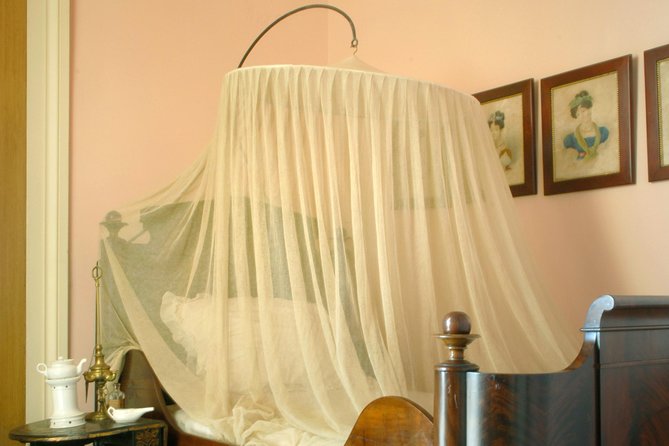
The full visit takes about an hour and remains at Gallier House. That makes it easy to add to a day of French Quarter sightseeing. One visitor used it as a quick stop before brunch, which is exactly the kind of plan this tour suits.
A one-hour visit gives you enough time for context without demanding half a day. You can see the main rooms, hear the story of the family and household workers, and still leave room for the French Quarter’s other sights.
The tradeoff is depth. If you want every architectural detail, a long discussion of New Orleans society, or a slow photographic study of each room, an hour may feel brief. The guide has to choose what matters most.
The group size is capped at 16 people. That is small enough to make a guide’s explanation easier to follow than it would be in a large museum crowd. It can also make the visit feel more personal, especially on a quieter day. A very small group is possible, and one account described a nearly private tour.
The tour begins and ends at 1132 Royal Street. A mobile ticket makes entry simple, and the house is near public transportation. You should still allow a little time to find the address, since the French Quarter’s busy streets and many historic facades can make exact locations easy to overlook.
How the guide shapes the experience
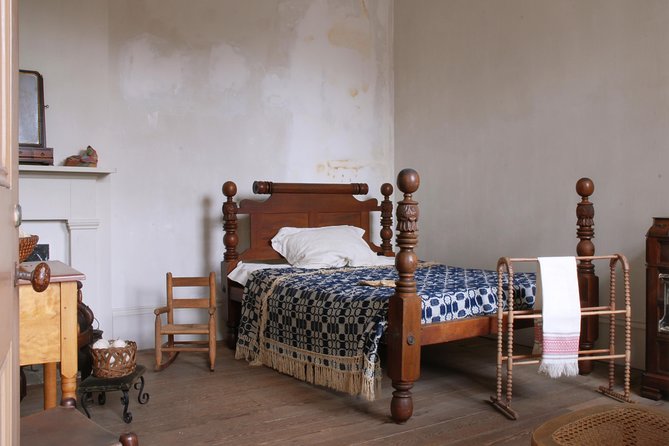
The guide matters here because the rooms cannot explain themselves. A chair, painted wall, or plumbing fixture tells you only part of the story. The guide supplies the dates, household context, architectural meaning, and connection to enslaved labor.
Look for a guide who explains both the attractive and uncomfortable parts of the house. The strongest approach combines the Galliers’ design choices with the work performed by enslaved people and servants. That balance prevents the visit from becoming either a decoration tour or a lecture detached from the building.
The guide may also point out links to popular culture. One tour included information about parts of the property used in filming Interview with the Vampire. That is a fun extra, though it should remain secondary to the house’s actual history.
Several guides are described as friendly and engaging, with one guide praised for well-timed, themed jokes. Humor can help a short tour feel relaxed, but the serious sections about slavery and domestic labor deserve your full attention.
Because the tour is guided, your questions can shape the visit if time allows. Ask about the plumbing, the double skylight, the room arrangement, or the difference between the owners’ spaces and the workers’ quarters. Those details help turn a quick stop into a more meaningful look at daily life.
Price and practical value at $17
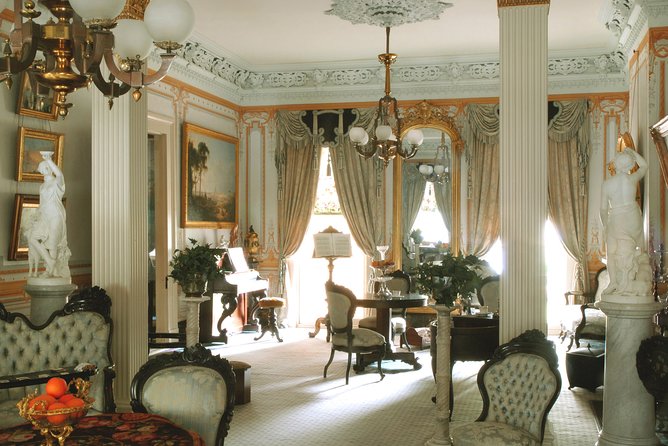
At $17 per person, Gallier House is priced as an affordable historic-site visit rather than a major all-day attraction. The one-hour length improves the value if you want a focused experience that fits between meals, shopping, or other French Quarter stops.
I think the price works best for visitors who care about architecture, domestic history, or the social structure behind historic homes. You are paying for access to the building and a guided explanation, not for a long list of activities or elaborate entertainment.
The value is also in the specificity. You see one home closely instead of receiving a broad, surface-level account of New Orleans. The original household inventory, Victorian furnishings, trompe l’oeil work, plumbing, and worker history give the visit several subjects to consider.
For a family mainly interested in dramatic exteriors, the experience may feel too quiet. For someone who wants to understand how affluent people lived inside the French Quarter, it offers a useful hour at a reasonable cost.
The tour is recommended by 95 percent of its rating base and carries a 4.8 rating from 60 reviews. Those numbers suggest a strong overall experience, but they do not erase the reported mold concern upstairs. If you have respiratory sensitivity, contact the operator, Hermann-Grima House, before you commit.
Who should book this house tour
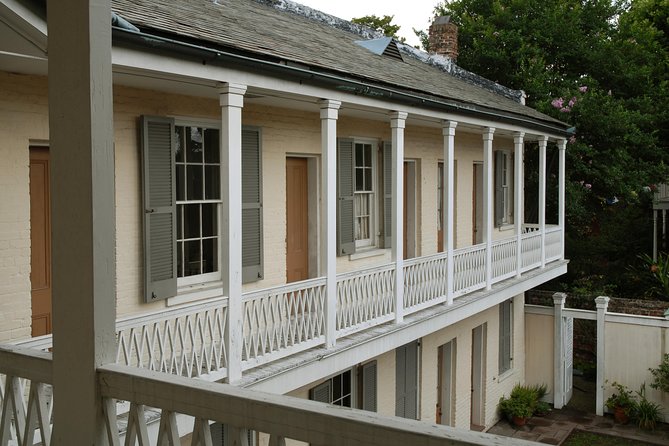
I would choose Gallier House if you enjoy historic interiors, architectural details, and tours that connect beauty with difficult social facts. It is a good match for adults, older children, architecture fans, and anyone who wants more than a stroll past French Quarter balconies.
The visit also suits a packed New Orleans schedule. The one-hour duration lets you place it before brunch, after another Royal Street stop, or between larger activities. Since the tour returns to its starting point, you do not need to arrange a separate pickup or plan around a long route.
You may want to skip it if you dislike guided indoor visits or prefer broad city tours. The house is compact, and the pace depends on the guide’s presentation. You should also think carefully about the mold report if breathing issues are a concern.
The difficult history makes it a good choice for people who want an honest picture of wealth in the antebellum city. You will see attractive rooms, but you will also be asked to consider the labor and inequality that supported them.
What to notice during your visit
- Watch for how the rooms express status through furnishings, painted decoration, and arrangement.
- Pay attention to the indoor plumbing as a household system, not just a novelty.
- Look for the double skylight and consider why natural light mattered in a townhome.
- Compare the owners’ comfort with the spaces and conditions associated with enslaved workers.
- Listen for the shift from enslaved labor to later domestic service.
- Ask about the filming connection to Interview with the Vampire if that interests you.
Should you book Gallier House?
Book it if you want a short, well-focused look at an 1860s New Orleans home and you care about both architecture and the people who made that lifestyle possible. The indoor plumbing, double skylight, trompe l’oeil work, and period furnishings give you plenty to see, while the discussion of slavery keeps the visit grounded.
At $17, the tour offers solid value for an hour, especially when placed between other French Quarter plans. I would make it a priority for architecture fans, history-minded visitors, and anyone curious about how plantation wealth appeared inside the city.
Before booking, consider the upstairs mold report and contact Hermann-Grima House if that could affect your health. If the condition is suitable for you, Gallier House is a thoughtful, manageable stop that adds real substance to a walk through New Orleans.
FAQ
Where does the Gallier House Tour begin?
The tour begins at Gallier House, 1132 Royal Street, New Orleans, Louisiana 70116.
Where does the tour end?
The activity ends back at the meeting point at Gallier House.
How long does the tour last?
The guided visit lasts approximately one hour.
How much does the Gallier House Tour cost?
The listed price is $17 per person.
What can you see inside Gallier House?
You can see Victorian furnishings, period decorative arts, trompe l’oeil paintings, architectural details, indoor plumbing with hot and cold running water, and a double skylight.
When was Gallier House completed?
Gallier House was completed in 1860.
Who designed Gallier House?
The home was designed by James Gallier, Jr., a noted New Orleans architect.
Does the tour discuss enslaved people and domestic servants?
Yes. The tour addresses the enslaved people whose labor supported the Gallier family’s lifestyle and also interprets the work and lives of later domestic servants.
Is the tour accessible by public transportation and can I use a mobile ticket?
The house is near public transportation, and mobile tickets are accepted. Service animals are allowed, and most people can participate.
How many people can join the tour?
The activity has a maximum group size of 16 people.
Can I cancel for a full refund?
Yes, if you cancel at least 24 hours before the experience start time. Cancellations made less than 24 hours in advance are not refunded, and changes within that period are not accepted.
What happens if bad weather cancels the tour?
If poor weather causes a cancellation, you will be offered a different date or a full refund.
Just added around New Orleans
- New Orleans Garden District Tour★ 5.0 · 8 reviews
- New Orleans Seance Experience★ 4.0 · 8 reviews
- Airport and City Transfers in New Orleans★ 5.0 · 8 reviews
- Sin and Tonic Pub Crawl in New Orleans★ 4.5 · 8 reviews
- The New Orleans Darkness Tour★ 4.4 · 9 reviews
- New Orleans Plantation Tour with Transportation★ 5.0 · 9 reviews
- New Orleans Self-Guided Kayak Bayou Swamp Tour★ 5.0 · 9 reviews
- Historic Carrollton Neighborhood Walking Tour★ 5.0 · 9 reviews
Tours, compared.

New Orleans Premier Ghost, Voodoo and Vampire Walking Tour
Read our review →
Adults-Only New Orleans Ghost, Crime, Voodoo, and Vampire Tour
Read our review →
New Orleans Food Walking Tour of the French Quarter with Small-Group Option
Read our review →
New Orleans Swamp and Bayou Boat Tour with Transportation
Read our review →
New Orleans City Sightseeing Hop-On Hop-Off Bus Tour
Read our review →
St. Louis Cemetery No. 1 Official Walking Tour
Read our review →
Swamp Boat Ride and Oak Alley Plantation Tour from New Orleans
Read our review →