
Reviewed · NEW ORLEANS
Fly a Plane in New Orleans: No Experience or License Required
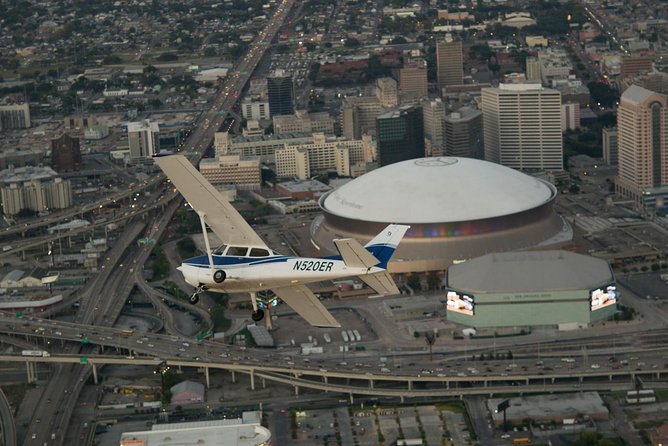
The most unusual way to see New Orleans may be from the cockpit of a small plane. At Lakefront Airport, you learn the controls, sit beside a professional pilot, and take an active role in flying over the French Quarter, the Superdome, the Mississippi River, and the surrounding swampland. You really do handle the plane, not just sit in the passenger seat.
I like the mix of instruction and sightseeing, especially the 20 minutes of ground training followed by 30 minutes in the air. I also like that the experience can suit a first-time flyer, a nervous beginner, or someone testing an interest in flight training. The main drawback is the small aircraft: observers cost extra, space is limited, summer flights can be hot, and a plane change may affect who can come along.
In This Review
- Key points to know before booking
- Taking the Controls at Lakefront Airport
- The 20-Minute Ground Lesson
- Taxiing and Preparing for Takeoff
- Flying Over the French Quarter and the Mississippi
- Spotting the Superdome and Smoothie King Center
- How Much Control Will You Really Have?
- The Landing and Your First Flight Certificate
- Price, Group Size, and What You Get
- Observer Rules and Aircraft Limitations
- Choosing the Right Day and Planning the Visit
- Who Will Enjoy This New Orleans Flight Lesson?
- Should You Book It?
- FAQ
- Do I need a pilot license or previous flying experience?
- How long does the experience last?
- How much time will I spend in the air?
- Where does the flight begin and end?
- What landmarks can I see from the plane?
- Can another person come along as an observer?
- What is the minimum age?
- Are there weight limits?
- What should I bring and wear?
- What happens if bad weather cancels the flight?
Key points to know before booking
- You take the controls: Your instructor guides you through the flight, with past participants taking part in straight-and-level flight, turns, takeoff, and sometimes landing procedures.
- Lakefront Airport is the base: The experience begins and ends at 6575 Stars and Stripes Boulevard, east of central New Orleans.
- The views are distinctly New Orleans: Look for the French Quarter by the Mississippi, the Superdome and Smoothie King Center, bayous, and nearby swampland.
- The lesson lasts about 50 minutes: This includes 20 minutes of ground instruction and 30 minutes of dual flight time.
- You need to confirm by phone: Call at least 12 hours before the flight to confirm your time and any observer. Observers are not guaranteed without confirmation.
- The plane is small: A maximum of three people can be booked, including observers, and total passenger weight cannot exceed 450 pounds.
Taking the Controls at Lakefront Airport
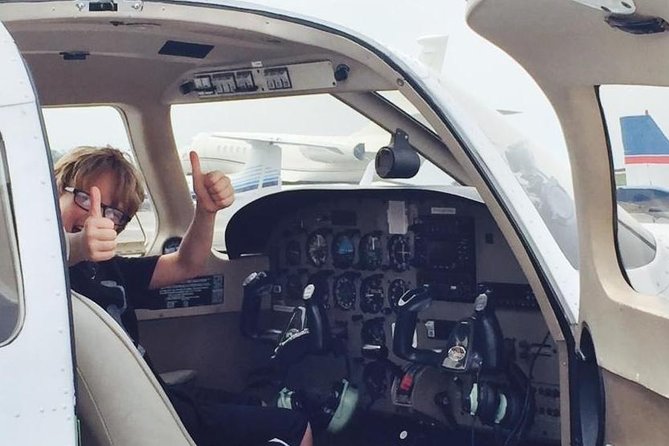
This is not a standard sightseeing flight with a pilot doing all the work. It is a short introductory lesson built around participation. You arrive at New Orleans Aerial Tours and Flight Training at Lakefront Airport, meet your instructor, complete the required safety waiver, and provide photo identification.
The flight school supplies a professional commercial pilot certified by the FAA. The company lists 20,000 hours of combined experience among its pilots, and the instructors are there to keep the experience safe while giving you as much control as practical.
That balance matters. A first flight can feel intimidating, especially when the engine starts and the aircraft begins moving toward the runway. The instructor remains beside you and handles the parts that require more experience, but you are not simply handed a certificate after watching someone else fly. The aim is to give you a real taste of the pilot’s job.
Past participants have described being surprised by how hands-on the experience feels. One first-time flyer expected a basic introduction but ended up managing more of the aircraft than anticipated. Another person arrived nervous and found that clear instructions from the pilot helped settle those fears once the flight began.
Other New Orleans tours people book alongside this one:
- New Orleans Premier Ghost, Voodoo and Vampire Walking Tour
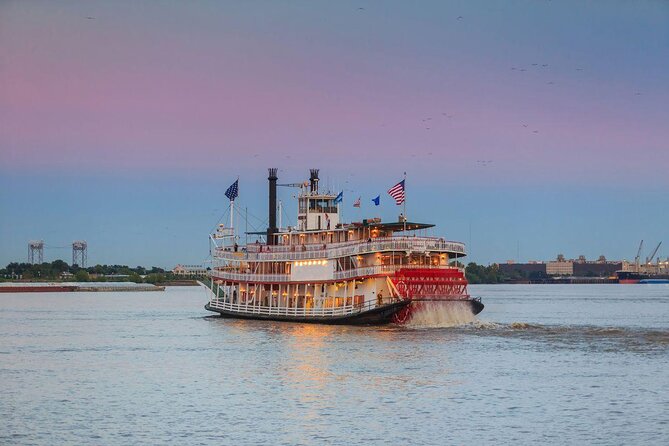
★ 4.5 · 12,856 reviews - New Orleans Steamboat Natchez Jazz Cruise with Dinner Option
★ 4.0 · 7,533 reviews - Adults-Only New Orleans Ghost, Crime, Voodoo, and Vampire Tour
★ 5.0 · 6,545 reviews
The 20-Minute Ground Lesson
Before the aircraft leaves the ramp, your instructor explains the basic controls and the steps involved in a flight. You learn about the engine start sequence, aircraft taxiing, flight procedures, and preparing for takeoff.
This part may sound less exciting than the airborne portion, but it gives the flight its value. You learn what the controls do before trying them, rather than being rushed into a cockpit with no context. You also get a clearer idea of how much coordination goes into a simple trip from the parking area to the runway.
The instructor’s explanation covers the basic flight controls and procedures needed for the lesson. You should listen closely here and ask questions while you are still on the ground. Once the aircraft is moving, your attention shifts to following directions, scanning outside, and getting a feel for the plane.
The ground lesson also helps set realistic expectations. You are not completing a pilot license course in 50 minutes. You are receiving an introduction to the cockpit and a short period of dual instruction with a certified professional. For someone considering future flight lessons, that first taste can be useful. One participant left with a stronger interest in continuing flight training.
Taxiing and Preparing for Takeoff
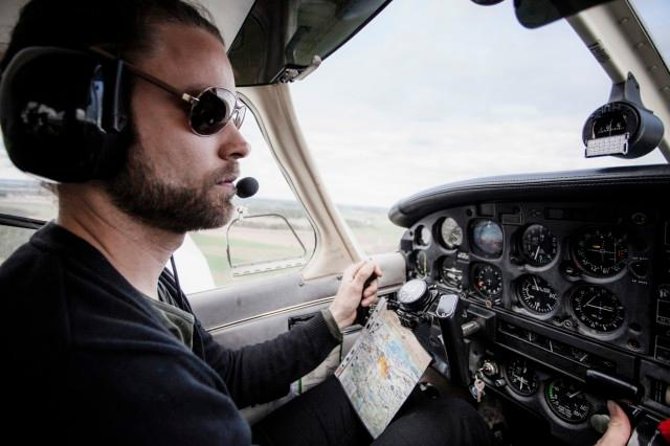
The flight clock begins when the engine starts and ends when it shuts down. That means the 30 minutes of dual flight time includes taxiing from the ramp to the runway and returning after landing.
This detail is worth understanding before you book. You may not spend the entire 30 minutes at sightseeing altitude. Some of that time goes toward moving the aircraft, completing the takeoff, preparing to land, and taxiing back. That is normal for a real flight lesson, but it differs from a tour where every minute is spent looking out the window.
Taxiing gives you an early chance to feel involved. You can listen to the instructor and air traffic control while the plane moves through the airport environment. A past participant specifically enjoyed hearing air traffic control and learning how pilots maintain separation from other aircraft.
The instructor handles the technical demands of the airport and keeps you on the right procedure. You follow directions and begin learning how small corrections affect the aircraft. The process has enough real aviation detail to feel authentic without requiring previous training.
Flying Over the French Quarter and the Mississippi
Once airborne, the city opens up in a way that is difficult to grasp from street level. The French Quarter appears as a compact historic district pressed into the curve of the Mississippi River. From above, you can see the relationship between the old city and the river more clearly than you can from a sidewalk or streetcar.
Following the river for part of the flight adds a useful sense of place. The Mississippi is not just a line on a map. It bends through the city and helps explain New Orleans’ shape, development, and position beside wetlands and waterways.
You will also see the bayou system and the surrounding swampland. The view is less about ticking off landmarks and more about understanding how water defines the region. New Orleans looks different when you can see the city, river, drainage channels, and wetlands in one broad view.
The exact route can depend on flight operations and conditions, so do not treat the listed sights as a guaranteed minute-by-minute path. Still, the French Quarter, the river, and the city’s waterways are central parts of the planned sightseeing experience.
A completely different side of New Orleans:
- New Orleans Food Walking Tour of the French Quarter with Small-Group Option
★ 5.0 · 6,118 reviews - New Orleans Swamp and Bayou Boat Tour with Transportation
★ 5.0 · 5,399 reviews - New Orleans Steamboat Natchez Jazz Cruise
★ 4.5 · 5,334 reviews - New Orleans City Sightseeing Hop-On Hop-Off Bus Tour
★ 4.5 · 4,943 reviews
Spotting the Superdome and Smoothie King Center

The Mercedes-Benz Superdome is another major visual marker from the air. It is home to the New Orleans Saints and sits beside the Smoothie King Center. Seeing both venues from above gives you a quick sense of their scale and their place within the city.
Sports fans will find this part especially rewarding, but you do not need to follow football or basketball to appreciate the view. Large buildings are useful reference points during a short flight because you can identify them quickly and compare them with the smaller streets and blocks around them.
The instructor provides live commentary during the experience. That means you are not left to guess at every landmark while also trying to manage the controls. Still, keep your eyes outside when possible. You are there for both the view and the unusual perspective of handling a real aircraft.
How Much Control Will You Really Have?
The experience is designed for beginners, so the instructor remains responsible for safety and flight decisions. You should expect guidance throughout, not complete independence.
Past descriptions of the lesson indicate that participants may handle much of the flight once airborne. Straight-and-level flying, turns, and some takeoff work are part of the hands-on appeal. In one especially positive account, the participant completed takeoff and landing with close guidance, while the instructor managed taxiing to preserve more time in the air.
Do not assume every flight will follow exactly the same pattern. Weather, traffic, aircraft availability, and your comfort level can affect how much you do. The instructor may take over whenever needed, and that is a benefit rather than a shortcoming.
If you are nervous, say so at the start. One participant who felt frightened before departure found the instructor’s calm instructions reassuring. If you are eager to do more, make that clear as well. The company aims to let you do as much or as little flying as you want, within the limits of safety and the aircraft.
The Landing and Your First Flight Certificate
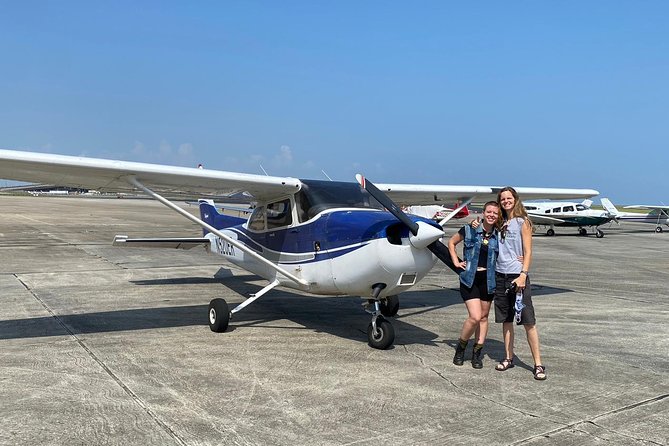
Near the end of the lesson, your instructor explains the touchdown procedure and helps guide the aircraft back to the runway. Landing is one of the most demanding parts of flying, so you should expect the pilot to take a strong role here.
Some participants have been able to assist with the landing under instruction, while others may mainly observe that part. The important point is that the lesson does not end when the aircraft reaches the ground. You return to the airport with a better sense of what a pilot must monitor during the final approach and taxi back to the ramp.
You receive a first flight certificate as a keepsake. Your first flight is also recorded in an official logbook. That record gives the experience more meaning than a simple sightseeing ticket, particularly if you are thinking about future lessons.
The certificate is not a pilot qualification, and the short flight does not count as a complete training program. It is a souvenir and a first step. For a birthday, anniversary, or graduation gift, that distinction is easy to explain: you are giving someone a real introductory flight, not promising a license.
Price, Group Size, and What You Get

The listed price is $284.80 per person. That is a serious cost for an activity lasting about 50 minutes, but it includes more than a scenic flight. You receive 20 minutes of ground instruction, 30 minutes of dual flight time, live commentary, instruction from an FAA-certified commercial pilot, a logbook entry, and a first flight certificate.
I see the value most clearly for someone who has always wanted to fly a plane. A regular aerial tour may offer more time in the air, but you would be paying for a view from the passenger seat. Here, the central experience is participation and instruction.
The price is less compelling if you mainly want photographs of New Orleans. In that case, a conventional sightseeing flight may offer a simpler format. This activity earns its cost through the cockpit time and the chance to work with the controls.
The experience is private, so only your own booking group participates. Still, the aircraft is small. One person may book a lesson, and observers can be added for an extra charge, with a maximum of two observers and three people total. A two-seat aircraft may not allow an observer at all, so confirm this point before you arrive.
All passenger weights must be provided at booking. The combined weight cannot exceed 450 pounds, and no individual can weigh more than 300 pounds. These limits are practical aircraft restrictions, not minor paperwork details.
Observer Rules and Aircraft Limitations
An observer can be useful if you want a partner or family member to watch and record the flight. The observer fee is additional, and you must call the supplier at least 12 hours before the travel date to confirm attendance. An observer is not guaranteed without advance confirmation.
The aircraft can change. One couple planned for an observer to film the flight, but a maintenance problem required the pilot to use a two-seat aircraft instead. The observer fee was credited, and the operator stated that extra flight time was provided, but the change still meant the couple could not share the experience as planned.
That story offers a practical lesson: confirm the aircraft and observer arrangements by phone, then keep your expectations flexible. Aircraft maintenance is a safety issue, and the operator may need to change planes. If sharing the cockpit matters more than flying on the original date, ask about rescheduling options.
Only small purses and bags are permitted on the aircraft. Food and drinks are not allowed, there are no restrooms onboard, and the plane has no air conditioning during summer months. Dress for the weather and keep belongings light.
The lesson is not recommended for people prone to motion sickness. Refunds are not provided for motion sickness, so take any necessary precautions before the flight. Pregnant participants are advised to speak with a physician before flying.
Choosing the Right Day and Planning the Visit
You meet at 6575 Stars and Stripes Boulevard, New Orleans, Louisiana 70126, at Lakefront Airport. Hotel pickup and drop-off are not included, so plan your own transportation to the airport.
The reservation confirmation gives you the booking information, but you still need to call at least 12 hours before the flight to confirm the flight time and any observer. This is one of the most important steps in the booking process. Do not assume that the time shown during booking is the final word until you have spoken with the supplier.
Weather can affect the schedule. In a unique weather situation, the operator may reschedule the activity at no charge to another date and time within two weeks of the original booking. Refunds are not available if weather forces a reschedule, so have an alternate date and time ready.
The operator also notes that fuel surcharges may apply. Ask about any current surcharge when you confirm the booking.
You can cancel for a full refund if you do so at least 24 hours before the scheduled start time. Changes or cancellations inside that 24-hour window are not accepted for a refund.
Who Will Enjoy This New Orleans Flight Lesson?
I would recommend this for a person who wants an active experience rather than another standard city tour. It suits a first-time flyer, an aviation fan, a curious teenager aged 10 or older, or someone considering formal flight training.
It can also make a memorable birthday, anniversary, or holiday gift. One husband received the flight as an anniversary present and found the experience more hands-on than expected. Another person booked it as a birthday surprise and appreciated that the pilot allowed the flyer to participate in takeoff and a steep turn under guidance.
Children can take the lesson from age 10. A child as young as five can attend as an observer, provided the aircraft and observer arrangements are confirmed. The maximum group size is three people.
I would hesitate to recommend it to someone who wants a relaxed, air-conditioned ride with plenty of room for luggage. It is also a poor fit if motion sickness is a concern or if your main goal is a long list of city landmarks with guaranteed photo stops.
Should You Book It?
Book this experience if the phrase I want to fly a real plane is the part that catches your attention. The strongest value comes from the hands-on instruction, the small private setting, and the chance to see New Orleans from the pilot’s viewpoint.
Before paying, think through the practical limits. Confirm the flight time and observer by phone, check the aircraft arrangement, provide accurate passenger weights, carry only a small bag, and plan for warm conditions in summer. If an observer is essential, be prepared for a possible aircraft change.
For the right person, this is far more than an aerial photograph opportunity. It is a short, supervised first lesson that lets you feel the controls, hear aviation procedures, see the French Quarter and river from above, and take home a certificate marking the occasion.
FAQ
Do I need a pilot license or previous flying experience?
No. The experience is designed for beginners, and no previous experience or license is required.
How long does the experience last?
The activity lasts approximately 50 minutes. It includes 20 minutes of ground instruction and 30 minutes of dual flight time.
How much time will I spend in the air?
You receive 30 minutes of dual flight time. The flight clock runs from engine start to engine shutdown, so this includes taxiing to the runway and returning to the ramp.
Where does the flight begin and end?
You meet at New Orleans Aerial Tours and Flight Training, 6575 Stars and Stripes Boulevard, New Orleans, Louisiana 70126. The activity ends back at the same meeting point.
What landmarks can I see from the plane?
The planned views include the French Quarter, the Mississippi River, the Mercedes-Benz Superdome, the Smoothie King Center, bayous, and surrounding swampland.
Can another person come along as an observer?
An observer may be added for an additional fee. You must call at least 12 hours before the travel date to confirm the observer, and observers are not guaranteed without confirmation. A maximum of two observers is allowed, with no more than three people total per booking.
What is the minimum age?
The minimum age for the flight lesson is 10. The minimum age for an observer is 5.
Are there weight limits?
Yes. Combined passenger weight cannot exceed 450 pounds, and no individual can exceed 300 pounds. You must provide all passenger weights when booking.
What should I bring and wear?
Bring photo identification and wear clothing suitable for the weather. The aircraft has no air conditioning in summer. Only small purses and bags are allowed, and food and drinks are not permitted onboard.
What happens if bad weather cancels the flight?
The operator may reschedule the flight at no charge within two weeks of the original booking. Refunds are not available when a flight must be rescheduled because of weather, so keep an alternate date and time available.
Just added around New Orleans
- New Orleans Garden District Tour★ 5.0 · 8 reviews
- New Orleans Seance Experience★ 4.0 · 8 reviews
- Airport and City Transfers in New Orleans★ 5.0 · 8 reviews
- Sin and Tonic Pub Crawl in New Orleans★ 4.5 · 8 reviews
- The New Orleans Darkness Tour★ 4.4 · 9 reviews
- New Orleans Plantation Tour with Transportation★ 5.0 · 9 reviews
- New Orleans Self-Guided Kayak Bayou Swamp Tour★ 5.0 · 9 reviews
- Historic Carrollton Neighborhood Walking Tour★ 5.0 · 9 reviews